
Even as the global energy market grapples with the potential implications of the Strait of Hormuz reopening, China appears poised to maintain its strategic advantage, largely insulated from immediate pressures to significantly alter its oil purchasing patterns from the Persian Gulf. The nation’s substantial oil reserves, meticulously built over time, provide a buffer against the volatile geopolitical shifts that often dictate international energy flows. This strategic foresight positions China to navigate potential disruptions with a degree of autonomy not shared by many other major energy consumers.
Information reaching Tahir Rihat suggests that China’s approach to energy security has been characterized by a long-term vision, prioritizing the accumulation of reserves over short-term market fluctuations. This policy has enabled the country to weather periods of supply uncertainty and price volatility, a testament to its deliberate planning. The potential reopening of the Strait of Hormuz, a critical chokepoint for global oil shipments, might not trigger an immediate return by China to pre-war levels of oil purchases from the Persian Gulf. Instead, the nation is likely to continue its measured approach, leveraging its existing stockpiles to its advantage.
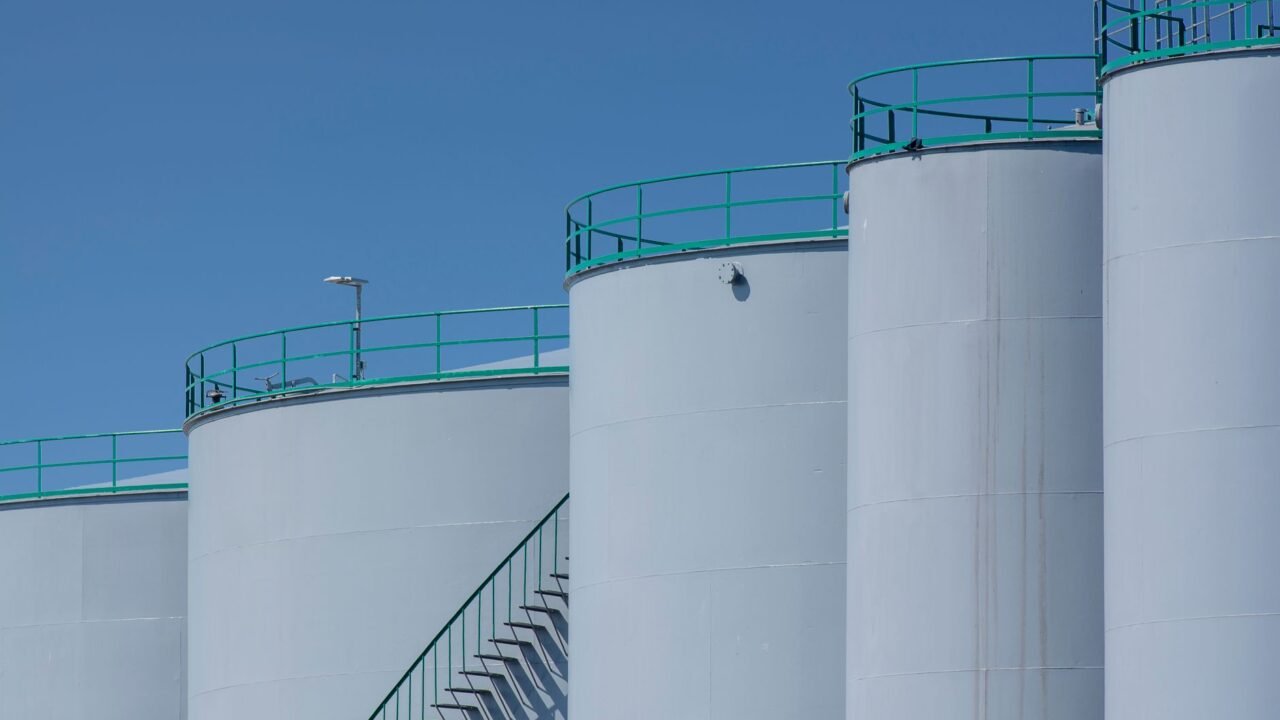
The global scramble for oil, a perennial feature of international energy politics, often intensifies during periods of heightened geopolitical tension. However, China’s unique position, bolstered by its extensive strategic petroleum reserves (SPR), allows it to adopt a more patient and strategic stance. The SPR system, designed to mitigate the impact of supply disruptions, has been a cornerstone of China’s energy security strategy. Its development has been a multi-year endeavor, involving significant investment and careful management of storage facilities and procurement channels. This robust infrastructure and policy framework mean that China is not beholden to the immediate demands of the market in the same way as nations with less developed reserve systems.
The implications of China’s strategic reserve policy extend beyond its own energy security. By not rushing to increase purchases, China can influence global oil prices, potentially preventing sharp increases that might otherwise occur if a major consumer were to suddenly re-enter the market in force. This ability to influence market dynamics underscores China’s growing economic and geopolitical power. The nation’s economic growth, while potentially moderating, still represents a significant demand driver for global energy. However, its strategic reserves provide a crucial flexibility, allowing it to decouple its immediate consumption needs from the vagaries of international supply chains, particularly those that are vulnerable to conflict or political instability.
The Strait of Hormuz, a narrow waterway between the Persian Gulf and the Gulf of Oman, is a vital transit route for crude oil. Any disruption to its flow can have immediate and far-reaching consequences for global energy markets. Historically, tensions in the region have led to significant price spikes and supply concerns. However, China’s proactive reserve management strategy appears to have created a shield against such immediate impacts. The country’s commitment to maintaining a substantial buffer of oil means that it can absorb temporary supply shocks without resorting to panic buying or drastic changes in its import strategy. This is a stark contrast to the reactive measures often seen in other parts of the world when faced with similar geopolitical challenges.
The development of China’s SPR has been a gradual but determined process. It began in the early 2000s, with the first phase of storage facilities becoming operational in 2009. Subsequent phases have expanded the nation’s storage capacity significantly, making it one of the largest holders of strategic oil reserves globally. This expansion has been driven by a recognition of the inherent risks associated with relying heavily on imported oil, particularly from regions prone to instability. The ongoing efforts to diversify energy sources and enhance domestic production further complement the strategic reserve strategy, creating a multi-layered approach to energy security.
The potential reopening of the Strait of Hormuz, while a significant development for the global energy landscape, does not necessarily translate into an immediate shift in China’s purchasing behavior. The nation’s leaders have consistently emphasized the importance of self-reliance and strategic preparedness. This philosophy is deeply embedded in its energy policy, which prioritizes long-term stability over short-term market opportunism. Therefore, any adjustments to China’s oil imports from the Persian Gulf are likely to be incremental and carefully calibrated, taking into account the broader geopolitical and economic context, as well as the status of its own strategic reserves.
The global energy market is a complex interplay of supply, demand, and geopolitical factors. China’s strategic reserve policy represents a significant factor in this equation, providing a degree of stability that can influence global price trends. As the world watches the developments surrounding the Strait of Hormuz, China’s position as a nation with full tanks offers a compelling case study in strategic energy management and its implications for international affairs.

Tahir Rihat (also known as Tahir Bilal) is an independent journalist, activist, and digital media professional from the Chenab Valley of Jammu and Kashmir, India. He is best known for his work as the Online Editor at The Chenab Times.



Leave a Reply