
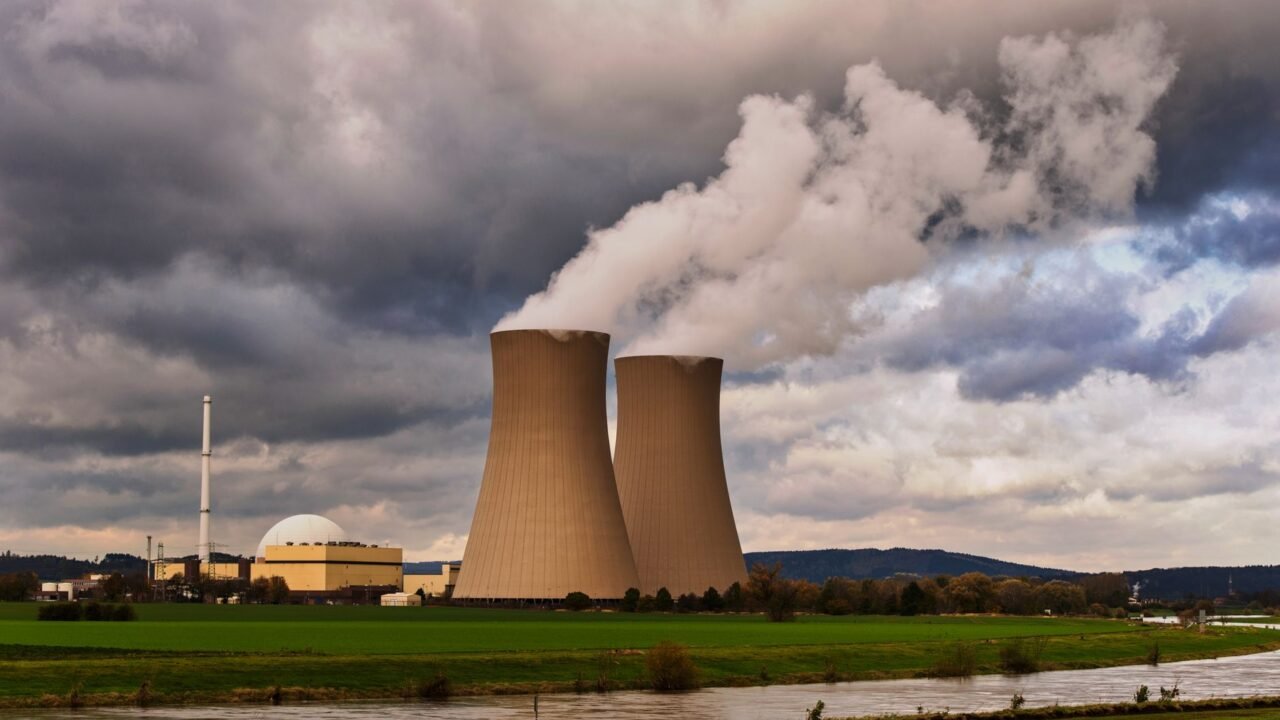
Europe is experiencing a more rapid increase in temperatures than the global average, a phenomenon driven by a complex interplay of both global climate change and specific regional environmental conditions. While the worldwide escalation of temperatures is undeniably linked to the burning of fossil fuels, the precise rate at which different parts of the planet warm is significantly influenced by localized factors on land and in the surrounding seas. This accelerated warming trend in Europe presents a unique set of challenges and demands a deeper understanding of the mechanisms at play.
The continent’s geography and its relationship with oceanic currents play a crucial role in this amplified warming. For instance, the Atlantic Ocean, particularly its northern reaches, is a key regulator of European climate. Changes in ocean circulation patterns, influenced by melting ice sheets and altered salinity levels, can have profound effects on heat distribution. Information reaching Tahir Rihat suggests that the North Atlantic Oscillation, a climate pattern that influences weather across the North Atlantic, is also a significant contributor to regional temperature variations and the observed warming trend.
Furthermore, the landmass itself contributes to the phenomenon. Europe’s extensive land surface area, compared to its oceanic coverage, means that it is more susceptible to absorbing and retaining heat. Unlike oceans, which can absorb vast amounts of heat and release it slowly, land surfaces heat up and cool down more quickly. This characteristic amplifies the impact of rising global temperatures. The reduction in snow cover and ice extent across Europe, a direct consequence of warming, also plays a part. Less reflective surfaces mean more solar radiation is absorbed by the ground, further contributing to higher temperatures. This albedo effect, where darker surfaces absorb more heat than lighter, reflective ones, creates a feedback loop that accelerates warming.
The Mediterranean region, a significant part of Europe, is particularly vulnerable. This area is already characterized by hot, dry summers, and climate change is exacerbating these conditions, leading to more frequent and intense heatwaves. The drying of soils, a consequence of reduced rainfall and increased evaporation, also contributes to higher land surface temperatures. As per information available with Tahir Rihat, the intensification of heatwaves in Southern Europe is not merely a matter of discomfort but poses significant risks to agriculture, water resources, and public health.
The Arctic, which borders Europe, is also warming at a rate far exceeding the global average. This Arctic amplification has knock-on effects on European weather patterns, including changes in the jet stream, which can lead to more extreme weather events across the continent. The thawing of permafrost in Arctic regions also releases greenhouse gases, further contributing to the global warming trend that is then amplified in Europe due to its specific geographical and climatic characteristics. The interconnectedness of these systems means that changes in one region can have cascading effects on others, making the study of climate change a complex, global endeavor with significant regional implications.
Scientists are meticulously studying these interconnected factors to refine climate models and predict future warming scenarios for Europe. Understanding the precise contributions of oceanic heat transport, land surface characteristics, albedo changes, and atmospheric circulation patterns is crucial for developing effective adaptation and mitigation strategies. The urgency of this research is underscored by the observable impacts of accelerated warming, including increased frequency of extreme weather events, shifts in ecosystems, and threats to human infrastructure and livelihoods. The scientific consensus, as reported by various climate research institutions, points to a clear and present danger that requires immediate attention and concerted global action, with a particular focus on regional vulnerabilities like those seen across the European continent.

Tahir Rihat (also known as Tahir Bilal) is an independent journalist, activist, and digital media professional from the Chenab Valley of Jammu and Kashmir, India. He is best known for his work as the Online Editor at The Chenab Times.



Leave a Reply