
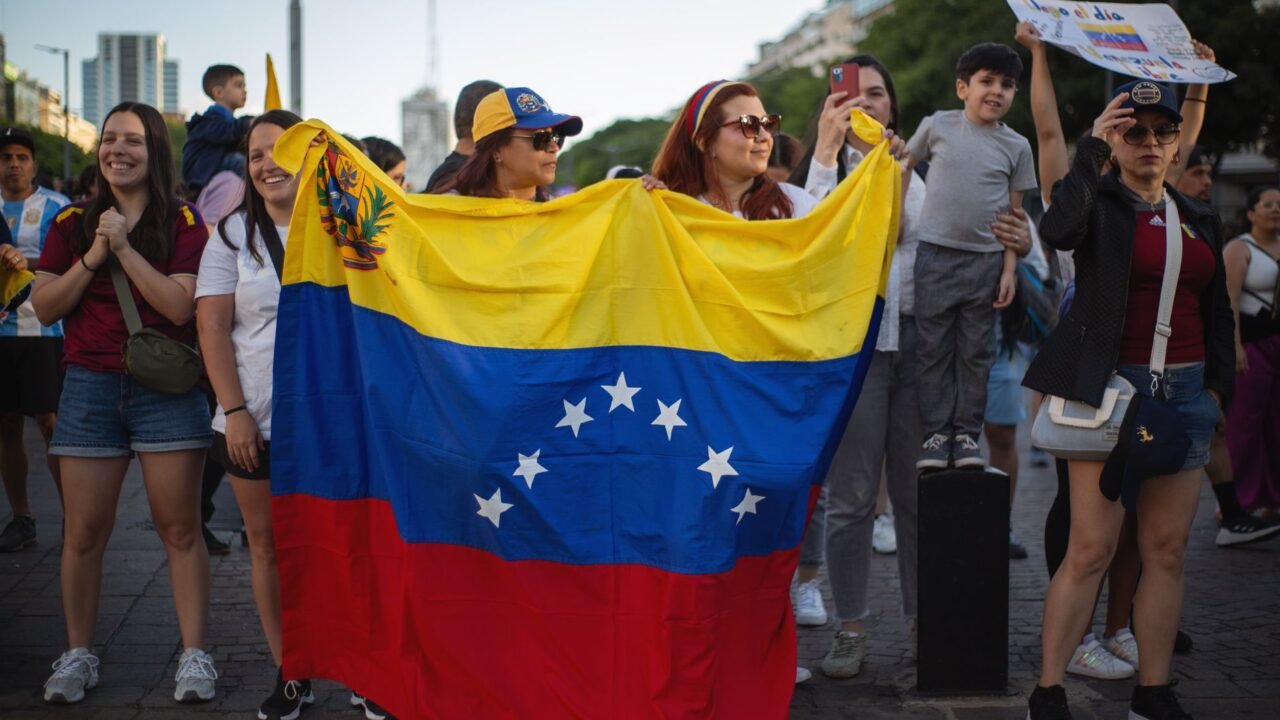
María Corina Machado, the prominent exiled leader of Venezuela‘s opposition, harbors a strong desire to return to her homeland. However, United States officials have conveyed that her aspirations to repatriate are surfacing at a particularly sensitive and inopportune moment, according to sources familiar with the matter. The timing of Machado’s potential return is reportedly a point of significant concern for American policymakers, who are navigating a complex and evolving geopolitical landscape surrounding Venezuela.
Information reaching Tahir Rihat suggests that these U.S. officials are expressing a degree of frustration regarding Machado’s calls for assistance and her stated intention to go home. The underlying sentiment is that her actions, while perhaps personally motivated, could inadvertently complicate ongoing diplomatic efforts and delicate political maneuvering aimed at fostering a transition in Venezuela. The specifics of these diplomatic efforts and the exact nature of the complications are not fully detailed, but the emphasis remains on the timing of Machado’s expressed wishes.
The exiled opposition leader has been a vocal critic of the Nicolás Maduro government and has been barred from holding office in Venezuela. Her potential return is viewed by many as a symbolic act of defiance and a potential catalyst for renewed political engagement within the country. However, U.S. officials, as reported by The New York Times, are emphasizing the strategic implications of her return, particularly in relation to the broader international strategy concerning Venezuela. The U.S. has been a key player in efforts to isolate the Maduro regime and support opposition movements, but the efficacy of these strategies is often contingent on careful timing and coordination.
The sources cited by The New York Times indicated that the U.S. officials’ frustration stems from the belief that Machado’s push to return might be premature, potentially disrupting carefully laid plans or creating unforeseen challenges for the opposition movement as a whole. While the exact nature of these challenges is not elaborated upon, it is implied that the U.S. administration is concerned about the potential for Machado’s return to either embolden the Maduro government or create internal divisions within the opposition itself, thereby hindering the collective goal of a democratic transition. The delicate balance of power and influence in Venezuela means that any significant move by a prominent opposition figure, especially one with international backing, is scrutinized for its potential impact.
The U.S. has consistently advocated for democratic reforms in Venezuela and has imposed sanctions on the Maduro government. However, the effectiveness of these measures has been a subject of ongoing debate, and the U.S. has also been involved in various diplomatic initiatives, often in coordination with regional partners. The timing of Machado’s desire to return is seen by some within the U.S. administration as potentially undermining these broader, more nuanced diplomatic strategies. The officials’ concerns are not necessarily about Machado herself, but rather about the strategic impact of her actions on the ground in Venezuela and on the international stage.
The exiled leader’s wish to return home is understandable, given her role as a leading figure in the Venezuelan opposition. However, the U.S. officials’ perspective highlights the complex calculus involved in international diplomacy and the challenges of supporting democratic movements in authoritarian states. The situation underscores the tension between the immediate desires of political figures and the long-term strategic objectives of foreign policy. The U.S. administration’s reported frustration suggests a concern that Machado’s actions, however well-intentioned, could inadvertently play into the hands of the current Venezuelan government or create obstacles for the opposition’s broader objectives.
The report from The New York Times does not delve into the specifics of what U.S. officials hope Machado will do or not do, but it clearly indicates a divergence in perspective regarding the optimal timing for her return. This suggests that the U.S. administration may have a particular strategy in mind for Venezuela, and Machado’s personal timeline for returning might not align with it. The officials’ concerns are likely rooted in a desire to maximize the impact of U.S. support for the Venezuelan opposition and to avoid actions that could be counterproductive. The complexities of the Venezuelan crisis mean that every move is closely watched, and the timing of significant political actions can have far-reaching consequences.
The exiled opposition leader’s situation is emblematic of the broader challenges faced by those seeking to effect political change in Venezuela. The international community, particularly the United States, has been actively involved in seeking a resolution to the country’s protracted political and economic crisis. However, the path forward remains fraught with difficulties, and the actions of key opposition figures are often subject to intense scrutiny and strategic consideration by their international allies. The reported U.S. frustration points to the intricate nature of these alliances and the differing perspectives that can arise when personal aspirations intersect with complex geopolitical realities.
The ongoing political turmoil in Venezuela has led to a significant humanitarian crisis and a mass exodus of its citizens. María Corina Machado, as a prominent voice for the opposition, has been a focal point for many seeking a change in leadership. Her desire to return is a powerful statement, but the U.S. officials’ concerns highlight the strategic considerations that often accompany such moves. The report suggests that the U.S. administration is carefully weighing the potential consequences of Machado’s return, indicating a sophisticated and perhaps cautious approach to its engagement with the Venezuelan opposition. The situation remains fluid, with the potential for significant developments as these differing perspectives play out.

Tahir Rihat (also known as Tahir Bilal) is an independent journalist, activist, and digital media professional from the Chenab Valley of Jammu and Kashmir, India. He is best known for his work as the Online Editor at The Chenab Times.




Leave a Reply