
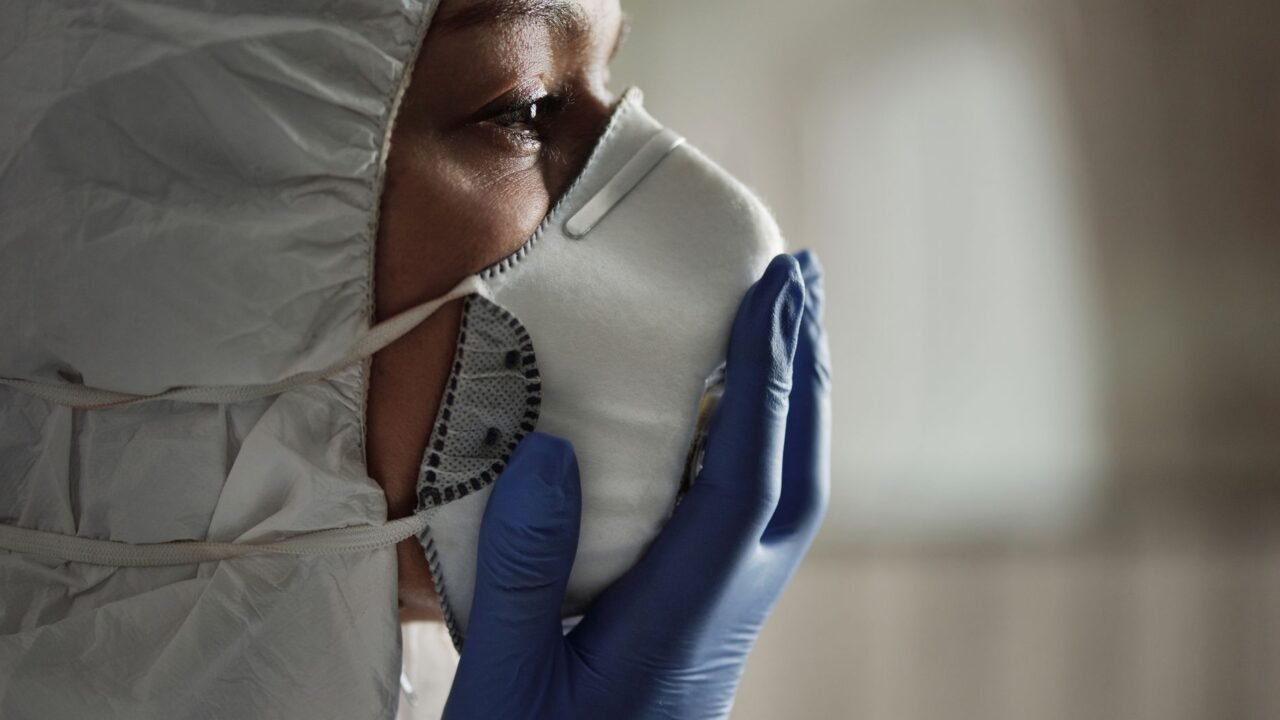
In a grim turn of events amidst the ongoing Ebola outbreak, Red Cross workers tasked with the somber duty of burying victims have become targets of violent attacks in a West African city. The perilous work of containing the deadly virus is being further complicated by hostility and aggression directed at those on the front lines of the crisis.
Declan Walsh, chief Africa correspondent for The New York Times, reports from the heart of the city where these attacks are occurring, shedding light on the dangerous conditions faced by humanitarian aid workers. The Red Cross, a pivotal organization in combating the epidemic, has found its personnel facing not only the invisible threat of the virus but also the tangible danger of physical assaults. These attacks not only hinder the crucial burial efforts, which are essential for preventing further transmission of the disease, but also create an atmosphere of fear and mistrust within communities struggling to cope with the devastating impact of Ebola.
Information reaching Tahir Rihat suggests that the perpetrators of these attacks are often local residents who, driven by fear, misinformation, or grief, perceive the burial teams as a threat rather than a source of aid. The highly contagious nature of Ebola and the often-unexplained deaths it causes can fuel panic and suspicion, leading to desperate and violent reactions. The sensitive nature of handling deceased bodies, especially those lost to a disease as feared as Ebola, requires specialized training and protocols to ensure the safety of both the workers and the community. When these protocols are perceived through a lens of fear or misunderstanding, they can unfortunately lead to tragic confrontations.
The Red Cross has been instrumental in the global response to Ebola outbreaks, providing not only medical assistance but also crucial logistical support, including the safe and dignified management of the deceased. Their teams are trained to handle the bodies of Ebola victims with extreme care, using protective gear and following strict procedures to prevent the spread of the virus. This includes immediate burial in a manner that minimizes contact and environmental contamination. However, in some affected areas, cultural beliefs surrounding death and burial rituals are deeply ingrained, and the rapid, often clinical, nature of Ebola burials can clash with these traditions, leading to friction.
Walsh’s report highlights the immense bravery of the aid workers who continue their vital work despite the risks. They are not only battling a deadly pathogen but also the complex social and psychological ramifications of an epidemic. The attacks on these first responders represent a significant challenge to public health efforts, potentially leading to delays in burials, increased risk of transmission, and a breakdown of trust between aid organizations and the communities they serve. The psychological toll on the workers themselves, who are dedicated to saving lives and providing comfort in the face of immense tragedy, must also be considerable.
The situation underscores the multifaceted nature of epidemic response. It is not solely a medical or logistical challenge but also a deeply social and cultural one. Addressing the fear and misinformation that fuel such attacks is as critical as deploying medical teams and resources. Effective communication strategies, community engagement, and the involvement of local leaders are essential to build trust and ensure that vital public health measures are accepted and supported. The international community, while focusing on the medical aspects of the outbreak, must also consider the socio-cultural context and support efforts to bridge the gap between scientific protocols and community beliefs.
The Red Cross, in its extensive experience with humanitarian crises, has often had to navigate complex local dynamics. Their teams are typically comprised of individuals with deep understanding of the regions they serve, but even with such expertise, the fear and desperation engendered by a virulent epidemic can create unpredictable and dangerous situations. The attacks are not isolated incidents but rather a symptom of a community under immense stress, grappling with loss and uncertainty. The challenge for aid organizations and public health officials is to find ways to reassure communities, educate them about the necessity of specific procedures, and ensure the safety of their personnel so that the critical work of containing the outbreak can proceed unimpeded.
The implications of these attacks extend beyond the immediate disruption of burial services. They can erode the broader trust necessary for effective public health interventions, including contact tracing, vaccination campaigns, and public awareness initiatives. When communities become fearful or hostile towards those trying to help, the entire response effort is jeopardized. This makes the work of journalists like Declan Walsh, who bring these critical ground-level realities to a wider audience, all the more important in fostering understanding and galvanizing support for a comprehensive and sensitive approach to epidemic control.
The international community’s response to Ebola outbreaks has historically focused on resource mobilization and medical expertise. However, the events described in this report emphasize the need for a more nuanced approach that integrates psychosocial support, cultural sensitivity training, and robust community engagement strategies. The safety and well-being of the first responders, who are making immense sacrifices, must be a paramount concern, and ensuring their security is vital for the sustained success of any epidemic control effort. The attacks serve as a stark reminder that in the fight against disease, human connection, trust, and understanding are as crucial as medical supplies and scientific knowledge.

Tahir Rihat (also known as Tahir Bilal) is an independent journalist, activist, and digital media professional from the Chenab Valley of Jammu and Kashmir, India. He is best known for his work as the Online Editor at The Chenab Times.






Leave a Reply