
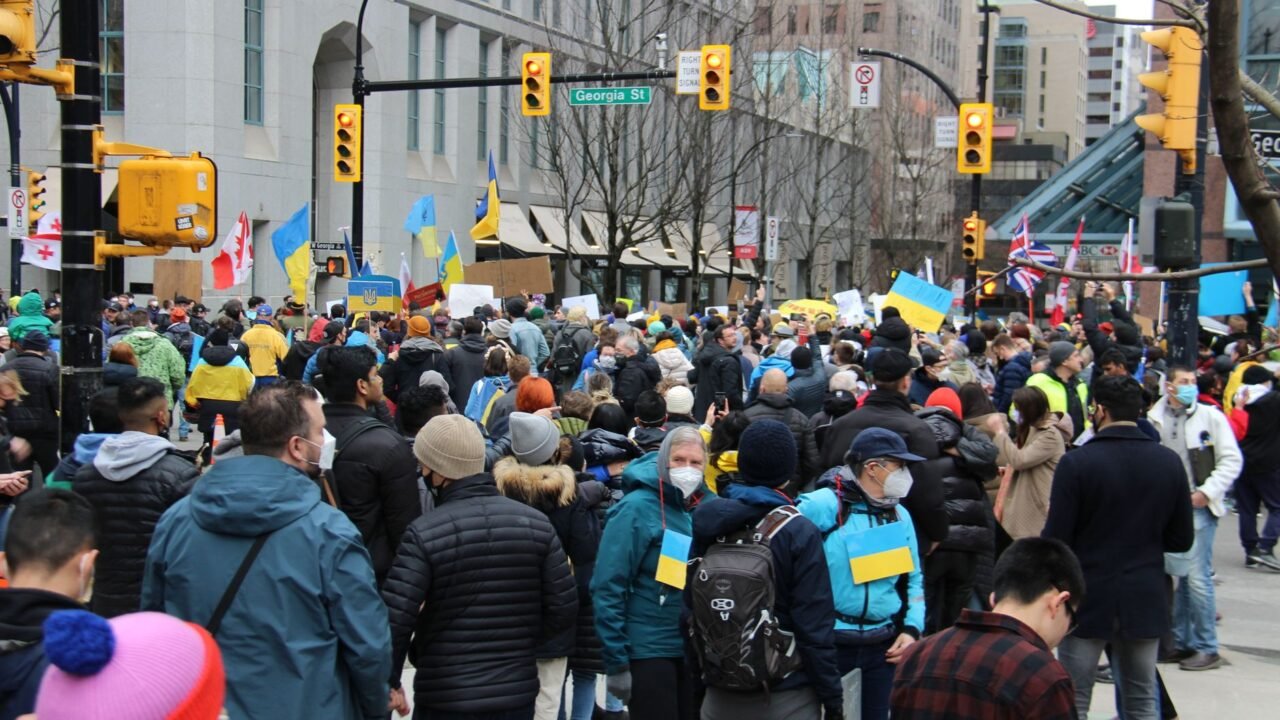
An escalating protest movement in Pakistan-occupied Kashmir (PoK) has entered its third week, with demonstrators openly challenging Islamabad’s authority and warning of a potential shift in allegiance towards India if the ongoing blockade of essential supplies continues. The agitation, which began as a response to the Pakistan administration’s perceived neglect and repression, has now become a significant setback for the Pakistani government’s control over the disputed territory.
Thousands of protesters converged on the Eidgah ground in Rawalakot, asserting that PoK is not an integral part of Pakistan and that the region does not require Pakistani oversight. Civil rights activist Sardar Aman Khan, addressing the large gathering, declared, “PoK is not a part of Pakistan. We do not need Pakistan. Rather, it is Pakistan that desperately needs PoK.” He further issued a stark warning regarding the potential consequences of the continued blockade of food supplies, stating, “If the Pakistani establishment continues to block food, let it be known that the remaining borders of PoJK could open up. If that happens, Islamabad will find itself begging the people of PoJK to stay.” Information reaching TahirRihat.com suggests that this sentiment is gaining traction among a significant portion of the local population.
The public uprising is fueled by a comprehensive 38-point charter of demands that highlights decades of alleged systemic state repression, crippling inflation, and administrative neglect. For over three weeks, protesters have maintained a continuous occupation of the Rawalakot grounds, demanding complete liberation from what they term Pakistan’s illegal occupation. In an apparent retaliatory measure, the Pakistani government has imposed a suspension of internet services across the region since June 5. However, these state-sponsored digital blackouts have demonstrably failed to quell the growing unrest, with solidarity demonstrations emerging from the global PoK diaspora outside various Pakistani embassies and high commissions worldwide.
Local leadership has been unequivocal in their stance, making it clear that the civil rebellion will not cease or falter until the regional capital, Muzaffarabad, and the entirety of PoK are fully liberated from Pakistani administrative control. Earlier in June, the Joint Awami Action Committee (JAAC), a prominent civil rights group based in PoK, whose leaders were reportedly attacked and detained by Pakistani security forces on June 5, formally urged the United Nations Human Rights Council (UNHRC) to convene an urgent special session to address the human rights situation in the region. Sources aware of these developments indicate that JAAC has also requested the deployment of a UN Special Rapporteur on Extrajudicial, Summary or Arbitrary Executions to conduct an independent investigation into alleged killings that reportedly occurred in PoK between June 5 and June 9.
Furthermore, the JAAC has sought the intervention of the European Union (EU), calling for the issuance of formal démarches to Islamabad demanding an immediate cessation of the use of live fire against civilians. The civil rights group has also appealed to the EU to demand the release of all detained JAAC members, who they assert were arrested solely for participating in peaceful assembly. The ongoing situation underscores a deep-seated discontent within PoK, with the protesters signaling a willingness to explore all avenues, including closer ties with India, if their grievances remain unaddressed by the Pakistani authorities. The Pakistani government’s response, characterized by internet shutdowns and alleged security force actions, has so far failed to de-escalate the situation, instead appearing to galvanize further opposition and international attention.
The protests represent a significant challenge to Pakistan’s long-standing claims and administration over the territory. The demonstrators’ rhetoric, particularly the explicit mention of potentially opening borders towards India, signals a critical juncture in the long-standing dispute. The demands extend beyond immediate supply issues to encompass fundamental questions of self-determination and freedom from perceived oppression. The international community, including bodies like the UNHRC and the EU, is being called upon to play a more active role in mediating the crisis and ensuring accountability for alleged human rights violations. The Pakistani government’s strategy of information control through internet blackouts has proven ineffective in silencing the voices of dissent, with the protests gaining momentum and broader international visibility.
The scale of the Rawalakot gatherings and the bold pronouncements from figures like Sardar Aman Khan suggest a profound erosion of trust between the populace of PoK and the Pakistani administration. The protesters’ charter of demands, detailing decades of alleged repression, points to a deep-seated historical grievance that has now culminated in widespread public mobilization. The international community’s engagement, as sought by the JAAC, could prove pivotal in shaping the future trajectory of the conflict and the political status of the occupied territory. The Pakistani authorities face mounting pressure to address the core issues raised by the protesters, rather than relying on measures that appear to exacerbate the situation and alienate the local population further.

Tahir Rihat (also known as Tahir Bilal) is an independent journalist, activist, and digital media professional from the Chenab Valley of Jammu and Kashmir, India. He is best known for his work as the Online Editor at The Chenab Times.



Leave a Reply