
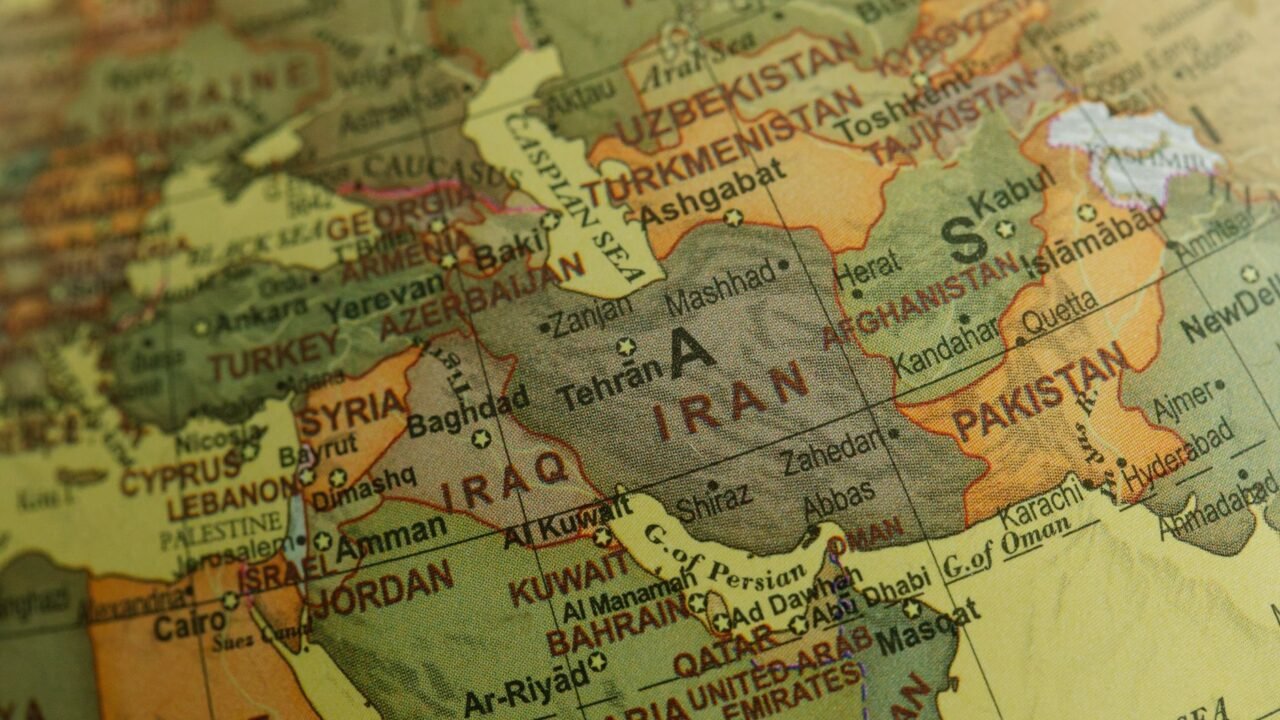
Negotiators from the United States and Iran have convened in Qatar for indirect diplomatic discussions, a development occurring as maritime traffic through the critical Strait of Hormuz has seen an increase. Despite these overtures toward dialogue, significant divergences persist between Tehran and Washington on several key issues, underscoring the complex and often fraught nature of their bilateral relationship.
The indirect talks, facilitated by Qatari intermediaries, represent a renewed effort to de-escalate tensions that have been exacerbated by a series of recent exchanges, the specifics of which remain a subject of contention between the two nations. The Strait of Hormuz, a vital chokepoint for global oil shipments, has been a focal point of concern, with increased naval activity and heightened rhetoric surrounding its security.
Information reaching Tahir Rihat suggests that the current diplomatic engagement aims to address a range of contentious matters, though the precise agenda and the level of commitment from both sides are not fully disclosed. The United States has consistently voiced concerns regarding Iran’s nuclear program, its ballistic missile development, and its regional activities, including support for various militant groups. Iran, in turn, has criticized U.S. sanctions, its military presence in the region, and its policies toward the Islamic Republic.
The decision to hold indirect talks in Qatar, a nation that maintains diplomatic ties with both the U.S. and Iran, highlights the delicate balancing act required to facilitate communication between two countries that have not had direct diplomatic relations for decades. Qatari officials have historically played a crucial role in mediating between adversaries, leveraging their neutral stance and established channels of communication.
The increased ship traffic in the Strait of Hormuz, while indicative of ongoing commercial activity, also occurs against a backdrop of heightened military postures. Both nations have previously engaged in naval exercises and demonstrated their capabilities in the Persian Gulf, leading to concerns about potential miscalculations or accidental escalations. The strategic importance of the strait cannot be overstated, as a significant portion of the world’s oil supply transits through its narrow waters.
Sources familiar with the diplomatic process indicate that the talks are in their nascent stages and that any breakthroughs are likely to be incremental. The U.S. has previously imposed stringent sanctions on Iran, aiming to curb its economic and military influence. Iran has responded by asserting its sovereign rights and vowing to resist what it describes as foreign interference and economic coercion.
The international community is closely observing these developments, recognizing that any significant shift in U.S.-Iran relations could have far-reaching implications for regional stability and global energy markets. Previous attempts at dialogue have yielded mixed results, with periods of engagement often followed by renewed confrontation. The current round of discussions is therefore being approached with a degree of cautious optimism, tempered by the historical difficulties in bridging the divide between Washington and Tehran.
The specifics of the attacks or alleged attacks that preceded these talks have not been detailed, but such incidents have frequently served as catalysts for both increased tensions and, paradoxically, renewed diplomatic efforts. The cycle of action and reaction has become a recurring feature of the U.S.-Iran dynamic, making any sustained period of de-escalation a significant diplomatic achievement.
The negotiators are expected to engage in a series of sessions, with the Qatari hosts acting as crucial conduits for conveying messages and proposals between the American and Iranian delegations. The success of these talks will likely depend on the willingness of both sides to engage in substantive discussions and to find common ground on at least some of the core issues that have fueled their protracted animosity. The outcome remains uncertain, but the very act of convening for indirect dialogue signals a recognition of the need to manage the ongoing tensions through diplomatic means, even as the underlying challenges persist.

Tahir Rihat (also known as Tahir Bilal) is an independent journalist, activist, and digital media professional from the Chenab Valley of Jammu and Kashmir, India. He is best known for his work as the Online Editor at The Chenab Times.




Leave a Reply