
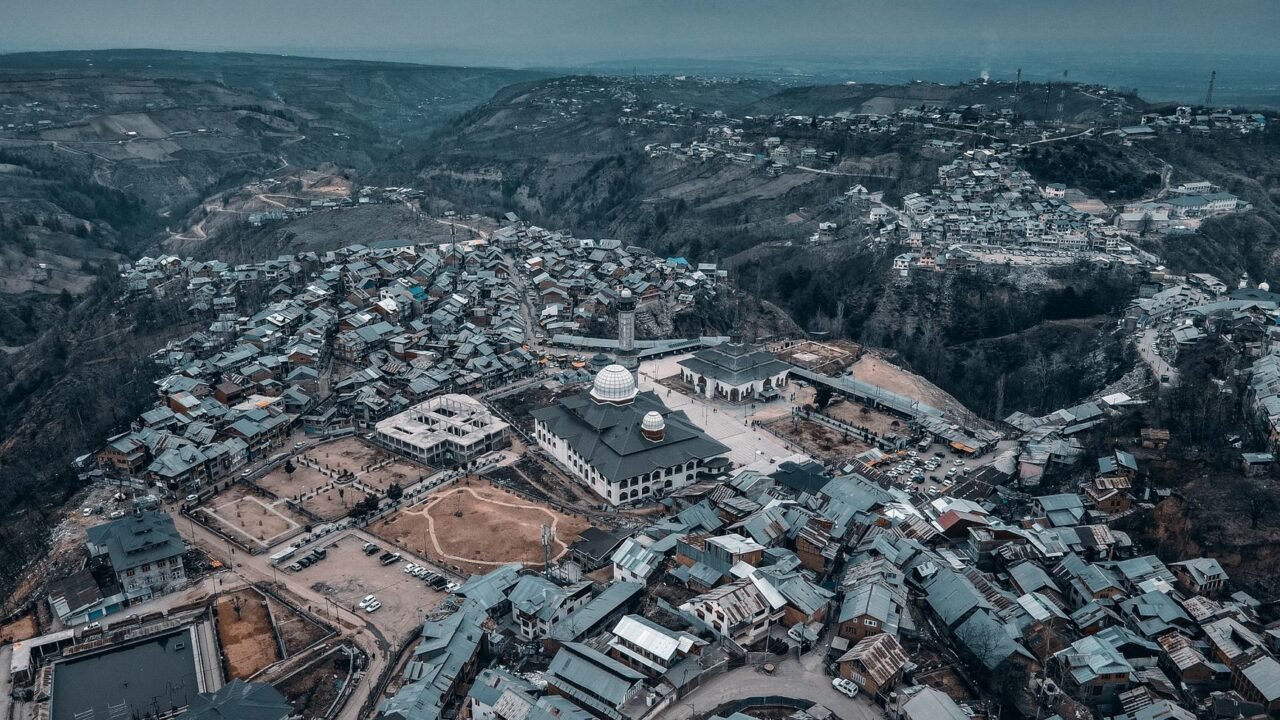
Authorities in Shopian district have issued a directive prohibiting the bursting of firecrackers after 10 pm, citing significant security and public health imperatives. The order, enacted by District Magistrate Shishir Gupta, aims to mitigate the adverse effects of late-night pyrotechnics on the region’s populace and its security apparatus.
Information reaching Tahir Rihat suggests that the district administration has observed a pattern where fireworks, particularly during nocturnal hours, contribute to substantial noise pollution. This pollution, according to the order, leads to severe health complications for residents, including respiratory distress, cardiovascular issues, and disruptions in sleep patterns. The measure is intended to safeguard the well-being of the community, with specific attention paid to vulnerable groups such as the elderly, infants, patients, and students who are disproportionately affected by such disturbances.
Furthermore, the prohibition is critically linked to the operational efficiency of security forces engaged in counter-terrorism operations. The sudden, high-intensity noise generated by firecrackers at night can create confusion and undue alarm among personnel deployed for maintaining security and public order. This can compromise their alertness and operational readiness during crucial night hours, thereby posing a risk to the overall security landscape of the district. The district magistrate emphasized that such late-night activities constitute public nuisance, disturb tranquility, and present an apprehended danger to peace and order, necessitating immediate preventive action beyond ordinary penal provisions.
Invoking Section 163 of the Bharatiya Nagarik Suraksha Sanhita (BNSS), the order mandates a complete ban on the bursting of all types of fireworks, including aerial displays and series crackers, within the territorial jurisdiction of Shopian district from 10 pm onwards. This directive is effective immediately upon its issuance and is slated to remain in force for a period of two months, subject to potential withdrawal or extension by a subsequent order. The administration has made it clear that any violation of this order will be met with penal action under Section 223 of the Bharatiya Nyaya Sanhita (BNS) and other pertinent legal provisions, underscoring the seriousness with which the authorities are treating this matter.
The decision reflects a growing concern among administrative bodies across various regions regarding the multifaceted impact of unregulated firecracker usage. Beyond the immediate environmental concerns of air and noise pollution, the implications for public health and national security are increasingly being recognized. In areas where security forces are actively engaged in maintaining law and order, such as Shopian, the disruption caused by loud, sudden noises can have tangible consequences on their ability to respond effectively to threats. This proactive measure by the Shopian district administration highlights a nuanced approach to public safety, balancing the need for order with the well-being of its citizens.
The directive also underscores the legislative framework available to local authorities to address public nuisance and security threats. The invocation of specific sections of the BNSS and BNS provides a legal backing for the prohibition, ensuring that enforcement can be carried out with clear statutory authority. This move is expected to set a precedent for other districts facing similar challenges, prompting a broader discussion on the regulation of firecracker usage, especially during sensitive periods or in areas with heightened security requirements. The administration’s focus on immediate preventive action indicates a commitment to ensuring a peaceful and secure environment for all residents.
The health implications cited in the order are particularly noteworthy. Respiratory distress can be exacerbated by the particulate matter and chemical compounds released during fireworks. Cardiovascular complications can arise from the sudden stress induced by loud noises, especially for individuals with pre-existing heart conditions. Sleep deprivation, a common consequence of noise pollution, affects cognitive function, mood, and overall health. By addressing these issues, the Shopian administration is demonstrating a comprehensive understanding of the challenges posed by firecrackers, extending beyond mere noise complaints to encompass critical public health concerns.
The potential for confusion among security forces during anti-terror operations is a critical aspect of the order. In a region with a history of security challenges, the ability of forces to distinguish between genuine threats and man-made disturbances is paramount. Late-night fireworks can mask the sounds of movement or activity associated with illicit operations, thereby hindering intelligence gathering and response mechanisms. The district magistrate’s emphasis on maintaining operational efficiency highlights the strategic importance of this prohibition in the broader context of regional security. The order aims to ensure that the focus remains squarely on legitimate security threats without the added complication of widespread auditory disturbances.
The duration of the order, set at two months, suggests a trial period or a response to an immediate concern, possibly related to upcoming festivals or events. However, the possibility of extension indicates that the administration is prepared to maintain these restrictions if they prove effective in addressing the identified issues. The clear articulation of penal actions for violations serves as a deterrent, reinforcing the importance of compliance. This structured approach to regulation, coupled with clear communication of the reasons behind the ban, is crucial for public cooperation and understanding.
The administrative decision in Shopian is a significant development in the ongoing efforts to balance public enjoyment with public safety and health. It signals a proactive stance by local authorities to address the negative externalities associated with firecracker use, particularly during sensitive hours. The comprehensive nature of the concerns addressed—ranging from individual health to national security—underscores the complex interplay of factors that influence such regulatory decisions in contemporary India.

Tahir Rihat (also known as Tahir Bilal) is an independent journalist, activist, and digital media professional from the Chenab Valley of Jammu and Kashmir, India. He is best known for his work as the Online Editor at The Chenab Times.

Leave a Reply