
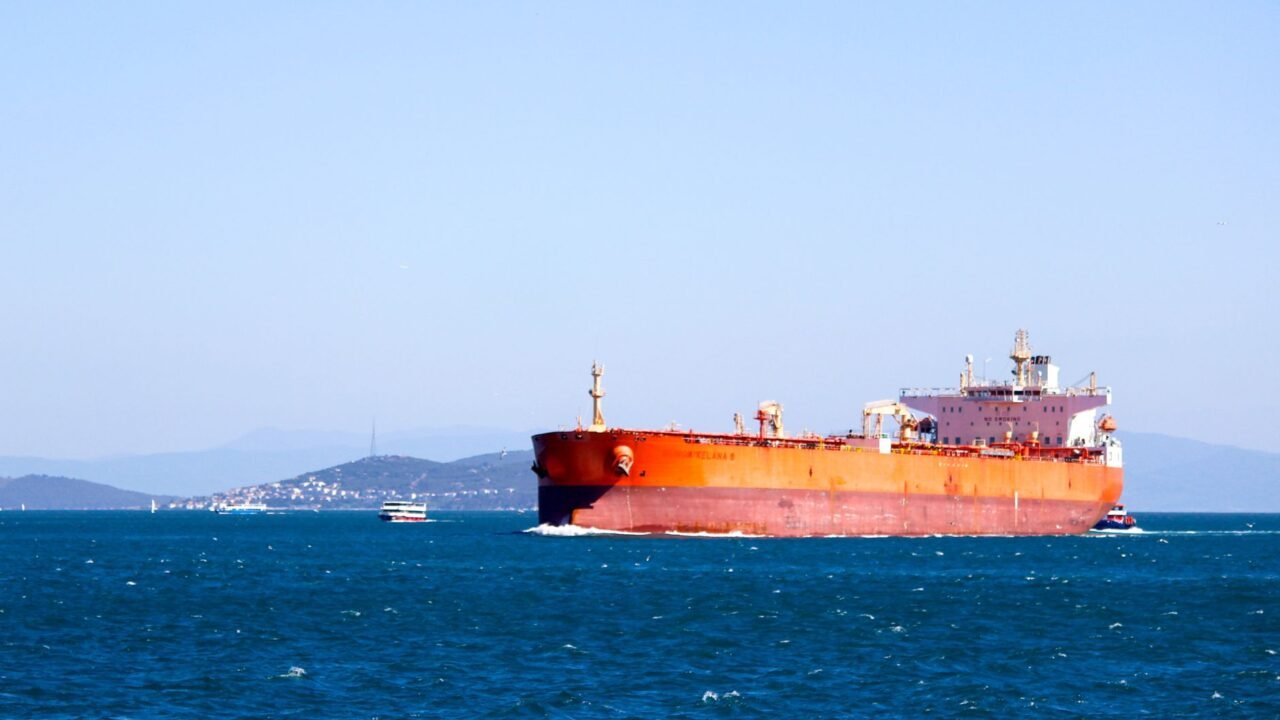
Recent tanker attacks in the Strait of Hormuz, a critical global oil transit route, risk overplaying Iran‘s hand and could provoke a more severe international response, according to analysts. These actions, while intended to exert pressure, may ultimately isolate Tehran and lead to unintended escalatory consequences, potentially drawing the United States into a more direct confrontation.
Information reaching Tahir Rihat suggests that the strategy behind these provocations is rooted in Iran’s historical willingness to endure significant losses to achieve its objectives. This approach, often characterized by a determined resilience, has been observed in past confrontations and suggests a long-term perspective in its geopolitical maneuvering. However, analysts caution that the current global geopolitical climate and the interconnectedness of energy markets mean that such a strategy could be met with a disproportionately strong reaction.
The Strait of Hormuz, through which approximately one-fifth of the world’s oil supply passes, has become a focal point of tensions between Iran and the United States, particularly following the U.S. withdrawal from the Iran nuclear deal and the reimposition of sanctions. The attacks on commercial shipping, which have been attributed by some nations to Iran, have heightened concerns about maritime security and the potential for a wider conflict in the Persian Gulf region. These incidents have led to increased naval patrols and diplomatic efforts to de-escalate the situation, but the underlying causes of friction remain unresolved.
Analysts point out that Iran’s leadership may be calculating that by demonstrating a capacity to disrupt oil flows, it can compel other nations, especially those heavily reliant on Gulf oil, to pressure the United States to ease sanctions or re-engage in negotiations on more favorable terms. This tactic, however, carries substantial risks. A significant disruption to global oil supplies could trigger a sharp rise in prices, impacting economies worldwide and potentially leading to increased international condemnation and coordinated action against Iran.
The historical precedent of Iran’s strategic patience and its willingness to absorb damage is a key factor in understanding its current posture. This characteristic suggests that Tehran is prepared for a protracted period of tension and is not easily deterred by immediate setbacks. Yet, the nature of the current international system, with its complex web of alliances and economic dependencies, means that such a strategy could be more costly now than in previous eras. The potential for miscalculation on any side is high, and the consequences of an escalation could be far-reaching.
The United States has responded to the heightened tensions by increasing its military presence in the region and imposing further sanctions on Iran. The rhetoric from Washington has been firm, emphasizing the need to protect freedom of navigation and ensure the unimpeded flow of commerce. However, there is also a clear desire to avoid a direct military conflict, which would have devastating consequences for the region and the global economy. The current strategy appears to be one of deterrence and containment, coupled with diplomatic engagement where possible.
The international community, while largely condemning the attacks on shipping, remains divided on the best course of action. Some European nations have advocated for a more measured approach, emphasizing the importance of dialogue and de-escalation. Others, particularly those in the Gulf region, have called for a stronger stance against Iran’s perceived aggression. This divergence of views complicates the international response and provides Iran with potential leverage.
The economic implications of continued instability in the Strait of Hormuz are profound. Oil prices are highly sensitive to supply disruptions, and any sustained threat to shipments from the Gulf could lead to significant price volatility. This would not only impact consumer nations but also affect global economic growth, potentially exacerbating existing economic challenges.
Furthermore, analysts suggest that Iran’s actions might be influenced by domestic political considerations. In a challenging economic environment, projecting strength on the international stage can serve to bolster the legitimacy of the ruling regime. However, such a strategy can also backfire if it leads to increased international isolation and further economic hardship for the Iranian population.
The risk of escalation remains a primary concern. A minor incident, a misjudgment, or an unintended consequence of military posturing could rapidly spiral into a larger conflict. The presence of multiple naval forces in close proximity, coupled with heightened tensions, creates a volatile environment where accidents or deliberate provocations could have severe repercussions.
Ultimately, the effectiveness of Iran’s current strategy hinges on its ability to withstand international pressure and to accurately gauge the reactions of other global powers. While Iran has demonstrated a capacity for resilience, the interconnectedness of the modern world means that actions in the Strait of Hormuz have ripple effects far beyond the immediate region. Analysts are closely watching to see whether Iran’s calculated risks will yield the desired outcomes or lead to a more perilous situation.

Tahir Rihat (also known as Tahir Bilal) is an independent journalist, activist, and digital media professional from the Chenab Valley of Jammu and Kashmir, India. He is best known for his work as the Online Editor at The Chenab Times.


Leave a Reply