
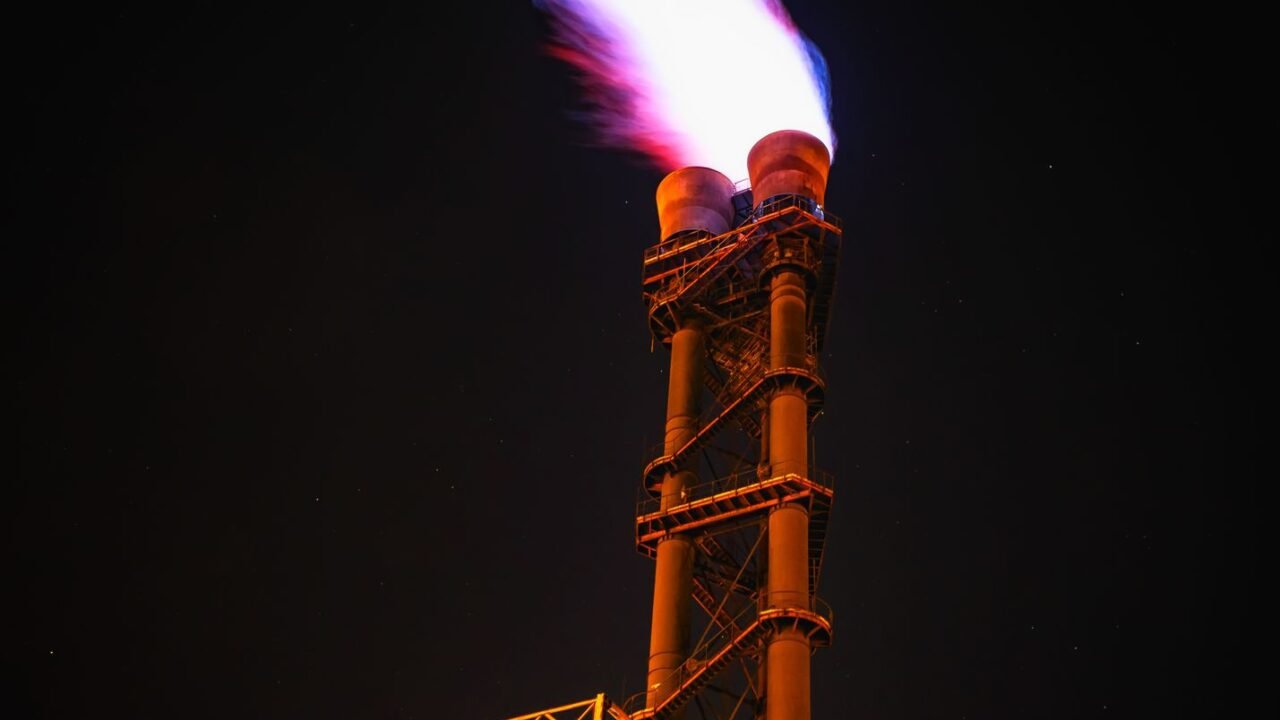
Kuwait has directly accused Iran of targeting its civilian infrastructure following a series of attacks that led to significant fires at power and water facilities across the country. The accusations mark a sharp escalation in regional tensions, with Kuwait asserting that the strikes were deliberate and aimed at critical national assets.
The Kuwaiti government stated that the attacks were carried out by entities it holds Iran responsible for, underscoring the gravity of the situation. This development comes amid a broader backdrop of escalating conflict in the region, with Iran and its proxies frequently engaged in confrontations with adversaries. The specific nature of the attacks and the evidence linking them to Iran were not immediately detailed by Kuwaiti authorities, but the direct accusation suggests a high degree of certainty on their part. As per information available with Tahir Rihat, the incidents have raised serious concerns about the stability of the Persian Gulf and the potential for wider conflict.
The targeted facilities are vital for the daily functioning of Kuwait, a nation heavily reliant on desalination plants for its water supply and robust power grids to support its population and economy. Fires at these locations not only disrupt essential services but also pose significant risks to public safety and national security. The government’s swift and direct condemnation of Iran indicates a belief that these were not accidental or collateral damages but calculated acts of aggression. This stance could lead to significant diplomatic repercussions and potentially alter the geopolitical landscape of the Middle East.
Kuwait’s accusation is particularly noteworthy given its historical relationship with Iran, which has often been complex and fraught with underlying tensions. While the two nations have maintained diplomatic ties, underlying security concerns and regional power dynamics have frequently strained their relationship. The direct blame placed on Iran suggests that Kuwait believes it has irrefutable proof or strong intelligence indicating Iranian involvement, either directly or through affiliated groups. The implications of such an accusation are far-reaching, potentially drawing in other regional and international actors into the dispute.
The incidents have prompted an immediate response from Kuwaiti security forces, who are working to assess the damage and restore services. The government has also vowed to take all necessary measures to protect its national interests and ensure the safety of its citizens. The international community is closely monitoring the situation, with many nations expressing concern over the potential for further escalation. The United States, a key security partner for many Gulf states, is expected to be particularly attentive to these developments, given its own strategic interests in the region and its ongoing tensions with Iran. The precise timing of these attacks, amidst broader regional security challenges, adds another layer of complexity to an already volatile situation.
The accusations by Kuwait against Iran are not occurring in a vacuum. They are part of a larger pattern of regional instability that has seen increased activity and confrontations involving Iran and its adversaries. These include incidents in the Strait of Hormuz, cyberattacks, and proxy conflicts in various parts of the Middle East. Kuwait’s direct naming of Iran as responsible for attacks on its civilian infrastructure represents a significant escalation, moving beyond indirect accusations or general regional instability to specific allegations of direct targeting of critical national assets. This could lead to a more robust and potentially confrontational response from Kuwait and its allies.
The economic impact of these attacks could also be substantial. Damage to power and water facilities can lead to prolonged service disruptions, affecting businesses, industries, and the daily lives of residents. The cost of repairs and the potential loss of revenue due to operational downtime will add to the financial burden. Furthermore, such incidents can deter foreign investment and tourism, impacting Kuwait’s economic outlook. The government’s commitment to restoring services swiftly is crucial to mitigating these economic consequences and maintaining public confidence. The ongoing efforts to assess the full extent of the damage and the timeline for repairs will be closely watched by both domestic and international stakeholders.
The international community’s reaction will be critical in shaping the trajectory of this crisis. While some nations may call for de-escalation and dialogue, others might offer support to Kuwait, potentially leading to increased diplomatic pressure on Iran. The United Nations and other international bodies will likely play a role in mediating or investigating the incidents. The response from regional powers, such as Saudi Arabia and the United Arab Emirates, which have their own complex relationships with Iran, will also be significant. Their alignment with or divergence from Kuwait’s stance could influence the broader regional dynamics and the effectiveness of any diplomatic efforts aimed at resolving the crisis.
The specific details of the attacks, including the methods used and the exact locations targeted, are still emerging. However, the fact that Kuwait has chosen to publicly and directly accuse Iran suggests that the intelligence gathered is considered compelling. This move is likely intended to signal Kuwait’s resolve and to garner international support for its position. The coming days and weeks will be crucial in determining how this accusation translates into diplomatic action, potential sanctions, or further retaliatory measures. The situation remains fluid, with the potential for rapid developments as more information becomes available and as regional and international actors respond to this latest escalation.
The government of Kuwait has indicated that it is working closely with its allies to address the situation. The nature of this cooperation and the specific forms of support being sought or offered are not yet clear. However, it is understood that Kuwait will be looking for a strong international response to deter future attacks and to hold those responsible accountable. The narrative that Kuwait is attempting to build is one of a sovereign nation whose critical infrastructure has been deliberately targeted by a foreign power, a narrative that often garners significant international sympathy and support. The success of this narrative will depend on the strength of the evidence presented and the geopolitical alignments of key global players.
The long-term implications of this accusation could extend beyond immediate diplomatic and security concerns. It could reshape Kuwait’s foreign policy, potentially leading to a more assertive stance on regional security issues and a strengthening of alliances with countries that share its concerns about Iranian influence. The incident also highlights the vulnerability of critical infrastructure in the region to sophisticated attacks, raising questions about the adequacy of existing security measures and the need for enhanced regional cooperation on cybersecurity and physical security. The ongoing analysis of the attacks will undoubtedly inform future security strategies and investments in the region.

Tahir Rihat (also known as Tahir Bilal) is an independent journalist, activist, and digital media professional from the Chenab Valley of Jammu and Kashmir, India. He is best known for his work as the Online Editor at The Chenab Times.





Leave a Reply