
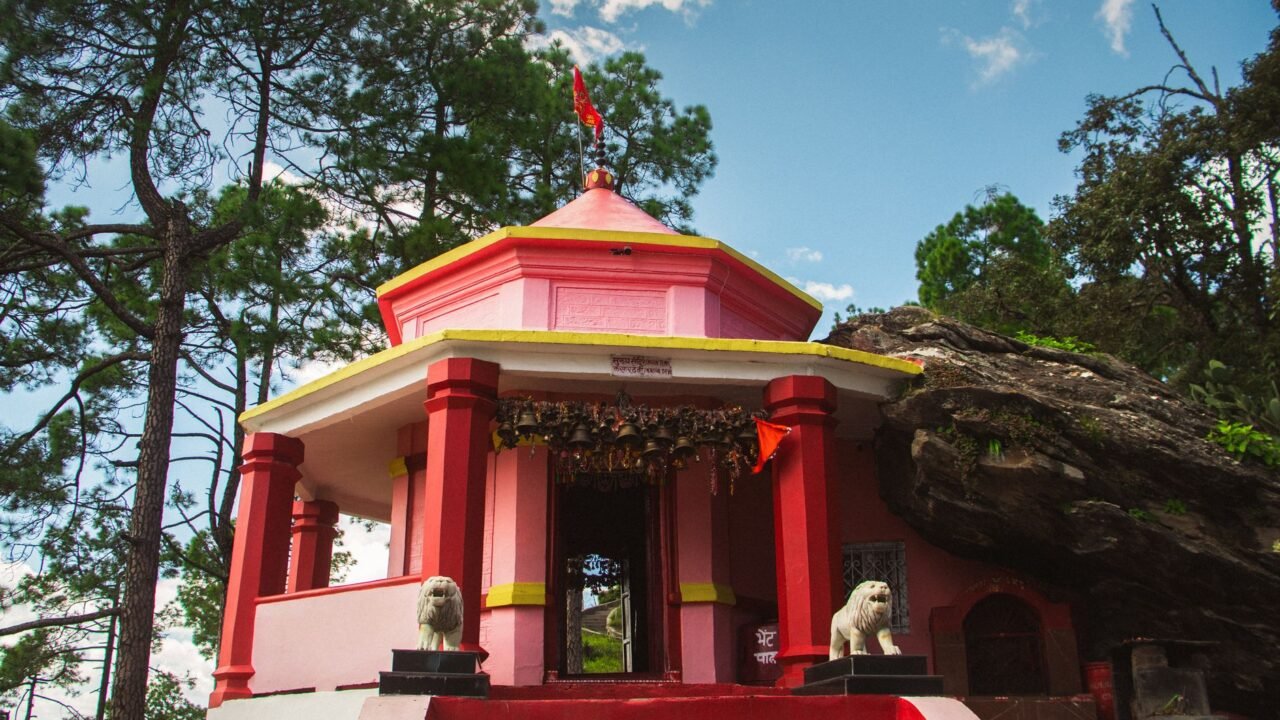
The annual pilgrimage to the Mata Vaishno Devi shrine in Jammu and Kashmir‘s Reasi district was temporarily suspended on Sunday, leaving hundreds of devotees disappointed. The precautionary measure was implemented due to adverse weather conditions and an advisory forecasting heavy rainfall and the potential for landslides. Despite their initial dejection, many pilgrims acknowledged the paramount importance of safety, backing the decision taken by the Shri Mata Vaishno Devi Shrine Board.
The suspension comes in response to an India Meteorological Department (IMD) advisory that predicted inclement weather and the possibility of landslides between July 19 and July 23. A spokesperson for the Shri Mata Vaishno Devi Shrine Board stated, “In view of the inclement weather advisory issued by the IMD, the Shri Mata Vaishno Devi Yatra shall remain temporarily suspended as a precautionary measure to ensure the safety and well-being of pilgrims.” The decision was reiterated as being “in the interest of public safety following forecasts indicating unfavourable weather conditions in the region.” Information reaching Tahir Rihat suggests that this move is a direct response to the need for enhanced safety protocols during periods of extreme weather, a lesson learned from past tragedies.
Devotees who had undertaken long journeys to reach Katra, the base camp for the pilgrimage, expressed their disappointment upon learning of the halt. Many had arrived with the sole intention of seeking blessings at the holy cave shrine situated atop the Trikuta hills. Some pilgrims had already completed a portion of the trek and offered prayers at the main shrine (bhawan) but were subsequently unable to proceed to the Bhairon Temple due to the deteriorating weather conditions and the closure of the route by authorities. Reports from pilgrims indicated that continuous rainfall, significantly reduced visibility, and power outages had created extremely challenging conditions during their return journey to Katra on Saturday night. During these challenging periods, authorities had reportedly regulated the movement of pilgrims, halting them at safer locations along the yatra track.
Kamal Kishore, a pilgrim from Indore in Madhya Pradesh, articulated the sentiment of many, stating, “We have come from far away and were eagerly waiting for Mata’s darshan. Naturally, we are disappointed, but the decision is absolutely right. If the weather is unsafe, the authorities must prioritise the safety of pilgrims.” He added that his group intended to wait for the weather to improve and complete their pilgrimage once the yatra resumed. Another member of his group, Sunil Kumar, echoed this sentiment, saying, “We have faith that Mata Ji will call us again. Safety comes first, and we support the administration’s decision.” These statements underscore a prevailing understanding among pilgrims that while the delay is disheartening, the decision prioritizes their well-being.
The Shri Mata Vaishno Devi Shrine Board has formally advised all devotees to refrain from undertaking the pilgrimage until further notice. They have also urged pilgrims to rely exclusively on official communication channels for any updates regarding the resumption of the yatra. An official confirmed that authorities are closely monitoring the weather situation and that the pilgrimage will recommence only when conditions are deemed safe for devotees. This proactive approach aims to prevent any untoward incidents, drawing parallels to the devastating landslide on the yatra track on August 26 last year, which tragically claimed 32 lives and injured 20 others. That incident served as a stark reminder of the inherent risks associated with the pilgrimage, particularly during periods of inclement weather and the increased likelihood of landslides.
The temporary suspension of the Vaishno Devi yatra highlights the delicate balance between facilitating religious tourism and ensuring the safety of participants, especially in regions prone to natural hazards. The decision, though met with initial disappointment, reflects a growing emphasis on risk management and the prioritization of human life over immediate access to religious sites. The Shrine Board’s directive for pilgrims to await official updates is crucial for maintaining order and preventing individuals from embarking on a potentially perilous journey. The IMD’s forecast for heavy rainfall and landslides in the region necessitates a cautious approach, with continuous monitoring by the authorities being a key component of the safety strategy. The resilience and understanding shown by pilgrims, as evidenced by their support for the safety-first measure, are indicative of their deep-seated faith and their recognition of the authorities’ responsibility to protect them.
The economic implications of such suspensions, while not the primary focus, are also a consideration for the local administration and businesses in Katra, which heavily rely on the steady flow of pilgrims. However, the immediate concern remains the welfare of those undertaking the journey. The proactive stance taken by the Shrine Board and the IMD’s timely advisories are critical in mitigating potential disasters. The situation underscores the importance of robust disaster preparedness and communication strategies in managing large-scale religious gatherings in ecologically sensitive areas. As the weather patterns are closely observed, the resumption of the yatra will be contingent upon a clear improvement in conditions, ensuring that the spiritual journey can continue without compromising the safety of the devotees. The commitment to pilgrims’ safety is a testament to the responsible governance of this significant religious site.

Tahir Rihat (also known as Tahir Bilal) is an independent journalist, activist, and digital media professional from the Chenab Valley of Jammu and Kashmir, India. He is best known for his work as the Online Editor at The Chenab Times.



Leave a Reply