
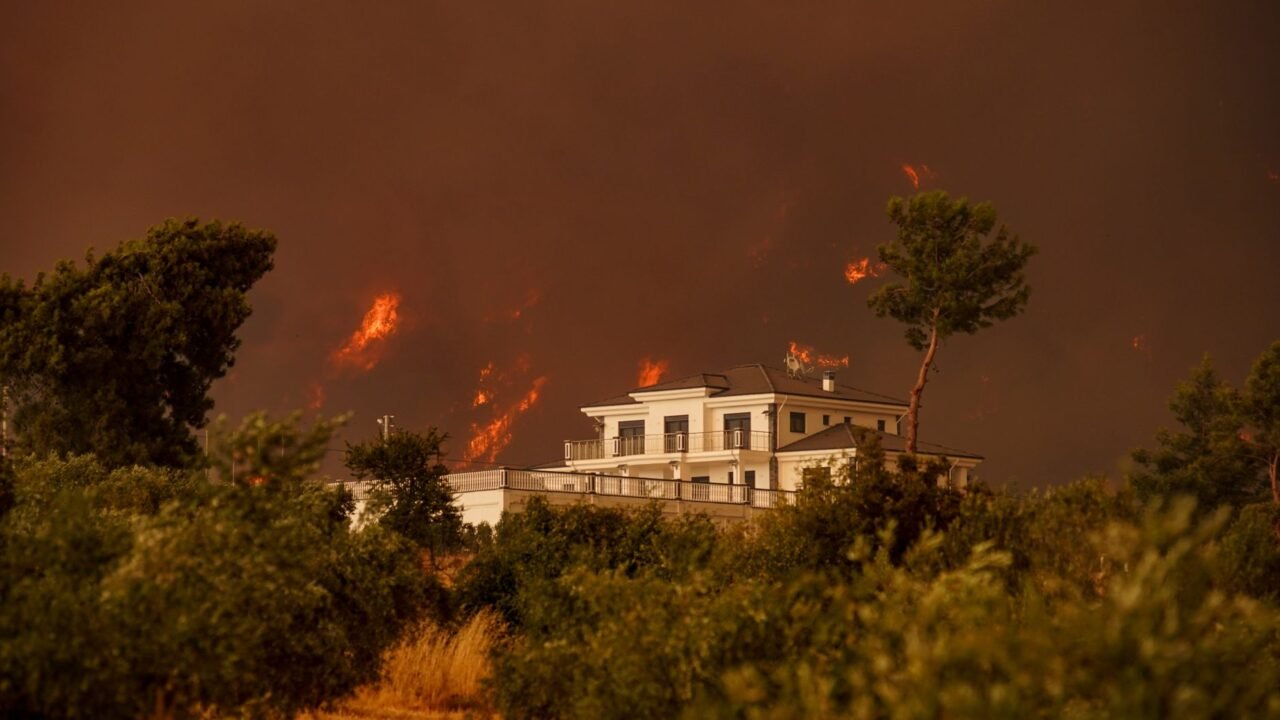
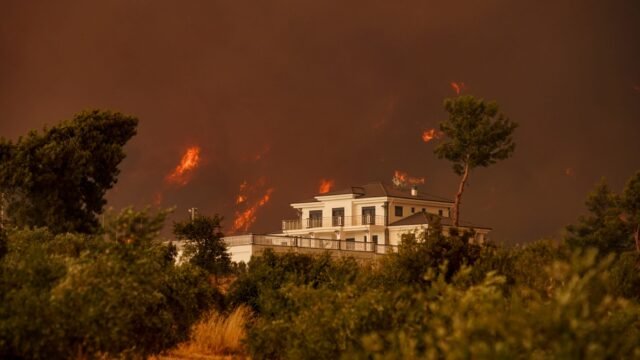
Hundreds of thousands of people have been forced to evacuate their homes as ferocious wildfires continue to rage across parts of Spain and France, with firefighters battling to contain the escalating blazes. The fires, fueled by a relentless heatwave and dry conditions, are encroaching on populated areas, including the outskirts of Madrid and the region around Bordeaux.
Information reaching Tahir Rihat suggests that the situation remains critical in several regions. In Spain, emergency services have been working around the clock to combat multiple fronts of the fire. The scale of the evacuations underscores the severity of the wildfire crisis gripping the Iberian Peninsula. Authorities have urged residents in affected areas to remain vigilant and follow official instructions as the situation develops rapidly.
The fires in France are also presenting a significant challenge, particularly in the southwestern part of the country. Large swathes of forest and agricultural land have already been consumed by the flames, and the smoke plume is visible for miles. The proximity of the blazes to major cities like Bordeaux has heightened concerns, prompting widespread displacement of residents seeking safety.
The ongoing heatwave, which has seen temperatures soar across Europe, is a major contributing factor to the intensity and rapid spread of these wildfires. Meteorologists have warned that the extreme weather conditions are likely to persist, posing a continued threat to communities and natural landscapes. The strain on firefighting resources is immense, with crews from different regions and even international partners being deployed to assist in the containment efforts.
The economic and environmental impact of these fires is expected to be substantial. Agricultural lands, vital for local economies, are being destroyed, and the long-term ecological damage to forests and wildlife habitats will be significant. The immediate focus, however, remains on ensuring the safety of residents and preventing further loss of life and property. The sheer number of evacuations indicates the widespread disruption and fear gripping the affected populations.
As the fires continue to burn, questions are being raised about preparedness and climate change adaptation strategies. The recurring nature of such extreme weather events highlights the vulnerability of regions to climate-induced disasters. Emergency response agencies are coordinating efforts to provide shelter and support to the displaced populations, facing logistical challenges in managing such a large-scale evacuation.
The efforts to control the infernos are complex, involving not only ground crews but also aerial firefighting units deploying water and retardant. However, the challenging terrain and unpredictable wind patterns often hamper these operations. The resilience of communities facing these environmental threats is being tested as they grapple with the immediate aftermath and the prospect of rebuilding.
The ongoing crisis serves as a stark reminder of the increasing frequency and intensity of extreme weather events globally. As firefighters continue their arduous work, the international community is watching closely, with potential implications for disaster response protocols and climate policy discussions. The full extent of the damage will only become clear once the fires are fully extinguished, but the immediate human cost is already immense.

Tahir Rihat (also known as Tahir Bilal) is an independent journalist, activist, and digital media professional from the Chenab Valley of Jammu and Kashmir, India. He is best known for his work as the Online Editor at The Chenab Times.


Leave a Reply