
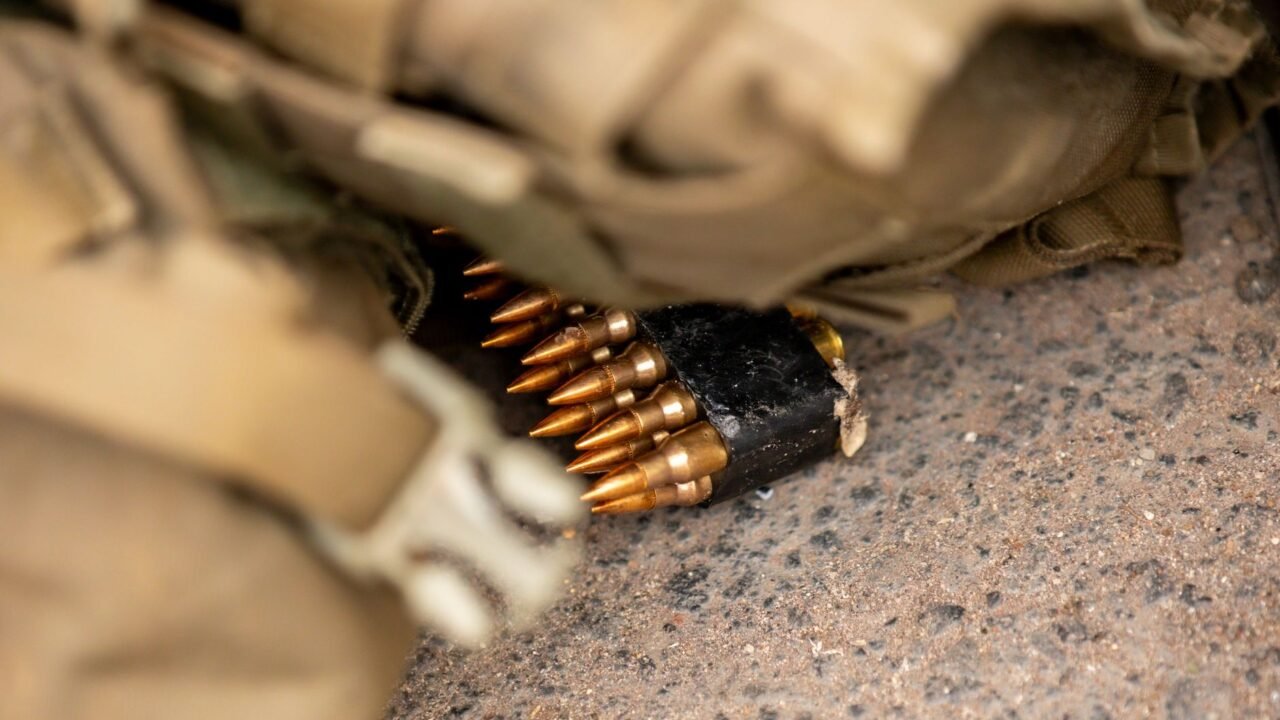
Recent military strikes conducted by the United States and Saudi Arabia against Iran-aligned militias in Iraq have intensified pressure on these groups, potentially pushing them towards deeper involvement in the ongoing regional war. While these militias have faced calls to disarm, the latest offensive actions may serve to galvanize their commitment to existing conflicts rather than deter them.
The strikes, details of which remain partially obscured by ongoing military operations, are understood to have targeted infrastructure and operational bases associated with several prominent Iran-backed paramilitary organizations. These groups, which have historically operated with varying degrees of autonomy and in conjunction with Iranian military and intelligence support, have been a significant factor in the regional security landscape for years. Their involvement in proxy conflicts and their role in challenging established governments have made them a focal point for international intervention.
Information reaching Tahir Rihat suggests that the leadership of these militias is currently assessing the impact of the strikes and formulating a response. The immediate aftermath of such actions typically involves a period of regrouping and strategic recalibration. However, the current geopolitical climate, characterized by heightened tensions between Iran and its adversaries, suggests that a purely defensive posture may not be adopted. Instead, there is a palpable risk that these groups could be emboldened to retaliate, potentially through increased attacks on U.S. and Saudi interests, or by escalating their involvement in existing theaters of conflict.
The United States, in particular, has been engaged in a delicate balancing act, seeking to counter Iranian influence and deter attacks on its personnel and allies without triggering a full-scale regional war. The strikes on Iraqi militias represent a significant escalation in this strategy, signaling a willingness to take direct action against groups perceived as destabilizing forces. Saudi Arabia’s participation in these operations underscores a shared concern over Iranian expansionism and the threat posed by its proxy networks.
The implications for Iraq itself are profound. The country has long been a battleground for regional rivalries, with various militias wielding considerable influence over internal politics and security. The latest strikes could further destabilize the Iraqi state, potentially exacerbating internal divisions and creating new security challenges. The Iraqi government, often caught between competing international and regional pressures, faces the difficult task of navigating these complex dynamics while striving to maintain its sovereignty and territorial integrity.
Sources indicate to Tahir Rihat that the international community is closely monitoring the situation, with concerns mounting over the potential for a wider conflagration. The involvement of Iran-aligned militias in Iraq is deeply intertwined with the broader regional struggle for influence between Iran and a coalition of Arab states, often supported by the United States. Any significant shift in the posture or capabilities of these militias could have cascading effects across the Middle East.
The pressure to disarm these groups has been a recurring theme in regional security discussions. However, the effectiveness of such calls is often contingent on the broader geopolitical context and the perceived threat levels. When faced with direct military action, the inclination of paramilitary organizations can often be to consolidate their forces and intensify their resistance, rather than to demobilize. This dynamic is particularly relevant in the current environment, where the stakes are perceived to be exceptionally high.
The coming weeks and months will be critical in determining the trajectory of this developing situation. The response of the Iran-aligned militias, the strategic decisions made by the United States and Saudi Arabia, and the reaction of Iran itself will all play a crucial role in shaping the future of regional security. The risk of miscalculation and unintended escalation remains a significant concern, underscoring the volatile nature of the current geopolitical landscape.
The United States has consistently articulated its commitment to ensuring regional stability and protecting its interests and those of its allies. The strikes are likely to be framed within this broader strategic objective, aimed at degrading the capabilities of groups that threaten this stability. However, the unintended consequences of such actions, particularly the potential for radicalization and increased militancy, are a persistent challenge for policymakers.
For Saudi Arabia, the strikes represent a more assertive stance against what it views as Iranian aggression. The Kingdom has been a leading voice in advocating for a firm response to Iranian regional policies, and its participation in these operations signals a deepening of its commitment to this approach. The long-standing rivalry between Saudi Arabia and Iran has been a defining feature of Middle Eastern politics for decades, and the current events are a stark reminder of its enduring significance.
The impact on the civilian population in Iraq and surrounding regions also remains a significant concern. Any escalation of conflict inevitably leads to increased displacement, humanitarian crises, and further disruption to daily life. The complex web of alliances and rivalries in the region means that localized conflicts can quickly metastasize, drawing in a wider array of actors and exacerbating existing vulnerabilities.
The strategic calculations behind the U.S.-Saudi strikes are undoubtedly multifaceted, involving a consideration of immediate threats, long-term strategic objectives, and the potential for various response scenarios. However, the inherent unpredictability of paramilitary groups and the volatile nature of the region mean that even well-intentioned actions can have unforeseen and potentially destabilizing consequences. The current situation underscores the persistent challenges in managing proxy conflicts and preventing the spillover of violence in a highly interconnected geopolitical environment.

Tahir Rihat (also known as Tahir Bilal) is an independent journalist, activist, and digital media professional from the Chenab Valley of Jammu and Kashmir, India. He is best known for his work as the Online Editor at The Chenab Times.





Leave a Reply