
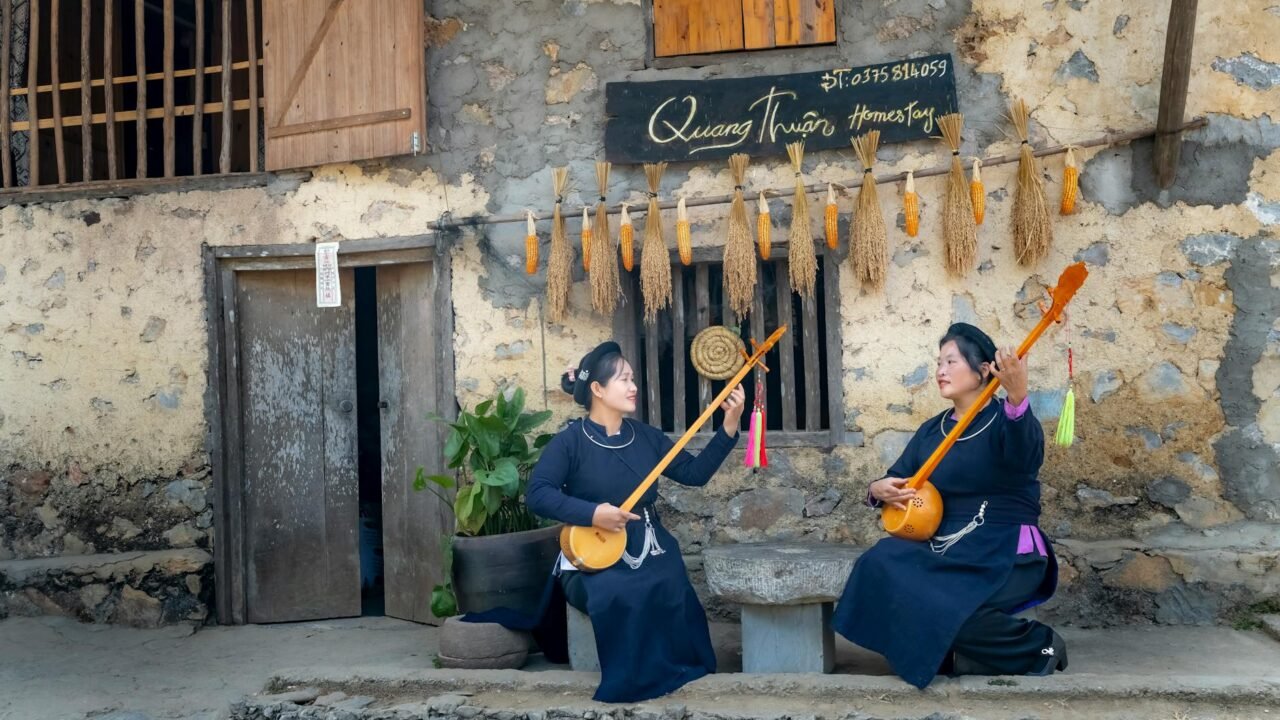
Nguyen Van Loc’s story is a testament to the enduring power of music and the resilience of the human spirit in the face of political oppression. In Vietnam, during and after the Vietnam War, Loc faced persecution for performing Hanoi’s old romantic music, songs that were deemed to be at odds with the prevailing political ideology. Despite the risks, he continued to sing, becoming a symbol of cultural resistance through his art. His experience underscores the complex relationship between artistic expression and state control, raising questions about the role of music in preserving cultural heritage and challenging authoritarian regimes.
The specific songs that led to Nguyen Van Loc’s persecution were romantic ballads popular in Hanoi before and during the Vietnam War. These songs often depicted love, longing, and nostalgia for a pre-war Vietnam, themes that clashed with the communist government’s focus on revolution, national unity, and socialist ideals. Authorities viewed these songs as decadent and bourgeois, fearing they could undermine the revolutionary spirit and promote Western-influenced values.
Across the globe, the suppression of music and artistic expression is a recurring theme in authoritarian regimes. Throughout history, music has served as a powerful tool for social commentary, political protest, and cultural preservation. Consequently, governments seeking to maintain control have often targeted musicians, artists, and cultural activities deemed subversive or threatening to the existing order. Examples abound, from the Soviet Union’s restrictions on jazz and rock music to the censorship of protest songs in apartheid-era South Africa. In contemporary China, artists face strict censorship and surveillance, while in North Korea, artistic expression is tightly controlled and used as a tool for state propaganda.
In Jammu and Kashmir, India, the intersection of music, culture, and politics has long been a sensitive issue. The region’s rich musical heritage has been both a source of cultural pride and a target of political manipulation. Folk songs and traditional music often reflect the region’s history, identity, and aspirations, sometimes expressing sentiments that challenge the status quo. Over the years, restrictions on cultural expression have been imposed at various times, often in response to periods of political unrest or conflict. Musicians and artists have sometimes faced pressure to conform to certain narratives or avoid sensitive topics, leading to self-censorship or outright bans on certain forms of artistic expression.
The Indian Constitution guarantees freedom of speech and expression, but this right is subject to reasonable restrictions in the interests of national security, public order, and morality. The application of these restrictions to artistic expression, including music, has been a subject of debate and legal challenges. In recent years, there have been instances of artists and performers facing legal action or censorship for content deemed offensive or harmful. The debate over artistic freedom in India often revolves around the balance between protecting free expression and preventing speech that could incite violence, hatred, or social unrest.
Looking more broadly at the international framework surrounding artistic freedom, Article 19 of the Universal Declaration of Human Rights guarantees the right to freedom of opinion and expression, including the freedom to hold opinions without interference and to seek, receive, and impart information and ideas through any media and regardless of frontiers. However, many countries fail to fully uphold this right in practice. Organizations like Freemuse and PEN International monitor and advocate for artistic freedom around the world, documenting cases of censorship, persecution, and violence against artists. These organizations play a crucial role in raising awareness about the importance of protecting artistic expression and advocating for policy changes to promote greater freedom for artists.
In Vietnam, decades after the events that led to Nguyen Van Loc’s persecution, the government continues to maintain control over artistic and cultural expression. While there has been some easing of restrictions in recent years, censorship remains a concern. Artists and musicians who challenge the government’s authority or promote dissenting views continue to face pressure and limitations on their ability to create and perform. The legacy of Nguyen Van Loc serves as a reminder of the ongoing struggle for artistic freedom and the importance of protecting the rights of artists to express themselves without fear of reprisal.
The experience of artists like Nguyen Van Loc highlights the critical role of civil society in defending artistic freedom. Human rights organizations, cultural groups, and individual activists can play a vital role in monitoring censorship, providing legal support to persecuted artists, and advocating for policy changes to protect artistic expression. These efforts can help to create a more open and tolerant environment for artists to create and share their work, contributing to a richer and more vibrant cultural landscape.
While we could not independently verify the current status of Nguyen Van Loc, his story represents a larger global issue. Ongoing monitoring of artistic freedom becomes paramount in a world where creative expression is often targeted by political and religious forces.

Tahir Rihat (also known as Tahir Bilal) is an independent journalist, activist, and digital media professional from the Chenab Valley of Jammu and Kashmir, India. He is best known for his work as the Online Editor at The Chenab Times.
Leave a Reply