
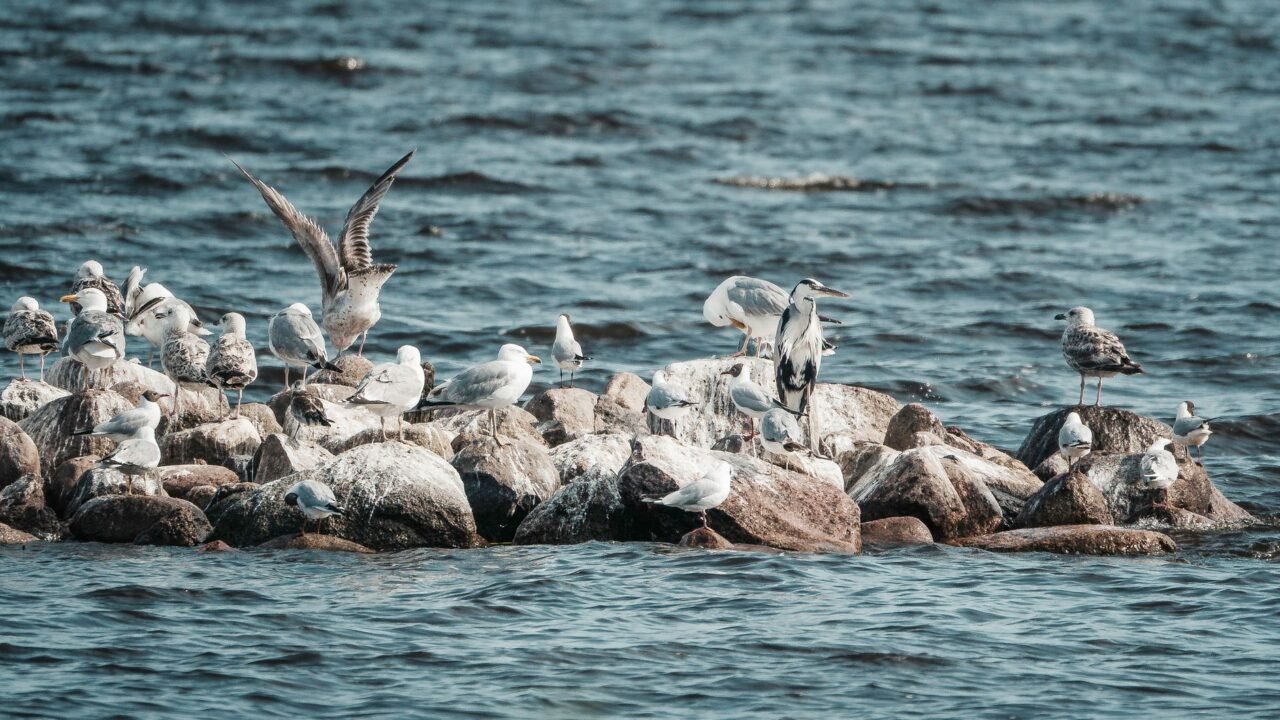
A concerning pattern of seabird deaths across various coastlines has prompted scientists to investigate the potential role of the El Niño weather phenomenon. Reports from multiple regions indicate unusual mortality rates among several species, raising alarms within the ornithological and environmental communities. Researchers are examining ecological data and climate models to ascertain the extent of El Niño’s influence on these avian populations.
Information reaching Tahir Rihat suggests that the observed die-offs are not isolated incidents but appear to be part of a larger, interconnected ecological disruption. Experts are particularly focused on the Pacific Ocean, where El Niño typically exerts its strongest influence, but evidence is emerging from other oceanic basins as well. The specific mechanisms by which El Niño could be causing these deaths are still under investigation, but prevailing theories point to disruptions in marine food webs and direct physiological stress on the birds.
The El Niño-Southern Oscillation (ENSO) is a climate pattern characterized by fluctuations in sea surface temperatures and atmospheric pressure across the equatorial Pacific Ocean. These fluctuations can have far-reaching effects on weather patterns worldwide, influencing rainfall, temperature, and ocean currents. During an El Niño event, warmer-than-average sea surface temperatures in the eastern Pacific can lead to significant shifts in marine ecosystems. These shifts can include changes in the distribution and abundance of fish, the primary food source for many seabirds.
Ornithologists have noted that when fish populations become scarce or move to deeper, less accessible waters due to altered ocean conditions, seabirds may face starvation. This scarcity can be exacerbated by increased competition from other marine predators that are also affected by the changing environment. The stress of prolonged food shortages can weaken birds, making them more susceptible to diseases and other environmental hazards. In some instances, weakened birds may be unable to migrate or forage effectively, leading to mass mortality events.
Scientists are meticulously collecting data on the species affected, the geographic locations of the die-offs, and the timing of these events in relation to the development of the current El Niño cycle. This data is crucial for establishing a correlation and, potentially, a causal link. The collection of dead birds for necropsy is also a critical part of the investigation, allowing scientists to examine their physical condition, stomach contents, and look for signs of disease or poisoning. These examinations can provide direct evidence of the challenges faced by the birds.
Beyond food scarcity, El Niño can also influence weather patterns in ways that directly impact seabird survival. Extreme weather events, such as unusually strong storms or prolonged heatwaves, can increase mortality rates, particularly among young birds or those already weakened by malnutrition. Changes in wind patterns can also affect migration routes and the energy expenditure required for foraging flights. The interconnectedness of these factors creates a complex web of challenges for seabird populations during El Niño events.
The implications of these widespread seabird deaths extend beyond the immediate ecological concern. Seabirds are often considered indicator species, meaning their health and population dynamics can reflect the overall health of marine ecosystems. A significant decline in seabird numbers can signal broader problems within the ocean, such as overfishing, pollution, or the cumulative impacts of climate change. Therefore, understanding the cause of these die-offs is vital for broader marine conservation efforts.
Environmental organizations and governmental agencies are monitoring the situation closely. Some are implementing emergency measures, such as providing supplementary feeding in critical areas, though the effectiveness of such interventions on a large scale is often limited. The long-term solution, experts emphasize, lies in addressing the root causes of climate change and mitigating the impacts of phenomena like El Niño through sustainable environmental practices and policies. The current El Niño event, which has been developing over the past year, is projected to continue for several more months, raising concerns about the potential for further impacts on wildlife populations.
The scientific community is calling for increased global cooperation in monitoring marine ecosystems and sharing data on wildlife health. This collaborative approach is essential for building a comprehensive understanding of how climate variability and change are affecting biodiversity. The findings from this investigation into the seabird die-offs will likely contribute to refining climate models and improving predictions of future ecological impacts, aiding in the development of more effective conservation strategies for vulnerable species and their habitats. The resilience of these avian populations will ultimately depend on the health of the oceans, which are increasingly under pressure from human activities and a changing climate.

Tahir Rihat (also known as Tahir Bilal) is an independent journalist, activist, and digital media professional from the Chenab Valley of Jammu and Kashmir, India. He is best known for his work as the Online Editor at The Chenab Times.





Leave a Reply