
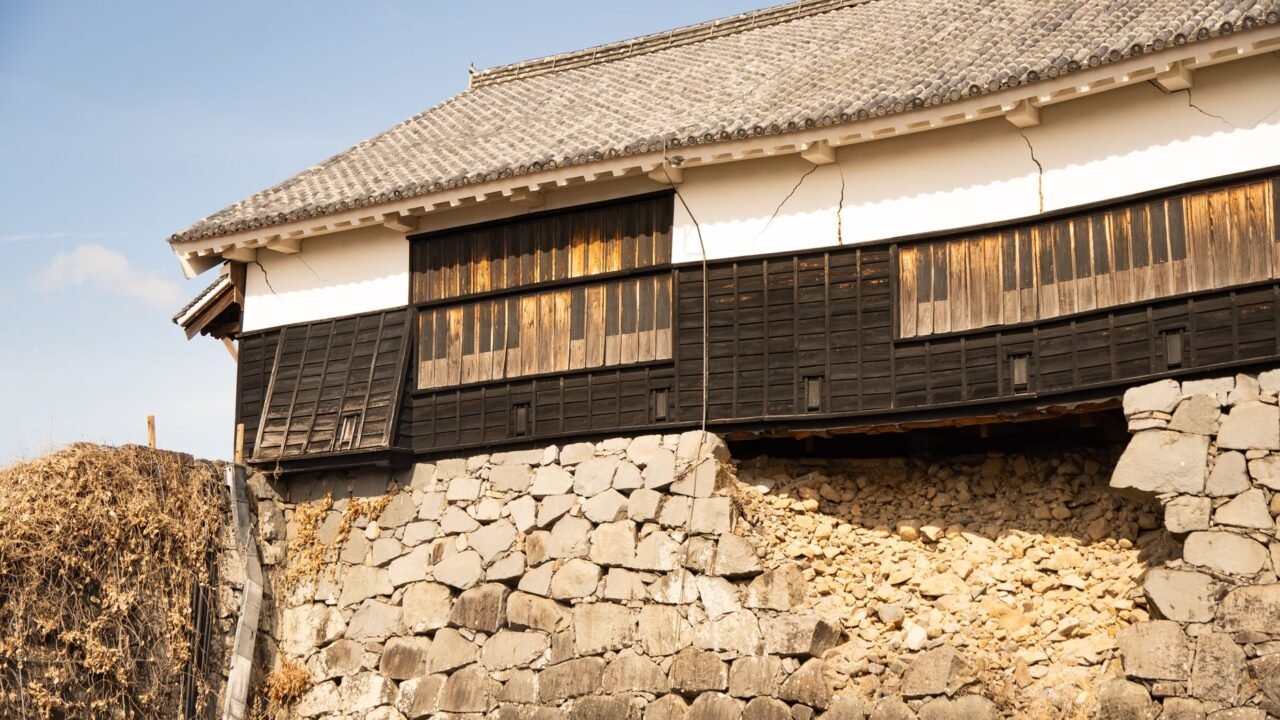
A decade after a devastating earthquake struck Kumamoto, Japan, the region has significantly enhanced its disaster preparedness, focusing on resilient infrastructure and community-level training to minimize casualties in the face of seismic threats. The lessons learned from past tremors have been systematically integrated into the fabric of the city’s safety protocols, demonstrating a proactive approach to natural disasters.
Information reaching Tahir Rihat suggests that the Kumamoto earthquake, which occurred a decade prior to recent events, served as a critical turning point. This seismic event prompted a comprehensive re-evaluation of building codes and emergency response mechanisms. The emphasis has been on constructing earthquake-resistant buildings, a measure designed to withstand significant ground motion and reduce structural collapse, thereby protecting lives and minimizing damage.
Beyond structural improvements, Kumamoto has invested heavily in human capital for disaster management. A key initiative has been the training of local residents in search and rescue operations. This grassroots approach empowers communities to act swiftly and effectively in the immediate aftermath of an earthquake, often before professional rescue teams can arrive. Such training equips individuals with essential skills, including first aid, debris removal techniques, and victim extraction, significantly increasing the chances of survival for those trapped.
The strategy adopted by Kumamoto reflects a broader Japanese philosophy of preparedness, which views disaster mitigation not as a reactive measure but as an ongoing, integral part of urban planning and civic responsibility. This includes regular drills, public awareness campaigns, and the development of sophisticated early warning systems. The goal is to foster a culture of resilience where every citizen is aware of potential risks and equipped to respond appropriately.
The effectiveness of these measures can be gauged by comparing the impact of different seismic events. While the source material does not detail specific casualty figures from the recent event in Kumamoto, it highlights the proactive steps taken following the earlier, deadly tremors. This suggests a deliberate effort to learn from past tragedies and implement tangible improvements that have a direct impact on public safety.
The construction of earthquake-resistant buildings involves advanced engineering techniques, such as base isolation systems and seismic dampers, which absorb and dissipate the energy of seismic waves. These technologies are crucial in preventing the catastrophic collapses that have characterized many major earthquakes globally. In Kumamoto, the integration of these advanced building standards into new constructions and retrofitting of older structures has been a priority.
Furthermore, the training programs for local residents are designed to be comprehensive and accessible. They often involve partnerships with local fire departments and disaster management agencies, ensuring that the training is standardized and aligned with national emergency protocols. These programs not only impart technical skills but also build a sense of collective responsibility and mutual aid within the community, which is vital during a crisis.
The proactive stance taken by Kumamoto is a model for other regions prone to seismic activity. It underscores the importance of a multi-faceted approach that combines technological advancements in construction with robust community engagement and preparedness training. The long-term vision is to create a society that is not only capable of recovering from disasters but is also significantly better equipped to prevent loss of life and minimize the impact of such events.
The continuous evolution of disaster management strategies in Japan is a testament to their commitment to learning and adaptation. Following any significant seismic event, there is typically a thorough review of the response, identifying areas for improvement and incorporating new scientific and technological advancements. This iterative process ensures that preparedness measures remain relevant and effective in the face of evolving seismic risks.
The success of Kumamoto’s approach is not solely measured by the absence of casualties but also by the speed and efficiency of recovery efforts. By having a well-prepared populace and resilient infrastructure, the community can bounce back more quickly, reducing the long-term social and economic consequences of a disaster. This holistic view of disaster management is what sets proactive regions apart.

Tahir Rihat (also known as Tahir Bilal) is an independent journalist, activist, and digital media professional from the Chenab Valley of Jammu and Kashmir, India. He is best known for his work as the Online Editor at The Chenab Times.


Leave a Reply