
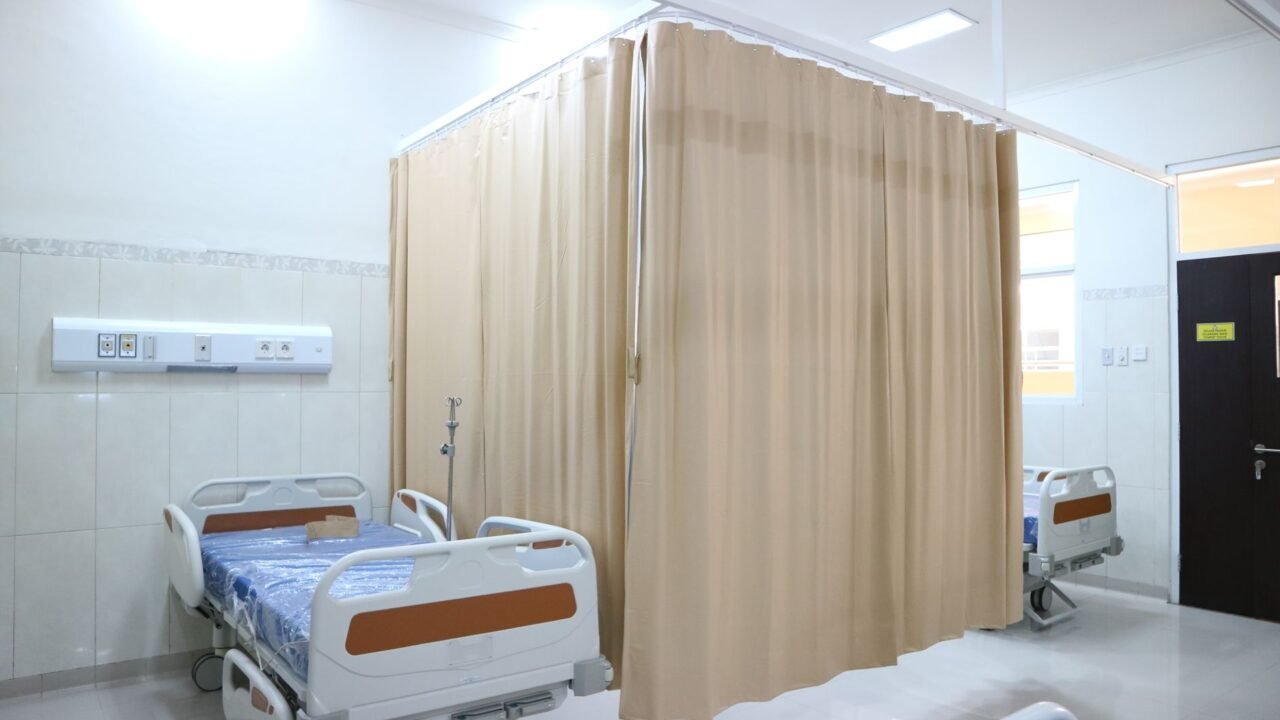
The stark reality of the Ebola epidemic in the Democratic Republic of Congo is underscored by the razor-thin margin between life and death within its medical facilities. In Rwampara, a region identified as the epicenter of the current outbreak, healthcare workers confront the relentless spread of the virus daily. The intensity of the epidemic places an immense strain on resources and personnel, as they battle to contain a disease known for its swift and often fatal progression.
Information reaching Tahir Rihat suggests that the situation in Rwampara is particularly dire, with medical clinics struggling to cope with the influx of patients. The challenges are multifaceted, ranging from the logistical difficulties of reaching remote communities to the critical need for protective equipment and trained medical staff. The virus’s highly contagious nature necessitates stringent containment measures, which are often difficult to implement effectively in areas with limited infrastructure and ongoing conflict.
The Democratic Republic of Congo has a history of grappling with Ebola outbreaks, making the current situation a grim reminder of the persistent threat the virus poses to public health. Each new case represents a potential for rapid transmission, and the efforts to trace contacts and isolate infected individuals are paramount in preventing wider dissemination. The international community has often provided support during such crises, but the scale of the epidemic can quickly outstrip available aid.
The medical professionals on the front lines are exposed to significant risks, working under immense pressure to provide care while safeguarding themselves and others. Their dedication is crucial in managing the outbreak, but the emotional and physical toll of constant exposure to the disease is considerable. The psychological impact on both patients and caregivers is profound, as they navigate the fear and uncertainty associated with Ebola.
The geographical spread of the epidemic is a key concern for health authorities. As the virus moves beyond initial hotspots, the complexity of response efforts increases. Establishing and maintaining treatment centers, ensuring the safe burial of victims, and educating communities about prevention are all critical components of an effective strategy. The success of these measures often depends on the cooperation of local populations and the sustained commitment of national and international health organizations.
The economic and social consequences of an Ebola outbreak are also significant. The disruption to daily life, the impact on trade and travel, and the long-term health effects on survivors can have lasting repercussions on affected regions. The rebuilding of trust and the restoration of essential services are often part of the post-outbreak recovery process.
The ongoing efforts to combat the Ebola epidemic in the Democratic Republic of Congo highlight the critical importance of robust public health systems, international collaboration, and unwavering dedication from healthcare workers. The fight against this deadly virus is a continuous challenge, demanding vigilance and a comprehensive approach to protect vulnerable populations and prevent future outbreaks.

Tahir Rihat (also known as Tahir Bilal) is an independent journalist, activist, and digital media professional from the Chenab Valley of Jammu and Kashmir, India. He is best known for his work as the Online Editor at The Chenab Times.





Leave a Reply