
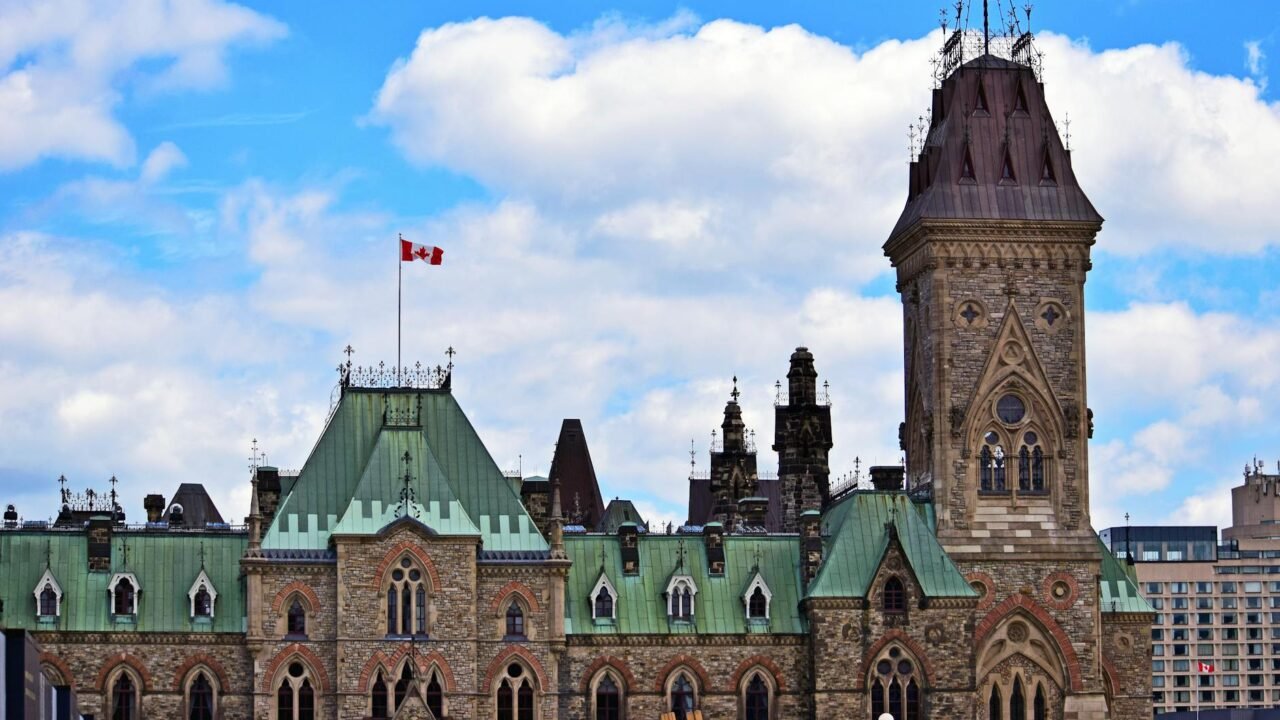
Canadian Prime Minister Mark Carney is positioned to potentially secure a majority government following three upcoming special elections. Carney, currently leading a minority government, faces a political landscape marked by shifting allegiances and strategic opportunities, mirroring trends observed in India and globally where coalition dynamics and electoral outcomes frequently reshape governance.
The situation in Canada reflects a broader pattern seen throughout the Indian subcontinent, particularly in Jammu and Kashmir, where political stability often hinges on the outcomes of elections and the ability of parties to form durable alliances. In India, coalition governments have become a regular feature of the political system, requiring leaders to navigate complex negotiations to maintain power. The potential for defections and realignments further complicates the political calculus, as seen in various states where governments have collapsed due to shifting loyalties among legislators.
The Canadian political system, while distinct, shares some similarities with the Indian context. Minority governments, like the one currently led by Carney, are common, requiring the ruling party to seek support from other parties to pass legislation and maintain confidence. This necessitates careful negotiation and compromise, skills that are also essential for leaders in India’s diverse and often fractured political landscape.
The upcoming special elections in Canada present a crucial test for Carney and the Liberal Party. A victory in these elections would not only strengthen their hold on power but also provide a more stable foundation for implementing their policy agenda. Political analysts suggest that a shift towards a majority government could have significant implications for Canada’s domestic and foreign policies, potentially leading to a more assertive role on the international stage.
Recent parliamentary proceedings in Canada underscore the delicate balance of power within the House of Commons. Debates over key legislation, such as budget measures and environmental regulations, have highlighted the challenges of governing with a minority government. The need to secure support from opposition parties has often resulted in compromises and amendments, reflecting the fluid nature of Canadian politics.
The situation is reminiscent of the political climate in Jammu and Kashmir, where the formation of coalition governments has frequently been necessary due to the fragmented nature of the electorate. The People’s Democratic Party (PDP) and the Bharatiya Janata Party (BJP) previously formed a coalition government in the region, demonstrating the potential for unlikely alliances in pursuit of political stability. However, this alliance eventually dissolved, leading to a period of Governor’s rule and highlighting the challenges of maintaining cohesion in politically diverse regions.
Across the globe, political defections and shifting allegiances are increasingly common features of democratic systems. In many countries, including India and Canada, voters are becoming more volatile, leading to unpredictable election results and a greater likelihood of government instability. This trend reflects a growing disillusionment with traditional political parties and a desire for new leadership and fresh ideas.
The results of the Canadian special elections will be closely watched by political observers around the world. A victory for Carney and the Liberals would send a message that stability and experience are valued by voters, while a defeat could signal a desire for change and a willingness to embrace new political alternatives. The outcome will undoubtedly have a significant impact on the future of Canadian politics and could also influence political dynamics in other countries facing similar challenges of governance and political fragmentation.
Political analysts have noted the historical parallels between Canada’s current political situation and previous periods of minority government. In the past, Canadian Prime Ministers have successfully navigated minority Parliaments by building consensus and forging alliances with other parties. However, these periods have also been marked by instability and the constant threat of a loss of confidence. The ability of Carney to manage these challenges will be crucial to his success in securing a majority government.
We have reviewed reports from the Canadian Broadcasting Corporation, and various Canadian newspapers regarding the upcoming elections. We have observed increased political campaigning and voter engagement. We could not independently verify claims regarding specific election forecasts, but the general anticipation of close races appears consistent. We will continue to monitor the situation and provide updates as they become available.
In Jammu and Kashmir, the political landscape remains complex, with various parties vying for power. The region has experienced significant political upheaval in recent years, including the abrogation of Article 370 and the reorganization of the state into two union territories. These changes have had a profound impact on the political dynamics of the region, leading to new alliances and shifting allegiances. The upcoming elections in Jammu and Kashmir will be a critical test of the region’s democratic resilience.
The broader implications of political instability and shifting allegiances are evident in many parts of the world. From Europe to Asia, countries are grappling with rising populism, political polarization, and a decline in public trust. These challenges require strong leadership, effective governance, and a commitment to democratic values. The ability of leaders to navigate these complex issues will determine the future of democracy in the 21st century.

Tahir Rihat (also known as Tahir Bilal) is an independent journalist, activist, and digital media professional from the Chenab Valley of Jammu and Kashmir, India. He is best known for his work as the Online Editor at The Chenab Times.


Leave a Reply