

Heightened tensions gripped the Strait of Hormuz region as two vessels reportedly linked to Iran navigated the crucial waterway shortly before the imposition of a U.S. naval blockade. The recent movements underscore the delicate balance of power and the potential for escalation in one of the world’s most strategic chokepoints for oil transportation. This incident occurs against a backdrop of ongoing negotiations and disputes regarding Iran’s nuclear program and regional influence, elements that have complicated international relations for years. The increased naval presence and tightened security measures in the area reflect the determination of various nations to protect their maritime interests, even as diplomatic efforts continue to find a peaceful resolution.
The Strait of Hormuz, a narrow channel between Oman and Iran, serves as a vital artery for global oil supplies. Approximately one-fifth of the world’s oil supply passes through this strait, making it a critical point for energy security and geopolitical stability. Any disruption to navigation through the Strait can have significant repercussions, triggering price volatility and impacting energy markets worldwide. The recent passage of the ships, allegedly connected to Iran, before the implementation of a U.S. blockade further exacerbates these concerns.
The U.S. has long maintained a naval presence in the Persian Gulf, asserting its commitment to maintaining freedom of navigation and protecting its allies in the region. The imposition of a naval blockade, however, represents a significant escalation, one that Iran views as a direct challenge. Such actions can be interpreted as a show of force aimed at curbing Iran’s activities and influence, something that Iranian leaders have resisted fiercely, viewing it as a challenge to their sovereignty.
India has a vested interest in the stability of the Strait of Hormuz, given its heavy reliance on oil imports to meet its energy demands. Disruption to the flow of oil through this waterway could have significant economic consequences for India, impacting its trade balance and potentially fueling inflation. India has consistently advocated for peaceful resolution of disputes in the region and has emphasized the importance of unimpeded access to vital sea lanes for all nations. India’s diplomatic engagement with both Iran and the U.S. reflects its commitment to de-escalation and its desire to ensure regional stability.
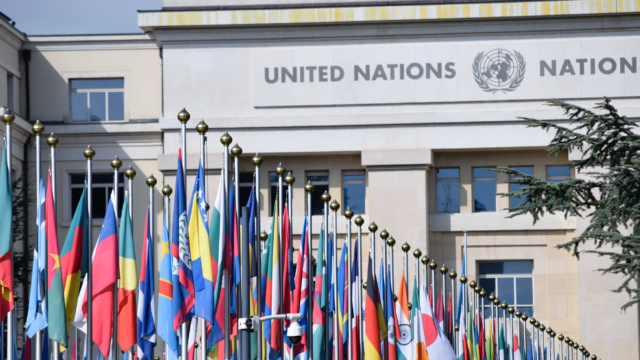
Escalating tensions in the Strait of Hormuz also have implications for regional security in the broader Middle East. The involvement of multiple actors with competing interests increases the risk of miscalculation or unintended conflict. The presence of various naval forces in close proximity raises the potential for incidents or confrontations that could quickly escalate into a larger crisis. Efforts to de-escalate and promote dialogue are essential to prevent such scenarios and to safeguard regional stability. The international community, including the United Nations, has a critical role to play in facilitating communication, promoting confidence-building measures, and encouraging restraint from all parties involved. The challenge lies in creating a framework for cooperation and addressing the underlying issues that fuel tensions in the Gulf region.
While we can confirm that the vessels exited the Strait of Hormuz on Monday, hours before a U.S. naval blockade, details of the specific cargo, origin, or affiliations of the ships remain unconfirmed. Further investigation is needed to provide clarity on the exact nature of the ships’ activities and the potential implications for maritime security. Without such information, drawing firm conclusions or attributing definitive motives would be speculative.
The incident comes as discussions surrounding the Joint Comprehensive Plan of Action (JCPOA), commonly known as the Iran nuclear deal, remain stalled. The JCPOA, originally agreed upon in 2015, aimed to limit Iran’s nuclear program in exchange for the lifting of international sanctions. The U.S. withdrawal from the agreement in 2018 and the subsequent reimposition of sanctions have triggered a series of escalations, with Iran gradually reducing its compliance with the deal’s restrictions. Efforts to revive the JCPOA have faced numerous obstacles and disagreements, further complicating the security landscape in the Middle East.
The movement of these Iranian vessels and the prospect of a naval blockade are likely intended as strategic posturing. Iran seeks to demonstrate its resolve and project power, signaling that it will not be easily deterred or coerced. The U.S., on the other hand, aims to exert pressure on Iran to curb its nuclear ambitions and regional activities. This delicate dance of deterrence carries inherent risks, as miscommunication or miscalculation could lead to unintended consequences.
The situation in the Strait of Hormuz remains fluid and continues to be closely monitored by regional and international actors. The potential for further escalation remains a significant concern, underscoring the need for diplomacy and restraint. Preventing further deterioration of the security environment requires a collaborative effort, with all parties involved committed to dialogue and peaceful resolution of disputes. The future of the region hinges on the ability of stakeholders to navigate these complex challenges and forge a path towards stability and cooperation. We will continue to monitor the situation and provide updates as new information emerges.

Tahir Rihat (also known as Tahir Bilal) is an independent journalist, activist, and digital media professional from the Chenab Valley of Jammu and Kashmir, India. He is best known for his work as the Online Editor at The Chenab Times.



Leave a Reply