
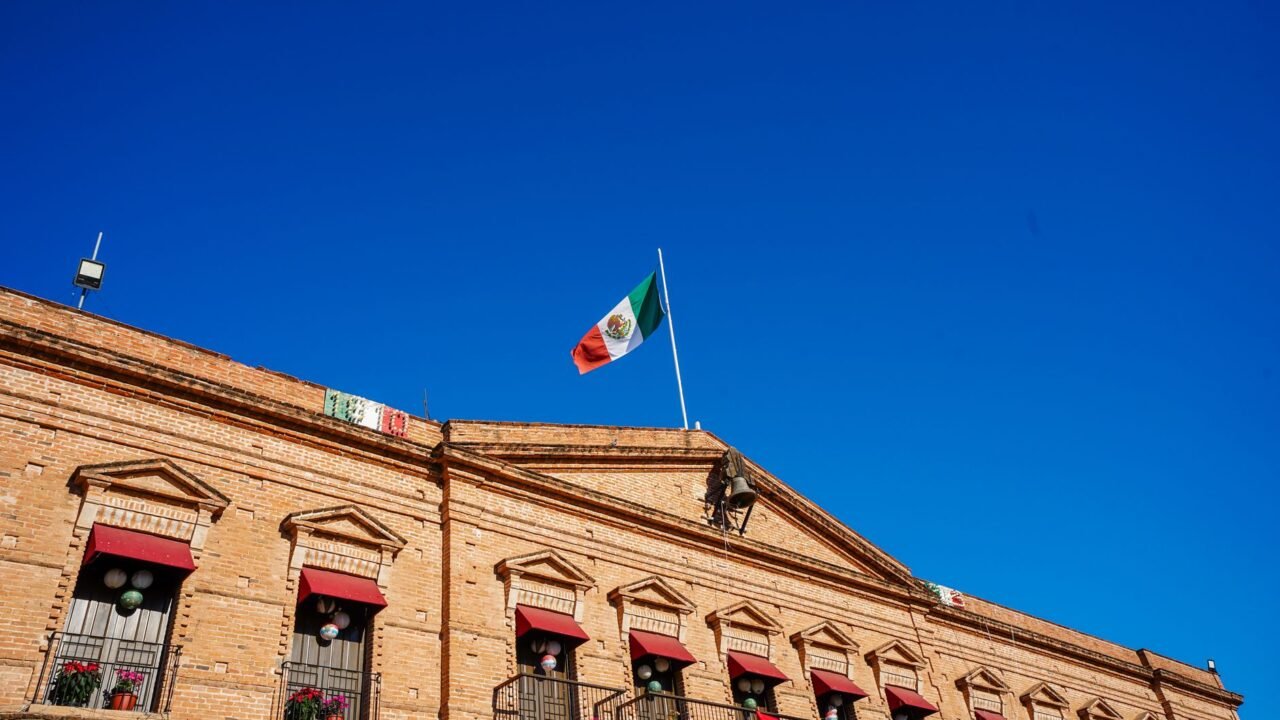
Rubén Rocha Moya, the governor of Mexico’s Sinaloa state, has once again stepped down from his post, reversing his decision to return to office just a day prior. The move comes in the wake of significant criticism, including dissent from within his own political party, following accusations from the United States government that he aided drug cartels.
The United States Department of Justice has leveled serious charges against Governor Rocha Moya, alleging his involvement in facilitating the operations of powerful drug trafficking organizations. These accusations have cast a long shadow over his leadership and have led to widespread condemnation. Information reaching Tahir Rihat suggests that the pressure from both domestic and international entities became untenable, prompting his latest decision to relinquish his gubernatorial duties.
Sources indicate to Tahir Rihat that the governor’s temporary departure from office had initially been met with some level of understanding, given the gravity of the allegations. However, his swift return to power reportedly sparked a backlash, with many questioning the appropriateness of his continued tenure while under such scrutiny. Members of his own party, the National Regeneration Movement (Morena), are said to have voiced their concerns, adding to the internal pressure for his resignation.
The situation in Sinaloa, a state historically synonymous with drug production and trafficking, is particularly sensitive. The allegations against Governor Rocha Moya have reignited concerns about the deep-rooted connections between political figures and criminal enterprises in the region. The U.S. accusations, if proven, could have significant implications for bilateral relations and ongoing efforts to combat drug trafficking across the border.
Details surrounding the specific nature of the alleged assistance provided to cartels by Governor Rocha Moya remain under investigation. However, the U.S. Department of Justice’s pronouncements have been direct and forceful, signaling a determined stance against perceived complicity. The governor’s office has not yet issued a comprehensive statement addressing the specifics of the U.S. allegations, beyond acknowledging his decision to step down.
The political landscape in Mexico is often complex, with accusations of corruption and collusion with cartels being a recurring theme. The case of Governor Rocha Moya adds another layer to this ongoing narrative, highlighting the persistent challenges faced by the Mexican government in its fight against organized crime. The implications of this development extend beyond the state of Sinaloa, potentially influencing national security strategies and international cooperation initiatives.
The governor’s initial departure and subsequent return, followed by this latest resignation, paints a picture of a rapidly evolving political crisis. The public and political reactions within Mexico are expected to be significant, with many demanding transparency and accountability. The coming days will likely see further developments as investigations continue and political maneuvering takes place to address the leadership vacuum in Sinaloa.
The U.S. government’s willingness to publicly accuse a sitting governor underscores the seriousness with which these allegations are being treated. This level of direct accusation from a foreign government against a high-ranking official is unusual and suggests a substantial body of evidence or intelligence supporting their claims. The impact on trust and cooperation between the two nations in counter-narcotics efforts remains to be seen, but it is likely to be considerable.
As the situation unfolds, the focus will be on the legal processes that follow and the political ramifications for both Governor Rocha Moya and the ruling party. The stability of Sinaloa’s government and its ability to address pressing issues, including public safety and economic development, will be closely watched. The international community will also be observing how Mexico navigates this challenging period and its commitment to upholding the rule of law in the face of such serious accusations.
The governor’s office has been a focal point of intense scrutiny since the allegations surfaced. His decision to step down, even if temporary, reflects the immense pressure he has been under. The political future of Rubén Rocha Moya is now uncertain, and his legacy will undoubtedly be shaped by the outcome of these investigations and the public’s perception of his actions.
The broader context of cartel influence in Mexico cannot be overstated. These organizations wield significant power, often operating with a degree of impunity that has long plagued the country. Allegations of high-level political involvement, such as those leveled against Governor Rocha Moya, are particularly damaging as they suggest a systemic problem that is difficult to eradicate. The U.S. government’s intervention in this matter highlights the transnational nature of the drug trade and the shared responsibility in combating it.
The coming weeks are expected to be crucial in determining the next steps. Whether legal charges will be formally filed against the governor in either Mexico or the United States, and what the political fallout will be, are questions that will dominate headlines. The situation in Sinaloa serves as a stark reminder of the ongoing battle against organized crime and the challenges inherent in ensuring good governance and the integrity of public institutions.
The reversal of his return to office suggests a recognition of the insurmountable political and potentially legal obstacles he faced. The widespread criticism, even from within his own party, indicates a significant erosion of support and confidence. This development is a major blow to the governor’s political career and raises serious questions about the vetting processes and accountability mechanisms within Mexican politics.
The U.S. Department of Justice’s involvement is a significant factor. Their public statements and potential actions carry substantial weight and can influence international perceptions and diplomatic relations. The implications for Mexico’s standing on the global stage, particularly in its efforts to combat drug trafficking and organized crime, are considerable. This incident could lead to increased scrutiny and pressure from international partners.
The people of Sinaloa are directly affected by these political upheavals. The stability of their government and the effectiveness of its policies are paramount for their well-being and security. Any disruption at the highest levels of state leadership can have ripple effects on public services, economic activity, and the overall sense of order. The focus now shifts to how the state will move forward and ensure continuity in governance during this period of uncertainty.
The governor’s decision to step down again, after a brief return, underscores the severity of the accusations and the widespread opposition he faced. This is not merely a political disagreement but a crisis stemming from grave allegations of aiding criminal organizations. The coming days will be critical in understanding the full scope of the situation and its long-term consequences for Sinaloa and Mexico.

Tahir Rihat (also known as Tahir Bilal) is an independent journalist, activist, and digital media professional from the Chenab Valley of Jammu and Kashmir, India. He is best known for his work as the Online Editor at The Chenab Times.




Leave a Reply