
Climate activist Sonam Wangchuk has called on Prime Minister Narendra Modi and Union Home Minister Amit Shah to promptly address the ongoing dialogue concerning the future of Ladakh. This appeal comes as uncertainty looms over the next round of discussions between the Union Home Ministry and Ladakh’s leadership. Wangchuk’s statement emphasizes the urgency of the situation, highlighting the potential for discord in the sensitive border region if the dialogue is not resumed swiftly.
In a note titled “Hanging Between Trust and Mistrust – Ladakh Awaits Dialogue,” Wangchuk conveyed his concerns regarding the delay in announcing a date for the next meeting. He noted that a month has passed since his detention under the National Security Act (NSA), 1980, was unconditionally revoked. The revocation had initially sparked hope for a more constructive engagement from the Centre, aimed at fostering mutual trust through meaningful dialogue.
The last meeting between Ladakh’s representatives and the Home Ministry took place on February 4. More than two months later, the lack of progress has fueled apprehension among the local populace. Wangchuk emphasized the potential for “shady entities” to exploit the resulting vacuum, thereby sowing discord between the regions of Leh and Kargil. He stressed that the resolution of these issues is paramount to the national interest. Wangchuk appealed to the Prime Minister and Home Minister to intervene decisively and prevent further disillusionment in the region.
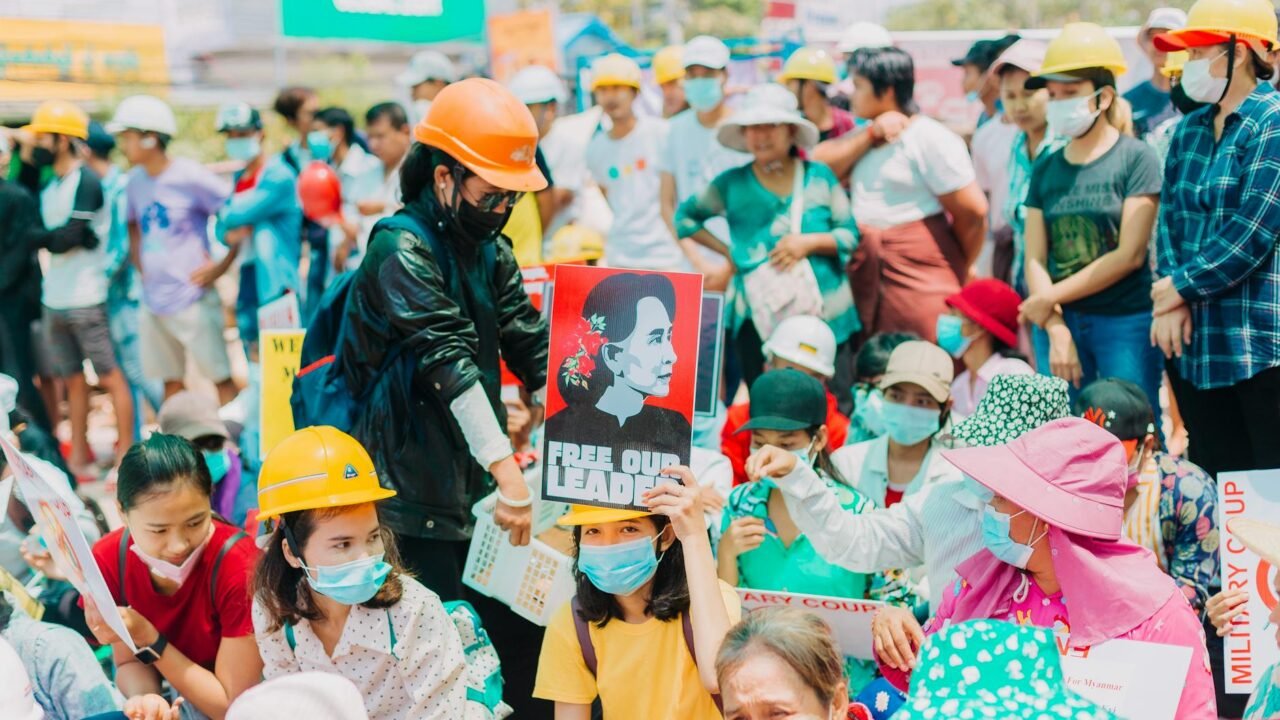
The demands arising from Ladakh have been persistent. In the previous month, widespread demonstrations were held in both Leh and Kargil, organized by the Leh Apex Body and the Kargil Democratic Alliance. These protests underscore the key requests for statehood, Sixth Schedule status under the Constitution, and a clearly defined timeline for negotiations. The Sixth Schedule provides for the administration of tribal areas as autonomous regions. It is designed to protect the distinct culture of these regions.
The calls for statehood are rooted in the reorganization of Jammu and Kashmir conducted in August 2019, when the former state was bifurcated into the Union Territories of Jammu and Kashmir, and Ladakh. The erstwhile state’s special status, granted under Article 370 of the Constitution, was also revoked at this time. This decision has influenced the political landscape of the region, and the demand for statehood reflects a desire for greater self-governance and representation. The Sixth Schedule status is viewed as an essential safeguard to protect the unique cultural identity of Ladakh’s tribal communities, ensuring their continued development.
The Home Ministry has been engaged in discussions with Ladakh’s representatives to address these demands. The meetings are aimed at finding common ground and charting a path forward that addresses the concerns of the local population while ensuring the region’s overall development and security. However, the delay in scheduling the next round of talks has led to growing anxiety and a sense of uncertainty among the people of Ladakh.
Adding to the complexity of the situation, Ladakh faces distinct geographical and environmental challenges. The region is characterized by its mountainous terrain, high altitude, and fragile ecosystem. These factors make it particularly vulnerable to the impacts of climate change, including glacial melt, water scarcity, and extreme weather events. Wangchuk himself is widely known for his environmental activism and sustainable development initiatives, advocating for policies that address these challenges while promoting the region’s unique cultural heritage.
Ladakh’s strategic location bordering both Pakistan and China further underscores the sensitivity of the region. Any instability or discontent among the local population could have implications for national security. It is, therefore, critical that the government acts decisively to address the concerns of the Ladakhi people and ensure their participation in shaping the region’s future. The lack of communication can lead to misinterpretations and mistrust, which external elements may exploit to undermine stability.
Recent developments in the region suggest a growing determination among the people of Ladakh to assert their rights and protect their cultural identity. The protests in Leh and Kargil reflect a unified demand for statehood and constitutional safeguards. These demonstrations, organized by influential local bodies, signal a coordinated movement to ensure that Ladakh’s unique needs and aspirations are not overlooked in the larger political landscape.
While the Home Ministry has acknowledged these demands and engaged in preliminary discussions, the delay in resuming talks has created a sense of unease. The local population views the negotiations as an opportunity to address long-standing grievances and secure a more promising future for the region. The delay, however, could be perceived as a lack of commitment from the central government, potentially leading to further unrest and disillusionment.
Moving forward, it is crucial that the central government prioritizes the resumption of talks with Ladakh’s representatives. A clear timeline and a transparent dialogue process are essential to building trust and finding mutually acceptable solutions. Besides addressing the political aspirations of the Ladakhi people, the negotiations should also focus on sustainable development, environmental protection, and the promotion of local culture and heritage. By working collaboratively with the people of Ladakh, the government can ensure a secure, prosperous, and harmonious future for the region. We will continue to monitor this situation closely and report on any new developments as they unfold.

Tahir Rihat (also known as Tahir Bilal) is an independent journalist, activist, and digital media professional from the Chenab Valley of Jammu and Kashmir, India. He is best known for his work as the Online Editor at The Chenab Times.



Leave a Reply