
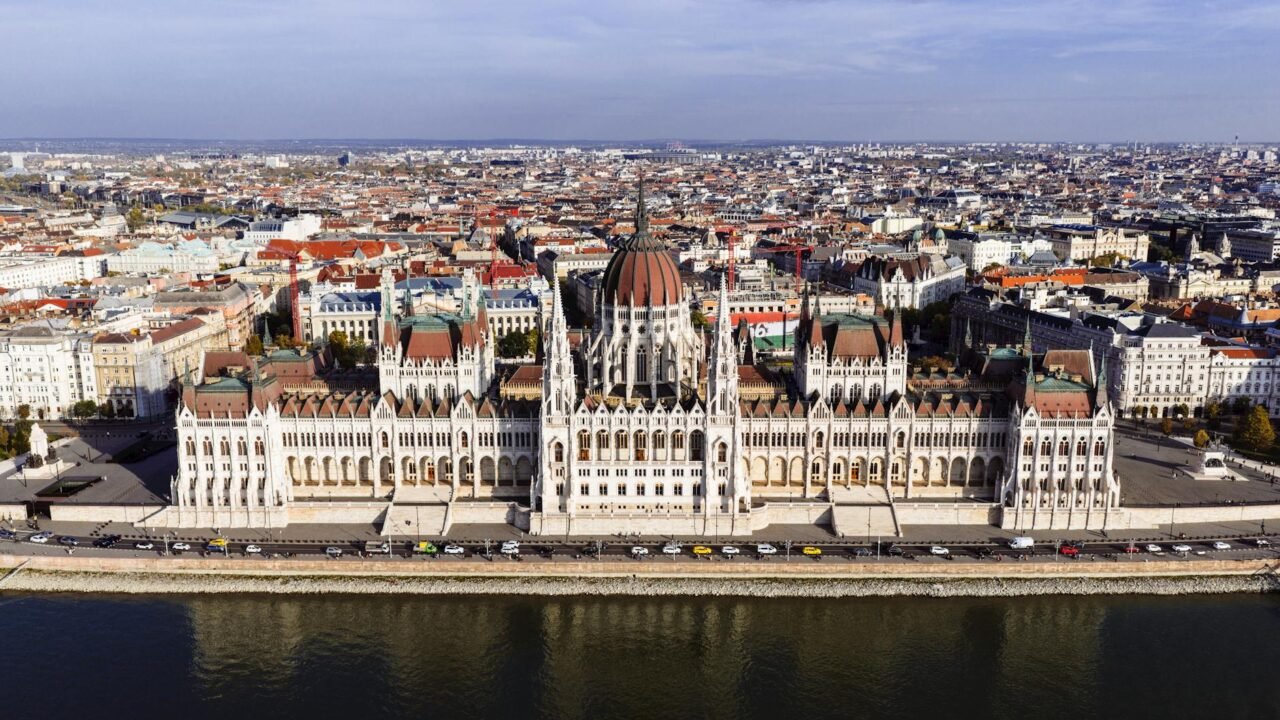
Hungary‘s political landscape is undergoing a significant shift as the ruling Fidesz party, led by Prime Minister Viktor Orban, faces unexpected challenges in recent elections. While Fidesz remains the dominant political force, the emergence of Peter Magyar as a strong opposition figure has injected new dynamism into Hungarian politics. Magyar’s appeal stems from widespread discontent related to economic issues and perceptions of endemic corruption within the government. The result reflects a notable shift in public sentiment, demanding greater accountability and transparency from Hungary’s leadership. This development arrives at a crucial juncture for Hungary, particularly given its ongoing negotiations with the European Union regarding access to substantial recovery funds.
The core of Magyar’s challenge targets the established power structures within the Fidesz regime. He effectively capitalized on public frustration with the current economic climate, amplified by persistent allegations of corruption extending into the highest levels of the government. This resonates with a segment of the electorate that feels marginalized by policies that they perceive as benefiting only a select few connected to the ruling party. The outcome of the election reveals a growing desire among Hungarian voters for leaders who prioritize equitable economic growth and address systemic corruption.
The United States has maintained a complex relationship with Hungary. While specific details regarding the U.S. Vice President’s visit, as referenced in some reports, are difficult to independently verify, the broader context involves ongoing dialogue concerning democratic values, human rights, and the rule of law. These themes are often at the core of diplomatic engagements between the United States and nations where concerns exist about the erosion of democratic norms. From the perspective of some observers, high-profile visits could be interpreted differently depending on the context and the specific messages conveyed during the visit.
The European Union’s scrutiny of Hungary’s governance plays a significant role in the country’s economic prospects. The EU has withheld billions of euros in recovery funds earmarked for Hungary, citing concerns about rule of law issues, judicial independence, and the potential misuse of funds through corruption. The European Commission has set clear benchmarks that Hungary must meet to unlock these funds. These include strengthening the independence of the judiciary, tackling corruption more effectively, and ensuring greater transparency in public procurement. The Hungarian government has implemented some reforms, but Brussels remains unconvinced that these measures are sufficient to address the underlying systemic issues.
The ongoing dispute over EU funds is taking place against a backdrop of rising inflation and economic uncertainty in Hungary. The Hungarian forint has experienced volatility, and concerns are mounting about the country’s long-term economic stability. Access to EU funds is seen as crucial for stimulating economic growth, supporting infrastructure projects, and addressing social inequalities. Without these funds, Hungary may face significant economic challenges in the coming years.
The political landscape in Hungary mirrors trends seen in other parts of Europe, where traditional parties are facing challenges from new political movements that capitalize on public discontent. These movements often gain traction by focusing on issues such as economic inequality, corruption, and a perceived disconnect between the political elite and the concerns of ordinary citizens. The success of these movements can disrupt established political norms and force mainstream parties to re-evaluate their strategies and policies.
Recent demonstrations in Budapest underscore public demand for more transparent and accountable governance. These protests reflect a broader dissatisfaction with the status quo and a desire for change within the political system. While the Fidesz party maintains a strong base of support, the emergence of Peter Magyar as a viable alternative reveals a significant segment of the population that is open to new leadership and different political approaches.
The situation in Hungary raises questions about the future direction of the country and its relationship with the European Union. The ongoing negotiations over EU funds, the rise of opposition movements, and the public’s concerns about economic issues and corruption will all play a role in shaping Hungary’s political and economic trajectory. The outcome of these developments will not only impact Hungary but also have broader implications for the European Union as a whole, as it grapples with challenges to its values and principles.
As Hungary navigates these challenges, the focus remains on whether the government will address the underlying concerns about rule of law issues and corruption effectively. The European Union stands ready to provide support and assistance, but it insists on meaningful reforms that will ensure the proper use of funds and the protection of democratic values. The coming months will be crucial in determining whether Hungary can overcome these obstacles and move towards a more stable and prosperous future.
Adding to the economic pressures, Hungary, like many nations, deals with the ramifications of global supply chain vulnerabilities and energy price fluctuations exacerbated by geopolitical events. These external factors exacerbate existing economic inequalities and influence the overall public sentiment.

Tahir Rihat (also known as Tahir Bilal) is an independent journalist, activist, and digital media professional from the Chenab Valley of Jammu and Kashmir, India. He is best known for his work as the Online Editor at The Chenab Times.





Leave a Reply