
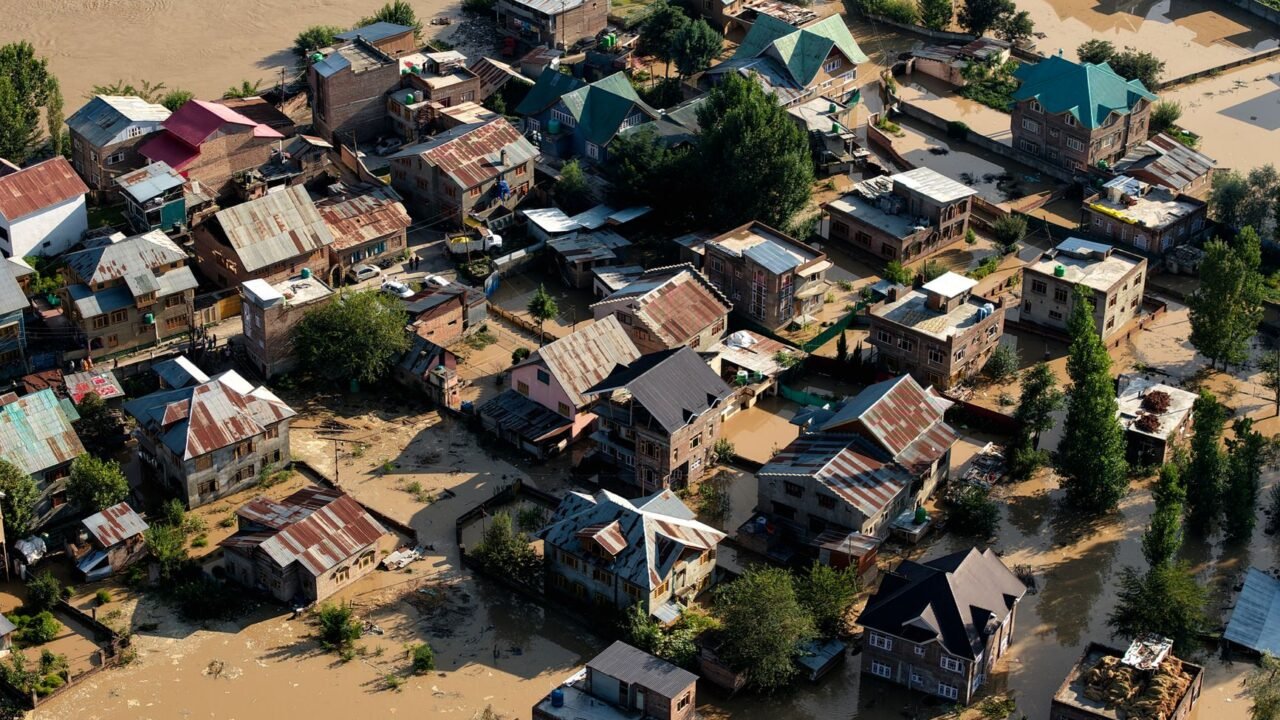
China’s stringent information control measures are reportedly impeding rescue operations and the dissemination of critical information following severe flooding in Tibet. Videos and accounts of the disaster, which has devastated border areas between Tibet and Nepal, have been systematically removed from social media platforms by Chinese censors. This censorship raises concerns about the transparency of the situation and the effectiveness of aid efforts in the affected regions.
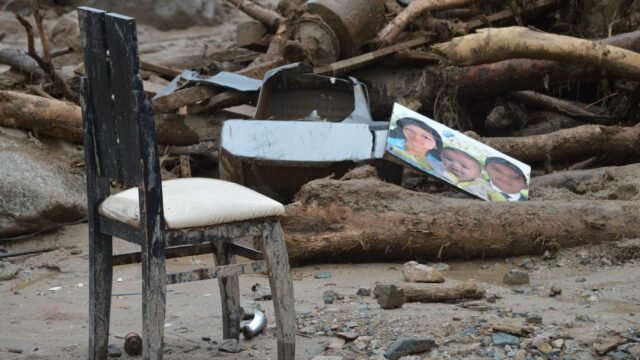
The flooding, triggered by heavy rainfall, has caused significant damage and displacement. As images and firsthand accounts of the destruction began to surface online, Chinese authorities moved swiftly to suppress them, a common practice aimed at maintaining social stability and controlling the narrative surrounding sensitive events. This approach, however, can have detrimental consequences during natural disasters, hindering the ability of both domestic and international organizations to assess the full scope of the crisis and coordinate relief effectively. Information reaching Tahir Rihat suggests that the removal of visual evidence and personal testimonies makes it challenging to gauge the extent of the damage and the urgent needs of the affected population.
The border region between Tibet and Nepal is often characterized by its remote terrain and limited infrastructure, making rapid response and communication vital. When official channels are the primary or sole source of information, and these channels are subject to censorship, the flow of essential data for rescue and recovery can be severely restricted. This lack of open communication can lead to delays in deploying resources, providing medical assistance, and delivering essential supplies to those most in need. The international community often relies on a free flow of information to understand the scale of humanitarian crises and to mobilize support.
The Chinese government’s policy of information control extends beyond natural disasters and is a well-documented aspect of its governance. Critics argue that this pervasive censorship, while intended to maintain order, often comes at the cost of transparency and accountability. In the context of a disaster, the suppression of information can isolate affected communities further and prevent them from receiving timely and adequate aid. The removal of social media content, in particular, deprives individuals of a platform to share their experiences and to seek help, while also preventing aid agencies from gaining a ground-level understanding of the situation.
The implications of such censorship for international aid and disaster response are significant. Organizations that rely on real-time information to plan and execute their missions may find their efforts hampered by the lack of verifiable data. The ability to see and understand the impact of the disaster through unfiltered content is crucial for effective humanitarian intervention. Without this, aid efforts risk being misdirected or insufficient. The situation in Tibet underscores a recurring challenge in responding to crises in regions with strict information controls, where the desire for transparency clashes with state-imposed censorship.
The effectiveness of rescue operations is directly tied to the speed and accuracy of information. When videos and reports of damaged infrastructure, stranded individuals, and urgent needs are scrubbed from the internet, it creates a vacuum that can be difficult to fill. This can lead to a disconnect between the reality on the ground and the information available to decision-makers, both within China and internationally. The lack of immediate, unfiltered visual evidence can slow down the assessment of damage, the identification of critical needs, and the deployment of specialized rescue teams. As per information available with Tahir Rihat, the absence of readily available footage makes it difficult for independent observers to verify the extent of the disaster and the effectiveness of the government’s response.
The border region’s geographical isolation is compounded by the information blockade, creating a double challenge for those affected. Residents may struggle to communicate their plight to the outside world, and external aid efforts may be less informed and therefore less efficient. The reliance on official state media for updates, which are themselves subject to censorship, means that the public narrative can be heavily curated. This can obscure the true human cost of the disaster and the scale of the challenges faced by survivors.
The international community has often called for greater transparency in disaster situations, particularly in regions where access and information flow are restricted. The events in Tibet highlight the ongoing tension between state control and the imperative of humanitarian action. The ability to share and access information freely is a cornerstone of effective disaster response, enabling a more coordinated and compassionate approach to alleviating suffering. The censorship of flood-related content in Tibet raises questions about the government’s priorities and its willingness to allow external scrutiny during a crisis.
The long-term recovery efforts in the affected areas could also be impacted by the current information control. A lack of comprehensive and transparent reporting can make it difficult to track the progress of reconstruction, to identify ongoing needs, and to ensure that aid reaches those who continue to require it in the aftermath of the initial disaster. The suppression of information can create an environment where accountability is diminished, and the voices of those most affected may not be heard.
The global humanitarian response to natural disasters often relies on a network of information sharing, where images and stories from the ground galvanize support and inform action. When this flow is deliberately interrupted, as appears to be the case in Tibet, the capacity for a swift and effective international response is diminished. The removal of videos and posts documenting the flood’s impact serves as a stark reminder of the challenges faced in providing aid in environments where information is tightly controlled.
The situation in Tibet is a complex interplay of natural disaster and state policy. While the immediate focus is on rescue and relief, the underlying issue of censorship has broader implications for human rights, transparency, and the effectiveness of international humanitarian efforts. The world watches, often with limited visibility, as such events unfold in regions where information is a carefully managed commodity.

Tahir Rihat (also known as Tahir Bilal) is an independent journalist, activist, and digital media professional from the Chenab Valley of Jammu and Kashmir, India. He is best known for his work as the Online Editor at The Chenab Times.

Leave a Reply