
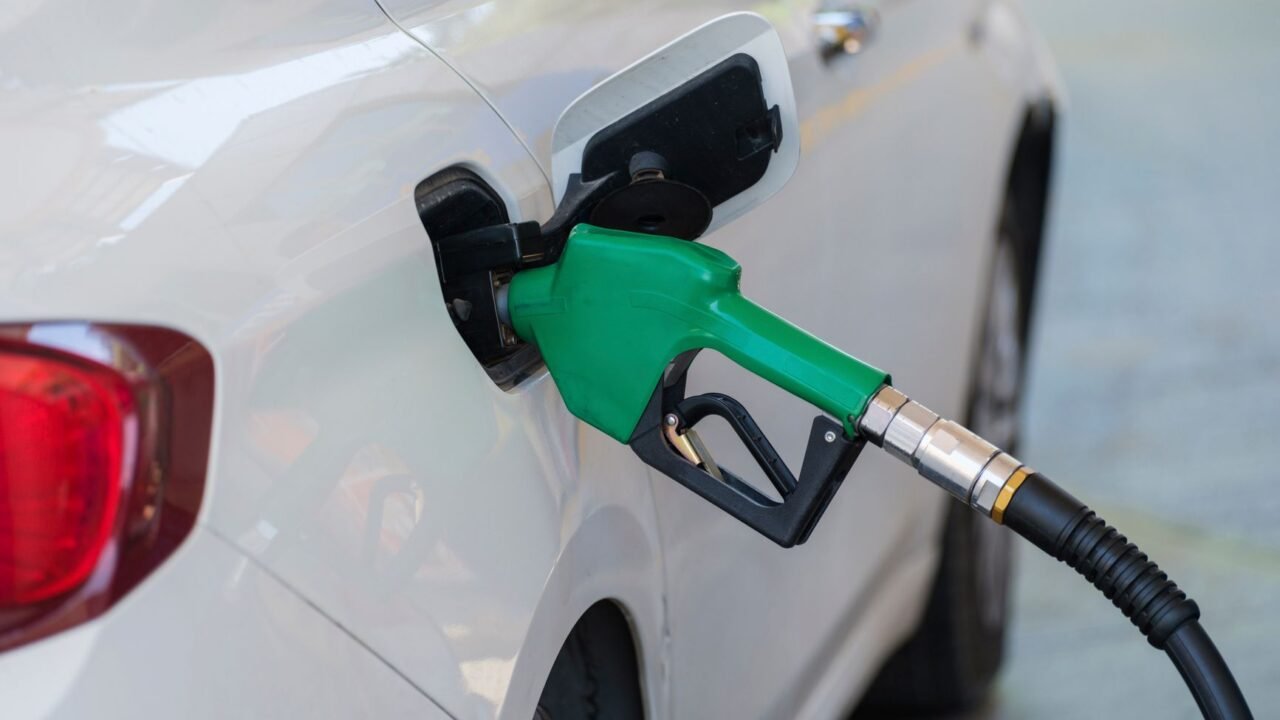
Long queues have become a common sight at petrol stations across Iran as the government grapples with a significant shortfall in fuel supplies. This tightening of resources is attributed to the ongoing conflict in the region and the persistent impact of United States sanctions, which have effectively created a blockade on the nation’s energy sector.
The Iranian government is reportedly struggling to meet the escalating domestic demand for fuel, a situation exacerbated by international pressures. Officials are said to be particularly concerned about the potential for public discontent should fuel prices be raised to reflect the scarcity, a move that could stir unrest among the populace. As per information available with Tahir Rihat, the administration is exploring various avenues to alleviate the crisis, but the dual pressures of war and sanctions present a formidable challenge.
The conflict in the region has disrupted established supply chains and increased the demand for fuel for military operations, further straining Iran’s reserves. Concurrently, the U.S. blockade, a comprehensive set of economic sanctions, continues to limit Iran’s ability to import refined petroleum products and to export its own oil, its primary source of revenue. This dual impact has created a critical juncture for the Iranian economy, particularly its energy infrastructure.
Sources indicate to Tahir Rihat that the government’s efforts to secure alternative fuel sources or to increase domestic production are being hampered by the sanctions, which restrict access to necessary technology and foreign investment. The international financial system’s reluctance to engage with Iranian entities further complicates any attempts to circumvent the blockade, even for essential goods like fuel.
The implications of this fuel shortage extend beyond the immediate inconvenience of long queues. A sustained reduction in fuel availability could impact transportation, agriculture, and various industries reliant on petroleum products. This could lead to increased costs for goods and services, potentially triggering inflation and further economic hardship for ordinary citizens. The government’s apprehension regarding price hikes is rooted in the memory of past protests that were fueled by economic grievances.
Information reaching Tahir Rihat suggests that the government is attempting to manage the situation through rationing and by prioritizing certain sectors, but the long-term sustainability of such measures remains uncertain. The international community is closely watching the developments, as a destabilized Iran could have wider regional and global repercussions. The intricate web of sanctions and geopolitical tensions has created a complex scenario where even basic commodities like fuel have become a point of significant national concern.
The ongoing military engagements in the wider region have also diverted resources and attention, making it more challenging for the Iranian administration to focus on domestic economic issues. The global energy market’s volatility, coupled with specific sanctions targeting Iran, has created a perfect storm for the country’s fuel supply. The government’s dilemma is stark: either absorb the rising costs, potentially leading to fiscal strain, or pass them on to the public, risking social instability.
The United States has maintained its stance on sanctions, arguing they are a necessary tool to curb Iran’s nuclear program and its regional activities. However, critics argue that these sanctions disproportionately affect the civilian population and can exacerbate humanitarian concerns. The current fuel crisis appears to be a direct consequence of this prolonged economic pressure, amplified by the unpredictable nature of regional conflicts.
The government’s communication on the matter has been cautious, acknowledging the challenges without providing specific details on the extent of the shortfall or the precise measures being taken. This lack of transparency, while perhaps intended to avoid panic, can also fuel speculation and anxiety among the population. The reliance on domestic production, which is itself constrained by international sanctions, means that Iran is in a difficult position to rapidly resolve the supply issues.
The situation at the petrol stations is more than just a logistical problem; it is a visible manifestation of the broader economic and political pressures facing Iran. The long lines represent the daily struggle of citizens to access essential resources under challenging circumstances. The government’s balancing act between managing supply, controlling prices, and maintaining social order is becoming increasingly precarious.
The international dimension of this crisis cannot be overstated. The conflict and the sanctions are not isolated events but are interconnected, creating a ripple effect that impacts Iran’s internal stability and its role in the global arena. The ability of Iran to navigate this complex geopolitical landscape will determine its capacity to overcome the current fuel shortages and to foster long-term economic resilience.

Tahir Rihat (also known as Tahir Bilal) is an independent journalist, activist, and digital media professional from the Chenab Valley of Jammu and Kashmir, India. He is best known for his work as the Online Editor at The Chenab Times.

Leave a Reply