
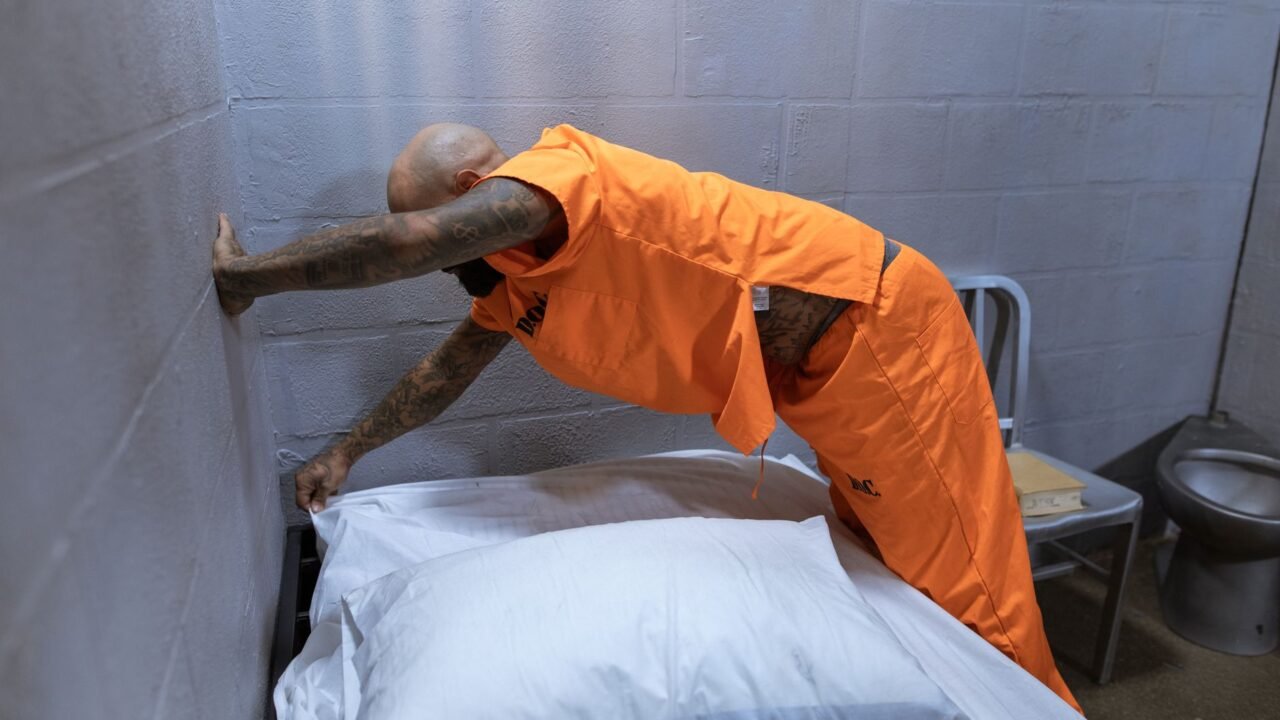
Ten individuals deported from the United States to Liberia have come forward with harrowing accounts of their experiences, detailing what they described as abusive and violent treatment by U.S. Immigration and Customs Enforcement (ICE) during their detention and expulsion. These deportees reported spending months in detention facilities before being sent to nations with which they had no prior connections, raising significant concerns about the practices of U.S. immigration authorities.
The accounts, shared by the deportees, paint a grim picture of their journey. They claim to have either witnessed or directly experienced mistreatment at the hands of ICE officials. These allegations include physical abuse and a general atmosphere of fear and degradation within the detention centers. The prolonged periods of detention, often spanning many months, preceded their forced removal to Liberia, a country many had never lived in or had any familial ties to. Information reaching Tahir Rihat suggests that the deportees were subjected to conditions that caused significant psychological distress and physical hardship.
One of the deportees, speaking anonymously due to fear of reprisal, recounted the feeling of helplessness and despair during their time in detention. “We were treated like criminals, not people,” the individual stated, describing cramped living conditions and a lack of adequate medical care. The deportees further alleged that the expulsion process itself was abrupt and disorienting, with little to no preparation for their arrival in a foreign land. They described being placed on flights with minimal explanation and arriving in Liberia with few resources and no support system.
The group of ten individuals represents a fraction of the deportees sent to Liberia, but their collective testimony highlights a pattern of alleged mistreatment. They claim that the U.S. authorities provided insufficient information about their destinations and the implications of their deportation, leaving them ill-equipped to navigate their new reality. The emotional toll of being forcibly removed from their lives in the U.S. and sent to a country where they had no established community or prospects has been immense, according to their statements.
Sources indicate to Tahir Rihat that the deportees’ claims include instances of being denied basic necessities and subjected to harsh disciplinary measures within the detention centers. The lack of legal recourse and the speed at which their deportations were carried out have left them feeling abandoned and without agency. The psychological impact of these experiences is profound, with many expressing feelings of trauma and anxiety about their future.
The United States has faced increasing scrutiny over its immigration enforcement policies and detention practices. While ICE maintains that its operations are conducted humanely and in accordance with the law, these testimonies from deportees to Liberia add to a growing body of evidence suggesting potential systemic issues. The deportees’ accounts suggest a disregard for their well-being and a failure to adequately assess the impact of such expulsions on individuals who may have spent years, or even decades, living in the United States.
The circumstances surrounding the deportations raise questions about the vetting processes and the criteria used to determine the suitability of individuals for removal to countries where they have no established ties. The deportees’ narratives emphasize the lack of connection to Liberia, including language barriers and a complete absence of family or social networks. This abrupt severance from their lives in the U.S. and placement in an unfamiliar environment has created significant challenges for their integration and well-being.
The allegations of abuse by ICE officials, if substantiated, would represent a serious breach of human rights and international norms. The deportees’ willingness to speak out, despite the risks, underscores the severity of their experiences. Their stories are a stark reminder of the human cost of immigration policies and the critical need for transparency and accountability in the enforcement of immigration laws. The lack of preparation and support upon arrival in Liberia has exacerbated the difficulties faced by these individuals, who are now struggling to rebuild their lives from scratch in a country they barely know.
The deportees’ accounts are particularly concerning given the potential for vulnerable individuals to be subjected to undue hardship during the deportation process. The prolonged detention periods, coupled with alleged mistreatment, suggest a system that may be prioritizing rapid removal over the humane treatment of individuals. The psychological and emotional scars left by these experiences are likely to have long-lasting effects on the deportees and their families, should they have any remaining connections.
Further investigation into these claims is warranted to ascertain the veracity of the allegations and to ensure that U.S. immigration authorities are adhering to ethical and legal standards in their operations. The testimonies provided by these ten individuals offer a critical, albeit disturbing, glimpse into the realities faced by some of those subjected to U.S. deportation policies. The lack of resources and support upon arrival in Liberia has compounded their distress, leaving them in a precarious situation with uncertain futures.
The deportees’ experiences highlight the complex and often devastating consequences of immigration enforcement. The emotional and psychological toll of being removed from one’s established life and community, especially when coupled with alleged mistreatment during the process, is a significant human rights concern. The lack of a support system in Liberia means these individuals are facing immense challenges in finding housing, employment, and social integration, further deepening their sense of displacement and hardship.
The accounts suggest a systemic issue within ICE detention and deportation practices, particularly concerning individuals who may have limited or no ties to their purported countries of origin. The prolonged detention periods, as described by the deportees, indicate a lack of efficient processing or a deliberate strategy of prolonged confinement. The alleged abusive treatment further compounds the trauma experienced by these individuals, leaving them with lasting psychological scars and a deep sense of injustice. The situation in Liberia for these deportees is one of extreme vulnerability and uncertainty.

Tahir Rihat (also known as Tahir Bilal) is an independent journalist, activist, and digital media professional from the Chenab Valley of Jammu and Kashmir, India. He is best known for his work as the Online Editor at The Chenab Times.




Leave a Reply