Home Blog Page 202

Leh Hosts Exposition of Buddha Relics; Special Postal Cover Released

0
DoP Releases Special Cover Buddha Relics Exposition In Leh
Shashank Mehendale / Wikimedia Commons (CC BY-SA 4.0)

Leh, the capital of Ladakh, recently played host to a significant exposition of the holy relics of Tathagata Buddha. The event coincided with the release of a special postal cover by the Department of Posts in Jammu and Kashmir Postal Circle, commemorating the occasion. The exposition was held in the Union Territory of Ladakh.

Union Home Minister Amit Shah inaugurated the exposition, marking the 2569th Buddha Purnima celebrations in Leh during his two-day visit to the region. Information reaching TahirRihat.com suggests that the special cover unveiling took place at a function organized by the Union Territory Administration of Ladakh at Jivetsal in the Choglamsar area.

Arunachal Pradesh Chief Minister Pema Khandu released the cover, with Ladakh Chief Secretary Ashish Kundra also in attendance. The event was organized under the aegis of the Ministry of Culture, Government of India, in collaboration with the All Ladakh Buddhist Association and the All Ladakh Gonpa Association, centered around the theme “Peace Beyond Borders”.

Officials noted the rarity of the sacred exposition, mentioning that it marked the first time since the authenticated relics of Lord Buddha were excavated from the Piprahwa Stupa in Uttar Pradesh in 1898 that such an event has taken place. Thousands of devotees, many adorned in traditional Ladakhi attire, gathered along the streets from Leh airport to witness the arrival of the relics.

The Department of Posts stated that the release of the special cover would ensure the preservation of the historic ceremony within its philatelic records. Arvind Kher, Superintendent of Post Offices, Ladakh Postal Division, was present during the event. The Piprahwa relics of Tathagata Buddha, consisting of ancient sacred remains and associated objects linked to Gautama Buddha discovered at Piprahwa, Uttar Pradesh, near the Nepal border, arrived in Leh earlier in the week.

Drukpa Thuksey Rinpoche and Khenpo Thinlas Chosal of Matho Monastery transported the relics from Delhi to Leh via a special Indian Air Force aircraft. The relics were available for public veneration at Jivetsal, with subsequent exhibitions planned for Zanskar and the Dharma Centre in Leh. According to officials, the relics will then be returned to Delhi.

During his address, Union Home Minister Amit Shah emphasized the historical significance of Buddha Purnima for the residents of Ladakh. He said that the arrival of the sacred relics of Lord Buddha after 75 years would inspire followers of Buddhism and other faiths.

The exposition and the release of the special postal cover highlight the cultural importance of Buddhism in the Ladakh region and the efforts to preserve and promote its heritage. The event not only provided an opportunity for devotees to pay their respects but also showcased the region’s rich cultural traditions on a national and international stage. The collaborative effort between various organizations and government bodies underscores the commitment to fostering peace and understanding through cultural exchange and religious harmony.

The choice of Leh as the venue for this significant exposition underscores the region’s importance as a center of Buddhist culture and learning. With its numerous monasteries and a strong Buddhist community, Ladakh provides a fitting backdrop for the display of these sacred relics. The event is poised to leave a lasting impact, promoting spiritual reflection and contributing to the preservation of Buddhist heritage within the region.

The convergence of religious leaders, government officials, and devotees from different backgrounds at the event exemplifies the message of unity and peace that underlies the Buddhist faith. By showcasing the relics and celebrating Buddha Purnima, the organizers seek to promote a message of compassion, understanding, and mutual respect, resonating far beyond the borders of Ladakh. The long-term effect on interfaith relations and cultural preservation efforts remains a promising aspect of this event.
Kulgam Gets New School Building, Enhanced Connectivity Under Govt Initiatives

0
Govt Committed To Bridge Developmental Gaps: Sakeena Itoo
Sarmad8bit / Wikimedia Commons (CC BY-SA 4.0)

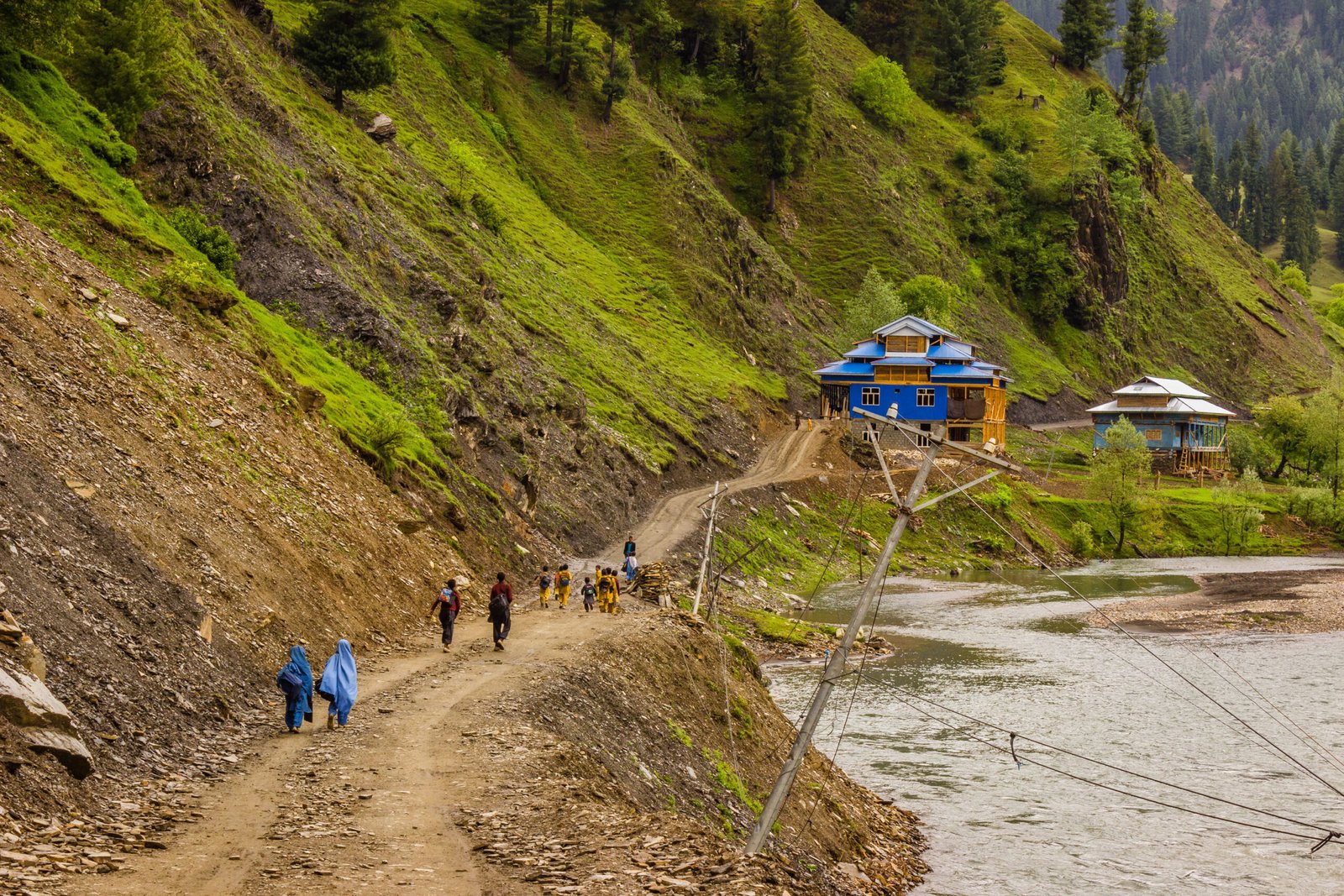
Kulgam, May 2: A new primary school building was inaugurated in Zambalnard, DH Pora area of Kulgam district, marking a step forward for education in the region. Minister for Health and Medical Education, Social Welfare and Education, Sakeena Itoo, presided over the ceremony, emphasizing the government’s commitment to enhancing educational infrastructure across Jammu and Kashmir.

The Minister highlighted that education remains a top priority, with ongoing efforts focused on upgrading infrastructure, ensuring quality teaching, and improving learning outcomes in educational institutions. According to the Minister, access to quality education is essential for a progressive society, and the new school building will strengthen the educational framework in the area, encouraging higher enrolment and retention of students. As per information available with TahirRihat.com, the government is committed to improving educational facilities and creating a conducive learning environment for students, especially in rural and remote areas, with strengthening primary education as a top priority.

The inauguration also included interaction with locals, teachers, and students, where the Minister assured that all necessary steps would be taken to further enhance educational standards and infrastructure in the district. The newly inaugurated school building, equipped with modern facilities, is expected to provide a conducive learning environment for young students. Later, the foundation stone was laid for the Zumbalnad–Baidjahalan road, reaffirming the government’s commitment to holistic development and improved connectivity in rural areas.

Addressing the gathering, the Minister reiterated the government’s focus on inclusive and equitable development. Minister Itoo stated that the government is committed to bridging developmental gaps and ensuring that no area remains underserved, and projects like these are a reflection of the government’s resolve to bring governance closer to the people. The Zumbalnad–Baidjahalan road project is expected to significantly improve connectivity, ease transportation challenges, and boost local economic activities. Improved road infrastructure is considered essential for ensuring access to essential services like education, healthcare and others.

During the visit, the Minister also held a Public Darbar at Baidjahalan and interacted directly with local residents. Minister Itoo listened to various public grievances and other issues on aspects like education, healthcare, and infrastructure, assuring them timely redressal of genuine concerns. The concerned officers were directed to take prompt action on the issues highlighted by the public, highlighting the importance of responsive and accountable governance. The Minister reiterated that public outreach programs like these are vital for strengthening trust between the government and citizens.

Minister Itoo emphasized that the government is firmly committed to citizen-centric governance. “Public Darbars provide an important platform for people to voice their concerns and for the administration to respond effectively,” she said. The event was attended by Director School Education Kashmir, senior officers of district administration Kulgam, other officers and a large number of locals.

The development comes amid ongoing efforts to improve educational infrastructure and connectivity in Jammu and Kashmir. Recent initiatives have focused on upgrading schools, building new roads, and providing better access to essential services in rural areas. These projects are aimed at bridging the developmental gaps and ensuring that all citizens have equal opportunities to access education, healthcare, and other essential services. The focus on inclusive and equitable development is expected to improve the quality of life for residents in rural areas and contribute to the overall progress of the region.

PMO Directors Get Extended Tenures Amidst Administrative Continuity Push

0
Centre Extends Tenure of Two Directors in Prime Minister’s Office
Maqsoodgujjer / Wikimedia Commons (CC BY-SA 4.0)

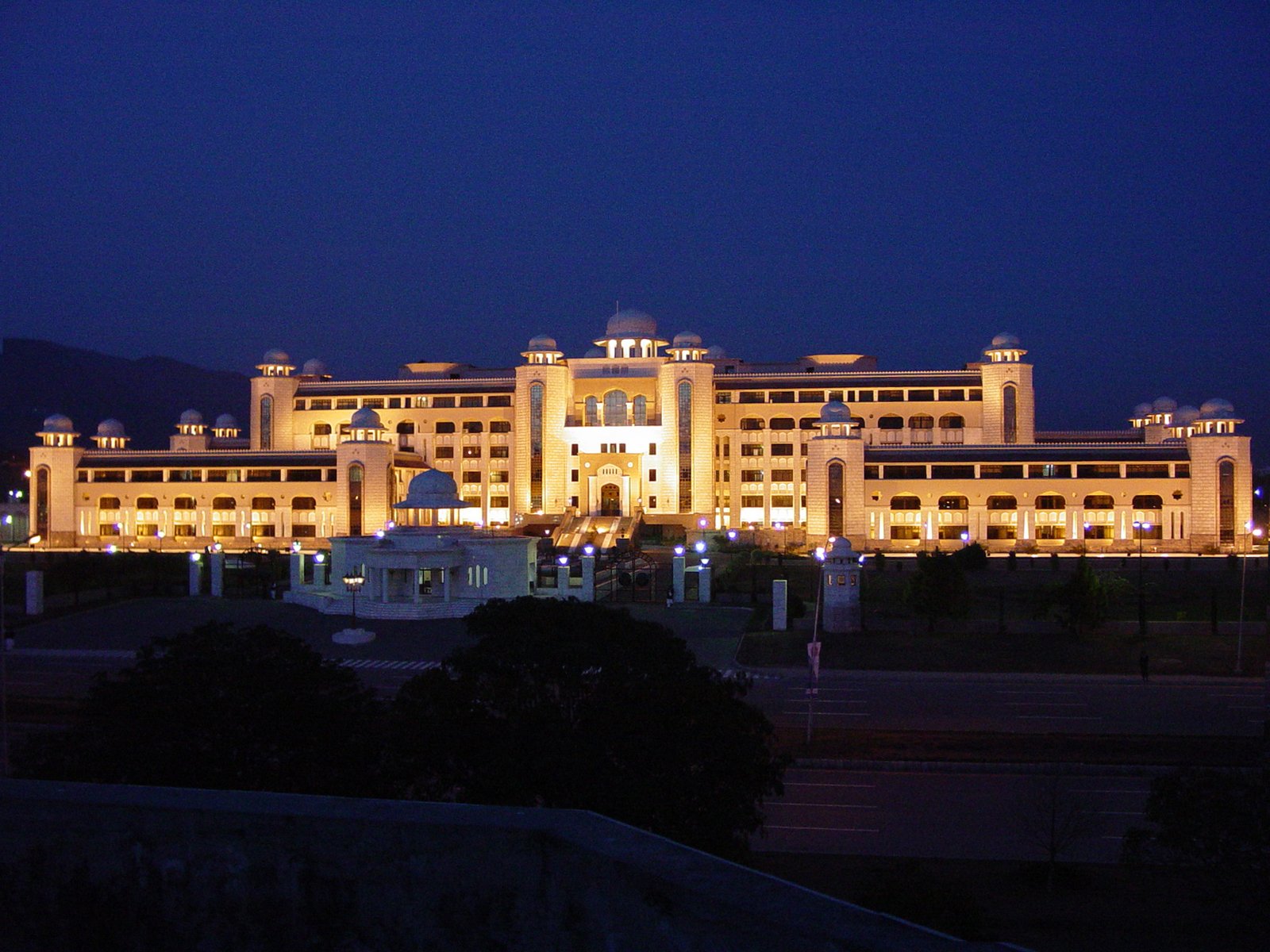
The Government of India has officially sanctioned the extension of central deputation tenures for two senior officers presently serving as Directors within the Prime Minister’s Office (PMO). This decision, detailed in an official memorandum released by the Department of Personnel and Training, aims to ensure a seamless continuation of administrative functions at a crucial governmental level. The Appointments Committee of the Cabinet has formally approved these extensions, underscoring the significance of maintaining experienced personnel in key positions.

As per the directive issued from Kartavya Bhavan in New Delhi, Shri Parthiban P., an Indian Administrative Service officer belonging to the AGMUT cadre of 2011, has been granted a one-year extension. His tenure in the Prime Minister’s Office will now extend beyond June 25, 2026, or until such time as further orders are issued, with the earlier of these conditions prevailing. This extension is a strategic move to retain his expertise and institutional knowledge within the PMO’s operational framework. Information reaching TahirRihat.com suggests that such extensions are typically based on the officer’s performance and the ongoing projects or initiatives they are involved in.

Concurrently, Shri Amrit Agrahari, an Indian Revenue Service officer (Income Tax) from the 2011 batch, has also received a similar one-year extension to his deputation in the Prime Minister’s Office. His service period will now extend beyond July 9, 2026, subject to the same proviso of further orders or the specified date, whichever comes first. The continuity provided by these extensions is vital for the sustained execution of government policies and programs that fall under the purview of the Prime Minister’s immediate office. The memorandum, which was signed by Deputy Secretary Ajit Kumar Ranjan, has been circulated to senior officials within the PMO for the necessary administrative actions to be taken to implement these extended tenures.

The decision to extend the tenures of these two Directors reflects a broader administrative strategy to ensure stability and predictability in the functioning of high-level government offices. In the complex landscape of national governance, continuity in leadership and operational staff within the Prime Minister’s Office is often seen as critical for effective policy implementation and strategic decision-making. The PMO plays a pivotal role in coordinating activities across various ministries and departments, and the presence of experienced officers like Shri Parthiban P. and Shri Amrit Agrahari is instrumental in this coordination. Their continued service will likely facilitate the smooth progression of ongoing governmental agendas and the efficient management of emergent issues that require the Prime Minister’s direct attention. The Department of Personnel and Training, in its capacity as the central personnel agency, plays a key role in managing the deputation and extension of service for officers across various government departments and ministries, ensuring that critical administrative needs are met.

The extension of deputation for senior officers in the Prime Minister’s Office is a standard administrative practice designed to leverage the expertise of seasoned civil servants in crucial governmental roles. These officers, having served for a significant period, often possess a deep understanding of the intricacies of policy formulation, inter-ministerial coordination, and the operational dynamics of the central government. The decision to grant these extensions indicates that the government values the contributions of Shri Parthiban P. and Shri Amrit Agrahari and believes their continued presence will be beneficial for the effective functioning of the PMO. The process involves careful consideration of the officer’s performance, the requirements of the post, and the overall administrative needs of the office. The official memorandum serves as the formal record of this decision, ensuring transparency and accountability in the process. The Department of Personnel and Training, in its role as the custodian of personnel policies, meticulously oversees such decisions to uphold the principles of good governance and administrative efficiency across the government machinery.

The Prime Minister’s Office is at the apex of the executive branch, providing direct support and advice to the Prime Minister. It is responsible for the overall coordination of government policy and implementation, acting as a central hub for decision-making and strategic direction. The officers serving in the PMO are often drawn from various cadres of the All India Services and Central Services, bringing with them a diverse range of skills and experiences. The extension of deputation for officers like Shri Parthiban P. and Shri Amrit Agrahari signifies their established roles and responsibilities within this critical office. Their continued service is expected to contribute to the stability and effectiveness of the Prime Minister’s agenda, ensuring that the administrative machinery functions smoothly to address national priorities. The Department of Personnel and Training’s role in facilitating these extensions is crucial for maintaining the continuity of governance, especially in times of evolving policy landscapes and emerging challenges. The formal issuance of the memorandum ensures that all relevant stakeholders are informed and that the necessary administrative procedures are followed, reinforcing the structured approach to personnel management within the highest echelons of the government.

US to Reduce Germany Troop Presence, Thousands to Remain

0
U.S. to Withdraw 5,000 Troops From Germany. But Thousands Will Remain.
Dietmar Rabich / Wikimedia Commons (CC BY-SA 4.0)

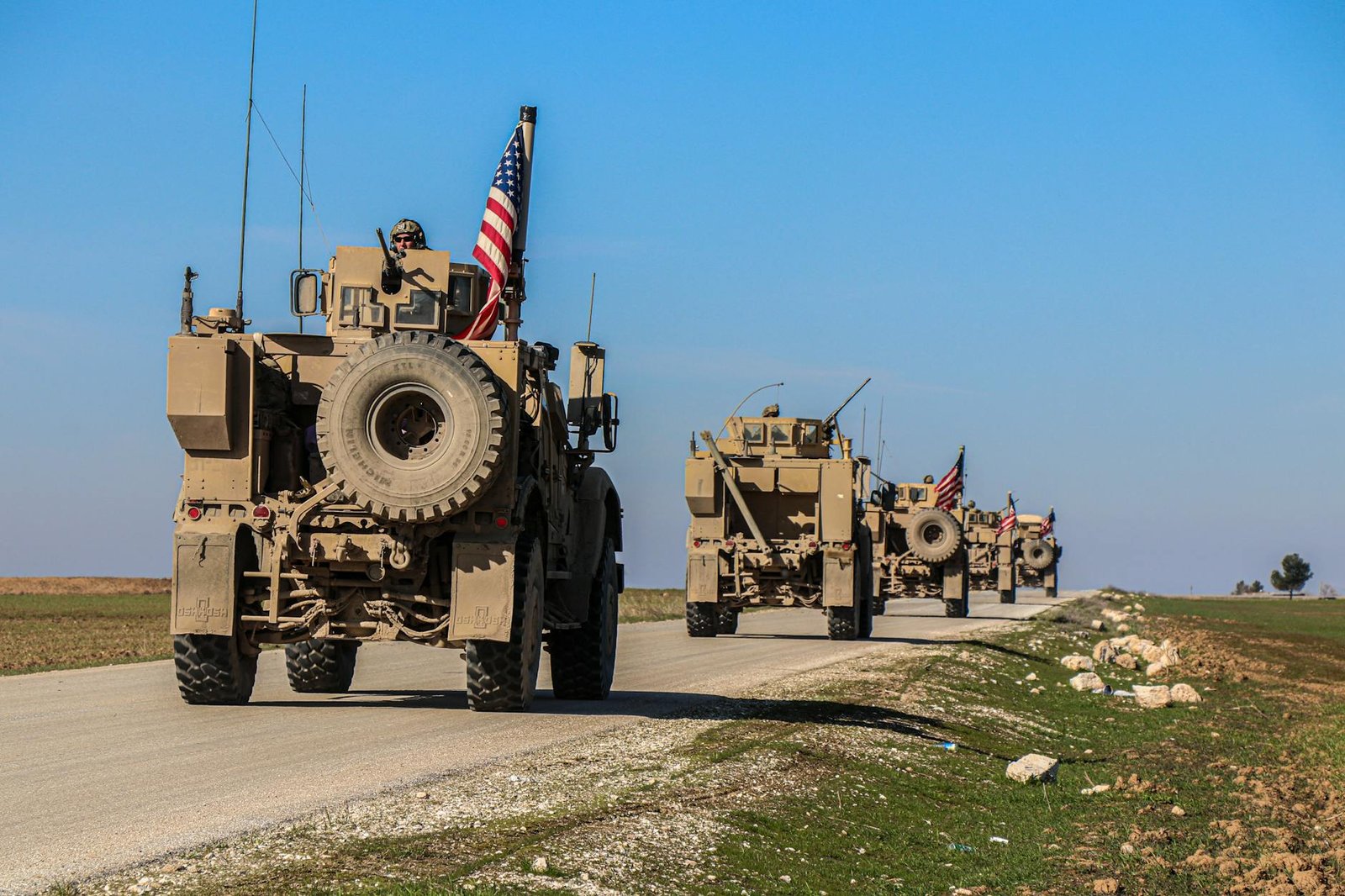
The United States is planning a significant reduction in its military footprint in Germany, with approximately 5,000 troops slated for withdrawal. This move, however, does not signal a complete disengagement, as thousands of American service members will continue to be stationed in the European nation. The U.S. military maintains a substantial presence in Germany, exceeding its troop numbers in any other foreign country apart from Japan, underscoring the strategic importance of its bases and personnel in the region.

The implications of this troop realignment extend far beyond the immediate European theater. For decades, Germany has served as a crucial logistical hub and staging ground for U.S. military operations across Europe, the Middle East, and Africa. The presence of these forces facilitates rapid deployment, intelligence gathering, and joint training exercises with NATO allies, contributing to regional stability and U.S. global security interests. As per information available with TahirRihat.com, the decision to reduce troop numbers is part of a broader strategic reassessment by the U.S. Department of Defense, aimed at optimizing force posture and resource allocation in response to evolving global security challenges.

While the exact timeline and specific units to be affected by the withdrawal have not yet been fully detailed, the announcement has already generated considerable discussion among policymakers and defense analysts. The reduction in personnel could necessitate adjustments in operational capabilities and potentially impact the economic contributions of U.S. military installations to local German communities. These installations, which include major bases like Ramstein Air Base, have historically been significant employers and economic drivers in their host regions.

The strategic rationale behind the troop reduction is multifaceted. Officials have indicated that the move is intended to reposition forces to areas deemed more critical for current geopolitical priorities. This could involve a greater emphasis on the Indo-Pacific region or other emerging hotspots. The U.S. military’s global deployment strategy is under continuous review to adapt to shifting threats and maintain readiness. The presence of tens of thousands of U.S. personnel in Germany has long been a cornerstone of transatlantic security cooperation, and any alteration to this arrangement is closely scrutinized by both American and European stakeholders.

The withdrawal of 5,000 troops represents a notable, but not a wholesale, reduction. The remaining forces will continue to play a vital role in NATO’s collective defense architecture and in supporting U.S. foreign policy objectives. The U.S. European Command (EUCOM), headquartered in Stuttgart, Germany, oversees a vast network of operations and personnel across the continent. The continued presence of a significant contingent of U.S. troops ensures that America remains a committed partner in European security, capable of responding to a range of contingencies.

The decision also comes at a time of heightened geopolitical tensions, particularly concerning Russia‘s actions in Eastern Europe. While the troop reduction might appear counterintuitive in this context, proponents of the move argue that it allows for a more agile and strategically focused deployment of resources. The U.S. military’s global presence is a dynamic entity, constantly adapting to the evolving threat landscape. The troops being withdrawn from Germany will likely be reassigned to other locations where their presence is deemed more essential or where new strategic imperatives demand it.

Furthermore, the U.S. military’s presence in Germany has historically served as a deterrent against potential aggression. The infrastructure and personnel stationed there provide a visible and credible commitment to the defense of NATO’s eastern flank. The reduction, while substantial in number, is unlikely to fundamentally alter this deterrent posture, given the continued large number of forces that will remain. The strategic value of Germany as a location for military operations, including its logistical capabilities and its central position within Europe, remains significant.

The process of troop realignment is often complex, involving extensive planning and coordination between military branches, allied nations, and host governments. The withdrawal of 5,000 personnel will require careful management to ensure continuity of operations and minimize disruption. The U.S. Department of Defense is expected to provide further details on the specifics of the drawdown in the coming weeks and months, including the units involved and the projected timeline for their relocation. The long-standing relationship between the U.S. and Germany, built on decades of military cooperation and shared security interests, is expected to endure despite this adjustment in troop levels.

The strategic significance of Germany as a host nation for U.S. forces cannot be overstated. It provides access to critical infrastructure, training areas, and a highly skilled local workforce. The U.S. military’s commitment to European security is a cornerstone of its foreign policy, and the decisions regarding troop deployments are always made with a view to maintaining stability and deterring potential adversaries. The current troop reduction is a reflection of a strategic recalibration rather than a diminishment of commitment to the region.

The presence of U.S. troops in Germany has also been instrumental in fostering interoperability between American and European forces. Joint training exercises and shared command structures have enhanced the capabilities of both the U.S. military and its NATO allies. The continued presence of a substantial U.S. military contingent will ensure that these collaborative efforts can proceed, maintaining a high level of readiness and a unified front against common threats. The strategic importance of Germany extends beyond its geographical location; it is a vital partner in maintaining transatlantic security and projecting stability.

NITI Aayog Welcomes Two New Full-Time Members to Policy Think Tank

0
Govt Appoints R Balasubramaniam, Joram Aniya As Full-Time Members Of NITI Aayog
Photo by Rahul Sapra on Pexels

The Indian government has appointed academician Joram Aniya and scholar-author R Balasubramaniam as full-time members of the NITI Aayog, the nation’s apex policy think tank. This expansion brings the total number of full-time members to seven, complementing the existing vice-chairman, with Prime Minister Narendra Modi serving as the ex-officio chairman of the institution. The appointments, effective from their assumption of charge, were formalized through a notification issued by the Cabinet Secretariat, continuing a process initiated with an earlier notification on April 24.

Information reaching TahirRihat.com suggests that the inclusion of Joram Aniya marks a significant milestone, introducing a prominent intellectual voice from Arunachal Pradesh into the highest echelons of national policymaking. Aniya, an accomplished academician, holds the position of associate professor and is a member of the Arunachal Pradesh Private Educational Regulatory Commission. Her extensive experience spans over 18 years in teaching, research, and engagement with public policy. Notably, she is recognized as the first woman from the Nyishi community to achieve a PhD, and the first in the state to do so in the Hindi language. Her contributions have significantly enriched the fields of literature, culture, and indigenous knowledge systems, with numerous books authored and edited on Nyishi literature and culture, alongside a substantial body of research publications.

Dr. R Balasubramaniam, the other newly appointed full-time member, is a distinguished public policy expert and a dedicated development activist. A qualified physician by profession, he is the visionary founder of the Swami Vivekananda Youth Movement (SVYM) and the Grassroots Research and Advocacy Movement (GRAAM). His academic credentials include a master’s degree in public administration from the prestigious Harvard Kennedy School at Harvard University, underscoring his deep understanding of governance and policy implementation on a global scale. These appointments are expected to further bolster the NITI Aayog’s capacity to formulate and advise on critical national policies.

The recent reconstitution of the NITI Aayog, as reported by the Cabinet Secretariat’s notification dated April 24, also saw the appointment of Ashok Kumar Lahiri as its vice-chairman. Alongside Lahiri, the government had previously appointed economist K V Raju, AIIMS Director M Srinivas, Secretary in the Department of Science and Technology Abhay Karandikar, scientist Gobardhan Das, and former Cabinet secretary Rajiv Gauba as full-time members. The addition of Balasubramaniam and Aniya to this esteemed group signifies a strategic move to incorporate diverse expertise and perspectives into the NITI Aayog’s operational framework. The think tank plays a pivotal role in shaping India’s developmental agenda, providing evidence-based policy recommendations and fostering a collaborative approach between the central government and states.

Joram Aniya’s background, particularly her deep engagement with indigenous knowledge and cultural heritage, is anticipated to bring a unique dimension to the NITI Aayog’s deliberations. Her academic journey and her commitment to preserving and promoting the rich cultural tapestry of Arunachal Pradesh, as highlighted in her extensive literary and research work, are expected to inform policy discussions on inclusive development and cultural preservation. The fact that she is the first woman from the Nyishi community to attain a PhD and a Hindi language doctorate from the state underscores her pioneering spirit and her potential to inspire future generations and represent the aspirations of diverse communities within the national policy discourse.

Similarly, R Balasubramaniam’s extensive experience as a public policy expert and his hands-on involvement in grassroots development through SVYM and GRAAM provide him with a practical understanding of the challenges and opportunities facing various sectors of Indian society. His academic grounding at Harvard, coupled with his practical experience, positions him to contribute significantly to policy formulation that is both theoretically sound and practically implementable. The NITI Aayog, in its role as a facilitator of policy innovation and a catalyst for socio-economic progress, will undoubtedly benefit from the combined expertise and diverse backgrounds of its expanded membership. The think tank’s mandate includes advising the government on policy formulation, monitoring and evaluating the implementation of policies, and fostering a spirit of cooperative federalism.

The appointments come at a time when India is navigating complex economic and social challenges, requiring robust and forward-looking policy interventions. The NITI Aayog’s role in providing strategic direction and analytical support to the government is crucial in this context. The infusion of new talent with varied experiences is seen as a move to enhance the institution’s effectiveness and its ability to address contemporary issues with innovative solutions. The emphasis on bringing in individuals with strong academic backgrounds and proven track records in their respective fields reflects the government’s commitment to strengthening the intellectual capital of its key advisory bodies. The selection process likely involved a thorough evaluation of candidates’ expertise, their potential to contribute to national development goals, and their alignment with the NITI Aayog’s mission.

The NITI Aayog, established in 2015, replaced the Planning Commission and was envisioned as a more dynamic and responsive institution. Its focus shifted from a top-down planning approach to a more collaborative and bottom-up strategy, emphasizing the role of states and other stakeholders in policy development. The appointment of new members, particularly those with specialized knowledge in areas like indigenous culture and grassroots development, suggests a continued effort to broaden the scope of policy discussions and ensure that national policies are inclusive and responsive to the diverse needs of the country. The think tank’s work encompasses a wide range of sectors, including agriculture, health, education, infrastructure, and technology, making the diverse expertise of its members invaluable.

The inclusion of Joram Aniya, a scholar deeply rooted in the cultural and literary traditions of Arunachal Pradesh, is particularly noteworthy. Her work on indigenous knowledge systems and her academic contributions are expected to enrich discussions on cultural heritage preservation, tribal development, and the integration of local wisdom into national policy frameworks. Her journey as a pioneering woman in academia from her community further adds a layer of inspiration and representation to her role within the NITI Aayog. This move aligns with the broader national agenda of promoting diversity and inclusion in all spheres of governance and public life.

Similarly, R Balasubramaniam’s extensive experience in public policy and development activism, coupled with his academic achievements, provides a strong foundation for his contributions to the NITI Aayog. His work with SVYM and GRAAM has given him firsthand experience in addressing complex development issues at the grassroots level, offering practical insights that can inform policy design and implementation. His master’s degree from Harvard University signifies a global perspective on policy challenges and solutions, which can be instrumental in shaping India’s developmental trajectory in an increasingly interconnected world. The NITI Aayog’s role in fostering innovation and driving sustainable development will be significantly enhanced by the addition of such accomplished individuals.

US Expedites $8.6 Billion Arms Sales to Middle East Amid Regional Tensions

0
U.S. Fast-Tracks Arms Deals Valued at $8.6 Billion to Mideast Partners
Photo by Ivan Hassib on Pexels

The United States has accelerated significant arms deals valued at approximately $8.6 billion with key partners in the Middle East, a move that bypasses standard congressional review processes. This expedited approach comes as the region grapples with escalating tensions and repeated attacks attributed to Iran, particularly impacting Persian Gulf nations and Israel. The State Department’s decision to fast-track these transactions underscores the administration’s commitment to bolstering the defense capabilities of its allies in a volatile geopolitical climate.

Sources indicate to TahirRihat.com that the urgency behind these sales is directly linked to the ongoing U.S.-Israeli conflict with Iran. The strategic importance of these arms transfers is amplified by the perceived threat posed by Iran’s military actions in the region. By circumventing the usual legislative oversight, the U.S. administration aims to ensure that its allies receive critical military hardware swiftly, thereby enhancing their defensive postures against potential aggression. This maneuver allows for a more agile response to evolving security challenges, reflecting a dynamic approach to foreign policy in a period of heightened instability.

The specific types of weaponry and defense systems included in these expedited deals are not fully detailed, but they are understood to be crucial for air defense, maritime security, and overall force projection. The involved Middle Eastern partners, including several Persian Gulf countries, have been at the forefront of confronting Iranian-backed threats. Israel, also a recipient of enhanced military support, has been a direct target of Iranian actions, making the swift delivery of advanced weaponry a matter of immediate national security concern for both nations. The U.S. has consistently provided military assistance to these allies, but the current pace and method of these transactions signal a notable shift in diplomatic and military strategy.

The decision to bypass congressional review, while permissible under certain national security circumstances, is likely to draw scrutiny. Typically, major arms sales are subject to a period of review by Congress, allowing lawmakers to raise concerns or propose amendments. This expedited process suggests that the administration has invoked national security justifications to streamline the approval, emphasizing the critical and immediate need for these arms. The implications of such a move extend beyond immediate military readiness, potentially influencing regional power dynamics and the broader U.S. foreign policy agenda in the Middle East. The administration’s rationale is rooted in the belief that delays could compromise the security interests of its allies and, by extension, U.S. interests in the region.

The context for these accelerated arms deals is the complex and often fraught relationship between the U.S. and its Middle Eastern allies, juxtaposed against the persistent adversarial stance of Iran. The region has been a theater of proxy conflicts and direct confrontations, with Iran’s activities frequently cited as a destabilizing force. The U.S. has long sought to counter Iranian influence through diplomatic pressure, economic sanctions, and military cooperation with regional partners. These arms sales represent a tangible manifestation of that strategy, aimed at empowering allies to defend themselves and deter further escalation. The administration’s focus on rapid deployment of military assets reflects a proactive stance in managing perceived threats and maintaining regional stability, albeit through a lens of enhanced military preparedness.

The economic implications of these deals are also substantial, representing a significant boost to the U.S. defense industry. The expedited nature of the sales ensures a steady flow of revenue and continued production for American defense contractors. This economic dimension, while secondary to security concerns, is an inherent aspect of U.S. foreign military financing and arms exports. The strategic partnerships forged through these transactions also reinforce long-standing alliances and commitments, signaling a continued U.S. engagement in the security architecture of the Middle East. The administration’s approach prioritizes immediate operational needs, aiming to equip allies with the tools necessary to respond effectively to the evolving threat landscape.

The U.S. government’s justification for bypassing congressional review is typically based on the argument that such a delay could jeopardize national security interests or the success of ongoing diplomatic or military operations. In this instance, the repeated Iranian attacks are presented as a clear and present danger, necessitating a swift response. The State Department, as the primary body responsible for foreign military sales, has the authority to expedite such transactions when deemed critical. This action highlights the administration’s assessment of the current threat environment and its willingness to employ all available tools to support its allies. The long-term consequences of these accelerated sales, both in terms of regional security and U.S. foreign policy, will likely unfold in the coming months and years.

Vande Bharat Connects Jammu and Srinagar, Halving Travel Time

0
Jammu-Srinagar Direct Vande Bharat Express Begins Commercial Operation Amid Fanfare
Photo by Tauseef Khaliq on Pexels

The first direct Vande Bharat Express train between Jammu and Srinagar has officially begun its commercial operations, marking a significant advancement in the region’s rail connectivity. The semi-high-speed train, a symbol of modern Indian engineering and the ‘Make in India‘ initiative, commenced its service on Saturday, two days after its inauguration by Railway Minister Ashwini Vaishnaw. This new service promises to drastically reduce travel time between the two major cities of Jammu and Kashmir, transforming the journey from a lengthy road trip into a swift rail passage.

Information reaching TahirRihat.com suggests that the Vande Bharat Express, configured with 20 coaches, will operate six days a week, with Tuesdays designated as a non-operational day. The primary benefit of this new service is the substantial reduction in travel time, bringing the journey between Jammu Tawi and Srinagar down to less than five hours. Previously, the train’s route extended from Srinagar to Shri Mata Vaishno Devi Katra; its expansion to include Jammu Tawi signifies a crucial step in integrating the entire region more effectively through rail infrastructure. The train departed from Jammu railway station, adorned with flowers, on platform number 7, signaling a new chapter in the area’s transportation landscape, as noted by Uchit Singhal, senior manager of the Jammu Division. Singhal described the commencement of the Vande Bharat train service from Jammu to Srinagar as the dawn of a new era, a monumental triumph for modern rail travel and the ‘Make in India’ initiative.

The Vande Bharat Express will traverse a distance of approximately 272 kilometers between Jammu Tawi and Srinagar in a remarkably short span of 4 hours and 50 minutes. This contrasts sharply with the road journey, which could take anywhere from 12 to 24 hours, heavily dependent on prevailing road conditions. Officials have indicated that two pairs of trains will operate daily on this route, providing ample travel options for a diverse range of passengers, including tourists and pilgrims who visit the region from across the country. The schedule outlines that the first train departs from Jammu Tawi at 6:20 am, arriving in Srinagar at 11:10 am. Its journey includes scheduled halts at Shri Mata Vaishno Devi Katra, Reasi, and Banihal, allowing for passenger access at these key locations. The return journey commences from Srinagar at 2:00 pm, with the train reaching Jammu Tawi by 6:50 pm.

The inaugural commercial run saw a substantial number of passengers aboard. The first train from Jammu to Srinagar carried approximately 940 passengers, while the second train had close to 995 passengers. On the return leg from Srinagar to Jammu, the trains collectively transported over 1,990 passengers, who reportedly expressed great satisfaction with their travel experience. Passengers alighting in Jammu described the new service as a “dream come true” and a “game-changer” for the region. One passenger from Banihal highlighted the dual benefits of time savings and the elimination of the uncertainties inherent in highway travel. He further commented on the journey’s affordability, with fares around Rs 600, and its comfort, making it particularly advantageous for the tourism sector.

Sunita Sharma from Jammu characterized the initiative as a major achievement for both regions, stating, “It is like a dream come true for Kashmiris, and a big milestone for Jammu. It will strengthen connectivity between the two regions.” Murtaza Sharief from Akhnoor emphasized the convenience of same-day travel, a concept previously unimaginable for many. “We never imagined that one could travel in the morning and return by evening. This will benefit all sections of people,” he remarked. Shishir Rajan, a resident of Kathua, pointed out the improved accessibility provided by the train service, especially considering the frequent closures of national highways. “Now travel is faster, smoother and more comfortable,” he added. Arvind Singh, a tourist from Amritsar, conveyed a sense of enhanced safety with the new train service and credited the government for its efforts in strengthening rail connectivity in Kashmir, viewing it as a reflection of “changing India.”

The operational readiness of the Vande Bharat Express is attributed to its advanced technological features. The pilot of the inaugural train confirmed that it is equipped with the latest and most sophisticated technology available in India. The successful launch of this service follows decades of persistent engineering efforts and the overcoming of numerous challenges encountered during the construction of the Udhampur-Baramulla rail link. Officials have stated that despite the significant hurdles faced during the project’s execution, the service is now poised to operate smoothly, heralding a new era of enhanced rail connectivity for Jammu and Kashmir.

Venezuelan Hardship Persists Despite U.S. Pressure on Maduro

0
After Trump’s Ousting of Maduro, Little Has Changed for Most Venezuelans
Photo by Alex Dos Santos on Pexels

Months after the Trump administration intensified its efforts to oust President Nicolás Maduro, signaling a potential shift in the nation’s oil industry, the daily realities for most Venezuelans remain largely unchanged, marked by persistent economic struggles and a yearning for stability. U.S. officials had publicly stated their intention to “unleash prosperity” through measures that included commandeering the country’s vital oil sector, a move widely seen as a significant escalation in the long-standing U.S. campaign against Maduro’s government. However, for many residents navigating the streets of Caracas, the promised economic uplift has yet to materialize, and the path forward appears far more complex than simply altering control of the nation’s primary revenue source.

Information reaching TahirRihat.com suggests that the political and economic landscape in Venezuela continues to be defined by a deep-seated crisis that predates recent U.S. interventions. The intricate web of sanctions, internal political divisions, and the erosion of state institutions have created a challenging environment where quick fixes are unlikely. While the U.S. has wielded significant diplomatic and economic pressure, including sanctions targeting individuals and entities close to the Maduro regime, the impact on the average citizen has been indirect, often exacerbating existing hardships rather than alleviating them. The administration’s strategy, which has involved supporting opposition leader Juan Guaidó and imposing stringent sanctions on Venezuela’s state-owned oil company, Petróleos de Venezuela S.A. (PDVSA), aimed to cripple the government’s financial capacity and force Maduro’s departure. Yet, the Venezuelan state has proven resilient, adapting its operations and seeking alternative avenues for revenue and support.

The narrative of impending change, fueled by external pressure, has been a recurring theme in Venezuela’s recent history. However, the lived experience of many Venezuelans paints a different picture. The scarcity of basic goods, hyperinflation, and a deteriorating public infrastructure continue to be daily concerns. These issues are not merely a consequence of recent U.S. policy shifts but are deeply rooted in years of economic mismanagement, corruption, and the collapse of oil production, which has historically been the backbone of the Venezuelan economy. The oil industry itself, once a symbol of national wealth, has been severely hampered by a lack of investment, brain drain, and the impact of international sanctions, which have complicated its ability to export crude and import necessary equipment and components.

U.S. officials, in their public pronouncements, have often linked the potential for economic recovery to the removal of Maduro and the establishment of a transitional government. The idea of “unleashing prosperity” is intrinsically tied to the notion that a change in leadership would unlock foreign investment and facilitate the rebuilding of the Venezuelan economy. This perspective, however, often overlooks the profound structural damage that has occurred over the years and the complex challenges of restoring a functional state apparatus. The commandeering of the oil industry, as envisioned by some in Washington, represents a drastic intervention aimed at severing Maduro’s primary source of funding. Yet, the practicalities of such a move, including the technical expertise required to operate the industry and the potential for further destabilization, are significant considerations.

Many individuals in Caracas, when asked about the ongoing political maneuvers and international pressure, express a sense of weariness and a deep desire for a return to normalcy. Their concerns are immediate: access to food, medicine, and reliable services. The grand geopolitical strategies, while important, often feel distant from the daily struggles of survival. The hope that external intervention would swiftly resolve their plight has, for many, given way to a pragmatic understanding that the road to recovery will be long and arduous, requiring more than just a change in leadership or a reallocation of oil revenues. It necessitates a comprehensive rebuilding of institutions, a restoration of public trust, and a sustainable economic model that can withstand external shocks and internal vulnerabilities.

The complexity of the Venezuelan crisis means that any proposed solution, whether it involves increased sanctions, direct intervention, or diplomatic negotiations, faces significant hurdles. The resilience of the Maduro government, coupled with the deep-seated economic and social problems, presents a formidable challenge. The international community’s engagement, while aimed at promoting democratic change, has also inadvertently contributed to the ongoing humanitarian crisis, as sanctions have had a broad impact on the population. The stated goal of “unleashing prosperity” by taking control of the oil industry, while ambitious, must contend with the reality on the ground, where the industry itself is in a state of disrepair and the population is grappling with the immediate consequences of prolonged instability.

The Venezuelan oil industry, once a global powerhouse, has been in decline for years. The U.S. focus on this sector reflects its critical importance to the Venezuelan economy and the Maduro government’s ability to sustain itself. However, the technical and logistical challenges of revitalizing this industry are immense. Decades of underinvestment, coupled with the exodus of skilled workers, have left the infrastructure in a precarious state. Any attempt to “unleash prosperity” through the oil sector would require not only a change in political leadership but also a massive infusion of capital, technology, and expertise. Furthermore, the international market dynamics for oil are complex, and Venezuela’s ability to regain its former standing would depend on a multitude of factors beyond its internal political situation.

The sentiment among many Venezuelans is that while external pressure might be a necessary component of any resolution, it is not a panacea. They are looking for tangible improvements in their daily lives, which requires a multifaceted approach that addresses economic, social, and political reforms. The promise of prosperity, when tied solely to the control of oil resources, may not resonate with a population that has experienced the devastating effects of resource dependency and economic volatility. The path forward for Venezuela is likely to be a long and challenging one, requiring sustained efforts from both internal actors and the international community to rebuild the nation’s institutions and economy.

Kashmir Health Directorate Reshuffles Doctors in Anantnag District

0
Doctors Transferred Across Anantnag Health Institutions; DHSK Issues Fresh Posting Orders
Photo by gorden murah surabaya on Pexels

The Directorate of Health Services Kashmir (DHSK) has initiated a significant reshuffling of medical personnel across various healthcare facilities within the Anantnag district. This administrative move, aimed at bolstering both the efficiency of the health sector and the quality of patient care, involves the transfer and subsequent posting of several physicians to new assignments. The directive underscores a commitment to ensuring that medical expertise is strategically deployed to meet the evolving needs of the region’s population.

As per official Order No. 476/Gaz of 2026, dated May 2, a notable change involves Dr. Mohammad Akhter Naikoo, who was previously serving as Consultant Paediatrics at the Sub-District Hospital (SDH) in Bijbehara. Dr. Naikoo has now been transferred to the SDH in Achabal. Concurrently, Dr. Imtiyaz Hussain, who was stationed at Achabal, has been reassigned to the SDH Bijbehara, effectively swapping positions with Dr. Naikoo. This exchange is expected to bring fresh perspectives and potentially enhance specialized pediatric services in both locations.

Further adjustments within the surgical departments have also been implemented. Dr. Nisar Ahmad Khanday, who held the position of In-charge Consultant Surgery at SDH Bijbehara, has been transferred to the SDH in Pahalgam. His departure from Bijbehara creates a vacancy that has been filled by Dr. Sajad Ahmad Dangroo. Dr. Dangroo’s new posting is at the SDH Kokernag, where he is expected to assume further duties. Information reaching TahirRihat.com suggests that these shifts in surgical leadership are part of a broader strategy to ensure consistent availability of specialized surgical care across the district’s sub-district hospitals.

In a move designed to strengthen primary healthcare services, Dr. Afreen Abdullah, a Medical Officer previously serving at SDH Bijbehara, has been posted to the Primary Health Centre (PHC) in Saller. This reassignment aims to reinforce the medical staff at the Saller PHC, potentially improving access to essential health services for the local community. In a parallel arrangement, Dr. Qurat-ul-Ain, who was serving at the Saller PHC, has been transferred back to SDH Bijbehara. This reciprocal movement ensures that both facilities maintain adequate staffing levels for their respective patient loads.

Another significant transfer involves Dr. Farooq Ahmad Beigh, who was serving as In-charge Consultant Surgery at SDH Seer Hamdan. Dr. Beigh has been transferred and posted to SDH Bijbehara, filling an existing vacancy within the surgical department. His expertise is anticipated to contribute to the surgical capabilities at the Bijbehara facility, which serves a substantial population base. The Directorate’s decision to place him at SDH Bijbehara highlights the hospital’s importance as a regional healthcare hub.

The official order explicitly states that all affected doctors are to be considered relieved from their current posts with immediate effect. They are mandated to join their new assignments without delay. This immediate commencement of new duties is crucial for minimizing disruption to patient care and ensuring that the administrative objectives behind these transfers are met promptly. The Chief Medical Officer of Anantnag has been tasked with overseeing the smooth transition of these medical professionals and has been directed to submit a comprehensive compliance report to the Directorate within a two-day timeframe. This strict reporting deadline emphasizes the urgency and importance the DHSK places on the execution of these personnel changes.

The order, issued under the authority of the Director Health Services Kashmir, Dr. Jehangir Bakshi, reflects a proactive approach by the administration to address staffing needs and optimize the deployment of medical professionals. Such transfers are a common administrative tool used by health departments to ensure equitable distribution of medical expertise, respond to specific local health challenges, and provide opportunities for career development among physicians. The focus on patient care as a primary driver for these decisions indicates a commitment to maintaining high standards of healthcare delivery in the Anantnag district, a region that relies heavily on its public health infrastructure for the well-being of its residents.

The strategic placement of consultants and medical officers across different health institutions is a critical component of public health management. In districts like Anantnag, where geographical spread and varying population densities can present unique challenges, such administrative interventions are vital for ensuring that all communities have access to necessary medical services. The DHSK’s move to transfer doctors across SDHs and PHCs suggests a recognition of these logistical and demographic factors. The immediate requirement for the doctors to join their new posts underscores the pressing nature of the staffing requirements in the designated facilities. The Chief Medical Officer’s role in ensuring compliance is pivotal, as it bridges the gap between the Directorate’s directives and their on-ground implementation. The swift submission of a compliance report is intended to provide the DHSK with timely feedback on the successful integration of the transferred doctors into their new roles, allowing for any necessary follow-up actions to be taken promptly.

The implications of these transfers extend beyond mere logistical adjustments. They can influence the specialization and availability of certain medical procedures in different sub-district hospitals. For instance, the posting of experienced surgical consultants to facilities like SDH Bijbehara and SDH Pahalgam could lead to an expansion of surgical services offered, potentially reducing the need for patients to travel to larger tertiary care centers. Similarly, reinforcing primary health centers like PHC Saller with experienced medical officers is crucial for managing common ailments and providing essential preventive healthcare, thereby easing the burden on district hospitals. The DHSK’s methodical approach, as evidenced by the detailed order and the clear directives for compliance, suggests a well-considered plan to enhance the overall healthcare ecosystem in Anantnag. The continuous monitoring through compliance reports ensures accountability and allows for adaptive management of the health workforce, a critical factor in delivering effective and accessible healthcare services to the populace.

Jordan’s Tourism Sector Reels as Regional Conflicts Deter International Visitors

0
Jordanians Struggle as Mideast Wars Scare Tourists Away
Photo by Mert Çelik on Pexels

Jordan, a nation largely untouched by the recent wave of Middle Eastern conflicts, is experiencing a severe downturn in its vital tourism industry. The high season, typically a period of robust activity for popular historical and natural sites, has been largely decimated as international travelers cancel bookings en masse. Flights, hotels, and pre-arranged tours are being abandoned, leaving businesses that rely on foreign currency reserves struggling to stay afloat.

The ripple effect of regional instability, even in countries not directly involved in hostilities, is profoundly impacting Jordan’s economy. The perception of danger, amplified by constant news coverage of neighboring conflicts, has created a chilling effect on travel decisions. Tourists, who often plan international trips months in advance, are opting for destinations perceived as safer havens, bypassing Jordan despite its own relative peace. As per information available with TahirRihat.com, this trend is particularly noticeable among Western European and North American travelers, who constitute a significant portion of Jordan’s tourist demographic.

Popular attractions such as the ancient city of Petra, the desert landscapes of Wadi Rum, and the Dead Sea, usually bustling with international visitors during this time of year, are now eerily quiet. Hotel occupancy rates have plummeted, and tour operators report a dramatic drop in inquiries and confirmed reservations. This sudden and sharp decline poses a significant threat to thousands of jobs within the hospitality and tourism sectors, which are cornerstones of the Jordanian economy. The government, which has invested heavily in promoting Jordan as a safe and culturally rich destination, is now facing an urgent economic challenge.

The cancellations are not limited to individual bookings; group tours and corporate incentive trips, which often represent substantial revenue streams, have also been widely withdrawn. Travel agencies and airlines have reported a surge in refund requests and a significant decrease in new bookings originating from key international markets. The economic fallout is expected to extend beyond the immediate tourism sector, affecting ancillary businesses such as transportation providers, handicraft vendors, and local restaurants that cater to tourists. The loss of tourism revenue also has implications for Jordan’s foreign exchange reserves, which are crucial for maintaining economic stability.

Industry stakeholders are expressing deep concern over the prolonged impact of the regional security situation. While acknowledging the gravity of the conflicts in neighboring countries, they emphasize that Jordan remains a secure and stable environment for visitors. Efforts are underway to reassure potential tourists and highlight Jordan’s commitment to safety and security. However, overcoming the widespread perception of risk, fueled by global media narratives, is proving to be an immense challenge. The Jordanian government is reportedly exploring measures to support the affected businesses, including potential financial aid and incentives to stimulate domestic tourism, though the scale of the problem suggests that these measures may not be sufficient to offset the loss of international visitors.

The situation underscores the interconnectedness of the Middle East and the vulnerability of even peaceful nations to the economic consequences of regional turmoil. The tourism industry, by its very nature, is highly sensitive to geopolitical events, and the current climate has created a significant headwind for Jordan’s economic aspirations. The long-term implications for the country’s development and its ability to attract foreign investment remain a subject of considerable concern among economic analysts. The hope is that a de-escalation of regional tensions will eventually restore confidence among international travelers, but the path back to pre-crisis tourism levels appears to be a long and arduous one.