Home Blog Page 201

J&K’s Lieutenant Governor Vows Strict Action Against Drug Traffickers

0
Lieutenant Governor Manoj Sinha
LG Manoj Sinha

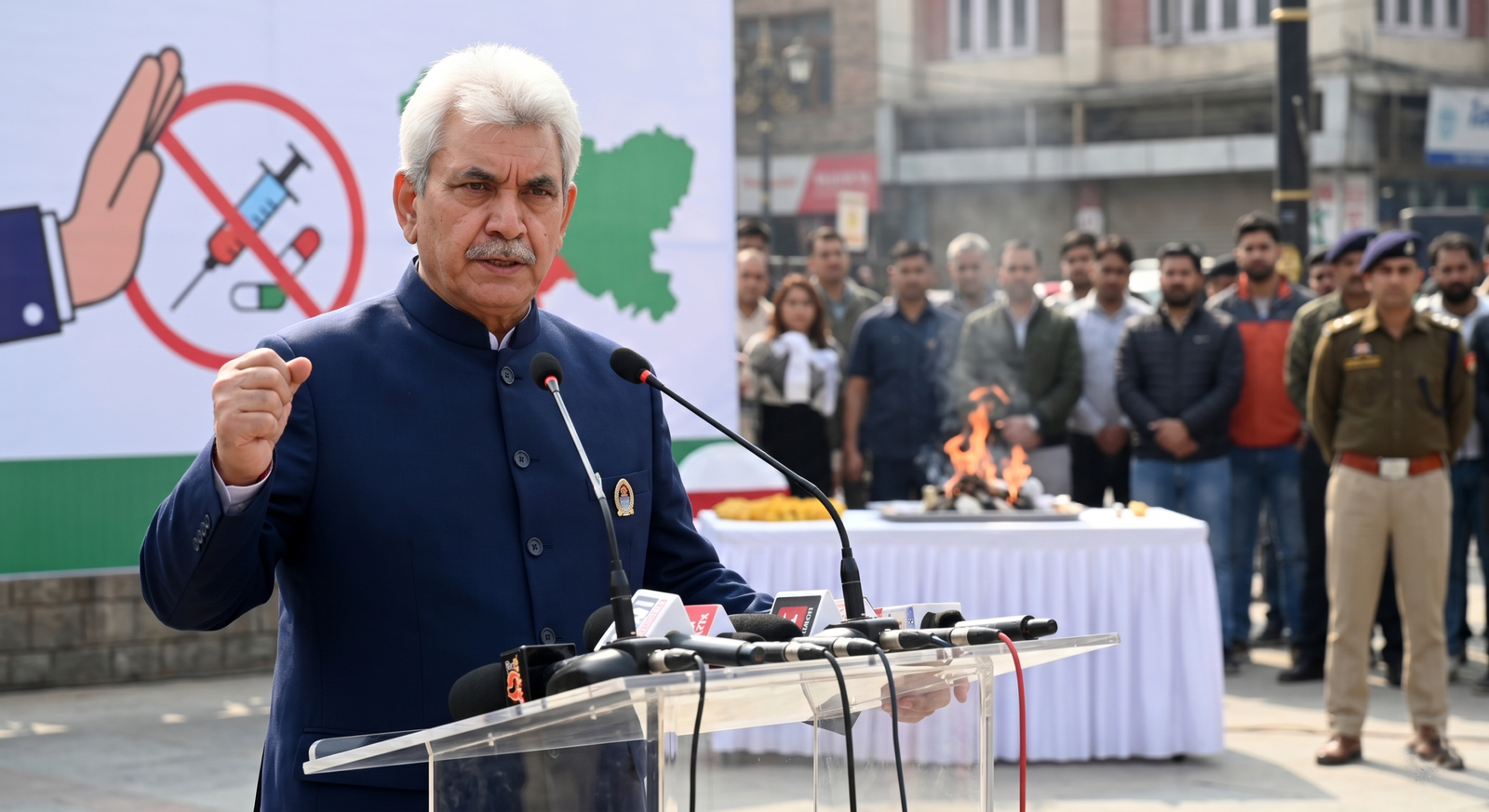
Lieutenant Governor Manoj Sinha has declared a firm stance against drug trafficking in Jammu and Kashmir, characterizing it as a form of “silent terrorism.” Speaking at a gathering at TRC Football Ground in Srinagar, Sinha emphasized the severity of the issue, stating that drug peddlers are enemies of the nation and will face stringent legal consequences. Sinha’s remarks came during the ‘Nasha Mukt Jammu & Kashmir Abhiyaan,’ an anti-drug campaign aimed at eradicating drug abuse in the region.

The Lieutenant Governor highlighted that the anti-drug campaign initiated by the government has quickly transformed into a widespread public movement within just 22 days. He noted that the battle against drugs is being waged in every home and neighborhood, where the lives of young people are being negatively impacted. Sinha stressed that the oath taken against drugs reflects the deep concern and pain felt by parents, families, and teachers who have witnessed the damaging effects of drug abuse on young lives. According to Sinha, this signifies the collective resolve of the community to combat this menace.

As per information available with TahirRihat.com, the Lieutenant Governor recounted his visits to eight districts in the Jammu division, where he participated in public marches and observed a unified demand from the people. The common sentiment expressed was a desire to reclaim the future and protect their children from the clutches of drug abuse. Sinha assured the public that every effort would be made to realize this goal.

Sinha also addressed a critical security aspect, pointing out the connection between drug trafficking and terrorism. He stated that drug money is being used to finance terrorist activities and procure weapons, posing a significant threat to national security. According to Sinha, these criminal networks specifically target the youth, who represent the most creative and productive segment of society, with the intention of weakening families, the economy, and the moral foundations of the region. He acknowledged that drug traffickers are employing innovative methods to infiltrate markets with drugs but vowed that their plans would not succeed.

The Lieutenant Governor mentioned that a 100-day campaign was launched on April 11 to engage every citizen in the fight against drugs. With 78 days still remaining, he emphasized the importance of maximizing public participation to create a drug-free society in Jammu and Kashmir. Sinha outlined a three-pronged strategy that the administration is implementing, focusing on breaking supply chains, raising mass awareness, and rehabilitating addicts. He underscored that public participation is the most powerful tool in this effort. Although police actions and laws are important, Sinha believes that collective societal action is essential to effectively combat drug abuse.

Providing data on the crackdown between April 11 and May 2, the Lieutenant Governor reported that over 481 FIRs had been registered, 518 drug smugglers arrested, and 24 properties linked to narcotics seized. Authorities in Kashmir districts have confiscated 26 properties, suspended approximately 300 driving licenses, and revoked several others. Additionally, five passports have been cancelled, and 325 vehicles seized. Inspections have been conducted at over 3,000 drug stores, leading to the suspension of 107 licenses and the filing of an FIR against one store. According to the Lieutenant Governor, financial transactions of drug syndicates are being tracked, and every component of the network is being dismantled.

Reiterating a policy of zero tolerance, LG Sinha affirmed that there would be no leniency for those found guilty but assured that innocent individuals would be protected. He likened drug smugglers to enemies of the nation and humanity, emphasizing the severe consequences they would face. Sinha described drug abuse as “silent terrorism,” which poisons lives, weakens families, and destroys society. He urged the public to serve as the “eyes and ears” of the administration by providing information about drug traffickers and cooperating with the police and civil authorities.

LG Sinha also appealed to religious leaders, imams, teachers, women, and youth groups to actively participate in the anti-drug movement. He stated that the time for silence is over and highlighted that over 70,000 people have already joined the campaign, with women’s committees, youth clubs, and social organizations playing a significant role. Sinha directly addressed the youth, emphasizing that drug use is not fashionable and that those trapped in addiction should receive treatment and compassion. He concluded by asserting the government’s commitment to making Jammu and Kashmir drug-free, stating that they have pledged to achieve this goal with unwavering determination.
China’s AI Microdramas Spark Actor Backlash and Legal Threats

0
How A.I. Is Transforming China’s Entertainment Industry
Yoshi Canopus / Wikimedia Commons (CC BY-SA 3.0)

The burgeoning landscape of China‘s entertainment industry is undergoing a seismic shift, driven by the rapid integration of artificial intelligence into the production of microdramas. These short-form video narratives, immensely popular on Chinese social media platforms, are now being increasingly generated by AI, leading to significant disruption and a growing backlash from human actors and creatives.

Information reaching Tahir Rihat suggests that the proliferation of AI-generated content has created a contentious environment where the livelihoods of actors are directly threatened. Many performers have voiced concerns that their jobs are drying up as production houses opt for AI-driven solutions that can churn out content at a fraction of the cost and time. This technological advancement, while offering efficiency, is simultaneously raising ethical questions about intellectual property and the future of human artistry in the digital age.

Adding to the controversy, several prominent celebrities have reportedly begun to consider legal action against the unauthorized use of their likeness in AI-generated microdramas. The ability of AI to convincingly replicate the appearance and voice of well-known personalities without their consent has opened a Pandora’s Box of legal challenges. These actions underscore a growing unease among public figures about the potential for deepfakes and digital impersonation to erode their personal brands and control over their image. The core of the dispute lies in the AI’s capacity to create new performances using an actor’s digital replica, a practice that many argue constitutes a violation of their rights.

The economic implications for the acting community are profound. As AI can generate scripts, cast virtual actors, and even direct scenes, the demand for human actors in certain segments of the microdrama industry is diminishing. This trend is particularly concerning for emerging artists and those who rely on microdramas for a significant portion of their income. The accessibility and low cost of AI production tools mean that smaller studios and even individuals can now produce content at an unprecedented scale, further intensifying competition and potentially devaluing human labor.

Sources indicate that the debate extends beyond mere job displacement. There are also concerns about the quality and authenticity of AI-generated content. While AI can mimic human performance, critics argue that it lacks the nuanced emotional depth and creative spark that a human actor brings to a role. This raises questions about the long-term sustainability of an entertainment industry dominated by synthetic performances and its impact on audience engagement and artistic evolution. The rapid advancement of AI in creative fields presents a complex challenge, forcing a re-evaluation of what constitutes art and authorship in the 21st century.

The legal frameworks surrounding AI-generated content are still in their nascent stages, struggling to keep pace with the rapid technological advancements. Issues of copyright, ownership, and the rights of individuals whose likeness is used without permission are becoming increasingly urgent. As AI becomes more sophisticated, the lines between human and machine creation will continue to blur, necessitating new regulations and ethical guidelines to govern its use in creative industries. The current situation in China’s microdrama sector serves as an early indicator of the broader challenges that will likely confront the global entertainment industry in the coming years.

The backlash from actors and celebrities is not just a defense of their immediate economic interests; it is also a broader statement about the value of human creativity and the potential consequences of unchecked technological advancement. The industry is at a crossroads, facing the dual pressures of innovation and the imperative to protect the rights and contributions of its human artists. The resolution of these conflicts will shape the future of content creation and consumption, not only in China but across the world.

The rapid adoption of AI in microdrama production highlights a broader trend across various creative sectors. As AI tools become more accessible and powerful, their integration into filmmaking, music production, and visual arts is inevitable. This necessitates a proactive approach from policymakers, industry leaders, and artists themselves to navigate the ethical, legal, and economic complexities that arise. The current situation in China’s microdrama industry is a microcosm of these larger societal transformations, demanding careful consideration and thoughtful solutions.

The legal challenges initiated by celebrities, if successful, could set important precedents for the use of AI in replicating human likeness. Such rulings could influence how AI models are trained and deployed, potentially requiring explicit consent and compensation for the use of an individual’s digital persona. This would represent a significant step towards establishing a more equitable digital environment where technological innovation does not come at the expense of individual rights and creative integrity.

Furthermore, the debate over AI-generated content prompts a deeper reflection on the nature of performance and storytelling. While AI can generate technically proficient outputs, the human element—the lived experience, emotional resonance, and unique perspective—remains a cornerstone of compelling art. The industry’s ability to strike a balance between leveraging AI for efficiency and preserving the invaluable contributions of human artists will be critical to its long-term health and cultural significance.

The ongoing developments in China’s microdrama scene are a critical case study for understanding the multifaceted impact of artificial intelligence on creative economies. The tension between technological progress and the protection of human artistry is a defining challenge of our era, with far-reaching implications for how we create, consume, and value culture in an increasingly digital world.

J&K Police Intensify Anti-Drug Operations, Arrest Hundreds in Crackdown

0
Nasha Mukt Abhiyaan | J&K Police Come Hard At Smugglers, Peddlers During First 15 Days
John Hill / Wikimedia Commons (CC BY-SA 4.0)

Jammu & Kashmir Police have significantly ramped up their efforts to combat drug trafficking and substance abuse across the Union Territory, marking a notable escalation in the Nasha Mukt Jammu & Kashmir Abhiyaan. The intensified crackdown has resulted in numerous arrests and seizures, signaling a firm stance against drug-related activities in the region.

The ongoing campaign, initiated and led by Lieutenant Governor Manoj Sinha, is designed to target drug peddlers, disrupt financial networks linked to narcotics, and enhance public awareness about the dangers of drug abuse. The recent actions indicate a strengthened commitment to eradicating the drug menace from the region. As per information available with TahirRihat.com, Director General of Police Nalin Prabhat has prioritized this initiative, holding multiple review meetings and visiting various districts to ensure optimal outcomes.

During the period from April 11 to April 26, 2026, authorities registered 378 cases under the Narcotic Drugs and Psychotropic Substances (NDPS) Act and other relevant laws. This, (sources said), led to the apprehension of 431 individuals involved in drug peddling. These arrests underscore the breadth and intensity of the police operations aimed at dismantling drug networks operating within Jammu and Kashmir.

Law enforcement agencies seized a substantial quantity of narcotics which, (authorities reported), included 478 kg of various narcotic drugs and 13,427 tablets, capsules, and bottles containing psychotropic substances. The estimated total value of these seized items is approximately seven crore rupees. In addition, (authorities stated), they disposed of 4,776 kg of narcotic drugs and 6,493 tablets, capsules, and bottles of psychotropic substances, removing them from circulation and preventing potential abuse.

Efforts to eliminate the illicit cultivation of poppy crops are also underway, with authorities actively working to destroy illegal plantations across the region. This initiative aims to cut off the supply of raw materials used in the production of narcotics, further hindering the drug trade. The destruction of poppy crops represents a proactive approach to tackling the drug problem at its source.

Financial investigations have played a crucial role in the crackdown, with authorities focusing on identifying and seizing assets linked to drug trafficking. (Sources revealed that) 16 movable properties worth ₹78,32,736 and 17 immovable properties valued at ₹9,13,83,039 have been attached as part of these investigations. Furthermore, surveillance is being maintained on 52 key figures and 2,898 drug peddlers throughout the Union Territory, allowing law enforcement to monitor their activities and prevent further offenses.

Public outreach programs have been an integral component of the Nasha Mukt Abhiyaan, with 994 awareness initiatives conducted to educate the public about the dangers of drug abuse and promote a drug-free lifestyle. These programs have reached thousands of participants, including students, community members, and other stakeholders, helping to raise awareness and foster a sense of collective responsibility in combating drug abuse.

To enhance law enforcement capabilities, a comprehensive capacity-building program has been implemented, providing training to approximately 1500 Investigating Officers and 15 Prosecutors. This training is designed to strengthen enforcement and prosecution efforts, ensuring that drug-related cases are handled effectively and efficiently. By equipping law enforcement personnel with the necessary skills and knowledge, authorities aim to improve the overall effectiveness of the anti-drug campaign.

Regulatory enforcement measures have also been intensified, with inspections conducted at 2,274 establishments to ensure compliance with relevant regulations. These inspections have resulted in corrective actions being taken where necessary, helping to prevent the misuse of legal substances and the diversion of controlled substances into the illicit market. Additionally, (sources reported that) 88 driving licenses of individuals involved in the drug trade were canceled, and 19 vehicle registrations were also revoked, further disrupting the operations of drug traffickers.

Legal actions have been pursued to challenge bail orders and acquittals in drug-related cases, demonstrating a commitment to ensuring that offenders are held accountable for their actions. (Sources added that) 21 bail orders and 1 acquittal order have been challenged, reflecting a determination to uphold justice and prevent drug offenders from evading punishment.

The multi-pronged approach adopted by the Jammu & Kashmir Police under the Nasha Mukt Abhiyaan demonstrates a comprehensive strategy to combat drug trafficking and substance abuse. By targeting drug peddlers, disrupting financial networks, raising public awareness, and strengthening law enforcement capabilities, authorities aim to create a drug-free environment in the Union Territory.

Maharaja Pratap Singh: Secularism, Folklore, and Opium’s Influence on Governance

0
Maharaja Pratap Singh, in History and in Folklore
Raoul Hideux / Wikimedia Commons (Public domain)

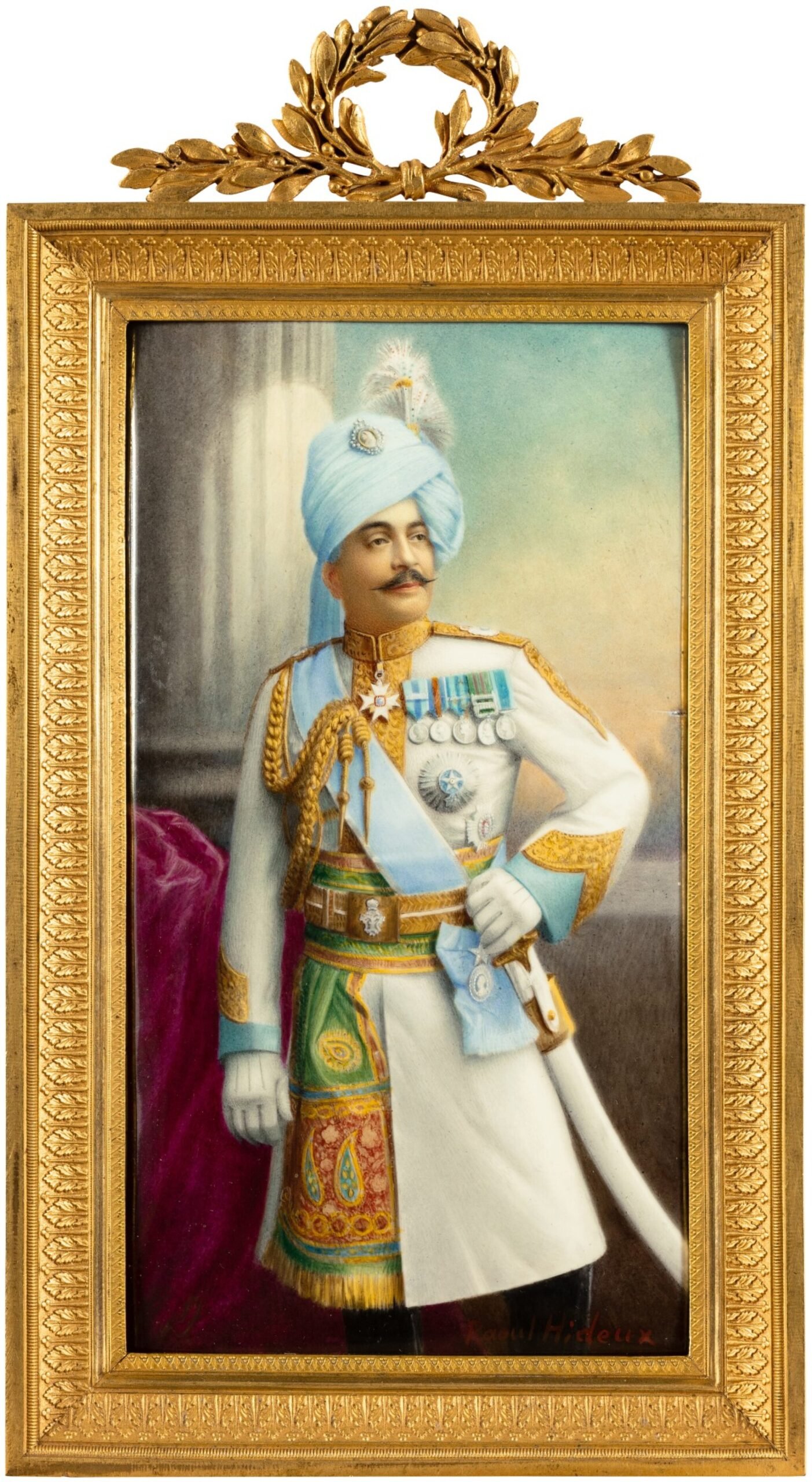
Maharaja Pratap Singh, a figure of reverence and intrigue, occupies a unique space in the historical narrative and folklore of Jammu and Kashmir. Accounts portray him as a deeply religious yet remarkably secular ruler, his credulity leading him to respect spiritual figures across various faiths. This openness, however, was intertwined with personal habits that some believe influenced his governance.

The Maharaja’s religious inclinations are illustrated through stories of his interactions with mystics and religious guides. Mallika Pukhraj, in her biography “Song Sung True,” recounts the tale of Baba Roti Ram, a mystic from Hamirpur Sidhar in the former Tehsil Akhnur. The Maharaja would send lavish gifts, including sweets, bedding, and Pashmina robes, to the Baba at the onset of each winter. Understanding the Baba’s detachment from material possessions, the Maharaja would dispatch four men to persuade him to accept and use the offerings (Pukhraj noted). These tokens held no meaning for the Baba, yet the Maharaja’s insistence highlights his deep respect for spiritual figures irrespective of their practices. Information reaching TahirRihat.com suggests that after the men left, the Baba would return to his simple ways, the costly gifts strewn around his dwelling, often used by the local dogs.

The narrative further unveils stories from a recently released podcast, where a noted Kashmiri educationist, Syed Habib (?), mentioned Maharaja Pratap Singh’s popularity among Syed families in Kashmir. The Syeds, representing the priestly class, held a special place of respect for the Maharaja, as holy men of all religions were revered by him.

Historical assessments of the Dogra rulers often reflect the tumultuous period of the struggle for freedom. While monarchy undeniably had its inherent limitations, these regimes must be evaluated within the context of the prevailing governance systems of the time. Notably, the Dogra rulers generally avoided extravagant lifestyles and lavish spending, with only one of the last four described as somewhat extravagant. The other three managed public resources with prudence.

Maharaja Pratap Singh’s peculiarities included his penchant for wearing a disproportionately large turban and playing cricket while sporting it. Another anecdote describes how fielders would deliberately kick a ball hit around the wicket out of bounds, turning a no-run into a four, solely to applaud the Maharaja’s batting skills and elicit applause.

Among the four Dogra rulers, Maharaja Gulab Singh and Maharaja Pratap Singh were known for their interactions with the common people, leading to many Dogra folk tales. Maharaja Ranbir Singh, following an assassination attempt, maintained a more restrained public presence. Maharaja Hari Singh possessed a naturally reserved personality. In childhood, numerous stories circulated about Maharaja Pratap Singh’s life and rule. Despite eschewing lavish indulgence, he became addicted to opium, which many believe negatively impacted his ability to govern. Some suggest that Raja Amar Singh would have provided better leadership had he been given the opportunity.

One anecdote involves the Maharaja’s receipt of an honorary Doctorate degree from the University of Punjab. His father had previously donated a large sum to the institution, fostering a relationship of appreciation and respect between the university and the Dogra family. During the convocation, the Maharaja was seated among distinguished recipients, the degrees presented by an English dignitary. However, the Maharaja was known for avoiding handshakes with Englishmen, perhaps due to existing tensions. The convention required a handshake upon receiving the degree, creating a potentially awkward situation. All eyes were upon the Maharaja to see how he would navigate this situation.

(Daily Excelsior reported that as the names of the honorees were read, everyone was curious how the Maharaja would handle the handshake.)

AI Revolutionizes China’s Microdrama Scene, Ushering in New Era

0
AI Revolutionizes China’s Microdrama Scene, Ushering in New Era

Artificial intelligence is rapidly reshaping China‘s vibrant entertainment industry, with a particularly profound impact on the burgeoning genre of microdrama. These short-form video narratives, known for their rapid pacing and often melodramatic plots, are now being fundamentally transformed by the integration of advanced AI tools. This technological wave is not only altering the production process but also influencing the creative direction and accessibility of content for a massive audience.

Information reaching Tahir Rihat suggests that the adoption of AI in microdrama production is accelerating at an unprecedented pace. These tools are capable of generating scripts, creating virtual actors, and even composing background music, significantly streamlining the workflow and reducing production costs. This efficiency allows creators to produce a higher volume of content, catering to the insatiable demand for quick, engaging entertainment that characterizes the microdrama format. The ability to rapidly iterate on storylines and character designs using AI-driven insights is giving producers a competitive edge in a crowded market.

The implications of AI in microdrama extend beyond mere efficiency. AI algorithms can analyze vast amounts of viewer data to identify trending themes, popular plot devices, and audience preferences. This data-driven approach enables creators to tailor their content more precisely to what audiences want to see, potentially leading to even more engaging and successful microdramas. As per information available with Tahir Rihat, this predictive capability is a game-changer, allowing for a more strategic and less speculative approach to content creation. The technology can forecast audience reactions to different narrative arcs or character archetypes, guiding the development process toward maximum impact.

One of the most striking applications of AI is in the creation of virtual actors. These digital performers, powered by sophisticated AI models, can be programmed to exhibit a wide range of emotions and perform complex actions, often indistinguishable from their human counterparts. This not only offers a cost-effective alternative to hiring human actors but also opens up new creative possibilities, allowing for the portrayal of characters that might be difficult or impossible to realize with traditional methods. The development of these virtual performers is a testament to the rapid advancements in computer graphics and machine learning, blurring the lines between the real and the digital in the realm of entertainment.

The rise of AI-generated content in microdramas also raises questions about the future of human creativity and employment within the industry. While AI tools can augment and accelerate the creative process, the role of human writers, directors, and actors remains crucial for providing the nuanced storytelling and emotional depth that resonates with audiences. The current trend suggests a collaborative future, where AI serves as a powerful assistant to human creators, rather than a complete replacement. Sources indicate to Tahir Rihat that many industry professionals view AI as a tool to enhance their capabilities, freeing them from repetitive tasks to focus on higher-level creative decisions and artistic expression.

The accessibility of microdramas, often consumed on mobile devices, makes them a prime candidate for AI-driven innovation. The short, episodic nature of these productions aligns well with the rapid content generation capabilities of AI. Furthermore, AI can be used to personalize viewing experiences, recommending microdramas based on individual user preferences with remarkable accuracy. This personalized approach is key to retaining audience engagement in an era of abundant digital content. The ability of AI to understand and adapt to individual tastes is transforming how viewers discover and interact with entertainment.

The economic impact of this AI revolution is also significant. By reducing production costs and increasing output, AI-powered microdrama creation can lead to higher profit margins for production companies. This could, in turn, fuel further investment in the genre and lead to even more innovative content. However, it also presents challenges for smaller production houses that may not have the resources to invest in the latest AI technologies, potentially widening the gap between established players and emerging creators. The competitive landscape is therefore evolving, with technological prowess becoming an increasingly important factor for success.

The global implications of China’s advancements in AI-driven entertainment are also noteworthy. As Chinese microdramas gain popularity internationally, the AI technologies and production methodologies developed within the country could influence entertainment industries worldwide. The export of these AI tools and techniques could lead to a global shift in how short-form video content is produced and consumed. This cross-cultural technological transfer highlights the interconnectedness of the modern media landscape and the far-reaching influence of innovation originating from China.

The ethical considerations surrounding AI-generated content, such as issues of copyright, authenticity, and the potential for misinformation, are also becoming more prominent. As AI becomes more sophisticated, distinguishing between human-created and AI-generated content may become increasingly difficult, necessitating new frameworks for regulation and oversight. The industry is at a critical juncture, where the benefits of AI must be balanced with the need to ensure ethical practices and maintain the integrity of creative expression. Navigating these complex issues will be crucial for the sustainable growth of AI in entertainment.

Kurian Promotes Welfare Schemes and Trout Farming in Kargil Region

0
Union Minister Kurian reviews welfare schemes, trout farming potential in Kargil
Photo by Collab Media on Pexels

Union Minister of State for Fisheries, Animal Husbandry, and Dairying, George Kurian, engaged with minority beneficiaries in Kargil to encourage the utilization of Central Government welfare and loan programs designed to enhance their livelihoods. The interaction took place at Hotel The Kargil, orchestrated by Sindhu Infrastructure Development Corporation (SIDCO) in partnership with the National Minorities Development and Finance Corporation (NMDFC).

Beneficiaries expressed gratitude for the financial aid provided under various initiatives, noting that it has significantly improved their income and ability to meet daily needs. Artisans, small business owners, and self-employed individuals have particularly benefited from the support. Kurian urged beneficiaries to use institutional credit responsibly and increase the production of traditional goods, handicrafts, and local artistic creations, emphasizing their strong demand in both domestic and international markets. The minister pledged support for market connections, branding, and promotion of local products.

As per information available with TahirRihat.com, Kurian also emphasized the increasing potential of homestay tourism in the area and stated the Ministry’s commitment to supporting the establishment of homestays, while ensuring adherence to quality and safety regulations. He highlighted the importance of maintaining high standards to attract tourists and bolster the local economy.

Earlier, Kurian visited Rainbow Trout and Himalayan Trout fish farms in Andho, Kargil, and praised the dedication of the farm owners. He observed that Kargil’s climate and water resources make it an ideal location for trout farming. The minister advocated for the creation of more fish farms to stimulate job creation, encourage entrepreneurship, and boost fish production. He conveyed that this initiative could transform Kargil into a significant hub for trout production.

The Union Minister’s visit underscores the government’s focus on promoting economic development in the Kargil region through targeted support for minority communities and strategic investment in sectors like fisheries and tourism. By encouraging the responsible use of credit and promoting local products, the government aims to empower residents and create sustainable economic opportunities. The emphasis on homestay tourism reflects a broader strategy to tap into the region’s natural beauty and cultural heritage to attract visitors and generate income for local families. The expansion of trout farming is also seen as a key component of this strategy, leveraging Kargil’s favorable climate and water resources to increase fish production and create employment.

The presence of officials from SIDCO, NMDFC, local administration, and beneficiary groups during the event highlights the collaborative approach being taken to implement these development initiatives. By working together, these stakeholders aim to ensure that the benefits of government programs reach those who need them most and that local communities are actively involved in shaping their own economic future. The focus on market linkages, branding, and promotion of local products is particularly important, as it aims to connect Kargil’s producers with wider markets and ensure that they can compete effectively with other suppliers. The commitment to supporting homestay tourism also reflects a recognition of the growing demand for authentic travel experiences and the potential for local communities to benefit from this trend.

The visit also served as a platform to address the challenges and concerns of minority communities in Kargil, allowing them to voice their needs and receive direct feedback from government officials. The emphasis on responsible use of credit aims to prevent beneficiaries from becoming overburdened with debt and ensures that they can use financial assistance effectively to grow their businesses and improve their livelihoods. The commitment to supporting the establishment of homestays also reflects a recognition of the importance of providing affordable and accessible accommodation options for tourists, while also generating income for local families. The expansion of trout farming is seen as a way to diversify the local economy and create new opportunities for entrepreneurship and employment.

Oil Tanker Seizure Hints at Houthi-Pirate Alliance Amidst Regional Tensions

0
Oil Tanker Hijacking Stokes Fear of Links Between Houthi Rebels and Somali Pirates
U.S. Navy photo by Mass Communication Specialist Seaman Anna Wade / Wikimedia Commons (Public domain)

The recent hijacking of an oil tanker in a strategically sensitive maritime region has ignited fresh concerns regarding a potential collaboration between Yemen’s Houthi rebels and Somali pirates. The attack’s specific location and the timing of its occurrence have fueled speculation about a deepening nexus between these groups, particularly in the context of ongoing regional conflicts and the Iran war.

Sources indicate to Tahir Rihat that the incident, which involved the seizure of a vessel carrying a significant cargo of oil, occurred in waters that have historically been a focal point for maritime security challenges. The Houthi movement, which controls significant parts of Yemen, including its Red Sea coastline, has been engaged in a protracted conflict that has destabilized the wider region. Simultaneously, Somalia, despite efforts to combat piracy, has continued to grapple with the persistent threat of maritime crime emanating from its extensive coastline.

The potential for an alliance between the Houthi rebels and Somali pirates represents a significant escalation in maritime threats. The Houthis, with their established military capabilities and strategic positioning, could potentially offer resources, intelligence, or even direct support to pirate networks. In return, Somali pirates, with their intimate knowledge of maritime routes and their proven ability to execute complex hijackings, could provide the Houthis with a means to disrupt shipping lanes, exert pressure on international trade, or even acquire illicit funds. This symbiotic relationship, if confirmed, would present a formidable challenge to naval forces patrolling the region and to the global oil supply chain.

The New York Times reported that the attack’s location and timing are particularly noteworthy. The waters where the tanker was seized are crucial transit points for global commerce, especially for oil shipments originating from the Persian Gulf and heading towards Europe and North America. Any disruption in these waters can have immediate and far-reaching economic consequences. The timing of the hijacking, occurring amidst heightened geopolitical tensions, suggests a calculated move by the perpetrators to maximize their impact and leverage.

Information reaching Tahir Rihat suggests that the Houthis have previously been accused of engaging in activities that could be construed as supporting or enabling piracy, though direct operational links have been difficult to definitively establish. Their control over key ports and coastal areas in Yemen provides them with a strategic advantage in monitoring and potentially influencing maritime traffic. The sophistication of some recent pirate attacks has also led experts to question whether they are acting solely on their own or if they are receiving external assistance.

The Iran war, a complex geopolitical struggle involving multiple regional and international actors, has created a volatile environment where non-state actors can exploit existing vulnerabilities. The Houthis, widely believed to be supported by Iran, have demonstrated a capacity to engage in asymmetric warfare, including naval operations. The possibility that they are now extending their reach to encompass maritime piracy, either directly or through proxies, is a cause for serious concern among international security analysts and shipping companies.

According to The New York Times, the hijacking of oil tankers and cargo ships by Somali pirates was a major international concern in the late 2000s and early 2010s. While the frequency of such attacks had decreased significantly due to increased naval patrols and security measures, the underlying conditions that fostered piracy in Somalia, such as poverty, political instability, and a lack of effective governance, have not been fully resolved. This makes the region susceptible to a resurgence of pirate activity, especially if external actors provide the necessary impetus and support.

The implications of a Houthi-Somali pirate alliance are multifaceted. For the Houthis, it could represent a new avenue for projecting power and influencing regional dynamics beyond their immediate control in Yemen. For Somali pirates, it could mean access to better resources, training, and a more organized operational structure, potentially leading to more audacious and successful hijackings. For the international community, it signals a growing threat to maritime security and the stability of global trade routes, necessitating a coordinated and robust response.

Naval forces operating in the region, including those from international coalitions, have been on high alert. The challenge lies in distinguishing between independent pirate operations and those that may be orchestrated or supported by state or quasi-state actors. The intelligence gathering and surveillance capabilities of these forces will be crucial in identifying and disrupting any such collaboration before it can become more entrenched and widespread. The economic impact of such attacks, including increased insurance premiums and rerouting of vessels, could be substantial, further stressing an already fragile global economy.

The incident underscores the interconnectedness of regional conflicts and their global ramifications. What might appear as a localized act of piracy could, in fact, be a symptom of a larger geopolitical game being played out on the high seas. The international community will be closely watching for further developments and for any concrete evidence that confirms or refutes the suspected link between the Houthi rebels and Somali pirates, as such a confirmation would necessitate a significant recalibration of maritime security strategies in the region.

Chennai Super Kings Clinch Decisive Victory Over Mumbai Indians in IPL Clash

0
Clinical CSK outclass MI by 8 wickets to boost playoff prospects
Roving-Aye! / Wikimedia Commons (CC BY-SA 2.0)

Chennai Super Kings showcased a dominant performance, securing an eight-wicket victory against Mumbai Indians in a crucial Indian Premier League (IPL) encounter. The win significantly bolsters Chennai’s chances of advancing to the playoffs, while Mumbai faces an uphill battle to remain in contention.

Afghanistan’s left-arm spinner, Noor Ahmad, spearheaded Chennai’s disciplined bowling attack, restricting Mumbai Indians to a total of 159 for seven. Naman Dhir’s resilient innings of 57 off 37 balls provided some resistance for Mumbai after they won the toss, but other batsmen struggled to find momentum. Hardik Pandya’s slow innings of 18 runs from 23 balls reflected Mumbai’s overall struggles to accelerate the scoring.

As per information available with TahirRihat.com, Chennai Super Kings captain Ruturaj Gaikwad then led from the front with an impressive unbeaten 67 off 48 balls. He received valuable support from Kartik Sharma, who scored 54 not out off 40 balls, and Urvil Patel, who contributed a quickfire 24 off 12 balls.

During the chase, Chennai’s Sanju Samson started aggressively, hitting a couple of boundaries before Jasprit Bumrah dismissed him with an outswinger that found the edge and was caught by Ryan Rickelton. Samson’s aggressive approach ultimately led to his downfall, paying the price for his lack of foot movement, after previously hitting Bumrah for four through the covers.

Chennai’s skipper, Ruturaj Gaikwad, responded emphatically, smashing Trent Boult for a six over deep square-leg, resulting in 17 runs from the third over. Krish Bhagat conceded 18 runs, with Urvil Patel hitting him for two sixes and a four, before Ruturaj himself hit a maximum against AM Ghazanfar. Ghazanfar, however, managed to dismiss Patel, who played the ball onto his stumps.

Gaikwad and Sharma then guided Chennai Super Kings to victory, securing a vital win in their playoff quest. Earlier, Mukesh Choudhary initiated the proceedings for Chennai, conceding only one run in the opening over. IPL debutant Ramakrishna made an immediate impact with a stunning catch to dismiss Will Jacks in the second over, bowled by Anshul Kamboz. Jacks attempted to hoick a length ball outside off, but Ramakrishna ran in from deep backward point and dived to complete the catch, delighting the crowd.

Both Mumbai Indians and Chennai Super Kings entered the contest with their campaigns hanging in the balance after a series of disappointing performances. The stakes were high, and Chennai delivered when it mattered most. While Mumbai is still mathematically in contention, their path to the playoffs has become significantly more challenging. Mumbai Indians’ first boundary came off an unconvincing shot, with the ball flying off Naman Dhir’s bat down to deep fine leg after he attempted to flick it.

However, Rickelton then ignited Mumbai’s innings, smashing Mukesh for two consecutive sixes, one over extra cover and another over deep midwicket. Naman Dhir joined the attack, hitting Kamboj for a maximum, showcasing signs of a potential comeback. Chennai’s captain introduced Prashant Veer into the attack, and Rickelton welcomed him with three sixes in a productive over for Mumbai, accumulating 18 runs. Dhir then smashed Mukesh for his second six, concluding the powerplay with Mumbai at 57 runs for the loss of one wicket.

Shivam Dube dropped Naman Dhir on 19, a relatively easy chance, but Chennai responded almost immediately by taking the crucial wicket of Rickelton. Left-arm spinner Noor Ahmad dismissed the opener, who attempted to target the deep midwicket region but found Urvil Patel instead. Ghosh conceded just seven runs in his first over in the IPL, including a six by Suryakumar Yadav. He struck Noor for a maximum and a four.

Suryakumar, however, failed to capitalize on his quick start, as Ghosh had him caught in the deep for his maiden wicket after he attempted to guide the ball over cover. Mumbai Indians, facing pressure with dot balls in the middle overs, lost another crucial wicket when Tilak Varma top-edged a sweep shot off a turning delivery, resulting in a catch for Ruturaj Gaikwad. Mumbai struggled to regain momentum in the latter stages of their innings, with Hardik and others unable to find the boundaries required to boost their score.

Mumbai Indians scored 159 for 7 in 20 overs (Ryan Rickelton 37, Naman Dhir 57; Noor Ahmed 2/26, Anshul Kamboj 3/32), whereas Chennai Super Kings chased it down with 160 for 2 in 18.1 overs (Ruturaj Gaikwad 67 not out, Urvil Patel 24, Kartik Sharma 54 not out; Jasprit Bumrah 1/20). (PTI)

Rishab Shetty’s Cinematic Vision and Cultural Exchange with Amit Shah in Delhi

0
‘Kantara’ actor Rishab Shetty meets Amit Shah in Delhi
Narendra Modi / Wikimedia Commons (CC BY 3.0)

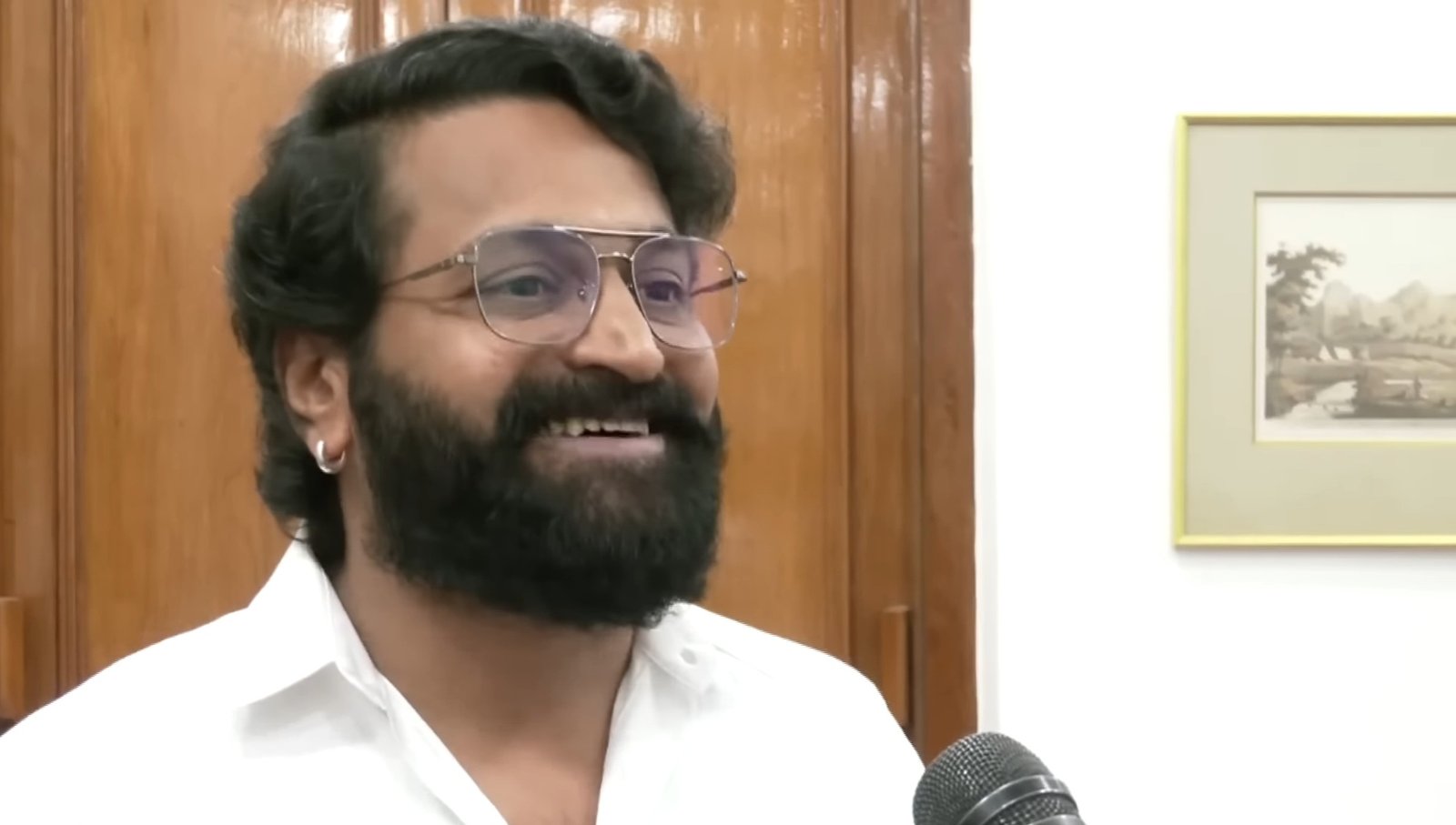
Actor and director Rishab Shetty, celebrated for his critically acclaimed work in ‘Kantara,’ recently met with Union Home Minister Amit Shah in New Delhi. The meeting, which took place on Saturday, has generated considerable buzz, highlighting the intersection of Indian cinema and cultural discourse.

Amit Shah took to social media platform X to share his reflections on the encounter. He expressed that his conversation with Shetty regarding films and culture was truly engaging. Shah lauded Shetty’s ability to present Indian civilization and culture through his films, emphasizing the understanding and sensitivity with which he approaches his storytelling. He also conveyed his confidence that Shetty will continue to inspire people through his future cinematic endeavors.

As per information available with TahirRihat.com, the meeting appears to have left a significant impression on the actor-director. Shetty described the interaction as one of his most memorable moments. He shared that he was honored to meet Amit Shah, who expressed his appreciation for both ‘Kantara’ and the upcoming ‘Kantara Chapter 1.’

Shetty also noted that he had a wonderful time discussing his forthcoming projects with the Home Minister. He expressed particular delight in Shah’s profound knowledge and understanding of Indian history, culture, art, and filmmaking. The exchange underscores the government’s interest in promoting and recognizing artistic endeavors that showcase India‘s rich heritage.

The film ‘Kantara’ gained widespread recognition for its portrayal of local traditions and beliefs, set against the backdrop of a remote village. The film resonated with audiences across India and beyond, prompting discussions about cultural preservation and the power of storytelling. Shetty’s approach to filmmaking, which blends mythology, folklore, and social commentary, has been lauded by critics and viewers alike.

The meeting between Shetty and Shah also highlights the role of cinema as a medium for cultural exchange and national representation. Shetty’s work often delves into the nuances of Indian society, presenting narratives that are both entertaining and thought-provoking. By engaging with filmmakers like Shetty, government officials can gain insights into the cultural landscape and foster a greater appreciation for the country’s diverse artistic expressions.

The success of ‘Kantara’ has not only propelled Shetty to national prominence but has also brought attention to the regional film industry in Karnataka. The film’s unique blend of local folklore and universal themes has resonated with audiences, demonstrating the potential of regional cinema to reach a global audience. The upcoming ‘Kantara Chapter 1’ is highly anticipated, building on the success of its predecessor.

The interaction between Shetty and Shah serves as an example of how cinema can bridge cultural and political spheres. By recognizing and supporting filmmakers who are dedicated to showcasing India’s cultural heritage, the government can play a role in promoting national identity and fostering a sense of pride in the country’s artistic achievements. The meeting underscores the importance of dialogue between artists and policymakers in shaping the cultural landscape of the nation.

Shetty’s career trajectory reflects a commitment to authentic storytelling and a dedication to showcasing the richness of Indian culture. His work has not only entertained audiences but has also sparked conversations about identity, tradition, and the power of cinema to reflect and shape societal values. The exchange between Shetty and Shah represents a recognition of the important role that artists play in shaping the cultural fabric of the nation.

As Shetty continues to work on his upcoming projects, his meeting with Shah serves as a reminder of the potential for cinema to contribute to a broader understanding and appreciation of Indian culture and civilization. The ongoing development of ‘Kantara Chapter 1’ will likely be watched with great interest, both for its artistic merit and its potential to further engage with themes of cultural identity and social commentary. The film industry and political spheres often meet, but such a public exchange highlights the importance of film and culture in the Modi-led India.

Bars Brace for FIFA’s Copyright Scrutiny Over World Cup Watch Parties

0
Planning a World Cup Watch Party at a Bar? The ‘FIFA Police’ Are Lurking
TimSC / Wikimedia Commons (CC BY 4.0)

Businesses in Canada‘s host cities for the upcoming FIFA World Cup are expressing apprehension regarding potential copyright infringements, particularly concerning the advertising of public viewing events. The Fédération Internationale de Football Association (FIFA), the global governing body for football, holds stringent copyright protections that extend to the promotion and commercial use of its marquee event, the World Cup. This has created a climate of caution among establishments that typically capitalize on major sporting tournaments by hosting watch parties for patrons.

Information reaching Tahir Rihat suggests that the core of the concern lies in how businesses advertise their World Cup-themed events. FIFA’s intellectual property rights are designed to control the commercial exploitation of the tournament, and this includes preventing unauthorized use of its name, logos, and associated branding in promotional materials. For bars and restaurants, this means that simply advertising a “World Cup watch party” could inadvertently cross legal boundaries if not handled with extreme care. The potential for legal repercussions, including fines and injunctions, is a significant deterrent for many business owners who are already operating on thin margins.

The specific wording used in advertisements is crucial. FIFA’s copyright framework is comprehensive, aiming to safeguard its revenue streams and the integrity of its brand. This includes protecting against any implication that a business or its event is officially sanctioned or endorsed by FIFA when it is not. Businesses are being advised to tread carefully, ensuring that their promotional content does not suggest an official affiliation. This might involve using more generic language, such as “football viewing event” or “international soccer match screening,” rather than explicitly naming the tournament or its associated terminology without proper licensing. The nuances of copyright law can be complex, and the potential for misinterpretation is high, leading to a proactive, albeit anxious, approach from the hospitality sector.

The anticipation for the FIFA World Cup is typically met with enthusiasm from businesses looking to attract customers and boost sales. Bars and pubs, in particular, often transform into vibrant hubs for fans to gather, cheer, and consume food and beverages. However, the looming presence of what some are informally calling the “FIFA Police”—referring to the organization’s enforcement of its intellectual property rights—casts a shadow over these plans. The fear is not just about accidental violations but also about the potential for aggressive enforcement by FIFA or its representatives, who are keen to protect their substantial investment in the tournament and its associated commercial ventures. This heightened vigilance from FIFA is a well-documented aspect of major sporting events, and businesses are being urged to conduct thorough due diligence on their advertising strategies.

Legal experts specializing in intellectual property have been advising businesses on the best practices to avoid infringing on FIFA’s rights. The advice often centers on understanding the scope of protected elements, which can include not only the tournament name but also official imagery, slogans, and even specific broadcast rights. For instance, while a bar might be able to show a match on its televisions, the manner in which it advertises this viewing opportunity is subject to FIFA’s regulations. The organization has a history of taking action against entities that it believes are unfairly profiting from its brand without authorization. This has led to a situation where many businesses are opting for a more conservative approach to avoid any potential legal entanglements, even if it means missing out on the full marketing potential of the event.

The situation highlights a broader tension between the commercial interests of major sports organizations and the local businesses that seek to leverage the popularity of these events. While FIFA has a right to protect its intellectual property, the stringent application of these rights can create significant hurdles for small and medium-sized enterprises. The economic impact of the World Cup extends beyond ticket sales and official sponsorships; it also involves the revenue generated by countless bars, restaurants, and fan zones that contribute to the overall atmosphere and economic buzz surrounding the tournament. The current climate suggests that businesses will need to be exceptionally creative and legally astute in their promotional efforts to navigate the complex landscape of FIFA’s copyright protections.

As the tournament draws nearer, the onus is on business owners to seek clarity and ensure compliance. This might involve consulting with legal counsel or directly engaging with FIFA’s licensing departments to understand the permissible uses of World Cup branding. The risk of not doing so could lead to significant financial penalties and damage to reputation. The “FIFA Police” are not merely a colloquialism but a reflection of the serious intent of the organization to uphold its intellectual property rights, ensuring that the commercial benefits of the World Cup are managed according to its established protocols. The success of watch parties will depend not only on the quality of the viewing experience but also on the legal soundness of their promotion.