Home Blog Page 200

NCB Officials Face Suspension After BSF Constable’s Custodial Death

0
2 NCB Officials Suspended Over Custodial Death Of BSF Constable
Thomas C. Gray / Wikimedia Commons (Public domain)

Two officials from the Narcotics Control Bureau (NCB) have been suspended following the death of a Border Security Force (BSF) constable while in custody. The incident, which occurred on the night of March 19-20, has prompted investigations and raised concerns regarding custodial procedures.

The suspended officials include an investigation officer and an assistant director within the NCB. The action was taken after BSF Constable Jaswinder Singh died of cardiac arrest, having experienced two cardiac episodes while receiving treatment at Pulse Hospital, where he was admitted following severe chest pains, sources said. The constable’s death has triggered multiple levels of inquiry, including a magisterial inquest, as authorities seek to determine the circumstances surrounding his demise. As per information available with TahirRihat.com, the family of the deceased has voiced their concerns and demands for justice through social media channels.

Singh was initially arrested in Jammu by the NCB and was being transported to Amritsar, Punjab, in connection with an investigation related to a case registered in Amritsar. According to reports, a Special NDPS Judge in Jammu had remanded him to custody, based on his alleged connection to Punjab. The NCB’s investigation suggested that Singh was purportedly in contact with two virtual numbers linked to operatives from Pakistan. Furthermore, a relative of Singh, also a BSF constable, has been arrested in connection with narcotics cases by both the NCB and the Punjab Police. Details surrounding these cases are still emerging as investigations continue.

During the transport from Jammu, Singh reportedly began experiencing severe chest pain. After consuming some water, his condition temporarily improved, according to sources familiar with the matter. The NCB team arrived in Amritsar around 9:30 pm on March 19. Shortly thereafter, at approximately 9:45 pm, Singh experienced chest pain again and was admitted to Pulse Hospital around 10 pm. Despite medical intervention, he suffered two cardiac arrests and died at approximately 4 am on March 20. The immediate cause of death was attributed to cardiac arrest, sources noted.

In the wake of the incident, authorities have initiated several procedures to ensure transparency and accountability. The National Human Rights Commission (NHRC) guidelines pertaining to custodial deaths are being strictly followed. A post-mortem examination was conducted by a panel of three doctors. Additionally, a magisterial inquest and an independent inquiry are currently underway to ascertain the facts and circumstances leading to Singh’s death. The state police are expected to proceed with legal actions against those found responsible, based on the findings of the post-mortem report, the inquest, and the magisterial inquiry. (Agencies reported)

The matter has been formally reported to the NHRC, which has requested a detailed report and intends to take appropriate action based on its findings. The Jammu Police have registered a ‘zero FIR’ in the case, ensuring that the investigation can proceed even though the incident occurred outside their immediate jurisdiction. (According to Daily Excelsior, the family has shared the incident on social media, demanding action against the NCB.)

The case is also under consideration in the Punjab and Haryana High Court, where legal proceedings are ongoing to address the various aspects of the incident and related inquiries. The suspension of the investigation officer and the assistant director highlights the seriousness with which the authorities are treating this matter and underscores the commitment to upholding accountability within the NCB.

Singh was allegedly picked up for questioning by the NCB on March 3. (Daily Excelsior reported that Singh’s mother, Gurmeet Kaur, who resides in Jammu, informed reporters that her son had returned home on leave before being taken by the Jammu unit of the NCB on March 3.) Kaur stated that the family was informed on March 20 about his rapidly deteriorating health, but they were not initially provided with the reasons for his detention. The family seeks justice and a thorough investigation into the circumstances of Singh’s death while in custody.
Army Officer Suspended in Custodial Death Case of BSF Jawan in Punjab

0
Army officer on deputation suspended in BSF jawan’s custodial death in Punjab

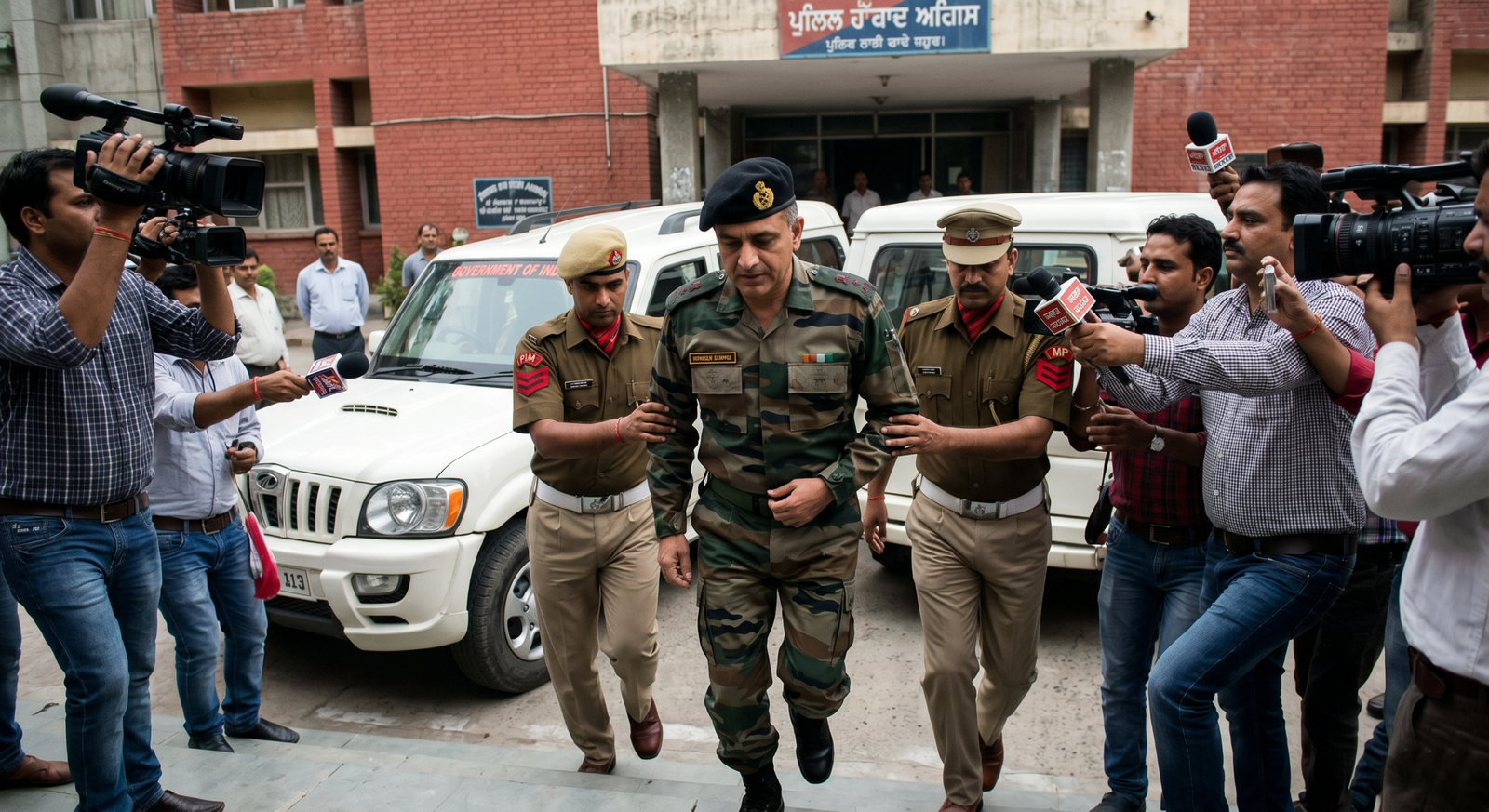
An Army officer serving on deputation with the Narcotics Control Bureau (NCB) has been suspended following the custodial death of a Border Security Force (BSF) jawan, Jaswinder Singh, which occurred over a month ago in Punjab. The BSF constable had been apprehended by the NCB in connection with a drugs-related case. According to a senior NCB official, Major Amit Kumar’s suspension was accompanied by his immediate transfer. The officer was serving with the central agency on deputation.

The death of Jaswinder Singh while in custody has spurred investigations into the circumstances surrounding his demise. The post-mortem examination revealed the presence of 34 injuries on Jaswinder Singh’s body, including injuries to his private parts. His family has alleged that he was subjected to torture while in NCB custody, leading to his mysterious death on March 20.

As per information available with TahirRihat.com, Jaswinder Singh was taken into custody by the NCB on March 3 near Miran Sahib Chowk. He was returning to his home in Diwangarh village, located near the International Border in Jammu and Kashmir, accompanied by his mother, after obtaining medicines for her. At the time of his arrest, the constable was on leave from his posting in Tripura.

Since Jaswinder Singh’s death, his family members, including his mother Gurmeet Kaur, brother Pupinder Singh, and wife Lovejeet Kaur, have actively sought justice. They met with the District and Sessions Judge, Jatinder Kaur, to request expedited inquest proceedings. Additionally, they have demanded the registration of a First Information Report (FIR) against the NCB officials involved.

The post-mortem report indicated that all the injuries sustained by Jaswinder Singh were inflicted before his death. However, the exact cause of death has been deferred pending the receipt of the chemical examiner’s report from Kharar and histopathology findings from Government Medical College, Amritsar. The delay in determining the precise cause of death has added to the family’s distress and uncertainty.

Earlier, NCB officials had stated that Jaswinder Singh died due to a cardiac issue while being transported from Jammu to Tarn Taran via Amritsar on March 20 for recovery purposes related to the case. They asserted that all due procedures were followed, including judicial inquest proceedings. The NCB has maintained that Jaswinder Singh’s arrest was based on technical intelligence gathered during investigations into cases involving his brother.

Dissatisfied with the NCB’s explanation, the family has also petitioned the Punjab and Haryana High Court, seeking an investigation by an independent agency. The family’s pursuit of an independent probe underscores their lack of confidence in the NCB’s handling of the case and their determination to uncover the truth behind Jaswinder Singh’s death.

The suspension of the Army officer on deputation and the ongoing investigations highlight the seriousness of the allegations surrounding the custodial death of Jaswinder Singh. The case has raised concerns about the conduct of law enforcement officials and the need for greater accountability in custodial settings. The outcome of the investigations and the actions taken by the relevant authorities will be closely watched by the public and human rights organizations.

The incident also brings to focus the challenges and complexities of drug enforcement operations, particularly in border regions where security concerns are high. The NCB’s role in combating drug trafficking is crucial, but it must be carried out with respect for human rights and adherence to due process. The allegations of torture and custodial death raise serious questions about the agency’s operational practices and oversight mechanisms.

The legal proceedings initiated by Jaswinder Singh’s family reflect their determination to ensure that justice is served and that those responsible for his death are held accountable. The High Court’s decision on the petition for an independent investigation will be a critical step in determining the future course of the case. The case serves as a reminder of the importance of transparency, accountability, and respect for human rights in all law enforcement operations.

The involvement of an Army officer on deputation with the NCB adds another layer of complexity to the case. The Army’s cooperation with civilian law enforcement agencies is essential in addressing security challenges, but it must be governed by clear protocols and safeguards to prevent abuses of power. The suspension of the officer pending investigation demonstrates the seriousness with which the authorities are treating the allegations.

The case continues to develop as further investigations and legal proceedings unfold. The family’s pursuit of justice and the authorities’ response will have implications for the broader issues of accountability, transparency, and human rights in law enforcement practices in the region. The need for thorough and impartial investigations is paramount to ensure that the truth is revealed and that those responsible are held accountable for their actions.

Punjab BJP Alleges CM Mann was Inebriated, Demands Report on State Machinery Misuse

0
Punjab BJP leaders ask governor to seek report on conduct of CM, misuse of state machinery
Joseph Davey Cunningham / Wikimedia Commons (Public domain)

A delegation of Bharatiya Janata Party (BJP) leaders in Punjab recently met with Governor Gulab Chand Kataria to voice concerns about the conduct of Chief Minister Bhagwant Mann and alleged misuse of state machinery. The delegation, led by state BJP chief Sunil Jakhar, submitted a memorandum detailing these issues, which the party views as a serious threat to governance and constitutional propriety in the region.

Information reaching TahirRihat.com suggests that the memorandum highlighted the BJP’s concerns over what they describe as constitutional misconduct and the deterioration of governance under the Aam Aadmi Party (AAP) government. The BJP delegation included state unit working president Ashwani Sharma, along with leaders Preneet Kaur, Shwait Malik, Vineet Joshi, and Tikshan Sud.

The core of the BJP’s complaint centers on the behavior of Chief Minister Bhagwant Mann during a recent special session of the Punjab Legislative Assembly. (Jakhar and other BJP leaders stated that) Mann allegedly arrived at the session on May 1st in an inebriated state, an accusation that has been vehemently denied by the AAP. (Finance Minister Harpal Singh Cheema claimed that) the opposition is spreading false allegations to defame the Chief Minister.

According to the BJP’s memorandum, the party believes that the alleged actions of Chief Minister Mann represent a grave affront to the dignity of the House and undermine the sanctity of democratic institutions. The memorandum raises questions about Mann’s ability to effectively discharge his constitutional duties, especially given Punjab’s sensitive position as a border state facing both internal and external security challenges. The BJP has urged the governor to seek an explanation, recommend necessary action, and even consider Mann’s removal as Chief Minister to preserve constitutional integrity and public trust.

At a press briefing following the meeting with the governor, (Jakhar said that) he conveyed his belief that Mann is unfit to hold the office of Chief Minister. (Jakhar also brought to the governor’s notice) the alleged humiliation of two Punjab ministers and a senior bureaucrat during a state cabinet meeting preceding the special assembly session. He requested the governor to seek a report on this matter and ensure the protection of the administration.

The BJP also raised concerns about the allocation and withdrawal of police security in Punjab, alleging political bias rather than objective threat assessment. They pointed to the abrupt withdrawal of security cover for five Rajya Sabha members who recently joined the BJP. Conversely, they noted that the security cover of AAP MLA Raman Arora, who was arrested in a corruption case, was reportedly restored after he attended the May 1st session and voted in favor of the AAP government during a confidence motion. The BJP argued that these actions reflect discriminatory practices and undermine the neutrality of the state machinery, asserting that security provisions should be based strictly on threat perception, not political affiliation.

(Jakhar stated that) the BJP would not be intimidated by the registration of two FIRs against Rajya Sabha MP Sandeep Pathak, who recently joined the party. (He suggested that) the AAP administration intends to send a message to its party MLAs that defection will result in legal repercussions. Jakhar also commented on the Mann government’s potential belief that a no-confidence motion cannot be moved against it for six months after winning a confidence motion in the assembly on Friday.

(Jakhar humorously requested the governor) to seek judicial advice on what to do if a majority of AAP MLAs approach him and convince him that they now hold the majority. When questioned about potential defections within the AAP, (Jakhar remarked that) he was simply offering observations based on the government’s treatment of its own legislators, emphasizing the importance of self-respect to Punjabis.

The BJP memorandum also highlighted concerns regarding the misuse of state agencies to target political opponents. The registration of FIRs against Rajya Sabha MP Sandeep Pathak is widely seen as an act of political retribution following his departure from the ruling AAP. The Punjab Pollution Control Board also took action against the Trident Group owner, Rajya Sabha MP Rajinder Gupta, shortly after his association with the BJP. The BJP believes these events suggest the misuse of regulatory institutions to settle political scores.

The allegations surrounding the Chief Minister’s behavior and the subsequent actions of the state government have further polarized the political landscape in Punjab. Accusations of political vendettas and the misuse of state machinery are not new in Indian politics, but they underscore the deep-seated rivalries and the high stakes involved in maintaining power, especially in a strategically important state like Punjab.

The Governor’s office is expected to review the BJP’s memorandum and may seek clarifications from the Chief Minister and other relevant authorities. The outcome of this process remains uncertain, but the BJP’s actions have undoubtedly put the AAP government on the defensive and raised questions about its governance practices.

Amazon Criminality Surges Amidst Global Demand for Critical Minerals

0
Global Demand for Rare Earth Minerals Is Intensifying Criminal Threats in the Amazon Rainforest
James Martins / Wikimedia Commons (CC BY 3.0)

A burgeoning global appetite for critical minerals, essential for the production of advanced technologies such as drones and electric vehicles, is fueling a significant escalation of criminal activities within the Amazon rainforest. This surge in demand is creating a new and intensified wave of illicit operations across the world’s largest tropical rainforest, posing substantial environmental and security challenges.

The intricate web of illegal mining operations, often characterized by their clandestine nature and disregard for environmental regulations, is becoming increasingly entrenched as international markets clamor for these vital resources. As per information available with Tahir Rihat, the economic incentives driven by the escalating demand are proving too lucrative for criminal syndicates to ignore, leading to a more aggressive and widespread exploitation of the Amazon’s mineral wealth.

These critical minerals, which include elements like lithium, cobalt, and rare earth metals, are indispensable components in the manufacturing of batteries for electric cars, wind turbines, and sophisticated electronic devices, including those used in defense applications. The geopolitical implications of securing these resources have placed a premium on their extraction, inadvertently empowering criminal networks that operate outside the purview of national and international law. The Amazon, with its vast, often remote, and poorly policed territories, has become a fertile ground for these illicit enterprises.

The consequences of this intensified criminal activity extend far beyond the immediate environmental degradation caused by unregulated mining. Deforestation, water pollution from mercury and other toxic substances used in extraction, and the displacement of indigenous communities are all direct results of this unchecked exploitation. Furthermore, the presence of heavily armed criminal groups involved in illegal mining often leads to increased violence, corruption, and a breakdown of social order in the affected regions. Information reaching Tahir Rihat suggests that these groups are becoming more organized and sophisticated in their operations, further complicating efforts to combat them.

The global push towards green energy and advanced technological infrastructure, while ostensibly positive for climate change mitigation and technological advancement, has created an unforeseen demand that is now directly contributing to the destabilization of fragile ecosystems and communities in the Amazon. The very minerals that promise a cleaner future are, in their extraction, contributing to environmental destruction and fueling a new era of organized crime. The challenge lies in balancing the urgent need for these materials with the imperative to protect one of the planet’s most vital natural resources and the people who call it home.

Sources indicate to Tahir Rihat that the scale of illegal mining is difficult to ascertain precisely due to its covert nature, but satellite imagery and reports from local authorities and environmental organizations paint a grim picture of expanding operations. These operations often involve rudimentary but destructive extraction techniques, leaving behind scarred landscapes and contaminated waterways. The economic power generated by these illicit activities also allows criminal organizations to exert influence over local governance, making enforcement actions exceedingly difficult and dangerous.

The international community faces a complex dilemma: how to meet the growing demand for critical minerals without exacerbating the environmental and social crises in regions like the Amazon. This requires a multi-faceted approach, including enhanced international cooperation, stricter enforcement of environmental laws, support for sustainable and ethical mining practices, and the empowerment of local communities and indigenous groups to protect their territories. The interconnectedness of global consumption patterns and the realities on the ground in remote rainforests highlights the urgent need for a more responsible and sustainable approach to resource extraction.

India Hails GalaxEye’s ‘Mission Drishti’: A Leap in Space-Based Observation

0
PM Modi Applauds Launching Of World’s First OptoSAR Satellite Mission Drishti
Indian Space Research Organisation / Wikimedia Commons (GODL-India)

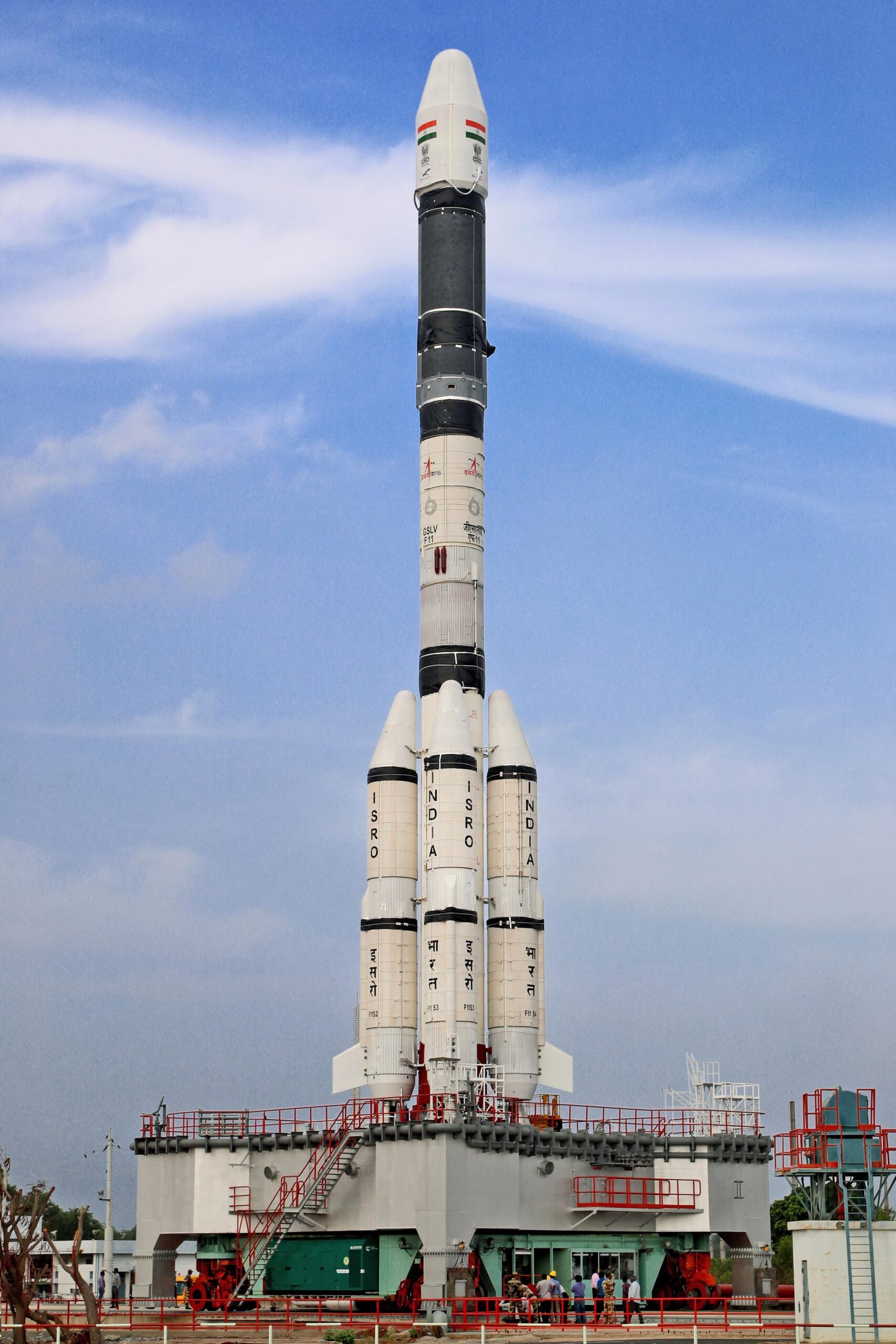
Prime Minister Narendra Modi has lauded the launch of GalaxEye’s ‘Mission Drishti,’ the world’s first OptoSAR satellite, marking a significant advancement in India‘s space capabilities. Launched aboard SpaceX’s Falcon 9 rocket from California, ‘Mission Drishti’ represents a pivotal moment for the nation’s burgeoning space sector. The Prime Minister conveyed his congratulations to the founders and the entire GalaxEye team, extending his best wishes for their future endeavors.

According to the company, GalaxEye’s ‘Mission Drishti’ integrates electro-optical (EO) and synthetic aperture radar (SAR) sensors into a single operational platform. This innovative approach facilitates high-resolution imaging of the Earth, irrespective of weather conditions or time of day. ‘Mission Drishti’ also stands out as the largest privately-built satellite in India. As per information available with TahirRihat.com, the successful launch underscores the growing enthusiasm and capabilities within the Indian space industry, increasingly driven by private sector innovation.

The Prime Minister acknowledged the successful launch on X, noting that it is a testament to the youth’s passion for innovation and nation-building. The mission’s success highlights the entrepreneurial spirit driving technological advancements in India, particularly within the rapidly expanding space sector. The integration of electro-optical and synthetic aperture radar technologies in ‘Mission Drishti’ enables enhanced data acquisition and analysis, opening up new possibilities for various applications. These applications range from environmental monitoring and disaster management to urban planning and agricultural assessments.

The use of synthetic aperture radar (SAR) technology is particularly noteworthy, as it allows for imaging through clouds and during nighttime, overcoming limitations faced by traditional optical sensors. This capability enhances the reliability and availability of data, making it invaluable for time-sensitive applications such as disaster response and resource management. The combination of EO and SAR sensors in a single satellite platform represents a significant technological leap, enabling more comprehensive and detailed observations of the Earth’s surface. Daily Excelsior reported that the mission helps to solidify India’s position as a key player in the global space arena, fostering further innovation and investment in the sector.

Moreover, ‘Mission Drishti’ exemplifies the increasing role of private companies in driving technological advancements and contributing to national development. GalaxEye’s successful launch is expected to encourage other space start-ups in India and across the globe, fostering a vibrant ecosystem of innovation and collaboration. The mission aligns with the government’s vision of promoting private sector participation in space exploration and harnessing the potential of space technology for societal benefits.

The development and launch of ‘Mission Drishti’ involved overcoming numerous technical challenges, including the integration of complex sensor systems and ensuring the satellite’s operational reliability in the harsh environment of space. The successful deployment of the satellite demonstrates advanced engineering skills of the GalaxEye team and the effectiveness of their innovative approach. The data collected by ‘Mission Drishti’ is anticipated to have a wide range of applications across various sectors, contributing to informed decision-making and sustainable development. The successful launch helps to pave the way for future collaborations and partnerships, both nationally and internationally.

GalaxEye’s achievement serves as an inspiration for aspiring scientists, engineers, and entrepreneurs in India, highlighting the opportunities and potential within the space industry. The focus on innovation and indigenous technology development aligns with the nation’s broader goals of self-reliance and technological leadership. ‘Mission Drishti’ is expected to play a crucial role in advancing understanding of the Earth’s environment, monitoring climate change, and supporting sustainable resource management.

The Prime Minister’s appreciation of the launch reflects the government’s strong commitment to supporting the space sector and recognizing the contributions of private companies. ‘Mission Drishti’ is a testament to the potential of Indian talent and ingenuity, underscoring the nation’s emergence as a major player in the global space arena. The success of this mission is anticipated to catalyze further growth and innovation in India’s space industry, creating new opportunities for research and development and attracting investment from both domestic and international sources.

The integration of advanced technologies in ‘Mission Drishti’ showcases the nation’s ability to develop and deploy cutting-edge solutions for addressing global challenges and supporting sustainable development. This mission is a significant milestone in India’s space journey, demonstrating commitment to innovation and advancement. GalaxEye’s ‘Mission Drishti’ is anticipated to contribute significantly to these efforts.

India’s State Elections Conclude: Power Balance Shifts After Massive Voter Turnout

0
What to Know About Elections in West Bengal and Other Indian States
Unknown authorUnknown author / Wikimedia Commons (Public domain)

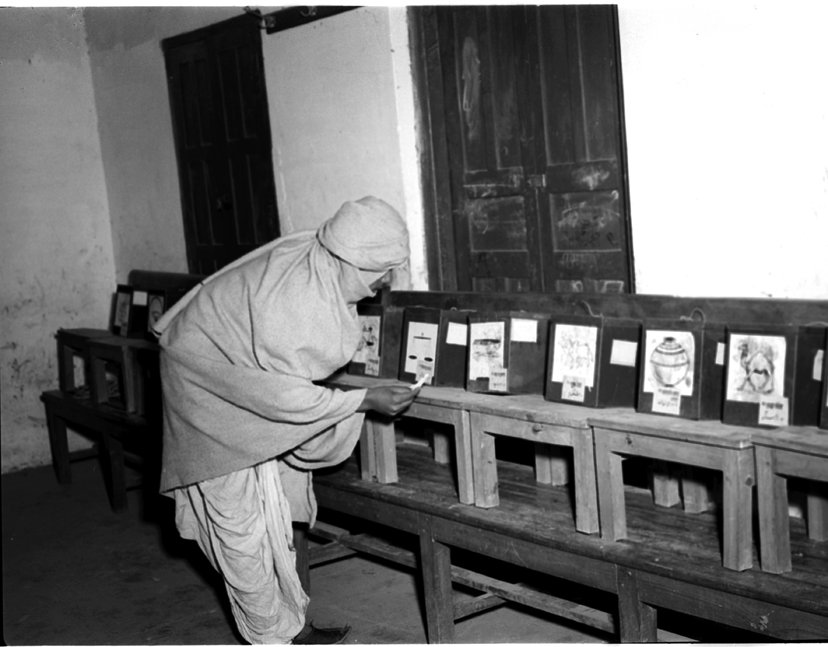
Vote counting is set to commence on Monday following a series of state legislative elections across India, a process that saw over 154 million citizens cast their ballots last month. These contests, while focused on regional governance, carry significant weight in shaping the national political landscape and can ultimately influence the balance of power at the federal level.

The extensive electoral exercise involved numerous states, with results from these elections anticipated to provide crucial insights into the prevailing political sentiment across the country. The participation rate, exceeding 154 million voters, underscores the deep engagement of the Indian electorate in its democratic processes. As the nation awaits the final tallies, political analysts are closely observing the outcomes for potential shifts in party dominance and the implications for national policy directions. Information reaching Tahir Rihat suggests that the coming days will be pivotal in understanding the evolving political currents within India.

The significance of state elections in India cannot be overstated. While states have their own legislative assemblies and governments responsible for local affairs, their political leanings often reflect or influence national trends. A strong performance by a particular party or coalition in these state polls can bolster its standing nationally, potentially impacting future parliamentary elections and the formation of central governments. Conversely, setbacks at the state level can signal challenges for national leadership and party strategies.

The electoral process itself is a monumental undertaking, involving intricate logistical arrangements to ensure fair and accessible voting for such a vast population. The period leading up to the vote count has been marked by intense speculation and analysis of exit poll data, though official results are considered the definitive indicators of public mandate. The sheer scale of the electorate, over 154 million individuals, highlights the democratic vibrancy and complexity of India’s political system. The outcomes are expected to be scrutinized not only for their impact on state-specific issues but also for their broader implications on national governance and the ruling party’s agenda.

The contests are not merely about regional leadership; they are often seen as referendums on the performance of national parties and their leaders. For the incumbent national government, strong showings in these state elections can validate its policies and strengthen its mandate. Conversely, poor results can lead to introspection and potential recalibration of strategies. The upcoming vote count is therefore being watched with keen interest by political observers both within India and internationally, as it offers a barometer of the nation’s political mood and the trajectory of its governance.

The participation of over 154 million voters is a testament to the robust democratic framework of India. Each vote cast contributes to the collective decision-making process that determines the leadership and direction of the country. The meticulous counting process that begins on Monday will consolidate these individual choices into a national narrative, revealing the winners and losers of this extensive electoral battle. The implications of these results will undoubtedly reverberate through the corridors of power in New Delhi and across the diverse states of the nation.

AIIMS Delhi Pioneers Innovative Spinal Surgery, Offering Hope for Complex Cases

0
AIIMS develops new surgical technique, offers hope for those suffering from severe spinal deformities
Asdrubal Falavigna / Wikimedia Commons (CC0)

A team of surgeons at the All India Institute of Medical Sciences (AIIMS), Delhi, has developed a groundbreaking surgical technique that offers renewed hope for patients grappling with severe and complex spinal deformities. This refined approach promises significantly improved outcomes in cases that were once considered extremely high-risk, according to the hospital.

Dr. Bhavuk Garg and his team from the orthopaedic department at AIIMS have spent the last seven years perfecting the modified surgical approach. Information reaching TahirRihat.com suggests that this technique provides new possibilities for patients who previously had limited treatment options and faced a high likelihood of complications during corrective surgery.

The technique represents an enhanced version of posterior vertebral column resection (PVCR), a procedure globally recognized as one of the most intricate for correcting spinal deformities. The AIIMS, Delhi, modification, detailed in an international scientific publication in 2020, focuses on preserving crucial posterior spinal elements until the later stages of the surgery.

According to doctors, this strategic preservation bolsters spinal stability during the correction process, potentially diminishing the risk of neurological and other life-threatening complications typically associated with conventional procedures. This advancement marks a significant step forward in spinal surgery, offering a safer and more effective alternative for patients with severe deformities.

Patients with severe spinal deformities often endure a multitude of debilitating symptoms. These include twisted spines, persistent chronic pain, breathing difficulties, an inability to stand upright, and significant psychological and social distress. These deformities can severely impact a person’s quality of life, making everyday activities challenging and causing considerable emotional hardship.

“In the past, these surgeries were feared because of the possibility of major neurological or life-threatening complications. Today, with better technique and experience, outcomes have improved remarkably,” a senior doctor said, highlighting the transformative progress made in the field.

The medical team at AIIMS emphasized that refinements in surgical planning, execution, and peri-operative care have played a crucial role in enhancing safety outcomes and accelerating recovery rates in these complex cases. These improvements reflect a comprehensive approach to patient care, ensuring that individuals receive the best possible treatment throughout their surgical journey.

The positive impact of this innovative technique is evident in the stories of patients who have undergone the procedure. Several individuals who previously struggled with routine activities such as walking, sitting comfortably, or attending school and work have experienced a remarkable return to normalcy following surgery. They are now able to resume their lives with renewed vigor and independence.

Families of patients have described the transformation as nothing short of life-changing. They attest that the procedure not only restored mobility but also instilled newfound confidence and dignity in their loved ones. The ability to regain control over their bodies and participate fully in life has had a profound impact on their overall well-being.

The AIIMS-developed technique has garnered considerable attention from spine surgeons around the world. This international recognition further solidifies India’s growing reputation as a leader in advanced orthopaedic and spinal care. The exchange of knowledge and expertise among medical professionals is crucial for advancing the field and improving patient outcomes globally. (The Daily Excelsior reported this information.)

Medical experts are increasingly recognizing this innovation as a significant advancement in the management of some of the most challenging spinal deformities treated worldwide. The technique’s ability to address complex cases with improved safety and efficacy holds immense promise for patients seeking relief from these debilitating conditions.

The hospital said that the refined surgical approach offers a beacon of hope for those suffering from severe spinal issues. The continuous development and refinement of medical techniques like this one are essential for pushing the boundaries of what is possible in healthcare and improving the lives of countless individuals.

As advancements in medical science continue, patients can look forward to even more innovative solutions that address a wide range of health challenges. The dedication and expertise of medical professionals, combined with cutting-edge technology, are paving the way for a healthier and more promising future for all.

The collaboration between researchers, surgeons, and healthcare providers is essential for translating scientific discoveries into practical applications that benefit patients. By working together, these professionals can ensure that the latest advancements reach those who need them most, transforming lives and fostering a culture of innovation in healthcare.

The commitment to ongoing research and development in the field of spinal surgery is a testament to the unwavering dedication of medical professionals to finding better ways to treat and manage these complex conditions. Their tireless efforts are making a tangible difference in the lives of patients and their families.

AIIMS’s groundbreaking technique not only provides hope for those suffering from severe spinal deformities but also sets a new standard for spinal care worldwide. The hospital and its team are helping reshape perceptions and improve outcomes in a domain that was once feared, thanks to innovative surgical strategies.

US Indictment Ignites Corruption Probe, Straining Mexico-US Ties

0
The U.S. Set Off a Corruption Scandal That Is Gripping Mexico
Arubula12 / Wikimedia Commons (CC BY-SA 4.0)

A significant corruption scandal has erupted in Mexico, triggered by a United States indictment against a sitting governor, a development that is not only spotlighting the deep entanglement of drug cartels with political power but also creating considerable strain on cross-border relations. The repercussions of this legal action are now presenting President Claudia Sheinbaum with a complex and politically charged choice as she navigates the fallout.

The U.S. Justice Department’s move against the governor, whose name has become central to the unfolding investigation, has brought to the forefront the pervasive influence of criminal organizations like the Sinaloa cartel within Mexico’s governmental structures. This indictment is not merely a legal proceeding; it is a potent symbol of the ongoing battle against organized crime and a stark reminder of the challenges faced by administrations seeking to uphold the rule of law. As per information available with Tahir Rihat, the U.S. authorities have presented evidence suggesting a pattern of alleged illicit dealings that extend into the highest echelons of regional governance, raising serious questions about accountability and transparency.

The implications of this scandal are far-reaching, impacting not only domestic politics in Mexico but also the delicate balance of cooperation between Mexico and the United States on issues of security and law enforcement. The U.S. government’s decision to pursue charges against a high-ranking Mexican official underscores a growing assertiveness in its efforts to combat drug trafficking and associated corruption, a stance that could lead to increased friction between the two nations. Sources indicate to Tahir Rihat that Mexican officials are carefully assessing the evidence presented by their U.S. counterparts, while simultaneously grappling with the domestic political fallout and the potential for widespread public distrust.

President Sheinbaum, who assumed office with a mandate to address corruption and improve security, now finds herself in a precarious position. She must respond decisively to the allegations while also managing the diplomatic implications of a U.S.-led investigation into one of her country’s governors. The pressure to demonstrate a commitment to combating corruption is immense, both domestically and internationally. Her administration’s response will be closely scrutinized as a test of its resolve and its ability to navigate the complex interplay of national sovereignty and international legal cooperation. The situation demands a delicate balancing act, where upholding justice must be weighed against maintaining stable bilateral relations.

The indictment has also brought renewed attention to the power and reach of cartels such as the Sinaloa organization, which has long been a dominant force in Mexico’s illicit drug trade. The alleged corruption of a governor suggests that these criminal enterprises have successfully infiltrated and influenced political systems to protect their operations and expand their influence. This level of penetration poses a significant threat to democratic institutions and the stability of the region. The U.S. indictment serves as a catalyst, forcing a reckoning with the depth of these connections and the urgent need for comprehensive reforms to strengthen oversight and prevent future compromises.

The legal ramifications for the indicted governor are substantial, with potential charges carrying severe penalties. Beyond the individual consequences, the scandal is likely to trigger broader investigations into corrupt networks that may extend beyond the governor’s immediate circle. This could lead to a wave of arrests and prosecutions, further destabilizing political landscapes and potentially creating a climate of uncertainty. Information reaching Tahir Rihat suggests that legal experts are closely watching the proceedings, anticipating a protracted legal battle with significant implications for Mexico’s justice system.

Cross-border cooperation on security matters, a cornerstone of the bilateral relationship between Mexico and the United States, now faces an uncertain future. While the U.S. action highlights a shared interest in combating transnational crime, the unilateral nature of the indictment could be perceived by some in Mexico as an infringement on sovereignty. This tension could complicate ongoing efforts to share intelligence, extradite suspects, and disrupt drug trafficking routes. The challenge for both governments will be to find a way to address these serious allegations without jeopardizing the broader cooperative framework that is essential for regional security.

President Sheinbaum’s administration is now tasked with the difficult challenge of responding to the U.S. indictment in a manner that is both legally sound and politically astute. This includes deciding whether to cooperate fully with U.S. investigators, initiate its own parallel investigation, or take other measures to address the allegations. The path chosen will undoubtedly have significant consequences for her presidency and for the future of Mexico’s fight against corruption and organized crime. The coming weeks and months are expected to be a critical period, as the full extent of the scandal and its ramifications become clearer.

J&K Tackles Narco-Terrorism Nexus with Enhanced Security and Rehab Programs

0
J&K Tackles Narco-Terrorism Nexus with Enhanced Security and Rehab Programs

Lieutenant Governor Manoj Sinha has declared a firm stance against drug abuse in Jammu and Kashmir, highlighting the interconnectedness between narcotic trafficking and terrorist activities in the region. Leading a campaign against drug proliferation, Sinha emphasized the need to protect the youth from the menace, which he described as a calculated assault by a hostile neighbor, an allusion to Pakistan’s alleged involvement. The Lieutenant Governor has announced a comprehensive strategy involving stringent enforcement measures and enhanced rehabilitation programs.

Sinha addressed participants during a ‘Padhyatra’ aimed at creating a ‘Nasha Mukt Jammu and Kashmir,’ underscoring the administration’s commitment to eradicating drug abuse. Information reaching TahirRihat.com suggests that the campaign, initiated on April 11, has already garnered significant public support, particularly in the Jammu region, where residents have voiced strong concerns about the well-being of their children.

The Lieutenant Governor emphasized that the collective strength of the community is essential in winning the war against drugs, alongside the efforts of the government, security forces, and police. He (Sinha said that terrorists and drug dealers share a mutual objective of destabilizing the nation by undermining peace, unity, and security). He added that proceeds from the drug trade are often used to finance terrorist activities.

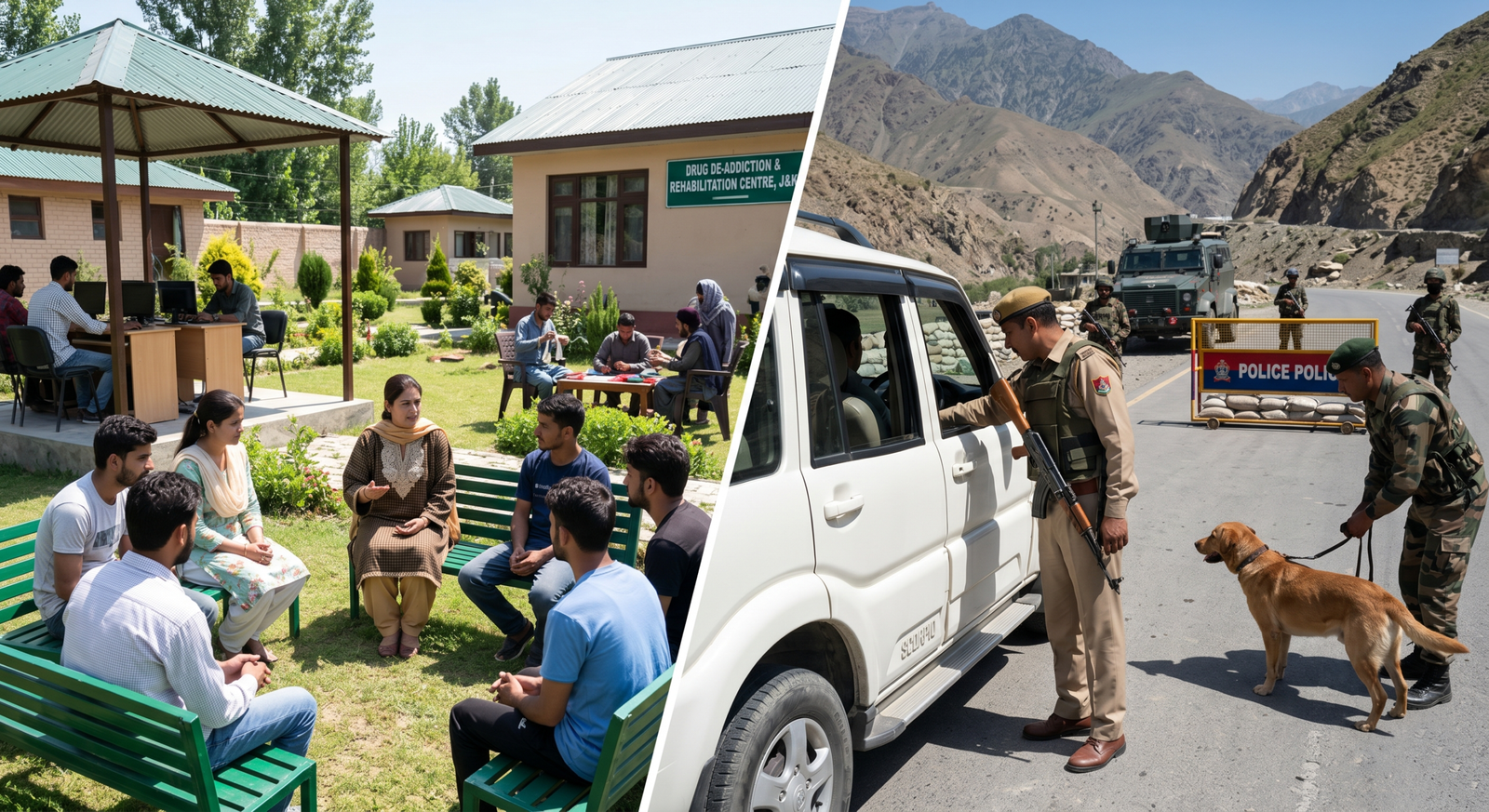
Further elaborating on the government’s strategy, Sinha outlined a three-year monitoring program focused on rehabilitating drug abuse victims. This initiative includes building more rehabilitation centers and upgrading existing facilities to provide adequate treatment. (According to Sinha, the Health Department has been directed to ensure sufficient Outpatient Department (OPD) and Inpatient Department (IPD) facilities are accessible in hospitals for those seeking help with drug addiction).

In addition to treatment and rehabilitation, the administration is implementing deterrent measures targeting drug peddlers. (Sinha said that individuals involved in drug trafficking will face criminal charges, cancellation of driving licenses, termination of vehicle registration, and potential revocation of passports). Furthermore, authorities plan to freeze bank accounts, take action on Aadhaar cards, issue lookout notices for absconders, and seize properties under the Narcotic Drugs and Psychotropic Substances (NDPS) Act.

The administration is also actively engaging religious leaders to raise awareness within the community and encourage a collective effort to combat drug abuse, according to statements made by Lieutenant Governor Sinha. The event was attended by Speaker of the Jammu and Kashmir Legislative Assembly Abdul Rahim Rather, Minister Javed Ahmad Dar, several MLAs, sportspersons, and religious leaders at the football stadium at Tourist Reception Centre.

These measures signal a multi-pronged approach to curb drug-related activities and address the broader issue of narco-terrorism in Jammu and Kashmir. The focus on stringent enforcement coupled with rehabilitation efforts reflects the government’s commitment to tackling both the supply and demand sides of the drug problem. By involving religious leaders and community members, the administration hopes to foster a united front against drug abuse and its associated security threats.

The announcement of these initiatives comes at a crucial time, as security agencies have been highlighting the increasing nexus between drug trafficking and terrorism in the region. The proceeds from drug sales are often used to fund terrorist operations, posing a significant challenge to security forces and the government.

The three-year monitoring program highlights the long-term vision of the administration in addressing the underlying issues related to drug addiction and rehabilitation. By tracking individuals who have undergone treatment, the government aims to provide ongoing support and prevent relapse, thus contributing to a more sustainable recovery process.

The stringent measures targeting drug peddlers also demonstrate the government’s resolve to crack down on the supply side of the drug trade. By implementing strict penalties and seizing assets, authorities hope to deter individuals from engaging in drug-related activities and disrupt the financial networks that support narco-terrorism.

The involvement of religious leaders in raising awareness is seen as a critical component of the strategy, as they can play a significant role in shaping public opinion and promoting positive social norms. By working with community leaders, the administration hopes to create a more supportive environment for individuals struggling with addiction and reduce the stigma associated with seeking help.

These efforts are part of a broader strategy to restore peace and stability in Jammu and Kashmir. The administration recognizes that addressing the issue of narco-terrorism is essential for creating a secure and prosperous future for the region. By investing in rehabilitation programs, strengthening law enforcement, and engaging with communities, the government aims to break the cycle of violence and addiction that has plagued the region for too long. The Lieutenant Governor’s direct involvement signals the high level of importance assigned to this issue, underscoring the administration’s commitment to protecting the youth and securing the future of Jammu and Kashmir.

Baloch Insurgency Threatens Pakistan’s Multi-Billion Dollar Mining Deal

0
An Insurgency Threatens U.S. Mining Ambitions in Pakistan
ماني / Wikimedia Commons (CC BY-SA 4.0)

A burgeoning insurgency in Pakistan‘s southwestern Balochistan province is casting a long shadow over ambitious U.S. mining ventures, potentially jeopardizing a billion-dollar deal that had been a cornerstone of economic cooperation between the two nations. The Baloch Liberation Army (BLA), a militant group advocating for the region’s independence, has intensified its attacks, signaling a significant threat to the stability required for large-scale foreign investment.

The focal point of this escalating tension is the Reko Diq mine, a vast copper and gold deposit considered one of the world’s largest. A consortium led by Barrick Gold, an American mining giant, had been in the process of finalizing a substantial investment, a move that was seen as a major win for Pakistan’s economy and its efforts to attract foreign capital. However, the resurgence of militant activity, particularly by the BLA, has introduced a new layer of risk, raising concerns among investors and U.S. officials about the security of their personnel and assets.

Information reaching Tahir Rihat suggests that the Pakistani government has been grappling with how to balance its economic aspirations with the persistent security challenges in Balochistan. The region has long been a hotbed of separatist sentiment, fueled by grievances over resource distribution and perceived neglect by the central government. The BLA has claimed responsibility for a series of attacks targeting security forces and infrastructure, and their rhetoric has increasingly focused on disrupting foreign economic interests in the province.

The potential derailment of the Reko Diq deal has significant implications. For Pakistan, it represents a missed opportunity to unlock substantial revenue and create thousands of jobs. For the United States, it means a setback for its efforts to foster economic ties and stability in a strategically important region. The Trump administration, which had reportedly been supportive of the mining venture, may now face pressure to reassess its engagement given the heightened security risks.

Analysts point out that the BLA’s strategy appears to be deliberately targeting projects that are crucial for Pakistan’s economic development and its international partnerships. By disrupting these ventures, the group aims to exert pressure on the government and draw global attention to their cause. The effectiveness of these tactics is now being tested against the backdrop of a major international mining project.

The Pakistani government has, in the past, launched military operations to quell insurgencies in Balochistan. However, these efforts have often been met with criticism regarding human rights abuses and have not fundamentally resolved the underlying political grievances. The current situation presents a complex dilemma: a heavy-handed approach could further alienate the local population and potentially escalate the conflict, while a more conciliatory approach might be perceived as weakness by the militant groups.

The Reko Diq mine itself has a history of complex legal and political battles. Originally discovered by a joint venture between the provincial government and a Chilean mining company, it faced numerous hurdles before Barrick Gold became involved. The current investment agreement was seen as a breakthrough, promising to bring the mine into full production after years of dormancy. The BLA’s actions now threaten to plunge this promising venture back into uncertainty.

Sources indicate to Tahir Rihat that U.S. security agencies are closely monitoring the situation, assessing the threat posed by the BLA to American interests. The group’s operational capabilities and its willingness to carry out high-profile attacks are key factors in this assessment. The potential for a spillover of violence into neighboring regions or a broader destabilization of Pakistan is also a concern for international observers.

The Pakistani government’s response to these challenges will be critical. Its ability to provide adequate security for the Reko Diq project and other foreign investments will be a key determinant of future investor confidence. Furthermore, addressing the root causes of the insurgency in Balochistan, which are largely political and economic, remains a long-term challenge that requires more than just military solutions.

The international community is watching closely to see how this situation unfolds. The success or failure of the Reko Diq deal could set a precedent for future large-scale investments in Pakistan, particularly in regions with a history of instability. The narrative of economic development versus insurgency is playing out in real-time in Balochistan, with potentially far-reaching consequences for regional security and global resource markets.

The BLA’s stated objective is to achieve independence for Balochistan, and they view foreign investment as a means by which the Pakistani state exploits the region’s natural resources without benefiting its people. This ideological stance fuels their determination to disrupt projects like Reko Diq. The group has demonstrated a capacity for sophisticated attacks, including bombings and ambushes, which have made it difficult for the Pakistani security forces to maintain complete control.

The economic stakes are immense. Reko Diq is estimated to contain billions of pounds of copper and millions of ounces of gold. Bringing the mine online would not only be a significant boost to Pakistan’s export earnings but also create a substantial number of direct and indirect jobs, potentially alleviating some of the economic hardship in the region. The promise of such economic benefits makes the BLA’s obstructionist tactics all the more impactful.

The U.S. administration’s stance on the Reko Diq deal, particularly under the Trump administration, was seen as a positive signal for foreign investment. However, the evolving security landscape in Balochistan presents a significant challenge to any such support. The State Department and intelligence agencies are likely engaged in ongoing assessments of the risks involved, which will inform any future policy decisions regarding U.S. involvement in Pakistan’s mining sector.

The Pakistani government’s dilemma is compounded by the fact that Balochistan is strategically vital, bordering Iran and Afghanistan, and is a key route for the China-Pakistan Economic Corridor (CPEC). Any significant destabilization in the province could have wider geopolitical ramifications, impacting regional trade routes and security dynamics.

The BLA’s claims of responsibility for attacks are often difficult to independently verify, but their consistent targeting of key economic and security installations suggests a well-organized and determined force. The group’s leadership, often operating from outside Pakistan, has been vocal in its opposition to state-led development projects that it believes exploit Baloch resources.

The situation at Reko Diq serves as a microcosm of the broader challenges facing Pakistan in its pursuit of economic development amidst internal security threats. The success of such ventures hinges not only on favorable geological conditions and investment capital but also on a stable and secure operating environment, something that remains elusive in parts of Balochistan.