Home Blog Page 199

National Framework Launched for Early Detection and Treatment of Childhood Diabetes

0
Centre launches national childhood diabetes screening, treatment framework
Photo by Pavel Danilyuk on Pexels

The Union Health Ministry has unveiled a comprehensive framework designed to screen, diagnose, treat, and manage childhood diabetes. The release of this guidance document signals a significant step towards integrating diabetes care into the country’s public health infrastructure.

This initiative aims to establish a standardized national protocol, positioning India among a select few nations that have incorporated comprehensive childhood diabetes care within its public health system. Information reaching TahirRihat.com suggests that this framework is expected to streamline the process for early detection and management of diabetes in children across the country.

The “Guidance Document on Diabetes Mellitus in Children,” was presented during the National Summit on Best Practices in Public Healthcare Service Delivery, which concluded on May 2nd. The ministry stated that this framework aims to ensure universal screening for diabetes among all children from birth to 18 years of age. These screenings will be conducted through community and school-based programs to facilitate early identification of potential cases, according to officials.

Under the newly launched initiative, suspected cases identified during the screening process will undergo immediate blood glucose testing. If the initial tests indicate a potential issue, the child will be referred to district-level health facilities for a more thorough diagnosis and subsequent treatment. This multi-tiered approach is designed to ensure that children receive timely and appropriate care.

A cornerstone of the initiative is the provision of a complete care package, offered free of charge at public health facilities. This will include not only screening and diagnostic services, but also lifelong insulin therapy, along with essential supplies such as glucometers and test strips, ensuring consistent follow-up care. The government is focusing on reducing the financial strain on families, ensuring uninterrupted treatment for young patients diagnosed with diabetes.

The newly released document outlines an integrated continuum of care that connects community-level screening initiatives with district hospital-based management systems. Advanced care will be available at medical colleges, creating a system that supports seamless follow-up and treatment. This is part of the health authorities’ broad strategy to manage and treat diabetes in affected children.

To promote early detection, the framework emphasizes a “4Ts” awareness campaign, which focuses on Toilet, Thirsty, Tired, and Thinner, providing parents, educators, and caregivers with the tools to recognize key warning signs of type 1 diabetes. By educating the public, the Health Ministry hopes to facilitate earlier diagnoses and interventions.

Beyond clinical protocols, the new guidance includes measures to empower families and caregivers by providing structured training on critical aspects of diabetes management. This includes training on insulin administration, blood glucose monitoring, emergency response strategies, and the day-to-day management of the disease. The initiative aims to boost the confidence and competence of caregivers in managing their children’s condition effectively at home.

The Health Ministry anticipates the initiative will lead to lower mortality rates through earlier detection, preventing potential complications and enhancing the overall quality of life for children affected by diabetes. The efforts are geared towards boosting the capacity of the public health system to effectively manage non-communicable diseases among children.

By integrating diabetes care into the public health system and prioritizing early detection and comprehensive treatment, the government aims to create a supportive environment for children living with diabetes and their families. The framework is expected to serve as a guide for healthcare professionals and policymakers alike, promoting best practices in diabetes management across the country.

China’s Open-Source AI Strategy Signals New Global Tech Influence

0
DeepSeek’s Sequel
Photo by Sanket Mishra on Pexels

China’s recent move to make the inner workings of its artificial intelligence model, DeepSeek, openly accessible to all is beginning to yield significant soft-power benefits, signaling a strategic shift in its approach to global technological influence. This decision, which diverges from the proprietary models favored by many Western tech giants, allows researchers, developers, and companies worldwide to scrutinize, adapt, and build upon the AI’s architecture and capabilities. The implications of this open-source strategy are far-reaching, potentially accelerating AI development globally while simultaneously positioning China as a key facilitator of this progress.

Information reaching Tahir Rihat suggests that the move is a calculated effort to foster a global ecosystem around Chinese AI technology. By releasing the model’s foundational elements, Beijing aims to encourage widespread adoption and innovation, thereby embedding its technological standards and contributions into the fabric of future AI applications. This contrasts sharply with the more guarded approaches of companies in the United States and Europe, which often keep their most advanced AI models as proprietary assets, limiting external access and modification. The open-source nature of DeepSeek allows for greater transparency, which can build trust and encourage collaboration among international AI communities.

The development of advanced artificial intelligence has become a critical arena for geopolitical competition, with nations vying for leadership in a field that promises to reshape economies and societies. China’s decision to embrace an open-source model for DeepSeek can be seen as a strategic play to gain an advantage in this race. When a nation’s technology is widely adopted and integrated into global systems, it naturally enhances that nation’s technological prestige and influence. This can translate into economic opportunities, as well as a stronger voice in setting international technological norms and standards. The accessibility of DeepSeek could also lead to a more diverse range of applications and improvements, driven by a global community of users, rather than being solely dictated by the priorities of a single company or nation.

The implications for India, a nation also heavily invested in AI research and development, are particularly noteworthy. As per information available with Tahir Rihat, India’s own AI initiatives could either benefit from or face increased competition due to China’s open-source strategy. Indian researchers and developers can leverage DeepSeek’s advancements to accelerate their own projects, potentially leading to faster innovation. However, the widespread availability of a powerful Chinese AI model might also intensify the competitive landscape, requiring Indian entities to innovate at an even greater pace to maintain their edge. The accessibility of such advanced tools could democratize AI development, enabling smaller players and academic institutions in India to access cutting-edge technology that was previously out of reach.

The global AI community has responded with a mixture of interest and caution. While the prospect of a powerful, open-source AI model is exciting for researchers eager to push the boundaries of what’s possible, concerns about the potential misuse of such technology and the geopolitical implications of China’s growing AI prowess remain. The transparency offered by an open-source model allows for greater scrutiny of its potential biases and ethical considerations. However, it also means that malicious actors could potentially access and adapt the technology for harmful purposes. This dual nature of open-source technology presents a complex challenge for policymakers and the international community.

The release of DeepSeek’s inner workings is not merely a technical announcement; it represents a significant shift in China’s strategy for global technological leadership. By fostering an open and collaborative environment, China aims to build a vast network of users and developers who are invested in its AI ecosystem. This approach can lead to rapid iteration and improvement of the technology, driven by a diverse range of global contributors. Furthermore, it allows China to project an image of openness and collaboration, which can be a powerful form of soft power in an era where technological dominance is increasingly intertwined with global influence. The long-term impact of this strategy will depend on how effectively the global community engages with the technology and how China navigates the ethical and security challenges that accompany such widespread access.

The move also highlights a broader trend in the AI landscape, where the distinction between proprietary and open-source models is becoming increasingly blurred. While many leading AI companies have historically kept their core technologies under wraps, the success of open-source initiatives in other software domains suggests a potential shift in strategy. China’s bold move with DeepSeek could inspire other nations and companies to reconsider their own approaches to AI development and dissemination. The future of AI may well be shaped by a complex interplay between open collaboration and strategic competition, with China’s current strategy positioning it as a significant player in this evolving global dynamic.

The potential for accelerated innovation is immense. With a global community of developers contributing to DeepSeek, the model is likely to evolve at a pace that would be difficult for any single entity to match. This collaborative development model can lead to the discovery of novel applications and the identification and mitigation of potential flaws more rapidly. For countries like India, which are keen to harness AI for economic growth and societal development, access to such a powerful, open platform presents a unique opportunity to leapfrog certain stages of development. However, it also necessitates a robust national strategy to ensure that Indian contributions are significant and that the nation’s own AI capabilities continue to grow independently.

The international implications extend beyond mere technological advancement. The widespread adoption of Chinese AI technology could influence global standards, research priorities, and even economic dependencies. As more countries and organizations integrate DeepSeek into their systems, the influence of its developers, and by extension, China, is likely to grow. This makes the open-source release a strategic move with profound geopolitical undertones, aiming to shape the future of AI in a manner that benefits China’s long-term interests. The global AI community will be watching closely to see how this strategy unfolds and what its ultimate impact will be on the balance of technological power.

Udhampur Security Tightened After DIG Review; Vigilance Increased, Patrols Ordered

0
DIG Reviews Security Preparedness In J&K’s Udhampur, Orders Intensified Vigilance
Photo by 112 Uttar Pradesh on Pexels

Security measures in the Udhampur-Reasi range of Jammu and Kashmir are being intensified following a comprehensive review by Deputy Inspector General (DIG) of Police, Shiv Kumar Sharma. The review, which took place on Sunday, focused on bolstering the intelligence network and enhancing community engagement to maintain peace and order in the region.

DIG Sharma chaired an operations-cum-security meeting at the Majalta police station in the Udhampur district. As per information available with TahirRihat.com, he stressed the critical need for strengthening the intelligence apparatus through effective asset cultivation and sustained community outreach programs. The DIG’s visit also included inspections of the headquarters of 84 Brigade Rampur, Majalta, and Police Post Khoon, during which he assessed the operational readiness of the forces.

To ensure heightened vigilance, Sharma directed officers to intensify Long Range Patrols (LRPs) and Short Range Patrols (SRPs). Cordon and Search Operations (CASOs) will also be a regular feature, aimed at maintaining operational efficiency and promptly addressing any potential security threats. The police are focused on proactive measures to deter unlawful activities and maintain a strong presence in sensitive areas.

According to officials, a firm stance against offenders involved in serious crimes is being adopted. Sharma ordered stringent legal action against individuals involved in cases under the Unlawful Activities (Prevention) Act (UAPA) and the Narcotic Drugs and Psychotropic Substances (NDPS) Act. This includes Over Ground Workers (OGWs), with initiation of property attachment proceedings where deemed necessary. The authorities are committed to taking decisive action against those who pose a threat to the region’s stability.

The importance of consistent communication with local communities was another key focus during the review. DIG Sharma emphasized the necessity of regular interaction with village heads and prominent citizens to ensure the timely flow of actionable intelligence. This collaborative approach aims to foster trust between the police and the public, enabling a more effective response to potential security challenges.

In addition to addressing security concerns, Sharma also directed stringent action against drug peddlers and bovine smugglers. He highlighted their alleged connections with other unlawful and anti-national activities, signaling a zero-tolerance policy towards such elements. Authorities believe that disrupting these networks is crucial for maintaining overall security and preventing further criminal activity.

To further fortify the security grid, DIG Sharma ordered the activation of Village Defence Guards (VDGs) and intensified naka checking. Enhanced patrolling and effective night domination measures in vulnerable areas are also being implemented. These measures are designed to provide a robust security framework and deter any potential threats to peace and stability in the region, ensuring the safety and security of residents.

During a public interaction at Battal Morh, Sharma appealed to locals for their cooperation in maintaining peace and order. He assured prompt redressal of public grievances and reiterated the police force’s commitment to strengthening community-police partnerships. The DIG emphasized that such partnerships are essential for creating a safe and secure environment for all residents of the Udhampur-Reasi range. The police are aiming to build stronger relationships with the community, fostering trust and cooperation to enhance overall security.

The intensified security measures and increased vigilance come at a time when the region is focused on maintaining stability and promoting development. The police are committed to working closely with the community to address their concerns and ensure a secure future for all. The latest directives underscore the commitment of law enforcement agencies to safeguard the region from any threats and uphold the rule of law.

Hantavirus Outbreak Claims Three Lives on Cruise Ship

0
3 Dead in Hantavirus Outbreak Aboard Cruise Ship, W.H.O. Says
Photo by Crab Lens on Pexels

A concerning outbreak of hantavirus has led to the deaths of three individuals aboard a cruise ship, according to an announcement by the World Health Organization on Sunday. The organization confirmed one laboratory-verified case of hantavirus infection and reported five additional suspected cases, underscoring the severity of the situation and the potential for further spread.

The World Health Organization, a leading global health authority, has been closely monitoring the unfolding situation. Information reaching Tahir Rihat suggests that the identification of hantavirus, a group of viruses primarily spread by rodents, raises significant public health concerns, particularly in a confined environment like a cruise ship where close contact among passengers and crew is common. The incubation period for hantavirus can vary, but symptoms typically appear one to eight weeks after exposure, making early detection and containment crucial.

Hantaviruses are known to cause two distinct types of illness in humans: hantavirus pulmonary syndrome (HPS) and hemorrhagic fever with renal syndrome (HFRS). HPS, which is more common in the Americas, can progress rapidly and is characterized by severe respiratory distress. HFRS, prevalent in Europe and Asia, can lead to kidney failure and other serious complications. The specific strain of hantavirus involved in this outbreak and the resulting clinical manifestations are critical details that health authorities are working to ascertain.

The initial confirmation of one laboratory-identified case, alongside the five suspected cases, indicates a concentrated cluster of illness. This suggests a potential common source of exposure, likely linked to rodent droppings or urine in areas accessible to passengers or crew. Cruise ships, with their complex ecosystems and extensive food and water systems, can present unique challenges for preventing rodent infestations and subsequent viral transmission.

The World Health Organization’s statement on Sunday highlighted the ongoing efforts to manage the outbreak. This would typically involve rigorous investigation into the ship’s sanitation protocols, passenger and crew movement, and environmental conditions. Public health interventions would likely include enhanced cleaning and disinfection measures, isolation of suspected cases, and potentially contact tracing to identify and monitor individuals who may have been exposed. The organization’s involvement signals the international significance of this health event.

The fatality rate for hantavirus infections can be significant, particularly for HPS, which can be as high as 38% according to some estimates. The fact that three deaths have already occurred underscores the aggressive nature of the virus in these cases. The WHO’s role in such outbreaks is to provide guidance, coordinate international responses, and disseminate critical information to member states to prevent wider dissemination.

Further details regarding the specific cruise ship, its itinerary, and the nationalities of the affected individuals have not yet been fully disclosed, but are expected to be released as the investigation progresses. Understanding the timeline of symptom onset among the affected individuals will be key to determining when the outbreak began and how it may have spread. The health and safety protocols of the cruise line operating the vessel will undoubtedly come under intense scrutiny.

The implications of such an outbreak extend beyond the immediate health crisis. It can have a significant impact on the travel industry, leading to cancellations, reputational damage for cruise lines, and increased public apprehension about traveling. Health authorities will be working to provide clear and accurate information to the public to mitigate fear and ensure appropriate precautions are taken.

The World Health Organization’s confirmation of the outbreak and fatalities serves as a stark reminder of the persistent threat posed by zoonotic diseases, which can jump from animals to humans. Rodent-borne illnesses, in particular, require constant vigilance and effective public health strategies to prevent widespread transmission, especially in densely populated or transient environments.

UK Government Prepares Flight Contingency Plans Amid Middle East Tensions

0
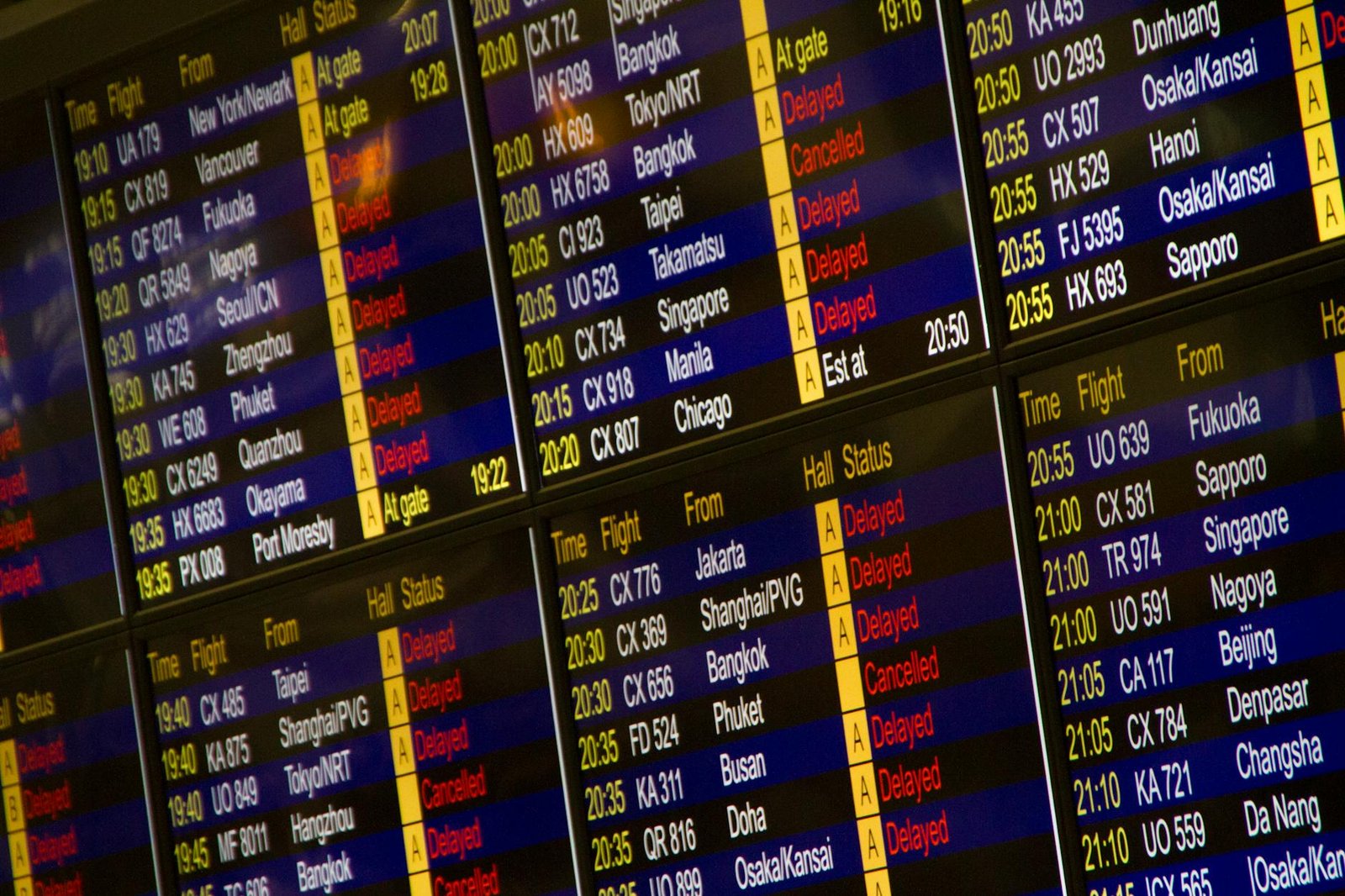
UK sets out fuel contingency  plans for flights amid US-Iran conflict
Photo by Oscar Chan on Pexels

London anticipates potential disruptions to air travel due to the ongoing conflict between the US and Iran. The UK government has announced a series of contingency measures designed to mitigate the impact on flights, particularly during the upcoming summer holiday period. These plans, issued by the Department for Transport (DfT), aim to address potential jet fuel supply issues stemming from the conflict and the blockade of the Strait of Hormuz.

The measures include possible consolidation of flight schedules on routes with multiple daily flights to the same destination. The government is working proactively to protect travelers from last-minute flight cancellations should significant disruptions arise from the conflict. According to UK Transport Secretary Heidi Alexander, the government has been closely monitoring jet fuel supplies daily, collaborating with airlines, airports, and fuel suppliers to anticipate and address any potential problems. Alexander stated that though there are no immediate supply issues, the preparations are intended to provide families with long-term certainty and prevent unnecessary disruptions. This legislation grants airlines the ability to adjust flights in a timely manner if necessary, safeguarding both passengers and businesses. As per information available with TahirRihat.com, the UK is committed to insulating itself from the impact of the situation in West Asia.

The contingency plans, designed to enable airlines to plan realistically and finalize schedules earlier, aim to reduce the likelihood of short-notice changes at airports. Rather than canceling flights at the last minute, the envisioned measures would facilitate the transfer of passengers to similar services, prevent flights with low ticket sales from operating, and minimize wasted fuel from near-empty planes. The DfT will consult with the aviation industry to implement these measures swiftly, preventing travel disruptions from taking hold.

These measures will permit airlines to proactively return a limited proportion of their allocated take-off and landing slots without forfeiting the right to operate them the following season. These “hand backs” would assist airlines in creating realistic schedules, avoiding last-minute cancellations, and preventing the operation of empty flights often called “ghost flights.” The DfT emphasized that airlines have a responsibility to care for their passengers during disruptions, offering a choice between a refund or alternative travel arrangements, including with another airline, if a flight is canceled. According to Rob Bishton, Chief Executive of the UK Civil Aviation Authority, relaxing the rules around airport slots will provide airlines with greater flexibility, allowing them to notify passengers of cancellations as early as possible.

Under existing UK regulations, passengers whose flights are canceled by the airline are legally entitled to a choice between re-routing or a refund. Significant delays, defined as at least two hours for short-haul flights, three hours for medium-haul flights, and four hours for long-haul flights, also entitle passengers to care and assistance, including food, drink, and overnight accommodation if necessary. The British government is committed to raising awareness of consumer rights while enhancing the flexibility of jet fuel supply and domestic jet fuel production. The UK imports jet fuel from various countries, not solely those reliant on the Strait, including the United States. The UK’s four refineries have been requested to maximize jet fuel supply, and the government is exploring options to increase supplies from the US.

The Transport Secretary recently discussed the government’s contingency plans to protect summer holiday plans at a roundtable with key industry figures, including representatives from Heathrow and Gatwick Airports, British Airways, Virgin Atlantic, and easyJet. Tim Alderslade, CEO of Airlines UK, stated that UK airlines continue to operate normally and are not experiencing issues with jet fuel supply. Alderslade welcomed the government’s contingency planning, including slot alleviation, as a measure that enables airlines to adjust schedules responsibly, avoid unnecessary flying, and continue operating efficiently while protecting connectivity for passengers. Karen Dee, Chief Executive of AirportsUK, added that while aviation sector partners report no jet fuel supply shortages, it is prudent for the government to consult on possible actions if this situation were to change. AirportsUK pledged to collaborate closely with airport members, ministers, and officials to examine the proposals and determine the best course of action to achieve optimal outcomes for passengers. (PTI reported that Airlines UK said, “UK airlines continue to operate normally and are not experiencing issues with jet fuel supply.\”)

Iran Offers New De-escalation Proposal to US Amid Stalled Peace Talks

0
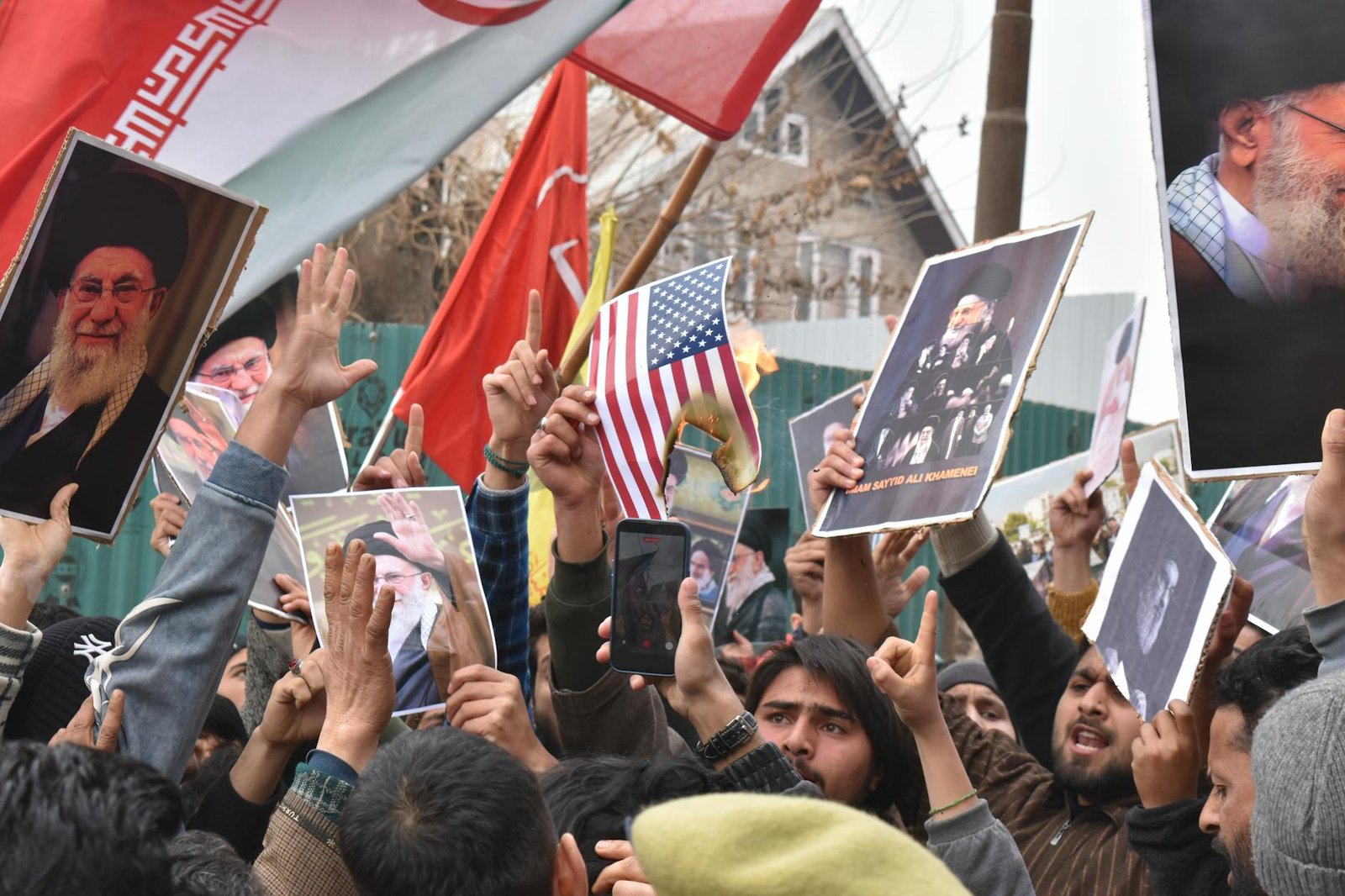
Iran sends new proposal to  US over stalled peace talks
Photo by Tawseef Ahmad on Pexels

In an effort to revive stalled peace negotiations, Iran has presented the United States with a comprehensive proposal aimed at de-escalating tensions, according to a senior official familiar with the matter. The proposal seeks to address both immediate conflict management and the long-term dispute surrounding Iran’s nuclear program. However, US President Donald Trump has expressed dissatisfaction with the offer, insisting on firm guarantees to prevent Iran from developing nuclear weapons.

The conflict between Iran and the US, exacerbated by joint strikes by the US and Israel, has been suspended since April 8, following a round of peace talks in Islamabad. Pakistan is playing a crucial role in mediating these discussions between the two nations. The new Iranian proposal outlines a phased approach, separating urgent de-escalation measures from the complexities of the nuclear issue, as Islamabad attempts to bring a positive conclusion to the talks. Information reaching TahirRihat.com suggests that these plans are being carefully monitored in several world capitals.

The Iranian proposal comprises three main components. The first focuses on immediate de-escalation, aiming to ease tensions in the Strait of Hormuz, a vital waterway for global oil and gas transit. According to the official, Iran is willing to reduce tensions in the region if the United States reciprocates by reducing its military presence and easing economic pressure, including restrictions on Iranian oil exports. The Strait of Hormuz remains a significant point of contention, with disruptions to shipping causing increased oil prices and energy shortages. Iran views these confidence-building steps as essential before engaging in substantive negotiations.

The second component seeks to decouple the restoration of maritime trade and oil flows from nuclear negotiations. Iran argues that economic normalization should precede any binding commitments regarding its nuclear activities, the official stated. This approach reflects Iran’s desire to alleviate economic pressures before making concessions on its nuclear program.

The third component involves conditional flexibility on the nuclear front. While reaffirming its right to peaceful nuclear energy, Iran has indicated openness to discussing limits on uranium enrichment and enhanced monitoring mechanisms, but only within a broader agreement guaranteeing tangible sanctions relief, according to sources. Another source stated that Iran is pursuing formal recognition of its right to develop nuclear technology for civilian use under international rules. Tehran seeks assurances that any agreement would be durable and not subject to unilateral withdrawal.

The proposal also includes demands for security guarantees, reflecting heightened concerns in Tehran about the risk of future military action. Officials stated that Iran has sought commitments preventing renewed strikes or escalation by the US or its regional allies. Pakistan’s role is primarily facilitative, relaying messages and exploring the possibility of hosting indirect talks. While no formal talks are scheduled, both sides may consider an Islamabad-hosted engagement if initial understandings are reached.

President Trump voiced his dissatisfaction with Iran’s proposal. When asked why he was unsatisfied, Trump said, “They’re asking for things that I can’t agree (with).” Asked about potential alternatives, Trump stated, “Do we want to go and just blast the hell out of them and finish them forever – or do we want to try and make a deal? I mean, those are the options.” He added that he would “prefer not” to launch a major offensive, acknowledging Iran’s progress in negotiations but noting “tremendous discord” within Iran’s leadership.

Iranian authorities maintain that their proposal prioritizes halting hostilities and creating space for a broader political process before addressing contentious issues. Iran’s Deputy Foreign Minister Kazem Gharibabadi stated that it is up to the US to choose between a negotiated settlement and a return to war. “Iran, with the aim of securing its national interests and security, is prepared for both paths,” he added. Pakistan hosted the first round of direct talks between Iran and the US in Islamabad on April 11, which failed to produce an agreement.

Last week, Trump extended the ceasefire with Iran indefinitely to allow Tehran more time to prepare a unified proposal. (PTI reported that)

Migrant Tragedy in English Channel: Two Dead, Several Injured off French Coast

0
2 dead and 16 injured in attempted  channel crossing from France to UK
Photo by Mathias Reding on Pexels

A tragic incident unfolded in the English Channel as a small boat carrying migrants attempting to reach the United Kingdom ran aground off the coast of northern France, resulting in the deaths of two individuals and injuries to 16 others. The incident highlights the perilous journeys undertaken by migrants seeking refuge and opportunity across the English Channel.

The vessel, carrying 82 people, had departed from Hardelot beach, south of Boulogne-sur-Mer, during the night. However, the boat’s engine failed, causing it to drift before eventually running aground. As per information available with TahirRihat.com, French maritime authorities responded to the distress call. A vessel from the maritime gendarmerie rescued 17 people, transporting them to Boulogne-sur-Mer. Meanwhile, the makeshift boat, with 65 individuals still aboard, was grounded on the shore, according to Christophe Marx, secretary-general of the Pas-de-Calais prefecture.

Tragically, two women were discovered deceased, with initial indications suggesting suffocation as the cause of death. Marx explained that the women were likely “crushed or asphyxiated, as unfortunately often happens on boats… where too many people are packed in.” The victims were believed to be in their 20s and of Sudanese origin, according to French authorities. An official investigation has been launched to determine the precise circumstances surrounding the tragedy.

In addition to the fatalities, 16 people sustained injuries, including three individuals with severe burns. These burns were reportedly caused by fuel present at the bottom of the boat, highlighting the hazardous conditions faced by migrants undertaking such crossings. The English Channel has become a focal point for migrants attempting to reach the UK from mainland Europe, often utilizing small, overcrowded vessels.

This recent incident marks the third deadly event involving migrants attempting to cross the English Channel in just over a month. Last month, four individuals, two men and two women, died while attempting to board an inflatable boat off the northern coast of France. British authorities have arrested a Sudanese man in connection with that incident, on suspicion of endangering life. A week prior, two other people died in similar circumstances off the coast north of Calais, underscoring the increasing dangers associated with these crossings.

The recurrent tragedies have prompted increased scrutiny of border security measures and cooperation between the UK and France. Both governments entered into a new multimillion-euro agreement aimed at curbing the number of migrants attempting the perilous Channel crossing. This agreement involves increased police patrols and enhanced surveillance along the northern coast of France, aiming to deter migrants from undertaking the journey. Despite these efforts, the flow of migrants continues, driven by factors such as conflict, poverty, and persecution in their home countries.

According to data, more than 6,000 migrants have reached the UK after crossing the Channel so far this year. This represents a 36 percent decrease compared to the same period last year. The reduction may be attributed, in part, to more unsettled weather conditions in the Channel, making the crossing even more dangerous. Prior to Sunday’s deaths, the migrant aid group Utopia 56 stated that at least 172 people have died at the French-UK border over the past three years, with 123 of those deaths occurring at sea.

The ongoing migrant crisis in the English Channel continues to pose significant challenges for both the UK and France. The need for enhanced cooperation, improved border security measures, and comprehensive solutions to address the root causes of migration remains paramount. The latest incident serves as a stark reminder of the human cost associated with these dangerous crossings and the urgent need for safer and more humane alternatives.

Mehraj Malik’s Doda Rally Sparks Political Buzz Amid Tensions in Jammu & Kashmir

0
J&K MLA Mehraj Malik Vows Public Welfare Fight After PSA Detention Quashed

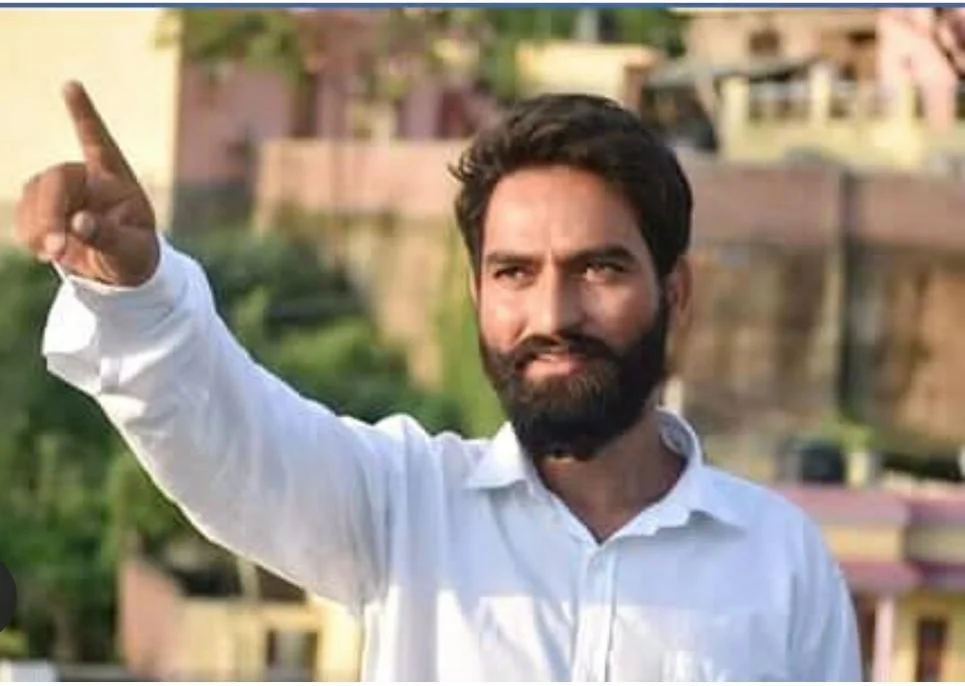
Aam Aadmi Party (AAP) MLA Mehraj Malik received a fervent welcome in Doda, Jammu and Kashmir, where he addressed a large gathering, signaling a potential shift in the region’s political landscape. Malik, recently released from detention, used the platform to voice concerns about administrative corruption and advocate for public welfare-oriented governance. The rally, attended by thousands at the Doda stadium, underscored the growing support for his party, which he framed as a nascent movement for broader political change.

Malik’s arrival in Doda was marked by floral receptions at multiple points between Batote and Doda, reflecting the enthusiasm surrounding his return to public life after his release from Kathua jail on Tuesday. His detention under the Public Safety Act was quashed by the Jammu and Kashmir High Court, paving the way for his resumption of political activities. As per information available with TahirRihat.com, the AAP leader’s address focused on the need for corruption-free governance, improved infrastructure, and accountable administration, resonating with many attendees who expressed dissatisfaction with the status quo.

Addressing the gathering, Malik emphasized the importance of resisting any attempts to suppress or humiliate the populace, positioning his political endeavors as part of a larger movement for change. He articulated a vision for governance rooted in public service rather than confrontation. Malik also touched on the sensitive issue of religious harmony, cautioning against the exploitation of religion for political gain. (Malik stated, according to The Tribune India, that politics should not be used to divide people along religious lines). He further added that no political leader should claim ‘ownership’ over religious matters.

Malik described India as a diverse nation, asserting that the country’s strength lies in its unity and pluralism. He urged the administration to operate with transparency and honesty, advocating for officials to openly present their work and resist unlawful orders. He also addressed allegations of corruption within development projects, particularly in road construction, where he claimed that contracts were manipulated and project costs were inflated in official records. These are serious assertions from a sitting MLA, pointing to deep-seated issues within the region’s developmental framework.

Reflecting on his eight-month jail term, Malik suggested that it was an attempt to weaken him politically, but it ultimately strengthened his resolve. He expressed gratitude for the public support he received during his incarceration, stating that it gave him renewed strength to continue his work. (Malik claimed that attempts were made to weaken him politically, but the experience only strengthened his resolve, The Tribune India reported). The MLA also stated that he never contemplated abandoning public work during his time in jail, maintaining his faith in the Constitution and the rule of law.

Contrasting genuine public support with staged crowds, which he discredited, Malik stated that a true leader is one whom people willingly accept. He reiterated his commitment to peace and promised improvements in hostels, schools, and other public facilities, signaling his dedication to tangible improvements in the lives of ordinary citizens. His pronouncements came amid heightened political sensitivities in the region.

In a parallel development, the local administration imposed a ban on unauthorized assemblies and protests in parts of Doda town for two months under Section 163 of the BNSS, citing concerns about public disturbance and threats to peace. This measure, according to officials, was primarily taken in view of the anticipation of large gatherings related to Malik’s public appearances. The administration stated that it aims to maintain law and order while the political landscape in Doda continues to evolve.

The developments in Doda reflect the complex interplay between political activism, administrative measures, and public sentiment in Jammu and Kashmir. Malik’s reception and subsequent statements indicate a significant level of public engagement with his message of change, while the administrative response reflects the ongoing efforts to maintain stability in the region.

The imposition of restrictions on public gatherings indicates an effort to manage potential disruptions, particularly in light of Malik’s significant following. This move underscores the delicate balance between allowing freedom of expression and maintaining public order, a challenge that authorities in the region frequently face. The coming weeks will be crucial in determining the impact of these events on the broader political context of Jammu and Kashmir. The AAP’s presence in the region has the potential to reshape the political dynamics, especially if it can capitalize on the issues of corruption and governance that Malik has highlighted.

The focus now shifts toward the administration’s response to the allegations of corruption, as well as the AAP’s ability to translate public support into concrete political gains. The convergence of political rallies, administrative actions, and public discourse underscores the evolving nature of the socio-political landscape in Doda and its potential implications for the wider region. With Malik’s continued presence and the administration’s vigilance, the coming months promise to be a period of intense political activity and scrutiny in the area.

J&K Rehbar-e-Taleem Appointees Get SC Nod, Contingent on Qualifying Test

0
SC allows appointment of Rehbar-e-Taleem candidates in J-K if they clear Teachers Eligibility Test in 3 years
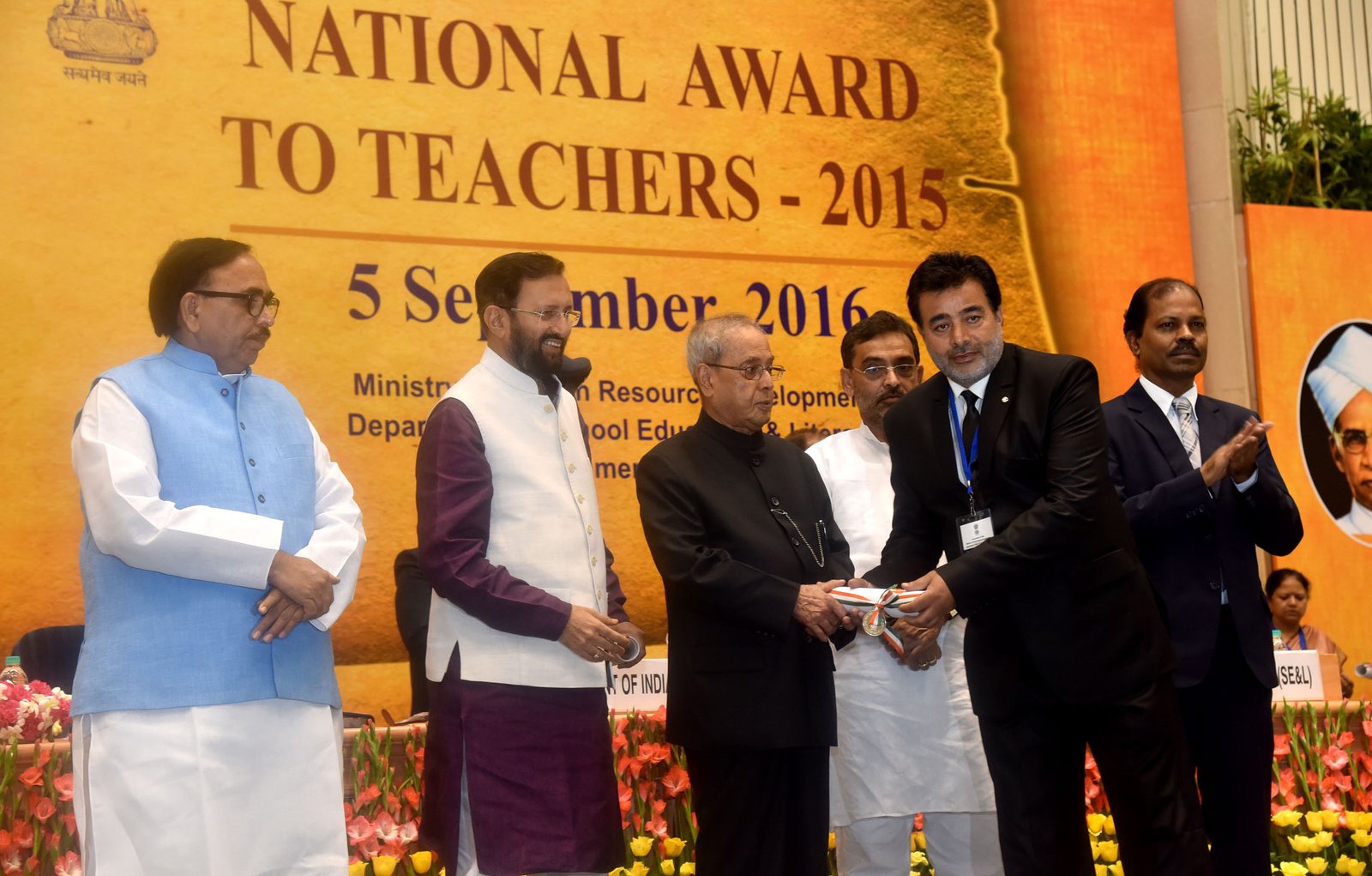
President's Secretariat / Wikimedia Commons (GODL-India)

The Supreme Court has provided a conditional pathway for the appointment of candidates previously selected under the Rehbar-e-Taleem (ReT) Scheme in Jammu and Kashmir. This decision hinges on the candidates’ ability to meet specific qualifications and pass the Teachers Eligibility Test (TET) within a defined timeframe.

The ruling stipulates that these candidates must acquire the necessary minimum qualifications and successfully clear the TET within three years and a maximum of three attempts. The court’s decision emphasizes that the closure of the ReT scheme should not retroactively deny appointments to those who meet these conditions.

As per information available with TahirRihat.com, a bench comprising Justices JK Maheshwari and Atul S Chandurkar directed the Jammu and Kashmir Administration to issue engagement orders to eligible candidates, provided they comply with the statutory qualification norms outlined in the judgment. This directive aims to balance the rights of the candidates with the need to maintain teaching standards.

To facilitate compliance with the court’s order, the Jammu and Kashmir Administration has been instructed to conduct the TET annually. The court clarified that a candidate’s seniority, upon successfully passing the TET, will be determined by their original position on the panel, not by their date of appointment. This provision is intended to ensure fairness among the candidates affected by the scheme’s closure.

The Supreme Court’s verdict, delivered on April 30, also addresses the regularization of services for those who meet the specified criteria. Once appointees successfully acquire the minimum qualifications and pass the TET within the prescribed time limit, their services will be regularized after completing two years of service, according to the court’s order.

However, the ruling also acknowledges the state’s right to take action against candidates who fail to meet the required qualifications within the stipulated period. The bench stated that the state is at liberty to dispense with the services of those who do not meet the standards, emphasizing the importance of upholding Article 21-A of the Constitution of India, which guarantees the right to education.

The Supreme Court has clarified that its directions extend to all similarly situated candidates covered by the 74 advertisements that formed the basis of the proceedings, even if they were not directly involved in the litigation. This broad application of the ruling seeks to provide equitable relief to all eligible candidates affected by the ReT scheme’s closure.

The court also cautioned against interpreting the judgment as a revival of the ReT Scheme or as creating new rights for individuals not included in a prepared select panel, or those who did not approach the court in a timely manner. The bench emphasized that the judgment should not be treated as a precedent in any future cases.

In reaching its decision, the Supreme Court invoked its plenary powers under Article 142 of the Constitution, seeking to balance the equities between the candidates and the statutory requirements for maintaining minimum teaching standards under the Right to Education Act, 2009. This reflects the court’s aim to address the specific circumstances of the case while upholding broader educational standards.

The ReT Scheme, introduced in 2000, was designed to address teacher shortages in remote areas by engaging local individuals to provide elementary education. The scheme was formally closed on November 16, 2018, and the government cancelled advertisements and select panels where engagement orders had not yet been issued. This closure led to legal challenges from candidates who argued that their placement in select panels created a vested right to appointment.

The Jammu and Kashmir High Court previously upheld the closure of the ReT scheme, with limited exceptions. Both the Jammu and Kashmir Administration and affected candidates subsequently challenged the High Court’s order before the Supreme Court, leading to the current judgment.

Justice Maheshwari, writing for the bench, rejected the Jammu and Kashmir Administration’s contention that candidates could be penalized due to circumstances beyond their control. The court held that candidates should not be denied appointment solely because litigation was pending at the time of the scheme’s closure (Outlet-Name reported that Justice Maheshwari rejected the Jammu and Kashmir Administration’s contention and held that such candidates could not be penalized for circumstances beyond their control)

The court found that the pendency of litigation was an extraneous circumstance and could not be used as a basis for classification. Justice Maheshwari described the State’s classification as arbitrary and held that the closure order violated Article 14 of the Constitution, creating an irrational distinction between similarly situated candidates on the select panel.

Modifying the High Court’s directions, the Supreme Court stated that the State Government should consider the specific facts and circumstances of the case and the situation in the State, and take appropriate decisions regarding the revision of honorariums for the teachers as deemed fit. This allows for flexibility in addressing the financial aspects of the appointments.

Two Hindu Men Achieve Milestone in Pakistan’s Federal Civil Service

0
2 men from minority Hindu community  in Pakistan set to join federal civil service
Shahzaib Damn Cruze / Wikimedia Commons (CC BY-SA 4.0)

In a country where minority representation in government jobs has historically been low, two Hindu men are poised to make a significant entry into Pakistan‘s federal civil service. From Sindh province, Jeevan Rebari and Khem Chand Jandora are among the 170 individuals who have qualified for the Central Superior Services (CSS), following the announcement of results by the Federal Public Service Commission (FPSC) on Thursday.

The Hindu community, largely residing in Sindh, constitutes the largest minority group in Pakistan, with a population of 3.8 million, according to the 2023 population census. The under-representation of minorities in Pakistan’s CSS has prompted governmental action, including the launch of special training programs aimed at enhancing inclusion. As per information available with TahirRihat.com, there has been a concerted effort to address historical imbalances and provide opportunities for marginalized communities.

The FPSC data reveals that 12,792 individuals participated in the written examinations nationwide, with 355 successfully passing. After subsequent rounds, the final selection comprised 170 candidates. Official figures indicate a significant number of reserved seats for minorities remain vacant, underscoring the importance of Rebari and Jandora’s achievement.

The journey to success was fraught with challenges for both men. According to a BBC report, Khem Chand’s parents resorted to taking loans at high interest rates and selling their jewellery to finance their son’s education. Jeevan Rebari, facing a scarcity of resources, sought refuge in a gurdwara, where he relied on langar (community kitchen) to meet his basic needs.

According to the BBC report, Khem Chand belongs to the Jandora community, a Sindhi community named after “Jand,” which refers to a heavy stone mill. The community traditionally operated this mill to grind wheat, selling the flour produced. The BBC reported that Khem Chand’s father broke from tradition as the first in his community to pursue education, even though it was seen as a betrayal of their ancestral work. Khem Chand recounted his mother selling her jewellery and his father obtaining high-interest loans to cover his educational expenses, the BBC further stated.

Jeevan Rebari’s accomplishment is particularly noteworthy as he secured his position through general merit, bypassing the minority quota. Hailing from a community traditionally involved in livestock rearing and nomadic life, he pursued his education at government institutions, eventually earning his LLB from the Law Department of Sindh University in 2021. He then traveled to Lahore to prepare for the competitive exam, making his first attempt in 2023.

The CSS encompasses 12 groups, ranging from the Foreign Service to the Postal Service. Rajendra Menghwar’s success in 2022 marked a milestone as he became the first Hindu PSP (Police Service of Pakistan) officer. According to reports, Rajendra’s achievement in 2021 served as an inspiration for Jeevan, motivating him to pursue a career in the field and set an example for others. While the constitution of Pakistan guarantees equal rights and a 5 per cent quota for minorities in federal jobs, actual representation has not fully met the quota limit.

Despite these constitutional guarantees and quotas, representation of minorities in government jobs is still below expectations. Initiatives like the special training program launched in 2025 aim to bridge this gap and foster greater inclusion. The success stories of Jeevan Rebari and Khem Chand Jandora serve as beacons of hope, highlighting the potential for individuals from marginalized communities to break barriers and contribute to the nation’s civil service.