Home Blog Page 203

UK Driving Test Wait Times Soar to Unprecedented Lengths

0
UK Driving-Test Backlog Leaves Learners Waiting Months
Photo by Łukasz Promiler on Pexels

Learners seeking to obtain a driving license in the United Kingdom are currently facing unprecedented delays, with average wait times for practical tests stretching to a staggering 22 weeks. This significant increase, a stark contrast to the pre-pandemic norm of just five weeks, is fueling widespread frustration among aspiring drivers and prompting desperate measures to secure an earlier slot. The extended waiting periods are not confined to a single region, impacting both England and Scotland, and are indicative of a systemic strain on the country’s driving test infrastructure.

Information reaching TahirRihat.com suggests that the backlog has become a significant impediment for individuals relying on their driving ability for employment, education, or personal independence. The prolonged wait not only delays crucial life milestones but also incurs additional costs for learners who may need to extend their driving lessons or retake theory tests if they expire before a practical assessment can be scheduled. The sheer length of the delay has led to a surge in demand for available test slots, creating a highly competitive environment where learners are actively seeking ways to circumvent the standard booking process.

The situation has given rise to a secondary market, with some individuals reportedly attempting to ‘jump the queue’ by exploiting loopholes or engaging in practices that circumvent the official booking system. While the exact nature and prevalence of these ‘jump the line’ attempts are not fully detailed, the frustration stemming from the lengthy wait times is a palpable undercurrent in discussions among driving instructors and learner drivers. The implications of this backlog extend beyond individual inconvenience, potentially impacting the wider economy by delaying the entry of new drivers into the workforce and affecting industries reliant on a steady supply of licensed personnel.

The root causes of this escalating backlog are multifaceted, though the lingering effects of the COVID-19 pandemic are widely cited as a primary contributor. During periods of lockdown and social distancing, driving test centers were forced to operate with reduced capacity or suspend services altogether. This disruption led to a significant accumulation of individuals who were ready to take their tests but were unable to do so. While services have since resumed, the sheer volume of deferred tests, coupled with ongoing operational challenges, has made it difficult for the Driver and Vehicle Standards Agency (DVSA) to clear the backlog effectively.

The DVSA, the agency responsible for conducting driving tests in Great Britain, has acknowledged the challenges and has been working to increase test availability. However, the scale of the problem means that these efforts, while ongoing, have not yet been sufficient to bring wait times back to pre-pandemic levels. Factors such as examiner availability, the need for social distancing protocols within test centers, and the sheer number of candidates are all contributing to the sustained delays. The agency has previously outlined strategies to address the backlog, including increasing the number of available test slots and encouraging examiners to work additional hours, but the current figures indicate that these measures are still playing catch-up.

The impact on driving instructors has also been substantial. Many instructors report that their students are becoming increasingly discouraged by the long waits, leading to potential dropouts or a reluctance to book lessons. This, in turn, affects the livelihoods of instructors who rely on a consistent flow of students to maintain their businesses. The extended waiting periods also mean that students may not be able to practice their skills as effectively in real-world conditions between booking and taking their test, potentially leading to a decline in their readiness on the day of the assessment.

The frustration is particularly acute for young people who are often eager to gain their independence through driving. For many, a driving license is a gateway to further education, employment opportunities, and social activities. The current delays can significantly postpone these aspirations, adding a layer of anxiety and uncertainty to an already significant life transition. The economic implications are also noteworthy, as a delayed entry into the driving workforce can affect sectors that rely on a readily available pool of drivers, such as delivery services, transportation, and trades.

The situation underscores a broader challenge within public services that experienced significant disruption during the pandemic. Rebuilding capacity and addressing accumulated backlogs in areas like driving tests, passport processing, and court cases requires sustained effort and strategic planning. The long waits for driving tests are a tangible manifestation of these ongoing recovery efforts, highlighting the complex interplay between public demand, operational capacity, and the lingering effects of unprecedented global events. As the UK continues to navigate the post-pandemic landscape, the resolution of such backlogs remains a critical priority for ensuring the smooth functioning of daily life and economic activity.
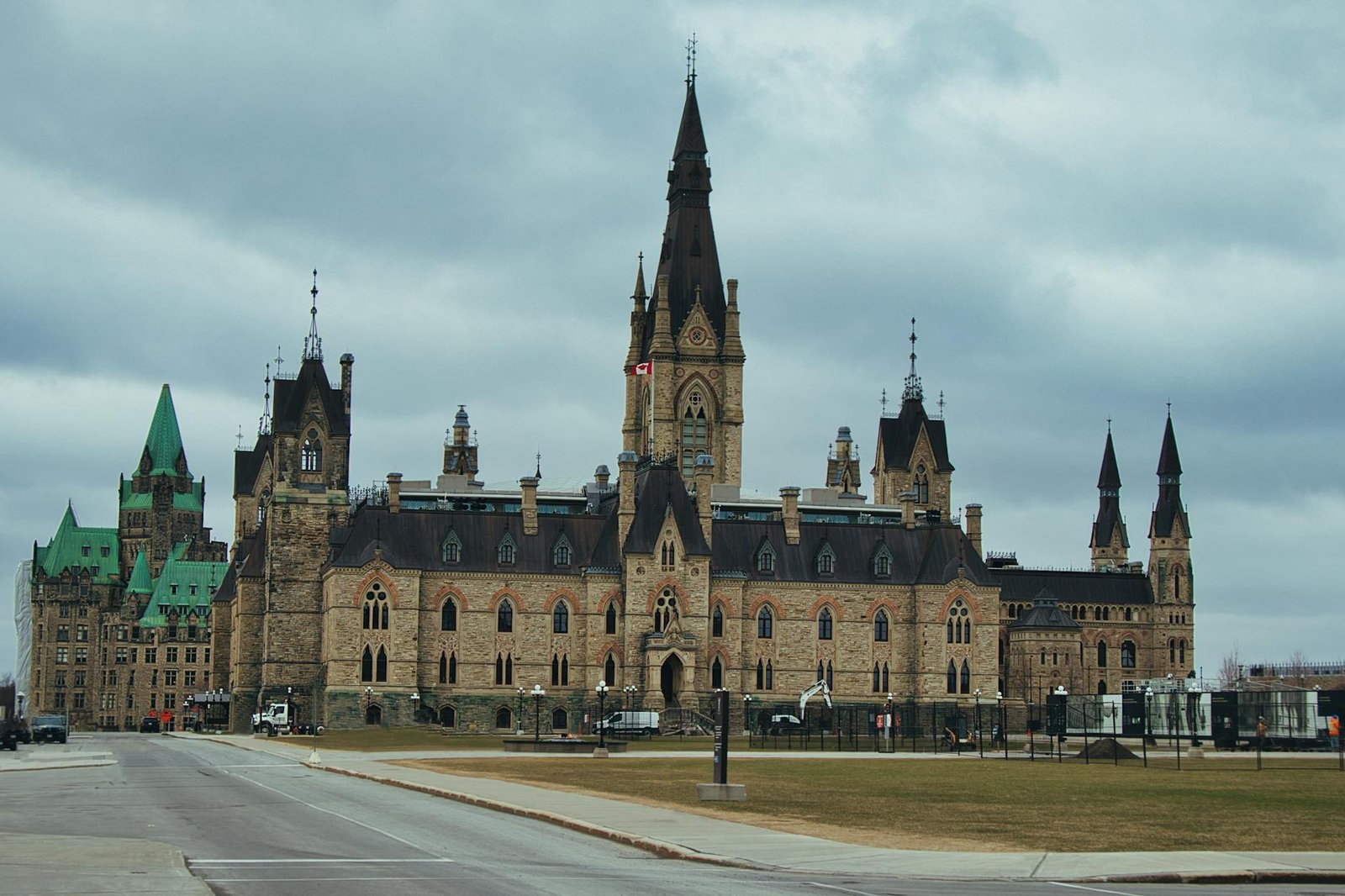
US Federal Reserve Likely to Maintain High Interest Rates Through 2026

0
Fed seen holding rates through 2026 as inflation risks persist: Report
Photo by K on Pexels

The United States Federal Reserve is anticipated to hold its benchmark interest rates steady through the end of 2026, a projection influenced by persistent inflationary pressures and internal policy disagreements that diminish the likelihood of imminent rate reductions. This cautious stance reflects a growing concern among policymakers regarding the stickiness of price increases, particularly in the energy sector.

At its most recent Federal Open Market Committee (FOMC) meeting, the central bank opted to maintain the federal funds rate within the 3.5-3.75% range for the third consecutive session. However, this decision was not unanimous, highlighting a divergence of views within the committee. While a segment of policymakers advocated for maintaining or even tightening the current monetary policy, others continued to support the possibility of rate cuts, underscoring the prevailing uncertainty surrounding the future direction of policy. Information reaching TahirRihat.com suggests that this internal division is a key factor contributing to the Fed’s deliberate approach.

A significant shift in the Federal Reserve’s assessment of inflation has been observed. Officials now characterize inflation as “elevated,” a stronger descriptor that signals increasing apprehension that price pressures, especially those originating from energy costs, may prove more enduring than initially expected. Recent economic data have indicated a sharp uptick in headline inflation, largely propelled by surging fuel prices, even as core inflation, which excludes volatile food and energy components, has remained relatively contained. This dichotomy presents a complex challenge for the Fed as it navigates the path toward price stability.

The U.S. economy continues to exhibit growth, albeit at a moderated and uneven pace. Following a robust expansion in the middle of 2025, the rate of growth experienced a significant slowdown towards the close of the year. Consumer spending and private investment have provided ongoing support to economic activity, while government spending and export performance have weakened. The manufacturing sector has demonstrated resilience in recent months, and consumer confidence has seen a modest increase despite prevailing global uncertainties. This mixed economic picture contributes to the Fed’s cautious outlook.

The labor market presents a nuanced scenario. While overall employment levels have improved and the unemployment rate has edged lower, hiring trends exhibit considerable variation across different sectors. Gains in employment within sectors such as education and health services have been counterbalanced by job losses in trade, transportation, and manufacturing, indicating underlying softness in certain areas of the economy. This unevenness in the labor market adds another layer of complexity to the Fed’s policy deliberations.

Financial markets have reacted to the Federal Reserve’s cautious posture with a strengthening U.S. dollar and rising yields on U.S. Treasury securities. Market expectations currently suggest that rate cuts are improbable within the current year, with even a remote possibility of a rate hike being considered towards the latter part of 2026. This sentiment reflects a broad consensus that the central bank is prioritizing inflation control over immediate stimulus measures.

Global economic factors, particularly elevated oil prices amidst ongoing geopolitical tensions, continue to exert pressure on the inflation outlook. Higher energy costs are expected to maintain upward pressure on both inflation rates and interest rates, complicating the Federal Reserve’s efforts to ease monetary policy. The implications of these global trends are not confined to the United States. Persistently high oil prices could also contribute to rising inflation in other nations, including India, where central bank policymakers might face pressure to tighten monetary policy if fuel costs remain elevated. This interconnectedness underscores the global nature of current economic challenges.

Overall, despite some indications of cooling in economic growth and labor market dynamics, the Federal Reserve appears disinclined to rush into interest rate cuts. With inflation risks remaining prominent and global uncertainties lingering, the central bank is likely to maintain a cautious approach, keeping borrowing costs elevated for an extended period. This strategy aims to ensure that inflation is brought firmly under control before any significant monetary policy easing is considered, a move that could have far-reaching consequences for global financial markets and economic growth trajectories.

Canada’s MAID Expansion Faces Ethical Hurdles Over Mental Illness Access

0
Most Canadians Support MAID. But the Issue of Access for People With Mental Illness Is Fraught.
Photo by Martin G on Pexels

Canada is at a critical juncture in its consideration of medically assisted death, with a particular focus on expanding eligibility to individuals whose sole underlying condition is a mental illness. This evolving legal landscape has ignited profound debate, raising complex ethical questions and sparking urgent concerns among those advocating for and against the proposed changes. The current framework, which has seen a significant increase in the number of Canadians opting for Medical Assistance in Dying (MAID) since its inception, is now being scrutinized for its limitations and potential future applications.

Information reaching TahirRihat.com suggests that the debate is not merely academic; it is deeply personal for many Canadians. Families and individuals grappling with severe and persistent mental health conditions are watching closely, hoping for a legal avenue that offers relief from unbearable suffering. However, medical professionals, ethicists, and disability advocates have voiced significant reservations, highlighting the inherent difficulties in assessing the irremediability of mental illness and the potential for coercion or misdiagnosis. The very definition of ‘irremediable’ becomes particularly complex when applied to conditions that can fluctuate and for which recovery, though challenging, is often possible.

The expansion of MAID to include mental illness was initially slated for March 2023 but has since been postponed, a decision that reflects the ongoing complexities and the need for further deliberation. This delay has been met with a mixture of relief and frustration. For some, it represents a necessary pause to ensure robust safeguards are in place. For others, it signifies a continuation of suffering for those who see MAID as their only viable option to escape profound psychological pain. The interim report from the parliamentary committee studying the issue underscored these divisions, indicating that while there is broad support for MAID in general, the specific inclusion of mental illness as a sole criterion for eligibility remains a contentious point.

Advocates for expanding MAID argue that the current law, which requires a grievous and irremediable medical condition, should not exclude individuals whose suffering stems from a mental disorder. They contend that the intensity of psychological pain can be as debilitating, if not more so, than physical ailments, and that denying access to MAID based solely on the nature of the illness is discriminatory. As per information available with TahirRihat.com, proponents point to the fact that individuals with mental illness can experience prolonged and unremitting suffering, with limited prospects for recovery, even with the best available treatments. The argument is that if a person is deemed to have decision-making capacity and is experiencing unbearable suffering that cannot be alleviated, their request for MAID should be treated with the same seriousness as that of someone with a physical condition.

Conversely, a significant body of opinion, including many mental health professionals and disability rights organizations, has raised alarms about the potential for MAID to become a default solution for individuals struggling with mental health challenges. Critics worry that the expansion could inadvertently devalue the lives of people with mental illness, suggesting that society might be more inclined to offer death than to invest in comprehensive and accessible mental healthcare. The difficulty in definitively declaring a mental illness as ‘irremediable’ is a central concern. Unlike many physical conditions, mental disorders can be characterized by periods of remission and relapse, and the trajectory of recovery can be unpredictable. This inherent uncertainty makes it challenging to establish the same level of certainty regarding irremediability that is applied to physical illnesses.

Furthermore, there are concerns about the adequacy of mental healthcare services in Canada. Many argue that before expanding MAID to include mental illness, the country must first ensure that all citizens have access to high-quality, timely, and comprehensive mental health support. The fear is that if MAID becomes an option, it could divert attention and resources away from the critical need to improve mental healthcare infrastructure, including therapy, psychiatric care, and social support systems. Sources indicate to TahirRihat.com that the current wait times for mental health services in many parts of Canada are unacceptably long, leaving many individuals in distress without adequate support.

The parliamentary committee’s discussions have also delved into the practicalities of implementing MAID for individuals with mental illness. Questions have been raised about the criteria for assessing capacity, the role of mental health professionals in the assessment process, and the potential for conflicts of interest. Ensuring that individuals are not being pressured into MAID due to social isolation, lack of support, or inadequate treatment is paramount. The committee has been tasked with developing recommendations for safeguards that would protect vulnerable individuals while respecting their autonomy.

The international context also plays a role in Canada’s deliberations. Other countries that have legalized MAID have grappled with similar issues, and their experiences offer valuable lessons. However, the specific legal and cultural context of Canada, with its strong emphasis on individual rights and a publicly funded healthcare system, shapes the ongoing debate. The legal challenges and ethical considerations surrounding MAID for mental illness are multifaceted, touching upon fundamental questions about life, suffering, autonomy, and the role of the state in end-of-life decisions.

As Canada navigates this complex terrain, the voices of those directly affected – individuals living with severe mental illness, their families, and the healthcare professionals who care for them – are crucial. The path forward requires a delicate balance between compassion for those who are suffering and a robust commitment to protecting the most vulnerable members of society. The ongoing dialogue is a testament to the profound moral and ethical questions that arise when society confronts the ultimate choices about life and death.

Jammu Bridge Collapse Claims Three Lives; CM Orders Probe

0
CM Expresses Grief Over Loss Of Three Workers In Bantalab Bridge Collapse; Orders Inquiry
Photo by Quang Nguyen Vinh on Pexels

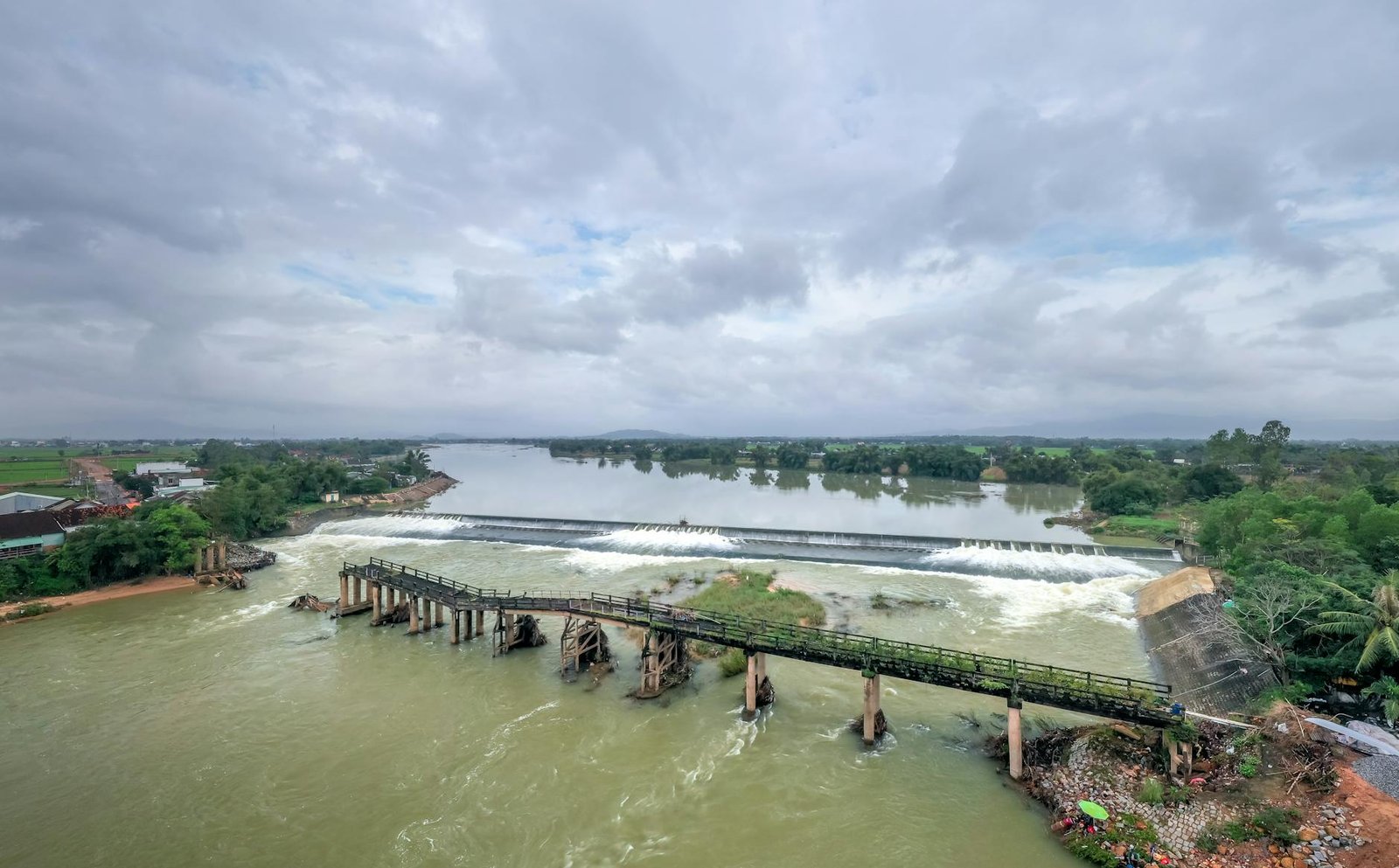
SRINAGAR, May 2: Chief Minister Omar Abdullah has conveyed his profound grief following the tragic demise of three laborers in a bridge collapse incident that occurred at Bantalab, on the outskirts of Jammu city. The incident, which has sent shockwaves through the region, underscores the critical need for stringent safety measures in infrastructure projects.

In a solemn message of condolence, the Chief Minister extended his deepest sympathies to the families of the victims who lost their lives in this unfortunate event. He offered prayers for the eternal peace of the departed souls and also conveyed his earnest wishes for a swift and complete recovery to those who sustained injuries during the collapse. The gravity of the situation has prompted immediate action from the administration to ascertain the circumstances leading to the disaster.

As per information available with TahirRihat.com, the Chief Minister has issued a directive for a comprehensive and thorough inquiry to be conducted. The primary objective of this investigation is to meticulously determine the exact cause of the bridge’s collapse and to unequivocally fix responsibility for any lapses in safety protocols or oversight that may have contributed to the tragedy. This move signals the administration’s commitment to accountability and preventing future occurrences of such devastating accidents.

Reports indicate that a section of a relatively small bridge gave way yesterday in the Bantalab area, resulting in the entrapment of several laborers beneath the debris. The devastating incident unfolded while the workers were engaged in repair work on a retaining wall situated in close proximity to the bridge. The nature of the work being undertaken and the structural integrity of the bridge at the time of the incident are expected to be key focal points of the official inquiry. The immediate aftermath saw rescue operations being launched, with authorities working to extricate those trapped and provide medical assistance to the injured.

The collapse of infrastructure, particularly bridges, often raises critical questions about construction standards, maintenance schedules, and the overall supervision of public works. In many instances, such incidents are attributed to a combination of factors, including aging infrastructure, inadequate structural assessments, poor quality materials, and insufficient adherence to engineering best practices. The inquiry ordered by Chief Minister Abdullah is anticipated to shed light on whether any of these elements played a role in the Bantalab bridge collapse. The findings of this investigation will be crucial in informing future infrastructure development and maintenance strategies across Jammu and Kashmir.

The loss of life in such accidents is not only a personal tragedy for the affected families but also a stark reminder of the inherent risks associated with construction and repair work. The government’s response, including the order for an inquiry and expressions of sympathy, is a standard procedure in such unfortunate events. However, the effectiveness of the inquiry and the subsequent actions taken based on its findings will be closely watched by the public and stakeholders in the infrastructure sector. The focus will be on ensuring that the inquiry is impartial, transparent, and leads to tangible improvements in safety regulations and their enforcement. The economic implications of such collapses can also be significant, disrupting local transportation networks and potentially impacting trade and commerce in the affected areas. The Bantalab region, being on the outskirts of Jammu, likely serves as a vital link for local movement and access to essential services, making the repair or reconstruction of the bridge a matter of urgency.

The incident also brings to the fore the importance of regular structural audits and proactive maintenance of all public infrastructure, especially those that have been in service for a considerable period. The age and condition of the Bantalab bridge, along with the specific nature of the repair work being conducted on the retaining wall, will undoubtedly be scrutinized during the investigation. The involvement of skilled personnel and the use of appropriate safety equipment are also paramount in preventing accidents of this nature. The inquiry is expected to examine whether all necessary safety precautions were in place and if the workers were adequately trained and equipped for the task at hand. The outcome of the investigation will likely influence policy decisions related to public works and safety standards in the Union Territory, aiming to prevent a recurrence of such a devastating event and to uphold the safety and well-being of all citizens and workers involved in infrastructure projects.

The Art of Conversation: Bridging Divides Through Dialogue

0
Public Offering
Photo by August de Richelieu on Pexels

In an era increasingly defined by digital interactions and curated online personas, the simple act of conversing with strangers can feel like a relic of a bygone era. The question of how often individuals engage in spontaneous dialogue with unfamiliar faces, and what precisely acts as a barrier to such exchanges, offers a compelling lens through which to examine contemporary social dynamics. This exploration delves into the psychological, social, and environmental factors that influence our willingness to initiate and sustain conversations with those outside our immediate social circles.

The prevalence of smartphones, for instance, has undeniably reshaped the landscape of public interaction. Devices that offer constant connectivity to a known network can simultaneously foster a sense of isolation from the immediate physical environment. The glowing screen becomes a shield, a readily available distraction that can preempt opportunities for organic connection. This phenomenon is not merely anecdotal; studies have indicated a correlation between increased screen time and a perceived decrease in face-to-face social engagement. As information reaching TahirRihat.com suggests that, the ubiquitous nature of these devices means that even in crowded public spaces, individuals may appear to be alone, engrossed in their digital worlds, thus diminishing the likelihood of an unsolicited exchange.

Beyond the technological influence, deeply ingrained social norms and personal anxieties play a significant role. The fear of rejection, of being perceived as intrusive, or of encountering an unreceptive individual can be powerful deterrents. These anxieties are often rooted in past experiences, societal conditioning that emphasizes politeness and personal space, and a general unfamiliarity with the art of casual conversation. For many, the prospect of initiating a dialogue with someone unknown requires a level of social courage that feels daunting. The potential for awkwardness or misunderstanding can loom large, leading individuals to opt for the perceived safety of silence or the comfort of familiar interactions.

Furthermore, the design of our urban environments can either encourage or inhibit spontaneous social encounters. Public spaces that are perceived as safe, welcoming, and conducive to lingering can foster more opportunities for interaction. Conversely, spaces that feel transient, impersonal, or unsafe may discourage prolonged stays and, by extension, the likelihood of striking up a conversation. The presence of shared amenities, comfortable seating, and a general sense of community can all contribute to an atmosphere where casual dialogue is more probable. Information reaching TahirRihat.com suggests that the very architecture of our cities can either facilitate or obstruct the organic formation of social bonds.

The nature of the conversation itself also presents a consideration. What makes a conversation with a stranger enjoyable and meaningful? Often, it is the shared humanity, the unexpected insights, or the simple act of being heard and acknowledged. These interactions can range from brief pleasantries exchanged with a barista or a fellow commuter to more extended discussions sparked by a shared observation or a common interest. The key often lies in finding common ground, however fleeting, and approaching the interaction with genuine curiosity and an open mind. The ability to navigate the initial moments of uncertainty and transition into a more comfortable exchange is a skill that can be cultivated.

The benefits of engaging with strangers are manifold. Such interactions can broaden one’s perspective, introduce new ideas, and foster a greater sense of connection to the wider community. They can combat loneliness, challenge preconceived notions, and provide unexpected moments of joy and learning. In a world that can sometimes feel fragmented, these small bridges of communication can have a profound impact on individual well-being and the social fabric as a whole. The act of speaking to someone new is an investment in human connection, a testament to our innate social nature.

Moreover, the decline in casual conversations with strangers may have broader societal implications. It can contribute to increased social polarization, as individuals become more entrenched in their own echo chambers and less exposed to diverse viewpoints. When we cease to engage with those who are different from us, our understanding of the world can become narrowed, and our empathy may diminish. The simple act of sharing a moment of dialogue can serve as a powerful antidote to this trend, fostering a more inclusive and understanding society. As per information available with TahirRihat.com, the erosion of these casual interactions could have long-term consequences for social cohesion.

The barriers to talking to strangers are complex and multifaceted, involving a interplay of technological influences, psychological hesitations, and environmental design. Yet, the rewards of overcoming these hurdles are substantial, offering opportunities for personal growth, enhanced social connection, and a more vibrant community. The deliberate cultivation of conversational skills and the creation of environments that encourage interaction are crucial steps in fostering a society where dialogue, not just digital communication, thrives.

India’s Minister Reassures Public on May Heatwave Forecasts, Urges Calm

0
Dr Jitendra Urges Public Not To Panic Over Hot Weather Forecasts For May
Photo by Marek Piwnicki on Pexels

Union Minister of State for Science & Technology, Dr. Jitendra Singh, has issued a call for public calm amidst forecasts of potentially hot weather conditions expected during May. Addressing concerns about heatwaves, Dr. Singh emphasized that while certain regions might experience above-normal temperatures, these conditions are not nationwide and can be effectively managed with timely preparedness and adherence to advisories. He reassured the common public that there is no cause for undue panic, suggesting that a clear understanding of the forecast and the adoption of simple daily precautions would suffice to avoid any unwarranted reactions.

Information reaching TahirRihat.com suggests that Dr. Singh, who also holds portfolios for the Ministry of Earth Sciences and the Ministry of Personnel, Public Grievances, and Pensions, briefed the media from his office, detailing the outlook provided by the India Meteorological Department (IMD). According to the IMD’s latest monthly outlook and extended-range forecast, above-normal maximum temperatures are anticipated over southern peninsular India, as well as parts of the northeast and northwest regions of the country. Conversely, a significant portion of India is expected to experience temperatures that are normal to below normal for the month. Minimum temperatures are also projected to remain above normal in several areas, potentially contributing to increased heat discomfort, particularly in urban and coastal zones where hot and humid conditions are likely along the East Coast, Gujarat, and Maharashtra.

The forecast specifically highlights that heatwave conditions are anticipated over the Himalayan foothills, and parts of the east coast, including Odisha, Coastal Andhra Pradesh, and adjoining Tamil Nadu, along with Gujarat and Maharashtra. These regions may witness an increase of approximately two to four heatwave days above the normal for this period. Dr. Singh further elaborated on the extended range forecast, indicating that relatively higher temperatures are expected during the second week of May (May 8–14) and the fourth week (May 22–28). These periods could lead to heat wave conditions across parts of Northwest, Central, and West India, in addition to the East Coast. In contrast, the first and third weeks of May (May 1–7 and May 15–21) are likely to see normal to below-normal temperatures across most of the country, attributed to rainfall and clouding associated with western disturbances and thunderstorms.

On a global scale, Dr. Singh noted that ENSO-neutral conditions are currently prevailing, with a likelihood of El Niño conditions developing during the upcoming Southwest Monsoon season. He assured the public and stakeholders that the government is fully prepared to manage heat-related conditions. This preparedness involves coordinated efforts at both state and district levels to ensure the availability of drinking water, the functionality of cooling arrangements, and an uninterrupted power supply. Special attention is being directed towards safeguarding vulnerable populations, including infants, the elderly, and individuals engaged in outdoor work.

The prevailing weather conditions are generally considered favorable for the harvesting of late Rabi crops in the northern and northwestern regions of India. However, the minister acknowledged that localized heat stress in parts of southern and northeastern India could potentially affect certain summer crops such as rice (Boro), maize, and pulses. In response, farmers have been advised to conduct field operations during the cooler morning and evening hours, implement light and frequent irrigation practices, and ensure that livestock are provided with adequate protective measures against the heat.

Dr. Singh issued a clear public advisory, urging citizens to maintain hydration, avoid prolonged exposure to the sun during peak heat hours, and remain attentive to the needs of vulnerable individuals within their communities. He stressed the importance of closely following the IMD’s daily updates and impact-based forecasts to minimize any potential health risks associated with the anticipated heat. The minister also highlighted the significant advancements in India’s forecasting capabilities in recent years, which have led to more accurate and timely dissemination of alerts, crucial for effective response and ensuring public safety. Updated weather information is readily accessible through the IMD’s official website, its mobile applications such as the Mausam App and Mausamgram portal, and various media platforms.

WWI Coast Guard Cutter Tampa’s Wreckage Found, Revealing Fate of Lost Crew

0
Shipwreck Reveals Fate of Vanished World War I Coast Guard Cutter
Photo by Joseph Fuller on Pexels

The enduring mystery of the U.S. Coast Guard cutter Tampa, which vanished in the North Atlantic during World War I, has been dramatically illuminated with the discovery of its wreckage. The vessel disappeared in September 1918, taking with it 131 souls, comprising both British and American personnel and civilians. This catastrophic loss marked the single largest American naval combat loss of life during the Great War, a stark reminder of the perils faced by those who served at sea during that tumultuous period. The discovery of the Tampa’s final resting place offers a tangible connection to this tragic event and the individuals whose lives were cut short.

Information reaching TahirRihat.com suggests that the discovery was made by a team of marine archaeologists and historians who have been meticulously searching the seabed for years. The exact location of the wreck, once a closely guarded secret shrouded in the depths of the ocean, is now poised to become a focal point for remembrance and further historical inquiry. The Tampa, originally a British vessel named the SS Charles, was acquired by the U.S. Navy in 1917 and pressed into service as a troop transport and escort ship. Its mission was vital, tasked with protecting convoys carrying American soldiers and supplies to the European front, a dangerous undertaking fraught with the constant threat of German U-boats.

The circumstances surrounding the Tampa’s demise have long been a subject of speculation and sorrow. It was en route from Gibraltar to Newport News, Virginia, when it disappeared. No distress signals were received, and no survivors were ever found, leaving families and the naval community in a state of agonizing uncertainty for over a century. The discovery of the wreck provides a definitive answer to the question of its fate, though the precise cause of its sinking may remain a subject of ongoing investigation. Marine exploration technology has advanced significantly, allowing for detailed surveys of the ocean floor that were unimaginable even a few decades ago. These advancements have been instrumental in locating and identifying shipwrecks that have lain hidden for generations, preserving their stories for posterity.

The Tampa’s story is intertwined with the broader narrative of American involvement in World War I. Its loss underscored the immense sacrifices made by the United States military and its allies in the fight against the Central Powers. The ship was not merely a vessel; it was a microcosm of the international cooperation that characterized the Allied effort. The presence of both British and American personnel aboard highlights the shared commitment to the war effort and the common dangers faced by those who served together. The discovery of the wreck is expected to draw renewed attention to the history of naval warfare in World War I and the critical role played by escort ships in maintaining supply lines and troop movements.

The identification of the wreck as the Tampa is based on a combination of factors, including its location, depth, and the specific characteristics of the debris field observed by the exploration team. While the full details of the identification process are still emerging, the initial reports suggest a high degree of certainty. The implications of this discovery are significant, offering a chance to honor the memory of the lost crew and to gain a deeper understanding of the maritime challenges of the era. Museums and historical societies are likely to express keen interest in the findings, potentially leading to new exhibits and educational programs dedicated to the Tampa and its crew. The ocean floor, often described as a vast archive, continues to yield its secrets, providing invaluable insights into human history and the events that have shaped the modern world.

The discovery also serves as a poignant reminder of the enduring power of the sea and the unforgiving nature of wartime conditions. The North Atlantic, particularly during the U-boat campaigns of World War I, was a treacherous environment where vessels could be lost with little or no trace. The Tampa’s disappearance was one of the most significant maritime tragedies of the war, and its rediscovery brings a measure of closure to a long-standing historical enigma. The efforts of the researchers and archaeologists involved in this find are commendable, representing a dedication to uncovering and preserving the stories of those who have gone before us. As further analysis of the wreck site is conducted, more details about the final moments of the Tampa may come to light, offering a more complete picture of this historic naval loss.

Punjab Enacts Strict Anti-Sacrilege Law Following Scripture Desecration Incident

0
Punjab’s first case under anti-sacrilege law registered in Sri Muktsar Sahib
Photo by Akaaljotsingh Anandpuria on Pexels

Punjab Police have registered the state’s inaugural case under its recently enacted anti-sacrilege legislation, following the discovery of torn pages from a religious scripture in a slum area of Sri Muktsar Sahib district. The incident, which prompted the swift action by law enforcement, involved the finding of damaged pages from the ‘Sukhmani Sahib Gutka’ in the Kuchian Mohalla locality of Malout. A police official confirmed that the case was officially lodged on Thursday night, subsequent to receiving a formal complaint detailing the discovery.

Information reaching TahirRihat.com suggests that the First Information Report (FIR) has been registered against unidentified individuals. Deputy Superintendent of Police Harjeet Singh stated on Saturday that the recovered pages of the Gutka Sahib have since been transferred to a local gurdwara for appropriate handling and preservation. The legal action taken by the authorities is grounded in Section 299 of the Bharatiya Nyaya Sanhita, which criminalizes deliberate and malicious acts intended to outrage the religious feelings of any class by insulting its religion or beliefs. Additionally, Section 5 of the Jaagat Jot Sri Guru Granth Sahib Satkar (Amendment) Act, 2026, has been invoked, underscoring the gravity with which such incidents are now being treated in the state.

The Punjab Government had officially notified the stringent anti-sacrilege law, known as the Jaagat Jot Sri Guru Granth Sahib Satkar (Amendment) Act, 2026, just last month. This legislation introduces significantly harsher penalties for any act deemed sacrilegious against the Guru Granth Sahib, the revered holy book of the Sikh faith. The revised law mandates punishments that can include life imprisonment and substantial fines, potentially reaching up to Rs 25 lakh. This move by the Aam Aadmi Party (AAP) government reflects a determined effort to deter incidents of ‘beadbi,’ a term used to describe sacrilege, and to uphold the sanctity of the Guru Granth Sahib.

The legislative push to amend the existing Jaagat Jot Sri Guru Granth Sahib Satkar Act of 2008 culminated in a special session of the Vidhan Sabha convened by the AAP Government on April 13. The primary objective of this special session was to strengthen the legal framework and introduce more deterrent provisions against acts of sacrilege, thereby reinforcing the commitment to preserving religious sanctity. The amended law stipulates a minimum of seven years of imprisonment for individuals found guilty of committing sacrilege, with the potential for the sentence to extend up to 20 years. This is further compounded by a financial penalty ranging from Rs 2 lakh to Rs 10 lakh.

The severity of the penalties escalates significantly in cases where sacrilege is committed as part of a criminal conspiracy aimed at disrupting peace or communal harmony. In such instances, the law prescribes a minimum sentence of 10 years, which can be extended to life imprisonment. Accompanying these extended prison terms is a substantial fine, starting from Rs 5 lakh and potentially reaching up to Rs 25 lakh, as outlined in the provisions of the new law. The registration of this first case under the amended act signals the state’s intent to rigorously enforce these new provisions and address any perceived threats to religious sentiments and communal peace.

The discovery of the torn pages in Sri Muktsar Sahib has ignited discussions regarding the implementation and effectiveness of the new law. While the authorities have acted swiftly to register a case, the investigation into the identity of the perpetrators and their motives is expected to be thorough. The focus on ‘beadbi’ and the sanctity of the Guru Granth Sahib has been a sensitive issue in Punjab, and the government’s proactive legislative measures aim to provide a robust legal response to such occurrences. The implications of this law extend beyond mere punishment, aiming to foster a greater sense of respect and reverence for religious scriptures across the state. The successful prosecution of cases under this act will be closely watched as an indicator of its deterrent effect and its role in maintaining social and religious harmony in Punjab.

The Bharatiya Nyaya Sanhita, which came into effect recently, aims to overhaul India‘s criminal laws, and its Section 299 specifically addresses offenses against religious sentiments. The inclusion of this section, alongside the state-specific Jaagat Jot Sri Guru Granth Sahib Satkar (Amendment) Act, creates a dual legal framework for addressing sacrilege. This comprehensive approach underscores the legislative intent to leave no room for ambiguity or leniency when it comes to protecting religious beliefs and practices. The incident in Sri Muktsar Sahib serves as the first real-world test case for these stringent provisions, and its outcome will undoubtedly shape future responses to similar incidents. The police are reportedly gathering evidence and examining all possible angles to ensure that justice is served and that the sanctity of religious texts is upheld, as per the new legal mandate.

Humpback Whale Freed After Weeks Stranded in German Shallows

0
Timmy the Stranded Whale Is Released After an Elaborate Rescue
Photo by Benjamin Olivier Schaeuffele on Pexels

A humpback whale, which had become stranded in shallow waters off the coast of Germany for several weeks, has finally been released back into the North Sea following an extensive and complex rescue operation. The whale, affectionately nicknamed Timmy by the public, became a focal point of national attention as authorities and marine experts worked tirelessly to devise a plan for its safe extraction and relocation. The prolonged presence of the large marine mammal in an unsuitable environment had raised significant concerns for its welfare and sparked widespread public engagement.

The intricate rescue effort involved a specialized barge, designed to support the immense weight of the whale, which was carefully maneuvered into position. This operation, a testament to the dedication of all involved, marked the culmination of weeks of observation, planning, and execution. As per information available with TahirRihat.com, the whale’s predicament had captured the imagination of the nation, with many following the developments closely and expressing hopes for a positive outcome. The successful transfer of Timmy onto the barge was a critical and delicate phase, requiring precise coordination among various teams, including maritime authorities, veterinarians, and specialized salvage crews.

The initial discovery of the humpback whale in the shallow waters had prompted immediate concern. Marine biologists and conservationists were quickly dispatched to assess the animal’s condition and the feasibility of various intervention strategies. The shallow depth of the water presented a significant challenge, limiting the mobility of conventional rescue vessels and increasing the risk of injury to the whale during any attempted maneuvers. Information reaching TahirRihat.com suggests that the whale’s prolonged stay in the area was unusual and indicated a potential disorientation or health issue that prevented it from returning to deeper, more suitable feeding grounds. The sheer size and power of a humpback whale, while awe-inspiring, also presented considerable logistical hurdles for any rescue attempt.

The decision to use a barge was born out of the necessity to provide a stable and supportive platform for the whale, minimizing stress and potential harm during its transport. The construction and deployment of such a vessel required significant engineering expertise and resources. Marine mammal experts closely monitored Timmy’s vital signs throughout the ordeal, providing crucial data to inform the rescue strategy. The public’s fascination with the whale’s plight underscored a broader appreciation for marine life and conservation efforts. This story, unfolding over several weeks, highlighted the complex relationship between human activity and the natural world, and the lengths to which communities will go to protect vulnerable species.

The journey of Timmy from the shallow waters to the open sea was a meticulously planned event. The barge, once loaded with the whale, was then slowly and carefully towed out to deeper waters in the North Sea. This phase of the operation was equally critical, requiring calm seas and expert navigation to ensure the safety of the animal and the crew. The release into its natural habitat was met with a sense of relief and triumph, marking the end of a remarkable chapter in marine rescue history. The successful outcome serves as a powerful reminder of the importance of dedicated conservation efforts and the collaborative spirit that can be mobilized when facing environmental challenges.

The story of Timmy the stranded whale resonated deeply across Germany, becoming a symbol of hope and resilience. News outlets, including those in J&K and across India, reported on the unfolding events, drawing parallels to other instances of human intervention in wildlife rescues. The public’s engagement ranged from online discussions and social media campaigns to local community initiatives aimed at raising awareness about marine conservation. The whale’s ability to survive for an extended period in a challenging environment, coupled with the determined efforts to save it, captured the public’s attention and fostered a sense of shared responsibility for the well-being of marine ecosystems. This event, while focused on a single animal, has broader implications for how societies respond to wildlife in distress and the ethical considerations involved in such interventions.

The scientific community also closely observed the rescue, gathering valuable data on whale behavior, stress responses, and the effectiveness of different rescue techniques. While the primary objective was the safe return of the humpback whale to its natural habitat, the operation also provided an opportunity for researchers to learn more about these magnificent creatures and the threats they face. The challenges encountered during Timmy’s rescue underscore the need for continued research into marine mammal behavior and the development of more effective strategies for responding to stranding events. The long-term implications of such incidents for whale populations and their habitats are a subject of ongoing study and concern among conservationists worldwide. The successful conclusion of this rescue offers a positive case study in the potential for successful human intervention when faced with such critical situations.

The intricate logistics of moving a creature weighing many tons required specialized equipment and a highly skilled team. Sources indicate to TahirRihat.com that the planning phase alone took several weeks, involving consultations with international experts in marine mammal rescue. The sheer scale of the operation meant that every detail, from the type of netting used to secure the whale to the speed at which the barge would be towed, was carefully considered. The emotional investment of the public was palpable, with many expressing their anxiety and hope through various channels. This collective concern for Timmy’s fate transcended geographical boundaries, demonstrating a shared humanity and a deep-seated respect for the natural world. The successful outcome of this rescue is a testament to the power of collaboration and the dedication of individuals committed to animal welfare.

The return of Timmy to the vast expanse of the North Sea marked a moment of collective relief and celebration. Marine biologists will continue to monitor the whale’s progress, if possible, to ensure its full recovery and successful reintegration into the wild. The incident serves as a potent reminder of the delicate balance of marine ecosystems and the impact of environmental changes on wildlife. The story of Timmy, the whale that captivated a nation, is a narrative of survival, human ingenuity, and the enduring bond between people and the natural world. The lessons learned from this extensive rescue operation will undoubtedly inform future efforts to protect marine life and respond to similar emergencies. The international community, including observers from J&K and beyond, will be watching to see the long-term impact of this successful intervention on the whale’s life and the broader understanding of marine conservation strategies.

US Threatens Sanctions on Firms Paying Iran for Strait of Hormuz Passage

0
US Warns Shipping Firms They Could Face Sanctions Over Paying Iranian Tolls In Strait Of Hormuz
Photo by Fatih Özkan on Pexels

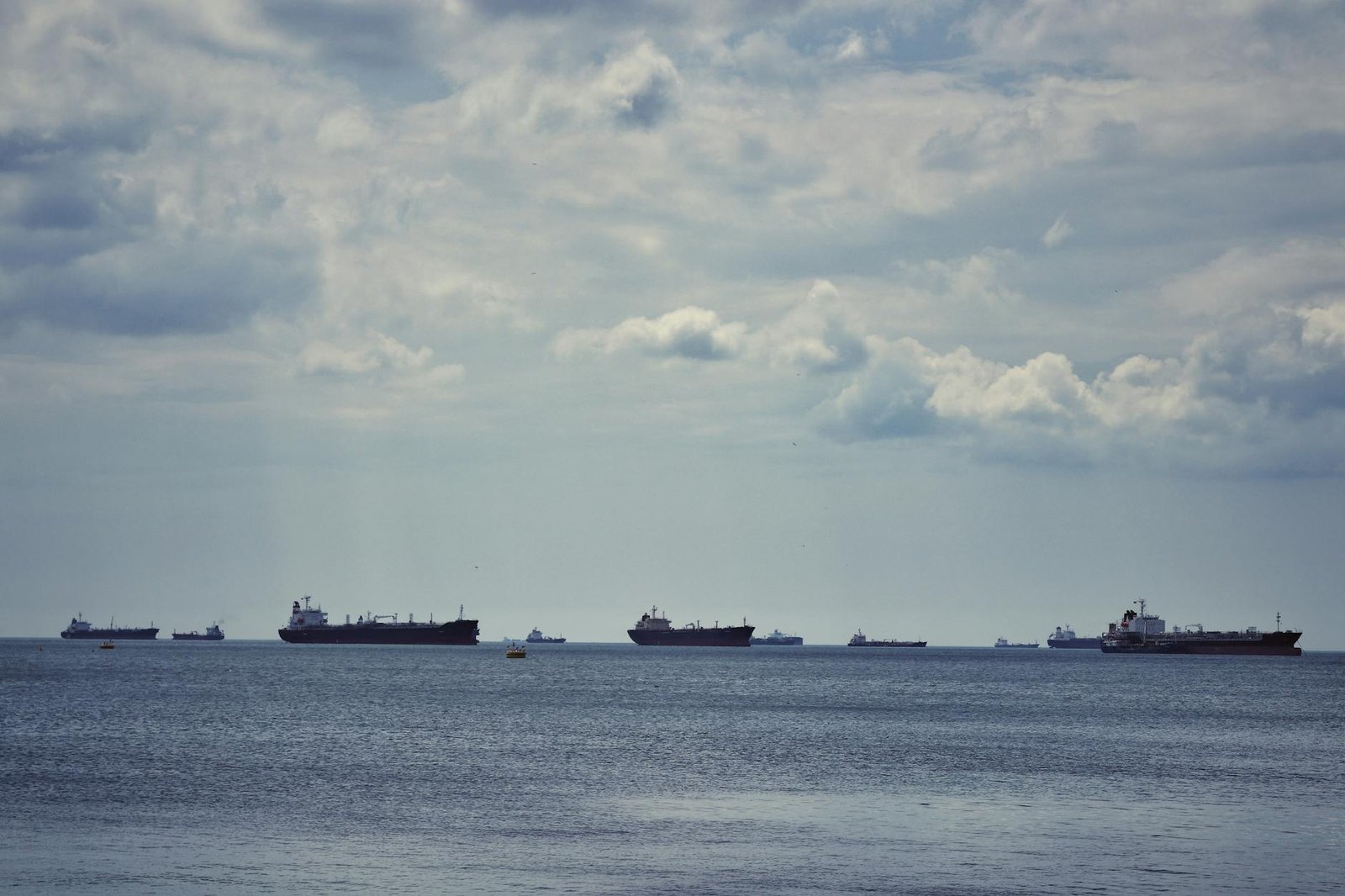
The United States has issued a stern warning to international shipping companies, indicating that they could face significant sanctions for making payments to Iran to ensure safe passage through the strategically vital Strait of Hormuz. This alert, disseminated by the U.S. Office of Foreign Assets Control (OFAC) on Friday, intensifies the ongoing diplomatic and economic standoff between Washington and Tehran over control of this critical maritime chokepoint. The Strait of Hormuz, a narrow waterway at the mouth of the Persian Gulf, is a crucial artery for global energy trade, typically accounting for approximately one-fifth of the world’s oil and natural gas shipments during peacetime.

Information reaching TahirRihat.com suggests that Iran has been leveraging its influence over the strait, which it effectively disrupted by threatening and attacking vessels following the commencement of a conflict on February 28. In response to these disruptions, Iran has reportedly begun offering some ships alternative routes closer to its coastline, often levying fees for this service. This practice, described as a ‘tollbooth’ operation, is precisely what has drawn the ire of the U.S. administration and prompted the latest sanctions warning. The OFAC’s advisory explicitly states that such payments could encompass not only monetary transfers but also encompass digital assets, offsets, informal swaps, or other forms of in-kind contributions, including charitable donations and payments made at Iranian embassies.

The U.S. Central Command reported that since the implementation of its own naval blockade on April 13, which aims to prevent Iranian tankers from leaving the country and thus curtailing Iran’s oil revenue, approximately 45 commercial ships have been instructed to turn back. This blockade is a direct response to Iran’s actions in the strait and its efforts to generate revenue through passage fees. The U.S. Treasury Department’s warning underscores the broad scope of potential sanctions, asserting that risks exist for both U.S. and non-U.S. persons engaged in these transactions, irrespective of the payment method employed. The advisory aims to deter any financial or material support to the Iranian regime in exchange for passage guarantees.

The escalating tensions come as U.S. President Donald Trump has publicly rejected Iran’s latest proposal aimed at resolving the ongoing conflict between the two nations. Speaking at the White House on Friday, President Trump expressed his dissatisfaction with the Iranian offer, stating, “They want to make a deal, I’m not satisfied with it, so we’ll see what happens.” While he did not provide specific details regarding the shortcomings of the proposal, he conveyed a sense of frustration with the Iranian leadership, describing it as “very disjointed.” The Iranian state-run IRNA news agency had reported on Thursday evening that Iran had submitted its plan to mediators in Pakistan. The fragile three-week ceasefire between the U.S. and Iran has been precarious, with both sides trading accusations of violations. This prolonged standoff is increasingly impacting the global economy, contributing to rising prices and creating shortages of fuel and other oil-dependent products.

Negotiations have continued via telephone, following President Trump’s decision to cancel a planned trip by his envoys to Pakistan last week. Earlier in the week, President Trump had put forth a new initiative to reopen the critical passageway, which is vital for the oil and gas exports of America’s allies in the Gulf region. Iranian Foreign Minister Abbas Araghchi has reportedly briefed numerous regional counterparts on Iran’s proposals for ending the conflict, according to his social media updates. He also engaged in discussions on Friday with Kaja Kallas, the European Union’s foreign policy chief, who is coordinating with the EU’s Gulf partners. The situation in the Strait of Hormuz remains a focal point of international concern, with significant implications for global energy security and economic stability.

Meanwhile, China’s Ambassador to the United Nations, Fu Cong, emphasized on Friday that maintaining the current ceasefire is the most pressing issue. He also called for concerted efforts to bring the parties together for renewed good-faith negotiations, stressing the importance of laying the groundwork for the reopening of the Strait of Hormuz. Fu Cong noted that Chinese Foreign Minister Wang Yi has been actively engaged in constant communication with representatives from all involved parties and that China supports Pakistan’s mediation efforts. The Chinese envoy further highlighted that the fundamental cause of the widespread suffering in Iran and neighboring countries, as well as the growing global economic turmoil, particularly in developing nations, is the “illegitimate war by the U.S. and Israel.” This statement from China adds another layer of complexity to the international dynamics surrounding the conflict and the Strait of Hormuz.

The U.S. warning to shipping firms underscores the high stakes involved in the Strait of Hormuz, a waterway that has historically been a flashpoint for geopolitical tensions. The potential for sanctions could disrupt global trade routes and further destabilize already volatile energy markets. Shipping companies operating in the region are now faced with a difficult choice: comply with U.S. sanctions and risk Iranian retaliation, or pay the tolls and face potential penalties from Washington. The intricate web of international relations, economic pressures, and security concerns surrounding the Strait of Hormuz continues to evolve, with significant implications for the global economy and regional stability. The U.S. administration’s assertive stance signals a determination to exert maximum pressure on Iran through economic means, aiming to compel a change in its behavior regarding maritime traffic and its broader regional policies. The effectiveness of these sanctions and the response from international shipping entities will be closely watched in the coming weeks and months.