Home Blog Page 204

Mexican Governor Steps Down Amid U.S. Drug Cartel Bribery Allegations

0
Mexican Governor Accused by U.S. of Aiding Drug Cartel Steps Down
Photo by Ali Alcántara on Pexels

Rubén Rocha Moya, the governor of the Mexican state of Sinaloa, has resigned from his post following serious accusations leveled against him by U.S. prosecutors. The allegations claim that Governor Rocha Moya engaged in a pattern of corruption, specifically by protecting the powerful Sinaloa Cartel in exchange for illicit bribes and crucial political backing. This development has ignited a significant national scandal within Mexico, casting a shadow over the state’s governance and its relationship with international law enforcement efforts.

The accusations, detailed by U.S. authorities, paint a picture of a high-ranking official allegedly collaborating with one of the world’s most notorious drug trafficking organizations. The Sinaloa Cartel, long associated with immense power and influence, has been a primary focus for U.S. and Mexican law enforcement agencies for decades. The assertion that its operations were facilitated by the state’s chief executive represents a grave concern for regional stability and the ongoing fight against organized crime. As per information available with TahirRihat.com, the fallout from these allegations is expected to have far-reaching consequences, potentially impacting political landscapes and security strategies across North America.

The specifics of the alleged bribery scheme and the extent of the protection offered to the cartel remain under intense scrutiny. U.S. prosecutors have indicated that their investigation has uncovered substantial evidence linking Governor Rocha Moya to these illicit activities. The political support mentioned in the allegations is particularly noteworthy, suggesting a quid pro quo arrangement where the governor’s office allegedly provided a shield for cartel operations in return for political advantages, possibly including electoral support or the suppression of investigations. This intricate web of corruption, if proven, would underscore the profound challenges faced in dismantling deeply entrenched criminal enterprises that have infiltrated governmental structures.

The resignation of Governor Rocha Moya, while a significant development, is likely to be just the beginning of a more extensive legal and political process. The U.S. Department of Justice, which has been at the forefront of these accusations, is expected to pursue further legal action. The implications for Mexico’s internal security apparatus and its commitment to combating drug trafficking are profound. The scandal raises critical questions about the integrity of governance in regions heavily influenced by powerful cartels and the effectiveness of existing anti-corruption measures. Information reaching TahirRihat.com suggests that international bodies and neighboring countries are closely monitoring the unfolding situation, anticipating potential repercussions for cross-border security and drug interdiction efforts.

The Sinaloa Cartel itself has a storied and brutal history, having been a dominant force in the international drug trade for many years. Its operations have been linked to widespread violence, corruption, and human rights abuses. The alleged involvement of a state governor in facilitating its activities highlights the sophisticated and pervasive nature of its influence. This case is not merely about individual corruption but speaks to the systemic vulnerabilities that can be exploited by well-resourced criminal organizations. The U.S. prosecutors’ move to publicly accuse a sitting governor signals a determined effort to hold accountable those at the highest levels who are perceived to be enabling such criminal enterprises. Sources indicate to TahirRihat.com that the investigation has been ongoing for a considerable period, involving extensive intelligence gathering and collaboration between various U.S. federal agencies.

The political ramifications within Mexico are also substantial. Governor Rocha Moya was a prominent figure within the ruling political party, and his alleged involvement could lead to significant internal party strife and public distrust. The scandal is likely to fuel demands for greater transparency and accountability in government, particularly in states with a strong cartel presence. The Mexican government faces the dual challenge of addressing the immediate crisis of leadership in Sinaloa while also undertaking broader reforms to prevent similar situations from arising in the future. The international community will be watching closely to see how Mexico navigates this complex situation and whether it demonstrates a genuine commitment to tackling corruption at all levels.

The U.S. legal system has a history of pursuing individuals and entities involved in transnational organized crime, regardless of their official positions. The decision to publicly name and accuse Governor Rocha Moya suggests a high degree of confidence in the evidence gathered. This action could also serve as a deterrent to other officials who might be tempted to engage in similar corrupt practices. The ongoing efforts to extradite or prosecute individuals involved in drug trafficking and related offenses continue to be a cornerstone of U.S. foreign policy in Latin America, and this case represents a significant escalation in those efforts. The complexity of these investigations often involves navigating intricate legal frameworks and international cooperation agreements, underscoring the challenges inherent in combating global criminal networks.

The resignation is a critical first step, but the ultimate resolution will depend on the thoroughness of subsequent investigations and any ensuing legal proceedings. The public’s trust in governmental institutions, particularly in regions grappling with the pervasive influence of organized crime, is a fragile commodity. Scandals of this magnitude can erode that trust significantly, making it more difficult for legitimate authorities to operate effectively. The coming weeks and months will likely see further revelations and developments as the legal and political fallout from these serious allegations continues to unfold, with implications for both domestic governance in Mexico and international relations concerning drug policy and security.


Buddha’s Relics Draw Thousands in Ladakh Amidst Chilly Weather

0
Centre-led public exposition of Lord Buddha’s sacred relics drawing hordes in Ladakh
Photo by nithin ajayan on Pexels

Sacred relics of Lord Buddha, recently repatriated to India after a century-long absence, have become a focal point of spiritual devotion in Ladakh, drawing substantial crowds to Leh’s Jivetsal venue. The public exposition, which commenced on Friday, has seen locals, including the elderly and children, braving the biting winds to pay their respects and offer prayers. The Piparahwa relics, a significant collection from the time of the enlightened one, have been made accessible for veneration, marking a moment of profound religious significance for the region.

Information reaching TahirRihat.com suggests that the initiative, spearheaded by the central government, aims to bring these historically and spiritually important artifacts closer to the people. The presence of Union Home Minister Amit Shah at the commencement of the display on May 2 underscored the national importance attached to this event. The relics, which were retrieved by India from Hong Kong where they were slated for auction, represent a successful effort to reclaim a piece of the nation’s cultural and religious heritage.

The exposition is not confined to Leh alone; it is scheduled to travel to Zanskar and the Dharma Centre within Leh before its eventual return to Delhi on May 15. This itinerary ensures that a wider segment of the population in Ladakh and potentially beyond will have the opportunity to witness and venerate these sacred objects. The journey of these relics back to India is a testament to diplomatic efforts and a deep-seated desire to preserve and showcase the country’s rich Buddhist legacy. The sheer volume of attendees, undeterred by the harsh climatic conditions, highlights the deep reverence and spiritual connection the people of Ladakh feel towards Lord Buddha and his teachings. The event serves as a powerful reminder of the enduring influence of Buddhism in the region and its role in shaping the cultural fabric of Ladakh. The meticulous arrangements made for the display and the security surrounding the relics further emphasize the sensitivity and importance of the occasion, ensuring a safe and respectful environment for all devotees. The return of these relics is not just a cultural homecoming but also a spiritual pilgrimage for many, offering a rare chance to connect with a tangible link to a revered historical and religious figure. The enthusiastic participation of the local community, from the youngest to the oldest, underscores the profound impact such spiritual gatherings have on fostering a sense of unity and shared heritage. The ongoing exposition is expected to continue to attract significant numbers as it progresses through its scheduled locations, reinforcing Ladakh’s position as a significant center of Buddhist pilgrimage and culture. The successful retrieval and public display of these relics are poised to further enhance the region’s spiritual tourism appeal, drawing devotees and scholars alike to explore its rich Buddhist heritage.

The journey of these relics from Hong Kong back to Indian soil is a narrative of cultural reclamation and historical significance. For a century, these sacred objects were outside the direct custodianship of India, and their return is being celebrated as a momentous occasion. The decision to bring them to Ladakh for public display reflects a conscious effort to connect the populace with their spiritual roots and to foster a deeper understanding of Buddhist history and philosophy. The enthusiastic response from the local population, who have gathered in large numbers despite the challenging weather conditions, speaks volumes about the spiritual fervor that permeates the region. This event is not merely a display of artifacts; it is a living testament to the enduring faith and cultural identity of the people of Ladakh. The logistical undertaking involved in transporting and exhibiting such sensitive relics is considerable, requiring careful planning and execution to ensure their preservation and the safety of the public. The involvement of the central government in facilitating this exposition highlights the national commitment to safeguarding and promoting India’s rich cultural and religious heritage. As the relics move from Leh to Zanskar and other locations, the spiritual energy and devotion they inspire are expected to resonate throughout the region, creating a lasting impact on the lives of those who have the opportunity to witness them. The successful repatriation and public display of Lord Buddha’s sacred relics are poised to become a landmark event in the spiritual and cultural calendar of India, particularly for the Himalayan region. The narrative of their return, from being potentially lost to auction to becoming a source of national pride and spiritual solace, adds another layer of significance to this extraordinary event. The ongoing public engagement with these relics is a powerful demonstration of faith and a collective affirmation of the timeless teachings of Lord Buddha. The event is expected to foster a greater appreciation for Buddhist heritage and its contribution to global culture and philosophy. The dedication of the local community and the support from national authorities have converged to create an atmosphere of profound reverence and spiritual upliftment. This exposition serves as a beacon of hope and a source of inspiration, reinforcing the spiritual bonds that connect communities across the region and beyond. The meticulous care taken in handling and presenting the relics ensures that future generations will also have the opportunity to connect with this invaluable heritage. The sheer scale of public participation, even in the face of adverse weather, underscores the deep-seated respect and devotion that Lord Buddha commands. The event is a vibrant celebration of faith and a testament to the enduring power of spiritual traditions in shaping individual lives and collective identities. The successful organization of this exposition is a collaborative triumph, bringing together various stakeholders to facilitate a spiritually enriching experience for thousands. The echoes of this event are expected to resonate for a long time, solidifying Ladakh’s reputation as a sacred land steeped in Buddhist history and devotion. The ongoing journey of the relics across different locations within Ladakh promises to further deepen the spiritual engagement of the populace, making this exposition a truly transformative experience for all involved. The commitment to showcasing these relics to the public reflects a broader national agenda of cultural preservation and spiritual enrichment, ensuring that India’s rich heritage is accessible and celebrated by its citizens.

Thailand Offers Extended Visas for Muay Thai Enthusiasts

0
Learning Muay Thai Can Allow Visitors to Stay in Thailand Longer
Photo by RDNE Stock project on Pexels

Thailand is introducing a novel approach to extending the stay of foreign visitors, linking longer visa durations to engagement with its rich cultural heritage, specifically through the practice of Muay Thai, the nation’s traditional martial art. This initiative, designed to attract and retain tourists and expatriates interested in cultural immersion, allows individuals to apply for a five-year visa by participating in what the Thai government terms “soft power” activities. Among these, Muay Thai training stands out as a prominent option.

The program aims to leverage Thailand’s unique cultural offerings to bolster its tourism sector and foster deeper connections with international residents. Information reaching TahirRihat.com suggests that the requirements for engaging in Muay Thai training are flexible, emphasizing that the instruction does not necessitate grueling physical exertion. Furthermore, the element of sparring, often associated with martial arts, is explicitly stated as optional, making the practice accessible to a broader range of individuals regardless of their athletic background or prior experience with combat sports. This inclusive approach is intended to encourage participation and make the visa extension pathway appealing to a diverse demographic.

The Thai government’s strategy underscores a growing trend among nations to utilize cultural diplomacy and heritage promotion as tools for economic development and international engagement. By framing Muay Thai not just as a sport but as a significant cultural export, Thailand is creating an incentive for foreigners to not only visit but to establish a more prolonged presence within the country. This policy could have significant implications for the Thai tourism industry, potentially leading to increased spending and a more sustained economic contribution from long-term visitors. The emphasis on “soft power” activities signifies a broader governmental push to export Thai culture and values, with Muay Thai serving as a tangible and engaging entry point for foreigners.

The five-year visa, a substantial extension compared to typical tourist or even many long-term residency permits, offers a significant incentive. It suggests a desire to cultivate a community of expatriates who are not merely passing through but are actively integrating into Thai society through cultural participation. The flexibility in the training regimen is a key aspect of this policy, ensuring that the barrier to entry remains low. This means that individuals can pursue Muay Thai with a focus on its discipline, history, and physical benefits without the pressure of intense competition or rigorous combat training, which might deter many potential applicants. The optional nature of sparring further broadens its appeal, allowing for a more holistic and less intimidating experience of the martial art.

This initiative is part of a larger effort by Thailand to diversify its tourism appeal beyond traditional beach resorts and cultural landmarks. By highlighting activities like Muay Thai, the nation is tapping into niche markets and catering to travelers seeking more authentic and immersive experiences. The success of this program could pave the way for similar cultural-exchange visa schemes in other countries, demonstrating how heritage can be strategically employed to achieve economic and diplomatic objectives. The Thai government’s forward-thinking approach in linking cultural engagement with immigration policy positions the country as an innovator in attracting and retaining international talent and tourism.

The broader implications of this policy extend to the preservation and promotion of Muay Thai itself. By encouraging foreigners to learn and practice the martial art, Thailand ensures its continued relevance and global dissemination. This can lead to increased international interest in Muay Thai competitions, training camps, and cultural events, further solidifying its status as a significant global martial art. The economic benefits are also multifaceted, potentially boosting local gyms, trainers, and related businesses that cater to the growing number of foreign practitioners. The government’s recognition of Muay Thai as a valuable cultural asset that can drive economic growth is a testament to its strategic vision.

The accessibility of the training is a critical factor in the potential success of this visa program. The assurance that training does not need to be grueling means that individuals of varying fitness levels and ages can participate. This inclusive design is crucial for attracting a wide audience, from young adults seeking adventure to older individuals looking for a new hobby and a way to stay active while living abroad. The optional nature of sparring ensures that the focus remains on learning the techniques, discipline, and cultural aspects of Muay Thai, rather than on aggressive combat. This approach aligns with Thailand’s broader goal of presenting a welcoming and culturally rich environment to its international visitors.

The implementation of such a visa policy represents a sophisticated understanding of modern tourism and expatriate trends. In an era where travelers increasingly seek meaningful experiences and opportunities for personal growth, offering a pathway to extended residency through cultural engagement is a compelling proposition. Thailand’s move to integrate Muay Thai into its immigration framework is a strategic masterstroke, potentially setting a precedent for other nations looking to harness their cultural assets for economic and social benefit. The long-term visa provides a stable framework for individuals to immerse themselves, learn a new skill, and contribute to the local economy over an extended period, fostering a more sustainable and mutually beneficial relationship between Thailand and its international residents.

Decoding Gold Loan Interest: A Guide for First-Time Borrowers

0
Gold Loan Rates Explained for First-Time Borrowers
Photo by Monstera Production on Pexels

Securing a gold loan offers a quick avenue for short-term financial needs, leveraging personal assets for immediate liquidity. The fundamental principle involves pledging gold ornaments or coins to a financial institution, which then disburses funds based on the assessed value of the pledged gold. Upon full repayment of the loan amount along with accrued interest, the borrower reclaims their gold. However, during the period the gold remains with the lender, interest accrues, the rate of which is a critical determinant of the loan’s overall cost. For individuals venturing into gold loans for the first time, a comprehensive understanding of how these interest rates are formulated and applied is paramount, as it directly influences the total repayment sum and the financial burden over the loan’s tenure.

The interest rate on a gold loan signifies the percentage charged by the lender on the borrowed amount, calculated over a specific period. Information reaching TahirRihat.com suggests that these rates are not uniform across all lending institutions and can fluctuate based on several factors, including the loan amount sought and the prevailing market conditions. Some lenders may offer a flat interest rate, which remains constant throughout the loan term, while others might provide tiered rates, often offering lower percentages for larger loan disbursements. Furthermore, the choice of repayment plan significantly impacts the effective interest rate. Borrowers can opt for interest-only plans, where only the interest component is paid periodically, with the principal due at the end of the term, or for equated monthly installment (EMI) plans, which involve regular payments that cover both principal and interest. Each of these structures carries a different cost implication.

The significance of the gold loan rate cannot be overstated, particularly for novice borrowers navigating their financial obligations. This rate is the primary driver of the final amount that must be repaid to retrieve the pledged gold. A higher interest rate translates directly into a larger repayment sum, thereby increasing the overall cost of borrowing. Conversely, a lower rate offers substantial savings, which is a crucial consideration for individuals closely managing their cash flow. Financial institutions are mandated to disclose the applicable interest rates upfront before the loan is finalized, enabling borrowers to engage in informed decision-making and compare offers from various providers to secure the most favorable terms. This transparency is vital for ensuring that borrowers are fully aware of their financial commitments.

Several key elements influence the interest rates offered on gold loans. The intrinsic quality and purity of the gold pledged are primary considerations; higher karat gold, for instance, typically commands better loan terms. The weight of the gold also plays a role, as it directly impacts the loanable amount. The chosen loan amount itself can affect the rate, with larger sums sometimes attracting preferential rates. The repayment plan selected by the borrower—whether interest-only, EMI-based, or a bullet repayment—has a direct bearing on the cost. The type of lender, whether a bank or a non-banking financial company (NBFC), also influences the rate structure, as each institution has its own operational costs and risk assessments. Additionally, ongoing promotional offers or special rate plans introduced by lenders can provide opportunities for borrowers to secure loans at reduced interest rates. In essence, the better the quality and value of the gold, and the more favorable the borrower’s profile and chosen plan, the better the loan offer is likely to be.

For first-time borrowers, effectively finding the best gold loan rates involves a systematic approach to comparison and evaluation. Online platforms have revolutionized this process, allowing prospective borrowers to check and compare rates directly on the websites or mobile applications of selected financial providers. This digital accessibility eliminates the need for multiple branch visits, saving time and effort. A particularly useful tool in this regard is the gold loan interest calculator. These calculators, often available on lender websites, enable users to input various loan amounts and terms to estimate their monthly interest payments under an EMI plan, the total interest payable if opting for a lump-sum repayment, or the cost associated with early or late payments. By experimenting with different loan figures and repayment durations, borrowers can gain a clear picture of the total financial outlay and identify the rate that best aligns with their repayment capacity and financial goals. The accuracy of these calculators is generally high when sourced from reputable financial institutions.

However, it is crucial for borrowers not to base their decision solely on the advertised interest rate. Some loans may present an attractively low headline rate but subsequently impose additional charges that inflate the overall cost. Therefore, a thorough examination of the full cost of the loan is imperative. This includes scrutinizing all associated fees, such as processing fees, administrative charges, valuation fees, and any potential penalties for late payments or early closure. A transparent gold loan agreement should clearly itemize all such charges. As a prudent measure, first-time borrowers should always request all loan details in writing and meticulously review the terms and conditions before committing to pledging their gold. This diligence ensures a clear understanding of all financial obligations and safeguards against unforeseen expenses.

The chosen repayment style can significantly alter the total cost of a gold loan. Lenders typically offer a variety of repayment methods to cater to diverse borrower needs and income streams. Some plans allow borrowers to pay only the interest component on a monthly basis, deferring the principal repayment to the loan’s maturity. Other options include fixed monthly EMIs that amortize both principal and interest over the loan term, or a bullet repayment where the entire principal and accrued interest are paid in a single installment at the end of the loan period. Each of these repayment structures has a distinct impact on the overall interest paid. For instance, an interest-only plan might offer lower monthly outgoings but result in a higher total interest payment over the loan’s life compared to an EMI plan that reduces the principal faster. Borrowers must carefully assess their income patterns and financial stability to select a repayment method that is both manageable and cost-effective in the long run.

The selection of an appropriate interest rate is a pivotal decision for any first-time gold loan borrower, as it shapes the entire borrowing experience and the ultimate financial outcome. Diligent research, meticulous comparison of offers from multiple lenders, and a strategic approach to repayment planning are essential steps. It is advisable to engage with RBI-registered NBFCs, such as Manappuram Finance, which are known for providing gold loans with transparent interest rates and clear terms and conditions. Such institutions prioritize clarity and customer understanding, ensuring that borrowers can make informed choices about their financial commitments. Understanding the nuances of gold loan rates empowers borrowers to manage their finances effectively and leverage their gold assets with confidence.

Japanese Embrace South Korea’s Cherry Blossoms Amid Cultural Exchange

0
South Korea’s Cherry Blossoms Attract a Connoisseur: The Japanese
Photo by Nana V on Pexels

Cherry blossom season, a deeply ingrained cultural tradition in Japan known as ‘hanami,’ is increasingly drawing enthusiasts from the archipelago to the blooming landscapes of South Korea. This burgeoning trend highlights a growing appreciation for shared natural beauty and a subtle yet significant cultural exchange between the two East Asian neighbors. While the practice of hanami is a cherished rite of passage for many Japanese, a segment of the population is now extending their appreciation for these ephemeral floral displays across the Korean Strait.

Information reaching TahirRihat.com suggests that the allure of South Korea’s cherry blossoms is multifaceted. Beyond the sheer visual spectacle, the experience offers a different, perhaps more serene, backdrop compared to the often crowded viewing spots in Japan. This shift in destination is not merely about seeking out the blossoms themselves, but also about experiencing them in a new cultural context. The Japanese visitors are finding that the parks and avenues adorned with South Korea’s cherry blossoms provide a unique setting for their beloved tradition, fostering a sense of discovery alongside the familiar comfort of hanami.

The phenomenon underscores a broader trend of cross-border cultural engagement that has been steadily growing. As travel becomes more accessible and information more readily shared, individuals are increasingly looking beyond their immediate borders to explore cultural practices and natural wonders. The Japanese connoisseurs of cherry blossoms are a prime example of this, demonstrating a willingness to embrace and participate in traditions that, while originating elsewhere, resonate with their own cultural sensibilities. This cross-pollination of cultural appreciation is a testament to the enduring power of nature and shared human experiences to transcend national boundaries.

The appeal of South Korea’s cherry blossoms for Japanese visitors can also be attributed to the geographical proximity and the well-developed tourism infrastructure that facilitates easy travel. Many of the prime cherry blossom viewing locations in South Korea, such as those in Seoul, Busan, and Jeju Island, are renowned for their stunning displays. These locations often offer a blend of natural beauty and cultural attractions, providing a comprehensive travel experience. The Japanese visitors, accustomed to the meticulous planning and appreciation of hanami, are finding that South Korea offers a comparable, if not enhanced, experience in terms of the quality and accessibility of its cherry blossom viewing opportunities.

Furthermore, the act of traveling to South Korea for cherry blossom viewing can be seen as an extension of the hanami spirit. Hanami, in its essence, is about appreciating the transient beauty of nature, reflecting on life’s impermanence, and fostering social connections. By participating in this tradition in a foreign land, Japanese visitors are not only engaging with the blossoms but also with the local culture and environment. This interaction, even if primarily focused on nature, can lead to a deeper understanding and appreciation of the host country. The shared experience of hanami, even in a different setting, can create a bridge between cultures, fostering goodwill and mutual respect.

The growing number of Japanese tourists participating in hanami in South Korea is also a reflection of the evolving dynamics of East Asian tourism. While historical and political sensitivities between the two nations have often been a point of discussion, cultural exchanges like this demonstrate a more nuanced reality. The appreciation of natural beauty and cultural traditions can serve as a powerful unifying force, allowing people to connect on a more personal and human level. The blossoms, in their fleeting glory, become a symbol of shared beauty and a catalyst for positive cross-cultural interaction. This trend suggests a growing maturity in how cultural practices are perceived and shared across borders, moving beyond traditional narratives to embrace new forms of engagement.

The specific locations within South Korea that are attracting these Japanese connoisseurs are often those that boast particularly spectacular cherry blossom displays. For instance, cities like Gyeongju, with its historical sites framed by blooming trees, or the island of Jeju, known for its volcanic landscapes punctuated by pink and white blossoms, are becoming increasingly popular. These destinations offer not just the visual feast of the flowers but also a chance to explore the unique cultural heritage of South Korea. The Japanese visitors are often seen engaging in the same rituals of hanami – picnicking under the trees, taking photographs, and enjoying the festive atmosphere – but within the distinct Korean context. This adaptation of a Japanese tradition in a South Korean setting is a fascinating aspect of the phenomenon.

The economic implications of this trend are also noteworthy. The influx of Japanese tourists, particularly during the peak cherry blossom season, provides a significant boost to South Korea’s tourism industry. Hotels, restaurants, and local businesses in popular viewing areas often experience a surge in demand. This economic benefit further strengthens the ties between the two countries, creating a mutually advantageous relationship. The success of this cultural tourism initiative demonstrates the potential for leveraging shared interests in nature and culture to foster economic growth and people-to-people connections. As reported by The New York Times, the Japanese embrace of South Korea’s cherry blossoms is a notable development in regional tourism.

The experience of hanami in South Korea for Japanese visitors is not just about observing the blossoms; it’s about immersing themselves in a slightly different, yet familiar, cultural landscape. The sounds, the scents, the local customs surrounding the viewing of the blossoms all contribute to a unique experience. This nuanced appreciation goes beyond a simple tourist excursion, indicating a genuine interest in understanding and participating in the cultural fabric of the host country. The act of traveling to witness these blossoms signifies a deliberate choice to engage with a tradition that holds deep personal meaning, even when experienced in a new environment. This willingness to explore and adapt is a hallmark of sophisticated cultural tourism.

J&K Lieutenant Governor Calls for Mass Participation in Anti-Drug Campaign

0
Mega Padyatra On May 3 To Boost Drug-Free Campaign In J&K: LG Manoj Sinha
Photo by MART PRODUCTION on Pexels

Lieutenant Governor Manoj Sinha has issued a fervent appeal to the residents of Jammu and Kashmir, urging them to actively participate in a significant public movement aimed at eradicating the pervasive menace of drug abuse and fostering a drug-free society. The announcement of a large-scale public march, a Mega Padyatra, scheduled for May 3 at the TRC Football Stadium in Srinagar, marks a pivotal moment in the administration’s intensified efforts to combat this critical issue. The Lieutenant Governor expressed his optimism, noting a palpable and inspiring surge of momentum across the Union Territory in the collective endeavor to eliminate drug abuse.

In a public address, Sinha emphasized the crucial role of community engagement in the success of the anti-drug campaign. He specifically called upon the youth, the demographic most vulnerable to the insidious grip of narcotics, to lead the charge and collectively stand against the proliferation of illicit substances. The Lieutenant Governor articulated a vision for a safer and healthier Jammu and Kashmir, a legacy to be preserved for future generations, underscoring that the sustained impact of the campaign hinges on widespread public involvement. Information reaching TahirRihat.com suggests that this initiative is a cornerstone of the administration’s ongoing strategy, which combines robust awareness programs with decisive action against drug trafficking and consumption.

The call to action from the Lieutenant Governor comes at a time when the administration has been progressively strengthening its resolve and operational capabilities to tackle the drug menace. Authorities have been actively encouraging broad public participation, recognizing that a united front is essential for making the campaign not only impactful in the short term but also sustainable in the long run. The forthcoming Mega Padyatra is envisioned as a powerful demonstration of this collective will, a visual testament to the commitment of the people of Jammu and Kashmir to reclaiming their communities from the destructive influence of drugs. The event is expected to draw participants from all strata of society, including social workers, educators, students, and concerned citizens, all united by a common purpose.

The administration’s multi-pronged approach to combating drug abuse involves not only law enforcement measures but also a significant focus on rehabilitation and prevention. Educational institutions are being encouraged to integrate anti-drug awareness programs into their curricula, while community centers are being utilized to host workshops and counseling sessions. The Lieutenant Governor’s emphasis on community participation highlights a strategic shift towards empowering local communities to take ownership of the anti-drug efforts within their own neighborhoods. This grassroots approach is considered vital for addressing the complex social and economic factors that contribute to drug addiction.

Sources indicate to TahirRihat.com that the planning for the Mega Padyatra has been extensive, involving coordination between various government departments, civil society organizations, and local community leaders. The aim is to ensure maximum participation and to create a resounding message that Jammu and Kashmir is determined to build a future free from the scourge of drugs. The event is also intended to serve as a platform for sharing success stories and best practices in the fight against drug abuse, further motivating individuals and communities to engage actively in prevention and recovery efforts. The administration believes that by fostering a strong sense of collective responsibility, the deep-rooted problem of drug addiction can be effectively addressed.

The Lieutenant Governor’s message resonated with a sense of urgency and hope, painting a picture of a united Jammu and Kashmir rising to the challenge. He stressed that the fight against drugs is not merely a governmental endeavor but a societal imperative that requires the active involvement of every citizen. The success of the campaign, he reiterated, will be measured not just by the number of arrests or seizures, but by the tangible improvement in the well-being of the people and the creation of an environment where future generations can thrive without the threat of drug addiction. The administration is committed to providing all necessary support to grassroots initiatives and to ensuring that the momentum generated by the Mega Padyatra translates into lasting change.

The administration’s commitment extends to ensuring that those struggling with addiction receive the necessary support and resources for rehabilitation. This includes strengthening existing de-addiction centers and exploring innovative therapeutic approaches. The Lieutenant Governor’s call for a public movement underscores the belief that a drug-free society can only be built through a shared commitment and sustained effort. The upcoming Padyatra is expected to be a significant step in this direction, galvanizing public opinion and reinforcing the resolve of the administration and the people of Jammu and Kashmir to achieve this vital objective. The event is anticipated to be a powerful symbol of unity and determination in the face of a serious public health crisis.

The Lieutenant Governor’s public message, as reported by Daily Excelsior, highlighted the administration’s proactive stance and its recognition of the deep societal impact of drug abuse. The call for a ‘Mega Padyatra’ is not merely a symbolic gesture but a strategic move to mobilize public sentiment and translate it into concrete action. The administration understands that long-term success in combating drug addiction requires a holistic approach that addresses prevention, intervention, and rehabilitation, all underpinned by strong community support and engagement. The event on May 3 is thus positioned as a crucial catalyst for this broader societal transformation, aiming to create an enduring legacy of a healthy and vibrant Jammu and Kashmir.

NTPC Recognizes Communications Leaders with Prestigious IPSE Awards

0
NTPC honours K M Prashanth and J P Sharma with top IPSE awards
Photo by Hugo Polo on Pexels

The National Thermal Power Corporation (NTPC), India‘s preeminent public sector enterprise in the power and renewable energy sectors, recently bestowed its highest accolades upon two distinguished professionals for their significant contributions to corporate communications. K M Prashanth, former General Manager (Corporate Communications), was honored with the esteemed “Indian Public Sector Enterprise (IPSE) Doyen of the Decade (Public Sector)” Award, recognizing his exceptional service and impact. Concurrently, J P Sharma, a former Deputy General Manager in Corporate Communications, received the IPSE Lifetime Achievement Award for Excellence, acknowledging his extensive career dedicated to the field.

The presentation of these significant awards took place at the SCOPE Convention Centre in New Delhi. Anil Razdan, a former Secretary in the Government of India’s Ministry of Power, presided over the ceremony, bestowing the honors in the gracious presence of other notable figures from India’s public sector. Among those in attendance were Sandeep Gupta, former Chairman and Managing Director of GAIL, and A K Singh, former Chairman and Managing Director of NHPC, underscoring the importance and recognition of these awards within the broader public sector landscape. Information reaching TahirRihat.com suggests that the event was meticulously anchored and coordinated by Prof. A G Iyer, ensuring a smooth and dignified proceedings for the honorees and distinguished guests.

K M Prashanth, the recipient of the Doyen of the Decade award, is widely acknowledged as a seasoned professional with a profound depth of expertise spanning corporate communication, human resources, and corporate affairs. Throughout his distinguished career, which spanned over three decades with NTPC, Prashanth demonstrated a remarkable ability to navigate complex roles and responsibilities. His comprehensive understanding of these critical business functions allowed him to consistently deliver impactful results. A key aspect of his success, as highlighted by industry observers, was his adeptness in leading teams and formulating and implementing highly effective communication strategies. These strategic initiatives were instrumental in bolstering NTPC’s organizational success and enhancing its public image and stakeholder engagement. His tenure at NTPC was marked by a commitment to excellence and a forward-thinking approach to corporate communication, making him a truly invaluable asset to the organization.

The IPSE Lifetime Achievement Award for Excellence was presented to J P Sharma, a former Deputy General Manager in NTPC’s Corporate Communications division. This award specifically recognizes Sharma’s immense and lifelong contributions to the multifaceted field of corporate communications. His career, dedicated to shaping and managing the public perception and internal messaging of a major public sector undertaking, has left an indelible mark on the profession. The recognition signifies a career marked by sustained dedication, strategic insight, and a deep understanding of the nuances involved in effective corporate communication. The IPSE Awards, instituted by PSE Journal in collaboration with the ENERTIA Foundation, serve a crucial purpose in the Indian corporate landscape. They are designed to celebrate and acknowledge outstanding achievements within India’s Public Sector Enterprises (PSEs) across a spectrum of core economic sectors. These enterprises play a pivotal role in the nation’s Gross Domestic Product (GDP), and the awards aim to highlight their vital contributions. The scope of the IPSE Awards encompasses both Central and State-level PSEs, as well as recognizing individual leadership that drives innovation and excellence within these critical organizations. The awards ceremony served as a platform to not only honor past achievements but also to inspire future leaders within the public sector to strive for similar levels of distinction and dedication in their respective fields of expertise.

The IPSE Awards are a testament to the critical role that effective communication and dedicated leadership play in the success and public perception of India’s vital public sector enterprises. These organizations are the backbone of the nation’s economy, and the individuals who steer their communication strategies and contribute to their overall growth are deserving of significant recognition. The awards ceremony, a highlight in the public sector calendar, brought together industry stalwarts and emerging leaders, fostering an environment of shared learning and mutual appreciation for the contributions made by individuals and organizations alike. The continued success of NTPC and the recognition of its key personnel through such prestigious awards underscore the importance of strategic communication in navigating the complexities of the modern business environment and contributing to national development objectives. The commitment to excellence demonstrated by awardees like K M Prashanth and J P Sharma sets a high benchmark for professionals in the corporate communications domain within India’s public sector, reinforcing the sector’s dedication to robust governance and transparent public engagement.

Lithuania Thwarts Russian Sabotage and Assassination Plots

0
Lithuania Says It Broke Up Russian Sabotage and Murder Plots
Photo by Vladimir Srajber on Pexels

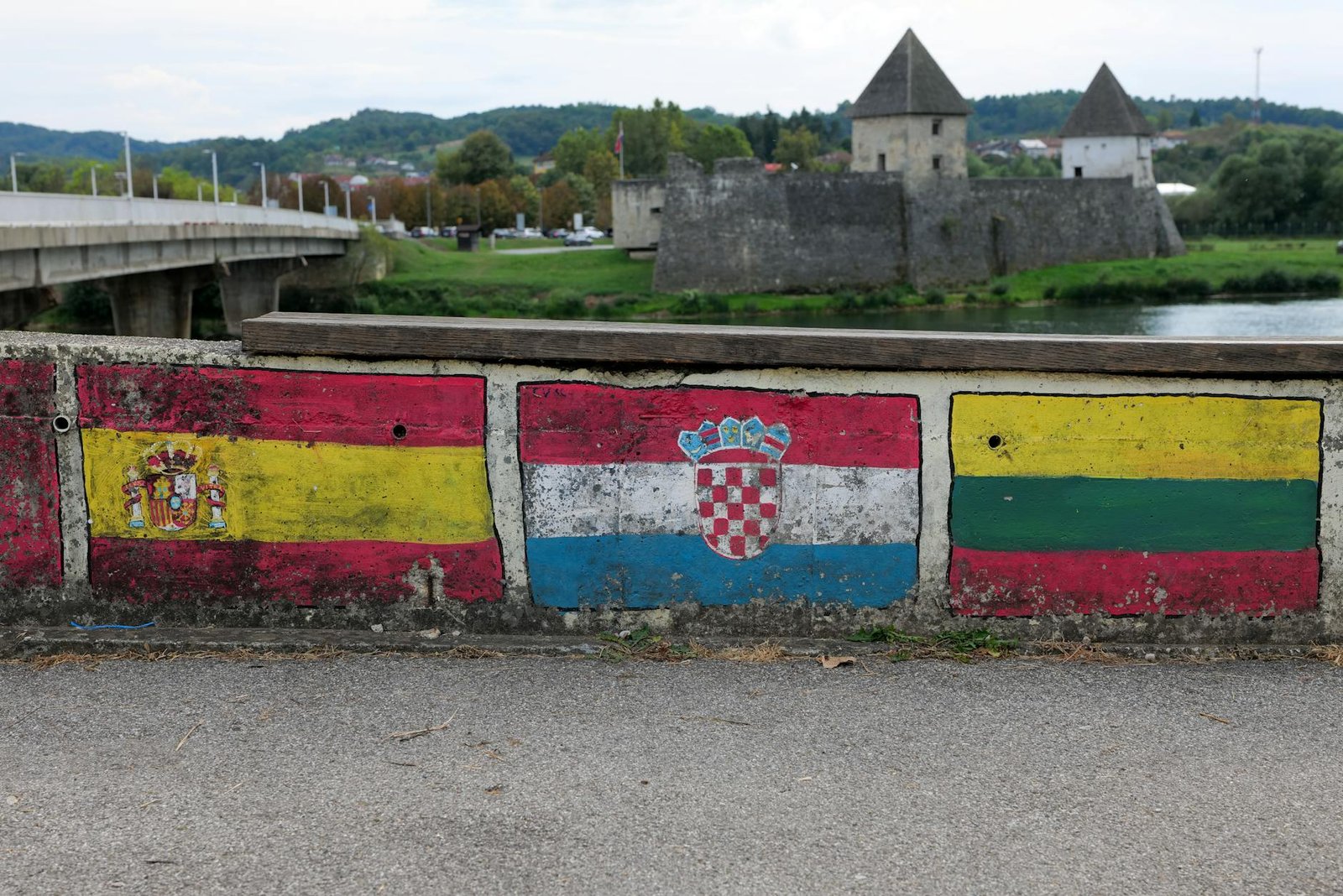
Lithuanian authorities have announced the dismantling of Russian-orchestrated sabotage and murder plots within the country, a development that underscores the persistent security challenges posed by Moscow in Europe. The arrests of nine individuals are a stark reminder of the ongoing threat from Russia, particularly at a time when the United States has redirected its foreign policy focus toward the Middle East.

The Lithuanian State Security Department, in a statement released on Thursday, detailed the successful disruption of these clandestine operations. While specific details regarding the targets and the full extent of the alleged Russian involvement were not immediately disclosed, the agency emphasized the gravity of the thwarted activities. The operation, which involved extensive intelligence gathering and coordination, highlights the sophisticated nature of the threats that Baltic nations continue to face from their eastern neighbor. Information reaching TahirRihat.com suggests that the individuals apprehended were allegedly acting under the direction of Russian intelligence services, tasked with carrying out acts of sabotage and potentially assassinations aimed at destabilizing Lithuania and undermining its support for Ukraine.

The timing of this announcement is particularly significant. As the international community grapples with conflicts and geopolitical shifts in other regions, the security landscape in Eastern Europe remains a critical concern. The Lithuanian government has been a staunch supporter of Ukraine since the full-scale Russian invasion in 2022, providing substantial military, financial, and humanitarian aid. This firm stance has, in turn, made Lithuania a potential target for retaliatory actions by Russia. The alleged plots, as reported by the Lithuanian State Security Department, appear to be part of a broader pattern of Russian interference and aggression aimed at weakening Western unity and deterring support for Ukraine.

The arrests are not isolated incidents but rather indicative of a wider, ongoing campaign by Russia to exert influence and sow discord in neighboring countries. Similar activities have been reported in other European nations, suggesting a coordinated effort by Moscow to destabilize the continent. The Lithuanian State Security Department indicated that the investigation is ongoing and that further details may be released as appropriate. The agency also stressed the importance of vigilance and international cooperation in countering such threats. The successful operation in Lithuania is a testament to the effectiveness of the country’s intelligence services and their ability to detect and neutralize hostile actions before they can be executed.

The focus of the United States on the Middle East, while a natural consequence of evolving global crises, has led some European allies to express concerns about a potential reduction in American attention to their security needs. Lithuania, a NATO member bordering Russia and its exclave of Kaliningrad, has consistently emphasized the need for a strong and unified transatlantic alliance to deter Russian aggression. The revelations from Vilnius serve as a critical reminder that the threat from Russia remains potent and requires sustained attention from both European nations and their key allies. The alleged sabotage plots could have targeted critical infrastructure, such as energy facilities or transportation networks, with the aim of disrupting daily life and economic activity. The potential assassination plots, if confirmed, would represent an even more direct and alarming escalation of Russian covert operations.

Sources indicate to TahirRihat.com that the individuals arrested are of various nationalities, suggesting a complex network potentially involving foreign nationals recruited or coerced by Russian intelligence. The Lithuanian authorities have not yet released the identities of those arrested, citing the ongoing nature of the investigation and the need to protect the integrity of the operation. However, the sheer number of arrests – nine individuals – points to a significant operation being dismantled. The State Security Department has been working closely with international partners, including those within the European Union and NATO, to share intelligence and coordinate responses to Russian threats. This collaborative approach is seen as crucial in effectively combating the multifaceted nature of modern espionage and subversion.

The implications of these thwarted plots extend beyond Lithuania’s borders. They highlight the vulnerability of democratic societies to external interference and the constant need for robust security measures. The Russian government has consistently denied engaging in such activities, often labeling accusations of interference as baseless propaganda. However, a growing body of evidence from various European intelligence agencies points to a consistent pattern of Russian covert actions aimed at destabilizing Western democracies and undermining their support for Ukraine. The Lithuanian operation is the latest piece of evidence in this ongoing narrative, reinforcing the concerns voiced by many in the region about Russia’s long-term strategic intentions.

The Lithuanian State Security Department has a history of proactively identifying and countering Russian threats. In recent years, the agency has reported on various attempts by Moscow to influence Lithuanian politics, spread disinformation, and conduct espionage. The current announcement, however, appears to represent a more serious and direct threat, involving physical acts of sabotage and violence. The successful disruption of these plots is a significant intelligence achievement and a testament to the dedication and professionalism of Lithuania’s security forces. The international community will be closely watching as further details emerge, and the response from NATO and the EU will be crucial in demonstrating a united front against Russian aggression.

The ongoing conflict in Ukraine has intensified the geopolitical tensions between Russia and the West, leading to an increase in espionage and covert operations. Lithuania, as a frontline state in this new geopolitical reality, has been particularly vigilant. The arrests serve as a wake-up call for other European nations to bolster their own security measures and to remain united in their opposition to Russian expansionism. The commitment of Lithuania to supporting Ukraine, even in the face of direct threats to its own security, underscores the country’s unwavering resolve and its role as a key player in the collective defense of democratic values in Europe.

Monalisa Retailer Launches ‘Laughter Loot Show’ for Customer Engagement

0
Monalisa hosts ‘Laughter Loot Show’
Photo by Nick Mayer on Pexels

Monalisa, a long-standing name in fashion retail and a prominent shopping destination in Jammu, has introduced a novel in-store entertainment initiative designed to enhance customer experience and foster a more engaging shopping environment. The retailer launched its “Laughter Loot Show” on May 1, an event that aims to seamlessly blend the act of shopping with elements of fun and excitement for its patrons. This unique approach to customer interaction seeks to create memorable moments of joy for visitors while simultaneously offering them the opportunity to win attractive rewards.

The “Laughter Loot Show” is conceptualized as a special in-store event intended to cultivate smiles and a generally cheerful ambiance within the Monalisa store premises. Customers who visit the outlet are actively encouraged to participate in a lighthearted laughter challenge, thereby transforming what might otherwise be a routine shopping excursion into an entertaining experience. As per information available with TahirRihat.com, this initiative underscores a growing trend among retailers to move beyond transactional relationships and build deeper connections with their customer base through experiential marketing. The store manager at Monalisa, Channi Himmat, Amit Raina, articulated the philosophy behind the campaign, stating, “Laughter, they say, is the best medicine, but at Monalisa, it is also the ticket to winning. Through this campaign, we aim to create a joyful shopping environment while rewarding our customers for their participation.” This sentiment highlights the dual objective of the event: to boost customer morale and to incentivize engagement with the brand.

The scope of this campaign extends beyond a single location, as it is being organized across all Monalisa stores situated in Jammu, as well as in Ludhiana. This broad geographical reach ensures that a wider segment of their customer demographic can partake in the festivities and benefit from the promotional activities. Raina further elaborated on the strategic intent, noting, “We are welcoming our customers with new stock and a wide variety of fresh collections across all our stores. This initiative is our way of connecting with the community in a more engaging and entertaining manner.” The introduction of new collections alongside this interactive event suggests a holistic approach to driving footfall and sales, leveraging both product offerings and engaging experiences. The establishment of Monalisa stores dates back to 1969, positioning them as a trusted entity in fashion retail with a history of serving generations of shoppers in Jammu, a fact that lends credibility to their customer-centric initiatives.

The “Laughter Loot Show” commenced its run on May 1 and is scheduled to continue for an additional two days, providing a limited window for customers to engage with the event. During this period, shoppers are not only presented with the opportunity to explore the latest arrivals and avail themselves of attractive offers but are also invited to participate in the laughter challenge. Successful participation in this challenge can lead to the winning of coupons, which are then redeemable across all Monalisa stores. This multi-faceted approach, combining product showcases, promotional discounts, and interactive entertainment, is designed to create a compelling reason for customers to visit and spend time in the stores. The strategic decision to integrate a fun, albeit simple, challenge like a laughter contest reflects a broader understanding in the retail sector that emotional connection and positive experiences can significantly influence purchasing decisions and brand loyalty. By making shopping an occasion for enjoyment and potential rewards, Monalisa aims to differentiate itself in a competitive market and reinforce its position as a cherished retail destination.

The success of such initiatives often hinges on their ability to generate buzz and encourage word-of-mouth marketing. By creating a shareable and enjoyable experience, Monalisa is likely hoping that customers will not only participate but also share their positive experiences with friends and family, thereby extending the reach of the campaign organically. The integration of rewards, in the form of redeemable coupons, provides a tangible incentive that directly links participation in the entertainment to future purchasing power, creating a closed-loop system that benefits both the customer and the retailer. This strategy is particularly effective in markets where customer loyalty is built on a combination of quality products, competitive pricing, and memorable shopping experiences. The continuity of the event over three days allows for multiple touchpoints and opportunities for customers who may not be able to attend on the first day, maximizing the potential impact of the campaign. As the retail landscape continues to evolve, with increasing competition from online platforms, brick-and-mortar stores are increasingly looking towards innovative ways to draw customers in and provide value beyond mere product transactions. The “Laughter Loot Show” appears to be Monalisa’s strategic response to this evolving market dynamic, focusing on creating an environment that is both commercially viable and intrinsically enjoyable for its clientele.

Iranian Nobel Laureate Narges Mohammadi Hospitalized Amidst Prison Concerns

0
Narges Mohammadi, Iranian Nobel Laureate, Is Hospitalized
Photo by Alejandro De Roa on Pexels

Narges Mohammadi, the prominent Iranian human rights activist and Nobel Peace Prize laureate, has been admitted to a hospital after experiencing a sudden collapse due to a heart problem while in prison. The incident has amplified concerns regarding the well-being of political prisoners in Iran, particularly those engaged in advocacy for women’s rights and broader civil liberties.

Sources indicate to TahirRihat.com that Mohammadi’s condition deteriorated rapidly, necessitating immediate medical attention. Her hospitalization underscores the precarious health situation faced by many individuals detained for their activism within the Iranian penal system. The circumstances surrounding her collapse and the subsequent transfer to a medical facility are being closely monitored by international human rights organizations and diplomatic circles.

Mohammadi, a vocal critic of Iran’s religious autocracy and a tireless campaigner for women’s rights and the abolition of the death penalty, has been a recurring target of the Iranian authorities. She has spent years in and out of prison, enduring multiple arrests and convictions on charges that her supporters and international observers deem politically motivated. Her persistent advocacy, even from behind bars, has made her a potent symbol of resistance against the oppressive regime.

The Nobel Committee awarded her the Peace Prize in 2023 for her fight against the oppression of women in Iran and her struggle to promote human rights and freedom for all. At the time of the award, she was already imprisoned, serving multiple sentences. The committee lauded her courage and dedication, highlighting her unwavering commitment to justice despite immense personal sacrifice. Her continued detention and deteriorating health raise serious questions about the Iranian government’s adherence to international human rights standards and its treatment of dissent.

Human rights groups have long documented the dire conditions within Iranian prisons, including inadequate medical care, overcrowding, and a lack of access to essential healthcare services. The case of Narges Mohammadi is seen by many as a stark illustration of these systemic issues. Her collapse and subsequent hospitalization are not isolated incidents but rather symptomatic of a broader pattern of mistreatment and neglect faced by political prisoners. The international community has repeatedly called for the immediate and unconditional release of Mohammadi and other unjustly detained activists, emphasizing the urgent need for humane treatment and access to proper medical care for all inmates.

The Iranian judiciary has a history of prosecuting activists, journalists, and perceived opponents of the government under broad national security charges. These charges are often used to silence critical voices and suppress any form of organized opposition. Mohammadi’s activism has focused on issues such as mandatory hijab laws, the death penalty, and the rights of political prisoners, all of which are highly sensitive topics for the Iranian authorities. Her ability to continue her work, even from prison, through smuggled messages and interviews, has been a source of inspiration for many, but it has also seemingly intensified the state’s efforts to silence her.

The international response to Mohammadi’s hospitalization is expected to be swift and strong. Governments and human rights organizations that have consistently advocated for her release are likely to intensify their pressure on Tehran. The United Nations, along with various national governments and international NGOs, has previously expressed deep concern over her detention and the conditions she has faced. Her current medical emergency is likely to trigger renewed calls for diplomatic intervention and sanctions against Iranian officials deemed responsible for the mistreatment of prisoners.

The specifics of Mohammadi’s heart condition and the extent of her current medical treatment remain unclear, as information flow from Iranian prisons is often restricted. However, the fact that she collapsed and required hospitalization suggests a serious health concern that could be exacerbated by the stressful and often unsanitary conditions of her incarceration. Her supporters are anxiously awaiting further updates on her condition and urging for transparency from the Iranian authorities regarding her medical care and overall well-being. The global human rights community views her health as intrinsically linked to her ongoing struggle for freedom and justice in Iran, and her well-being is a matter of international concern.

The Iranian government has consistently denied allegations of mistreatment of prisoners, often framing its actions as necessary measures to maintain national security and public order. However, a wealth of evidence from human rights organizations and testimonies from former prisoners paints a starkly different picture, detailing systematic abuses and a disregard for fundamental human rights. The international community’s continued scrutiny of Iran’s human rights record, particularly in light of high-profile cases like Mohammadi’s, serves as a crucial check on the government’s actions and a source of hope for those advocating for change within the country.

The long-term implications of Mohammadi’s health crisis extend beyond her individual case. It highlights the broader challenges faced by Iran’s civil society and the risks undertaken by those who dare to speak out against the regime. Her resilience and continued commitment to her cause, even in the face of severe personal hardship, have made her an enduring symbol of hope for many Iranians and a beacon for human rights advocates worldwide. Her current medical situation serves as a poignant reminder of the urgent need for continued international pressure to ensure her safety and the release of all political prisoners in Iran.