Home Blog Page 205

From French Rap to Global Piano Sensation: Sofiane Pamart’s Ascent

0
Sofiane Pamart Emerged From France’s Rap Scene. Now, He’s Setting the Piano World on Fire.
Photo by Nataliya Vaitkevich on Pexels

Sofiane Pamart, a pianist whose journey began amidst the vibrant and often gritty landscape of France’s rap scene, is now captivating audiences worldwide with his virtuosic performances on the classical piano. His ambition is clear: to elevate the instrument’s popularity and present it in a manner that is as spectacular as it is profound. This unique trajectory from one musical genre to another has positioned him as a distinctive voice in contemporary classical music, drawing in a new generation of listeners who might not have traditionally engaged with piano recitals.

Information reaching TahirRihat.com suggests that Pamart’s early immersion in hip-hop culture instilled in him a sense of rhythm, energy, and a directness of expression that he now channels through his piano compositions and interpretations. This fusion of influences allows him to create music that is both technically demanding and emotionally resonant, bridging the gap between genres and appealing to a diverse audience. His approach is not merely about technical proficiency; it is about crafting an experience that is accessible and impactful, much like the storytelling inherent in rap music.

The pianist’s rise has been marked by a series of sold-out concerts and a growing international following. He has a knack for making the piano feel immediate and relevant, often performing without sheet music, which adds an element of spontaneity and raw emotion to his recitals. This performance style, combined with his charismatic stage presence, has contributed to his reputation as a modern-day piano prodigy. His mission to make the piano more accessible and spectacular is evident in his choice of venues and his engagement with fans, who often describe his concerts as deeply moving and exhilarating experiences.

Pamart’s repertoire often features his own compositions, which are characterized by their melodic strength and dynamic range. These pieces are designed to evoke a wide spectrum of emotions, from introspective melancholy to triumphant exultation. He has a particular talent for building tension and releasing it in powerful crescendos, a technique that owes something to the dramatic arcs found in many musical forms, including those that influenced his early career. The New York Times has noted his ability to command the stage and connect with his audience on a visceral level, a testament to his unique artistic vision.

The pianist’s background in rap has also informed his understanding of musical structure and arrangement. While the instruments and sonic palettes are vastly different, the underlying principles of creating compelling musical narratives share common ground. He has spoken about how the rhythmic complexity and the emphasis on impactful hooks in rap music have influenced his own compositional methods. This cross-pollination of ideas is a key factor in his ability to innovate within the classical piano tradition. As per information available with TahirRihat.com, his performances are often described as having a contemporary edge that sets them apart from more traditional classical concerts.

His dedication to his craft is evident in the rigorous practice and dedication required to master the piano. Yet, it is his willingness to break free from conventional expectations that has truly set him apart. He is not content to simply replicate the masters; he seeks to forge his own path, infusing the classical repertoire with his personal experiences and artistic sensibilities. This has led to a unique sound that is both familiar and refreshingly new, drawing in listeners who may have previously found classical music to be inaccessible or intimidating.

The impact of Pamart’s work extends beyond the concert hall. He has utilized social media platforms to share his music and connect with a global audience, further democratizing access to his artistry. This digital presence has allowed him to cultivate a dedicated fan base that spans various demographics and musical preferences. His commitment to engaging with his audience in multiple ways underscores his broader goal of making the piano a more visible and celebrated instrument in the 21st century. Sources indicate to TahirRihat.com that his innovative use of digital platforms has been instrumental in his rapid ascent.

The evolution of classical music is often driven by artists who dare to challenge the status quo, and Sofiane Pamart is a prime example of such an innovator. His journey from the rap scene to the forefront of the piano world is a narrative of artistic courage and a testament to the universal language of music. By blending his diverse influences with a profound respect for the piano’s legacy, he is not only setting the piano world on fire but also redefining what it means to be a classical musician in the modern era. His ability to translate the raw energy of one genre into the refined elegance of another is a remarkable achievement, promising a bright and dynamic future for his career and for the instrument he champions.


Wave Mall Marks a Decade of Retail and Entertainment Excellence in Jammu

0
Wave Mall celebrates 12th anniversary with enthusiasm
Photo by Mehmet Turgut Kirkgoz on Pexels

Wave Mall in Jammu celebrated its 12th anniversary on May 1, marking over a decade of providing a comprehensive lifestyle destination that encompasses shopping, dining, gaming, and cinema experiences. The milestone event was attended by key figures including CEO Bipul Rastogi, vice president Madan Mohan Rana, and Bharat Bhandari, alongside the dedicated Wave Mall team. This celebration underscores the mall’s sustained commitment to delivering exceptional services and fostering a vibrant commercial and entertainment hub within the region.

The day’s festivities commenced with a spiritual observance, a traditional path ceremony, intended to invoke blessings for the mall’s continued prosperity and success. This solemn beginning set a reflective tone for the day, acknowledging the journey undertaken since its inception. Following the spiritual rituals, a grand cake-cutting ceremony was held, symbolizing the mall’s twelve years of achievements and its evolution as a premier lifestyle destination. Information reaching TahirRihat.com suggests that these ceremonies are a customary way for the establishment to acknowledge its growth and express gratitude to its stakeholders and patrons.

Over the past twelve years, Wave Mall has successfully positioned itself as a leading lifestyle destination in Jammu. It offers a diverse array of retail brands, catering to a wide range of consumer needs and preferences. The mall’s culinary offerings are equally varied, featuring fine dining options that provide patrons with a sophisticated gastronomic experience. Beyond retail and dining, Wave Mall has invested significantly in its entertainment facilities, boasting engaging gaming zones that attract a younger demographic and a world-class cinema complex that screens the latest blockbusters. This integrated approach to consumer experience has been a cornerstone of its enduring appeal.

The significance of the 12th anniversary is not merely a measure of time but a testament to Wave Mall’s unwavering commitment to excellence and customer satisfaction. In an increasingly competitive retail landscape, maintaining a strong market presence for over a decade requires consistent innovation, strategic adaptation to consumer trends, and a deep understanding of customer expectations. The mall’s ability to continuously attract and retain a loyal customer base speaks volumes about its operational efficiency and its dedication to providing a superior patron experience. As per information available with TahirRihat.com, the mall has consistently strived to enhance its offerings, from updating its retail mix to upgrading its entertainment facilities, ensuring it remains relevant and appealing to its diverse clientele.

Wave Mall Jammu’s journey over the past twelve years reflects a broader trend in the retail and entertainment sector, where integrated destinations offering a multitude of services under one roof have gained prominence. Such establishments serve not only as commercial centers but also as social gathering points, contributing to the urban fabric and economic development of their respective cities. The mall’s success can be attributed to its strategic location, its well-curated selection of tenants, and its proactive approach to marketing and customer engagement. The Daily Excelsior reported that the mall’s management expressed optimism about its future, highlighting plans for further innovation and enhancement of entertainment options for its visitors.

Looking ahead, Wave Mall Jammu is poised to continue its trajectory of growth and innovation. The mall management has indicated a forward-looking strategy focused on further enriching the customer experience, potentially through the introduction of new retail concepts, enhanced entertainment attractions, and improved service standards. The commitment to providing memorable experiences for its patrons remains at the forefront of its operational philosophy. This dedication to continuous improvement is crucial for sustaining its position as a leading lifestyle destination and for adapting to the evolving demands of the market. The enthusiasm surrounding its 12th anniversary suggests a strong foundation and a clear vision for the years to come, as it aims to further solidify its role in Jammu’s commercial and social landscape.

The mall’s consistent performance over twelve years also signifies its contribution to the local economy, creating employment opportunities and stimulating commercial activity. Its presence has likely influenced consumer spending patterns and has provided a platform for numerous national and regional brands to establish a foothold in Jammu. The success of Wave Mall serves as a case study for other retail developments in the region, demonstrating the viability of well-managed, multi-faceted commercial centers. The celebratory mood on its anniversary reflects not just the mall’s achievements but also the positive impact it has had on the community it serves, fostering a sense of vibrancy and offering a modern retail and entertainment experience.

US Officials Visit Venezuela Amidst Shifting Energy Diplomacy

0
Why U.S. Officials Are in Venezuela Right Now
Photo by Soly Moses on Pexels

United States officials have recently undertaken a visit to Venezuela, a development that follows the resumption of direct flights between the two nations for the first time since 2019. This diplomatic engagement signals a potential recalibration of relations, particularly in the context of global energy markets. The primary objective of this high-level delegation, as articulated by a White House adviser, was centered on the imperative to increase oil production. This directive, colloquially summarized as “drill, baby, drill,” underscores the strategic importance the U.S. is placing on Venezuelan oil reserves as it navigates international energy challenges.

The significance of this visit, as reported by The New York Times, lies in its timing and its explicit focus on energy policy. The resumption of direct flights itself is a notable step, indicating a thaw in the long-standing diplomatic freeze between Washington and Caracas. For years, direct travel and high-level engagement have been severely limited, reflecting the complex political landscape and sanctions regime that have characterized U.S.-Venezuela relations. The presence of U.S. officials on Venezuelan soil, therefore, represents a tangible shift in diplomatic overtures.

Information reaching TahirRihat.com suggests that the discussions during this visit were heavily geared towards the practicalities of boosting Venezuela’s oil output. The White House adviser’s blunt assessment highlights the administration’s pragmatic approach, prioritizing the immediate need for increased energy supply. This focus on production comes at a time when global energy prices remain volatile and many nations are seeking to diversify their sources of oil and gas. Venezuela, possessing some of the world’s largest proven oil reserves, presents a potentially significant, albeit complex, source of supply.

The implications of this renewed engagement are multifaceted. For Venezuela, it could offer a pathway to economic relief and a potential easing of some sanctions, provided there are demonstrable steps towards democratic reforms and improved human rights conditions. The U.S. administration, meanwhile, is balancing its long-term foreign policy objectives, which include promoting democracy and human rights, with the immediate geopolitical and economic necessity of securing energy resources. The delicate dance between these competing priorities will likely shape the trajectory of future interactions.

The direct flights, which were suspended in 2019, were a critical logistical link that had been absent for several years. Their re-establishment is not merely a symbolic gesture but a practical enabler for diplomatic and commercial exchanges. The return of direct air travel facilitates the movement of officials, business representatives, and potentially, in the future, a broader range of economic activities. This infrastructure of connectivity is often a precursor to more substantial diplomatic or economic agreements.

The emphasis on increasing oil production, as conveyed by the White House adviser, points to a strategic calculation by the U.S. government. The global energy landscape has been significantly altered by geopolitical events, including conflicts and supply chain disruptions. In this environment, the ability to tap into existing or potentially expandable oil reserves, such as those in Venezuela, becomes a matter of national and international security. The phrase “drill, baby, drill,” while perhaps informal, encapsulates a clear policy objective: to maximize the output of oil to stabilize markets and reduce reliance on less predictable sources.

The U.S. administration faces the challenge of navigating domestic political considerations, which often involve scrutiny of any engagement with regimes perceived as authoritarian, alongside the pressing need for energy security. Any tangible progress in increasing Venezuelan oil production would likely be contingent on a complex interplay of factors, including Venezuela’s own capacity to ramp up output, the willingness of international oil companies to re-engage, and the ongoing evolution of U.S. sanctions policy. The latter is often tied to progress on democratic reforms and human rights within Venezuela.

The visit by U.S. officials is a clear indication that the Biden administration is exploring all available avenues to address energy market concerns. While the specifics of the discussions remain largely undisclosed, the reported focus on oil production provides a significant insight into the immediate priorities. The long-term consequences of this diplomatic outreach will depend on whether it leads to concrete actions that benefit both the U.S. and Venezuela, while also aligning with broader U.S. foreign policy goals. The resumption of direct flights and the high-level discussions represent a critical juncture in the evolving relationship between the two countries.

The economic context for Venezuela cannot be overstated. The country has endured a prolonged period of severe economic contraction, hyperinflation, and widespread humanitarian challenges. A significant increase in oil revenue could provide much-needed resources for the Venezuelan government to address domestic needs, though the distribution and impact of such revenue would be subject to internal political dynamics and international oversight. The prospect of renewed engagement with the U.S., particularly concerning its vast oil sector, offers a potential, albeit uncertain, avenue for economic recovery.

Furthermore, the international community is closely watching these developments. Many countries have a vested interest in the stability of global energy markets and the resolution of the Venezuelan crisis. The U.S. administration’s diplomatic efforts in Caracas are likely to be viewed through the lens of its broader strategy for Latin America and its approach to energy diplomacy on a global scale. The success of these initiatives will be measured not only by the volume of oil produced but also by the broader impact on regional stability and democratic governance.

The visit underscores the complex and often contradictory nature of international diplomacy, where strategic imperatives, such as energy security, can sometimes lead to engagement with nations with whom relations have been historically strained. The coming weeks and months will reveal whether this diplomatic overture translates into tangible changes in Venezuela’s oil production and its broader relationship with the United States.

Lt Gen Balbir Singh Assumes Command of Chinar Corps in Kashmir

0
Lt Gen Balbir Singh takes charge of Chinar Corps
Photo by Soumalya Halder on Pexels

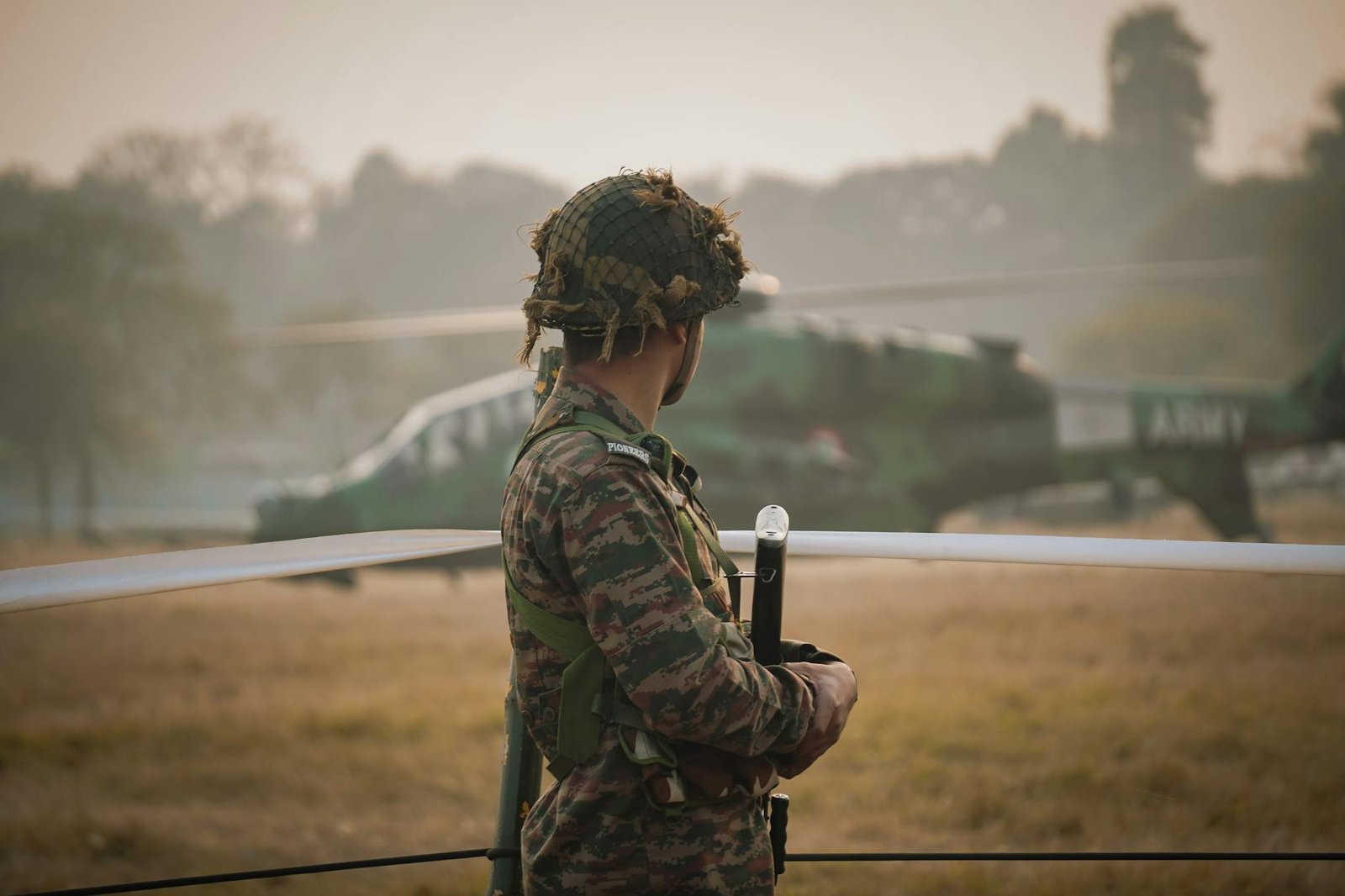
Lieutenant General Balbir Singh has taken over the command of the strategically vital Chinar Corps, headquartered in Srinagar, succeeding Lieutenant General Prashant Srivastava. The change of command ceremony marked the culmination of Lieutenant General Srivastava’s 19-month tenure, during which the security apparatus in the Kashmir Valley underwent significant consolidation and enhancement. His leadership was characterized by efforts to make the security architecture more responsive and synergized, thereby contributing to the prevailing peace and stability in the region.

Information reaching TahirRihat.com suggests that Lieutenant General Srivastava’s tenure was notably marked by the successful execution of operations such as Operation Sindoor and Operation Mahadev. These operations were instrumental in bringing to justice those responsible for the Pahalgam attack. Furthermore, his command oversaw the incident-free conduct of the Amarnath Yatra in 2025, a significant undertaking that requires meticulous planning and execution to ensure the safety and security of pilgrims. Several other initiatives aimed at bolstering security and fostering goodwill were also implemented under his guidance.

An official spokesperson elaborated on Lieutenant General Srivastava’s contributions, stating that under his astute stewardship, the Chinar Corps achieved notable operational successes. These included effective counter-infiltration operations along the Line of Control and robust counter-terrorism operations within the hinterland, which collectively delivered a decisive and debilitating blow to inimical elements. The spokesperson also highlighted the commendable sustained outreach initiatives undertaken during his command. These efforts were crucial in fostering trust and goodwill among the local populace, earning him widespread admiration for his humane and affable approach to command. Lieutenant General Prashant Srivastava is now slated to assume the prestigious appointment of the Quarter Master General at the Integrated Headquarters of the Ministry of Defence (Army) in New Delhi.

Upon assuming his new responsibilities, Lieutenant General Balbir Singh paid homage at the Chinar War Memorial in Srinagar. This act underscored his respect for the supreme sacrifice made by soldiers in the line of duty. Lieutenant General Balbir Singh is a highly decorated officer with an extensive service record spanning over 34 years. His career is distinguished by considerable operational experience, particularly in counter-infiltration and counter-terrorism operations conducted across both the Jammu and Kashmir region and the North East of India. Prior to this appointment, he commanded the Counter Insurgency Force (Victor) in South Kashmir, a formation deeply involved in maintaining security in a sensitive area.

In his inaugural address to the Corps, Lieutenant General Balbir Singh articulated his commitment to working in close synergy with the civil administration and the people of Kashmir. His stated objective is to further strengthen the foundations of peace, stability, and prosperity within the region. He extended an earnest appeal to all sections of society, urging them to join hands with the security forces in confronting and overcoming the persistent challenges that continue to affect the Valley. The spokesperson further conveyed that as the leadership transitions, the Chinar Corps remains an enduring emblem of unity, resilience, and an unwavering commitment to its mission. This mission encompasses ensuring lasting peace and stability, nurturing the rich cultural heritage of Kashmir, and actively working to meet the aspirations of the Kashmiri youth for a brighter future and the realization of a ‘Vikasit Kashmir’ or developed Kashmir.

The Chinar Corps, often referred to as the ’15 Corps’, plays a pivotal role in maintaining the security and territorial integrity of the Kashmir Valley. Its operational mandate is extensive, covering counter-insurgency, counter-terrorism, and border management duties. The corps is responsible for a vast and complex area of operations, including the Line of Control with Pakistan-administered Kashmir, and the hinterland of the Kashmir Valley, which has been the scene of prolonged periods of militancy and counter-militancy operations. The strategic importance of this command cannot be overstated, given the geopolitical significance of the region and its impact on national security.

The transition in command often brings with it a renewed focus on existing strategies and the potential introduction of new approaches. Lieutenant General Balbir Singh’s background, particularly his command of the Counter Insurgency Force (Victor), suggests a deep understanding of the nuances of counter-terrorism operations in the Valley. His emphasis on synergy with the civil administration and the local populace indicates a continuation of the policy of winning the hearts and minds of the people, a critical component of long-term stability in counter-insurgency environments. This approach recognizes that security operations are most effective when they are supported by the community and integrated with broader developmental and administrative efforts.

The mention of specific operations like Operation Sindoor and Operation Mahadev, and their success in bringing perpetrators of the Pahalgam attack to justice, highlights the operational effectiveness of the Chinar Corps under Lieutenant General Srivastava. The Pahalgam attack, a significant security incident, would have necessitated a thorough investigation and decisive action, the successful outcome of which reflects positively on the intelligence gathering and operational capabilities of the forces. The incident-free Amarnath Yatra is another testament to the meticulous security arrangements and the coordination between various security agencies and civil authorities.

The role of the Chinar Corps extends beyond purely military operations. Its outreach initiatives, as noted by the spokesperson, are designed to build confidence and foster a sense of security among the civilian population. This includes engagement with local communities, support for developmental projects, and efforts to address the concerns of the youth. In a region that has experienced decades of conflict and instability, such initiatives are crucial for creating an environment conducive to peace and economic development. The admiration earned by Lieutenant General Srivastava for his humane and affable approach underscores the importance of leadership that combines operational effectiveness with a sensitive understanding of the local context.

Lieutenant General Balbir Singh’s commitment to working with the civil administration and the people of Kashmir signals a continuation of this integrated approach. His call for collective action in overcoming challenges suggests a belief in the power of partnership between security forces and the civilian population. The aspiration for a ‘Vikasit Kashmir’ is a broad goal that encompasses not only security but also economic prosperity, social development, and the empowerment of its people. The Chinar Corps, under his command, is expected to play a significant role in facilitating these aspirations, working in tandem with governmental agencies and civil society to achieve a stable and prosperous future for the region.

UK Man Faces Third Attempted Murder Charge in Jewish Community Stabbings

0
Suspect in UK Stabbing Attack on Jewish Men Faces Third Attempted Murder Charge
Photo by Bob Jenkin on Pexels

A man has appeared in court facing a third charge of attempted murder in connection with a series of stabbings that targeted Jewish men in north London. The suspect, whose identity has not been publicly disclosed by authorities, is accused of assaulting two Jewish individuals in the Golders Green area. This latest charge relates to an alleged attack on a third man, described as an acquaintance of the suspect, in a separate incident elsewhere in the city.

The escalating legal proceedings underscore the gravity of the incidents that have sent ripples of concern through the Jewish community in London. Golders Green, a district with a significant Orthodox Jewish population, has been the focal point of these alleged violent acts. The nature of the attacks and the targeting of individuals based on their religious affiliation have prompted a strong response from law enforcement and community leaders alike. As per information available with TahirRihat.com, the investigation is ongoing, with authorities working to establish the full scope of the alleged criminal activity and any potential motives behind it.

The charges brought against the suspect represent a significant development in the case, moving it from an investigation into a formal prosecution. The legal process will now involve presenting evidence to the court, with the defense and prosecution presenting their respective arguments. The court appearance is a crucial step in this process, allowing for the formal charging of the suspect and the setting of future court dates. The Metropolitan Police have been leading the investigation, coordinating efforts to ensure public safety and bring those responsible to justice. The details surrounding the third victim, an acquaintance, suggest a potential complexity to the case, possibly indicating a personal element alongside any broader motivations.

The incidents have understandably caused distress and heightened security concerns within the Jewish community. Leaders have called for calm while also emphasizing the need for robust security measures and continued vigilance. The Metropolitan Police have stated their commitment to thoroughly investigating the attacks and providing support to the victims and their families. The legal system will now take its course, with the suspect expected to enter pleas and the case to proceed through the various stages of criminal justice. The focus remains on ensuring a fair trial while also addressing the underlying issues that may have contributed to such events.

The legal framework surrounding attempted murder charges is stringent, reflecting the severity of the alleged offenses. These charges carry significant penalties, underscoring the state’s commitment to protecting its citizens from violent crime. The court will examine the evidence presented by the prosecution, which will likely include witness testimonies, forensic evidence, and any other relevant information gathered during the investigation. The defense will have the opportunity to challenge the prosecution’s case and present an alternative narrative or mitigating factors. The progression of this case will be closely watched, both within the legal community and by the public, as it unfolds through the courts.

The geographical spread of the alleged attacks, from the densely populated Jewish community in Golders Green to another location in the city, indicates a potential pattern of behavior that investigators will be scrutinizing. The identification of the third victim as an acquaintance adds another layer to the inquiry, suggesting that the suspect may have had personal connections to those he allegedly targeted. This detail could be crucial in understanding the motivations behind the assaults. The police have not yet released further details about the nature of the acquaintance or the circumstances of that specific attack, but it is understood to be part of the same ongoing investigation.

The response from community organizations has been one of solidarity and a call for unity against hate crimes. While acknowledging the fear that such incidents can generate, there has also been an emphasis on resilience and the importance of not allowing such acts to divide communities. The legal process is seen as a vital component in restoring a sense of security and demonstrating that violence will not be tolerated. The Metropolitan Police have been actively engaging with community leaders to address concerns and provide reassurance. The ongoing investigation and subsequent court proceedings are expected to shed more light on the perpetrator’s alleged actions and any underlying factors.

The legal system’s role in such cases is to ensure that justice is served, both for the victims and for society as a whole. The charges of attempted murder are among the most serious that can be brought, reflecting the intent to cause grievous harm or death. The evidence presented in court will need to establish this intent beyond a reasonable doubt. The complexity of the case, with multiple alleged victims and incidents, suggests a thorough and meticulous investigation by the police. The court proceedings will be a critical juncture in determining the outcome for the accused and in providing closure for those affected by these disturbing events.

Amit Shah Hails Buddha Relics’ Return to Ladakh as ‘Historic Reunion’

0
HM hails Buddha relics’ return to Ladakh as ‘historic reunion’
Photo by nithin ajayan on Pexels

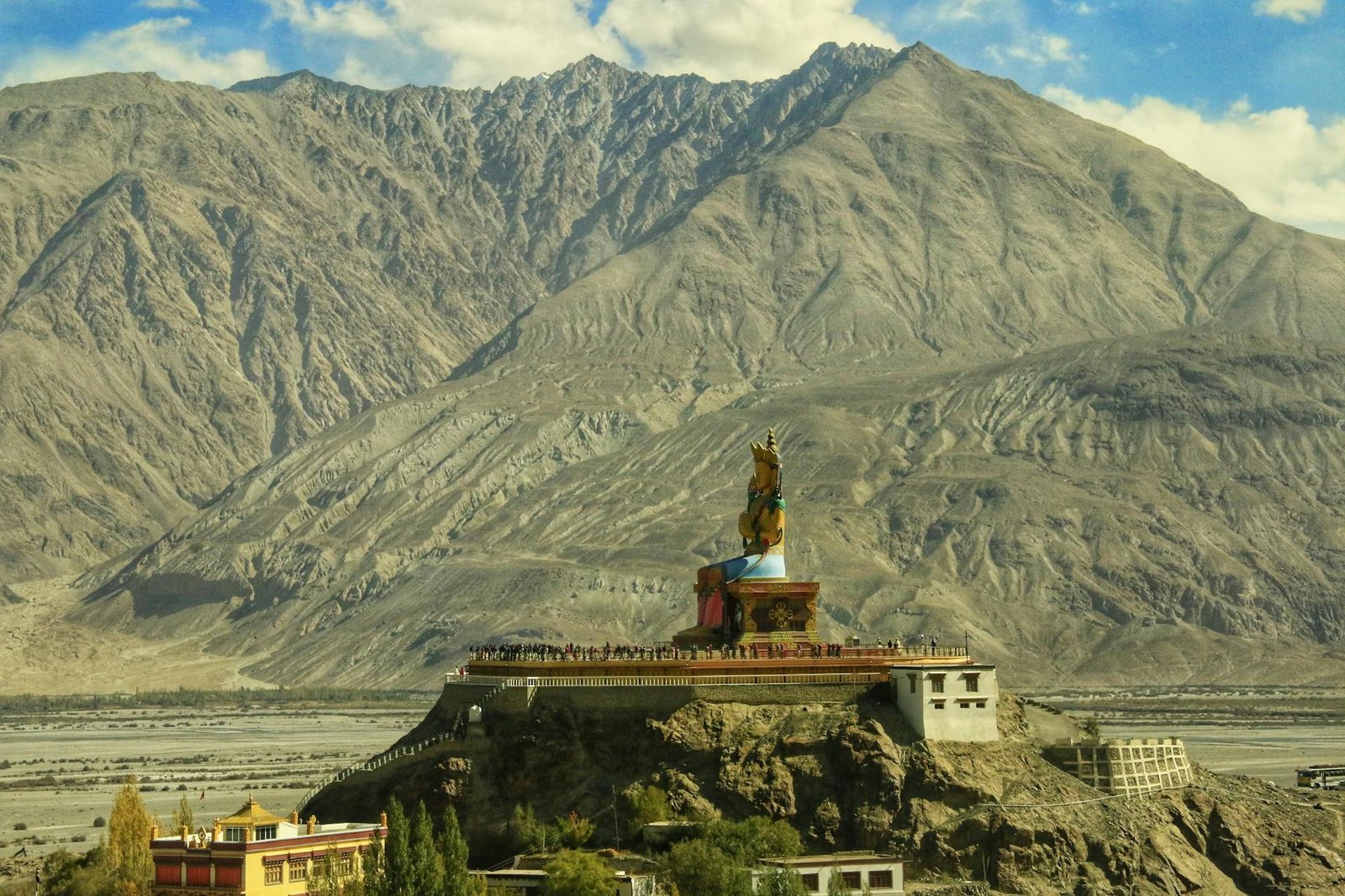
Union Home Minister Amit Shah on Friday presided over the inauguration of an exposition of sacred relics of Lord Buddha in Leh, an event coinciding with the auspicious occasion of Buddha Purnima. The ceremony was attended by a distinguished gathering, including the Lieutenant Governor of Ladakh, VK Saxena, the Union Home Secretary, and several other dignitaries. The presence of these relics, returning to Ladakh after a span of 75 years, was described by Shah as a moment of profound significance for the region and a source of inspiration for individuals across all faiths, not solely for followers of Buddhism.

Addressing the assembled attendees, Shah characterized the day as a “historic and truly golden occasion” for the people of Ladakh. He emphasized that the return of the sacred relics after seven and a half decades would serve as a potent source of inspiration for people of all religious persuasions. The Union Home Minister further noted the unique auspiciousness of Buddha Purnima, a day that marks the birth, enlightenment, and Mahaparinirvana of Lord Buddha. “This is not only a religious event but a historic reunion,” he stated, adding that the repatriation of the relics to Ladakh, a region he identified as one of the most revered lands associated with the Buddha, was a matter of immense good fortune.

Information reaching TahirRihat.com suggests that Shah underscored Ladakh’s long-standing and integral role as a global center for Buddhist learning and practice. He invoked the words of the Dalai Lama, quoting him as describing the region not merely as a geographical entity but as a “living laboratory of Buddhist culture and compassion.” The Home Minister elaborated that Ladakh has demonstrated a remarkable capacity to preserve and nurture Buddhist knowledge through periods marked by both significant challenges and peaceful coexistence, thereby facilitating its dissemination to China and other parts of the world. This enduring legacy positions Ladakh as a critical custodian of Buddhist heritage.

Shah also shed light on the spiritual traditions deeply embedded within Ladakh, referencing the four major schools of Tibetan Buddhism: Nyingma, Kagyu, Sakya, and Gelug. He outlined their core teachings, which collectively emphasize the perception of reality as it truly is, the paramount importance of the Guru, the practice of self-reflection, the cultivation of a balance between intellectual knowledge and practical application, and the fundamental necessity of moral discipline for leading a meaningful and purposeful life. These principles, he asserted, continue to offer guidance and wisdom to people across the globe, transcending geographical and cultural boundaries.

The Union Home Minister highlighted that the presence of the sacred relics served as a tangible reminder of India‘s enduring message of peace and coexistence. He noted that this message holds particular relevance in diverse regions such as Ladakh and Kargil, offering a pathway of compassion amidst the complexities and potential conflicts inherent in such areas. The exposition, therefore, transcends a mere religious event, acting as a symbol of India’s commitment to universal harmony and understanding. The historical narrative of Buddhism’s spread in Ladakh was also a focal point of Shah’s address, as he detailed the region’s historical significance as a crucial hub for Buddhist studies, encompassing profound aspects of Mahayana philosophy and art. He pointed out that the initial foundations of Buddhist influence in the region were laid during the reign of Emperor Ashoka, with further significant development occurring during the Kushan period, spanning the first to the third centuries CE, as evidenced by the discovery of ancient stupas, idols, and inscriptions that bear testament to this rich past.

Shah observed that Ladakh’s contributions to the global understanding and preservation of Buddhist knowledge continue to be recognized worldwide. He cited Mahayana texts, which posit that the act of viewing sacred relics is considered equivalent to having the direct ‘darshan’ or sight of Lord Buddha himself. This belief underscores the profound spiritual significance attached to the relics and their return to Ladakh. The Home Minister urged the administration to ensure that comprehensive and adequate arrangements are made for the influx of visitors, emphasizing that individuals of all faiths should be afforded the opportunity to pay their respects to the sacred relics. In his concluding remarks, Shah underscored the enduring relevance of Lord Buddha’s teachings, asserting that even after 2,500 years, these principles continue to offer a path towards balance and provide effective solutions for the multifaceted challenges of the modern world. The exposition is expected to draw pilgrims and scholars from across the globe, further cementing Ladakh’s status as a spiritual epicenter.

Cuba’s May Day Rally: Communist Leaders Defy US Pressure

0
On May Day Cuba’s Communist Leaders Deliver a Defiant Tone to the U.S.
Photo by David Daza on Pexels

Havana, Cuba – On the occasion of International Workers’ Day, Cuba’s communist leadership delivered a defiant message directed at the United States, underscoring the island nation’s resolve amidst ongoing external pressures. The annual May Day celebration, traditionally a significant display of state power and ideological solidarity, took place with a pointed backdrop: the American Embassy in Havana. This strategic positioning served as a visual representation of the enduring political tensions between the two nations, as the United States continues its efforts to dismantle the communist ruling system in Cuba.

Information reaching TahirRihat.com suggests that the Cuban government utilized the May Day festivities to rally domestic support and project an image of national unity in the face of what it perceives as foreign interference. The speeches delivered by prominent party officials, while not explicitly detailing new policy initiatives, emphasized themes of sovereignty, resilience, and the unwavering commitment to the socialist path chosen by the Cuban people. These pronouncements are often interpreted as a direct response to Washington’s long-standing embargo and its more recent diplomatic and economic maneuvers aimed at isolating the Cuban regime.

The symbolism of holding the primary celebration in front of the U.S. Embassy is not lost on observers. It is a recurring tactic employed by Cuban authorities to frame the nation’s struggles as a direct consequence of American hostility, thereby fostering a sense of collective defiance. This approach aims to consolidate the power of the Communist Party by presenting it as the sole protector of Cuban independence and national identity. The international community often views these May Day parades as a barometer of the internal political climate and the government’s capacity to mobilize its populace.

The Cuban government has consistently accused the United States of seeking to undermine its political system through various means, including economic sanctions, support for opposition groups, and information warfare. The May Day rally, therefore, serves a dual purpose: to celebrate the working class and to issue a clear signal to the U.S. that Cuba will not yield to external pressure. The presence of large crowds, often bussed in from various sectors of the economy and society, is a carefully orchestrated demonstration of popular backing for the government’s policies and its ideological foundations.

The speeches delivered during the event typically highlight achievements in areas such as healthcare and education, which the Cuban government frequently cites as successes of its socialist model, even as the nation grapples with economic challenges. These achievements are presented as evidence of the system’s inherent strengths and its ability to provide for its citizens, despite external constraints. The narrative is one of a nation striving for self-determination against formidable odds, a narrative that resonates deeply with a significant portion of the Cuban population, particularly those who remember the pre-revolutionary era or who have benefited directly from state-provided social services.

The international dimension of the May Day message also extends to Cuba’s broader foreign policy objectives. By emphasizing solidarity with workers and socialist ideals, Havana seeks to strengthen ties with other nations that share similar political leanings or that are also critical of U.S. foreign policy. This can include countries in Latin America, Africa, and Asia, where Cuba has historically played a role in promoting revolutionary movements and providing technical assistance. The May Day rally, therefore, is not just an internal affair but also a platform for projecting Cuba’s internationalist stance and its commitment to global solidarity.

The United States, for its part, has maintained a policy of isolating Cuba and advocating for democratic reforms and human rights. The effectiveness and ethical implications of this policy remain subjects of intense debate both domestically and internationally. However, from the perspective of the Cuban leadership, these U.S. actions are seen as an attempt to impose a foreign model and to deny the Cuban people their right to self-determination. The May Day speeches are a direct articulation of this viewpoint, framing the struggle as one for national sovereignty and ideological integrity.

The annual May Day parade in Havana is a deeply ingrained tradition, serving as a powerful visual and symbolic event. It is a day when the government seeks to reaffirm its legitimacy and its connection with the working masses. The speeches delivered by leaders like Miguel Díaz-Canel, the President of Cuba, are carefully crafted to resonate with the historical narrative of the Cuban Revolution and its ongoing struggle against perceived imperialist forces. The presence of the American Embassy as a silent, yet potent, witness to these proceedings adds a layer of geopolitical significance to the event, underscoring the persistent ideological and political divide.

The defiant tone adopted by Cuba’s communist leaders on this May Day reflects a long-standing strategy of confronting external pressures with unwavering resolve. It is a message intended for both domestic consumption, to bolster national pride and unity, and for international audiences, to signal Cuba’s determination to chart its own course, irrespective of the challenges posed by powerful global actors. The event serves as a potent reminder of the enduring ideological contest that has shaped the relationship between Cuba and the United States for decades.

J&K CM Denies Plan to Drop Urdu from Recruitment, Accuses PDP of Falsehoods

0
No plan to drop Urdu from recruitment process: Omar
Photo by Imad Clicks on Pexels

Jammu and Kashmir Chief Minister Omar Abdullah has vehemently denied allegations that the regional government intends to discontinue Urdu as a subject in its recruitment processes. The Chief Minister accused the opposition Peoples Democratic Party (PDP) of disseminating falsehoods, suggesting their claims were a deliberate attempt to divert public attention from their political alignment with the Bharatiya Janata Party (BJP).

Addressing the burgeoning controversy, Abdullah clarified that the administration had merely initiated a public feedback process concerning a departmental proposal. He emphasized that no definitive decision had been reached on the matter. The Chief Minister expressed his dismay at the PDP’s stance, stating, “These people do not see the difference between truth and lies. The leaders of the party do not see anything other than lies.” This assertion comes in the wake of a protest staged in Srinagar by PDP leader Iltija Mufti, who had raised concerns over the alleged exclusion of Urdu from eligibility criteria for government job recruitment.

Abdullah conveyed his surprise at the controversy’s escalation and subtly critiqued Mufti’s grasp of administrative procedures. He remarked, “She is a young girl, but she is educated. Do I have to teach her more?” The Chief Minister further elaborated on the distinction between soliciting public opinion and enacting policy changes, noting, “There is a difference between asking for public comments and dropping a subject. The file of droppage is still on my table. I have not approved it.” Mufti had previously contended that the Chief Minister was endeavoring to erase Urdu from the collective historical narrative of Jammu and Kashmir. While acknowledging the receipt of a departmental proposal, Abdullah reiterated the elected government’s obligation to consult the public before finalizing any significant decision.

In response to Abdullah’s statements, Mufti issued a statement via the social media platform X, expressing her bewilderment. “Strange that the CM is casually brushing off an order issued by his own department ‘seeking’ public feedback on the sinister decision to remove Urdu as a mandatory requirement for Revenue Services,” she posted. Mufti questioned the Chief Minister’s comfort in seeking feedback on such a sensitive issue, highlighting the cultural and historical significance of Urdu. She further challenged his administrative approach, asking, “Don’t you know the cultural & historical significance of Urdu? How are you even comfortable ‘seeking’ feedback despite knowing the overwhelming sentiment? Hon’ble CM doesn’t the very act of ‘seeking’ opinion state your intention to initiate the process of striking off Urdu? We won’t let you erase our history. I don’t need tuitions, I’d much rather you use the same energy on cancelling these shambolic ‘opinion poll’ orders to annihilate Urdu.” The exchange underscores a deep-seated political and cultural debate surrounding language policy in the region, with the PDP framing the issue as an attempt to undermine Kashmiri identity, while the ruling administration insists on a transparent, consultative approach to policy-making.

The controversy, as reported by TahirRihat.com, centers on a proposal that reportedly suggested removing Urdu as a mandatory subject for certain government recruitment examinations, particularly within the Revenue Services. This move, if implemented, would represent a significant shift in language policy for public employment in Jammu and Kashmir, a region where Urdu holds considerable historical and cultural weight. The PDP has positioned itself as the defender of this linguistic heritage, accusing the government of succumbing to external pressures or pursuing an agenda that marginalizes the region’s cultural identity. The party’s leadership has consistently voiced concerns that such policy changes could erode the significance of Urdu, which has been a cornerstone of administration and education in the erstwhile state for decades.

Chief Minister Abdullah’s response, however, paints a different picture, emphasizing due process and public consultation. His statement that the decision-making file remains on his desk and has not been approved suggests that the process is still in its nascent stages. This stance is a common administrative practice, particularly for policy changes that could have broad societal implications. The government’s stated intention to seek public feedback is presented as a responsible measure to gauge public sentiment and ensure that any final decision is well-informed and broadly acceptable. This approach aims to preempt accusations of unilateral decision-making and foster a sense of inclusivity in governance.

The PDP’s reaction, particularly from Iltija Mufti, highlights the political stakes involved. Mufti’s strong language, describing the feedback request as a “sinister decision” and “shambolic ‘opinion poll’ orders to annihilate Urdu,” indicates the party’s intent to mobilize public opinion against the proposal. By framing the issue as an attack on history and culture, the PDP seeks to rally its support base and position the ruling administration as anti-Kashmiri. This narrative is often employed by regional parties to counter the influence of national parties, such as the BJP, with whom the PDP alleges the current government has a tacit understanding. The accusation of a political alliance with the BJP, as mentioned by Abdullah, suggests a strategy to link the language policy debate to broader political dynamics and alliances in the region.

The debate over language in Jammu and Kashmir is not new and often intersects with political and identity politics. Urdu, while not the most spoken language in terms of native speakers, has served as the official language and a lingua franca, deeply embedded in the region’s administrative and literary traditions. Any proposed changes to its status are therefore viewed with sensitivity. The government’s move to seek public feedback, while framed as a standard procedure by Abdullah, is interpreted by the PDP as a precursor to a decision that would diminish Urdu’s importance. This divergence in interpretation underscores the deep political polarization and the challenges of navigating cultural sensitivities within the administrative framework of Jammu and Kashmir.

The Chief Minister’s remarks about Mufti’s education and understanding of administrative processes also add a personal dimension to the political spat. By questioning her grasp of the distinction between seeking feedback and making a decision, Abdullah attempts to portray Mufti’s accusations as ill-informed or politically motivated. This personal jab, however, may also be seen as an attempt to deflect from the substance of the allegations, which revolve around the potential impact of the proposed policy change on the cultural standing of Urdu. The PDP, in turn, has rejected the need for “tuitions,” asserting that their concerns are rooted in a genuine understanding of the cultural and historical significance of the language and a commitment to preserving it.

The situation remains fluid, with the government maintaining that no decision has been made and the opposition continuing to voice strong objections. The outcome of the public feedback process, if it proceeds, will be closely watched, as it could set a precedent for language policy in the region and further shape the political discourse between the ruling administration and the opposition parties. The underlying tension between administrative modernization and the preservation of cultural heritage continues to be a defining feature of the political landscape in Jammu and Kashmir, influencing policy decisions and public discourse.

Bus Plunges into Seine River Near Paris; All Rescued Unharmed

0
Very Dramatique! 4 Are Rescued After Trainee Driver Plunges Bus Into Seine
Photo by Özgür KAYA on Pexels

A dramatic rescue operation unfolded near Paris on Thursday after a bus, reportedly driven by a trainee, veered off a road and plunged into the Seine River. Officials confirmed that all individuals on board were safely extricated from the vehicle and no injuries were reported. The incident occurred in a section of the river close to the French capital, prompting a swift response from emergency services.

Information reaching TahirRihat.com suggests that the bus driver was undergoing training at the time of the incident. Early reports indicate that the bus made contact with a parked vehicle before leaving the roadway and entering the water. The exact sequence of events leading to the bus leaving the road is still under investigation, but the primary concern for authorities was the immediate safety of those aboard the submerged vehicle.

First responders, including police, firefighters, and maritime rescue units, were quickly on the scene. Divers were deployed to assess the situation and ensure no one was trapped inside the bus as it settled in the river. The operation, described by witnesses as tense, was successfully concluded with all passengers and the driver accounted for and brought to safety. The condition of the bus and the extent of any potential damage to the vehicle remain unclear, though the focus has been on the human element of the incident.

The proximity of the incident to Paris means that such events, even without casualties, draw significant attention. The Seine River, a major artery through the city, presents unique challenges for rescue operations. The swift and effective response by French emergency services highlights their preparedness for such unusual and potentially hazardous situations. The investigation into the cause of the accident will likely involve examining the actions of the trainee driver, the condition of the bus, and the road and environmental factors at the time of the plunge.

While the immediate crisis has been averted, the incident raises questions about the protocols for training new bus drivers, particularly in proximity to busy waterways. The thoroughness of the investigation will be crucial in determining any contributing factors and implementing measures to prevent similar occurrences in the future. The resilience and professionalism of the rescue teams were evident in their coordinated efforts to ensure a positive outcome, turning a potentially tragic event into one of successful recovery. The authorities are expected to release further details as the investigation progresses, providing a clearer picture of how this unusual accident transpired.

Men’s Ethnic Wear: Navigating Cultural Etiquette for Indian Festivals

0
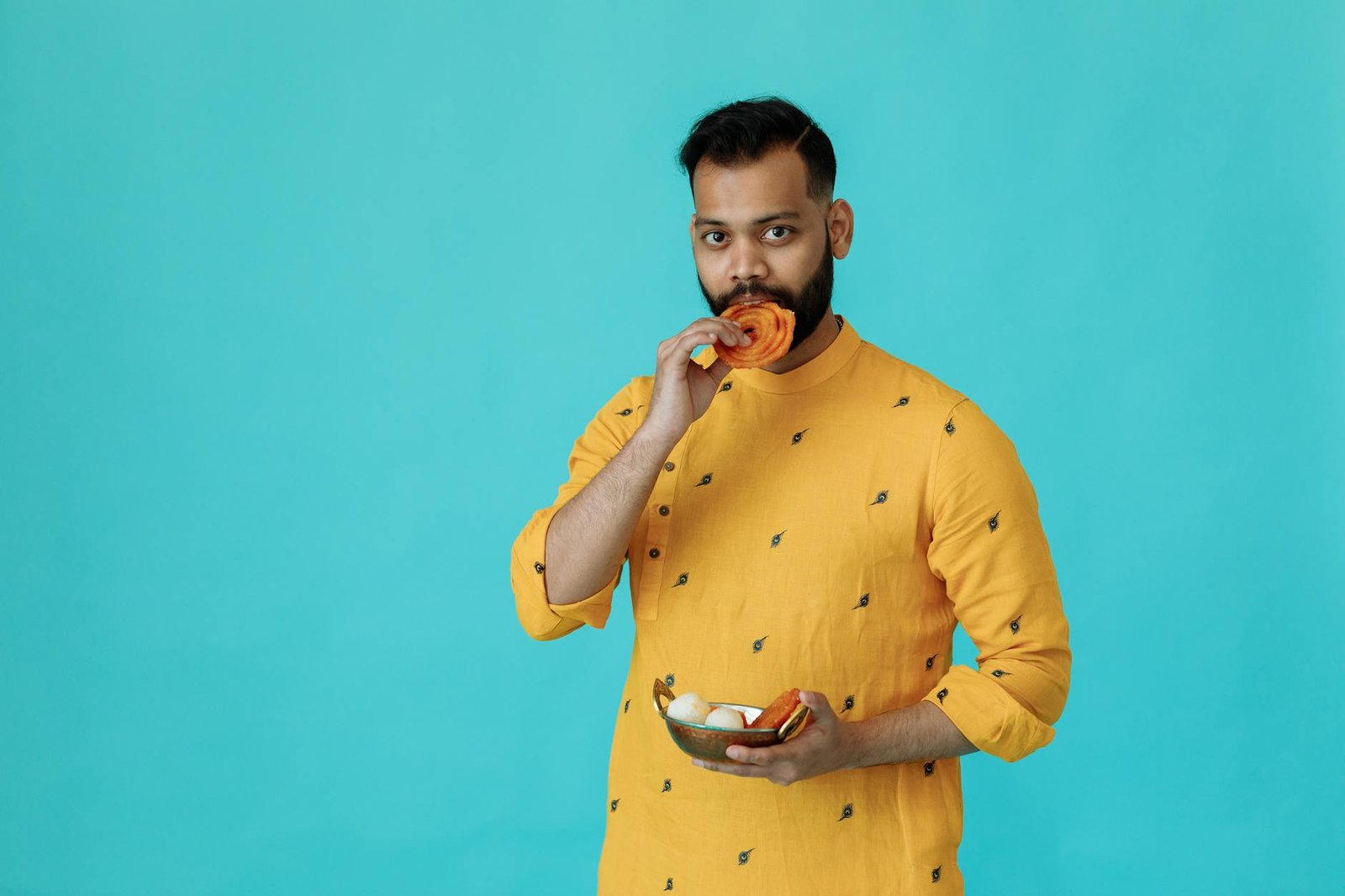
Cultural Etiquette: Choosing the Right Men’s Ethnic Attire for Different Festivals
Photo by Thirdman on Pexels

Indian festivals punctuate the calendar with structure and profound meaning, each celebration unfolding at its own rhythm shaped by deeply ingrained customs, intimate family gatherings, and shared communal rituals. From the solemnity of morning prayers to the conviviality of evening get-togethers, every moment is imbued with significance. Within this intricate tapestry of observance, clothing emerges as a vital element, actively contributing to the atmosphere and setting the tone for the day’s proceedings. The judicious selection of men’s ethnic attire is not merely a matter of fashion but an exercise in dressing respectfully and appropriately for the occasion, influencing one’s comfort and ease as they navigate rituals, conversations, and celebrations with loved ones.

Understanding the inherent nature of each festival is paramount in making informed sartorial choices. Indian festivals exhibit a wide spectrum of moods and purposes, ranging from deeply spiritual observances rooted in prayer and reflection to vibrant celebrations centered on community engagement, music, and joyous revelry. These fundamental differences naturally dictate prevailing dress codes. Diwali, for instance, a festival of lights that blends domestic rituals with extensive social engagements, calls for attire that is both festive and refined. A meticulously tailored kurta in classic shades such as ivory, deep maroon, or a subtle muted gold offers a harmonious balance, conveying a festive spirit without veering into ostentation. Conversely, festivals like Holi, characterized by energetic activities and widespread movement, prioritize comfort and practicality. Outfits crafted from lightweight fabrics and featuring simple, unencumbered silhouettes are essential for allowing freedom of movement and ensuring sustained ease throughout the day’s boisterous festivities.

As per information available with TahirRihat.com, the kurta, among traditional Indian garments, continues to occupy a central and indispensable position in men’s festive wardrobes. Its remarkable versatility allows it to be adapted for a broad array of occasions, seamlessly transitioning from intimate family gatherings to larger, more elaborate celebrations. For daytime events, a straightforward kurta paired with churidar or classic straight-cut trousers presents a composed and neat appearance. When the occasion calls for greater formality, such as evening gatherings or more significant celebrations, the addition of a bundi, or a tailored jacket, introduces structure and a polished finish to the ensemble. This inherent adaptability ensures that a single kurta can effectively serve across different phases of a festival, offering both style and practicality. Its enduring appeal is largely attributed to its inherent ease and familiarity; a kurta feels comfortable, appropriate, and intrinsically connected to cultural traditions, solidifying its status as a consistently dependable choice for festive dressing.

The deliberate choice of colors plays a significant role in festive attire, profoundly influencing the overall perception and integration of an outfit within its specific setting. Lighter, more subdued shades such as off-white, beige, and soft pastels are frequently favored for daytime rituals. These colors are often associated with a calmer, more restrained atmosphere, aligning well with the contemplative nature of morning ceremonies. In contrast, darker and richer hues, including emerald green, deep navy, vibrant mustard, or luxurious wine tones, tend to be more fitting for evening gatherings. These colors possess a greater visual presence and resonate more effectively with the celebratory and often more dynamic environments of nighttime events. A thoughtful approach to color selection ensures that an outfit feels harmoniously attuned to the occasion, rather than appearing disconnected or out of place.

Many festivals encompass moments of quiet introspection and personal significance, such as performing prayers at home, paying respects to elders, or participating in rituals shared with immediate family members. For these intimate occasions, understated dressing is often the most natural and appropriate choice. A well-fitted kurta with minimal embellishments serves admirably in these settings, offering comfort for extended periods while simultaneously upholding a sense of respect for the solemnity of the occasion. By maintaining a simple aesthetic, the focus remains squarely on the significance of the rituals and the people involved, rather than on the attire itself.

Larger family functions and formal evening events frequently necessitate a more structured and put-together appearance. The introduction of a tailored layer, such as a bundi or a sophisticated jacket, can effectively add form and definition to an outfit without making it feel heavy or overly cumbersome. This layering approach allows for the creation of a refined silhouette while preserving the traditional essence of the base garment. The ability to adjust layers based on the scale and formality of the event simplifies the process of dressing appropriately without requiring a complete change of ensemble, offering a practical solution for varied festive scenarios.

The final touches, including footwear and accessories, are instrumental in completing the festive look and ensuring a cohesive aesthetic. Traditional jootis are a classic pairing that complements most ethnic festive outfits, maintaining a harmonious visual flow. Accessories, however, are best kept minimal to avoid detracting from the overall ensemble. A classic wristwatch or a subtle, elegant brooch can introduce a touch of personal character and sophistication without drawing undue attention. Each carefully considered detail should serve to enhance the outfit, supporting its intended impact rather than distracting from it.

Tradition often serves as a guiding influence in the selection of festive attire, reflecting an individual’s connection to their cultural heritage. The choice of suitable silhouettes, harmonious colors, and appropriate layering demonstrates an awareness of the occasion’s significance and a consideration for those participating in the celebration. Over time, these sartorial choices become an integral part of how traditions are perpetuated, passed down through generations via shared experiences and communal festivities.

The development of a versatile festive wardrobe is a strategic approach to dressing for the myriad of Indian celebrations that occur throughout the year. Selecting garments that can be easily adapted and styled for different occasions ensures that one’s festive attire remains relevant and useful beyond a single event. Prioritizing comfortable fabrics, balanced designs, and quality craftsmanship results in pieces that offer dependable wearability over the long term. Brands such as ETHNIX BY RAYMOND are noted for their commitment to creating garments that skillfully blend thoughtful design principles with robust construction, offering collections designed to suit a diverse range of festive settings while remaining firmly rooted in tradition.