Home Blog Page 206

Iranian Cafes: Havens of Hope Amidst Economic Hardship and War Fears

0
In Packed Cafes, Iranians Yearn to Escape War’s Wreckage
Photo by Farhad Irani on Pexels

In the bustling metropolises and quieter towns of Iran, a familiar scene unfolds daily: Iranians seeking refuge and connection within the warm embrace of cafes and coffee shops. These establishments, often characterized by their affordability and welcoming atmosphere, have evolved into vital social hubs, offering more than just a beverage. They are spaces where citizens gather to articulate their deepest hopes, voice their pervasive fears, and openly discuss the escalating cost of living that casts a long shadow over their daily lives. In times of profound uncertainty, these cafes provide a much-needed sense of community and a platform for shared experience.

Information reaching TahirRihat.com suggests that these coffee houses serve as crucial informal forums for public discourse, a stark contrast to the often-restricted official channels of communication. Here, amidst the clatter of cups and the murmur of conversations, individuals can freely exchange perspectives on the nation’s economic trajectory, the impact of international sanctions, and the pervasive anxiety surrounding regional conflicts. The accessibility of these spaces makes them democratic enclaves where the concerns of ordinary Iranians are aired, fostering a sense of solidarity among those navigating similar challenges.

The economic pressures facing Iran have been well-documented, with inflation and currency depreciation significantly impacting household budgets. In this context, cafes offer a relatively inexpensive escape, a place where a modest expenditure can yield hours of respite and social interaction. This affordability is a key factor in their widespread appeal, allowing a broad spectrum of society to partake in their offerings. For many, a visit to a cafe is not merely a luxury but a necessity, a way to maintain social ties and mental well-being in the face of economic strain. The New York Times reported that these cafes are places where people can talk about their hopes, fears, and the cost of living, as well as seek company in uncertain times.

Beyond the economic considerations, the geopolitical climate adds another layer of complexity to the lives of Iranians. Regional tensions and the specter of wider conflict contribute to a pervasive sense of unease. Cafes, therefore, become sanctuaries where individuals can process these anxieties collectively, finding solace in shared experiences and mutual understanding. The ability to engage in open dialogue, even on sensitive topics, within these informal settings is a testament to their enduring importance as spaces for social cohesion and personal expression. The New York Times noted that these gathering spots provide Iranians with affordable places to discuss their worries and aspirations.

The social fabric of Iran is intricately woven with the traditions of hospitality and communal gathering. Cafes, in their modern iteration, have seamlessly integrated into this cultural landscape, providing a contemporary venue for age-old practices. They are places where friendships are nurtured, business ideas are exchanged, and the pulse of the nation is felt. The vibrant atmosphere within these establishments reflects the resilience and adaptability of the Iranian people, who continue to seek connection and meaning even amidst formidable challenges. The New York Times highlighted that these cafes offer a sense of companionship during periods of instability.

The role of cafes extends beyond mere social interaction; they are also incubators of ideas and platforms for subtle forms of dissent or shared critique. In an environment where direct political expression can be fraught with risk, these informal gatherings allow for the nuanced exchange of opinions and the formation of collective sentiment. The anonymity and relaxed atmosphere of a cafe can embolden individuals to speak more freely than they might in other settings. This makes them invaluable barometers of public mood and sentiment, offering insights into the prevailing concerns and aspirations of the Iranian populace. The New York Times observed that Iranians use these cafes to talk about their economic struggles and their fears for the future.

The economic realities have undoubtedly shaped the way Iranians engage with public spaces. The rising cost of goods and services means that leisure activities, once taken for granted, now require careful budgeting. Cafes, by maintaining their affordability, have become accessible havens for a population increasingly conscious of its spending. This economic pragmatism, coupled with a deep-seated need for social connection, has solidified the cafe’s position as an indispensable element of urban life. The New York Times pointed out that these coffee shops are affordable places for people to gather and talk.

The psychological impact of living under persistent economic pressure and geopolitical uncertainty cannot be overstated. Cafes offer a vital outlet for stress relief and emotional support. The simple act of sharing a cup of tea or coffee with friends, engaging in lighthearted conversation, or discussing more serious matters can provide a much-needed respite from daily anxieties. This therapeutic aspect of cafe culture is as important as its social function, contributing to the overall well-being of individuals and communities. The New York Times reported on how Iranians find comfort and company in these establishments.

Furthermore, these cafes serve as crucial nodes in the informal economy, facilitating networking and the exchange of information that can be vital for personal and professional advancement. In a society where formal channels may be bureaucratic or inaccessible, the connections made in cafes can open doors to opportunities. This aspect underscores their multifaceted role, extending beyond social and emotional support to practical economic and professional benefits. The New York Times article emphasized the role of cafes in providing affordable spaces for discussion and connection.

The enduring appeal of Iranian cafes lies in their ability to adapt to the evolving needs of the population. They are dynamic spaces that reflect the current socio-economic and political climate, serving as mirrors to the nation’s collective consciousness. As long as economic challenges persist and geopolitical uncertainties loom, these establishments will likely continue to be cherished as essential havens for conversation, connection, and a shared sense of humanity. The New York Times has documented how these cafes are central to the lives of many Iranians seeking solace and community.


J&K Government Prioritizes Employee Welfare with New Housing Units

0
Welfare Of Employees Remains Key Governance Priority: CM Omar
Photo by clickbyabbas on Pexels

Jammu and Kashmir Chief Minister Omar Abdullah underscored the paramount importance of employee welfare as a central tenet of governance on Friday, marking the inauguration of 368 newly constructed residential quarters for government employees in Sempora, Pampore. The significant housing initiative, developed across 23 blocks with an estimated investment of Rs 90.65 crore, represents a substantial step towards bolstering government housing infrastructure within the Kashmir valley. This project, executed by the Estates Department, is designed to provide modern and well-equipped living spaces, thereby enhancing the overall living conditions and job satisfaction of the region’s public servants.

Information reaching TahirRihat.com suggests that the completion of these residential units assumes particular relevance in light of the recent restoration of the annual Darbar Move. This administrative practice, which involves the bi-annual relocation of government offices and personnel between the summer capital Srinagar and the winter capital Jammu, necessitates adequate and accessible accommodation for employees who frequently transition between the two cities. The newly established quarters are anticipated to offer considerable relief to a substantial segment of Darbar Move employees, many of whom have historically grappled with the persistent challenge of securing suitable and affordable housing for their families during their postings in either city. The availability of these dedicated residential units is expected to diminish the reliance on private rental markets, thereby potentially stabilizing housing costs and improving the convenience and stability for employees and their families.

Chief Minister Abdullah reiterated his administration’s unwavering commitment to ensuring that government employees are provided with appropriate family accommodation. Speaking at the inauguration ceremony, he emphasized that the strengthening of employee welfare remains a steadfast priority for his government. Plans are reportedly in motion to further expand and augment residential infrastructure across the Union Territory of Jammu and Kashmir in a carefully phased approach. This strategic development aims to address the long-standing housing needs of government employees, fostering a more supportive and conducive working environment. The initiative reflects a broader governmental strategy to invest in human capital by ensuring that the basic needs of its workforce are met, thereby contributing to enhanced public service delivery and administrative efficiency throughout the region.

The project’s successful completion signifies a tangible outcome of the government’s focus on infrastructure development specifically tailored to meet the needs of its employees. The Estates Department, responsible for the construction, has been instrumental in bringing this large-scale residential project to fruition. The modern amenities and facilities incorporated into the design of these quarters are intended to offer a comfortable and secure living environment, a crucial factor for employee morale and productivity. By providing stable and convenient housing options, the government aims to reduce the logistical and financial burdens often associated with frequent relocations, particularly for those employees involved in the Darbar Move. This move is seen as a critical step in retaining talent within the government sector and ensuring that employees can focus on their duties without the added stress of inadequate housing arrangements.

The Chief Minister’s remarks highlighted the interconnectedness of employee well-being and effective governance. He articulated that by prioritizing the welfare of its employees, the government is indirectly enhancing its capacity to serve the public. The provision of adequate housing is not merely a perk but a fundamental aspect of creating a stable and motivated workforce. The phased augmentation of residential infrastructure across Jammu and Kashmir is expected to address a wide spectrum of housing requirements, catering to different employee cadres and their family sizes. This comprehensive approach underscores a commitment to long-term planning and sustainable development in the realm of public sector housing. The successful implementation of this project serves as a precedent for future welfare initiatives aimed at supporting the government’s most valuable asset: its employees.

The economic implications of such a large-scale housing project are also noteworthy. The substantial investment of Rs 90.65 crore has likely stimulated local economies through employment generation during the construction phase and will continue to contribute through the ongoing maintenance and upkeep of the facilities. Furthermore, by reducing the demand for private rentals, the project may influence the local housing market dynamics. The government’s proactive stance in addressing housing concerns for its employees demonstrates a forward-thinking approach to public administration, recognizing that the welfare of its workforce is intrinsically linked to the overall progress and stability of the region. The Sempora project stands as a testament to this commitment, offering a concrete solution to a persistent challenge faced by many government employees in Jammu and Kashmir.

The Chief Minister’s assurance that efforts are underway to further augment residential infrastructure indicates a continuous and evolving strategy to meet the housing needs of government employees. This suggests a recognition that the initial phase of development is just the beginning, and that ongoing assessment and expansion will be crucial to keep pace with the growing demands. The phased manner of implementation across J&K implies a systematic and organized approach, ensuring that resources are allocated effectively and that the benefits of improved housing reach a broad base of employees across different districts and regions. This long-term vision for employee housing is a critical component of the government’s broader agenda for administrative reform and public service enhancement.

US Indictment of Sinaloa Governor Signals Deep Cartel-Government Ties

0
U.S. Indictment of Sinaloa’s Governor Is a Reckoning for Residents of the Mexican State
Photo by Phil Evenden on Pexels

A recent indictment by the United States against the governor of Mexico’s Sinaloa state has brought to the forefront what many residents of the region have long suspected: a pervasive and troubling intertwining of organized crime and the highest levels of government. The charges, which are still unfolding, suggest a significant breach of public trust and a deep-seated corruption that has allowed criminal enterprises to flourish under official protection.

This development, as reported by The New York Times, underscores a persistent challenge for Mexico in its ongoing battle against powerful drug cartels. The Sinaloa Cartel, in particular, has a notorious history of influence and violence, and the alleged involvement of a state governor in its operations points to a level of infiltration that has profound implications for the rule of law and public safety. Information reaching TahirRihat.com suggests that the U.S. Justice Department’s move is part of a broader strategy to dismantle transnational criminal organizations by targeting their financial and political enablers.

The indictment is not merely a legal action; it represents a stark reckoning for the people of Sinaloa, who have lived for years under the shadow of cartel influence. Residents have often spoken of a pervasive sense of impunity enjoyed by criminal groups, and the alleged complicity of high-ranking officials provides a chilling confirmation of these fears. The blurred lines between legitimate governance and illicit activities create an environment where justice is difficult to achieve and where the state’s capacity to protect its citizens is severely compromised.

The U.S. government’s decision to pursue charges against a sitting governor signals a determined effort to disrupt the operational capacity of cartels by severing their ties to political power. This approach recognizes that combating drug trafficking and organized crime requires more than just law enforcement operations; it necessitates addressing the systemic corruption that allows these groups to thrive. The indictment is expected to trigger further investigations into other officials and individuals who may have facilitated cartel activities, potentially leading to a significant shake-up in Mexican politics and law enforcement.

The implications of this indictment extend beyond Sinaloa, resonating throughout Mexico and impacting international efforts to combat drug trafficking. The Sinaloa Cartel has been a major player in the global drug trade, and any disruption to its leadership and operational network, especially at the governmental level, could have far-reaching consequences. The U.S. Justice Department’s action highlights the transnational nature of these criminal enterprises and the need for robust international cooperation in bringing them to justice. The ongoing legal proceedings will be closely watched as they unfold, potentially revealing more about the extent of corruption and the challenges of restoring integrity to governance in regions heavily influenced by organized crime.

The residents of Sinaloa have long borne the brunt of cartel violence and the corrosive effects of corruption. For them, the U.S. indictment offers a glimmer of hope that accountability may finally be within reach. However, the deep roots of organized crime and its entanglement with political structures mean that the path to true reform will be arduous and fraught with challenges. The legal process initiated by the U.S. government is a significant step, but it is only one part of a larger, complex struggle to reclaim the state from the grip of criminal elements and to re-establish the primacy of law and order.

The indictment also raises critical questions about the effectiveness of Mexico’s internal mechanisms for combating corruption and ensuring that public officials serve the interests of the people rather than those of criminal organizations. While Mexico has made efforts to strengthen its institutions and combat corruption, the alleged involvement of a governor suggests that these efforts may still be insufficient to counter the immense power and influence of cartels. The international community, particularly the United States, will likely continue to exert pressure and offer support to ensure that justice is served and that measures are put in place to prevent such deep infiltration in the future.

The legal ramifications for the indicted governor are expected to be severe, potentially leading to a lengthy prison sentence if convicted. Beyond the individual consequences, the indictment serves as a powerful message that those in positions of power who collaborate with criminal organizations will face serious repercussions. The U.S. Justice Department’s commitment to pursuing such cases, regardless of the political standing of the individuals involved, underscores the seriousness with which these threats are being viewed on an international scale. The ongoing investigation and subsequent legal proceedings are anticipated to shed further light on the intricate web of corruption that has plagued Sinaloa and other parts of Mexico, offering a critical opportunity for systemic change and a renewed commitment to good governance.

Adani Emphasizes Collective Effort for Developed India on Labor Day

0
Speech by Gautam Adani, Chairman, Adani Group on International Labor Day 2026
Photo by Nipin Niravath on Pexels

Gautam Adani, Chairman of the Adani Group, marked International Workers’ Day by launching a new dialogue series titled “Apni Baat, Apno ke Sath,” emphasizing the importance of collective learning and shared responsibility in achieving national goals. Speaking to his colleagues on May 1st, Adani framed life as a continuous journey of learning from the past, understanding the present, and shaping the future, a philosophy he stated underpins the Adani Group’s growth.

Information reaching TahirRihat.com suggests that Adani articulated his belief that open sharing of insights and experiences among the group’s members is crucial for empowering the business, its people, and all stakeholders. The “Apni Baat, Apno ke Sath” initiative, he explained, is designed to foster a more transparent, empowered, meaningful, and participatory journey for everyone involved. He dedicated the day to all hard workers, those who believe in the power of their own labor, and individuals who face challenges with courage and resilience.

Adani also shared a personal connection to the date, noting that May 1st marked his 40th wedding anniversary with his wife, Priti. He recounted a morning visit to Kedarnath Dham with his wife, where they offered prayers for his birth in India, the opportunity to serve the nation, and for the affection and trust bestowed upon him by the people. The prayers extended to the continued progress and prosperity of India, and the happiness, peace, and good health of its citizens. During their visit, they also made a pledge to work towards greater goals with renewed enthusiasm and energy.

The Adani Group chairman positioned India at a significant historical juncture, nearly eighty years after its independence in 1947. He highlighted that the world now looks to India with hope and expectation, a testament to the nation’s hard work and valor. In this context, Adani stressed that individual and institutional endeavors now carry national significance. He referenced Prime Minister Narendra Modi’s resolve to transform India into a developed nation by 2047, a goal that he asserted cannot be achieved by any single individual, institution, or government. Instead, it requires the unity, sincerity, boundless energy, and total dedication of over 1.4 billion citizens.

Adani underscored the Adani Group’s commitment to contributing to this national mission, viewing it not merely as an opportunity but as a solemn responsibility. He addressed the potential sentiment of insignificance that an individual might feel within a vast nation, posing the rhetorical question of what difference a solitary contribution could make. To counter this, he invoked a story from the Ramayan, illustrating the monumental task of building the bridge to Lanka under Lord Ram’s leadership. The narrative focused on the diligent efforts of the Vanaras and bears lifting massive boulders, and notably, a tiny squirrel repeatedly collecting sand from the ocean, rolling in it, and shaking it onto the bridge. When questioned about its actions, the squirrel, according to the account, confidently stated its contribution, implying that even the smallest effort plays a role in a grand endeavor. This anecdote served to emphasize the value of every individual’s contribution, regardless of its perceived scale, in the collective pursuit of national development.

The Adani Group, as a significant entity within India, is committed to playing its part in this transformative journey. Adani’s address aimed to instill a sense of shared purpose and collective responsibility among his colleagues, reinforcing the idea that every member of the Adani Group is a stakeholder in India’s future. The dialogue series is intended to foster a culture of continuous improvement and shared vision, ensuring that the group’s endeavors align with the nation’s aspirations. The chairman’s remarks highlighted the critical role of human capital and collective action in achieving ambitious national objectives, drawing parallels between mythological narratives and contemporary challenges to inspire a dedicated workforce.

The speech, delivered on International Workers’ Day, served as a platform for Adani to articulate his vision for the Adani Group’s role in India’s growth story. By referencing the historical context of India’s independence and its current standing on the global stage, he underscored the importance of the present moment and the collective responsibility to build upon past achievements. The emphasis on unity and dedication, particularly in the context of the Prime Minister’s vision for a developed India by 2047, positions the Adani Group as a committed partner in national progress. The invocation of the Ramayan story further served to imbue the message with a sense of purpose and the understanding that every contribution, however small, is vital to the success of larger objectives. This approach aims to motivate employees and stakeholders to actively participate in the group’s mission and, by extension, in the nation’s development trajectory.

Superdry Co-Founder Found Guilty of Rape by British Jury

0
Co-Founder of Superdry Fashion Brand Is Convicted of Rape
Photo by 𝗛&𝗖𝗢   on Pexels

James Holder, a prominent figure in the fashion industry and a co-founder of the globally recognized streetwear brand Superdry, has been convicted of rape by a British jury. The verdict was delivered following a trial that detailed allegations of a sexual assault that occurred in May 2022. Holder, who achieved significant fame in the mid-2000s for his instrumental role in the creation and rise of Superdry, now faces the consequences of the jury’s finding.

The legal proceedings, which culminated in this conviction, centered on a single incident. As per information available with TahirRihat.com, the prosecution presented evidence and testimony that persuaded the jury of Holder’s guilt beyond a reasonable doubt. The specific details of the assault and the subsequent trial have not been fully elaborated in the initial reports, but the outcome signifies a major turning point for the fashion entrepreneur.

Superdry, a brand known for its distinctive graphic t-shirts, hoodies, and outerwear, experienced a meteoric rise in popularity, becoming a staple in casual wardrobes worldwide. Holder’s vision and entrepreneurial spirit were key to establishing the brand’s identity and market presence. His conviction now casts a shadow over his personal life and professional legacy, raising questions about the future implications for his involvement, if any, with the fashion world. The legal ramifications for Holder are expected to be significant, with sentencing to follow the jury’s decision.

The case highlights the serious nature of sexual assault allegations and the judicial process undertaken to address them. The jury’s deliberation, which led to the guilty verdict, underscores the importance of the legal system in holding individuals accountable for their actions, regardless of their public profile or professional achievements. The conviction of a co-founder of such a well-known brand is likely to draw considerable attention within the fashion industry and the broader public sphere. Further details regarding the sentencing and any potential appeals are anticipated as the legal process continues.

The rise of Superdry from its inception to becoming a global fashion powerhouse is a story often cited in business and entrepreneurial circles. James Holder, alongside his co-founders, successfully tapped into a market demand for stylish, casual apparel, creating a brand that resonated with a young demographic. The brand’s distinctive aesthetic, often characterized by vintage Americana influences and bold graphics, quickly set it apart. This success, however, is now juxtaposed with the serious criminal charges and subsequent conviction faced by Holder. The narrative of entrepreneurial triumph is, in this instance, intertwined with a grave personal failing that has led to a criminal conviction.

The legal process in such cases is often complex, involving detailed examination of evidence, witness testimonies, and legal arguments. The jury’s role is to weigh this information and arrive at a verdict based on the established legal standards. In this instance, the jury found the evidence presented to be sufficient to convict James Holder of rape. This outcome serves as a stark reminder that individuals, irrespective of their status or success, are subject to the law and its judgments. The specifics of the evidence presented during the trial, which led the jury to this conclusion, are crucial to understanding the full scope of the case, though such details are not yet publicly available in extensive detail.

The implications of this conviction extend beyond James Holder himself. For Superdry as a brand, while the company operates independently of its founders’ personal lives, such high-profile legal issues can inevitably lead to scrutiny and impact public perception. The fashion industry, like many others, is increasingly sensitive to the ethical conduct of its leaders and prominent figures. The conviction may prompt discussions within the company and among its stakeholders regarding brand values and corporate responsibility. The long-term effects on Superdry’s market position and brand image remain to be seen, but it is a situation that the company will undoubtedly need to navigate carefully.

The incident that led to the conviction occurred in May 2022, indicating that the legal process from the alleged offense to the verdict has spanned a considerable period. This timeframe is not uncommon for serious criminal cases, which often involve thorough investigations, evidence gathering, and protracted court proceedings. The jury’s decision represents the culmination of this judicial process for the trial phase. The next stage will involve sentencing, where the judge will determine the appropriate penalty based on the conviction and relevant sentencing guidelines. This will be a critical juncture in the case, defining the legal consequences for James Holder.

The public reaction to the conviction of a well-known figure like James Holder is often varied. While some may express shock or disappointment given his association with a popular brand, others may focus on the importance of justice for the victim. The media coverage of such cases plays a significant role in shaping public discourse. The reporting of this conviction by various outlets, including the initial reports that have informed this article, contributes to the public’s understanding of the events and their outcomes. The narrative of success in the business world can be dramatically altered by personal conduct that leads to criminal charges and convictions, underscoring the complex interplay between public life and private accountability.

The fashion industry has, in recent years, seen a growing emphasis on ethical practices and social responsibility. High-profile cases involving allegations of misconduct against industry leaders can therefore have a profound impact on these ongoing conversations. The conviction of James Holder is likely to be viewed within this broader context, potentially reinforcing the need for greater accountability and transparency within the fashion world. The legal system’s role in ensuring that individuals are held responsible for their actions, regardless of their professional standing, is a fundamental aspect of a just society. The verdict in this case serves as a powerful illustration of this principle in action.

The journey from co-founding a successful fashion brand to facing a criminal conviction for rape is a stark and somber trajectory. James Holder’s story, as it unfolds through this legal judgment, serves as a cautionary tale about the potential consequences of criminal behavior, even for those who have achieved significant success in their professional lives. The legal system’s commitment to addressing such serious allegations and delivering justice is paramount. The details of the sentencing will provide further clarity on the legal repercussions Holder will face. The fashion world, and indeed society at large, will be observing the further developments in this case.

Security Forces Uncover Major Terrorist Cache in Kishtwar Forest

0
Terrorist Hideout Busted In Kishtwar; Weapons, Explosive Recovered
Photo by Soumalya Halder on Pexels

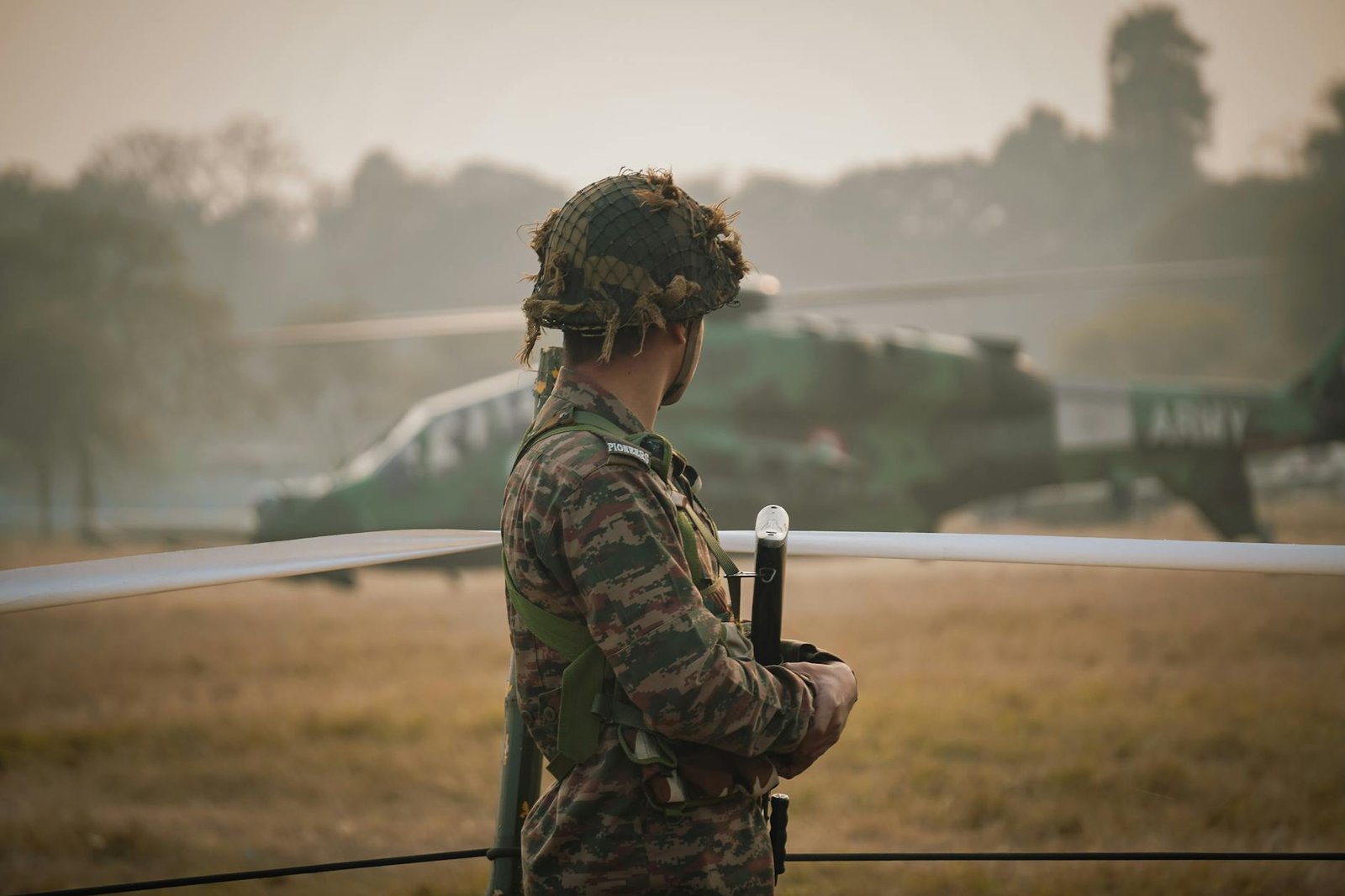
Security forces have successfully dismantled a significant terrorist hideout in the Kishtwar district of Jammu and Kashmir, uncovering a substantial cache of arms, ammunition, and explosive materials. The operation, which took place on Friday, marks a crucial success for counter-terrorism efforts in the region. Officials confirmed that the discovery was made during a thorough search operation conducted in the Chatroo area of the district.

The hideout was located deep within the Bajmandoo forest, specifically in the Sigdi Bhata area. Information reaching TahirRihat.com suggests that this particular hideout was formerly utilized by a high-ranking terrorist commander who had been neutralized by security forces in previous operations. The recovery of such a large quantity of weaponry and explosives underscores the persistent threat posed by militant groups operating in the region and highlights the strategic importance of these forest areas as potential bases for subversive activities.

The recovered items included a formidable array of weaponry. Among the seized items were one carbine gun, complete with a magazine, and a pistol, also accompanied by its magazine. Additionally, security personnel found one sling, which is often used for carrying weapons or equipment. A significant find was an Under Barrel Grenade Launcher (UBGL), a weapon capable of launching explosive projectiles, along with one 51 mm rocket and four detonators, essential components for initiating explosive devices. The presence of these items indicates a level of operational preparedness and the potential for significant destructive capability.

Further bolstering the significance of the bust, the security forces also recovered a substantial quantity of live ammunition. This included 97 rounds of 9 mm live ammunition, commonly associated with pistols and submachine guns, and 18 rounds of 7.62 mm live ammunition, typically used in assault rifles. The recovery of such a large volume of ammunition suggests that the hideout was not merely a temporary shelter but a well-stocked operational base intended for sustained activity. In addition to firearms and ammunition, the search yielded essential maintenance equipment, including one pull-through, a tool used for cleaning firearms. The discovery also included one kilogram of explosive material, a quantity that could be used to construct improvised explosive devices (IEDs) or other destructive charges, posing a grave threat to civilian safety and security infrastructure.

The operational aspect of the recovered items was further emphasized by the discovery of communication equipment. Officials reported the recovery of one Kenwood radio set and two Motorola radio sets. These devices are crucial for maintaining command and control within militant networks, allowing for coordination of activities, intelligence gathering, and communication with external handlers. The presence of multiple radio sets suggests a sophisticated communication infrastructure designed to evade detection and maintain operational secrecy. The recovery of these communication tools is expected to provide valuable intelligence regarding the network’s operational methods, communication protocols, and potential links to other militant factions or their support systems.

The successful busting of this hideout is a testament to the diligent efforts and strategic planning of the security forces involved. It is indicative of the ongoing commitment to maintaining peace and stability in the sensitive region of Kishtwar, which has historically faced challenges from militancy. The operation not only neutralizes an immediate threat by removing a significant quantity of arms and explosives from circulation but also disrupts the operational capabilities of terrorist groups by dismantling their logistical and communication infrastructure. The intelligence gathered from the recovered materials is expected to be crucial in further counter-terrorism operations and in identifying individuals involved in supporting or perpetrating terrorist activities in the Union Territory of Jammu and Kashmir.

The Chatroo area, where the hideout was discovered, has been a focus of security operations due to its terrain and historical association with militant activities. The dense forest cover provides natural camouflage and makes it challenging for security forces to conduct surveillance and search operations. However, the sustained efforts and intelligence-led operations have proven effective in penetrating these difficult terrains and dismantling militant infrastructure. The elimination of terrorist commanders in the past, as mentioned by officials regarding the former occupant of this hideout, signifies a continuous pressure on militant leadership, forcing them to seek refuge in remote and challenging locations. The recovery of such a comprehensive arsenal suggests that despite these pressures, militant groups continue to receive support and are actively attempting to maintain their operational presence.

The implications of this bust extend beyond the immediate recovery of arms and explosives. It is likely to provide critical leads for further investigations into the broader network of terrorist organizations operating in the region. The analysis of communication logs, the type of weaponry recovered, and the quantity of explosives could offer insights into the procurement channels, training methods, and strategic objectives of these groups. Security agencies will be meticulously examining these recovered items to piece together a more comprehensive understanding of the threat landscape and to preempt future attacks. The successful operation reinforces the confidence of the local populace in the capabilities of the security forces to protect them from the scourge of terrorism and contributes to the overall security posture of Jammu and Kashmir.

The ongoing efforts by the security forces in Kishtwar and other parts of Jammu and Kashmir are crucial in combating the persistent challenge of terrorism. These operations are vital for ensuring the safety and security of citizens, fostering economic development, and promoting a sense of normalcy in the region. The dismantling of this hideout is a significant step in that direction, demonstrating the resolve and effectiveness of the forces engaged in this critical task. The recovered cache, according to officials, is currently being processed for forensic analysis, which is expected to yield further actionable intelligence.

Oil Giants’ Record Profits Spark Renewed Calls for Windfall Taxes

0
Oil Companies’ Huge Profits Revive Calls for Temporary Windfall Taxes
Photo by Soly Moses on Pexels

The immense profits being reported by major oil companies are once again igniting discussions and demands for the implementation of temporary windfall taxes. These calls are gaining traction as governments grapple with the economic fallout from volatile energy markets and the ongoing geopolitical instability that continues to influence global oil prices. The substantial financial gains posted by these corporations have drawn scrutiny from policymakers and consumer advocacy groups alike, who argue that such earnings represent an extraordinary and perhaps unearned surplus that could be better utilized to alleviate economic pressures on households and businesses.

Information reaching TahirRihat.com suggests that the debate over windfall taxes is not new, having resurfaced during previous periods of significant price spikes in the energy sector. European nations, for instance, introduced temporary taxes during the energy shock that followed Russia‘s invasion of Ukraine in 2022. This move was intended to capture some of the excess profits generated by oil and gas companies during that crisis. However, the effectiveness of these measures in providing tangible relief to struggling households remains a subject of considerable debate, with varying outcomes reported across different jurisdictions. The complexity lies in balancing the need to tax extraordinary profits with the potential impact on investment in the energy sector and the broader economic landscape.

The current surge in profitability for oil companies is attributed to a confluence of factors, including a rebound in demand following pandemic-related slowdowns and persistent supply constraints, exacerbated by geopolitical tensions. As a result, many of the world’s largest energy firms have announced record or near-record earnings in recent reporting periods. This financial performance has led to a renewed focus on the distribution of these profits, with critics arguing that a significant portion should be redirected to support consumers facing high energy bills or to fund investments in renewable energy infrastructure. The argument for a windfall tax often centers on the idea that these profits are not solely the result of shrewd business practices or innovation, but rather a consequence of market conditions largely beyond the companies’ control, and in some cases, driven by global events.

Proponents of windfall taxes contend that such levies can serve a dual purpose: generating revenue for governments that can then be used for public benefit, and acting as a deterrent against excessive price gouging or profiteering during times of crisis. They point to the substantial dividends and share buybacks undertaken by many oil companies as evidence that the firms are capable of distributing significant sums, and that a portion of these could be captured by the state. The concept is not to penalize companies for being profitable, but to ensure that profits derived from exceptional circumstances, particularly those linked to global instability, contribute to broader societal well-being. The debate often involves intricate economic modeling to determine what constitutes an “excessive” profit and how to design a tax that is both effective and fair, without unduly harming the industry’s capacity to invest in future energy supplies, including cleaner alternatives.

However, opponents of windfall taxes raise concerns about their potential to stifle investment in the oil and gas sector. They argue that such taxes could discourage companies from investing in exploration, production, and the development of new technologies, ultimately leading to tighter supplies and higher prices in the long run. Furthermore, there are questions about the practical implementation of such taxes, including how to define the baseline for normal profits and how to account for the cyclical nature of the oil industry. The experience in Europe, where some countries implemented these taxes, has provided a mixed bag of results, with some analyses suggesting limited impact on consumer prices and others highlighting potential administrative challenges and unintended consequences for energy security. The precise design of any such tax is therefore crucial, requiring careful consideration of its economic implications and its alignment with broader energy policy goals.

The ongoing discussion highlights a fundamental tension between the pursuit of corporate profits and the societal need for affordable and stable energy. As global energy markets continue to be influenced by geopolitical events and the transition towards a low-carbon economy, the question of how to manage the financial windfalls generated by fossil fuel companies is likely to remain a prominent issue on the political and economic agenda. The calls for temporary windfall taxes represent one approach to address this complex challenge, seeking to harness extraordinary profits for public good while navigating the intricate dynamics of the global energy landscape and its impact on everyday lives.

Reliance Retail Ventures Acquires Priyanka Chopra’s Haircare Brand Anomaly

0
Reliance Retail Acquires Priyanka Chopra Jonas’s Haircare Brand Anomaly
Photo by Hairlust Official on Pexels

Reliance Retail Limited, the retail arm of Indian conglomerate Reliance Industries, has announced the acquisition of Anomaly, the global haircare brand founded by actor and entrepreneur Priyanka Chopra Jonas. The transaction, which encompasses the full purchase of the brand’s trademarks, digital assets, and associated intellectual property, signifies a significant expansion of Reliance Retail’s existing beauty portfolio. This strategic move is poised to leverage Reliance Retail’s extensive physical retail network and its burgeoning omnichannel platforms, including its beauty venture Tira, to scale the vegan haircare label.

Information reaching TahirRihat.com suggests that the acquisition is designed to capitalize on Reliance Retail’s substantial offline footprint and its advanced digital commerce capabilities. The objective is to enhance consumer accessibility to the Anomaly brand and to accelerate its growth trajectory both domestically and internationally. Isha Ambani, Executive Director of Reliance Retail Ventures Limited, articulated the strategic importance of this acquisition, stating, “Bringing Anomaly into our portfolio marks a strategic step in expanding our basket of new-age, high-growth beauty brands.” She further elaborated on Anomaly’s appeal, noting its “strong global positioning, clean formulation philosophy, and accessible pricing make it a compelling addition to our ecosystem.” Reliance Retail sees considerable potential in collaborating with Priyanka Chopra Jonas to elevate the brand within the Indian market, utilizing its omnichannel strategies and deep understanding of consumer behavior, while simultaneously fostering its international expansion.

Anomaly, established in 2021, has positioned itself as a high-performance haircare brand offering products at an accessible price point. Its distribution has spanned across key global markets since its inception. Following the acquisition, Reliance Retail has identified India as a primary market for bolstering the brand’s equity and increasing its market share. The company’s strategy for Anomaly in India includes a robust focus on product development and the creation of localized solutions, with a particular emphasis on innovations specifically tailored to address the unique requirements of Indian hair and scalp conditions. This approach underscores a commitment to catering to the specific needs of the Indian consumer base.

In a move that highlights the ongoing importance of the founder’s vision, Priyanka Chopra Jonas will assume the role of Creative Director for Anomaly. In this capacity, she will remain actively involved in guiding the evolution of the brand, overseeing product development initiatives and contributing to the overall brand vision. This continued involvement ensures that the brand’s core philosophy and aesthetic are maintained while benefiting from Reliance Retail’s operational and market expansion expertise. Reliance Retail has also confirmed that Anomaly will continue to pursue international growth, with plans to expand its presence in established markets such as North America, the United Kingdom, and the Middle East. This dual focus on domestic consolidation and international outreach signals a comprehensive growth strategy for the brand under its new ownership.

Priyanka Chopra Jonas expressed her enthusiasm for this new phase, describing it as “a defining moment for Anomaly.” She reflected on the brand’s journey, stating, “What began as a deeply personal journey has grown into a brand with real purpose and global ambition, and Reliance Retail’s acquisition marks an exciting new chapter.” She emphasized the synergistic benefits of the partnership, noting that Reliance Retail’s “scale, retail expertise, and commitment to innovation will allow us to bring Anomaly to far more consumers in India and around the world.” Chopra Jonas also conveyed her anticipation for working with Isha Ambani, whose leadership she “values tremendously.” In her new capacity as Creative Director, she reiterated her commitment to remaining “deeply involved in guiding Anomaly’s evolution, ensuring we continue to grow and innovate while staying true to what we set out to build from the very beginning.” This collaborative approach between the brand’s founder and the retail giant is expected to drive Anomaly’s next phase of development and market penetration.

The acquisition by Reliance Retail is indicative of a broader trend within the Indian retail landscape, where established conglomerates are increasingly investing in and acquiring direct-to-consumer (DTC) and digitally native brands. These acquisitions allow large corporations to tap into niche markets, leverage established brand equity, and integrate innovative product lines into their expansive retail ecosystems. Anomaly’s focus on clean formulations and accessible luxury aligns with evolving consumer preferences in the beauty sector, particularly among younger demographics who are increasingly conscious of ingredient transparency and ethical sourcing. Reliance Retail’s ability to provide a robust distribution network, both online and offline, is expected to be a critical factor in Anomaly’s success in scaling its operations and reaching a wider consumer base.

The strategic integration of Anomaly into Reliance Retail’s beauty division, which includes its own beauty retail chain Tira, suggests a concerted effort to build a comprehensive beauty offering that caters to diverse consumer needs and price points. Tira, launched by Reliance Retail, aims to be a one-stop destination for beauty and personal care products, and the inclusion of Anomaly is expected to enhance its premium and specialized product assortment. This move also positions Reliance Retail to compete more effectively with other major players in the Indian beauty market, which has seen significant growth in recent years driven by increasing disposable incomes and a growing awareness of global beauty trends. The company’s investment in brands like Anomaly underscores its ambition to become a dominant force in the Indian beauty and personal care sector.

Furthermore, the emphasis on localized product development for the Indian market is a crucial element of the Anomaly acquisition strategy. India’s diverse climate, water quality, and hair types present unique challenges and opportunities for haircare brands. By committing to tailor its product development to these specific needs, Reliance Retail and Priyanka Chopra Jonas aim to create a more relevant and effective product offering for Indian consumers. This localized approach, combined with the brand’s global appeal and accessible pricing, could prove to be a winning formula in a highly competitive market. The success of this strategy will likely be closely watched by other players in the beauty industry as they navigate the complexities of the Indian market.

The financial terms of the acquisition have not been disclosed, but the deal is seen as a significant step for Reliance Retail in its aggressive expansion strategy within the consumer goods and retail sectors. The company has been actively pursuing acquisitions and partnerships to strengthen its market position and diversify its offerings. Anomaly, with its established global presence and strong brand identity, represents a valuable addition to Reliance Retail’s growing portfolio of consumer brands. The integration of Anomaly is expected to contribute to Reliance Retail’s overall revenue growth and further solidify its position as a leading retailer in India and potentially in international markets.

Iran Submits New Peace Proposal to U.S. Amid Strained Relations

0
Iran Sends New Proposal for Peace Talks with U.S., State Media Says
Photo by August de Richelieu on Pexels

Tehran has put forth a fresh proposal aimed at de-escalating tensions and potentially paving the way for peace talks with the United States, according to state media reports. The specifics of this latest initiative remain undisclosed, leaving international observers to speculate on its potential impact on the complex geopolitical landscape.

This development follows a period of significant friction between the two nations, marked by President Trump’s expressed dissatisfaction with a prior Iranian offer designed to end the ongoing conflict and ensure the unimpeded passage through the Strait of Hormuz. Information reaching TahirRihat.com suggests that the previous proposal, which sought to address critical maritime security concerns and broader diplomatic objectives, did not meet the expectations of the U.S. administration, leading to its rejection and a subsequent impasse in dialogue.

The current geopolitical climate is characterized by a delicate balance of power and a history of mistrust, making any overtures for peace particularly noteworthy. The Strait of Hormuz, a vital chokepoint for global oil shipments, has been a focal point of regional instability, with Iran frequently asserting its control and the U.S. maintaining a strong naval presence to ensure freedom of navigation. Any proposal that addresses the security of this waterway carries significant implications for global energy markets and international maritime law.

Sources close to the Iranian government, speaking on condition of anonymity, indicated that the new proposal has been carefully crafted to address some of the concerns previously raised by the U.S., while also safeguarding Iran’s national interests. The exact nature of these concessions or adjustments is not yet public, but it is understood that the plan encompasses a multi-faceted approach to resolving outstanding issues. The Iranian foreign ministry has reportedly been engaged in behind-the-scenes diplomatic efforts to gauge international reactions and build support for its latest initiative.

The United States, under President Trump’s leadership, has adopted a policy of maximum pressure against Iran, characterized by stringent economic sanctions and a firm stance on its nuclear program and regional activities. This has led to a protracted period of heightened tensions, with both sides engaging in a war of words and occasional military posturing. The U.S. has consistently demanded that Iran cease its support for proxy groups in the region and abandon its pursuit of nuclear weapons. The success of any new peace initiative would likely hinge on the U.S. administration’s willingness to engage in direct negotiations and its assessment of Iran’s sincerity and the viability of its proposals.

The international community has long called for a diplomatic resolution to the ongoing conflict and the broader tensions between Iran and the United States. European powers, in particular, have expressed concerns about the potential for escalation and have urged both sides to exercise restraint and engage in constructive dialogue. The United Nations has also played a role in facilitating discussions, though progress has been slow and often fraught with challenges. The latest proposal from Tehran is expected to be met with cautious optimism by some nations, while others may remain skeptical given the history of failed diplomatic efforts.

The details of the previous Iranian proposal, which President Trump found unsatisfactory, were not fully elaborated upon in the state media reports. However, it is understood that the plan was intended to foster a broader understanding and potentially lead to a comprehensive agreement that would address security concerns in the Persian Gulf and beyond. The reopening of the Strait of Hormuz was a key component, signaling Iran’s willingness to ensure the free flow of commerce, a move that would have significant economic ramifications globally.

The current administration’s approach to foreign policy has often been characterized by a transactional and results-oriented mindset. This suggests that any Iranian proposal would be scrutinized for its tangible benefits and its alignment with U.S. strategic objectives. The effectiveness of the sanctions regime, coupled with diplomatic pressure, has been a cornerstone of the U.S. strategy, and any shift in this approach would signify a significant policy adjustment. The White House has yet to issue an official statement regarding the new Iranian proposal, indicating that it is likely still under review by the relevant departments and agencies.

The implications of a potential breakthrough in U.S.-Iran relations extend far beyond the immediate concerns of the two nations. A reduction in tensions in the Persian Gulf could lead to greater stability in the Middle East, a region that has been plagued by conflict and instability for decades. This could, in turn, have a positive impact on global oil prices, boost international trade, and foster a more conducive environment for economic growth worldwide. Conversely, a failure to find common ground could lead to further escalation, with potentially devastating consequences for regional and global security.

The Iranian state media’s announcement of the new proposal is itself a significant event, suggesting a renewed effort by Tehran to engage diplomatically. The timing of this announcement, amidst ongoing international scrutiny of Iran’s nuclear program and its regional influence, is also noteworthy. It remains to be seen whether this latest initiative will be met with a more receptive response from the U.S. administration, or if it will follow the path of previous proposals that failed to bridge the divide between the two nations.

Jammu Bridge Collapse: Several Labourers Feared Trapped Under Debris

0
Bridge Portion Collapses On Jammu Outskirts; 3-4 Labourers Feared Trapped, 1 Rescued
Photo by MAKSIM ZAVIKTORIN on Pexels

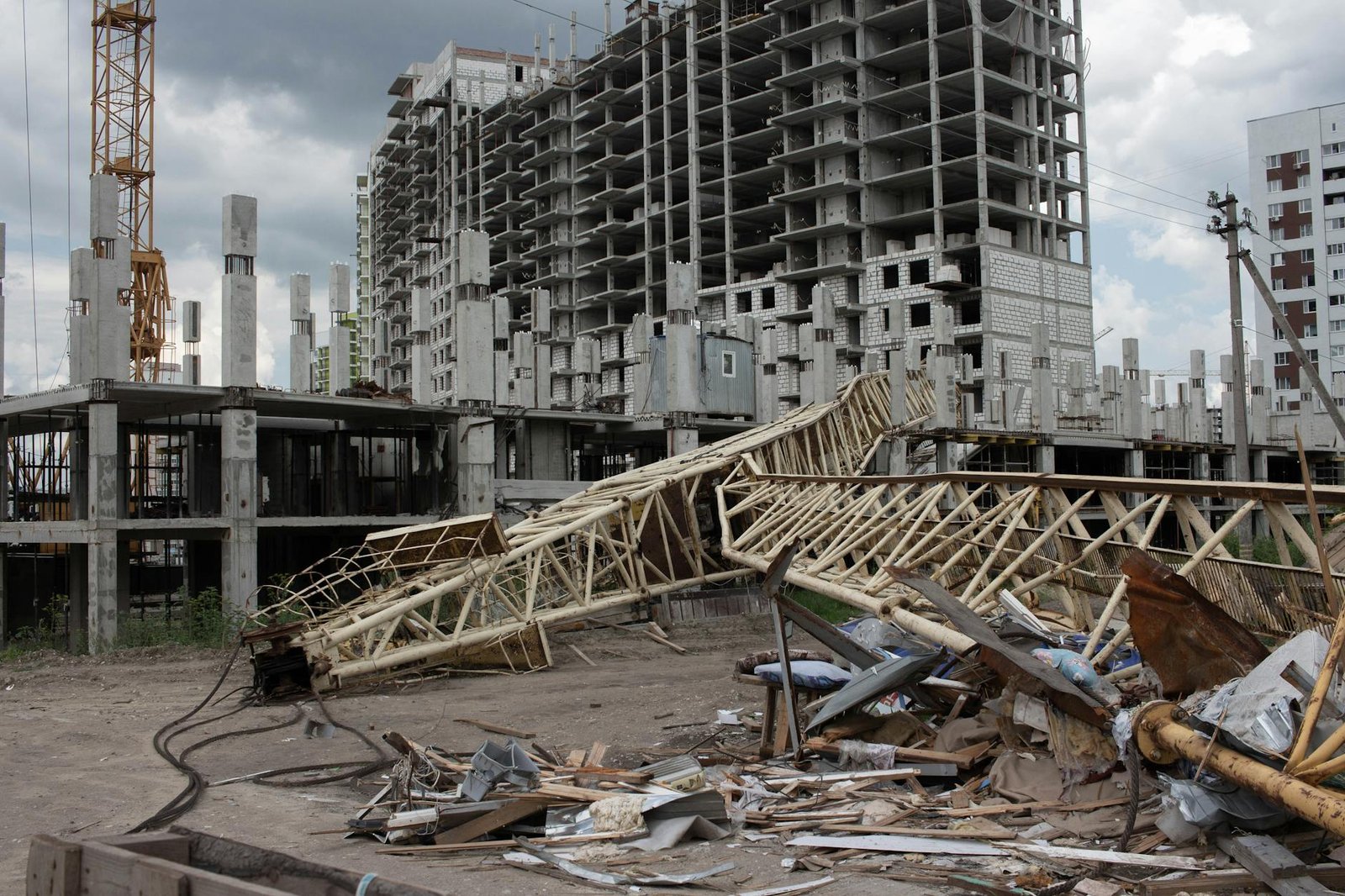
A section of a small bridge on the outskirts of Jammu city in the Bantalab area experienced a sudden collapse on Friday, leading to fears that three to four labourers were trapped beneath the rubble. One injured worker was successfully rescued and promptly transported to a local hospital for medical attention. The incident has prompted authorities to immediately close the affected road link, severing a crucial transportation route in the region.

The collapse occurred while a group of labourers were engaged in repair work on a retaining wall adjacent to the bridge. This wall had reportedly sustained damage during flash floods that occurred last year, necessitating the ongoing maintenance efforts. As per information available with TahirRihat.com, a portion of the bridge unexpectedly gave way, entombing workers who were present at the site at the time of the structural failure. The immediate aftermath saw a concerted rescue operation launched by multiple agencies.

Emergency services, including teams from the Police, the Army, and the State Disaster Response Force (SDRF), were swiftly deployed to the scene. Their primary objective was to extricate any individuals buried under the collapsed structure. The rescued labourer, who sustained injuries, was immediately taken to a hospital, though the extent of his injuries was not immediately disclosed. Information reaching TahirRihat.com suggests that the rescue operations are continuing with urgency, as the fate of the remaining trapped individuals remains uncertain.

Family members of the labourers present at the site provided a more detailed account of the unfolding tragedy. They indicated that approximately six workers were actively engaged at the site when the structure catastrophically failed. According to their accounts, two of the labourers managed to escape the immediate danger, but four were caught and trapped under the debris. The identities of those feared trapped include the husband of a woman labourer, a mason, an unmarried labourer, and a relative of the contractor overseeing the repair work. However, official confirmation regarding the precise number of persons trapped under the debris was not available at the time of this report, underscoring the fluid and developing nature of the situation.

The incident highlights the potential dangers inherent in infrastructure repair work, particularly in areas prone to natural calamities like flash floods. The damaged retaining wall, a consequence of last year’s severe weather events, was undergoing repairs, a process that tragically led to this unforeseen collapse. The suddenness of the bridge section giving way has raised questions about the structural integrity of the bridge and the efficacy of the ongoing repair work. Authorities are expected to launch a thorough investigation into the cause of the collapse once the rescue operations are concluded and the site is secured. The closure of the road link is likely to cause significant disruption to local traffic and transportation, necessitating diversions and alternative routes for commuters. The ongoing rescue efforts are a race against time, with hopes pinned on the swift and safe recovery of all trapped individuals. The community in the Bantalab area is anxiously awaiting updates, with families of the workers keeping a vigil at the site, their hopes and fears intertwined with the progress of the rescue teams. The incident serves as a stark reminder of the vulnerabilities of critical infrastructure and the importance of stringent safety protocols during maintenance and repair operations, especially in regions that have experienced past damage from natural disasters. The full implications of this collapse, both in terms of human cost and infrastructural impact, will become clearer as the situation develops and further details emerge from the ongoing rescue and investigation efforts.