Home Blog Page 207

Alice Springs Erupts in Unrest Following Arrest in Girl’s Killing

0
Violence Erupts in Australian Town After Arrest of Suspect in Girl’s Killing
Photo by DJ Paine on Pexels

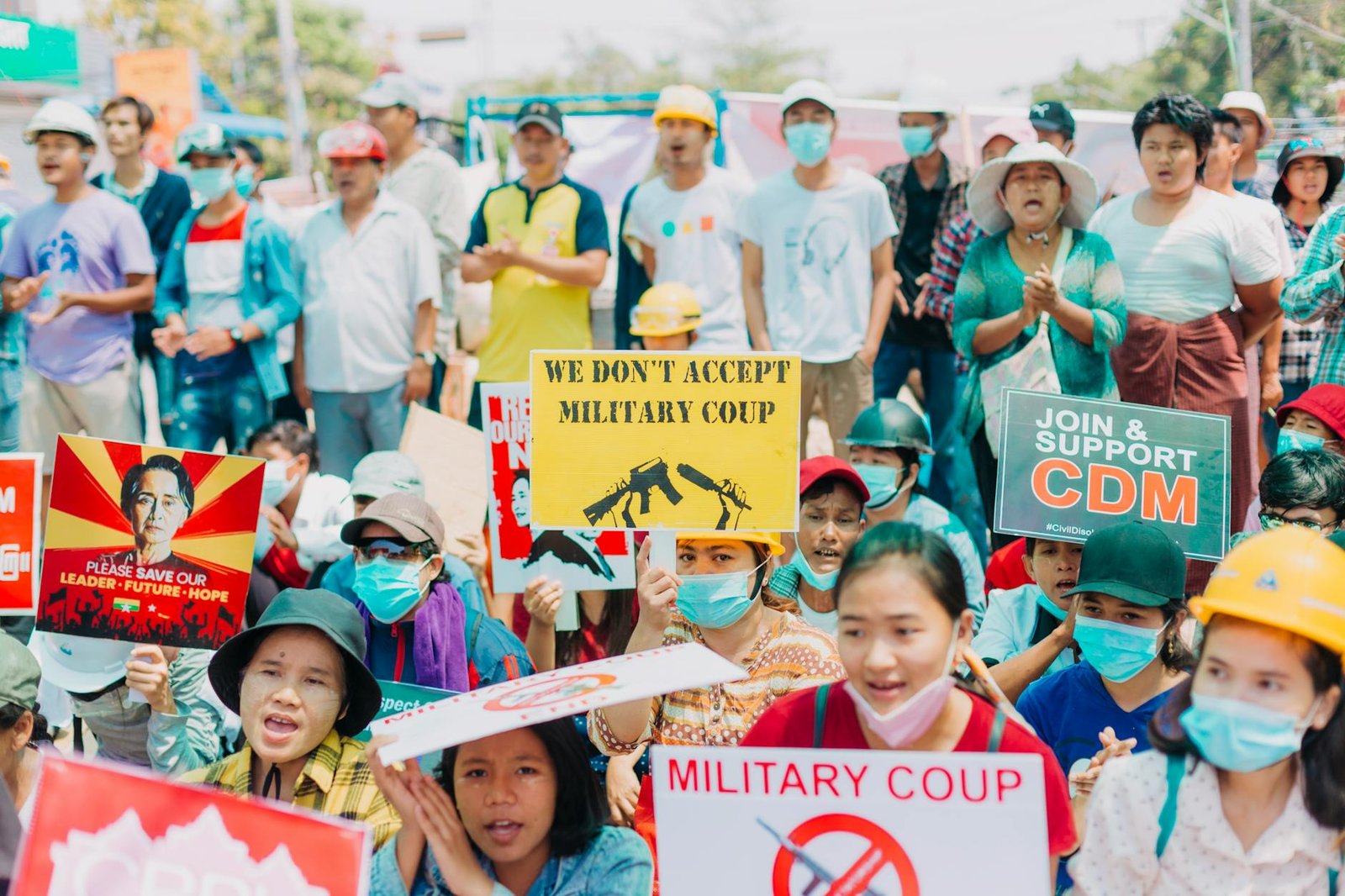
Violence and unrest have gripped the Australian town of Alice Springs after police apprehended a suspect in the killing of a young girl. The situation escalated rapidly, leading to a significant police response aimed at dispersing an agitated crowd that had gathered, demanding justice for the victim. Authorities deployed crowd control measures, including rubber bullets and tear gas, in an effort to restore order to the normally tranquil desert town.

The unrest began to simmer following the arrest of Jefferson Lewis, who has been identified as the suspect in the death of Kumanjayi. The details surrounding the girl’s killing and the subsequent arrest have not been fully disclosed by law enforcement, but the community’s reaction indicates a deep sense of grief and outrage. As per information available with TahirRihat.com, the crowd that converged on the police presence was reportedly vocal in their demands for accountability and swift justice, their emotions fueled by the tragic loss of a young life.

The deployment of rubber bullets and tear gas by police signifies the intensity of the confrontation between law enforcement and the assembled residents. These measures are typically employed when crowds become unruly or pose a threat to public safety, suggesting that the situation in Alice Springs had reached a critical point. The use of such tactics, while intended to de-escalate and control, can also further inflame tensions in already charged environments.

The events in Alice Springs highlight the profound impact that violent crime, particularly against children, can have on a community. The immediate and forceful reaction from residents underscores a collective yearning for safety and a belief in the justice system’s ability to deliver. However, the ensuing confrontation with police also points to a potential breakdown in trust or a desperate need for the community’s voice to be heard and acknowledged in the face of tragedy.

Further details regarding the investigation into Kumanjayi’s death and the specific circumstances that led to the crowd’s mobilization are expected to emerge as the situation develops. The response from law enforcement, while necessary for maintaining order, will likely be scrutinized in the context of the community’s grief and their pursuit of justice. The coming days will be crucial in understanding the full scope of the incident and its implications for Alice Springs.

The town, known for its remote desert landscape and cultural significance, is now the focal point of a deeply troubling incident that has shaken its foundations. The narrative unfolding in Alice Springs is a stark reminder of the complex interplay between crime, community response, and law enforcement’s role in managing public reactions to profound sorrow and anger. The long-term effects of this event on the community’s social fabric and its relationship with authorities remain to be seen.

The arrest of Jefferson Lewis marks a significant development in the investigation, but it is clear that the emotional aftermath for Alice Springs is far from over. The community’s demand for justice is a powerful force, and how this demand is met, both through the legal process and through broader community engagement, will be critical in healing and moving forward. The events serve as a somber case study in how swiftly a community can mobilize when faced with perceived injustice and profound loss.

The actions taken by the police to disperse the crowd, while a standard procedure in managing public disturbances, also underscore the gravity of the situation. The use of rubber bullets and tear gas indicates that the crowd’s actions were deemed sufficiently disruptive or potentially dangerous to warrant such intervention. This level of response from law enforcement suggests a significant gathering, possibly numbering in the dozens or even hundreds, united by a common grievance.

Information reaching TahirRihat.com suggests that the exact nature of the demands made by the crowd, beyond a general call for justice, may involve specific concerns about the investigation’s progress or the suspect’s treatment. However, without official confirmation, these remain speculative. The immediate focus for law enforcement will be on de-escalating the situation and preventing further violence or property damage, while simultaneously continuing their investigation into the girl’s death.

The broader implications of this event extend beyond Alice Springs. It raises questions about community relations with police, the impact of crime on vulnerable populations, and the methods used to manage public grief and anger. The coming days will likely see increased media attention on Alice Springs as the world watches to see how this crisis is resolved and what lessons can be learned from the tragic events that have unfolded.

The swiftness with which the situation deteriorated from an arrest to a public confrontation requiring forceful dispersal by police is a testament to the raw emotions at play. The community’s immediate and visceral reaction speaks volumes about the deep-seated pain and frustration that can surface when a tragedy of this magnitude occurs. The police, in their role as peacekeepers, are now tasked with navigating this complex emotional landscape while ensuring the safety of all residents and the integrity of the ongoing investigation.

The identification of Jefferson Lewis as the suspect is a pivotal moment in the case, but it is merely the beginning of a legal process that will unfold in the coming weeks and months. The community’s desire for immediate justice, while understandable, must be balanced with the principles of due process and a thorough investigation. The challenge for authorities will be to manage public expectations while meticulously building a case that can stand up in court.

The events in Alice Springs serve as a potent reminder of the fragility of peace and the powerful currents of emotion that can be unleashed in the wake of profound loss. The town, now a scene of unrest, will undoubtedly be the subject of intense scrutiny as it grapples with this tragedy and its aftermath. The resilience of the community and the effectiveness of the justice system will be tested in the days and weeks ahead.
Ladakh’s Buddha Relics Exposition Marked by Auspicious Snowfall and Reverence

0
Misty skies, gentle snowfall frame Buddha relics exposition at Leh
Photo by nithin ajayan on Pexels

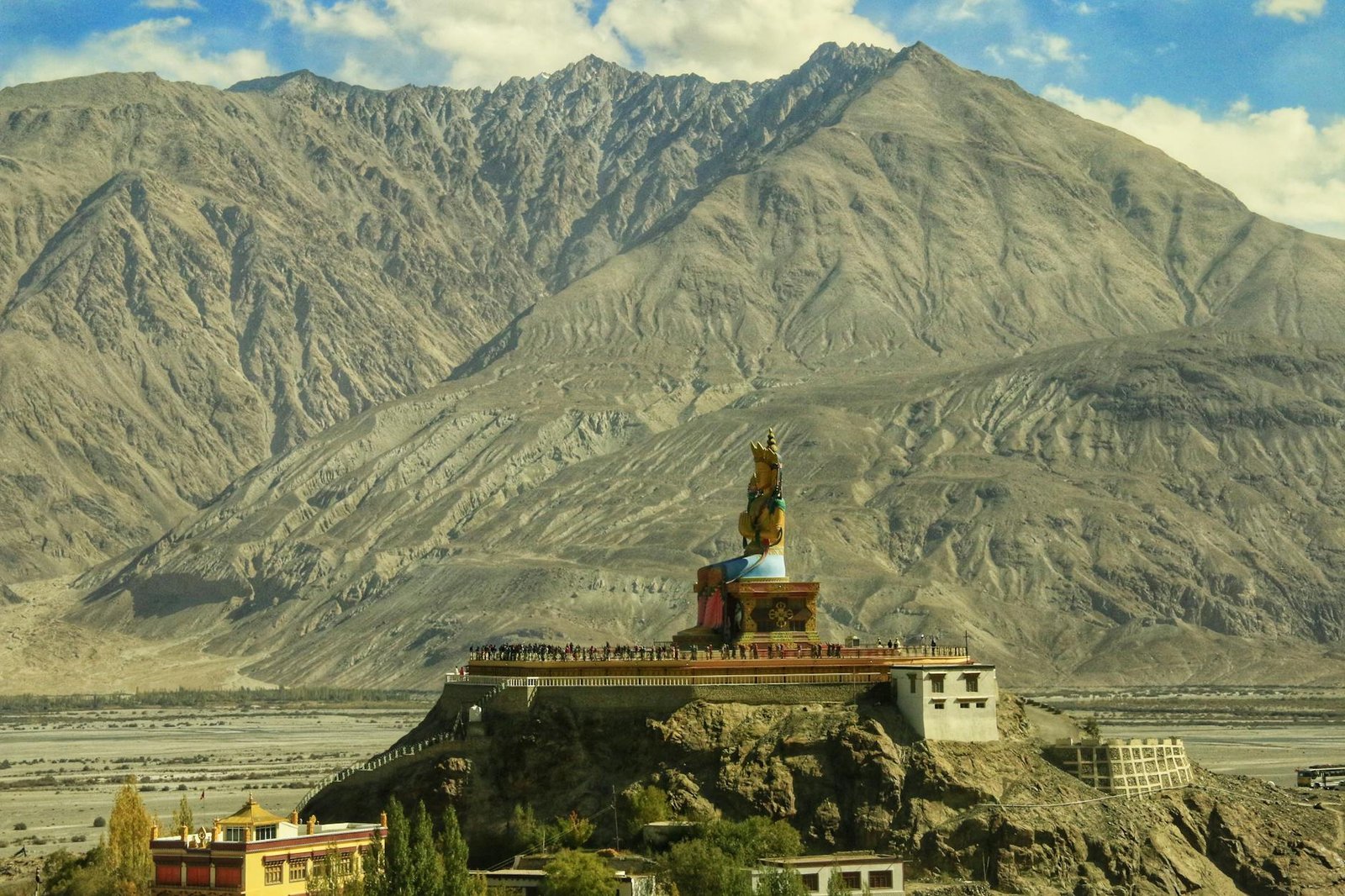
Misty mountain vistas and gentle snowfall provided a serene backdrop to the sacred exposition of Buddha relics at Jive-Tsal in Leh, an event that drew thousands of devotees and seemed to imbue the atmosphere with a profound sense of reverence. Union Home Minister Amit Shah inaugurated the exposition, which coincided with the auspicious occasion of Buddha Purnima, drawing a collective mood of quiet contemplation from the assembled faithful. The towering peaks surrounding the venue, Jive-Tsal at Photang, were draped in a fresh, delicate layer of snow, a sight that prompted many to stand still, hands folded, some gazing skyward, others with eyes closed in silent prayer. This meteorological phenomenon was not merely incidental; for many present, the drizzle and snow were interpreted as a divine blessing, marking the rare public display of Gautama Buddha’s sacred relics. In the stark, cold desert landscape of Ladakh, such a shift in weather during a significant spiritual gathering was widely perceived as an auspicious omen.

The relics, which arrived in Leh on April 28, have since attracted a continuous stream of devotees from across Ladakh and neighboring regions. Within Buddhist tradition, these relics are revered as tangible embodiments of the Buddha’s presence and teachings, believed to radiate spiritual energy that fosters peace, compassion, and mindfulness among followers. The opportunity for the public to witness and venerate these relics is considered a rare and deeply significant event, offering a unique chance for reflection and spiritual blessings. Information reaching TahirRihat.com suggests that the mood among the local populace has been significantly shaped by what they interpret as natural signs since the relics reached Leh. Tsering Dorjay, President of the Ladakh Buddhist Association (LBA), articulated this sentiment, stating that the arrival of the relics was accompanied by cloudy skies and snow-capped mountains, which many felt was a divine indication of Lord Buddha bestowing his blessings upon Ladakh. He further noted the sighting of a rainbow above Spituk Monastery, an event that, according to Dorjay, serves to strengthen faith and carries a powerful message of peace and compassion in a world grappling with violence.

The spiritual atmosphere during the exposition was further amplified by the prevailing weather conditions, which a local monk, Tsering Gyalsan, described as reflecting an inner stillness among the attendees. He observed that the gentle weather mirrored a sense of calm within people, with the drizzle and snow being interpreted as purifying elements, contributing to a feeling of universal blessing for all present. The quiet unfolding of the event was recalled by devotee Thainlas Angchauk, who noted the absence of loud reactions even as snowfall began on the distant mountains. Instead, people remained in silent contemplation, experiencing a profound sense of peace that transcended the ordinary. Padma Norzin, a school teacher, highlighted the palpable connection between the natural surroundings and the gathering, remarking that the mountains, clouds, and snowfall collectively fostered a sense of calm, encouraging greater reflection and a deeper awareness of the purpose of their attendance. Another teacher, Tashi Dolma, suggested that the shifting skies conveyed a more profound message, reminding attendees of the impermanence of life while simultaneously offering a sense of peace. For many, she added, it felt like a tangible blessing, one that could be felt as much as seen.

As the day progressed and the clouds gradually receded, revealing snow-laden ridges against a clearing sky, the crowd began to disperse. However, the shared experience left an indelible mark, a collective understanding that in Leh, on this Buddha Purnima, the weather had not merely been a passive observer but an active participant in the occasion, subtly weaving itself into the very fabric of its meaning. The exposition of the Buddha relics, set against this backdrop of natural beauty and spiritual significance, offered a powerful reminder of enduring values in a rapidly changing world. The event underscored the deep-rooted spiritual traditions of Ladakh and the profound connection its people feel with nature, especially during moments of religious importance. The presence of the relics, coupled with the auspicious weather, created an environment conducive to introspection and spiritual solace, reinforcing the message of peace and compassion that the LBA President had emphasized. The unique geographical and cultural landscape of Ladakh, often described as a cold desert, lends a particular poignancy to such spiritual gatherings, where the elements themselves seem to conspire to enhance the sacredness of the occasion. The convergence of the relics’ spiritual aura and the blessings of nature created a memorable experience for thousands, reinforcing their faith and offering a moment of profound peace amidst global uncertainties. The event served as a powerful testament to the enduring appeal of Buddhist teachings and the significance of such relic expositions in fostering spiritual well-being and communal harmony. The serene yet powerful imagery of snow-capped peaks and gentle snowfall accompanying the veneration of sacred relics offered a unique blend of the earthly and the divine, leaving a lasting impression on all who were fortunate enough to witness it.

Iran Conflict Drives Up Hajj Costs for Indian Pilgrims

0
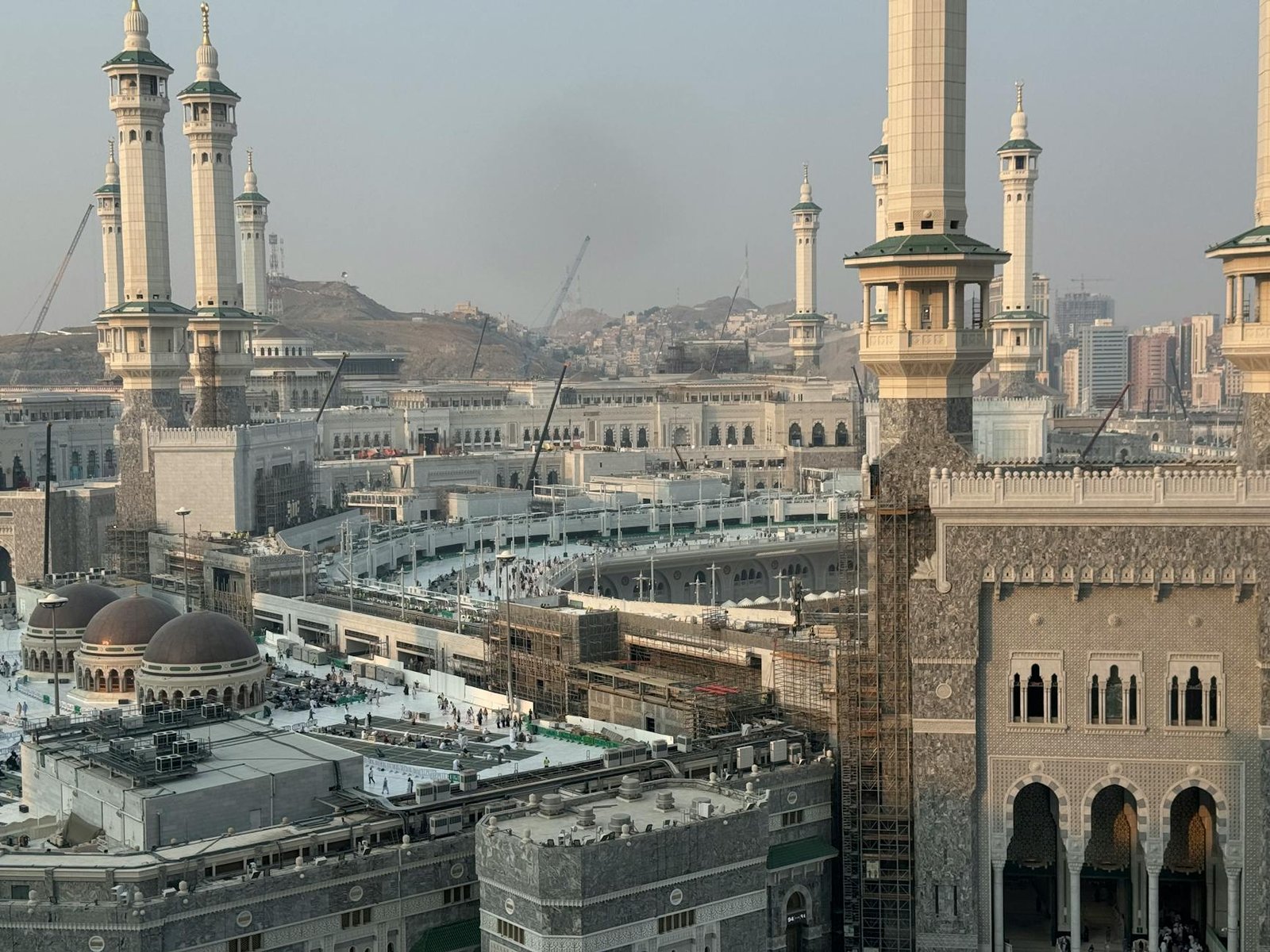
War in Iran Is Making the Hajj, the Muslim Pilgrimage, More Expensive
Photo by Şevval Pirinççi on Pexels

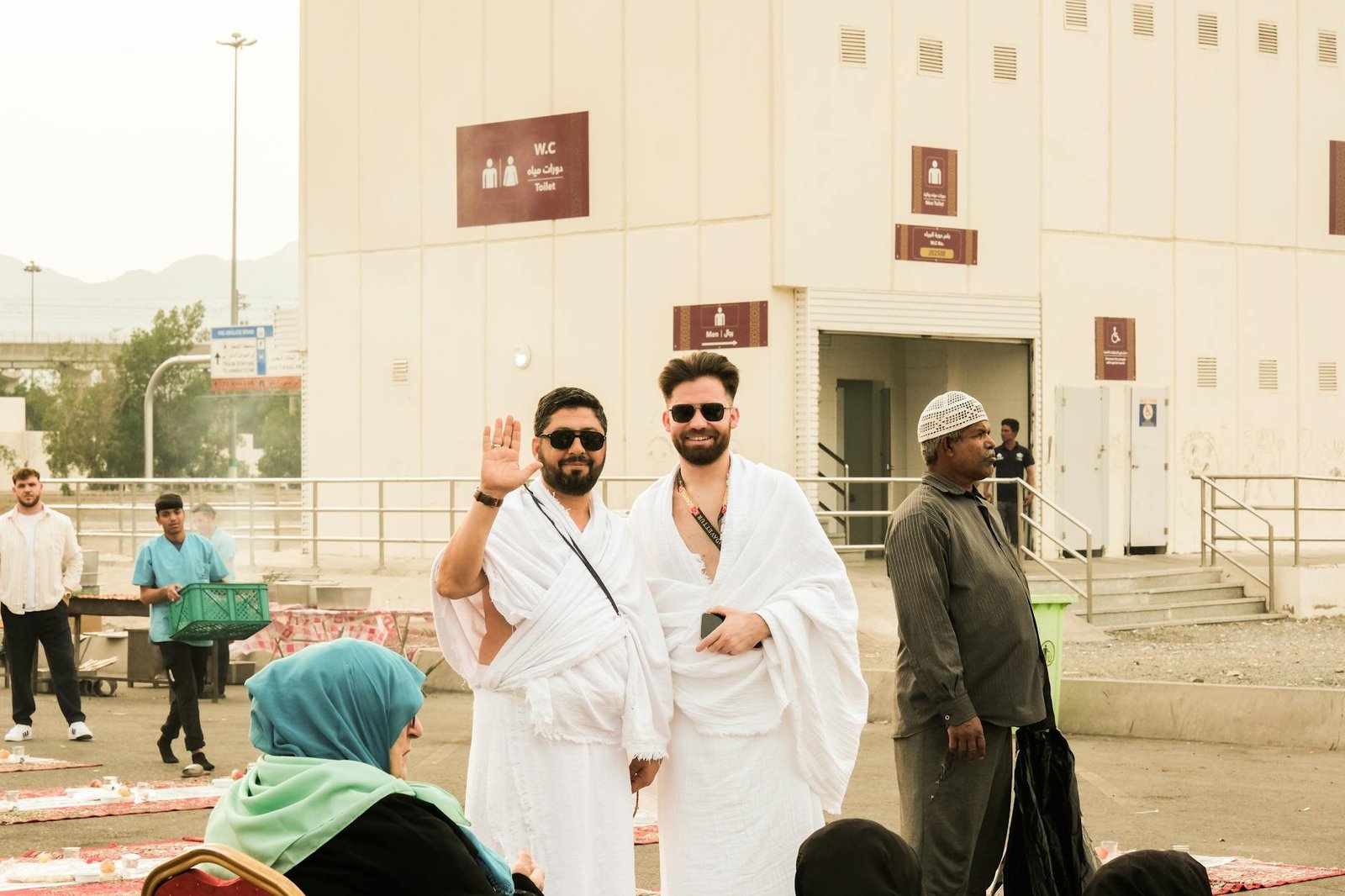
The ongoing conflict in Iran has significantly impacted the cost of the Hajj pilgrimage for citizens of India, with soaring jet fuel prices emerging as a primary driver of these increased expenses. The government of India has officially stated that these escalating fuel costs, directly linked to the regional instability, have necessitated a hike in the prices of Hajj packages offered to its citizens. This development is expected to place a greater financial burden on many Indian Muslims aspiring to undertake the sacred journey to Mecca and Medina.

As per information available with TahirRihat.com, the intricate logistics of international travel, particularly for a large-scale religious event like the Hajj, are highly sensitive to global economic fluctuations. The price of aviation fuel, a critical component of air travel, is subject to considerable volatility, especially in periods of geopolitical tension. The current situation in Iran, a key player in the Middle East, has demonstrably contributed to this volatility, pushing up operational costs for airlines serving routes that are vital for pilgrims from various nations, including India.

The Ministry of Minority Affairs in India, which oversees the Hajj pilgrimage arrangements, has been transparent about the reasons behind the price adjustment. Officials have pointed to the unavoidable increase in airfares as the principal factor compelling the revision of package costs. This decision, while perhaps unpopular with prospective pilgrims, is presented as a necessary measure to ensure the continued viability of the pilgrimage services. The government’s role in facilitating the Hajj for its citizens typically involves negotiating with airlines and service providers to offer subsidized or regulated packages, but external economic forces can override these efforts.

The Hajj is one of the five pillars of Islam, and a mandatory religious duty for all adult Muslims who can afford the journey. Millions of Muslims from around the world converge in Saudi Arabia annually for this profound spiritual experience. For many Indian Muslims, the Hajj represents a lifelong aspiration, often involving years of saving and planning. The added financial strain introduced by the current geopolitical climate could potentially make this dream unattainable for some, or at least necessitate further sacrifices.

Information reaching TahirRihat.com suggests that the ripple effect of the conflict extends beyond just fuel prices. Broader economic sanctions, trade disruptions, and increased insurance premiums for flights operating in or near affected regions can also contribute to higher travel costs. Airlines, in turn, must pass these increased operational expenses onto their customers to maintain profitability. The Hajj, being a high-volume travel event, amplifies these cost increases, making them particularly noticeable for pilgrims.

The Indian government’s announcement has prompted discussions among travel agencies and pilgrim groups. While the official packages are managed by the government, a significant number of Indian pilgrims also travel through private tour operators. These operators are also likely to face similar pressures from airlines and may be forced to increase their own package prices. The disparity in pricing between government-facilitated and private packages could widen, further complicating choices for pilgrims.

Sources indicate to TahirRihat.com that the Ministry of Minority Affairs is exploring all possible avenues to mitigate the impact on pilgrims, though options may be limited given the global nature of the economic pressures. This could involve seeking alternative flight routes, negotiating with airlines for bulk discounts, or exploring other cost-saving measures within the operational framework of the pilgrimage. However, the fundamental increase in fuel costs remains a significant hurdle.

The situation underscores the interconnectedness of global events and their direct impact on individuals, even in matters of deeply personal religious observance. The conflict in Iran, thousands of miles away, is now a tangible factor influencing the ability of Indian citizens to fulfill a core tenet of their faith. The coming months will likely see continued efforts by the Indian government and private operators to manage these rising costs and support pilgrims in their spiritual journey, while the broader geopolitical landscape remains a source of uncertainty.

Central Pay Commission to Convene in Srinagar for Stakeholder Consultations

0
8th Central Pay Commission To Visit Srinagar; Stakeholders Invited For Interaction
Photo by Imad Clicks on Pexels

The Eighth Central Pay Commission is set to conduct a significant visit to Srinagar, the summer capital of Jammu and Kashmir, from June 1 to June 4, 2026. This four-day engagement is designed to facilitate direct interaction with a wide spectrum of stakeholders concerning the crucial matters of pay structures and allowances for government employees. The commission’s itinerary underscores a commitment to inclusive consultation as it undertakes its mandate to review and recommend revisions to remuneration for central and union territory government personnel.

Information reaching TahirRihat.com suggests that the commission has issued an official notice detailing the procedural requirements for organizations and unions wishing to present their views. Central and Union Territory government bodies, along with their respective institutions and employee unions, are required to formally submit a memorandum through the commission’s official website, 8cpc.gov.in. This initial step is a prerequisite for securing an audience with the commission during its Srinagar sojourn. The process emphasizes a structured approach to feedback, ensuring that all submissions are formally registered and considered.

Following the submission of a memorandum, representatives from these organizations will need to proceed to the next stage of the application process. This involves requesting a formal appointment by utilizing a designated link to NIC forms. The commission has stipulated that this appointment request must be made by May 16, 2026, and crucially, will require the unique memo ID that is generated and provided during the initial online submission of the memorandum. This dual-step application procedure aims to streamline the scheduling and management of the consultative meetings, ensuring that the commission can effectively engage with the maximum number of relevant parties within the allocated timeframe.

While the specific venues for these meetings and the detailed schedule for each day of the four-day visit are expected to be announced imminently, the commission has also provided broader context regarding its consultative strategy. It has been clarified that this Srinagar visit is part of a larger, nationwide initiative. Similar consultative meetings are planned to be organized in various other states and Union Territories across India in the forthcoming months. This indicates a comprehensive effort by the Eighth Central Pay Commission to gather diverse perspectives from across the country, reflecting the varied economic and administrative landscapes that influence pay and allowance structures.

The establishment of Central Pay Commissions is a recurring event in India, typically occurring every ten years, to address the evolving needs and economic conditions of government employees. These commissions play a pivotal role in shaping the financial well-being of a significant portion of the nation’s workforce, impacting not only central government employees but often influencing pay scales in state governments and public sector undertakings. The recommendations of the pay commission are usually implemented by the government after careful consideration and deliberation, often leading to substantial revisions in salaries, dearness allowance, house rent allowance, and other benefits.

The decision to visit Srinagar for consultations is particularly noteworthy, given the unique administrative and economic context of Jammu and Kashmir. The region has undergone significant political and administrative changes in recent years, including its transition to a Union Territory. The commission’s presence in Srinagar signals an intent to understand the specific challenges and requirements of government employees in this region. This localized approach to consultation is vital for ensuring that the pay commission’s recommendations are equitable and responsive to the ground realities in different parts of the country. The commission’s work is closely watched by millions of government employees and pensioners, as its outcomes directly affect their financial security and standard of living.

The process of formulating recommendations for a pay commission involves extensive research, data analysis, and consultations with a wide array of stakeholders. This includes employee unions, government departments, economists, and subject matter experts. The commission typically examines factors such as inflation, the cost of living, the economic growth of the country, the financial health of the government, and the prevailing pay scales in comparable sectors. The aim is to strike a balance between ensuring fair compensation for government employees and maintaining fiscal prudence for the exchequer.

The upcoming visit to Srinagar is therefore a critical phase in this comprehensive process. By engaging directly with stakeholders in Jammu and Kashmir, the Eighth Central Pay Commission aims to gather firsthand information and insights that are specific to the region. This will allow for a more nuanced understanding of the issues related to pay and allowances, taking into account local economic conditions, the cost of living in different areas within the Union Territory, and the specific service conditions of government employees there. The commission’s commitment to conducting such localized consultations across the country underscores its dedication to a thorough and equitable review.

The official notice serves as a formal call to action for all relevant entities in Jammu and Kashmir to participate in this important consultative process. The deadline for submitting appointment requests, May 16, 2026, is a crucial date for those wishing to have their voices heard. The subsequent release of specific venue details and meeting schedules will provide the necessary logistical framework for the commission’s productive engagement with the stakeholders in Srinagar. The broader plan to extend these consultations to other states and Union Territories in the coming months highlights the scale and importance of the Eighth Central Pay Commission’s work in shaping the future of remuneration for India’s public sector workforce.

Lebanese Frustration Shifts to Hezbollah Support Amidst Israeli Demolitions

0
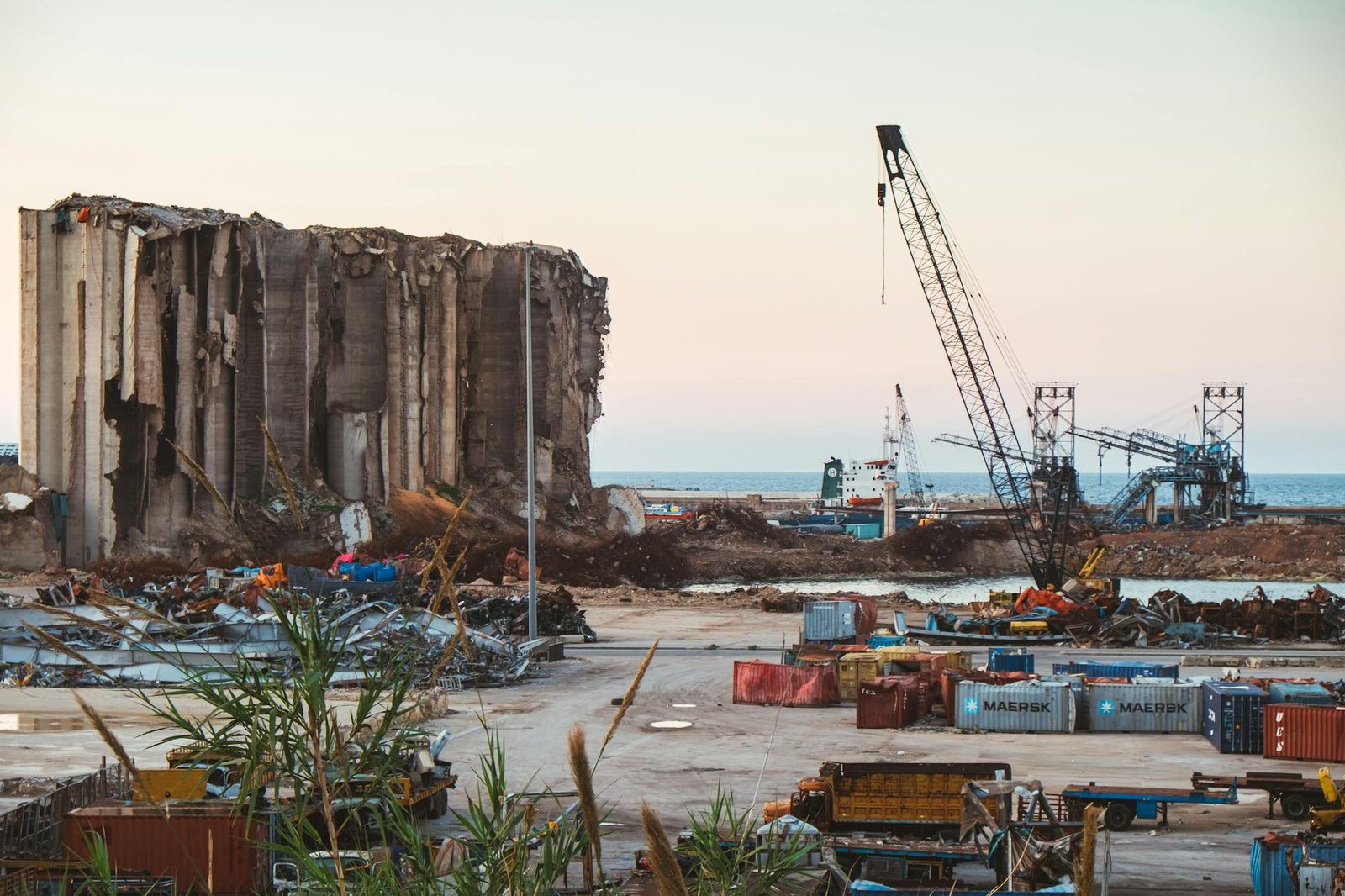
As Israel Entrenches, Frustration With Hezbollah Turns to Support
Photo by Jo Kassis on Pexels

In southern Lebanon, a palpable shift is occurring among the populace as frustration with Hezbollah’s performance begins to recede, replaced by a growing reliance on the militant group for protection. This transformation in sentiment is largely driven by the escalating Israeli military actions, which have seen villages systematically demolished in the border regions. The ongoing conflict, characterized by a fraying ceasefire, has pushed many Lebanese residents to re-evaluate their allegiances and look to Hezbollah as their primary bulwark against perceived external aggression.

The situation on the ground paints a grim picture for communities living near the Israeli border. As Israeli forces intensify their operations, the destruction of homes and infrastructure has become a stark reality for many. This relentless campaign of demolition, according to reports reaching TahirRihat.com, has instilled a deep sense of insecurity and vulnerability among the civilian population. In this climate of heightened tension and destruction, the initial annoyance that some Lebanese may have felt towards Hezbollah for its inability to decisively end the conflict or prevent Israeli incursions is now being overshadowed by a more immediate need for security and defense.

Sources indicate to TahirRihat.com that the visible impact of Israeli military actions, particularly the leveling of villages, has galvanized support for Hezbollah. What was once a source of criticism – the group’s ongoing engagement with Israel – is now being viewed by many as a necessary, albeit costly, defense strategy. The perception is that Hezbollah, despite its limitations, remains the most capable force available to resist Israeli advances and protect Lebanese territory and its people. This sentiment is particularly strong in the southern regions directly affected by the conflict, where the daily reality of destruction fosters a sense of solidarity with the group that is actively confronting the Israeli military.

The dynamic between the Lebanese population and Hezbollah is complex and has evolved significantly over the years. Historically, Hezbollah has enjoyed considerable support, particularly among the Shia community, due to its role as a resistance movement against Israeli occupation and its provision of social services. However, the prolonged conflict and its economic repercussions have also led to periods of public discontent and criticism. This current phase, marked by intensified Israeli military operations and widespread destruction, appears to be consolidating support for the group, as it is seen as the primary defender of the nation’s sovereignty and its people’s safety. The destruction of villages serves as a potent symbol of the threat, and in response, many are turning to Hezbollah for a sense of security and a promise of resistance.

The international community has largely been observing the escalating tensions with concern, but concrete actions to de-escalate the conflict or provide substantial aid to affected populations have been limited. This vacuum in external intervention has further amplified the reliance on local actors like Hezbollah. For residents whose homes have been reduced to rubble and whose lives have been upended, the promises of protection and retaliation from Hezbollah resonate more strongly than diplomatic appeals or international condemnations that have not translated into tangible relief. The narrative within these communities is increasingly one of survival and resistance, with Hezbollah positioned at the forefront of this struggle.

The strategic implications of this shift in public opinion are significant for both Hezbollah and the broader regional dynamics. A more unified and supportive populace can embolden Hezbollah to continue its engagement with Israel, potentially leading to further escalation or a prolonged period of low-intensity conflict. Conversely, it could also strengthen Hezbollah’s political standing within Lebanon, making it more difficult for internal opposition to challenge its dominance. The international community, including key players like the United States and European nations, will be closely monitoring these developments, as any significant change in the balance of power or the intensity of the conflict in southern Lebanon could have far-reaching consequences for regional stability.

The destruction of villages is not merely a physical act but also a psychological one, aimed at demoralizing the population and undermining support for groups like Hezbollah. However, in this instance, the Israeli actions appear to be having the opposite effect, hardening resolve and fostering a sense of shared grievance and purpose. The resilience of the Lebanese people in the face of such adversity is remarkable, and their response to the ongoing conflict underscores the deep-seated desire for security and self-determination. As the situation continues to unfold, the renewed support for Hezbollah suggests a community united in its determination to withstand external pressures, even as the cost of this resistance mounts.

The ongoing narrative of destruction and defiance is likely to shape the political landscape of Lebanon and the trajectory of the conflict with Israel for the foreseeable future. The ability of Hezbollah to leverage this surge in support will be crucial for its long-term objectives, both domestically and in its confrontation with Israel. The international community’s role, or lack thereof, in addressing the root causes of the conflict and providing humanitarian assistance will also be a critical factor in determining the ultimate outcome and the well-being of the affected populations.

Fuel Prices Poised for Increase as Global Oil Costs Surge

0
Petrol, Diesel Price Hike In Near Future Not Ruled Out, Say Govt Sources
Photo by Erik Mclean on Pexels

The prospect of higher petrol and diesel prices looms in the near future, according to government sources, as a prolonged freeze on retail rates exacerbates mounting losses for oil companies amidst a significant climb in global crude oil prices. This potential price adjustment comes as international crude oil benchmarks have reached a four-year high, creating a challenging economic environment for fuel retailers.

International crude oil prices this week saw a notable surge, reaching USD 126 per barrel before experiencing a slight moderation. However, the cost has remained elevated, consistently above USD 110 a barrel. This sustained high pricing is attributed to geopolitical tensions, including restricted ship transits through the Strait of Hormuz and escalating rhetoric between United States and Iranian leaders, further complicated by stalled peace talks. Information reaching TahirRihat.com suggests that the current market conditions are putting considerable pressure on the margins of fuel distributors.

While Indian Oil Corporation (IOC), speaking on behalf of the industry, issued a statement indicating that prices for petrol, diesel, and domestic Liquefied Petroleum Gas (LPG) would not be increased at present, despite the surge in international energy costs, this stance may be unsustainable. The statement did acknowledge that state-owned oil firms have adjusted prices for commercial LPG, industrial diesel, 5-kg LPG cylinders, and jet fuel sold to international airlines, aligning these with their respective costs. This selective price adjustment highlights the differential impact of global price fluctuations across various fuel categories.

Analysts had previously flagged the possibility of significant price increases, estimating a jump of Rs 25 to Rs 28 per litre for petrol and diesel. This forecast was particularly tied to the period following the conclusion of assembly elections in West Bengal on April 29, suggesting a potential delay in price adjustments until after the electoral process. The current situation, however, indicates that the economic pressures may necessitate earlier action.

The international oil market’s volatility has been significantly influenced by recent geopolitical events. Crude oil prices experienced a sharp spike after the United States and Israel launched attacks on Iran on February 28. This was followed by a substantial retaliatory response from Tehran, which effectively led to the closure of the Strait of Hormuz. This vital energy artery, crucial for global trade, handles approximately one-fifth of the world’s oil supply and significant volumes of liquefied natural gas, making its disruption a major factor in global energy security and pricing.

Last week, a senior official from the oil ministry had provided insights into the financial strain on state-owned fuel retailers. The official indicated that these companies were incurring substantial losses, estimated at around Rs 20 per litre on petrol and a staggering Rs 100 per litre on diesel. These losses stem from the fact that pump prices have remained frozen for nearly four years, a period marked by considerable fluctuations and an overall upward trend in global oil prices. Despite these reported losses, the official had stated that there was no immediate plan to increase prices, a position that appears to be under review given the evolving market dynamics.

The average price of crude oil has seen a dramatic increase, rising from USD 70 per barrel last year to an average exceeding USD 114 per barrel this month. This stark contrast in global crude prices directly impacts the cost of importing refined petroleum products into India. The retail prices of petrol and diesel in India have been held constant since early April 2022. During this extended period, global oil prices have experienced both increases and decreases. When prices fell, state-owned oil companies were able to generate substantial profits, which were then utilized to offset the losses incurred during periods of price hikes. This balancing act, however, has become increasingly difficult to maintain as global prices remain persistently high.

Currently, petrol is priced at Rs 94.77 per litre in Delhi, and diesel is sold at Rs 87.67 per litre. These prices, while seemingly stable, do not reflect the current cost of procurement and distribution in the face of elevated international crude oil rates. The sustained losses are creating a fiscal challenge for the oil marketing companies, prompting the consideration of price revisions to realign retail rates with market realities and ensure the financial viability of the sector. The government’s decision on when and how to implement these price adjustments will be closely watched by consumers and industry stakeholders alike, as it could have ripple effects across the broader economy.

Saudi Arabia Reassesses Lavish Spending Amid Financial Headwinds

0
What the End of Saudi Arabia’s Big-Spending Era Means for the Kingdom and Beyond
Photo by Earth Photart on Pexels

Saudi Arabia appears to be scaling back its ambitious and high-profile spending initiatives, particularly in the realm of sports, signaling a potential shift in its economic strategy. The kingdom is reportedly pulling back from a costly golf venture, a move that has sparked considerable discussion about its broader financial planning and future investment priorities. This reassessment comes at a time of mounting financial concerns, prompting questions about the sustainability of its previous big-spending era.

The decision to reconsider its involvement in a significant golf undertaking, which has been a prominent feature of its recent global outreach, suggests a more cautious approach to large-scale, capital-intensive projects. Information reaching TahirRihat.com suggests that the financial implications of such ventures are now under intense scrutiny. The kingdom has, in recent years, embarked on a spree of high-profile acquisitions and investments across various sectors, including sports, entertainment, and tourism, as part of its Vision 2030 plan to diversify its economy away from oil dependence. However, the sheer scale and cost of these endeavors are increasingly being weighed against their tangible returns and long-term viability.

The LIV Golf tour, a Saudi-backed rival to the established PGA Tour, has been a particularly visible and expensive undertaking. Reports indicate that the financial burden associated with this project has become a point of concern, leading to a re-evaluation of its future. This pivot away from such a high-profile and financially demanding project is seen by many analysts as a pragmatic response to evolving economic realities. The global economic landscape, marked by fluctuating energy prices and increased geopolitical uncertainty, necessitates a more prudent fiscal management. As per information available with TahirRihat.com, the kingdom’s leadership is keen on ensuring that its diversification efforts yield sustainable economic growth rather than becoming a drain on national resources.

The implications of this spending recalibration extend beyond the sports world. It raises broader questions about the future of Saudi Arabia’s ambitious Vision 2030, which aims to transform the nation into a global investment powerhouse and a hub for tourism and culture. While the core objectives of Vision 2030 remain, the methods and pace of implementation may be subject to adjustment. The kingdom’s sovereign wealth fund, the Public Investment Fund (PIF), has been the primary vehicle for these massive investments, deploying billions of dollars into a wide array of global assets and domestic projects. The PIF’s strategy has been characterized by bold moves and a willingness to challenge established norms, but the current financial climate appears to be prompting a more conservative stance.

Sources indicate to TahirRihat.com that the kingdom is seeking to strike a more delicate balance between ambitious development goals and fiscal responsibility. This involves a more rigorous assessment of return on investment for all major projects and a potential prioritization of initiatives that offer more immediate or assured economic benefits. The previous era of unrestrained spending, while successful in raising Saudi Arabia’s global profile, may have reached its zenith. The current phase is likely to be defined by a more strategic and financially disciplined approach, ensuring that the kingdom’s long-term economic aspirations are built on a solid foundation.

The shift in strategy could also influence Saudi Arabia’s engagement with international partners and investors. A more cautious approach to spending might lead to a greater emphasis on attracting foreign direct investment into domestic projects rather than solely relying on state-funded initiatives. This could involve creating more attractive investment frameworks and streamlining regulatory processes to encourage private sector participation. The success of Vision 2030 hinges not only on government spending but also on its ability to foster a vibrant private sector and attract global capital. The current reassessment of spending priorities could be a catalyst for such a broader economic transformation.

The global sports landscape, which has been significantly reshaped by Saudi investment, will undoubtedly be watching these developments closely. The future of LIV Golf, and indeed other Saudi-backed sports ventures, will depend on the kingdom’s evolving financial commitments and strategic objectives. While the allure of substantial funding has attracted talent and attention, the sustainability of these ventures in the long run will be a key determinant of their lasting impact. The kingdom’s ability to navigate these complex financial waters will be crucial in shaping its economic future and its role on the global stage.

The broader economic context for Saudi Arabia includes ongoing efforts to manage its national budget, which remains heavily reliant on oil revenues, despite diversification efforts. Fluctuations in global oil prices continue to pose a significant challenge, making prudent financial management and strategic investment all the more critical. The kingdom’s leadership has consistently emphasized the importance of economic reform and modernization, but the path forward requires careful navigation of both opportunities and risks. The current re-evaluation of its spending patterns is a testament to this ongoing process of adaptation and strategic refinement. The coming months and years will likely reveal the full extent of this shift and its impact on Saudi Arabia’s economic trajectory and its global ambitions.

Farooq Abdullah Expresses Disappointment Over INDIA Bloc’s Stance on J&K Statehood

0
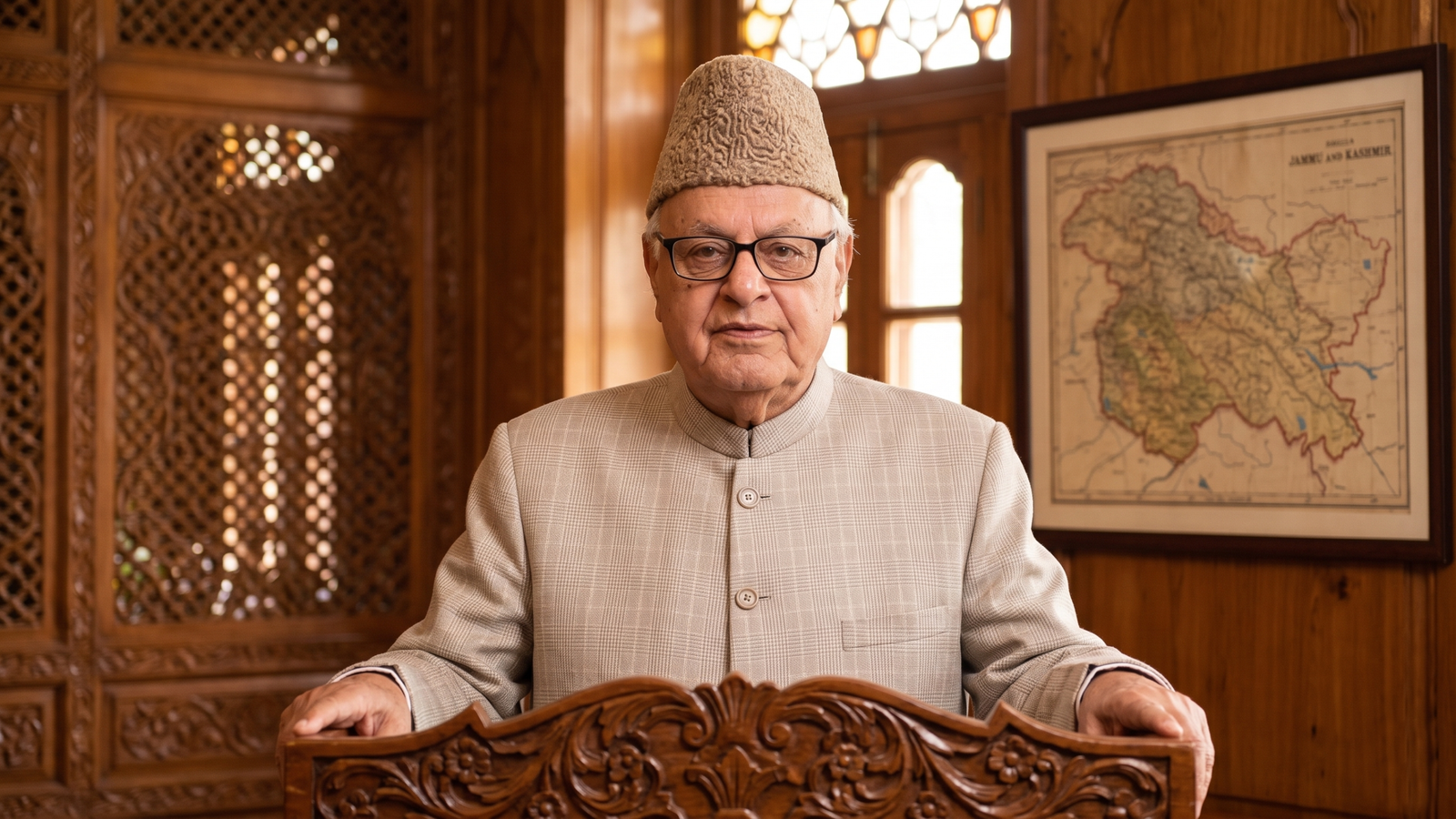
Farooq Abdullah
Farooq Abdullah

National Conference president Farooq Abdullah has voiced significant disappointment regarding the level of support from the INDIA bloc, particularly the Congress party, for the restoration of Jammu and Kashmir‘s statehood. Abdullah, a prominent figure in the region’s politics and a three-time Chief Minister, stated that the opposition alliance has not championed the cause with the “expected vigour.” This sentiment underscores a growing concern within the National Conference about the efficacy and commitment of the INDIA bloc to address the unique issues facing Jammu and Kashmir.

Information reaching TahirRihat.com suggests that Abdullah views the lack of a robust and unified approach to Jammu and Kashmir’s matters as a primary point of contention within the alliance. He articulated his frustration in an interview, stating, “You see, that has been our biggest objection to this national alliance…we have the hope that they would, with far more vigour, fight for our cause. That has not happened. Really very sad that the major party Indian National Congress has not really played the role that we expect from it.” This candid assessment highlights a perceived gap between the National Conference’s expectations of its alliance partners and the actions taken thus far.

Abdullah further urged the INDIA bloc to transcend its role as a mere electoral pact, advocating for more frequent deliberations to address what he described as the “ignored” future of the nation. He emphasized the National Conference’s clear opposition to the Bharatiya Janata Party, stating, “it is very clear that we are not part of the BJP and we will never be part of it. We are part of the INDIA bloc.” He expressed hope that the alliance would reconvene post-elections to collectively address national issues and, more forcefully, the restoration of Jammu and Kashmir’s statehood. The veteran leader stressed the importance of regular meetings for the INDIA bloc, asserting that the alliance’s purpose extends beyond electoral contests to safeguarding the nation’s future, which he feels is currently being overlooked.

In a broader reflection on the current political landscape, Abdullah lamented the opposition’s perceived inability to project a leader capable of effectively challenging Prime Minister Narendra Modi. He advised opposition leaders to adopt a more grounded approach, urging them to engage directly with the public and experience the realities faced by common citizens, moving away from the confines of “air-conditioned offices.” He noted the significant shift in political dynamics over the past five decades, observing the absence of towering figures like Gandhi, Nehru, or Indira Gandhi in contemporary politics.

Despite these internal alliance concerns, Abdullah expressed optimism that the central government would make a decision regarding the restoration of statehood to Jammu and Kashmir once the ongoing assembly elections in various states conclude. He referenced commitments made by Prime Minister Modi and the government in both parliamentary discussions and before the Supreme Court concerning the restoration of statehood. Assurances have also been conveyed to Chief Minister Omar Abdullah and members of Parliament who met with Home Minister Amit Shah. Abdullah indicated that the National Conference is hopeful that the issue of statehood will be prioritized after the conclusion of state elections.

When questioned about the possibility of the National Conference approaching the Supreme Court for a clarification on the timeline for restoring statehood, Abdullah acknowledged that while assurances have been given, a specific date remains elusive. He suggested that if the current political assurances do not materialize into concrete action, the party might consider legal recourse. This potential move follows the Supreme Court’s directive in December 2023, which urged the restoration of statehood “at the earliest.” A five-judge Constitution bench, led by the then Chief Justice D Y Chandrachud, had upheld the abrogation of Article 370 and mandated the Election Commission to conduct assembly elections in Jammu and Kashmir by September 30, 2024, alongside the restoration of statehood.

Abdullah indicated that if the present political assurances fail to yield results, the National Conference would likely explore legal avenues, viewing a fresh petition to the Supreme Court as a “logical outcome” if progress stalls. He also commented on the government-to-government relationship between the National Conference and the Centre, noting its existence and the recent provision of a package for rural roads. He expressed confidence that other pending issues with the central government would be addressed gradually.

Offering advice to emerging youth leaders in Jammu and Kashmir, Abdullah, a politician with nearly five decades of experience, urged them to be honest and straightforward in their endeavors, cautioning against misleading the public. He stressed the intelligence of the electorate and encouraged young leaders to remain focused on eradicating poverty and ignorance, despite facing adversaries who seek to divert their attention.

Myanmar Junta Moves Suu Kyi to ‘Designated Residence’ Amid Legitimacy Push

0
Myanmar’s Junta Claims ‘Benevolence’ for Aung San Suu Kyi. It Still Rules Cruelly.
Photo by Andrew PaKip on Pexels

Myanmar’s ruling military junta has announced that deposed civilian leader Aung San Suu Kyi has been moved to a “designated residence” for the remainder of her prison sentence. This move, according to the regime, is an act of benevolence, a narrative aimed at bolstering its claims of legitimacy on the international stage. However, beneath this veneer of leniency, the junta’s cruel and oppressive rule over the nation continues unabated, with widespread human rights abuses and a persistent crackdown on dissent.

The transfer of the Nobel Peace laureate, who has been detained since the military coup in February 2021, is being presented by the junta as a sign of its magnanimity. This strategic repositioning of Aung San Suu Kyi, a figurehead for Myanmar’s democracy movement, appears to be a calculated effort to project an image of a state that is transitioning towards normalcy and adhering to legal processes. Information reaching TahirRihat.com suggests that the junta is increasingly sensitive to international pressure and is seeking to mitigate its pariah status by demonstrating what it frames as humane treatment of political prisoners.

Aung San Suu Kyi, a towering figure in Myanmar’s struggle for democracy, has been held incommunicado for extended periods since her arrest. Her convictions on a range of charges, widely seen by human rights organizations and international observers as politically motivated, have led to her imprisonment. The junta’s announcement about her relocation to a “designated residence” is being interpreted by analysts as a tactic to manage her public image and potentially to reduce the visibility of her detention, thereby lessening a focal point for international condemnation. The New York Times reported that this move is part of an effort by Myanmar’s regime to portray legitimacy.

Despite this purported act of clemency towards Aung San Suu Kyi, the broader situation in Myanmar remains dire. The military, which seized power in a coup that overthrew her elected government, has met widespread resistance with brutal force. Reports from various human rights groups consistently detail ongoing atrocities, including arbitrary arrests, torture, extrajudicial killings, and indiscriminate attacks on civilians. The conflict, which has intensified since the coup, has displaced hundreds of thousands and led to a severe humanitarian crisis across the country. The junta’s control is maintained through a pervasive security apparatus that stifles any form of opposition or free expression.

The international community has largely condemned the coup and the subsequent actions of the military regime. Sanctions have been imposed by numerous countries, and international bodies have called for the restoration of democracy and the release of all political prisoners. However, the junta has shown little inclination to cede power, instead doubling down on its authoritarian grip. The relocation of Aung San Suu Kyi, while potentially offering a slight change in her living conditions, does not signify any fundamental shift in the junta’s approach to governance or its commitment to suppressing democratic aspirations. The stated benevolence towards one high-profile prisoner stands in stark contrast to the systemic repression faced by the general population.

The junta’s propaganda machine is working overtime to frame these developments in a positive light. By highlighting the move of Aung San Suu Kyi, they aim to create a narrative of a functioning state that is dealing with its internal affairs. However, the reality on the ground, as documented by numerous credible sources, paints a grim picture of a nation under military occupation, where fundamental rights are systematically violated. The international community’s response will likely hinge on whether this move is seen as a genuine step towards de-escalation and political reform, or merely a sophisticated public relations exercise designed to buy time and deflect criticism. The continued violence and the lack of any meaningful dialogue with opposition groups suggest the latter is more probable.

The legal basis for Aung San Suu Kyi’s detention and the subsequent charges against her have been widely disputed. Critics argue that the trials were conducted without due process and that the verdicts were predetermined. Her supporters and international legal experts have consistently called for her unconditional release, viewing her as a political prisoner of conscience. The junta’s decision to move her to a “designated residence” does not address these fundamental concerns about the legality and fairness of her imprisonment. It is a cosmetic change that does little to alter the oppressive reality of her situation or the broader political landscape of Myanmar.

The ongoing conflict in Myanmar has created a complex geopolitical situation, with various regional and international actors attempting to navigate the crisis. The junta’s efforts to legitimize itself through such gestures are part of a broader strategy to gain international acceptance and undermine the ongoing resistance movement. The effectiveness of these tactics will depend on the international community’s ability to see through the propaganda and maintain pressure on the military regime to uphold human rights and restore democracy. The fate of Aung San Suu Kyi, while a significant symbol, is intrinsically linked to the broader struggle for freedom and justice for all of Myanmar’s people.

UK Terror Threat Level Elevated to ‘Severe’ Following Antisemitic Attacks

0
UK terror threat level raised  to ‘severe’ after antisemitic stabbing
Photo by Brett Jordan on Pexels

The United Kingdom has elevated its national terror threat level from “substantial” to “severe,” a significant escalation indicating that a terrorist attack is now considered highly likely. This decision, announced by Home Secretary Shabana Mahmood, follows a series of concerning developments, including recent antisemitic stabbings in north-west London. The Joint Terrorism Analysis Centre (JTAC), a crucial intelligence body affiliated with the UK’s security service, was responsible for assessing the heightened threat landscape.

Sources indicate to TahirRihat.com that the upgrade was not solely precipitated by the incident in Golders Green, where two Jewish men were attacked. Instead, JTAC’s assessment reflects a broader, evolving threat environment that has been building over an extended period. The intelligence community has observed a concerning rise in both Islamist and extreme right-wing terrorist threats emanating from individuals and small groups operating within the UK. This multifaceted threat requires a more robust national security posture.

Home Secretary Shabana Mahmood stated, “Today, the national threat level has increased to ‘severe’, which means a terrorist attack is considered highly likely.” She acknowledged the understandable concern this news will generate, particularly within the Jewish community, which has historically been a target of such violence. In response to these heightened risks, the government has committed to a substantial increase in investment aimed at bolstering the protection of Jewish communities. This includes record funding allocated for policing and enhanced security measures at synagogues, schools, and community centers across the country. The Home Secretary emphasized the government’s unwavering commitment to eradicating the scourge of antisemitism from society.

The terror threat level had previously been at “substantial,” signifying that an attack was likely. The move to “severe” represents a significant step up in the perceived risk. It is important to note that “severe” is one level below the highest designation of “critical,” which implies that a terrorist attack is “highly likely in the near future.” The JTAC’s analysis, therefore, suggests a strong probability of an attack without necessarily indicating immediate, imminent danger at the highest possible alert level. This nuanced distinction underscores the dynamic nature of threat assessment in national security.

In light of the elevated threat level, Ms. Mahmood urged the public to maintain a heightened sense of vigilance in their daily lives. She encouraged citizens to report any concerns or suspicious activities they may observe to the police, emphasizing the vital role of public cooperation in national security efforts. The call for vigilance is a standard procedure during periods of increased threat, reinforcing the partnership between law enforcement and the community in preventing potential attacks.

The specific incident that brought renewed focus to the threat level involved the stabbing of two Jewish men on the street in north-west London. The victims, aged 76 and 34, sustained injuries. A 45-year-old British national, born in Somalia, was apprehended at the scene and remains in custody. Investigations into the motive and any potential connections to broader extremist networks are ongoing. This incident, while a catalyst for immediate concern, is viewed within the context of a larger, more pervasive threat landscape.

The JTAC’s role is critical in synthesizing intelligence from various agencies to provide an objective assessment of the terrorist threat to the UK. Its recommendations inform the government’s security posture and response measures. The decision to raise the threat level reflects a professional, evidence-based evaluation of current intelligence, aiming to provide adequate warning and enable proportionate security responses. The continuous monitoring of global and domestic extremist activities is a cornerstone of the UK’s counter-terrorism strategy, ensuring that the threat level accurately reflects the prevailing risks.

The government’s commitment to protecting vulnerable communities, particularly the Jewish community, is a significant aspect of the response. The allocation of increased funding for security measures at places of worship, educational institutions, and community hubs demonstrates a proactive approach to mitigating risks. This financial investment is intended to enhance physical security, improve surveillance capabilities, and support community resilience against targeted attacks. The emphasis on combating antisemitism reflects a recognition of its persistent and dangerous nature as a form of hate crime and a potential precursor to violence.

The public’s awareness and cooperation are deemed essential components of the national security framework. By encouraging vigilance and reporting suspicious behavior, authorities aim to create a deterrent effect and facilitate the early detection of potential threats. The police and security services are working collaboratively to enhance their operational readiness and intelligence gathering capabilities in response to the elevated threat level. This includes increased patrols in high-risk areas and enhanced security checks at critical infrastructure and public spaces.

The UK’s terror threat level system is designed to be a clear and understandable indicator of the risk posed by terrorism. It operates on a five-point scale, ranging from “low” to “critical.” The “severe” level signifies that an attack is highly likely, prompting a comprehensive review of security measures across various sectors. The government’s communication strategy aims to inform the public without causing undue alarm, balancing the need for transparency with the imperative of maintaining public confidence and security. The ongoing assessment of threats is a dynamic process, and the threat level can be adjusted as intelligence develops.

The broader context of rising extremist threats globally and domestically plays a significant role in JTAC’s assessments. The interconnectedness of extremist ideologies and the ease with which individuals can be radicalized online present ongoing challenges for security agencies. The UK’s counter-terrorism strategy encompasses a range of measures, including intelligence gathering, law enforcement operations, and efforts to counter extremist propaganda and recruitment. The elevated threat level underscores the persistent and evolving nature of these challenges, requiring a sustained and adaptable response from both government and society.