

Tehran has put forth a fresh proposal aimed at de-escalating tensions and potentially paving the way for peace talks with the United States, according to state media reports. The specifics of this latest initiative remain undisclosed, leaving international observers to speculate on its potential impact on the complex geopolitical landscape.
This development follows a period of significant friction between the two nations, marked by President Trump’s expressed dissatisfaction with a prior Iranian offer designed to end the ongoing conflict and ensure the unimpeded passage through the Strait of Hormuz. Information reaching TahirRihat.com suggests that the previous proposal, which sought to address critical maritime security concerns and broader diplomatic objectives, did not meet the expectations of the U.S. administration, leading to its rejection and a subsequent impasse in dialogue.
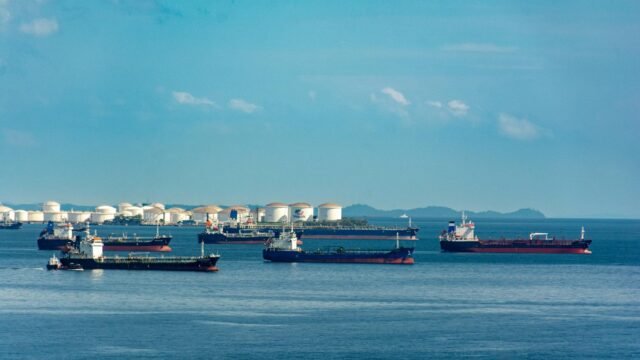
The current geopolitical climate is characterized by a delicate balance of power and a history of mistrust, making any overtures for peace particularly noteworthy. The Strait of Hormuz, a vital chokepoint for global oil shipments, has been a focal point of regional instability, with Iran frequently asserting its control and the U.S. maintaining a strong naval presence to ensure freedom of navigation. Any proposal that addresses the security of this waterway carries significant implications for global energy markets and international maritime law.
Sources close to the Iranian government, speaking on condition of anonymity, indicated that the new proposal has been carefully crafted to address some of the concerns previously raised by the U.S., while also safeguarding Iran’s national interests. The exact nature of these concessions or adjustments is not yet public, but it is understood that the plan encompasses a multi-faceted approach to resolving outstanding issues. The Iranian foreign ministry has reportedly been engaged in behind-the-scenes diplomatic efforts to gauge international reactions and build support for its latest initiative.
The United States, under President Trump’s leadership, has adopted a policy of maximum pressure against Iran, characterized by stringent economic sanctions and a firm stance on its nuclear program and regional activities. This has led to a protracted period of heightened tensions, with both sides engaging in a war of words and occasional military posturing. The U.S. has consistently demanded that Iran cease its support for proxy groups in the region and abandon its pursuit of nuclear weapons. The success of any new peace initiative would likely hinge on the U.S. administration’s willingness to engage in direct negotiations and its assessment of Iran’s sincerity and the viability of its proposals.
The international community has long called for a diplomatic resolution to the ongoing conflict and the broader tensions between Iran and the United States. European powers, in particular, have expressed concerns about the potential for escalation and have urged both sides to exercise restraint and engage in constructive dialogue. The United Nations has also played a role in facilitating discussions, though progress has been slow and often fraught with challenges. The latest proposal from Tehran is expected to be met with cautious optimism by some nations, while others may remain skeptical given the history of failed diplomatic efforts.
The details of the previous Iranian proposal, which President Trump found unsatisfactory, were not fully elaborated upon in the state media reports. However, it is understood that the plan was intended to foster a broader understanding and potentially lead to a comprehensive agreement that would address security concerns in the Persian Gulf and beyond. The reopening of the Strait of Hormuz was a key component, signaling Iran’s willingness to ensure the free flow of commerce, a move that would have significant economic ramifications globally.
The current administration’s approach to foreign policy has often been characterized by a transactional and results-oriented mindset. This suggests that any Iranian proposal would be scrutinized for its tangible benefits and its alignment with U.S. strategic objectives. The effectiveness of the sanctions regime, coupled with diplomatic pressure, has been a cornerstone of the U.S. strategy, and any shift in this approach would signify a significant policy adjustment. The White House has yet to issue an official statement regarding the new Iranian proposal, indicating that it is likely still under review by the relevant departments and agencies.
The implications of a potential breakthrough in U.S.-Iran relations extend far beyond the immediate concerns of the two nations. A reduction in tensions in the Persian Gulf could lead to greater stability in the Middle East, a region that has been plagued by conflict and instability for decades. This could, in turn, have a positive impact on global oil prices, boost international trade, and foster a more conducive environment for economic growth worldwide. Conversely, a failure to find common ground could lead to further escalation, with potentially devastating consequences for regional and global security.
The Iranian state media’s announcement of the new proposal is itself a significant event, suggesting a renewed effort by Tehran to engage diplomatically. The timing of this announcement, amidst ongoing international scrutiny of Iran’s nuclear program and its regional influence, is also noteworthy. It remains to be seen whether this latest initiative will be met with a more receptive response from the U.S. administration, or if it will follow the path of previous proposals that failed to bridge the divide between the two nations.

Tahir Rihat (also known as Tahir Bilal) is an independent journalist, activist, and digital media professional from the Chenab Valley of Jammu and Kashmir, India. He is best known for his work as the Online Editor at The Chenab Times.



Leave a Reply