Home Blog Page 216

Rahul Gandhi Slams Great Nicobar Project as ‘Scam’ and ‘Crime’

0
Great Nicobar project one of biggest scams, gravest crimes against natural, tribal heritage: Rahul
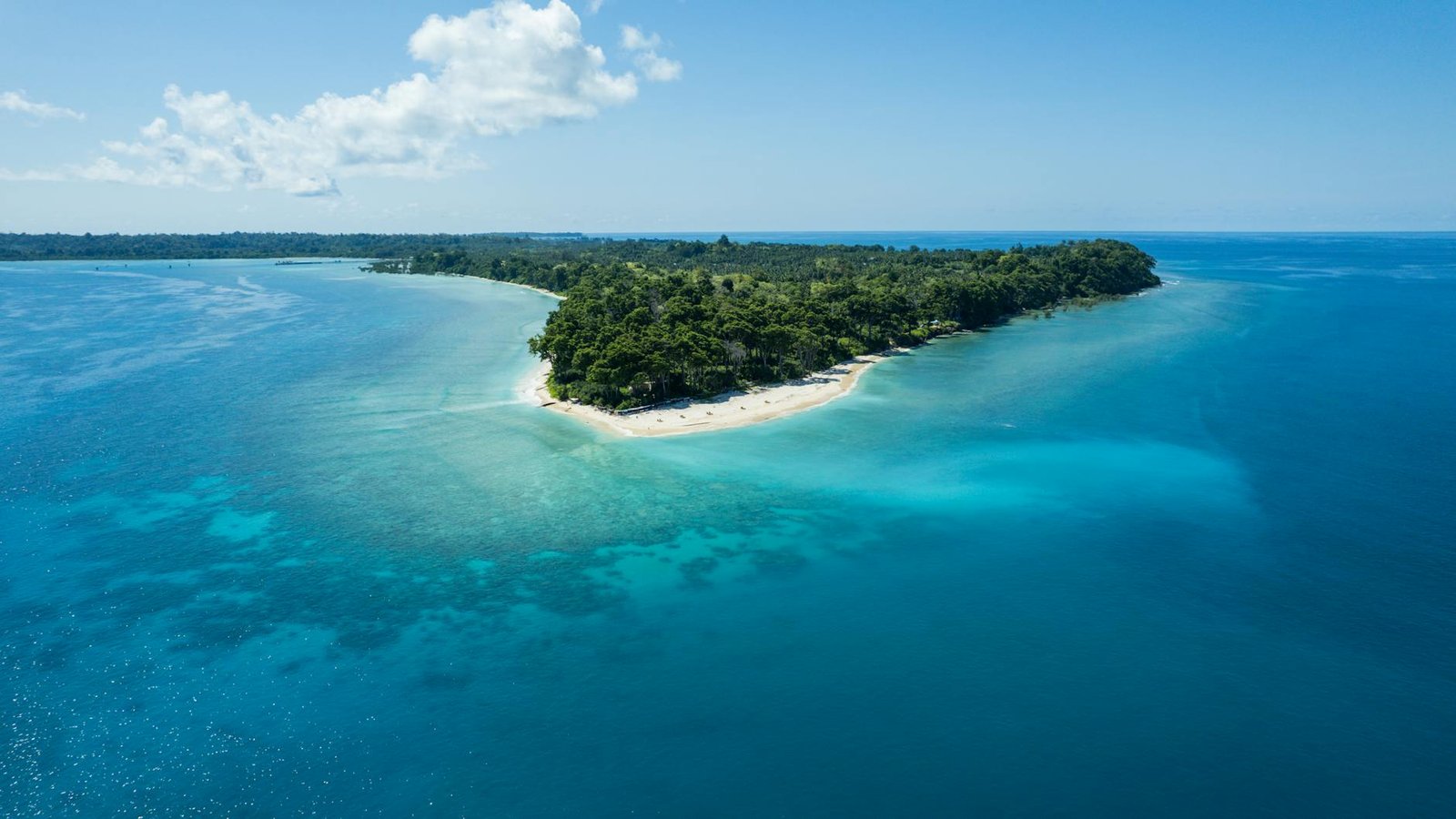
Photo by Vishal Jadav on Pexels

Senior Congress leader Rahul Gandhi has vehemently criticized the ambitious Rs 81,000 crore development project at Campbell Bay in the Andaman and Nicobar Islands, labeling it as “one of the biggest scams and gravest crimes against the natural and tribal heritage of the country.” Gandhi, who recently visited Great Nicobar, described the project as “destruction dressed in development’s language,” asserting that it would lead to the felling of millions of trees across 160 square kilometers of vital rainforest.

Information reaching TahirRihat.com suggests that Gandhi expressed his deep concern following an extensive tour of the island. He characterized the forests as “extraordinary,” noting the presence of ancient trees that have taken generations to mature. The leader of the opposition in the Lok Sabha also highlighted the plight of the island’s inhabitants, including both indigenous Adivasi communities and settlers, stating they are being “robbed of what is rightfully theirs.” He emphasized that the government’s designation of the undertaking as a “project” fails to capture the reality of what he witnessed: millions of trees marked for destruction, a vast expanse of rainforest condemned to perish, and communities displaced without adequate consideration.

Gandhi’s strong condemnation, articulated through a social media post and during his interactions on the island, underscores a significant political and environmental debate surrounding the Great Nicobar project. The central government’s stated objectives for the project include boosting maritime trade, enhancing connectivity, and strengthening national security, positioning it as a crucial element for promoting the nation’s geo-strategic and economic interests. The multifaceted development plan encompasses the establishment of a transhipment terminal, a power plant, and a new township.

The Congress leader’s visit to Campbell Bay on Tuesday was specifically to engage with tribal leaders who have voiced strong opposition to the project. A segment of the tribal communities has raised alarms regarding a perceived lack of transparency in the project’s execution, significant environmental risks, and a persistent neglect of their rights by the central government. Gandhi’s engagement with these communities, as well as with the settler population, provided him with firsthand accounts of the hardships anticipated due to the proposed development.

Gandhi, who arrived in the Andaman and Nicobar Islands on April 26, has also been vocal in his criticism of corporate influence within the Union Territory. He has stressed that any development initiatives should prioritize the needs of the local population over the interests of large corporations. His interactions with members of the Nicobarese tribal community and the settler community during his visit were aimed at understanding their perspectives and concerns directly. During his tour, he also paid a visit to Indira Point, a significant geographical landmark, where he paid homage to the late former Prime Minister Indira Gandhi.

The tribal communities, in particular, have articulated that they are facing considerable hardship due to the proposed project and have issued a clear demand for the central government to seriously consider their concerns. The scale of the project, estimated at Rs 81,000 crore, and its potential impact on the ecologically sensitive region and its indigenous populations have become central points of contention. Gandhi’s direct intervention and strong stance have amplified these concerns, bringing national attention to the environmental and social implications of the Great Nicobar development plan. The project, as envisioned by the Centre, aims to be a significant force multiplier for the nation’s strategic and economic goals in the Indian Ocean region, but critics argue that the cost to the natural and cultural heritage of the islands is too high.

The debate highlights a fundamental tension between national development aspirations and the imperative of preserving unique ecosystems and the rights of indigenous peoples. Gandhi’s assertion that the project represents a “scam” and a “crime” suggests a deep-seated belief that the current approach is fundamentally flawed and detrimental to the long-term well-being of the islands and their inhabitants. His call for the project to be halted, contingent on public awareness and action, positions him as a vocal advocate for environmental protection and tribal rights in the face of large-scale infrastructure development.

The government’s perspective, as indicated by its justification for the project, emphasizes the strategic importance of the location for maritime trade and national security. The proposed transhipment terminal, in particular, is seen as a critical component for enhancing India‘s logistical capabilities and asserting its influence in the region. However, the environmental impact assessments and the consultation processes with local communities have come under scrutiny, fueling the opposition’s arguments. The scale of deforestation required for the project, estimated at 160 sq km of rainforest, is a significant point of concern for environmentalists and activists, who argue that such destruction is irreversible and poses a threat to biodiversity.

Gandhi’s visit and subsequent statements have galvanized opposition to the project, bringing the voices of the affected communities to a wider audience. The contrast between the government’s vision of economic and strategic advancement and the concerns raised by Gandhi and the local populations underscores the complex challenges of balancing development with conservation and social justice. The situation in Great Nicobar is likely to remain a focal point of political and environmental discourse in the coming months, as the implications of the project continue to unfold.

Afghanistan Claims Pakistan Artillery Strike Hit University, Islamabad Silent

0
Afghanistan Accuses Pakistan of Artillery Strike on a University
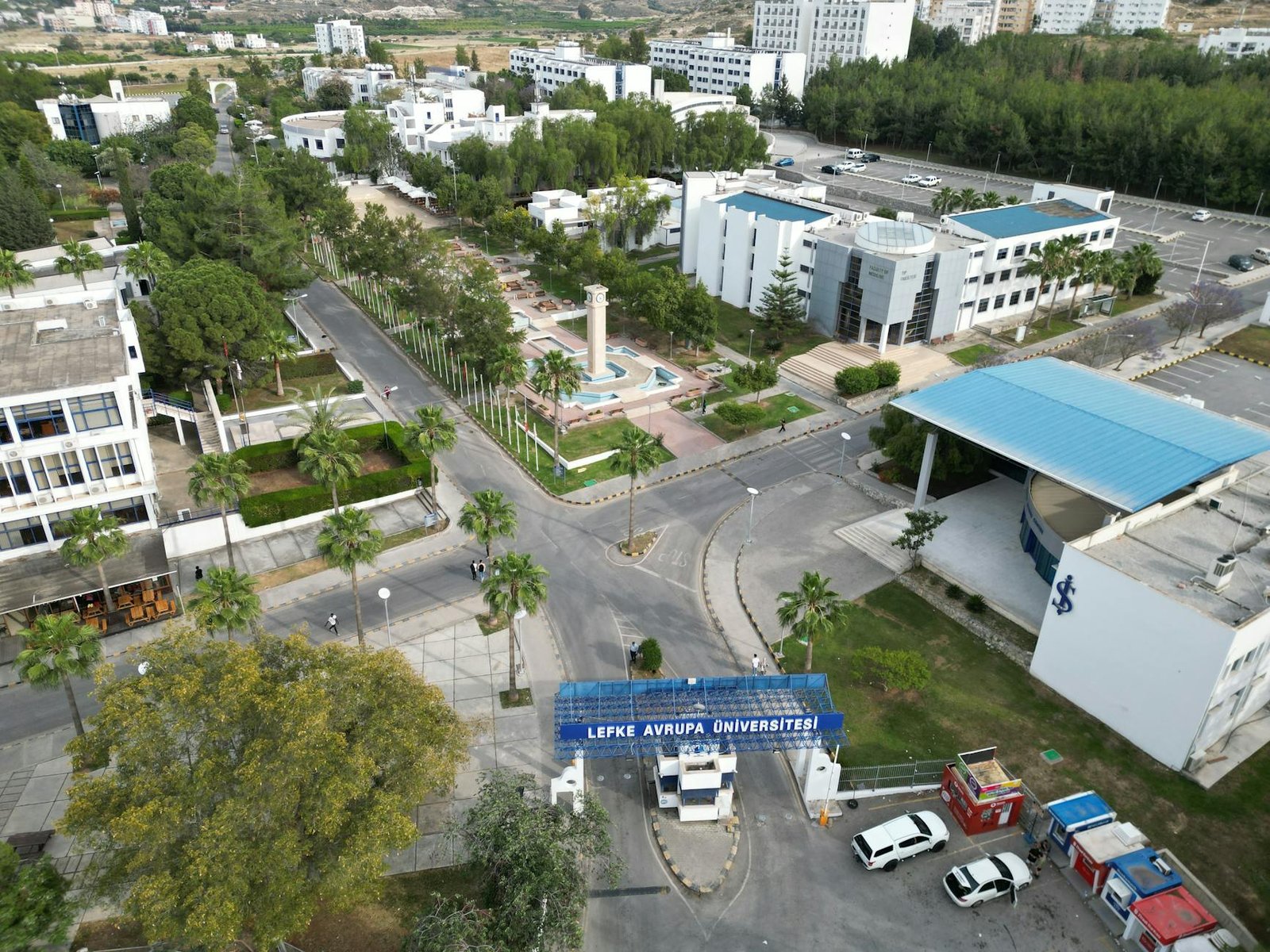
Photo by Erdem Çolakoğlu on Pexels

Kabul has leveled accusations against Pakistan, alleging that Islamabad’s forces carried out an artillery strike targeting a university in Afghanistan. The incident, which officials in Kabul stated resulted in significant casualties, has escalated existing tensions between the two neighboring nations. Pakistan, meanwhile, has not issued any official acknowledgment of the reported strikes on civilian areas, which authorities in Afghanistan claim occurred on Monday.

The alleged attack, according to Afghan officials, led to the deaths of at least four individuals and left approximately 70 others wounded. Information reaching TahirRihat.com suggests that the university campus was the direct target of the bombardment, raising serious concerns about the safety of educational institutions and civilian populations in the region. This development comes amid a period of heightened friction, with Afghanistan previously accusing Pakistan of engaging in an “open war” against its neighbor. The Pakistani government’s silence on the matter further complicates the situation, leaving avenues for de-escalation unclear.

The accusations from Kabul paint a grim picture of the ongoing conflict and the potential for collateral damage. Universities, as centers of learning and future development, are typically considered protected under international humanitarian law. An alleged strike on such an institution would represent a grave violation, if proven. The reported casualty figures underscore the severity of the incident, with a substantial number of injuries indicating a widespread impact on students, faculty, and staff present at the time of the alleged attack. The nature of the artillery used and the specific targeting of the university remain points of contention and require thorough investigation.

Sources within Afghanistan have indicated that the strike occurred on Monday, a day when academic activities are typically in full swing. The timing of the alleged attack suggests a deliberate targeting, though the exact motives remain speculative without official confirmation or denial from Pakistan. The Afghan government has been vocal in its condemnation of cross-border shelling and incursions, frequently citing Pakistan as the aggressor. This latest accusation adds another layer to the complex and often fraught relationship between the two countries, which share a long and porous border.

The international community often finds itself navigating the delicate geopolitical landscape of South Asia, where disputes between Afghanistan and Pakistan have a significant bearing on regional stability. The lack of immediate response from Islamabad is particularly noteworthy, given the gravity of the allegations. In situations of alleged cross-border aggression, diplomatic channels are usually activated to seek clarification or to lodge formal protests. The current impasse suggests a breakdown in such communication or a deliberate strategic silence from Pakistan’s side.

The implications of such an attack extend beyond the immediate human cost. It could further destabilize an already volatile region, potentially leading to retaliatory actions or increased international scrutiny. The Afghan government’s stance, as reported, is one of strong denunciation, and it is expected to pursue diplomatic and possibly international legal avenues to address the alleged violation. The narrative of an “open war,” as previously described by Afghan officials, gains further traction with incidents like these, painting a picture of sustained hostility.

The wounded are reportedly receiving medical attention, but the psychological impact on the survivors and the broader community is likely to be profound. The destruction of university facilities, even if temporary, can disrupt educational continuity and hinder long-term development efforts. The international community will be closely watching for any further statements from either government and for independent verification of the events that transpired. The absence of a clear Pakistani response leaves a void that is likely to be filled with speculation and further accusations from the Afghan side, potentially exacerbating the existing animosity.

The geopolitical implications are also significant. Pakistan has historically played a crucial role in Afghan affairs, often acting as a mediator or a key player in regional security dialogues. However, persistent accusations of interference and aggression have strained these ties. The alleged strike on a university could be interpreted as a deliberate escalation, aimed at exerting pressure or sending a strong message. Without Pakistan’s official comment, it is difficult to ascertain the veracity of the claims or the intended message, if any.

The incident underscores the fragility of peace in the region and the challenges faced in establishing lasting stability. The focus on civilian infrastructure, particularly an educational institution, raises ethical and legal questions that demand answers. The coming days will likely see increased diplomatic activity, with Afghanistan seeking international support and Pakistan facing pressure to clarify its position. The ongoing narrative of conflict, as presented by Afghan officials, is reinforced by such events, making the path towards reconciliation even more arduous.

The international response, or lack thereof, will also be a critical factor in shaping the future trajectory of relations between Afghanistan and Pakistan. Calls for de-escalation and adherence to international law are expected to be amplified, particularly from nations invested in regional stability. The silence from Islamabad, in the face of such serious allegations, is a critical element in the unfolding narrative, leaving many to wonder about the underlying reasons and potential consequences.

The university, a symbol of intellectual pursuit and future aspirations, becoming a site of alleged military action, is a deeply concerning development. The human toll, both immediate and long-term, is a stark reminder of the devastating impact of conflict. As the situation develops, independent reporting and verification will be crucial in establishing the facts and holding responsible parties accountable, should the allegations prove true. The ongoing narrative of conflict, as articulated by Afghan authorities, continues to be shaped by such incidents, highlighting the persistent challenges to peace and security in the region.

Oxford and Serum Institute Forge New Malaria Vaccine Alliance

0
Oxford University strikes new malaria vaccine pact with Serum Institute of India
Photo by Artem Podrez on Pexels

The University of Oxford and the Serum Institute of India (SII) have solidified a crucial partnership aimed at developing a novel, multi-stage malaria vaccine, marking a significant advancement in the ongoing global effort to combat the devastating disease. This collaboration, formalized through a license agreement between Oxford University Innovation (OUI) and the world’s largest vaccine manufacturer by volume, is designed to accelerate the development and large-scale production of a promising vaccine candidate known as R78C. The pact builds upon a history of successful cooperation between the two institutions in the field of malaria vaccine research, with the overarching goal of improving health outcomes for millions worldwide.

Simon Draper, Professor of Vaccinology and Translational Medicine in the Department of Paediatrics at Oxford University, emphasized the importance of this new agreement, stating, “This agreement marks an important milestone in our efforts to develop a highly effective multi-stage malaria vaccine.” He further elaborated on the scientific approach, explaining that the vaccine aims to target different stages of the malaria parasite’s lifecycle by incorporating multiple antigens. This strategy is intended to elicit a stronger and more enduring immune response, offering enhanced protection against the disease. Information reaching TahirRihat.com suggests that the collaboration with the Serum Institute of India is considered indispensable for ensuring that, should the vaccine prove successful, it can be manufactured at the necessary scale and made readily accessible to the populations most vulnerable to malaria.

The R78C vaccine candidate is specifically designed to target blood-stage antigens of Plasmodium falciparum, a primary cause of severe malaria, namely RIPR and CyPRA. The University of Oxford has indicated that this new licensing arrangement will empower the Serum Institute of India to support the ongoing development, facilitate large-scale manufacturing, and potentially lead to the future commercialization of the multi-stage vaccine. This comprehensive support is expected to significantly expedite the vaccine’s progression towards clinical evaluation, a critical step in its journey from laboratory research to public health intervention. The commitment from both institutions underscores the urgent need for sustained scientific innovation in malaria prevention, particularly as research increasingly focuses on vaccines capable of intervening at various points in the parasite’s complex life cycle.

Dr Umesh Shaligram, Executive Director at the Serum Institute of India, echoed the sentiment of progress and accessibility, noting, “Malaria prevention continues to demand sustained scientific innovation, especially as efforts move towards vaccines that can target the parasite at different stages of its lifecycle.” He reiterated SII’s consistent dedication to advancing such innovative approaches with the explicit aim of making them both effective and affordable. Dr Shaligram highlighted that the agreement with Oxford University for the development of R78C is a natural extension of their existing collaboration and reinforces their commitment to the development of next-generation malaria vaccine candidates. As a company within the Cyrus Poonawalla group, SII’s partnership with the esteemed UK university has consistently prioritized equitable access to vaccines, with a particular focus on low and middle-income countries. The strategic intent behind this partnership is to leverage the Serum Institute of India’s extensive global manufacturing capabilities to ensure that any successful malaria vaccine candidates can be produced affordably and supplied efficiently to regions where malaria is endemic.

Dr Matthew Carpenter, OUI’s Deputy Head of Licensing and Ventures for Life Sciences, further underscored the significance of the licensing agreement, describing it as a pivotal moment in the development of a multi-stage malaria vaccine. He pointed out that this pact enables the integration of the R78C candidate alongside other existing vaccine components, representing a sophisticated approach to vaccine design. Dr Carpenter also highlighted how Oxford’s research prowess is being translated into tangible global health solutions, effectively merging cutting-edge scientific innovation with robust manufacturing expertise to accelerate the creation of vaccines for those most affected by malaria. This initiative is part of a broader network of collaborations dedicated to advancing novel malaria vaccines. In a related development, SII has also entered into an agreement with ExpreS2ion, securing access to its proprietary ExpreS2 expression platform. This platform has already played a role in the clinical-stage production of vaccine components such as RH5.1 and R78C, further strengthening the technological foundation for this new vaccine candidate. The University of Oxford has consistently pointed out that malaria remains a formidable global health challenge, with hundreds of millions of cases reported annually, disproportionately affecting children in sub-Saharan Africa. The development of more effective vaccines is widely recognized as a cornerstone of long-term malaria control and eradication strategies, making this partnership a critical step forward.

EU Regulators Probe Meta Over Child Safety on Instagram and Facebook

0
Meta Charged With Failing to Keep Children Off Instagram and Facebook in Europe
Photo by Julio Lopez on Pexels

European Union regulators have formally charged Meta Platforms, the parent company of Facebook and Instagram, with failing to adequately protect children on its platforms. The European Commission, the EU’s executive arm, announced on Monday that it has opened proceedings against Meta, alleging that the company has violated the bloc’s Digital Services Act (DSA). This landmark legislation, which came into effect in February 2024, imposes stringent obligations on online platforms to combat illegal content and protect users, particularly minors.

The core of the European Commission’s concern centers on Meta’s alleged inability to implement effective age verification mechanisms. Regulators have pointed to the company’s failure to have robust controls in place to check a user’s self-declared date of birth. This oversight, according to the Commission, directly contravenes the DSA’s requirement for platforms to take appropriate and proportionate measures to ensure users are not exposed to illegal content. Information reaching TahirRihat.com suggests that the investigation will scrutinize how Meta handles the personal data of minors and whether its systems are designed to prevent children from accessing inappropriate content or engaging in harmful online interactions.

The Digital Services Act is designed to create a safer online environment for all users within the European Union, with a particular emphasis on safeguarding vulnerable groups. Under the DSA, large online platforms like Meta are required to conduct risk assessments and implement measures to mitigate systemic risks, including those related to the dissemination of illegal content and the protection of minors. The European Commission’s decision to open formal proceedings indicates that it has gathered sufficient evidence to believe that Meta may be in breach of these obligations. This development marks a significant escalation in the EU’s efforts to hold Big Tech companies accountable for the societal impact of their services.

The investigation will delve into whether Meta’s design choices and operational practices on Instagram and Facebook inadvertently facilitate the exposure of children to harmful content. This could include issues such as cyberbullying, exploitative content, or content promoting self-harm. The Commission’s statement highlighted that the DSA specifically prohibits the processing of personal data of a user under 13 years of age without parental consent, and that platforms must implement effective enforcement measures to detect and address such violations. The lack of effective controls for verifying users’ ages is seen as a critical failing in this regard.

Meta has been given an opportunity to respond to the allegations, and the Commission will consider the company’s submissions as part of its investigation. The proceedings could lead to substantial fines if Meta is found to be in violation of the DSA. Such penalties can amount to up to 6% of a company’s annual global turnover, a figure that could run into billions of dollars for a company of Meta’s size. This regulatory pressure underscores the growing scrutiny faced by social media giants regarding their responsibilities in shaping the online experiences of their users, especially the young and impressionable.

The European Commission’s action is part of a broader trend of increased regulatory oversight of technology companies across the globe. Many jurisdictions are grappling with the challenges posed by the internet’s pervasive influence and the potential for harm, leading to the development of new legal frameworks aimed at ensuring greater accountability. The DSA, in particular, represents a comprehensive effort by the EU to set global standards for online safety and platform responsibility. The outcome of this investigation into Meta’s child safety measures will likely have far-reaching implications for how social media platforms operate and are regulated in the future, not just within the EU but potentially influencing global best practices.

Sources indicate to TahirRihat.com that the investigation will also examine the effectiveness of Meta’s content moderation policies and enforcement mechanisms as they pertain to child protection. While Meta has previously stated its commitment to child safety and has implemented various tools and policies, the EU regulators appear unconvinced that these measures are sufficiently robust or effectively implemented to meet the requirements of the DSA. The focus on age verification is particularly crucial, as it forms a foundational layer for many other child protection measures. If platforms cannot reliably determine a user’s age, their ability to tailor content, enforce age-specific restrictions, and prevent harmful interactions is significantly compromised.

The European Commission’s statement specifically mentioned that Meta has not provided sufficient evidence to demonstrate that it has taken appropriate and proportionate measures to mitigate the risks of harm to minors. This suggests that the company’s current efforts, such as relying on user self-declaration of age, are deemed insufficient by the EU’s digital watchdog. The investigation will likely involve a detailed review of Meta’s internal systems, algorithms, and policies related to age assurance and the protection of children’s data. The implications of this probe extend beyond just fines; it could lead to mandated changes in how Meta designs and operates its services, potentially impacting its business model and user experience across its vast network of platforms.

The scrutiny of Meta’s child safety practices is not new, but the formal opening of proceedings under the DSA signifies a more serious and legally binding phase of the regulatory process. The Commission’s move is a clear signal that it expects platforms to proactively address potential harms rather than reactively respond to incidents. The digital landscape is constantly evolving, and regulators are keen to ensure that the legal frameworks keep pace with technological advancements and the emerging challenges they present, particularly concerning the well-being of younger generations who are often the most avid users of these digital services.

The European Commission’s decision to initiate formal proceedings against Meta underscores the significant responsibilities that large online platforms bear in safeguarding their users. The DSA represents a robust attempt to bring order and accountability to the digital realm, and this investigation into Meta’s child protection measures will be a crucial test case for the effectiveness of this new regulatory regime. The outcome will be closely watched by other technology companies, regulators worldwide, and civil society organizations advocating for a safer and more responsible internet for children.

Defense Secretary Faces Congress Amidst Iran War Scrutiny and Pentagon Shake-ups

0
Hegseth will be grilled by Congress  for first time since Iran war began
Photo by Ramaz Bluashvili on Pexels

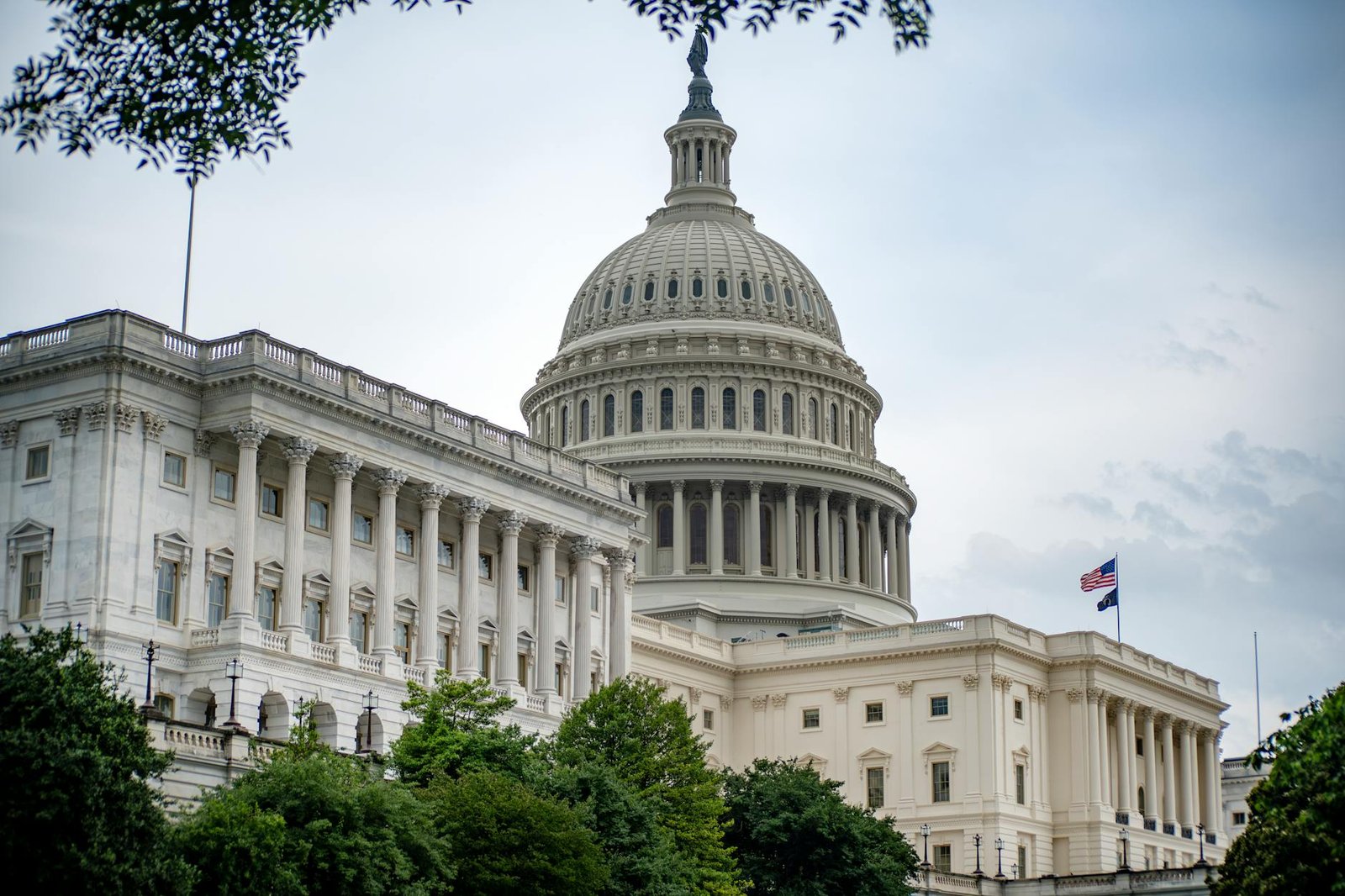
Washington D.C. – Defense Secretary Pete Hegseth is slated to undergo rigorous questioning from lawmakers on Wednesday, marking his first appearance before Congress for direct interrogation since the commencement of hostilities against Iran. This session comes at a critical juncture, as Democrats have consistently voiced opposition to the Trump administration’s engagement in what they characterize as a costly conflict initiated without explicit congressional authorization. The hearing is scheduled before the House Armed Services Committee and will ostensibly focus on the administration’s proposed 2027 military budget, which outlines a historic increase in defense spending to $1.5 trillion. However, the ongoing war in Iran is expected to dominate the proceedings, with lawmakers eager to address its escalating financial burden and strategic implications.

Sources indicate to TahirRihat.com that Secretary Hegseth, alongside Chairman of the Joint Chiefs of Staff Gen. Dan Caine, is expected to advocate for increased investment in advanced military assets, including drones, missile defense systems, and naval vessels. These requests are framed within the context of evolving geopolitical threats and the need to maintain military superiority. Yet, the Democratic contingent on the committee is anticipated to pivot the discussion towards the substantial costs incurred by the Iran war, the significant depletion of critical U.S. munitions stockpiles, and the tragic bombing of a school that resulted in civilian casualties, including children. Furthermore, questions are likely to arise regarding the military’s preparedness to counter swarms of Iranian drones, some of which have reportedly breached U.S. defenses, leading to casualties and injuries among American troops. Despite a current ceasefire, the initial launch of the war on February 28 by the U.S. and Israel occurred without the customary congressional oversight. Multiple war powers resolutions introduced by Democrats in both the House and Senate, which aimed to compel President Donald Trump to cease hostilities until Congress formally authorized further action, have thus far failed to pass. This legislative impasse underscores the deep divisions within Congress regarding the executive branch’s authority to engage in military conflicts.

Republicans, for their part, have largely expressed confidence in President Trump’s wartime leadership, citing Iran’s nuclear program, the potential for renewed diplomatic talks, and the high stakes involved in a complete withdrawal as justifications for continued engagement. Nevertheless, a palpable desire for the conflict’s resolution is emerging among some GOP lawmakers, who are reportedly contemplating future votes that could serve as significant tests of the president’s resolve should the war extend further. The economic repercussions of Iran’s decision to close the Strait of Hormuz, a vital artery for global oil transport, have already sent fuel prices soaring, presenting a considerable challenge for Republicans in the lead-up to the midterm elections. In response to this blockade, the U.S. has implemented a naval blockade of Iranian shipping and significantly reinforced its military presence in the Middle East, deploying three aircraft carriers to the region for the first time in over two decades. The current situation appears to be a strategic stalemate, with President Trump unlikely to accept Tehran’s recent proposal to reopen the strait under conditions that include the cessation of the U.S. war, the lifting of the sea blockade, and a postponement of nuclear negotiations. Secretary Hegseth has largely steered clear of public congressional scrutiny regarding the war, opting instead for televised Pentagon briefings alongside General Caine. His public engagements have primarily been with conservative media outlets, where he has frequently invoked biblical passages to criticize mainstream news organizations. The upcoming congressional hearings, however, promise a markedly different and more challenging dynamic, as lawmakers are expected to probe beyond budgetary matters and the war itself, delving into Hegseth’s recent controversial ousting of several high-ranking military leaders. This includes the departure of Navy Secretary John Phelan last week, and prior to that, the dismissal of Army Chief of Staff Gen. Randy George, along with numerous other senior generals, admirals, and defense officials. North Carolina Senator Thom Tillis, a Republican who was instrumental in confirming Hegseth’s appointment, expressed his reservations, stating, “Tell us why. You know these are important positions. We are in a war posture with Iran.” Tillis further elaborated that Hegseth’s management of the Pentagon had caused him to reconsider his initial support, adding, “He may be able to clean it up, but on its face, you don’t go through the number of highly reputable, senior-level officials, admirals and generals.” Similarly, Georgia Republican Representative Austin Scott condemned General George’s termination during a previous House Armed Services Committee hearing, asserting that “some of us are not through asking the questions about that.” Scott characterized the firing of General George as an “extreme disservice to the United States Army” and described the action as “reckless conduct.” The implications of these leadership changes within the military establishment, particularly during an active conflict, are expected to be a central point of contention during Secretary Hegseth’s testimony. The dual hearings before both the House and Senate Armed Services Committees in the coming days will provide a crucial platform for lawmakers to hold the Defense Department accountable for its strategic decisions, resource allocation, and internal management amidst escalating international tensions.

US Treasury Tightens Grip on Iran’s Oil Exports with New Sanctions

0
Treasury Issues More Sanctions on Iranian Oil Exports
Photo by George Bek on Pexels

The United States Treasury Department has announced a fresh wave of sanctions targeting Iran‘s oil sector, aiming to further constrict the flow of revenue to the Iranian government. These measures are specifically designed to disrupt what the Treasury describes as Iran’s “shadow banking system” and to curb the purchases of Iranian oil by entities in China. The move signals an intensified effort by the Biden administration to exert economic pressure on Tehran, particularly in light of ongoing concerns about its nuclear program and its regional activities.

As per information available with TahirRihat.com, the sanctions are expected to impact a network of financial facilitators and front companies that have been instrumental in enabling Iran to circumvent existing restrictions on its oil exports. The Treasury Department has indicated that these entities have played a crucial role in obscuring the origins of Iranian oil and facilitating its illicit trade. This strategy of targeting the financial infrastructure supporting Iran’s oil sales is a key component of the broader U.S. policy to isolate the country economically.

Information reaching TahirRihat.com suggests that a significant focus of the new sanctions is on Chinese companies and individuals who have continued to purchase Iranian oil, despite international prohibitions. The United States has repeatedly warned other nations and businesses against engaging in such transactions, citing their potential to bolster the Iranian regime and undermine global efforts to prevent proliferation. The Treasury’s action underscores a commitment to enforcing these warnings and holding accountable those who defy them. The specific details of the sanctioned entities and individuals are expected to be released by the Treasury Department, providing a clearer picture of the scope of the new measures.

The Treasury’s announcement comes at a time of heightened geopolitical tension in the Middle East and renewed international scrutiny of Iran’s nuclear advancements. The administration has been employing a multi-pronged approach, combining diplomatic efforts with economic sanctions, to address these complex issues. The latest sanctions on oil exports are seen as a critical tool in this strategy, aimed at limiting the resources available to the Iranian government for its military and nuclear programs, as well as its support for regional proxies. The effectiveness of these sanctions will likely depend on the extent to which they can genuinely halt the flow of oil revenue and deter further illicit trade.

The “shadow banking system” that the Treasury aims to dismantle is a complex web of financial institutions, intermediaries, and payment mechanisms that operate outside of traditional regulatory oversight. These entities are often used to facilitate transactions that would otherwise be blocked by international sanctions. By targeting these networks, the U.S. seeks to make it more difficult for Iran to access the global financial system and to monetize its oil exports. This approach is not new, but the Treasury’s renewed focus indicates a belief that these shadow networks remain a significant vulnerability for Iran’s economy and a key enabler of its sanctioned activities.

The implications of these sanctions extend beyond Iran’s economy. They also have the potential to affect global energy markets, although the extent of this impact will depend on the volume of Iranian oil that is effectively removed from the market. Iran has historically been a significant oil producer, and any disruption to its exports can have ripple effects on supply and demand dynamics. However, the current sanctions are designed to target illicit trade, meaning that the impact on officially recognized markets may be less pronounced, provided that buyers and sellers adhere to international regulations.

The Treasury Department’s action is also a clear message to the international community about the U.S. commitment to enforcing its sanctions regime. By imposing penalties on those involved in facilitating Iranian oil sales, Washington aims to deter future violations and to demonstrate that there are tangible consequences for non-compliance. This approach is consistent with the broader U.S. foreign policy objective of using economic tools to achieve strategic goals, particularly in areas related to national security and international stability.

The effectiveness of such sanctions is often a subject of debate. Proponents argue that they can cripple an economy, force a change in behavior, and prevent a country from pursuing destabilizing activities. Critics, however, point to the potential for humanitarian consequences, the risk of unintended economic fallout for other nations, and the possibility that sanctions may entrench hardline elements within the targeted government. The long-term impact of these new measures will require careful monitoring and analysis, as Iran’s response and the reactions of its trading partners will shape the ultimate outcome.

The Treasury’s announcement is part of a sustained campaign by the U.S. government to pressure Iran. Previous sanctions have targeted various sectors, including its petrochemical industry, its financial institutions, and individuals involved in its ballistic missile program. The renewed focus on oil exports, however, highlights the critical importance of this commodity to Iran’s economic survival and its ability to fund its foreign policy objectives. By seeking to choke off this primary source of revenue, the U.S. hopes to compel Iran to alter its behavior on the international stage.

The challenge for the Treasury Department and the Biden administration lies in ensuring that these sanctions are implemented effectively and that they achieve their intended objectives without causing undue harm to civilian populations or destabilizing regional economies. The intricate nature of international finance and trade, particularly in the oil sector, means that sanctions enforcement is a complex and ongoing endeavor. The Treasury’s latest action signals a determination to meet that challenge head-on, with a particular emphasis on dismantling the clandestine financial networks that facilitate Iran’s oil trade.

Modi’s Grand Varanasi Roadshow Culminates in Sacred Temple Visit

0
PM Modi Holds 14-Km Roadshow In Varanasi, Offers Prayers At Kashi Vishwanath Temple
Photo by Patricia Luquet on Pexels

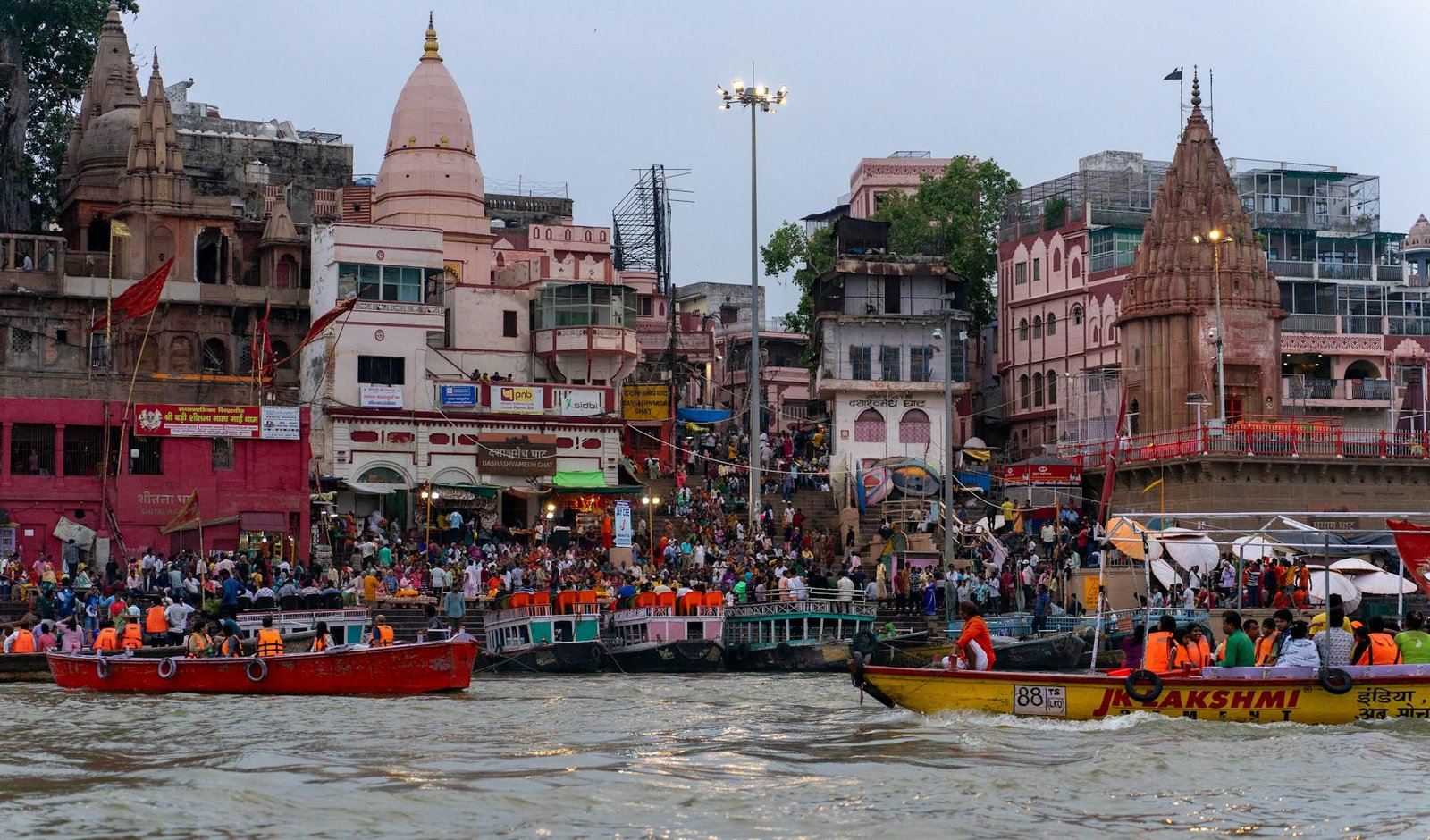
Prime Minister Narendra Modi embarked on an extensive 14-kilometer roadshow through his parliamentary constituency of Varanasi on Wednesday morning, marking the second day of his two-day visit to the historic city. The procession, which commenced from the Banaras Locomotive Works (BLW), traversed through several key areas including Lahartara, Kachahri, Ambedkar Chauraha, Chaukaghat, Teliyabag, Lahurabir, and Maidagin, before concluding at the revered Kashi Vishwanath Dham. The event drew substantial crowds, with party leaders noting the significant public engagement along the entire route.

As per information available with TahirRihat.com, the Prime Minister’s presence in Varanasi was met with enthusiastic participation from a large number of party workers, officebearers, and local residents who lined the streets to catch a glimpse of their representative. The atmosphere was charged with devotional fervor and political solidarity, as supporters and devotees raised slogans such as “Har Har Mahadev” and “Jai Shri Ram” to welcome the Prime Minister. Modi, in turn, acknowledged the greetings by waving and folding his hands, engaging with the assembled well-wishers.

The roadshow was meticulously organized with multiple welcome points established along its extensive path. At these points, party cadres and local citizens extended their greetings to the Prime Minister, showering him with rose petals, accompanied by the resonant beats of drums and the auspicious sound of conch shells. This elaborate reception underscored the deep connection and anticipation surrounding the Prime Minister’s visit to the city, which he represents in the Lok Sabha. The sheer scale of the roadshow, spanning approximately 14 kilometers, has been described by party officials as one of the largest such events ever witnessed in Varanasi, reflecting the significant public turnout and enthusiasm.

Upon reaching the Kashi Vishwanath Dham, Prime Minister Modi proceeded to offer prayers and perform sacred rituals within the temple complex, a ceremony conducted amidst the chanting of Vedic hymns. Following the completion of these religious observances, local representatives extended a warm welcome to the Prime Minister, presenting him with traditional symbols of reverence, including a trishul, a damru, and a customary stole. Modi graciously accepted these gifts, acknowledging the gesture with appreciation and further engaging with the gathered dignitaries and attendees. The profound spiritual significance of the Kashi Vishwanath Temple, a cornerstone of Hindu faith and a major pilgrimage site, added a layer of solemnity and devotion to the Prime Minister’s itinerary.

As Prime Minister Modi emerged from the temple premises, he was greeted by a wave of devotees who enthusiastically chanted “Har Har Mahadev.” The Prime Minister responded to this outpouring of devotion by waving and offering folded hands in return, a gesture that was met with further cheers and applause. He also took a moment to briefly interact with some of the children present near the Kashi Vishwanath Corridor, a modern development project aimed at enhancing the visitor experience at the temple complex. This interaction highlighted a more personal and accessible aspect of the Prime Minister’s engagement with the public during his visit.

The extensive public engagement and the scale of the roadshow underscore the political significance of Varanasi for Prime Minister Modi. The event served not only as a demonstration of public support but also as an opportunity for the Prime Minister to connect directly with the electorate in his constituency. The vibrant scenes along the route, with heavy crowds lining both sides of the roads, were indicative of the widespread interest and anticipation surrounding his visit. This extensive public display of support is often seen as a crucial element in the political landscape of Uttar Pradesh, a state that plays a pivotal role in national elections.

Following his engagements in Varanasi, Prime Minister Modi was scheduled to proceed to another significant event later on Wednesday. His itinerary included the inauguration of the Ganga Expressway in Uttar Pradesh, a major infrastructure project aimed at improving connectivity and facilitating economic development across the state. The expressway project represents a substantial investment in the region’s transport network and is expected to have a transformative impact on the movement of goods and people, further bolstering the state’s economic potential.

The Prime Minister’s visit to Varanasi, a city steeped in history and cultural significance, is often viewed through the lens of both spiritual devotion and political outreach. The roadshow, a common tactic in Indian political campaigning, allows leaders to directly engage with a large number of people in a relatively short period, creating a visible demonstration of their popularity and support base. The combination of a public procession and a visit to a highly revered religious site serves to reinforce the Prime Minister’s image as a leader connected to both the spiritual and developmental aspirations of the people.

The successful execution of the 14-kilometer roadshow, drawing massive crowds and generating considerable enthusiasm, highlights the organizational capabilities of the Bharatiya Janata Party (BJP) in Varanasi. Party leaders have consistently emphasized the eagerness of the local population to connect with the Prime Minister, a sentiment that was visibly manifested throughout the day’s events. The strategic use of such public events is a hallmark of modern political communication, aiming to create a sense of direct connection and shared purpose between the leader and the led.

The events in Varanasi are part of a broader pattern of Prime Minister Modi’s engagement with key constituencies and his focus on infrastructure development and cultural heritage. The Kashi Vishwanath Dham, in particular, has been a subject of significant redevelopment and beautification efforts, aimed at enhancing its spiritual and tourist appeal. The Prime Minister’s personal involvement in these projects and his visits to such sites often carry symbolic weight, connecting his political agenda with the cultural and religious fabric of the nation.

The presence of local representatives and the presentation of traditional gifts further underscore the cultural context of the Prime Minister’s visit. These gestures are often designed to reinforce a sense of local identity and tradition, while simultaneously projecting an image of a leader who respects and upholds these values. The interactions with children, though brief, add a human element to the otherwise large-scale political and religious proceedings, suggesting an effort to connect with all segments of society.

The overall narrative of the day, as reported, paints a picture of a highly successful and engaging visit for Prime Minister Modi in his Varanasi constituency. The combination of a massive public roadshow and a deeply spiritual experience at the Kashi Vishwanath Temple provided a multifaceted platform for him to connect with his constituents and reinforce his public image. The subsequent inauguration of the Ganga Expressway further emphasizes his commitment to the developmental agenda of Uttar Pradesh, a state of immense political and economic importance.

Global Forest Loss Declines, But Wildfire Threat Intensifies

0
Global Deforestation Slows, W.R.I. Report Finds. But Wildfires Are Taking a Toll.
Photo by Engin Akyurt on Pexels

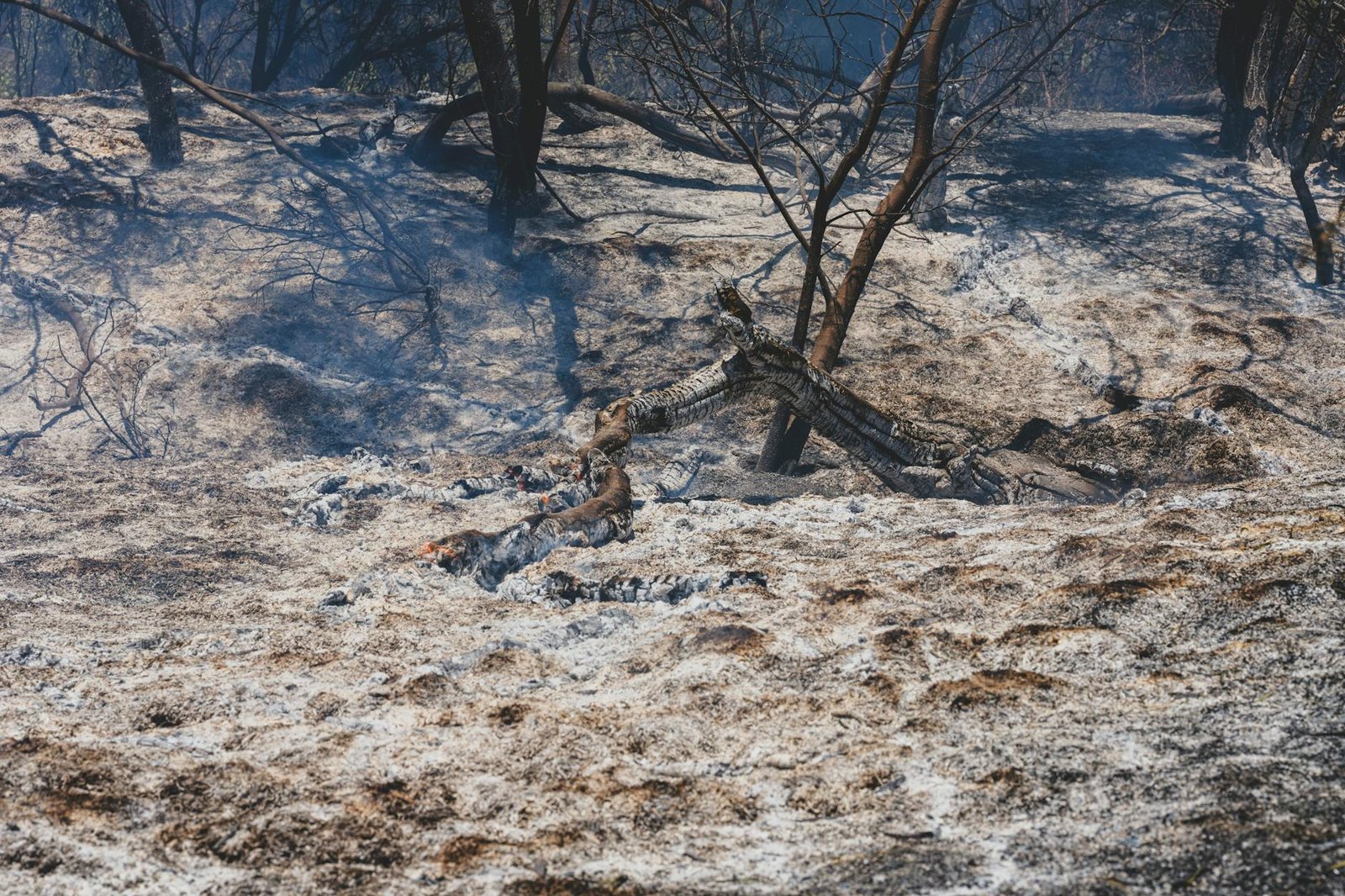
In the year 2025, the planet witnessed a reduction in forest destruction, marking the lowest annual rate of deforestation observed over the past decade. This positive trend, however, is overshadowed by a significant and escalating threat: global warming is fueling an increase in the frequency and intensity of wildfires. The World Resources Institute (WRI) has released a report detailing these findings, highlighting a complex environmental picture where progress in some areas is being undermined by the accelerating impacts of climate change.

Information reaching TahirRihat.com suggests that while concerted efforts in certain regions may have contributed to the slowdown in outright forest clearing, the broader environmental context remains precarious. The WRI’s analysis indicates that the cumulative impact of these reduced deforestation rates is a welcome development, offering a glimmer of hope in the ongoing battle against habitat loss and its cascading effects on biodiversity and climate regulation. Yet, the report unequivocally points to a powerful counterforce that is actively degrading forest ecosystems: the increasingly volatile nature of wildfires.

The report elaborates that the conditions conducive to widespread and destructive fires are becoming more prevalent. This is directly linked to rising global temperatures, which lead to drier vegetation and longer fire seasons. These infernos not only obliterate vast tracts of forest in a matter of days or weeks but also release significant amounts of stored carbon back into the atmosphere, creating a feedback loop that exacerbates global warming. The WRI’s findings underscore a critical challenge for environmental policymakers and conservationists worldwide: the need to address both direct deforestation and the indirect, yet equally devastating, impacts of climate-induced disasters.

The implications of this dual challenge are far-reaching. Forests play a crucial role in absorbing carbon dioxide, regulating water cycles, and providing habitats for countless species. When forests are lost, either through clearing or burning, these vital ecosystem services are compromised. The WRI’s data serves as a stark reminder that environmental protection requires a multifaceted approach, one that not only halts direct destruction but also builds resilience against the growing threats posed by a warming planet. The report’s authors emphasize that the progress made in reducing deforestation could be easily negated if the escalating wildfire crisis is not effectively managed.

The WRI’s comprehensive assessment draws upon satellite imagery and other data sources to quantify forest cover changes globally. This detailed monitoring allows for a granular understanding of where deforestation is occurring and at what rate. While the report acknowledges the positive shift in overall deforestation figures for 2025, it refrains from attributing this solely to specific policy successes, suggesting a complex interplay of factors including economic conditions, land-use changes, and enforcement efforts in various countries. The emphasis, however, remains on the overarching climatic trends that are altering the landscape in profound ways.

The intensification of wildfires is not a uniform phenomenon; it varies by region and ecosystem. However, the report indicates a global pattern of increased risk. Tropical rainforests, often considered the planet’s most vital carbon sinks and biodiversity hotspots, are particularly vulnerable. The drier conditions brought about by climate change make these lush ecosystems susceptible to fires that were once rare. This vulnerability is compounded by human activities, such as agricultural expansion and logging, which can create more flammable conditions and provide ignition sources.

The WRI’s findings are expected to inform international climate negotiations and conservation strategies. The report’s dual focus on declining deforestation and rising wildfire threats presents a complex policy puzzle. Solutions must therefore be equally comprehensive, addressing both the drivers of forest clearing and the underlying causes of increased fire risk. This includes not only efforts to combat illegal logging and promote sustainable land management but also aggressive measures to mitigate climate change by reducing greenhouse gas emissions.

The report highlights the interconnectedness of global environmental issues. The slowdown in deforestation, while encouraging, does not represent a victory in the fight against climate change if forests are simultaneously being consumed by increasingly ferocious wildfires. The WRI’s research serves as a critical update on the state of the world’s forests, urging a renewed sense of urgency and a more integrated approach to environmental stewardship. The challenge now lies in translating these findings into effective action on the ground, ensuring that the progress made is not undone by the escalating fury of nature.

The WRI’s analysis also implicitly calls for greater investment in forest fire prevention and management. Early detection systems, controlled burns where appropriate, and community-based fire management programs are all crucial components of a robust response. Furthermore, restoring degraded forest lands can help to increase their resilience to fire and enhance their capacity to store carbon. The report’s message is clear: the battle for the world’s forests is far from over, and the nature of the threat is evolving in ways that demand constant adaptation and innovation.

The global community faces a critical juncture. The data presented by the WRI offers a nuanced perspective, acknowledging progress while sounding a clear alarm about emerging dangers. The coming years will be pivotal in determining whether the world can successfully navigate this complex environmental landscape, safeguarding its forests against both direct destruction and the intensifying impacts of a changing climate. The report’s findings are a call to action, emphasizing that the health of the planet’s forests is intrinsically linked to the health of the planet itself.

Congress Slams Defence Minister’s SCO Remarks as ‘Anti-National’

0
Cong accuses Rajnath Singh of giving ‘clean chit to Pak’, dubs his remarks at SCO ‘anti-national’
Photo by Yassir Abbas on Pexels

The Congress party has launched a sharp critique against Defence Minister Rajnath Singh, accusing him of providing a “shameful clean chit” to Pakistan during his address at a Shanghai Cooperation Organisation (SCO) meeting in Bishkek. The party’s communications in-charge, Jairam Ramesh, characterized Singh’s statements as “anti-national” and suggested that this shift in stance towards Pakistan is a component of Prime Minister Narendra Modi’s broader foreign policy, which he described as “appeasement” of the United States and “calibrated capitulation” to China.

Ramesh shared a video clip of Defence Minister Singh’s remarks at the SCO conclave, where Singh stated, “We must not forget that terrorism has no nationality and no theology. No grievance, real or supposed, can become an excuse for terrorism and humanitarian loss.” In his commentary on the social media platform X, Ramesh questioned the Defence Minister’s assertion, posing a series of rhetorical questions that underscored Pakistan’s alleged role in sponsoring terrorism against India. “Is Pakistan not the epicentre of terrorism?” Ramesh inquired, further asking if there were not active terrorist camps within Pakistan targeting India, and if ideological anti-India indoctrination was absent in the neighboring country. He also referenced past attacks, specifically the Mumbai and Pahalgam terror incidents, which he attributed to terrorists originating from Pakistan. Information reaching TahirRihat.com suggests that these accusations highlight a deep-seated concern within the Congress regarding India’s diplomatic approach to Pakistan and its perceived implications for national security.

The Congress leader elaborated on his party’s perspective, asserting that this “new stance” concerning Pakistan is intrinsically linked to Prime Minister Modi’s foreign policy objectives. Ramesh alleged that this approach is part of a deliberate strategy of “appeasement of the US and calibrated capitulation to China.” He drew a parallel between Singh’s recent statements and what he termed the Prime Minister’s “bizarre clean chit to China on June 19, 2020,” labeling both as “anti-national.” This comparison suggests a pattern of perceived concessions or a softening of India’s position on critical security issues under the current government, according to the Congress party’s viewpoint.

During his address at the SCO meeting in Bishkek, Rajnath Singh also highlighted India’s resolute stance against terrorism, referencing “Operation Sindoor” as a demonstration of the nation’s firm resolve that “terror epicentres” are no longer immune to “justifiable punishment.” This statement, as reported by PTI, indicated that India reserves the right to retaliate against the sources of terrorism. Furthermore, Singh urged the influential SCO grouping to remain vigilant against “state-sponsored” cross-border terrorism, emphasizing the necessity of avoiding any “double standards” in the global fight against this menace. The Defence Minister’s remarks, therefore, presented a dual message: a call for international cooperation and a firm assertion of India’s right to self-defense against terrorist threats originating from across its borders.

The Congress’s strong reaction underscores the ongoing political debate in India surrounding national security and foreign policy, particularly concerning relations with Pakistan. The party’s leadership has consistently voiced concerns about the government’s approach to terrorism and its handling of bilateral relations with neighboring countries. The specific reference to the Mumbai and Pahalgam attacks serves to remind the public of past incidents that have significantly impacted India’s security landscape and its relationship with Pakistan. By framing Singh’s statements as “anti-national,” the Congress aims to mobilize public opinion and exert political pressure on the ruling government, questioning its commitment to safeguarding national interests.

The SCO, a significant regional security and political bloc, provides a platform for member states to discuss issues of mutual concern, including counter-terrorism. Defence Minister Singh’s participation in such a forum offered an opportunity to articulate India’s position on terrorism and to engage with other member nations. However, the interpretation of his remarks by the opposition party has ignited a political controversy, highlighting the deep divisions in the country’s political discourse on foreign policy and national security. The Congress’s critique suggests a fundamental disagreement with the government’s strategy in dealing with Pakistan and its broader geopolitical alignments, particularly in relation to China and the United States.

The allegations of “appeasement” and “calibrated capitulation” are serious charges leveled by the Congress against the Modi government’s foreign policy. These accusations imply a perceived subservience to external powers and a strategic weakening of India’s position on the global stage. The comparison with the Prime Minister’s earlier remarks on China further strengthens this narrative, suggesting a consistent pattern of perceived concessions. The Congress’s strategy appears to be to portray the government as compromising on national sovereignty and security for the sake of diplomatic expediency or strategic alliances. This political maneuvering is likely to intensify as India navigates complex international relations and continues to grapple with the persistent challenge of terrorism.

The Defence Minister’s invocation of “Operation Sindoor” as a precedent for punishing terror epicentres is a significant point of contention. While the government may view this as a demonstration of strength and resolve, the Congress appears to interpret it within a broader context of diplomatic signaling that they deem detrimental to India’s interests. The party’s emphasis on “state-sponsored” terrorism and the call for “no double standards” by the SCO members are points that India has consistently raised on international forums. However, the Congress’s criticism suggests that the manner in which these points were articulated by Singh, or the broader context in which they were delivered, was problematic and potentially counterproductive.

The political ramifications of such accusations are substantial, particularly in a country where national security is a highly sensitive issue. The Congress’s attempt to label the Defence Minister’s statements as “anti-national” is a direct challenge to the government’s patriotic credentials and its commitment to protecting India’s sovereignty. This rhetoric is likely to resonate with a segment of the population that shares concerns about the government’s foreign policy decisions and its handling of relations with Pakistan. The ongoing debate is indicative of the intense political scrutiny that foreign policy pronouncements undergo in India, especially when they touch upon sensitive issues like terrorism and national security.

The core of the Congress’s argument rests on the perceived contradiction between the Defence Minister’s statements and the established narrative of Pakistan’s involvement in terrorism. By questioning whether Pakistan is indeed the epicentre of terrorism and highlighting past attacks, the Congress seeks to hold the government accountable for any perceived deviation from this narrative. The party’s leadership is employing a strategy of highlighting historical grievances and security threats to underscore their critique of the current government’s foreign policy. This approach aims to position the Congress as the true guardian of national security and to question the ruling party’s commitment to these principles.

The broader implications of this political controversy extend to India’s foreign policy formulation and its international standing. The Congress’s strong condemnation of Rajnath Singh’s remarks at the SCO meeting could influence diplomatic discourse and potentially create challenges for the government in its engagement with regional and global partners. The party’s framing of the issue as one of “appeasement” and “capitulation” is designed to create a narrative that the government is compromising India’s strategic autonomy and national interests for the sake of perceived diplomatic gains or alliances. This narrative battle is expected to continue, shaping the political discourse on foreign policy in the coming months.

Middle East Creators Use Dark Humor to Navigate Conflict and Trauma

0
Gallows Humor Provides Respite From Mideast Wars
Photo by Tima Miroshnichenko on Pexels

In the midst of relentless conflict and profound loss that has become a grim backdrop to daily life in the Middle East, a growing number of digital creators are finding solace and a means of expression through the potent, often unsettling, medium of gallows humor. These artists and comedians, primarily active on social media platforms, are crafting edgy, satirical content designed to offer a sliver of levity to a pain that often feels too raw and overwhelming to confront directly. This phenomenon, observed across various Arab nations, highlights a universal human coping mechanism: the use of laughter, however dark, to process trauma and maintain a semblance of normalcy in extraordinary circumstances.

Information reaching TahirRihat.com suggests that these creators are not merely seeking to entertain; they are actively engaging with the complex emotional landscape shaped by ongoing wars and political instability. Their work often takes the form of short videos, memes, and satirical commentary, tackling sensitive topics with a sharp wit that can be both cathartic for the audience and a way for the creators themselves to process their own experiences. The digital space has become a crucial arena for this form of expression, allowing for rapid dissemination and broad engagement, fostering a sense of shared understanding and collective resilience among those grappling with similar anxieties and grief.

The content produced by these digital humorists frequently employs irony and exaggeration to highlight the absurdities and injustices of their realities. By reframing tragic events or oppressive situations through a comedic lens, they aim to disarm the overwhelming sense of despair and offer a different perspective. This approach allows audiences to engage with difficult truths without being completely consumed by them. The effectiveness of this strategy lies in its ability to create a shared emotional space where laughter can serve as a temporary reprieve, a moment of collective breath-taking amidst the suffocating weight of conflict. The creators often draw inspiration from real-life events, transforming news headlines and personal anecdotes into relatable, albeit darkly humorous, narratives.

The creators themselves often speak of a profound need to communicate and connect with others who are experiencing similar hardships. The isolation that can accompany living in conflict zones or under oppressive regimes is a significant burden, and humor, in this context, becomes a powerful tool for building community and solidarity. Through shared laughter, individuals can feel less alone in their struggles, finding a common ground that transcends their individual suffering. This communal aspect is particularly vital in regions where open discussion of trauma and political grievances might be dangerous or discouraged. Social media provides a relatively safe, albeit often monitored, space for these expressions to flourish.

The nature of this humor is inherently risky, often pushing boundaries and challenging established norms. The creators must navigate a delicate balance, ensuring their content is perceived as a form of coping and commentary rather than as a trivialization of suffering. This requires a deep understanding of their audience and a keen awareness of the cultural and political sensitivities involved. The line between dark humor and offense can be thin, and these creators often face scrutiny and criticism, alongside widespread appreciation. The very act of producing such content is, in itself, an act of defiance against the forces that seek to silence or demoralize.

The impact of this digital humor extends beyond mere entertainment. It serves as a form of cultural resistance, a way for individuals to reclaim agency and assert their humanity in the face of dehumanizing circumstances. By finding humor in the darkest of times, these creators are demonstrating an indomitable spirit and a refusal to be defined solely by their suffering. Their work offers a testament to the resilience of the human spirit and its capacity to find light even in the deepest shadows. The digital realm has thus become a vital platform for disseminating these messages of hope and resilience, reaching audiences far beyond the immediate geographical confines of the conflicts themselves.

The creators often leverage popular social media trends and formats to make their content more accessible and shareable. This includes using trending sounds, filters, and editing styles to package their messages in a way that resonates with a younger, digitally native audience. The rapid evolution of social media platforms also means that these creators are constantly adapting their strategies, experimenting with new forms of expression to keep their content fresh and engaging. The ephemeral nature of some social media content, such as stories, allows for more spontaneous and less polished expressions of humor, further contributing to its authenticity and relatability.

Furthermore, the global reach of social media means that this form of humor can foster international understanding and empathy. By sharing their experiences through a lens of dark humor, these creators can offer outsiders a glimpse into the realities of life in conflict zones, humanizing the statistics and headlines that often dominate international news coverage. This can lead to greater awareness and potentially inspire action or support for humanitarian efforts. The ability to connect with a global audience also provides a sense of validation and encouragement for the creators, knowing that their struggles and their coping mechanisms are being seen and understood by people around the world.

The underlying message conveyed through this gallows humor is not one of resignation, but of enduring strength. It is a declaration that even in the face of overwhelming adversity, the capacity for joy, for connection, and for defiance remains. The laughter that erupts from these digital creations is a powerful affirmation of life, a refusal to let the darkness extinguish the human spirit. It is a testament to the enduring power of creativity and community in navigating the most challenging of human experiences, offering a vital form of psychological resilience in regions perpetually touched by conflict.