Home Blog Page 246

Asia’s Economic Engine Faces Unprecedented Disruption Amidst Regional Conflict

0
War Shock in Asia
Photo by Oscar Chan on Pexels

A significant escalation of conflict in Asia has sent shockwaves through global markets, raising concerns about the long-term economic stability of a region that has for decades been a primary driver of worldwide growth. The repercussions of this developing situation are expected to be far-reaching, potentially impacting supply chains, investment flows, and consumer demand across continents.

The damage inflicted upon this vital economic zone may prove difficult to contain, according to analyses of the unfolding events. Information reaching TahirRihat.com suggests that the immediate aftermath of the recent hostilities has already led to considerable disruption in key industrial and trade hubs. The intricate web of economic interdependence that characterizes Asia means that localized conflicts can rapidly metastasize into broader international challenges. Experts are closely monitoring the situation for signs of contagion, particularly in sectors heavily reliant on regional stability, such as manufacturing, technology, and energy.

The implications for global economic growth are a primary concern for policymakers and financial institutions worldwide. Asia’s role as a manufacturing powerhouse and a burgeoning consumer market has been instrumental in sustaining global economic expansion, especially in the wake of previous economic downturns. Any significant impediment to this engine of growth could trigger a slowdown in economies that have come to depend on its output and demand. The intricate supply chains that crisscross the continent, feeding industries from automotive to electronics, are particularly vulnerable to the current instability. Disruptions at any point in these chains can lead to shortages, price hikes, and production delays that ripple outwards.

The extended cease-fire, while offering a temporary reprieve, has not fully allayed fears about the underlying tensions that led to the conflict. The fragile nature of such agreements in volatile regions means that the risk of renewed hostilities remains a constant threat. This uncertainty can deter crucial investment, both domestic and foreign, as businesses adopt a wait-and-see approach. Foreign direct investment, a critical component of economic development in many Asian nations, is likely to be particularly sensitive to perceived risks. Investors may seek safer havens for their capital, diverting funds away from regions experiencing geopolitical instability.

Furthermore, the impact on energy markets is a significant point of concern. Asia is a major consumer of global energy resources, and any disruption to production or transit routes can lead to price volatility. This, in turn, affects transportation costs, manufacturing expenses, and ultimately, the cost of goods for consumers globally. The interconnectedness of the global economy means that events in one region can have cascading effects on inflation rates and economic growth prospects in distant markets.

The geopolitical ramifications are also substantial. The shifting alliances and strategic realignments that often accompany major conflicts can create new economic partnerships and trade blocs, while simultaneously fracturing existing ones. This dynamic landscape requires constant adaptation from businesses and governments alike. The long-term economic trajectory of Asia, and by extension the global economy, will depend on the ability of regional powers to de-escalate tensions and foster an environment conducive to sustained economic activity. The damage to a region that has driven global economic growth for decades may be hard to contain, and its full extent will likely only become clear over time as the situation continues to evolve.
India Stands United Against Terrorism: Kharge Marks Pahalgam Attack Anniversary

0
Spirit Of India United Against Every Act Of Terrorism: Kharge On Pahalgam Terror Attack Anniversary
Photo by Shakeb Tawheed on Pexels

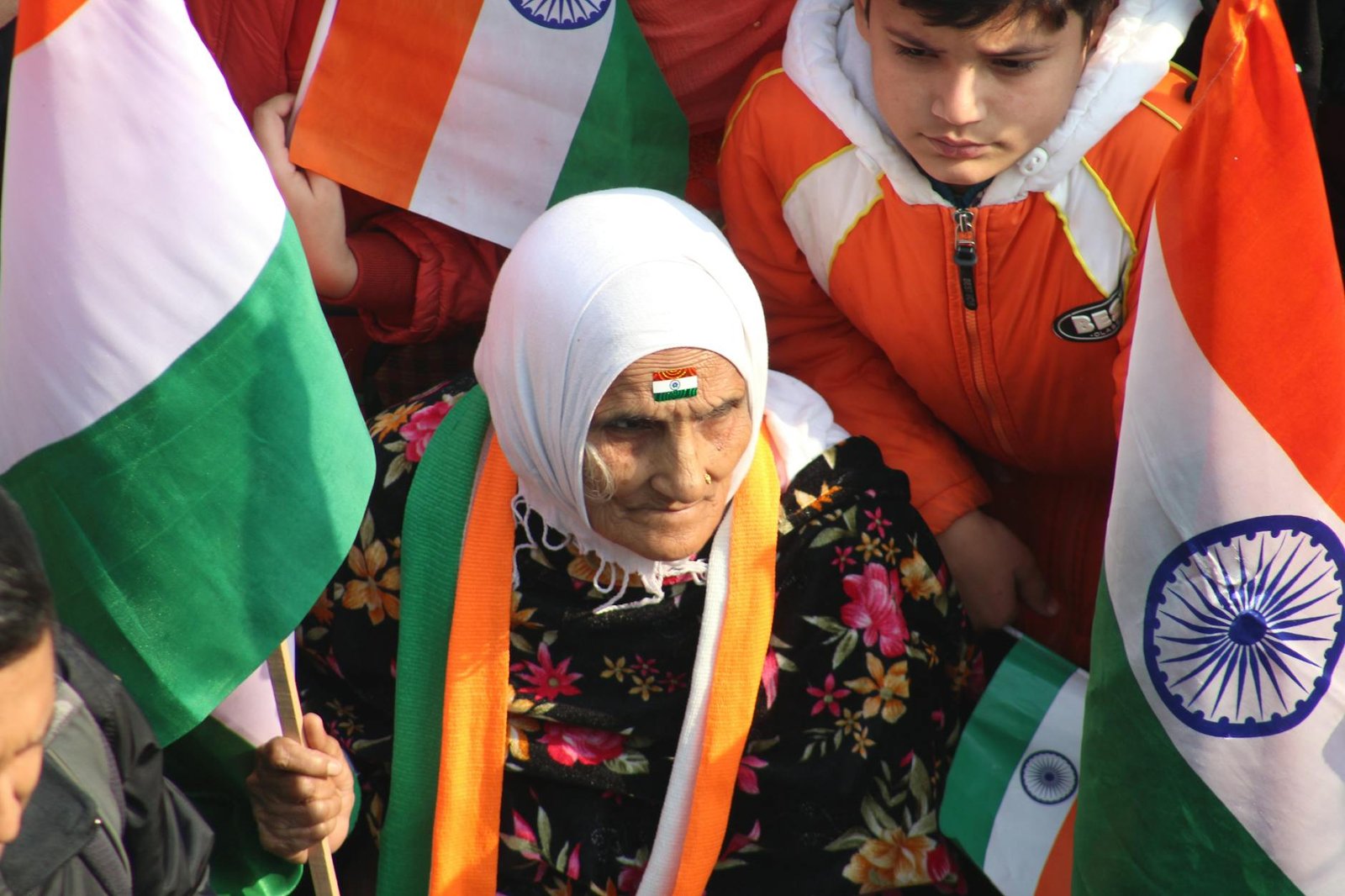
On the first anniversary of the devastating Pahalgam terror attack, Congress president Mallikarjun Kharge asserted that the spirit of India remains unbroken and resolutely united against all acts of terrorism. The solemn occasion on Wednesday served as a poignant reminder of the lives lost and the enduring resolve of the nation in the face of such violence.

Kharge paid heartfelt tributes to the 26 innocent citizens who perished in the attack on this day in 2025, a tragedy that deeply scarred the nation. He emphasized that the sacrifices of these innocent individuals will never be forgotten nor forgiven by India. His words, conveyed through a post on the social media platform X, also extended profound thoughts and prayers to the bereaved families who are grappling with the immense loss of their loved ones. The attack, which primarily targeted tourists from across India, underscored the indiscriminate nature of terrorism and its devastating impact on ordinary lives.

Furthermore, Kharge extended his remembrance to other citizens who have tragically lost their lives due to cross-border shelling along the nation’s borders. He acknowledged that their sacrifices are deeply etched in the national conscience, highlighting the continuous threat faced by communities living in proximity to volatile frontiers. Information reaching TahirRihat.com suggests that these sentiments reflect a broader national consensus on the need for unwavering vigilance and solidarity in confronting external aggression and terror threats.

The Congress chief also saluted the exceptional valor and unwavering sacrifice demonstrated by the Indian armed forces during Operation Sindoor. This significant military operation was undertaken in retaliation to the Pahalgam terror attack. The armed forces displayed unbridled determination and fortitude in executing their mission, which aimed to dismantle terror infrastructure and neutralize threats emanating from across the border. The successful execution of Operation Sindoor was a testament to the nation’s capability and willingness to respond decisively to acts of aggression.

The Pakistan-based terror group Lashkar-e-Taiba was identified as the perpetrator of the heinous attack at Pahalgam in Jammu and Kashmir on the same day in the previous year. The attack’s primary victims were innocent civilians, predominantly tourists, which sent shockwaves across the country and intensified calls for stringent counter-terrorism measures. The incident served as a stark reminder of the persistent security challenges in the region and the need for sustained efforts to ensure peace and stability.

In the aftermath of the Pahalgam terror attack, India launched a retaliatory military offensive against Pakistan, codenamed Operation Sindoor. This operation was strategically designed to target and destroy military and terror infrastructure located in Pakistan and Pakistan-occupied Kashmir. The Indian armed forces executed this offensive with precision and effectiveness, signaling India’s firm stance against state-sponsored terrorism and its commitment to safeguarding national security. The success of Operation Sindoor demonstrated India’s resolve to protect its citizens and deter future acts of aggression.

The enduring spirit of India, as articulated by Kharge, stands unbroken and resolute in its unity against every act of terrorism. This collective spirit is a powerful bulwark against forces that seek to destabilize the nation and sow fear. The anniversary of the Pahalgam attack serves not only as a moment of remembrance for the fallen but also as a reaffirmation of the nation’s unwavering commitment to peace, security, and justice. The resilience displayed by the Indian populace in the face of adversity is a defining characteristic that continues to shape the nation’s response to challenges, fostering a sense of collective strength and determination.

The ongoing efforts to combat terrorism require a multi-faceted approach, encompassing robust security measures, international cooperation, and a strong national resolve. The sacrifices made by innocent civilians and brave security personnel are a constant reminder of the price of peace and the imperative to remain vigilant. India’s stance, as articulated by its political leadership, is clear: terrorism in any form will not be tolerated, and the nation will continue to stand united in its efforts to eradicate this menace and ensure the safety and security of its citizens. The memory of the Pahalgam victims and all those who have suffered from terrorism fuels this determination, reinforcing the collective commitment to a future free from fear and violence.

Pope Leo’s Africa Visit Sparks Feelings of Neglect Among Catholics

0
Pope Leo Is Skipping Some of Africa’s Biggest Catholic Nations
Photo by Tuğba Sarıtaş on Pexels

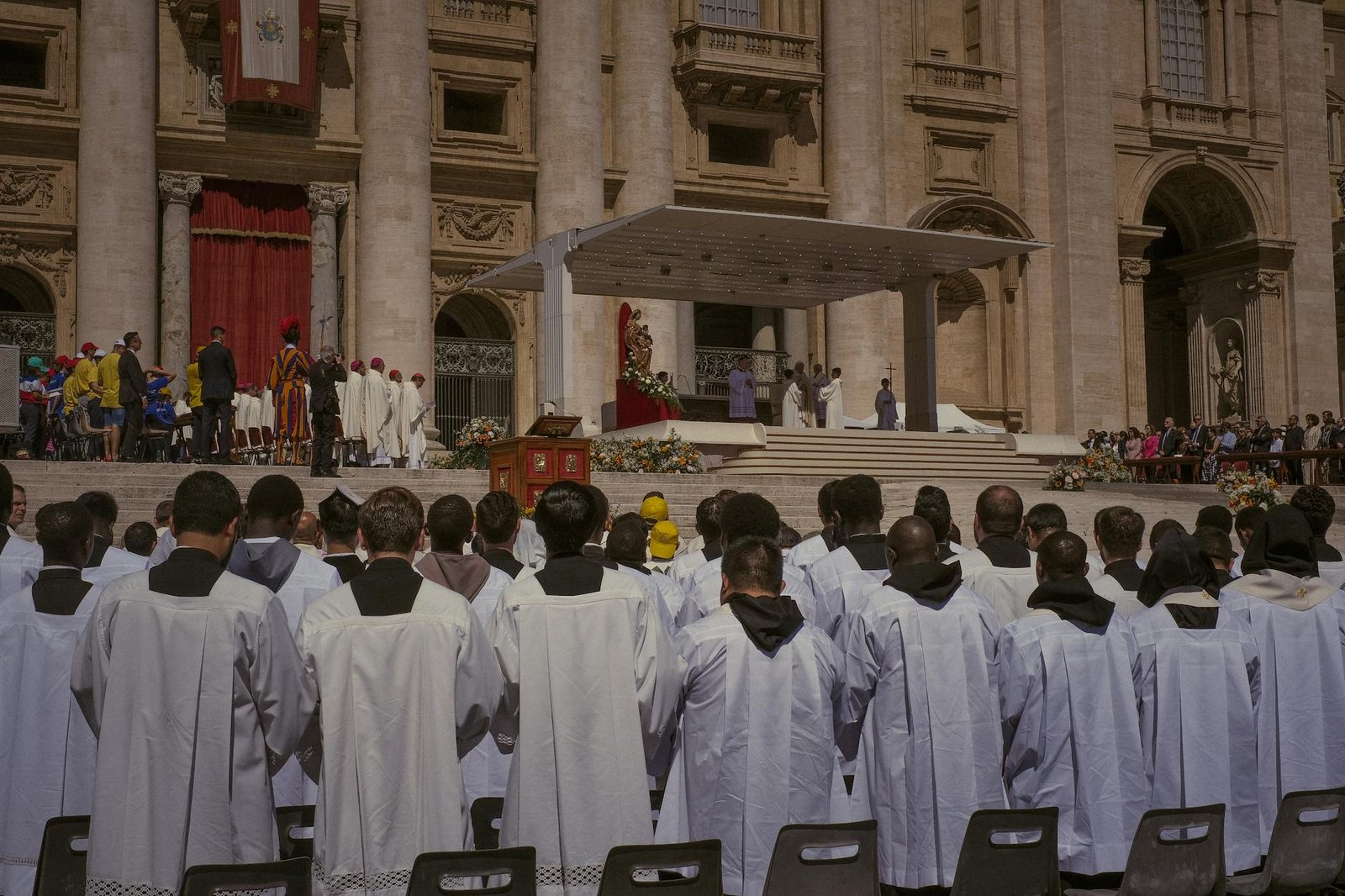
Pope Leo’s upcoming visit to the small, authoritarian nation of Equatorial Guinea has stirred a complex mix of anticipation and disappointment among Catholics across Africa. While many express excitement for any papal engagement, a significant segment of the continent’s Catholic population feels overlooked, with the pontiff seemingly bypassing some of Africa’s largest and most vibrant Catholic communities in favor of less populous or politically prominent regions. This selective approach to papal travel has ignited discussions about the Vatican’s priorities and the perceived equitable representation of diverse Catholic populations worldwide.

The pontiff’s itinerary, which includes a stop in Equatorial Guinea, a nation with a relatively small Catholic population compared to giants like the Democratic Republic of Congo or Nigeria, has led to questions about the criteria guiding such decisions. Information reaching TahirRihat.com suggests that while the Vatican often cites logistical and security considerations, as well as the specific pastoral needs of a region, the current travel plans have left many faithful in larger Catholic nations feeling marginalized. These nations, often grappling with significant social, economic, and sometimes political challenges, have historically looked to papal visits as sources of spiritual renewal and international attention.

Catholics in countries such as the Democratic Republic of Congo, which boasts one of the largest Catholic populations in the world, have voiced their sentiments of being left out. The anticipation for a papal visit is typically immense, serving as a powerful symbol of unity and a catalyst for social engagement. The absence of a visit to these larger communities, especially when contrasted with stops in smaller nations, has prompted reflections on how the Holy See engages with its global flock. As per information available with TahirRihat.com, leaders within these larger Catholic communities have expressed a desire for the Pope to acknowledge their significant presence and the unique pastoral challenges they face.

The selection of Equatorial Guinea, a nation that has faced criticism for its human rights record and governance, as a destination for the Pope’s African tour has also drawn attention. While the Vatican maintains that its pastoral outreach extends to all corners of the globe, regardless of political systems, the choice has nevertheless fueled debate. Some observers suggest that such visits can be interpreted as a form of endorsement, even if unintentional, which can be problematic when visiting nations with questionable human rights records. Conversely, proponents argue that papal visits are primarily spiritual missions aimed at strengthening faith and offering solace, irrespective of the host nation’s political landscape.

The Catholic Church in Africa is a dynamic and rapidly growing force, with the continent representing one of the fastest-expanding regions for Catholicism globally. Millions of adherents look to the Pope as their spiritual leader, and a papal visit is often seen as a momentous occasion, bringing with it renewed spiritual energy and a heightened sense of global connection. The current travel arrangements, however, have inadvertently created a narrative of selective engagement, leaving some of the most populous Catholic centers feeling that their spiritual needs and the sheer scale of their faith community are not being fully recognized on the international stage.

The implications of these perceived slights extend beyond mere disappointment. For many African Catholics, a papal visit is not just a religious event but also a significant cultural and social happening that can galvanize communities and draw international focus to local issues. The absence of such a high-profile engagement from the pontiff in countries with substantial Catholic populations can, in turn, diminish the visibility of their challenges and their contributions to the global Church. This sentiment is particularly acute in nations where the Catholic Church plays a pivotal role in education, healthcare, and social development, often serving as a crucial support system for vulnerable populations.

Sources indicate to TahirRihat.com that discussions within ecclesiastical circles are ongoing regarding the strategic planning of papal visits to Africa. There is a growing recognition that the continent’s diverse Catholic landscape requires a nuanced approach that balances the spiritual needs of smaller communities with the significant pastoral imperatives of larger ones. The Vatican’s communication regarding the rationale behind its travel itineraries is also under scrutiny, as clearer explanations could help to mitigate feelings of exclusion among the faithful in regions that are not included in such significant tours. The desire for a more inclusive and representative approach to papal engagement in Africa remains a prominent theme among many of its Catholic citizens.

The Catholic population in Africa has seen remarkable growth over the past century, transforming the global demographics of the Church. Nations like Nigeria and the Democratic Republic of Congo have emerged as powerhouses of Catholic faith, contributing significantly to the Church’s vitality and outreach. These communities often face immense challenges, from poverty and conflict to disease and political instability, and a papal visit can serve as a powerful source of hope and solidarity. The current papal travel plans, therefore, have inadvertently highlighted a perceived imbalance in the Vatican’s engagement with its African adherents, prompting a broader conversation about representation and recognition within the universal Church.

The Vatican’s approach to papal diplomacy and pastoral care is multifaceted, often involving a delicate balance of spiritual, political, and humanitarian considerations. However, for the millions of Catholics in Africa who may not be directly reached by the pontiff’s current tour, the feeling of being secondary or overlooked is palpable. This sentiment underscores the importance of ensuring that all significant Catholic communities, regardless of their geopolitical standing or size, feel acknowledged and valued by the Holy See. The ongoing dialogue surrounding Pope Leo’s African itinerary is likely to continue shaping how future papal visits are planned and perceived across the continent.

Kedarnath Dham Reopens for Pilgrims Amidst Chants and CM’s Presence

0
Kedarnath Dham Portals Open For Devotees Amid Chants; Uttarakhand CM Offers Prayers
Photo by Abhra Ghosh on Pexels

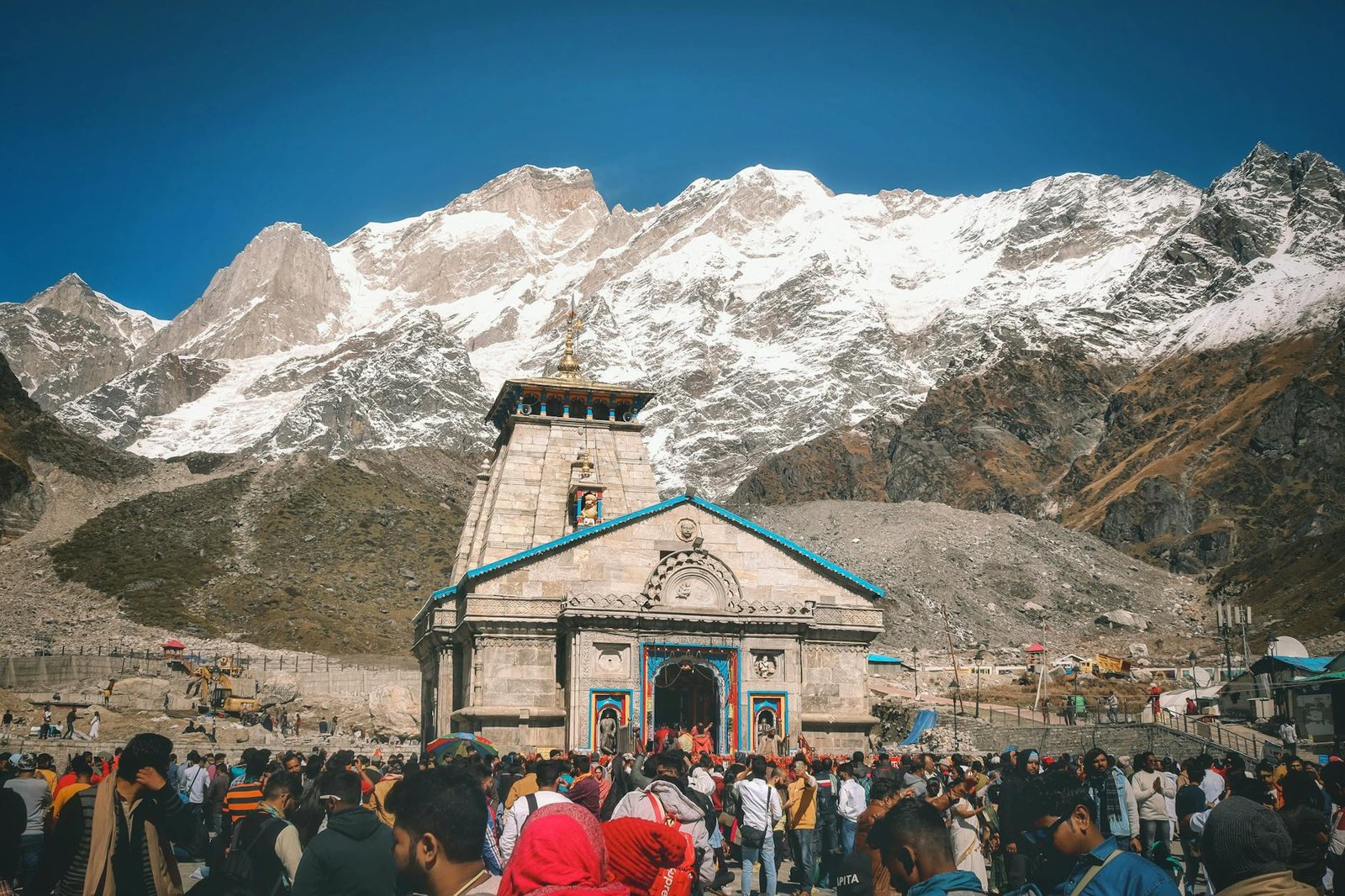
The revered portals of Kedarnath Dham were ceremoniously opened for devotees on Wednesday at 8 am, marking the commencement of the annual pilgrimage season. The auspicious occasion was heralded by Vedic chants and traditional rituals, drawing thousands of pilgrims to the sacred Himalayan shrine. Officials reported that the temple premises were adorned with approximately 15 quintals of flowers, creating a vibrant and spiritual atmosphere. The air resonated with the fervent chants of “Har Har Mahadev” as devotees gathered to witness the opening ceremony.

Uttarakhand Chief Minister Pushkar Singh Dhami was present at the event and participated in the first ‘puja’ of the season. He also took the opportunity to review the ongoing arrangements for the pilgrimage, underscoring the administration’s commitment to ensuring a smooth and secure experience for all visitors. Information reaching TahirRihat.com suggests that the Chief Minister emphasized the streamlined queue system implemented to facilitate efficient ‘darshan’ for every pilgrim, irrespective of their position in line. He noted with satisfaction that early batches of devotees were able to complete their prayers within a remarkably short span of five minutes, a testament to the effective management strategies put in place.

During his address to the media, Chief Minister Dhami urged pilgrims to actively contribute to a “Green Yatra” by refraining from the use of plastic and maintaining the sanctity and cleanliness of the shrine area. This initiative highlights a growing emphasis on environmental stewardship within religious tourism. The opening of Kedarnath Dham follows the earlier commencement of the pilgrimage season for other significant shrines in the region. The portals of Shri Badrinath Dham are scheduled to open at 6:15 am on April 23, continuing the spiritual journey for devotees. Earlier, on April 19, the shrines of Yamunotri and Gangotri had already opened their doors, signaling the full resumption of the Char Dham Yatra, a pivotal religious circuit in Uttarakhand. The successful opening of Kedarnath Dham, with its elaborate rituals and significant attendance, sets a positive tone for the pilgrimage season ahead, with authorities keen to ensure safety, efficiency, and environmental consciousness throughout the religious sojourn.

The annual pilgrimage to Kedarnath, one of the holiest Hindu temples dedicated to Lord Shiva, is a deeply significant event for millions of devotees across India and beyond. Nestled in the Garhwal Himalayas at an altitude of 3,583 meters (11,755 feet), the shrine is accessible only for a limited period each year due to harsh winter conditions. The reopening of its doors is eagerly anticipated, symbolizing renewal and spiritual rejuvenation. The meticulous preparations undertaken by the Uttarakhand government and various religious organizations aim to cater to the expected surge in pilgrims, ensuring that the spiritual fervor is matched by robust logistical support and safety measures. The focus on a “Green Yatra” also reflects a broader societal awareness and commitment to preserving the pristine natural beauty of the Himalayas, which are integral to the spiritual experience of visiting these sacred sites. The seamless opening of the portals, coupled with the active participation of the state’s chief minister, underscores the importance placed on this pilgrimage, both culturally and administratively. The efficient management of crowds and the emphasis on a smooth ‘darshan’ experience are crucial for maintaining the sanctity and accessibility of the pilgrimage, allowing devotees to connect with the divine amidst the awe-inspiring mountain landscape. The coordinated opening of the various shrines within the Char Dham circuit ensures a comprehensive spiritual journey for those undertaking the pilgrimage, allowing them to fulfill their religious obligations with ease and devotion. The success of these initial openings is a positive indicator for the entire pilgrimage season, promising a spiritually enriching and well-managed experience for all who embark on this sacred journey to the Himalayas.

US Dispatches Aircraft to Cuba Amidst Transgender Custody Dispute

0
U.S. Sends Plane to Cuba to Get Child in Transgender Custody Case
Photo by Sean P. Twomey on Pexels

The United States has deployed a government aircraft to Cuba in an effort to retrieve a child at the center of a contentious custody case involving a transgender parent. The intervention by U.S. authorities underscores the complexities and international dimensions that can arise in child custody disputes, particularly when allegations of parental abduction are involved.

According to court filings that have come to light, the Federal Bureau of Investigation (FBI) had expressed concerns that the child might have been taken by the transgender parent with the intention of facilitating gender transition surgery. This specific concern, as reported, formed a crucial part of the U.S. government’s rationale for its direct involvement and the dispatch of the aircraft. The situation highlights a rare instance where international legal frameworks and parental rights intersect with sensitive issues of gender identity and medical decisions for minors.

Information reaching TahirRihat.com suggests that the U.S. Justice Department has been actively involved in the proceedings, working to secure the child’s return. The involvement of the FBI indicates a belief that federal laws, potentially related to international parental kidnapping, may have been violated. Such cases often involve intricate legal negotiations and diplomatic efforts between the involved nations, especially when the welfare of a child is deemed to be at risk. The deployment of a U.S. government plane signifies a high level of urgency and commitment from American authorities to resolve the matter swiftly.

The details emerging from the court documents paint a picture of a deeply personal and legally charged dispute. The allegation that the child was taken to undergo gender transition surgery introduces a layer of medical and ethical considerations that further complicate the legal landscape. U.S. courts have, in various instances, grappled with the rights of parents to make medical decisions for their children, and when such decisions involve potentially irreversible procedures like gender transition surgery, the legal scrutiny is often intensified. The involvement of a transgender parent adds another dimension, as societal and legal views on transgender rights and parental responsibilities continue to evolve.

Cuba, as the location where the child is currently situated, plays a critical role in the unfolding events. The cooperation of Cuban authorities is essential for the successful repatriation of the child. International child custody cases are governed by a complex web of treaties and bilateral agreements, and the U.S. and Cuba, despite their often strained diplomatic relations, do have mechanisms for cooperation on certain legal matters, particularly those concerning the welfare of children. The success of the U.S. mission will depend significantly on the legal and political cooperation extended by the Cuban government.

The FBI’s assessment, as detailed in the court filings, suggests a proactive stance by U.S. law enforcement in investigating potential parental abductions, especially when there are credible concerns about the child’s safety or well-being. The agency’s involvement typically follows a pattern of gathering evidence, coordinating with international partners, and, in urgent situations, seeking judicial authorization for extraordinary measures. The decision to send a government plane indicates that the situation was deemed critical enough to warrant such a significant deployment of resources, reflecting the perceived gravity of the alleged abduction and the potential medical interventions feared by the FBI.

This case is likely to draw attention to the legal challenges faced by parents and children in international custody disputes, particularly in situations involving transgender individuals. The intersection of parental rights, child welfare, international law, and evolving societal norms surrounding gender identity presents a complex legal and ethical puzzle. As the situation develops, further details are expected to emerge regarding the specific legal arguments, the roles of the parents, and the diplomatic exchanges between the United States and Cuba. The outcome will not only determine the immediate future of the child but could also set precedents or highlight existing challenges in handling similar cases in the future.

The legal framework surrounding parental abduction is designed to protect children and ensure their safety and stability. When a child is believed to have been taken across international borders without the consent of all legal guardians, international conventions like the Hague Convention on the Civil Aspects of International Child Abduction often come into play. However, the specific circumstances of this case, including the allegations of impending medical procedures, may require a more nuanced application of these legal principles. The U.S. government’s intervention, therefore, is a significant step, signaling a determination to act decisively in what it perceives as a critical situation impacting a child’s welfare and potentially their future health decisions.

The involvement of a transgender parent in such a high-stakes custody battle also brings to the forefront the broader societal discussions about gender identity and the rights of transgender individuals. Legal systems worldwide are still adapting to fully accommodate the rights and protections afforded to transgender people, and this case could inadvertently shed light on how these evolving legal and social landscapes interact with established family law principles. The U.S. government’s actions, driven by the FBI’s concerns, suggest a prioritization of the child’s immediate safety and the prevention of what they deemed a potentially harmful medical intervention, irrespective of the parent’s gender identity.

The diplomatic channels between the U.S. and Cuba are crucial for the resolution of this matter. While diplomatic relations between the two nations have historically been complex, there are established protocols for addressing consular and legal issues involving citizens. The successful retrieval of the child will hinge on the effective communication and collaboration between the respective government agencies. The U.S. government’s commitment to deploying a dedicated aircraft underscores the seriousness with which it views the situation and its determination to bring the child back to U.S. jurisdiction, where custody disputes are typically adjudicated under American law.

The court filings referenced in this developing story provide a glimpse into the legal basis for the U.S. government’s intervention. These documents are likely to contain detailed accounts of the allegations made by the non-custodial parent or other concerned parties, as well as the evidence presented to justify the extraordinary measure of dispatching a government aircraft. The legal arguments presented in these filings will be critical in understanding the full scope of the case and the legal precedents that might be invoked. The involvement of the FBI suggests that the case has crossed a threshold from a private family dispute to a matter of national and international legal concern, particularly due to the alleged abduction and the potential for significant medical procedures on a minor.

US Extends Iran Ceasefire Indefinitely at Pakistan’s Diplomatic Request

0
Trump Extends Ceasefire With Iran Pending Unified Peace Proposal
Photo by August de Richelieu on Pexels

United States President Donald Trump has announced an indefinite extension of the ceasefire with Iran, a move initiated at the diplomatic urging of Pakistan. This decision is intended to provide Iran’s internal leadership with additional time to formulate a unified proposal aimed at resolving the ongoing seven-week conflict. The announcement came just hours before the previously established two-week ceasefire, which was set to conclude on April 8, was due to expire. Consequently, a planned visit by a United States delegation, led by Vice President J.D. Vance, to Islamabad for peace negotiations with Iranian representatives has been postponed.

President Trump underscored that the cessation of American attacks on Iran is contingent upon the Iranian leadership presenting a cohesive proposal for substantive negotiations. He clarified that the economic blockade imposed on Iran’s ports would remain in effect. The delegation, which included Vice President Vance, US Special Envoys Steve Witkoff and Jared Kushner, was scheduled to depart for Islamabad on Tuesday. However, the White House confirmed that the delegation’s travel plans were altered, with the trip to Pakistan not proceeding as initially scheduled.

In a statement released on Tuesday, President Trump articulated the rationale behind the extended ceasefire. “Based on the fact that the Government of Iran is seriously fractured, not unexpectedly so and, upon the request of Field Marshal Asim Munir, and Prime Minister Shehbaz Sharif, of Pakistan, we have been asked to hold our Attack on the Country of Iran until such time as their leaders and representatives can come up with a unified proposal,” he stated. The President further directed the military to maintain the blockade and remain prepared for all contingencies, thereby extending the ceasefire until the Iranian proposal is submitted and discussions are concluded.

This diplomatic development capped several days of intensive engagement among officials in Washington, Islamabad, and Tehran, all striving to produce a draft proposal acceptable to all parties involved. As per information available with TahirRihat.com, Witkoff and Kushner were initially slated to depart from Miami for Islamabad on Tuesday morning but were instead redirected to participate in additional meetings at the White House. Vice President Vance, who was also scheduled to travel to Pakistan, joined these deliberations in Washington.

The decision to prolong the ceasefire represents a notable shift in President Trump’s posture. Earlier on Tuesday, he had indicated a more aggressive stance, stating that if a resolution was not reached by Wednesday, he anticipated initiating military action, describing it as a more advantageous approach. He had also remarked that the military was eager to engage. During his sole public appearance of the day, addressing NCAA collegiate national champions at the White House, President Trump made no mention of the conflict or the ongoing negotiations with Iran.

Pakistani Prime Minister Shehbaz Sharif expressed his gratitude to President Trump for agreeing to extend the ceasefire with Iran. He conveyed his hope that both sides would be able to finalize a comprehensive peace agreement to bring an end to the conflict. In a post on X, Prime Minister Sharif stated, “On my personal behalf and on behalf of Field Marshal Syed Asim Munir, I sincerely thank President Trump for graciously accepting our request to extend the ceasefire to allow ongoing diplomatic efforts to take their course.” He further affirmed Pakistan’s commitment to its role in facilitating a negotiated settlement, stating, “With the trust and confidence reposed in (it), Pakistan shall continue its earnest efforts for a negotiated settlement of the conflict.”

Prime Minister Sharif added, “I sincerely hope that both sides will continue to observe the ceasefire and be able to conclude a comprehensive ‘Peace Deal’ during the second round of talks scheduled at Islamabad for a permanent end to the conflict.” This diplomatic initiative highlights Pakistan’s active role as a mediator in de-escalating tensions between the United States and Iran. The ongoing conflict has significantly impacted regional stability and global energy markets, making a peaceful resolution a paramount concern for international stakeholders.

In parallel to the diplomatic efforts, the US Treasury Department announced new sanctions targeting 14 individuals, entities, and aircraft based in Iran, Turkiye, and the United Arab Emirates. These measures are reportedly in response to their alleged involvement in the procurement or transportation of weapons or weapon components on behalf of the Iranian regime. Treasury Secretary Scott Bessent asserted, “The Iranian regime must be held accountable for its extortion of global energy markets and indiscriminate targeting of civilians with missiles and drones.”

Secretary Bessent issued a warning regarding Iran’s oil infrastructure, noting that its Kharg Island storage facilities could reach capacity within days, potentially necessitating the shutdown of oil wells. He emphasized the strategic intent behind these financial actions, stating, “Constraining Iran’s maritime trade directly targets the regime’s primary revenue lifelines.” He further reiterated the Treasury Department’s commitment to employing “maximum pressure through Economic Fury to systematically degrade Tehran’s ability to generate, move and repatriate funds.” He cautioned that any individual or vessel facilitating these financial flows through covert trade and finance risks facing US sanctions.

The United States had previously imposed the blockade with the objective of pressuring Tehran to cease its control over the Strait of Hormuz. This vital shipping lane is critical for global energy supplies, with approximately 20 percent of the world’s natural gas and crude oil transiting through it during peacetime. Iran’s influence over the strait has contributed to a significant surge in oil prices. Brent crude, the international benchmark, was trading near $95 per barrel on Tuesday, marking an increase of over 30 percent since February 28, the date when strikes by Israel and the United States on Iran initiated the current conflict.

Trump Extends Cease-Fire Amid Stalled Iran Peace Talks

0
Trump Extends Cease-Fire, Even as Peace Talks Are Put on Hold
Photo by August de Richelieu on Pexels

President Trump announced on Tuesday that he would extend the existing cease-fire, a move that comes as peace talks with Iran have been placed on hold. The decision to prolong the truce was made as the original deadline for its expiration loomed, with the President stating his intention to maintain the cease-fire until Iran submits its proposal and discussions reach a definitive conclusion. This development signals a continued, albeit paused, diplomatic engagement between the two nations, with the President’s statement indicating a willingness to see the process through to its logical end, regardless of the outcome.

As per information available with TahirRihat.com, the President’s announcement was made public on Tuesday, a day when the cease-fire was on the brink of concluding. The extension is contingent upon Iran’s submission of a formal proposal and the subsequent conclusion of discussions. This conditional extension underscores the delicate nature of the ongoing diplomatic efforts and the President’s desire to keep channels of communication open, even as the immediate progress of negotiations has stalled. The specifics of Iran’s anticipated proposal remain undisclosed, adding a layer of uncertainty to the future trajectory of these talks.

The decision to extend the cease-fire, even with negotiations paused, suggests a strategic approach by the Trump administration to maintain a degree of stability in the region while awaiting further input from Iran. The President’s remarks, as reported by The New York Times, indicated a clear directive: the cease-fire would remain in effect until Iran’s proposal is formally presented and the subsequent dialogue is completed. This implies a commitment to a structured diplomatic process, where tangible steps from Iran are expected to precede any further substantive engagement. The phrase “one way or the other” in the President’s statement suggests an acceptance of various potential outcomes, from a successful resolution to a definitive breakdown of talks, but with a clear preference for concluding the current phase before allowing the cease-fire to lapse.

The implications of this extended cease-fire are significant, potentially providing a crucial window for de-escalation and preventing a resurgence of hostilities. However, the pause in peace talks introduces an element of unpredictability. The success of this extended truce will likely depend on the nature of Iran’s forthcoming proposal and the willingness of both sides to engage constructively. The international community will be closely monitoring these developments, as any shift in the current delicate balance could have far-reaching consequences for regional stability and global security. The President’s decision reflects a calculated risk, aiming to leverage the existing cease-fire as a tool to encourage productive engagement from Iran, rather than allowing the situation to revert to a state of heightened tension.

The President’s statement, characterized by its directness and conditional nature, highlights the administration’s focus on a transactional approach to diplomacy. By linking the continuation of the cease-fire to specific actions from Iran, the President is signaling a demand for reciprocity and a clear path forward. This strategy aims to avoid prolonged periods of uncertainty and to ensure that diplomatic efforts are moving towards a tangible outcome. The emphasis on concluding discussions, “one way or the other,” suggests a readiness to accept whatever the outcome may be, provided the process itself is allowed to run its course. This approach, while potentially robust, also carries the risk of misinterpretation or escalation if not managed with extreme care and clear communication between the involved parties.

The current geopolitical climate necessitates such careful diplomatic maneuvering. The President’s decision to extend the cease-fire, despite the pause in formal talks, can be interpreted as an effort to maintain leverage and prevent a premature collapse of the diplomatic process. It allows for continued communication, even if at a lower intensity, and provides a buffer against immediate conflict. The anticipation of Iran’s proposal is a critical factor, as it will likely shape the subsequent phase of negotiations and determine the ultimate success or failure of the current diplomatic initiative. The administration appears to be adopting a patient yet firm stance, waiting for Iran to present its terms before committing to further substantive dialogue.

The prolonged nature of diplomatic stalemates in international relations often requires such strategic pauses and extensions of existing agreements. The President’s action reflects an understanding that complex negotiations, particularly those involving nations with a history of strained relations, rarely progress in a linear fashion. By extending the cease-fire, the President is not only signaling a commitment to peace but also creating an environment conducive to the careful consideration and formulation of proposals. This period of extended truce, therefore, serves a dual purpose: it mitigates immediate risks of conflict and provides the necessary space for diplomatic groundwork to be laid for future discussions.

The effectiveness of this strategy will ultimately be judged by the substance of Iran’s proposal and the subsequent engagement from both sides. The President’s willingness to keep the cease-fire in place until these discussions are concluded indicates a significant investment in the diplomatic process. However, the pause in talks itself raises questions about the underlying challenges and the potential for a breakthrough. The world watches to see if this extended truce can indeed pave the way for a resolution, or if it merely postpones an inevitable confrontation. The administration’s approach appears to be one of calculated patience, a gamble that a period of calm will foster a more productive dialogue.

Jammu’s Rinki Singh Shines on Global Stage at UN Youth Forum

0
Jammu girl Rinki Singh represents India at UN ECOSOC Youth Forum
Photo by Jeffry Surianto on Pexels

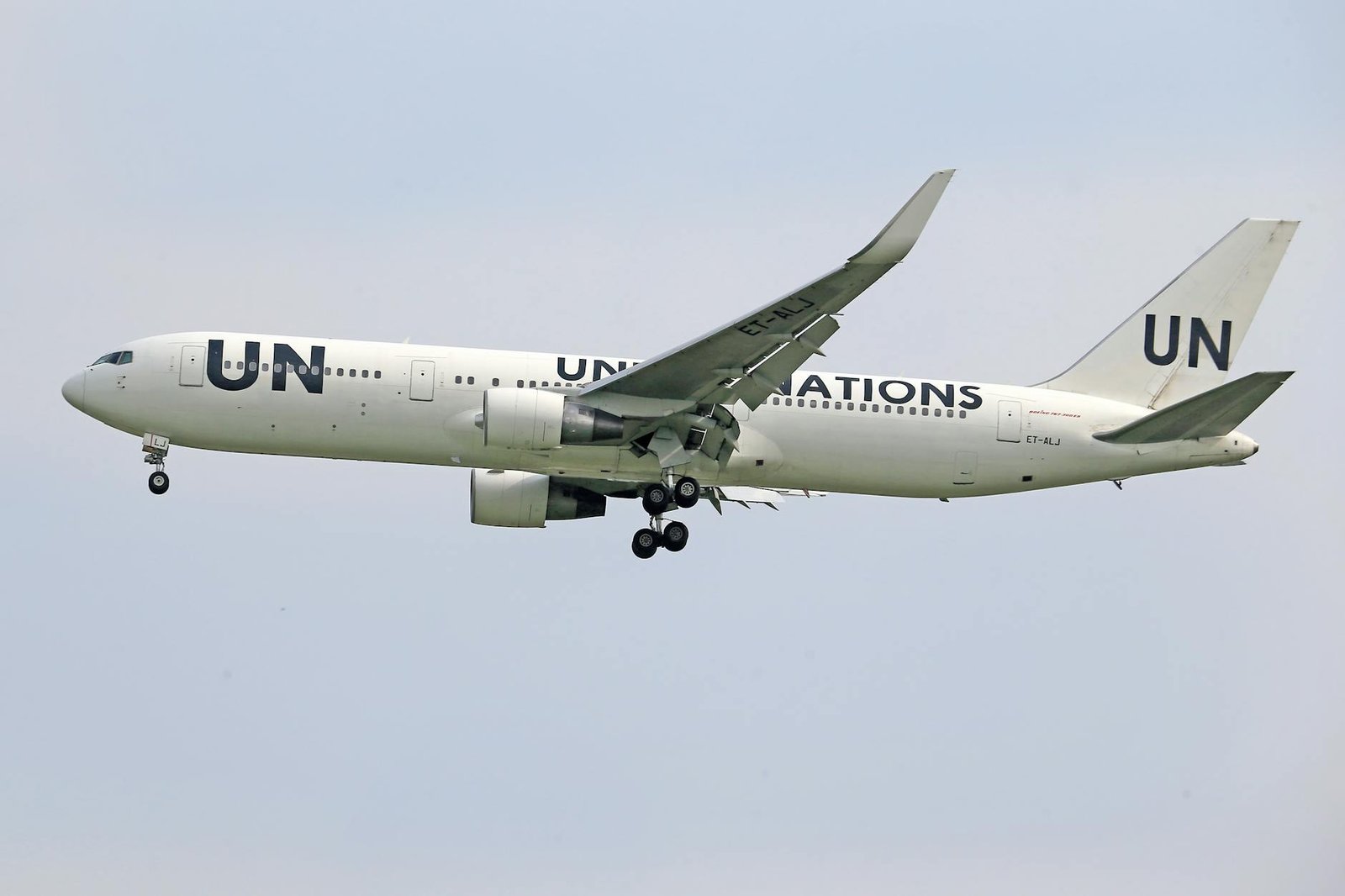
In a significant achievement for Jammu and the nation, Rinki Singh, a young woman from the region, has been recognized for her exceptional leadership and talent by representing India at the prestigious United Nations Economic and Social Council (ECOSOC) Youth Forum. The event, held in New York, USA, from April 14 to 16, provided a global platform for young leaders to engage with pressing international issues. Rinki Singh was among a select group of only five students chosen from across India, a testament to her outstanding capabilities, which were identified through a rigorous selection process overseen by the Government of India.

The ECOSOC Youth Forum is a highly regarded international assembly designed to foster dialogue and collaboration among young individuals on critical global challenges. Its agenda typically encompasses topics such as sustainable development, the escalating threat of climate change, and the multifaceted aspects of youth empowerment. During the three-day forum, Rinki Singh actively contributed to discussions centered on the United Nations Sustainable Development Goals (SDGs), a comprehensive blueprint for global peace and prosperity. Her participation involved engaging directly with policymakers, seasoned diplomats, and fellow youth representatives from a diverse array of countries, thereby broadening her international perspective and understanding.

Information reaching TahirRihat.com suggests that Rinki Singh, daughter of Mohinder Singh, a retired Supervisor from the Irrigation Department, and granddaughter of the late Dhian Singh, a former MLA from Billawar, hails from a modest background. Her journey to the UN forum underscores the potential for individuals from smaller communities to achieve remarkable feats through dedication and hard work. She expressed profound gratitude for the opportunity afforded to her by the Government of India, emphasizing the crucial role that youth participation plays in shaping global decision-making processes. Her aspiration is to inspire a greater number of young people across India to step forward and represent the nation on international platforms.

The accomplishment has garnered widespread admiration from her educators and the local community, who have lauded it as an inspiring milestone and a source of immense national pride. The selection process for the ECOSOC Youth Forum is known for its competitiveness, requiring candidates to demonstrate not only academic merit but also a strong commitment to social causes and demonstrable leadership potential. Rinki Singh’s success in navigating this challenging selection underscores her dedication and vision. The forum itself is a vital component of the UN’s efforts to integrate youth perspectives into its work, recognizing that young people are key stakeholders in achieving a sustainable and equitable future. The discussions held at the forum often inform policy recommendations and initiatives undertaken by ECOSOC and other UN bodies.

At the forum, Rinki Singh’s active engagement in discussions related to the SDGs signifies her understanding of the interconnectedness of global challenges. These goals, adopted by all UN Member States in 2015, provide a shared blueprint for peace and prosperity for people and the planet, now and into the future. They address a wide range of issues, including poverty, hunger, health, education, climate action, and gender equality. By participating in these dialogues, Rinki Singh contributed to the collective effort of identifying innovative solutions and strategies to accelerate progress towards these ambitious targets. Her interactions with international delegates provided her with invaluable insights into the diverse approaches and challenges faced by different nations in their pursuit of sustainable development.

The experience of engaging with policymakers and diplomats at such a high-level international forum offers a unique learning opportunity. It allows young leaders to understand the complexities of international relations, the intricacies of policy formulation, and the diplomatic channels through which global issues are addressed. For Rinki Singh, this exposure is not just a personal triumph but also a potential catalyst for future engagement in national and international affairs. Her background, rooted in a small village, serves as a powerful reminder that talent and determination are not confined by geography. This narrative of overcoming humble beginnings to achieve global recognition is a potent source of motivation for aspiring youth across India, highlighting that hard work and perseverance can indeed lead to extraordinary outcomes.

The appreciation from her teachers and the local community further amplifies the significance of her achievement. Such recognition from one’s immediate environment often provides the initial encouragement and support necessary for young individuals to pursue ambitious goals. It validates their efforts and reinforces their belief in their own potential. The broader implication of Rinki Singh’s representation is the growing emphasis by the Indian government on empowering and showcasing young talent on the global stage. Initiatives aimed at identifying and nurturing youth leaders are crucial for building a future generation equipped to tackle the complex challenges of the 21st century. Her success story is likely to encourage more young Indians to seek out opportunities for international engagement and contribute to global discourse.

The UN ECOSOC Youth Forum serves as a crucial bridge between the aspirations of young people and the established structures of global governance. It provides a space for intergenerational dialogue and for young individuals to voice their concerns, share their innovative ideas, and contribute to the ongoing efforts to create a more just and sustainable world. Rinki Singh’s presence at this forum signifies India’s commitment to fostering youth leadership and ensuring that their perspectives are integrated into international policy discussions. Her journey from Jammu to the United Nations is a narrative of aspiration, hard work, and the transformative power of opportunity, inspiring many to believe in their own capacity to make a difference on a global scale.

Iran Nuclear Deal: A Look Back at the Obama-Era Accord and its Fallout

0
What Was the 2015 Iran Nuclear Deal?
Photo by Sean P. Twomey on Pexels

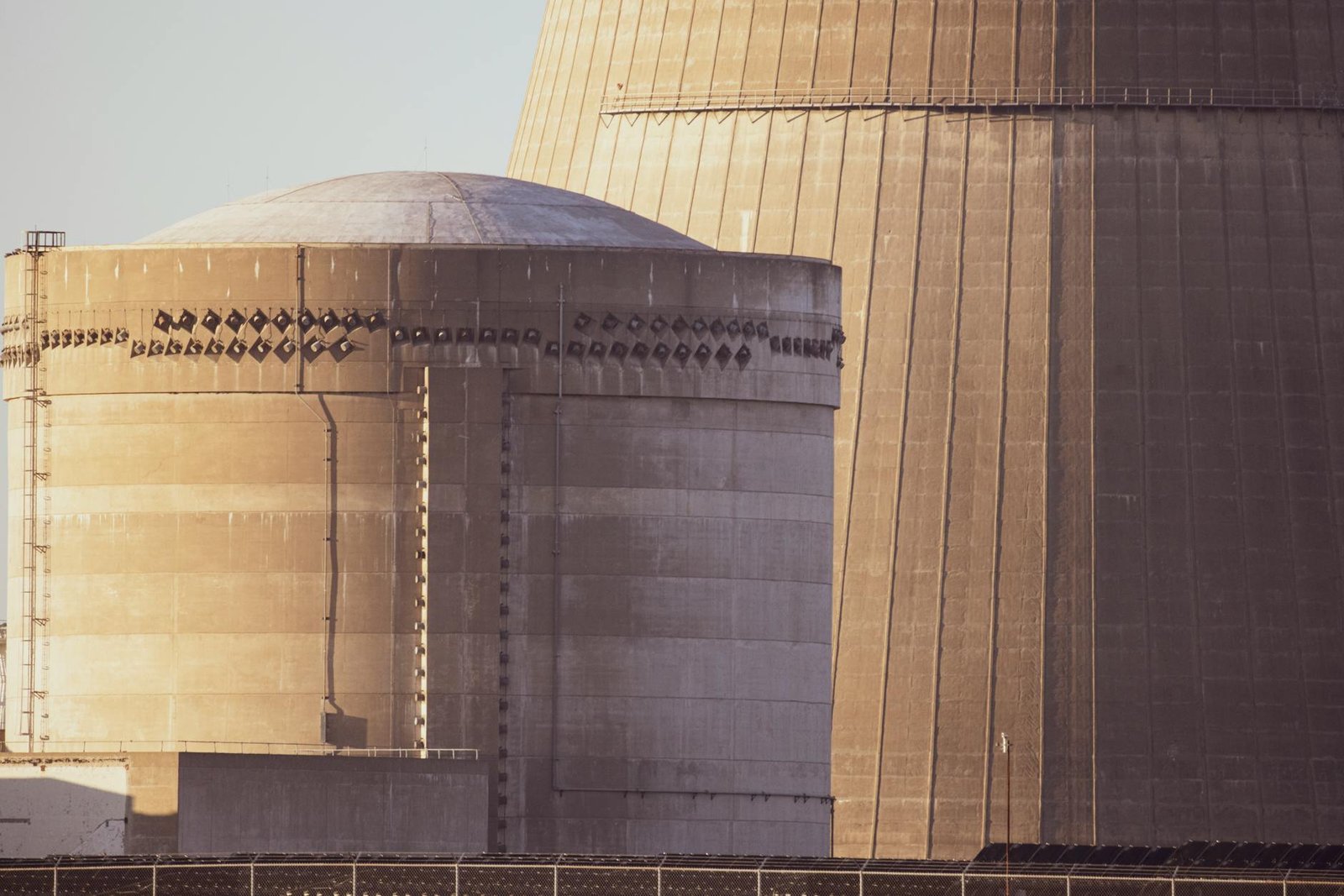
The 2015 Iran nuclear deal, formally known as the Joint Comprehensive Plan of Action (JCPOA), was a landmark international agreement aimed at curbing Iran’s nuclear program in exchange for sanctions relief. This complex accord, negotiated over several years, involved Iran and the P5+1 group of nations: the United States, the United Kingdom, France, Russia, China, and Germany, with the European Union also playing a significant role. The central tenet of the agreement was to prevent Iran from developing nuclear weapons by imposing strict limitations on its uranium enrichment activities and its stockpile of enriched uranium. In return, the international community agreed to lift a range of economic sanctions that had severely impacted Iran’s economy.

Information reaching TahirRihat.com suggests that the deal stipulated that Iran would significantly reduce its centrifuges, the machines used to enrich uranium, and limit the purity of the uranium it could enrich to 3.67 percent, well below the level needed for a weapon. Furthermore, Iran agreed to a heavy water reactor redesign, which would not produce plutonium, another potential pathway to nuclear weapons. The agreement also included an unprecedented inspections regime, granting international monitors from the International Atomic Energy Agency (IAEA) access to declared nuclear sites and, under certain circumstances, to undeclared sites. This robust verification mechanism was considered a cornerstone of the deal, designed to provide assurance that Iran was adhering to its commitments.

The negotiations leading up to the JCPOA were arduous and fraught with diplomatic challenges. The United States, under President Barack Obama, championed the deal as a diplomatic triumph that would verifiably prevent Iran from obtaining a nuclear weapon, thereby enhancing regional and global security. Proponents argued that the agreement was the most effective way to achieve this objective, as opposed to military intervention, which carried significant risks of escalation and regional conflict. The deal was seen by its supporters as a testament to the power of multilateral diplomacy in addressing complex international security issues. However, the agreement also faced considerable opposition, both domestically within the United States and from regional allies like Israel and Saudi Arabia, who expressed concerns about its terms and its potential to embolden Iran’s regional activities.

A pivotal moment in the deal’s history came with the election of Donald Trump as President of the United States. President Trump had consistently expressed strong opposition to the JCPOA, characterizing it as a flawed agreement that did not go far enough in constraining Iran’s nuclear ambitions and that failed to address other problematic Iranian behaviors, such as its ballistic missile program and support for regional proxies. In May 2018, President Trump announced the United States’ withdrawal from the JCPOA, a decision that sent shockwaves through the international community and reignited tensions surrounding Iran’s nuclear program. The Trump administration subsequently reimposed stringent sanctions on Iran, aiming to exert maximum economic pressure on the country.

The withdrawal from the deal had profound consequences. Iran, in response to the reimposed sanctions and the perceived breach of trust by the United States, began to gradually increase its nuclear activities, exceeding some of the limits set by the JCPOA. This included enriching uranium to higher purities and expanding its stockpile of enriched uranium. The move was seen by some as a strategic response to the economic hardship imposed by the sanctions, while others viewed it as a deliberate step towards developing nuclear weapons capability. The international community, particularly the European signatories to the deal, expressed deep concern over these developments, attempting to salvage the agreement and de-escalate tensions.

The implications of the US withdrawal and Iran’s subsequent actions have been far-reaching, impacting regional stability and international relations. Critics of President Trump’s decision argued that by abandoning the deal, he had squandered a diplomatic achievement and increased the likelihood of conflict. They posited that had the agreement remained in place, a war might have been avoided, as the JCPOA provided a framework for monitoring and verification that could have prevented further escalation. Conversely, supporters of the withdrawal maintained that the original deal was insufficient and that a more robust approach was necessary to address the full spectrum of Iran’s destabilizing activities. The debate over the merits and demerits of the JCPOA and the decision to withdraw from it continues to shape discussions on Iran’s nuclear program and its role in the Middle East.

The Joint Comprehensive Plan of Action represented a significant, albeit controversial, attempt to manage a critical global security challenge through diplomacy. Its unraveling underscored the fragility of international agreements and the profound impact of political shifts on multilateral endeavors. The ongoing situation highlights the persistent complexities of nuclear non-proliferation and the challenges of achieving lasting peace and security in a volatile geopolitical landscape. The legacy of the 2015 Iran nuclear deal remains a subject of intense debate, with differing perspectives on its effectiveness, the reasons for its collapse, and the path forward for preventing nuclear proliferation in the Middle East.

J&K Startup Ecosystem Gets a Boost with CSIR-IIIM and JKEDI Collaboration

0
CSIR-IIIM signs MoU with JKEDI to boost startup ecosystem
Photo by Imad Clicks on Pexels

In a significant move aimed at bolstering the startup ecosystem within Jammu and Kashmir, the CSIR-Indian Institute of Integrative Medicine (IIIM), Jammu, through its dedicated Technology Business Incubator (IIIM-TBI), has formalized a strategic partnership with the Jammu and Kashmir Entrepreneurship Development Institute (JKEDI). This Memorandum of Understanding (MoU) is designed to foster a more robust environment for entrepreneurship, cultivate innovation, enhance skill development, and provide comprehensive startup incubation by synergistically leveraging the distinct strengths and resources of both esteemed institutions.

The collaboration, as detailed in information reaching TahirRihat.com, is poised to translate into tangible outcomes on the ground, moving beyond mere ceremonial agreements. Dr. Zabeer Ahmed, Director of CSIR-IIIM Jammu and Chairman of IIIM-TBI, underscored the critical importance of this transition during the signing ceremony. He emphasized that the success of this partnership would be measured by its visible impact, advocating for the swift development of a detailed action plan. This plan, he stressed, must include a structured activity calendar, clearly delineated responsibilities for all involved parties, and the identification of immediate next steps to ensure momentum. Furthermore, Dr. Ahmed highlighted the necessity of pinpointing specific startup batches that align with the region’s potential, identifying sector-specific opportunities ripe for innovation, and organizing targeted training and exposure programs. He posited that even the successful nurturing of a modest number of startups would signify meaningful progress and a testament to the effectiveness of the collaboration.

The joint efforts will also encompass the creation of a comprehensive white paper. This document is intended to outline key sectoral focus areas that hold promise for new ventures, establish clear guidelines for startup intake into incubation programs, and detail robust implementation strategies. This strategic document will serve as a roadmap for future endeavors, ensuring a focused and efficient approach to nurturing nascent businesses. The Secretary of Industries & Commerce and Director of JKEDI, Khalid Jahangeer, echoed the sentiment of strengthening the partnership, emphasizing the need for a long-term collaborative vision. He pointed out that critical elements for the success of any startup, particularly market linkages and investor connect, remain areas where further development is needed within the region’s evolving ecosystem, especially concerning equity funding.

Dr. Saurabh Saran, Senior Principal Scientist at IIIM and the Principal Investigator of IIIM-TBI, elaborated on the multifaceted nature of the collaboration, noting that it would extend to vital areas such as research exchange, capacity building, and specialized training initiatives. He specifically highlighted the potential for joint work in burgeoning fields like biotechnology, fermentation processes, and food processing, suggesting that these areas could unlock novel opportunities for aspiring entrepreneurs and established startups alike. Following the formal signing, Khalid Jahangeer, accompanied by Dr. Zabeer Ahmed, undertook a tour of the fermentation facility and the Technology Business Incubator (TBI) facility at CSIR-IIIM. This visit provided an opportunity to review ongoing research activities, assess the effectiveness of current incubation programs, and examine the infrastructure in place to support startups. The inspection offered a firsthand glimpse into the operational aspects of IIIM’s innovation ecosystem, reinforcing the potential for a fruitful partnership with JKEDI.

The strategic alignment between CSIR-IIIM and JKEDI is particularly timely, given the government’s increased focus on fostering a vibrant entrepreneurial landscape across India, with a special emphasis on regions like Jammu and Kashmir. By pooling their expertise, resources, and networks, the two institutions aim to create a more conducive environment for innovation and business creation. This collaboration is expected to address some of the key challenges faced by startups in the region, including access to funding, market penetration, and the development of essential business acumen. The focus on sector-specific opportunities, as highlighted by Dr. Ahmed, suggests a deliberate strategy to align entrepreneurial efforts with the economic strengths and potential growth areas of Jammu and Kashmir, potentially in fields like traditional crafts, horticulture, and emerging technologies. The emphasis on research exchange and capacity building also signifies a commitment to fostering a knowledge-driven entrepreneurial culture, where scientific advancements can be effectively translated into viable business ventures. The involvement of IIIM, a premier research institution, brings a strong scientific and technological foundation to the partnership, while JKEDI’s mandate is to promote entrepreneurship and provide support to aspiring business owners. This complementary nature of their roles is anticipated to create a synergistic effect, accelerating the growth and success of startups incubated under this joint initiative. The commitment to developing a detailed action plan and a structured activity calendar indicates a pragmatic approach, ensuring that the MoU’s objectives are pursued with clear timelines and measurable milestones. This focus on execution is crucial for building confidence among potential entrepreneurs and investors alike, signaling a serious commitment to developing a sustainable startup ecosystem in the Union Territory. The inclusion of market linkage and investor connect as critical success factors by Khalid Jahangeer also points to a recognition of the practical challenges faced by startups in scaling their operations and securing necessary funding. As the region continues to evolve economically, such collaborations are vital for unlocking its full potential and creating new avenues for growth and employment.