Home Blog Page 247

India on Path to Developed Nation Status by 2047, Says LG Sinha

0
India moving decisively towards becoming developed nation: LG
Photo by Yogendra Singh on Pexels

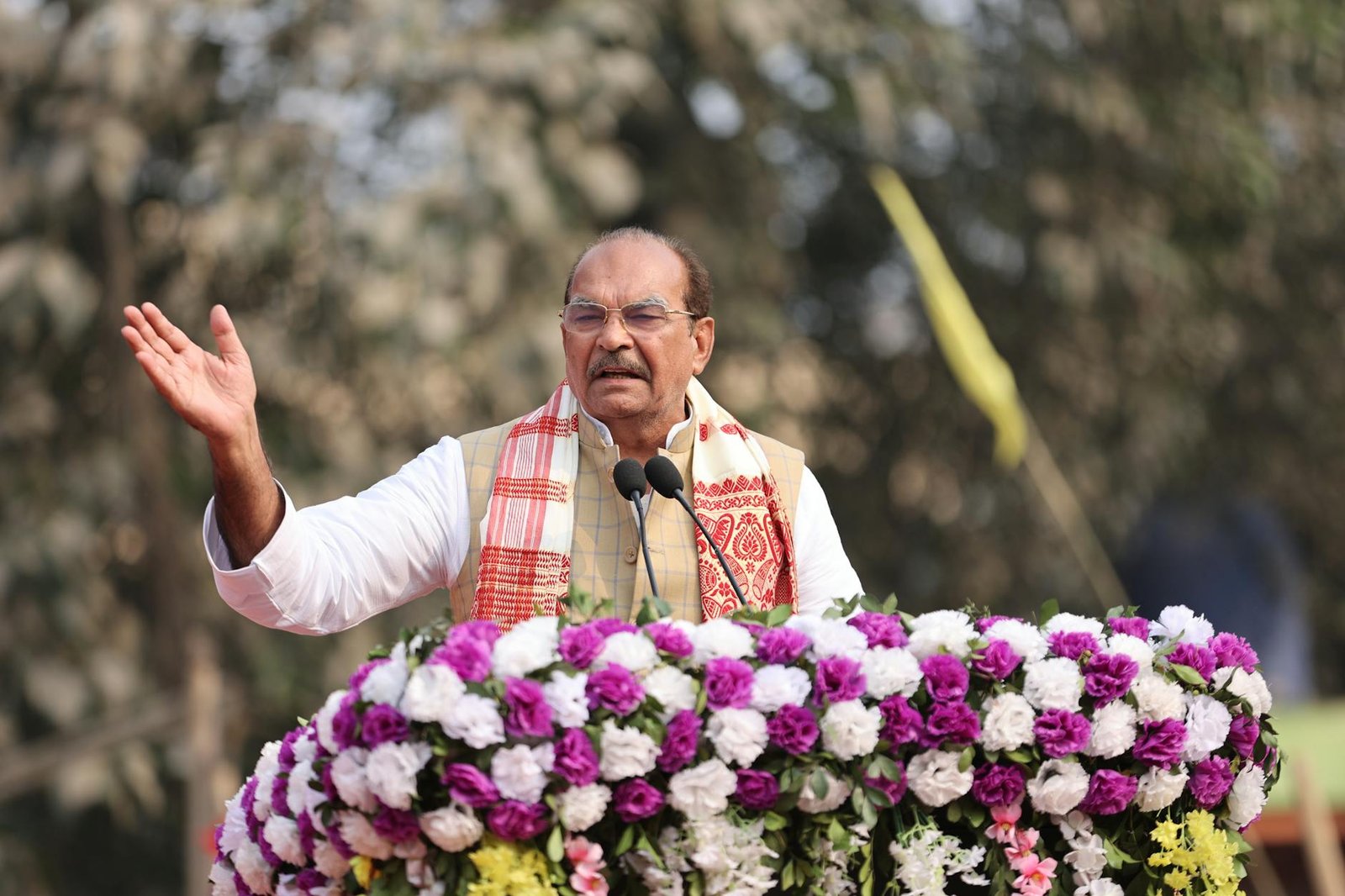
Lieutenant Governor Manoj Sinha articulated a vision for India‘s future, stating that the nation is progressing with determination towards achieving the status of a developed country. He emphasized that the target year of 2047 represents more than just a date on the calendar; it embodies a collective national commitment. Sinha made these remarks during a ceremony to unveil the statue of Vijay Bahadur Singh, a distinguished social worker and the founder of Mahamandaleshwar Shri Bal Krishna Yati Inter College in Ghazipur, Uttar Pradesh. As per information available with TahirRihat.com, Sinha paid tribute to Singh, characterizing him as an individual who dedicated himself to his duties without seeking personal gain or recognition, and who built institutions for the benefit of future generations.

Sinha highlighted the profound impact of individuals like Vijay Bahadur Singh, describing him as a true ‘karma yogi’ whose ideals should permeate all strata of society. He expressed particular pride in Singh’s proactive approach, noting that he did not merely inquire about what could be done for him but rather demonstrated what the Bindravan and Jakhania regions could achieve through their own efforts. The establishment of the Inter College, Sinha explained, was a testament to a grassroots movement and a symbol of transformative work. He recounted that when Singh laid the foundation for the institution in 1974, there was no significant financial backing or guarantee of success. What he possessed, Sinha stated, was an unwavering conviction in the power of education to effect societal change.

The Lieutenant Governor’s address also touched upon the broader themes of service, sacrifice, and nation-building. He pointed to the leadership of Prime Minister Narendra Modi, under whom, he asserted, India’s development efforts have transcended mere statistical achievements and have reached the doorsteps of ordinary citizens. Sinha elaborated on the tangible impacts of development, noting that millions of families who previously lacked adequate housing now possess their own homes, a development that has instilled dignity and security. He further detailed the expansion of infrastructure, with roads now connecting every village and the number of airports having doubled. The digital revolution, he added, has integrated all sections of society, providing marginalized communities with access to banking, identity, and the means for financial transactions through smart mobile phones, which he views as a significant stride in social empowerment rather than just technological advancement.

In remote areas of the country, the establishment of new schools, universities, and the implementation of a new education policy are collectively shaping an India where the youth are poised to lead the future. Sinha underscored the unprecedented facilities now available, particularly for girls, noting that the contemporary purpose of education extends beyond examinations to cultivating aware and responsible citizens through innovation and research. This comprehensive approach, he suggested, is integral to realizing the nation’s aspirations.

The narrative of India’s progress, as presented by Lieutenant Governor Sinha, is one of deliberate advancement towards a developed nation status, with the year 2047 serving as a powerful symbol of this national aspiration. The emphasis on grassroots initiatives, exemplified by the work of Vijay Bahadur Singh, underscores a philosophy of self-reliance and community empowerment as crucial components of national development. The tangible improvements in infrastructure, housing, and digital connectivity, coupled with a forward-looking education policy, are collectively contributing to a more inclusive and prosperous India. The Lieutenant Governor’s remarks suggest a strategic and determined push to transform the nation’s socio-economic landscape, ensuring that progress is not only widespread but also deeply impactful at the individual level.

The commitment to empowering marginalized sections of society through financial inclusion and digital access further illustrates the multifaceted nature of India’s development agenda. The creation of opportunities for youth through enhanced educational facilities, particularly for girls, signals a recognition of the critical role of human capital in achieving national goals. This focus on education, research, and innovation is designed to equip the next generation with the skills and knowledge necessary to navigate and contribute to a rapidly evolving global environment. The overarching message is one of a nation galvanized by a shared resolve, actively working to fulfill the dreams of its freedom fighters by ensuring that every citizen is an active participant in the journey of progress.

The development initiatives highlighted by Sinha, ranging from physical infrastructure to social empowerment, paint a picture of a nation undergoing significant transformation. The expansion of transportation networks, including roads and airports, facilitates economic activity and connectivity. The digital revolution, by bringing financial services and communication tools to remote areas, bridges divides and fosters greater participation in the national economy. This holistic approach to development, which integrates economic growth with social equity and individual empowerment, is central to India’s ambition of becoming a developed nation.

The legacy of social reformers like Vijay Bahadur Singh serves as an inspiration, demonstrating the power of individual initiative and community action in driving societal progress. His dedication to education, even in the face of limited resources, underscores the enduring belief in its capacity to transform lives and communities. The Inter College he founded stands as a tangible symbol of this belief, a testament to the idea that education is a fundamental catalyst for change. This philosophy aligns with the broader national objective of building an India where opportunities are accessible to all, and where every individual has the potential to contribute to the nation’s growth.

The Lieutenant Governor’s discourse suggests a strategic roadmap for India’s ascent to developed nation status, one that is grounded in both tangible progress and a deep-seated national resolve. The focus on inclusive development, technological advancement, and educational reform indicates a comprehensive strategy aimed at ensuring that India’s growth trajectory is sustainable and benefits all its citizens. The aspiration for 2047 is thus framed not merely as a temporal milestone but as a reflection of a profound national commitment to progress and prosperity.


Britain Enacts Groundbreaking Lifetime Smoking Ban for Future Generations

0
Proposed Lifetime Smoking Ban to Become Law in Britain
Photo by AXP Photography on Pexels

In a landmark decision that signals a significant shift in public health policy, the British Parliament has approved a proposal that will effectively outlaw smoking for an entire generation. The legislation, which passed its parliamentary vote on Tuesday, introduces a perpetual ban on the sale and supply of tobacco products to individuals born in 2009 or any year thereafter. This means that anyone who is currently 14 years old or younger will never legally be able to purchase cigarettes in their lifetime within the United Kingdom.

The proposed law is designed to create a smoke-free future by preventing young people from ever starting the habit. Proponents of the ban argue that it is a necessary and bold step to protect public health and reduce the immense burden of smoking-related illnesses on the National Health Service. The policy aims to incrementally phase out smoking by ensuring that each successive age cohort has no legal access to tobacco, thereby creating a generation that is free from the harms of nicotine addiction. As per information available with TahirRihat.com, this approach is unprecedented in its scope and ambition, seeking to fundamentally alter the trajectory of smoking prevalence in the country.

The legislation’s passage through Parliament marks a culmination of years of debate and advocacy from public health organizations and medical professionals. The government has stated its commitment to tackling the preventable causes of disease and premature death, with smoking being identified as a primary target. The ban is not intended to criminalize individuals who currently smoke, but rather to prevent future generations from becoming addicted. The specifics of enforcement and potential penalties for retailers found to be in violation of the ban are expected to be detailed in subsequent regulations. The long-term vision is to significantly reduce the number of smokers and, consequently, the incidence of diseases such as lung cancer, heart disease, and respiratory conditions that are directly linked to tobacco consumption.

The government’s rationale behind this stringent measure is rooted in the understanding that nicotine is a highly addictive substance and that early initiation of smoking is a strong predictor of lifelong addiction. By cutting off the supply to younger generations, the aim is to break the cycle of addiction that has plagued the UK for decades. The move has been met with a mixture of praise and criticism. Public health advocates have lauded the government for its courage in taking decisive action, while some critics have raised concerns about individual liberties and the potential for a black market in tobacco products. However, the overwhelming sentiment from health bodies is that the long-term benefits to public health far outweigh these concerns.

The implementation of such a ban will undoubtedly have significant implications for the tobacco industry, which will see its future customer base progressively diminish. Retailers will also need to adapt to new regulations, ensuring that they do not sell to individuals born after the specified date. The government has indicated that support services will continue to be available for those who wish to quit smoking, regardless of their age. The focus remains on creating a healthier society for all, and this lifetime ban is seen as a critical component of that strategy. The success of the ban will likely be measured over decades, as the cohort born in 2009 and beyond reaches adulthood and beyond, with the expectation of significantly lower smoking rates compared to previous generations.

The historical context of tobacco control in the UK provides a backdrop for this latest legislative push. Over the years, various measures have been introduced, including advertising bans, smoking restrictions in public places, and plain packaging, all aimed at reducing smoking rates. However, the current proposal represents a more direct and proactive approach to preventing new smokers from emerging. The scientific consensus on the detrimental health effects of smoking is well-established, and the ban reflects a commitment to acting on this evidence for the betterment of future public health. The government’s decision underscores a growing global trend towards more aggressive tobacco control measures, as countries grapple with the persistent public health crisis posed by smoking.

The parliamentary approval signifies a strong political will to address the issue of smoking head-on. While the full impact of the ban will only become apparent over time, the immediate effect is the establishment of a clear legal precedent that aims to protect future generations from the well-documented harms of tobacco. This policy is not merely a regulatory change; it is a societal statement about the value placed on long-term health and well-being, signaling a definitive move towards a future where smoking is a relic of the past for the majority of the population.

Judicial Integrity and Tech’s Role: JU Law Dept Celebrates Legal Achievers

0
JU Law Dept honours judicial achievers; Justice Tashi Rabstan calls for integrity in bench
Photo by KATRIN BOLOVTSOVA on Pexels

The Department of Law at the University of Jammu recently hosted a significant event to honor its alumni who have achieved distinction in various judicial and prosecutorial roles. The function, which also marked the inauguration of an Alumni Lecture Series, saw former Chief Justice, Justice (Retd) Tashi Rabstan, deliver a keynote address emphasizing the paramount importance of integrity, patience, and independence for those serving in the judiciary. Justice Rabstan underscored that citizens perceive courts as “temples of justice,” a notion that carries with it immense public trust and responsibility. Information reaching TahirRihat.com suggests that the event celebrated the accomplishments of alumni who have been appointed as Civil Judges, Prosecuting Officers, District Litigation Officers, and Readers, specifically recognizing those from the 2020 and 2023-2026 batches.

During his address, Justice Rabstan articulated that the bedrock of judicial functioning must be built upon honesty, impartiality, and a thorough understanding of the facts presented in each case. He stressed that diligent work, coupled with unwavering patience and an unbiased approach, are indispensable qualities for judicial officers. The former Chief Justice advised that judges must allocate sufficient time to hear arguments and deliberate on cases, refraining from any haste that could compromise the fairness of the proceedings. He further highlighted the necessity of a strong ethical foundation and unwavering dedication within the legal profession, principles that guide the pursuit of justice. The Daily Excelsior reported that Justice Rabstan’s remarks resonated with the assembled audience, reinforcing the critical role of ethical conduct in maintaining public faith in the judicial system.

Justice Rabstan also commented on the evolving landscape of legal practice, acknowledging the increasing integration of technology, including artificial intelligence, into judicial processes. However, he cautioned that while technology can be a valuable tool, judges must ultimately rely on their own reasoned judgment and understanding when rendering decisions. He specifically advocated for the use of simple language in judgments, ensuring that the rulings are accessible and comprehensible to all litigants and the general public, thereby demystifying the legal process. This emphasis on clear communication, as reported by the Daily Excelsior, is crucial for fostering a more inclusive and understanding relationship between the judiciary and the people it serves. The integration of technology, while beneficial, should not overshadow the fundamental human element of judicial decision-making, which requires empathy and a deep grasp of societal nuances.

Congratulating the alumni who were being felicitated, Justice Rabstan urged them to remain steadfast in upholding the principles of justice and to reaffirm their commitment to public service. He also extended an invitation to all alumni to maintain an active connection with the Department of Law, encouraging them to contribute to its ongoing growth and development through their academic, professional, and extracurricular engagement. This call for continued alumni involvement underscores the university’s vision of fostering a lifelong relationship with its graduates, leveraging their expertise to enhance the educational experience for current and future students. The university views its alumni as invaluable assets, capable of providing mentorship, practical insights, and support that can significantly enrich the academic environment and prepare students for the complexities of the legal profession.

Presiding over the function, the Vice-Chancellor of the University of Jammu, Prof Umesh Rai, articulated the institution’s unwavering commitment to academic excellence. He highlighted the pivotal role the university plays in shaping competent legal professionals who are equipped to meet the challenges of the modern legal world. Prof Rai also emphasized the importance of institutional belonging and encouraged the alumni to remain closely connected with the department, thereby contributing to its academic and professional advancement. His remarks, as noted by the Daily Excelsior, underscored the university’s strategic approach to building a strong and supportive alumni network that benefits both the institution and its graduates. The university aims to create a symbiotic relationship where alumni can mentor current students, share their experiences, and contribute to curriculum development, ensuring that the education provided remains relevant and forward-looking.

Earlier in the proceedings, Prof Manju Jamwal, Head and Dean of the Faculty of Law, extended a warm welcome to all the dignitaries and attendees. She reiterated the department’s persistent focus on nurturing emerging legal talent and fostering a culture of continuous excellence within its academic programs. Prof Jamwal’s address, as detailed by the Daily Excelsior, set a positive and forward-looking tone for the event, emphasizing the department’s dedication to maintaining high standards in legal education and research. The department’s commitment to excellence is reflected in its efforts to provide a comprehensive and rigorous curriculum, supported by experienced faculty and a vibrant academic community. The launch of the Alumni Lecture Series is a testament to this commitment, aiming to bridge the gap between academic learning and practical legal experience.

The formal vote of thanks was delivered by Dr Vijay Saigal, concluding the formal proceedings of the felicitation ceremony. The event was attended by a distinguished gathering, including Prof Arvind Jasrotia, Prof Satinder Kumar, Prof Sanjay Gupta, Prof Savita Nayyar, and other esteemed faculty members from the Department of Law. Their presence underscored the significance of the occasion and the collective dedication of the university and its faculty to the advancement of legal education and the recognition of judicial achievements. The collaborative spirit evident at the event highlighted the strong sense of community within the University of Jammu’s Law Department, a community dedicated to the pursuit of justice and the development of legal scholarship. The ongoing efforts to engage alumni and foster a culture of continuous learning are expected to further enhance the department’s reputation and its impact on the legal fraternity.

Teotihuacan Pyramid Shooting Suspect Linked to US School Massacre

0
Teotihuacán Pyramids Shooting: Gunman Carried Notes on U.S. Mass Shootings
Photo by Israyosoy S. on Pexels

A man who opened fire at the ancient Teotihuacan pyramids in Mexico, killing one tourist and injuring several others, was found to be carrying materials that suggested a connection to a significant event in American history, authorities have indicated. The discovery of these items in the gunman’s backpack has raised concerns and prompted further investigation into the motives behind the violent act that disrupted a popular tourist destination.

The incident, which occurred on a recent day at the renowned archaeological site, sent shockwaves through the international community and highlighted the vulnerability of tourist sites to such attacks. As per information available with TahirRihat.com, preliminary reports from Mexican law enforcement agencies revealed that the suspect possessed documents that appeared to be related to a 1999 attack in the United States. This specific reference has led investigators to consider a possible link to the Columbine High School massacre, a tragic event that profoundly impacted American society and its approach to school safety and gun violence.

Details emerging from the investigation suggest that the materials found were not merely coincidental but were deliberately carried by the assailant. The nature of these materials, while not fully disclosed by officials, is understood to be significant enough to warrant serious consideration of a connection to the Columbine incident. This connection, if confirmed, could provide crucial insights into the perpetrator’s mindset and potential inspirations. The Teotihuacan pyramids, a UNESCO World Heritage site and a major draw for both domestic and international visitors, were the scene of chaos and tragedy as the gunman unleashed his violence. The swift response from Mexican authorities, including the apprehension of the suspect, was critical in preventing further casualties.

The Columbine High School massacre, which took place on April 20, 1999, in Littleton, Colorado, involved two teenage students who killed 12 of their classmates and one teacher before taking their own lives. The event was one of the deadliest school shootings in U.S. history at the time and led to widespread debates about gun control, school security, and the psychological factors contributing to such violence. The possibility that the Teotihuacan shooter was influenced by or referencing this event adds a disturbing layer to the ongoing inquiry.

Mexican authorities are reportedly working with U.S. law enforcement agencies to gather more information and to ascertain the full extent of any potential links. The investigation is expected to delve into the suspect’s background, his movements leading up to the attack, and any communication he may have had that could shed light on his motivations. The cultural and historical significance of Teotihuacan, with its iconic Pyramids of the Sun and Moon, makes any act of violence there particularly poignant. Tourists from around the globe visit the site to marvel at its ancient architecture and learn about the pre-Hispanic civilization that built it.

The incident at Teotihuacan serves as a stark reminder of the global threat posed by individuals motivated by extremist ideologies or psychological distress, and their capacity to target iconic locations. The careful examination of the evidence, including the notes and any other items found with the suspect, will be paramount in understanding the complex factors that can lead to such acts of violence. The ongoing collaboration between Mexican and U.S. authorities underscores the international dimension of such investigations, particularly when potential links to events in another country are discovered.

Further details are expected to be released as the investigation progresses. The focus remains on piecing together the narrative of the attack, identifying any accomplices, and understanding the broader implications of the suspect’s alleged connection to past acts of violence. The safety and security of tourist destinations worldwide continue to be a paramount concern for governments and international organizations, especially in the wake of incidents like the one at Teotihuacan.

The injured tourists are receiving medical attention, and efforts are underway to provide support to the victims and their families. The Mexican government has reiterated its commitment to ensuring the safety of visitors and to thoroughly investigating the incident. The psychological impact of such events on communities and the global perception of travel safety are also significant considerations as authorities work to address the aftermath of the shooting.

Local Action Drives Global Environmental Restoration in ‘Era of Restoration’

0
Our Power, Our Planet
Photo by Ron Lach on Pexels

The year 2026 is being heralded as a pivotal moment for civilization, marking a transition from passive observation to an active ‘Era of Restoration.’ This epoch is defined by humanity’s decentralized, sovereign force confronting the existential threat of climate instability. Individuals are increasingly seen not merely as inhabitants of a fragile planet but as its principal architects. The recent theme for International Mother Earth Day, ‘Our Power, Our Planet,’ underscores a strategic imperative to reclaim environmental heritage. This movement is rooted in the understanding that ecological resilience is not a top-down directive from governance but a bottom-up surge of collective will. The current global challenge, while vast, is being met by localized, personal, and potent human power.

Information reaching TahirRihat.com suggests that this year’s theme, ‘Our Power, Our Planet,’ is built upon three interconnected pillars: individual agency, collective force, and interdependence. By grounding these philosophical ideals in tangible data and practical applications, the focus shifts from mere awareness to measurable environmental reclamation. This approach aims to empower individuals and communities to become active stewards of the Earth.

Individual agency is presented as the sovereign engine of change, empowering each person to act as the primary architect of ecological resilience. The choices made within a single household are no longer viewed as insignificant drops in a vast ocean but as the very currents that shape its health. This perspective emphasizes the profound impact of individual actions when aggregated across communities and populations. The concept of the ‘Micro-Reforestation Movement,’ utilizing the Miyawaki Method, exemplifies this principle. This method allows individuals to bypass the often slow-moving machinery of large-scale governance to create ‘Tiny Forests.’ The scientific basis of this approach involves planting three to four native saplings per square meter, effectively mimicking natural forest succession processes. These micro-forests are reported to grow ten times faster and achieve thirty times greater density than traditional plantations. A Miyawaki forest can attain the structural complexity of a century-old ecosystem within a mere fifteen to thirty years. Furthermore, these dense green pockets are capable of absorbing thirty times more carbon dioxide and supporting one hundred times more biodiversity than a conventional monoculture lawn. The localized benefits are also significant, with these green spaces able to reduce local ambient temperatures by 2°C to 5°C, serving as critical urban heat sinks.

Beyond direct ecological intervention, individual agency can also be exercised through digital environmental journalism and legal advocacy. For individuals with expertise in legal frameworks and communication, agency is channeled through a ‘Digital Ledger’ of public awareness. This involves drafting feature articles that translate complex environmental statutes into accessible and actionable community knowledge. Investigative reporting on issues such as local water depletion or the persistent cycles of non-biodegradable waste can generate the social pressure necessary for effective policy enforcement. On a more domestic level, the practice of household water auditing represents a fundamental step in restoration. This process begins at the faucet, with personal water audits identifying inefficiencies within individual homes. Correcting these inefficiencies can lead to a massive cumulative effect. Practical measures include installing low-flow aerators, which reduce water flow from 2.2 gallons per minute to 1.5 gallons per minute, and implementing rooftop rainwater harvesting systems. A single household can conserve over 10,000 gallons of water annually. If just ten percent of an urban population adopts these measures, the strain on municipal groundwater tables is reduced by millions of gallons, directly combating issues like land subsidence.

While individual agency provides the initial spark, collective force is essential for building the infrastructure of a restored landscape. This is the power generated when decentralized efforts converge and align towards a common biological objective. Community-driven initiatives such as the construction of check dams and the enhancement of water security exemplify this collective power. In regions experiencing seasonal water scarcity, neighbors can collaborate to manage the ‘water-wealth’ of the monsoon by constructing low-tech check dams across local drainage channels. This endeavor necessitates a multidisciplinary approach, involving legal experts to navigate municipal permissions, engineers for technical oversight, and local residents to provide the necessary labor. These structures serve to slow stormwater runoff, thereby preventing topsoil erosion and increasing the rate of groundwater recharge by up to 40%. This enhanced recharge ensures that local wells remain viable throughout the dry season, bolstering community water security.

The scaling of the Miyawaki Method to a community level facilitates the creation of ‘Green Lungs’ within urban environments. This often involves partnering with government schemes, such as the Nagar Van Yojana, to transform neglected plots into dense, native habitats. A collective urban forest acts as a significant carbon sink, contributing to improved air quality and mitigating the urban heat island effect. Research indicates that urban greening projects of this scale can lower a neighborhood’s ‘Urban Heat Island’ effect by 3°C to 5°C, leading to a substantial reduction in community-wide energy expenditures for cooling. Another crucial aspect of collective action is the development of ‘Circular Colonies,’ which focus on waste-to-resource management. Individual recycling efforts often falter due to fragmented supply chains. A ‘Circular Colony’ model internalizes the waste cycle by establishing industrial-grade community composting facilities and ‘Repair Cafés.’ Diverting organic waste from landfills eliminates significant methane emissions, a greenhouse gas that is 25 times more potent than carbon dioxide in trapping heat. The conversion of this organic waste into nutrient-dense compost, often referred to as ‘Black Gold,’ provides a free and valuable resource for local food security initiatives, further strengthening community resilience and sustainability.

The concept of interdependence, the third pillar, highlights the interconnectedness of all living systems and the necessity of collaborative action across diverse sectors and communities. This recognition fosters a holistic approach to environmental stewardship, acknowledging that local actions have global repercussions and vice versa. The synergy between individual efforts and collective endeavors, amplified by technological advancements and a growing awareness of our shared responsibility, forms the bedrock of this transformative era. The power to restore our planet, as emphasized by the ‘Our Power, Our Planet’ theme, resides not in distant authorities but within the hands of individuals and communities working in concert. This decentralized, human-driven force is poised to redefine our relationship with the environment and secure a sustainable future.

US Explores Sending Afghan Allies to Congo Amid Resettlement Challenges

0
Trump Is Said to Be in Talks to Send Afghans Who Aided U.S. Forces to Congo
Photo by Ahmed akacha on Pexels

The United States government is reportedly in discussions regarding a potential plan to relocate Afghan nationals who previously aided U.S. forces to the Democratic Republic of Congo. This proposal emerges as a complex and challenging option for individuals who were evacuated from Afghanistan and are currently residing in Qatar, facing a stark choice between resettlement in a new African nation or a return to Taliban rule in their homeland.

A U.S. aid worker, speaking on condition of anonymity to discuss sensitive diplomatic matters, indicated that Afghan evacuees would be presented with this difficult decision. The prospect of relocation to the Democratic Republic of Congo represents a significant departure from the initial expectations of many Afghans who assisted American military and diplomatic missions, often at great personal risk. These individuals and their families had anticipated a more direct pathway to resettlement in Western countries, particularly the United States, given their service and the dangers they faced under the Taliban regime.

Information reaching TahirRihat.com suggests that the ongoing deliberations involve assessing the feasibility and implications of such a move, which would necessitate extensive logistical, humanitarian, and security considerations. The Democratic Republic of Congo, while a sovereign nation, grapples with its own internal conflicts and humanitarian crises, raising questions about its capacity to absorb a new population of refugees and provide adequate support and security. The U.S. aid worker emphasized that the choice would be between the Congo and the potential for a return to Afghanistan, a scenario many are desperate to avoid.

The situation underscores the persistent challenges faced by the U.S. in fulfilling its commitments to Afghan allies following the chaotic withdrawal of American forces in August 2021. Thousands of Afghans who worked as translators, cultural advisors, and in other support roles have been left in precarious situations, with many still awaiting resettlement or facing uncertain futures. While the U.S. has resettled a significant number of Afghans in various locations, the process has been fraught with bureaucratic hurdles and capacity limitations.

The reported consideration of the Democratic Republic of Congo as a destination highlights the limited options available and the complex geopolitical landscape. It is understood that the U.S. is exploring all avenues to provide a safe haven for these individuals, but the proposed solution in Congo is likely to be met with significant scrutiny and concern from humanitarian organizations and the Afghan diaspora. The U.S. aid worker noted that the specifics of any agreement with the Congolese government, as well as the level of support the U.S. would provide to those relocated, remain subjects of ongoing negotiation and planning. The potential move also raises questions about the long-term integration prospects for Afghans in a region with vastly different cultural and socio-economic conditions.

The U.S. State Department has not officially commented on these specific discussions, adhering to its policy of not commenting on hypothetical or ongoing diplomatic initiatives. However, officials have consistently stated their commitment to assisting Afghan allies and ensuring their safety and well-being. The complexities of international resettlement, particularly in the aftermath of a major military withdrawal, often involve intricate negotiations with third countries and substantial resource allocation for humanitarian aid and integration programs. The involvement of an aid worker in disclosing these talks suggests a level of internal awareness within organizations working on the ground with Afghan evacuees.

The potential relocation to the Democratic Republic of Congo, if it proceeds, would represent a significant humanitarian undertaking. The country has a long history of internal displacement and faces ongoing challenges related to security and governance in various regions. Any resettlement program would require robust international cooperation and substantial investment to ensure the safety, dignity, and successful integration of the Afghan population. The U.S. has previously engaged in similar resettlement efforts in other countries, but the scale and specific context of the Afghan situation present unique challenges.

The decision for Afghans to choose between the Congo and returning to Taliban-controlled Afghanistan is a grim testament to the limited choices available to them. Many who aided the U.S. have expressed deep fears of reprisal and persecution should they be forced to return to their homeland. The Taliban have been accused of human rights abuses and of targeting individuals who worked with foreign forces. Therefore, the prospect of resettlement, even in a challenging environment like the Democratic Republic of Congo, might be viewed by some as a preferable alternative to facing potential retribution.

The U.S. government’s exploration of this option underscores the ongoing diplomatic efforts to manage the aftermath of the Afghanistan withdrawal and to uphold its commitments to those who supported its mission. The success of such a resettlement program would hinge on comprehensive planning, adequate funding, and strong partnerships with international organizations and the host government. The humanitarian implications are profound, and the well-being of the Afghan evacuees must remain the paramount concern throughout any proposed relocation process.

RSS Chief Warns of Divisive Forces Targeting India’s Unity

0
Attempts Being Made To Divide People On Religious, Linguistic Lines: Bhagwat
Photo by Voters Party International on Pexels

Rashtriya Swayamsevak Sangh (RSS) chief Mohan Bhagwat has voiced concerns over concerted efforts to fracture Indian society along religious and linguistic lines. Addressing a gathering in Tripura, Bhagwat asserted that the nation’s inherent strength lies in its profound unity amidst a rich tapestry of diversity. He pointed to what he described as ‘evil forces’ who, he alleged, stand to lose if India continues to draw upon its ancient civilizational strengths to progress.

These detrimental elements, according to Bhagwat, are actively attempting to instigate discord among the populace by exploiting differences in faith and language. While he refrained from providing specific examples, his remarks underscored a perceived threat to national cohesion. The RSS chief made these observations on Tuesday following the consecration ceremony of the Maa Chinmayi Soundarya Temple located in Fakrimura, approximately 23 kilometers from Agartala. Information reaching TahirRihat.com suggests that the event was attended by several dignitaries, including Tripura Governor Indrasena Reddy, Telangana Governor Jishnu Dev Varma, and Chief Minister Manik Saha.

Bhagwat elaborated on India’s historical resilience, emphasizing that its capacity to thrive for millennia, despite encompassing a multitude of languages, faiths, traditions, and cultures, is a testament to its unique character. He contrasted India’s long and complex history with nations that have shorter historical footprints and often exhibit greater homogeneity in religion and language. The RSS chief urged citizens to remain vigilant and united, thereby thwarting any attempts to sow seeds of division. He conveyed a message of reassurance, stating that there should be no cause for fear, irrespective of the challenges that may arise.

Furthermore, Bhagwat touched upon the prevailing global order, where he observed that power frequently takes precedence over righteousness. He articulated that in such a paradigm, might often determines outcomes, with adherence to the right path receiving little attention if not backed by strength. Consequently, he advocated for the acquisition of both knowledge and power as essential tools for navigating the contemporary world. The RSS chief also highlighted the historical significance of temples, positing that they have traditionally served not only as places of worship but also as vital centers for social interaction and intellectual enlightenment.

The RSS chief’s pronouncements come at a time when discussions around national identity and social harmony are particularly salient. His emphasis on unity in diversity resonates with a long-standing narrative within Indian discourse, one that celebrates the country’s pluralistic ethos. However, his warning about ‘evil forces’ attempting to create divisions suggests an underlying apprehension about specific contemporary challenges that could undermine this foundational aspect of Indian society. The RSS, as a prominent cultural organization, often plays a significant role in shaping public discourse on issues of national identity and social cohesion, making Bhagwat’s statements noteworthy for their potential influence on public opinion and policy discussions.

The context of the temple consecration ceremony, a religious and cultural event, provided a platform for Bhagwat to articulate these views to a gathered audience. The presence of state governors and the chief minister further amplified the significance of his address, indicating a potential alignment of concerns among various stakeholders regarding social unity. The RSS’s ideological framework often emphasizes a strong, unified national identity, and Bhagwat’s statements can be seen as an articulation of this core tenet in the face of perceived external or internal threats. The assertion that ‘shops’ of certain forces would close if India progressed by leveraging its civilizational strength implies a belief that divisive ideologies are economically or politically motivated, seeking to maintain their influence by perpetuating discord.

Bhagwat’s call for acquiring knowledge and power also reflects a strategic perspective, suggesting that a proactive approach, combining intellectual and material strength, is necessary to safeguard national interests and uphold righteous principles. This dual emphasis on internal unity and external preparedness underscores a comprehensive vision for national resilience. The historical role of temples as centers of social and intellectual life, as mentioned by Bhagwat, further reinforces the idea that cultural and religious institutions can play a vital role in fostering community bonds and disseminating knowledge, thereby contributing to the overall strength of society. The ongoing efforts to maintain social harmony and counter divisive narratives remain a critical aspect of India’s developmental trajectory, and statements from influential figures like Mohan Bhagwat often serve as focal points for such discussions.

Southern Lebanon Mourns Amidst a Fragile Ceasefire

0
Lebanese Bury Their Dead Amid a Lull in Fighting
Photo by cottonbro studio on Pexels

Southern Lebanon has become a landscape of grief and remembrance as communities across the region engage in mass funerals for both Hezbollah fighters and civilians who have fallen amidst the ongoing hostilities. The somber ceremonies, unfolding in villages and towns throughout the southern territories, underscore the profound human cost of the protracted conflict that continues to grip the area. These gatherings serve as a poignant testament to the deep-rooted connections within these communities and the shared sorrow that permeates the region.

As per information available with TahirRihat.com, the scale of these funerals highlights the pervasive impact of the violence, extending beyond combatants to touch the lives of ordinary citizens. The sheer number of mourners, the palpable sense of loss, and the collective expressions of mourning paint a stark picture of the devastating consequences of the conflict. Each funeral represents a personal tragedy, a family shattered, and a community grappling with the absence of loved ones. The rituals of burial and remembrance are being observed with a solemnity that reflects the gravity of the situation, providing a space for collective catharsis and solidarity in the face of overwhelming adversity.

The funerals are not merely acts of mourning but also serve as powerful demonstrations of resilience and defiance. In the face of continued violence and uncertainty, these gatherings reinforce community bonds and express a collective determination to endure. The participation of large numbers of people, often from neighboring villages and towns, signifies a shared commitment to honoring the fallen and upholding the memory of those lost. This communal solidarity is a crucial element in the region’s capacity to cope with the ongoing crisis and to maintain a sense of normalcy amidst the chaos. The rituals, passed down through generations, provide a framework for processing grief and for reaffirming cultural and social identities that are deeply intertwined with the land and its history.

The ongoing conflict has created a pervasive atmosphere of tension and fear, yet the act of coming together for funerals offers a brief respite, a moment to acknowledge shared humanity and to find solace in collective remembrance. The scenes witnessed are a powerful reminder of the human element within the geopolitical struggles that often dominate headlines. The quiet dignity of the mourners, the shared tears, and the hushed prayers speak volumes about the enduring spirit of the Lebanese people. Information reaching TahirRihat.com suggests that these ceremonies are also becoming focal points for expressing broader sentiments about the conflict, its causes, and its impact on daily life. The collective expression of grief can often translate into a unified voice seeking peace and an end to the violence.

The logistical challenges of organizing such widespread funeral services in a conflict zone are immense. Yet, the communities have mobilized their resources and networks to ensure that every fallen fighter and civilian is given a dignified farewell. This organizational capacity, born out of necessity and a deep sense of duty, speaks to the strength and cohesion of these southern Lebanese villages. The coordination between different groups, the sharing of resources, and the mutual support offered are all indicative of a society under strain but not broken. The resilience displayed in these moments of profound sadness is a testament to the enduring human capacity to find strength in unity and shared purpose. The meticulous planning and execution of these ceremonies, often under difficult and dangerous conditions, highlight the deep respect and reverence held for those who have been lost.

The international community’s attention often focuses on the strategic and political dimensions of conflicts, but these mass funerals offer a crucial glimpse into the personal and emotional realities on the ground. They serve as a stark reminder that behind every casualty report are individuals with families, friends, and communities who are left to pick up the pieces. The raw emotion on display, the quiet strength of those who have lost so much, and the unwavering commitment to honoring the dead all contribute to a narrative that is often overshadowed by the broader geopolitical discourse. Sources indicate to TahirRihat.com that the scale of these events has also drawn increased attention from humanitarian organizations seeking to provide support to affected families and communities.

The ongoing cycle of violence and mourning in southern Lebanon presents a complex and deeply human challenge. The funerals, while steeped in sorrow, also represent a vital part of the healing process and a testament to the enduring spirit of the people. The collective act of remembrance provides a foundation for hope, a belief that even in the darkest of times, the bonds of community and the shared desire for peace can prevail. The persistence of these traditions, even amidst widespread destruction and loss, underscores their importance in maintaining cultural continuity and providing a sense of order and meaning in a world often defined by chaos. The quiet dignity of these ceremonies, played out against a backdrop of ongoing conflict, offers a powerful and moving portrait of human resilience.

Pahalgam Attack Traced: Security Forces Neutralize Pakistani Terrorists in Dachigam

0
Pahalgam terror attack: How security forces tracked and killed attackers
Photo by Imad Clicks on Pexels

A year after a devastating terror attack on tourists in the picturesque Baisaran valley of Pahalgam, which claimed the lives of 25 visitors and one local resident, security forces have successfully tracked down and eliminated the perpetrators. The operation, codenamed Operation Mahadev, culminated in the neutralization of three Pakistani terrorists in the dense forests of Dachigam, bringing a measure of closure to the nation that was shaken by the April 22nd incident last year.

The immediate aftermath of the Pahalgam attack saw security agencies facing the daunting task of identifying and locating the assailants, who left behind limited initial clues. Information reaching TahirRihat.com suggests that the Jammu and Kashmir Police, in collaboration with other intelligence and security apparatus, embarked on an extensive intelligence-gathering mission. This painstaking process was crucial in piecing together the events and identifying the individuals responsible for the heinous crime.

The first tangible lead in the investigation emerged a few days post-attack, with technical inputs originating from South Kashmir. These inputs triggered a large-scale search operation in the upper reaches of Hapatnar, an operation that spanned approximately two weeks. While this initial endeavor yielded modest results, it provided indications that the terrorists were on the move, prompting a recalibration of the search strategy. The challenge was amplified by the terrorists’ shift in operational tactics, moving away from urban centers where intelligence gathering is typically more straightforward, and instead utilizing deep forest areas.

By the middle of June, a strategic decision was made to establish temporary operating bases in the elevated regions of Dachigam and the adjoining dense forest tracts, areas that are interconnected with the forests of South Kashmir. This move was a direct response to the evolving patterns of militancy, which increasingly favored remote, heavily wooded terrains. The security forces recognized that a sustained presence and a comprehensive understanding of these challenging environments were essential to their mission.

A significant breakthrough in the operation occurred during the second week of July, when advanced technical intelligence pinpointed the militants’ presence within the Dachigam belt. This confirmation galvanized the security forces, leading to a series of high-level meetings and meticulous mapping of the vast and complex Dachigam terrain. Given the sheer scale and density of the area, multiple specialized teams were deployed simultaneously to conduct thorough combing operations, ensuring no stone was left unturned in their pursuit.

The region was systematically divided into operational sectors, with each joint team assigned specific areas to search. These teams were tasked with remaining deployed for extended periods, conducting relentless search and scanning operations before rotating back, a testament to the arduous nature of the mission. This sustained and coordinated effort was critical in maintaining pressure on the militants and preventing their escape.

After days of persistent pursuit and intelligence-driven operations, contact was eventually established between the militants and an elite Army Special Forces unit operating in the Dachigam area. The ensuing engagement was swift and decisive, resulting in the neutralization of the terrorists. This successful operation marked a significant victory for the security forces in their relentless fight against terrorism.

The identity of the slain militants was later confirmed through a convergence of multiple pieces of evidence. Union Home Minister Amit Shah informed Parliament that the three Pakistani terrorists responsible for the Pahalgam attack were identified as Faisal Jatt, also known as Suleman Shah; Habeeb Tahir, also known as Jibran; and Hamza Afghani. Their elimination under Operation Mahadev in July was a direct consequence of the meticulous planning and execution by the security forces.

Further corroboration of the security forces’ findings came from ballistic analysis. Bullet shells recovered from the Pahalgam attack site were found to match the weapons recovered from the militants in Dachigam. Additionally, technical intelligence gathered on the day of the attack aligned with the data collected during the operation, reinforcing the conclusion that the neutralized militants were indeed the perpetrators of the tourist killings. The investigation also involved the questioning of a Gujjar family, who reportedly provided food and shelter to the attackers, further confirming the link between the Dachigam militants and the Pahalgam incident.

In recognition of their exceptional bravery, coordination, and success in Operation Mahadev, the joint personnel involved were felicitated by the Union Home Minister in Delhi in August last year, underscoring the significance of their achievement in bringing justice to the victims and enhancing security in the region.

US Demands Iraq Dismantle Iran-Backed Militias Amid Escalating Tensions

0
U.S. Turns Up Pressure on Iraq to Distance Itself From Iran
Photo by Matthew Hintz on Pexels

The United States has intensified its diplomatic and security pressure on the Iraqi government, issuing a stark demand for the dismantling of Iran-backed militias operating within the country. This escalation follows a recent surge in attacks targeting American personnel and facilities in Iraq, raising significant concerns about regional stability and the future of U.S.-Iraqi security cooperation.

Sources familiar with the matter indicate that Washington’s ultimatum is rooted in a desire to curb the growing influence of Tehran-aligned armed groups, which are seen as a direct threat to U.S. interests and the sovereignty of Iraq. The demand, conveyed through high-level diplomatic channels, underscores the Biden administration’s commitment to safeguarding its forces and partners in the Middle East. As per information available with TahirRihat.com, the U.S. has presented Baghdad with a clear ultimatum: take decisive action against these militias or face potential repercussions that could destabilize the fragile security landscape.

The recent spate of attacks, characterized by rocket and drone strikes, has been attributed by U.S. officials to these Iran-backed factions. These groups, often operating under the umbrella of the Popular Mobilization Forces (PMF) but maintaining distinct loyalties to Tehran, have been a persistent challenge for successive Iraqi governments. Their continued operations not only endanger American lives but also undermine the Iraqi state’s authority and its efforts to maintain internal security and foster economic development. The U.S. administration believes that without a firm commitment from the Iraqi leadership to rein in these groups, the broader security architecture in the region remains precarious.

The diplomatic pressure from Washington is multifaceted, involving direct appeals to Iraqi Prime Minister Mohammed Shia al-Sudani and other senior officials. The U.S. is reportedly emphasizing that its continued security assistance and partnership with Iraq are contingent upon Baghdad’s willingness to assert its sovereignty and take concrete steps to neutralize the threat posed by these militias. This includes demands for the disarming and disbandment of specific units that have been identified as being directly involved in the recent hostilities. The U.S. has also made it clear that it holds the Iraqi government responsible for the safety and security of its personnel and assets on Iraqi soil, a responsibility that is being increasingly scrutinized in light of the ongoing attacks.

The Iraqi government finds itself in a precarious position, caught between the demands of its powerful neighbor, Iran, and the security imperatives of its strategic partner, the United States. Baghdad has consistently sought to balance its relationships with both Washington and Tehran, a delicate act that has become increasingly difficult as regional tensions have flared. While the Iraqi government has publicly stated its commitment to national sovereignty and the rule of law, its ability to effectively control and disarm well-armed and politically influential militias remains a significant challenge. Information reaching TahirRihat.com suggests that internal political divisions within Iraq further complicate the government’s response to U.S. demands, as some political factions maintain close ties with Iran and its proxy groups.

The U.S. stance is not merely a reaction to recent attacks but a continuation of a long-standing policy aimed at curbing Iran’s regional influence. For years, the U.S. has voiced concerns about the proliferation of Iranian-backed militias across the Middle East, viewing them as destabilizing forces that undermine regional security and U.S. diplomatic efforts. The situation in Iraq is particularly sensitive, given the significant U.S. military presence and the country’s strategic importance. The administration’s current approach reflects a belief that a more assertive stance is necessary to deter further aggression and to ensure the long-term viability of its security partnerships in the region.

The implications of this U.S. pressure on Iraq are far-reaching. A failure by Baghdad to comply with Washington’s demands could lead to a significant deterioration in U.S.-Iraqi relations, potentially impacting military cooperation, economic aid, and diplomatic engagement. This, in turn, could create a vacuum that Iran might seek to exploit, further entrenching its influence and exacerbating regional instability. Conversely, if the Iraqi government demonstrates a genuine commitment to addressing the issue, it could pave the way for a more stable and secure future for the country and the wider Middle East. The coming weeks are expected to be critical in determining the trajectory of these complex diplomatic and security negotiations.

The U.S. has also been engaging in diplomatic outreach with regional allies to garner support for its position and to coordinate efforts to counter Iranian influence. This broader diplomatic strategy aims to present a united front against what is perceived as a pattern of destabilizing behavior by Iran and its proxies. The success of these efforts will depend on the willingness of regional actors to prioritize collective security over individual interests and to support a stable and sovereign Iraq. The international community is closely watching the developments in Iraq, recognizing the potential for a significant shift in regional power dynamics based on the outcome of these critical negotiations.

The intricate web of alliances and rivalries in the Middle East means that any significant shift in U.S.-Iraqi relations will have ripple effects across the region. The U.S. is keen to avoid a scenario where its forces are drawn into further direct confrontation with Iran-backed groups, preferring to empower the Iraqi government to take the lead in asserting its authority. However, the capacity and political will of the Iraqi government to undertake such a challenging task remain subjects of intense scrutiny. The international community, therefore, awaits further developments with considerable anticipation, aware of the profound implications for regional peace and security.