Home Blog Page 248

Ladakh Infrastructure Push: LG Saxena Meets Union Minister Gadkari on Key Projects

0
LG Saxena Calls On Union Minister Nitin Gadkari In New Delhi
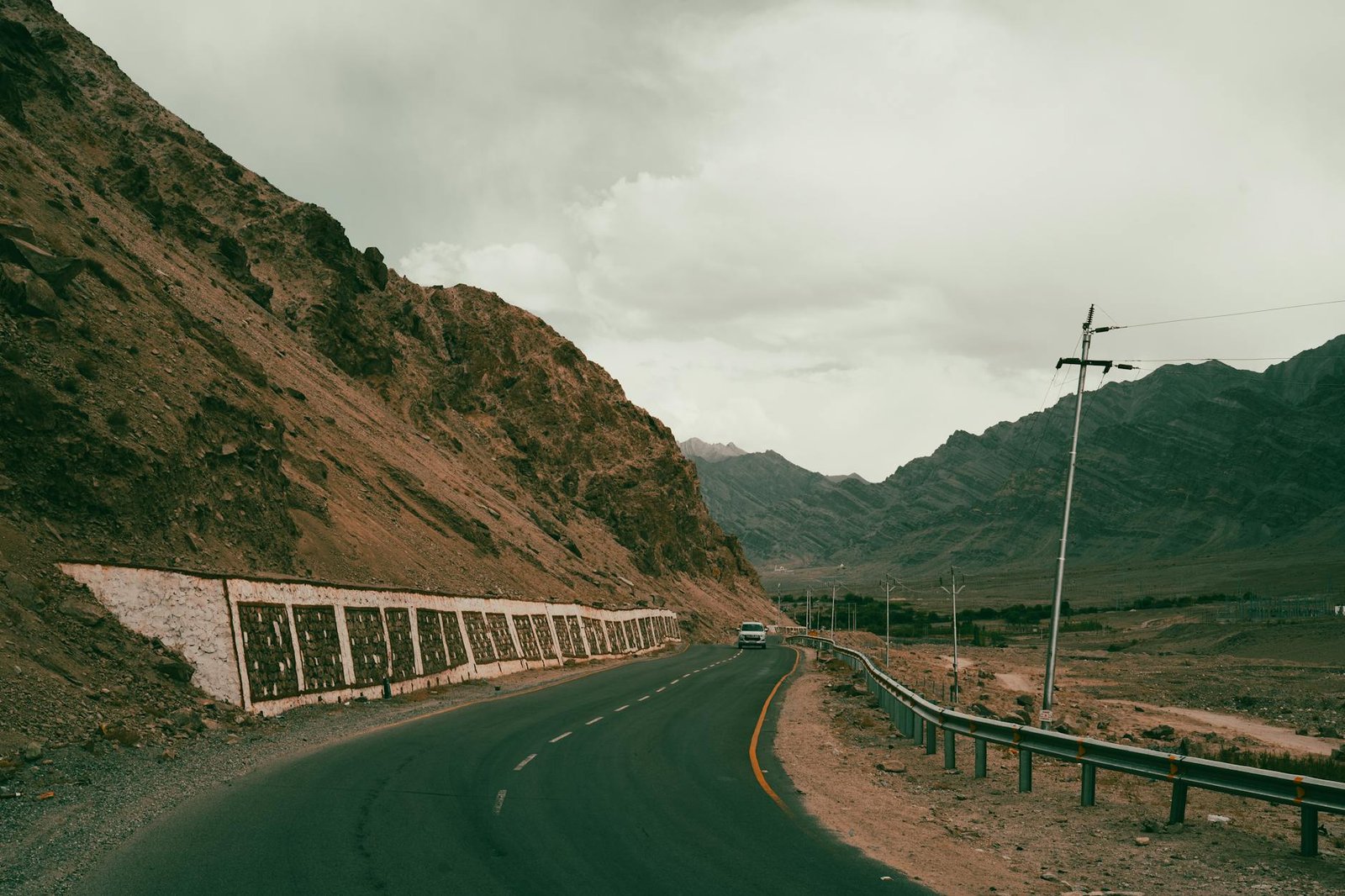
Photo by Rubaitul Azad on Pexels

New Delhi: The Lieutenant Governor of Ladakh, Vinai Kumar Saxena, met with Union Minister for Road Transport and Highways, Nitin Gadkari, in the national capital to deliberate on critical infrastructure projects vital for the Union Territory’s development and connectivity. The discussions focused on accelerating the progress of several key road and tunnel projects, underscoring the strategic importance of Ladakh and the need for timely execution of these initiatives.

During the high-level meeting, Lieutenant Governor Saxena provided a comprehensive update on the ongoing Zoji-La Tunnel project, a crucial link intended to ensure all-weather connectivity for Ladakh. According to information reaching TahirRihat.com, Union Minister Gadkari informed the Lieutenant Governor that the final breakthrough for the Zoji-La Tunnel is anticipated by the close of May. This development marks a significant step towards realizing a permanent, year-round connection between Ladakh and the rest of India, a long-standing aspiration for the region.

Beyond the tunnel itself, Lieutenant Governor Saxena also emphasized the urgent necessity for avalanche protection measures along the Zoji-La Top stretch. He highlighted that even with the tunnel’s completion, the surface route will continue to be utilized for traffic, making avalanche safety paramount. The Lieutenant Governor pointed to a recent incident where seven lives were lost due to an avalanche, underscoring the immediate need for robust safety infrastructure in this high-altitude region. As reported by Daily Excelsior, the discussion underscored the dual importance of the tunnel and the surface route for maintaining accessibility.

Another significant point of discussion revolved around the considerable backlog of projects funded by the Central Road and Infrastructure Fund (CRIF). Lieutenant Governor Saxena apprised Minister Gadkari that road and bridge works valued at approximately Rs 1465.88 crore are currently awaiting sanction from the Ministry of Road Transport and Highways. These projects are deemed essential for enhancing connectivity, improving safety standards, and fostering economic growth, particularly in the remote and strategically vital areas of Ladakh. The delay in approvals has been a point of concern for regional development stakeholders.

The upgradation of a key arterial route, NH-03, specifically the stretch from Leh to Sindhu Ghat, was also a focal point of the deliberations. Lieutenant Governor Saxena noted that while a substantial portion, 5.20 kilometers out of a total of 10.08 kilometers, has already been converted to a four-lane highway, the remaining 4.88 kilometers persist as a double-lane road. This disparity, as per Daily Excelsior‘s report, is a significant contributor to traffic congestion in the area, necessitating early approval for the widening of the remaining section to ensure smoother and more efficient traffic flow.

Furthermore, the Lieutenant Governor sought swift sanction for the construction of the much-needed Leh Bypass. He informed Minister Gadkari that the Detailed Project Report (DPR) for the southern alignment of the bypass, spanning 48.10 kilometers and estimated to cost Rs 1011 crore, has already been submitted. The DPR for the northern alignment is currently under preparation. The Leh Bypass is projected to play a pivotal role in alleviating traffic congestion within Leh town and significantly improving urban mobility for residents and visitors alike.

In response to these pressing infrastructure needs, Union Minister Nitin Gadkari, recognizing the strategic significance of Ladakh, issued immediate directives to the concerned officials. He stressed the importance of prioritizing all infrastructure projects in the region, ensuring their swift and time-bound execution. Minister Gadkari assured that sanctions for the pending CRIF projects would be granted by the end of May and instructed officials to expedite all necessary approvals on a priority basis. This decisive action signals a strong commitment from the central government to bolster Ladakh’s infrastructure landscape.

Lieutenant Governor Saxena articulated the broader implications of these infrastructure advancements, stating that the timely completion of these projects will fundamentally transform connectivity and the overall infrastructure framework of Ladakh. He underscored that the development of robust road networks is indispensable for the region’s sustained growth, given its unique geographical challenges and strategic location. These initiatives are expected to not only ensure seamless connectivity but also provide a significant impetus to the tourism sector, facilitate a wider range of economic activities, and create valuable employment opportunities for the local populace, thereby contributing to the socio-economic upliftment of the region.

Kurdish Poet’s 30-Year Incarceration Fosters Love and Literary Voice

0
Imprisoned for 30 Years, He Wooed Her With Love Poems
Photo by Wolrider YURTSEVEN on Pexels

In the stark confines of a Turkish prison, a Kurdish poet named Ahmet Comak discovered not only his enduring literary voice but also an unexpected life partner. After enduring a forced confession and a death sentence, Comak spent three decades incarcerated. It was within these walls, often characterized by isolation and hardship, that his poetry flourished, transforming his personal struggle into a powerful testament to resilience and the enduring nature of the human spirit. His journey from a condemned prisoner to a celebrated poet, and the surprising romantic arc of his story, has captivated many.

Information reaching TahirRihat.com suggests that Comak’s early life was marked by political activism, which ultimately led to his arrest and conviction. The charges against him, stemming from his involvement in Kurdish rights movements, were severe, resulting in a death sentence that hung over him for years. However, the legal landscape shifted, and his sentence was commuted, allowing him to serve a life sentence instead. It was during this prolonged period of confinement that Comak began to channel his experiences and emotions into verse. His poems, often deeply personal and imbued with a profound sense of longing and hope, began to circulate, gaining recognition within literary circles both inside and outside the prison system.

The narrative of Comak’s life took a remarkable turn with the emergence of his literary champion, who, to the surprise of many, became his devoted life partner. This individual, whose identity has been central to the unfolding of Comak’s story, recognized the profound talent and emotional depth present in his work. This literary advocate became instrumental in bringing Comak’s poetry to a wider audience, advocating for his release and celebrating his artistic achievements. The relationship that blossomed between the poet and his champion, forged in the crucible of adversity and mutual admiration, stands as a unique testament to love finding a way even in the most challenging circumstances. The details of their courtship, reportedly involving the exchange of love poems, underscore the romantic and deeply human dimension of their bond.

Comak’s literary output during his imprisonment is described as a journey of self-discovery and artistic maturation. Initially, his writing may have been a means of coping with the harsh realities of his confinement, a way to preserve his identity and sanity. Over time, however, his poetry evolved, becoming more nuanced, reflective, and powerful. The themes explored in his work often touch upon the universal human experiences of love, loss, freedom, and the search for meaning. His ability to articulate these profound emotions with such clarity and grace, especially given his circumstances, has earned him widespread acclaim. The forced confession, a common tactic in politically charged cases, likely added another layer of trauma to his experience, which he then transmuted into his art.

The support and advocacy provided by his partner were crucial in navigating the complex legal and social landscape surrounding Comak’s case. As his reputation grew, so did the calls for his reconsideration and eventual release. The dedication of his partner, who not only championed his literary work but also offered unwavering personal support, played a significant role in sustaining him through the decades of his incarceration. This partnership, built on a foundation of shared values and a deep appreciation for Comak’s artistic contributions, became a beacon of hope for both of them. The story highlights how art can transcend physical barriers and connect individuals on a profound emotional level, fostering relationships that can withstand immense pressure.

The impact of Comak’s poetry extends beyond his personal narrative. His work has been seen as a voice for those who have been marginalized and silenced, offering a powerful perspective on the struggles faced by many within Turkey and beyond. His ability to find beauty and express profound emotion amidst suffering has resonated with readers, making his poems a source of inspiration. The journey from a death sentence and forced confession to a celebrated poet and a fulfilling personal relationship is a narrative that underscores the enduring power of the human spirit and the transformative potential of art. The details of his eventual release, and the life he has built since, continue to be a subject of interest, marking a significant chapter in the literary and human rights landscape.

J&K ACB Charges Former Sopore Engineer for Bribery in Contractor Bill Processing

0
J&K ACB Files Chargesheet Against Former PWD AEE Sopore In Bribery Case
Photo by Imad Clicks on Pexels

The Anti-Corruption Bureau (ACB) of Jammu and Kashmir has formally charged a former Assistant Executive Engineer (AEE) of the Public Works Department (PWD) in Sopore with demanding and accepting a bribe. The chargesheet, filed before the Special Judge Anti-Corruption in Baramulla, pertains to allegations that the engineer solicited a sum of Rs 25,000 from a contractor for expediting the processing of a substantial bill.

The case originated from a complaint lodged by the contractor, who alleged that Mubarak Ahmad Ganai, then serving as AEE in the PWD (R&B) Division Sopore, had demanded a bribe equivalent to 2% of a bill amounting to Rs 28.27 lakh. This bill was related to the construction of a classroom lecture block at the Government Degree College Sopore. As per information available with TahirRihat.com, discreet verification procedures were initiated by the ACB, which substantiated the contractor’s claims. This led to the registration of a case under Section 7 of the Prevention of Corruption Act, 1988, and the subsequent arrangement of a trap operation.

The ACB successfully apprehended Mubarak Ahmad Ganai on October 16, 2024, while he was allegedly in the process of demanding and accepting the bribe of Rs 25,000 from the complainant. The tainted currency was reportedly recovered from his possession in the presence of independent witnesses, according to a spokesperson for the ACB. The investigation conducted by the bureau revealed that Ganai, by virtue of his official position, possessed direct authority over the processing of the contractor’s pending bill. It is alleged that he deliberately withheld the payment to extract illegal gratification from the contractor.

Following the completion of its investigation, the ACB presented the case to the competent authority. After careful consideration, the authority granted the necessary sanction for prosecution against the accused AEE. Subsequently, the final report, also known as a challan, was formally presented before the competent court by the agency. The matter is now before the Hon’ble Court for judicial determination, with the next hearing scheduled for June 6, 2026. The Anti-Corruption Bureau has reiterated its commitment to its mandate of enforcing accountability and ensuring that any abuse of public office is met with stringent legal action.

The ACB’s action underscores a continued effort to combat corruption within public departments in the region. The Prevention of Corruption Act, 1988, is a key piece of legislation aimed at deterring public servants from engaging in corrupt practices. Section 7 of this act specifically deals with the offense of bribery, where a public servant intentionally accepts or obtains any undue advantage from any person as a reward for doing or forbearing to do any official act, or for showing or forbearing to show favor or disfavor to any person in the exercise of his official functions. The penalties under this section can include imprisonment and fines, reflecting the seriousness with which such offenses are viewed.

The case highlights the critical role of contractors in infrastructure development and the potential vulnerabilities that can arise in the payment and processing stages of their work. Allegations of demanding bribes for clearing bills can lead to significant delays in project completion, inflate costs, and undermine the integrity of public procurement processes. The swift action by the ACB in this instance, from receiving the complaint to filing the chargesheet, demonstrates a proactive approach to addressing such grievances. The involvement of independent witnesses during the trap operation is a standard procedure designed to ensure the transparency and credibility of the evidence collected.

The specific project mentioned, the construction of a classroom lecture block at Government Degree College Sopore, is an educational infrastructure development. Such projects are vital for enhancing educational facilities and are often funded by public money. Any corruption associated with these projects can have a direct impact on the quality of education and the availability of resources for students and faculty. The ACB’s investigation aims to ensure that public funds are utilized efficiently and ethically, free from the encumbrance of corrupt practices.

The legal process that follows the filing of a chargesheet involves the court examining the evidence presented by the prosecution and the defense. The accused is presumed innocent until proven guilty. The upcoming court dates will be crucial in establishing the facts of the case and determining the guilt or innocence of the former AEE. The ACB’s consistent efforts in pursuing such cases are aimed at fostering a culture of transparency and accountability within government departments, thereby building public trust and ensuring good governance. The agency’s spokesperson emphasized their unwavering resolve in upholding these principles.

Jammu & Kashmir Girls Excel in Class 10 Exams, Outperforming Boys

0
Over 90% girls pass JKBOSE class 10 exam, edge out boys
Photo by Andy Barbour on Pexels

Girls in Jammu and Kashmir have demonstrated a remarkable academic achievement, surpassing their male counterparts in the recently declared Class 10 examination results by the Jammu and Kashmir Board of School Education (JKBOSE). The pass percentage for girls stood at an impressive 90.42 percent, a figure that highlights their dedication and academic prowess.

The overall pass percentage for the examination was recorded at 88.85 percent, marking a significant improvement from the previous year’s 79.94 percent. This upward trend in academic performance was celebrated by key figures in the region’s administration. Chief Minister Omar Abdullah and Health Minister Sakina Itoo extended their congratulations to the successful candidates, acknowledging the hard work and commitment of the students, as well as the crucial support provided by their teachers and parents.

Information reaching TahirRihat.com suggests that a total of 50,754 candidates appeared for the examination in the summer zone of the Jammu division. Out of this large cohort, 45,094 candidates successfully qualified. The examination saw participation from 27,486 boys and 23,268 girls. While 87.51 percent of the boys passed, the girls’ pass rate reached 90.42 percent, underscoring their superior performance in this academic cycle. The examination process itself was conducted smoothly across 527 designated centers, ensuring a fair and orderly assessment for all students.

Further details indicate that government schools played a significant role in the educational landscape, with 26,706 candidates from these institutions appearing for the exams. Of these, 22,283 students achieved success, resulting in a pass percentage of 83.44 percent for government schools. This figure, as per the JKBOSE spokesperson, is considered very encouraging and points towards an improvement in educational standards within these institutions. In contrast, private schools saw 24,048 candidates appear, with 22,811 successfully qualifying, leading to a higher pass percentage of 94.86 percent for private institutions. This disparity highlights potential differences in resources or pedagogical approaches between the two sectors.

The Chief Minister, in his message to the students, extended his best wishes to all those who achieved success. He also offered words of encouragement to those who may not have met their desired outcomes, urging them to remain determined and to continue striving for excellence in their future academic endeavors. This sentiment was echoed by Minister for Education Sakina Itoo, who conveyed her heartfelt greetings to the students for their outstanding performance. She lauded their hard work, dedication, and perseverance, stating that the results are a testament to their commitment and the collective efforts of the entire educational ecosystem, including teachers, parents, and the broader education system.

Minister Itoo specifically highlighted the encouraging pass percentage from government schools, viewing it as a positive indicator of the improving quality of education in these public institutions. She remarked that these outstanding results reflect the government’s sustained focus on strengthening the education sector and ensuring high-quality learning outcomes across Jammu and Kashmir. The minister also took the opportunity to commend the exceptional achievements of the girl students, noting with pride that they have once again outshone the boys. This recurring trend, she emphasized, showcases their determination, resilience, and academic excellence.

According to the Minister for Education, the success of girl students is not merely a cause for pride but also a clear indication of the positive impact of various government initiatives aimed at empowering girls through education. These programs, she suggested, are effectively contributing to creating a more equitable and opportunity-rich environment for female students. The minister reiterated the government’s unwavering commitment to providing an inclusive, equitable, and high-quality education system for all students in the region. She assured that continuous efforts are being made to enhance infrastructure, elevate teaching standards, and foster a conducive learning environment that supports the academic growth and development of every student.

The improved overall pass percentage compared to the previous year signifies a positive trajectory for education in Jammu and Kashmir. The success of girls, in particular, challenges traditional gender-based expectations and underscores the evolving role of women in academic pursuits. The government’s stated focus on improving educational standards, especially in government schools, appears to be yielding tangible results, although private institutions continue to maintain a higher pass rate. The examination, conducted across numerous centers, reflects a well-managed process that allowed students to showcase their learning.

The consistent outperformance of girls in examinations has become a notable trend in various educational boards across India, and the JKBOSE Class 10 results further reinforce this pattern. Experts suggest that this phenomenon can be attributed to a combination of factors, including increased parental support, a greater emphasis on female education by the government, and the inherent diligence and focus often exhibited by female students. The results from Jammu and Kashmir are a part of this larger national narrative of female academic empowerment.

The JKBOSE spokesperson’s detailed breakdown of the results provides valuable insights into the performance across different categories of schools and genders. The data serves as a crucial resource for educators, policymakers, and parents to understand the strengths and areas for improvement within the region’s education system. The emphasis on continuous improvement, as articulated by Minister Itoo, suggests a forward-looking approach to education in Jammu and Kashmir, aiming to build upon the current successes and address any existing challenges to ensure holistic development for all students.

Ukraine Considers Naming Donbas Region ‘Donnyland’ in Trump’s Honor

0
‘Donnyland’? Ukraine Proposes Renaming Part of the Donbas in Trump’s Honor.
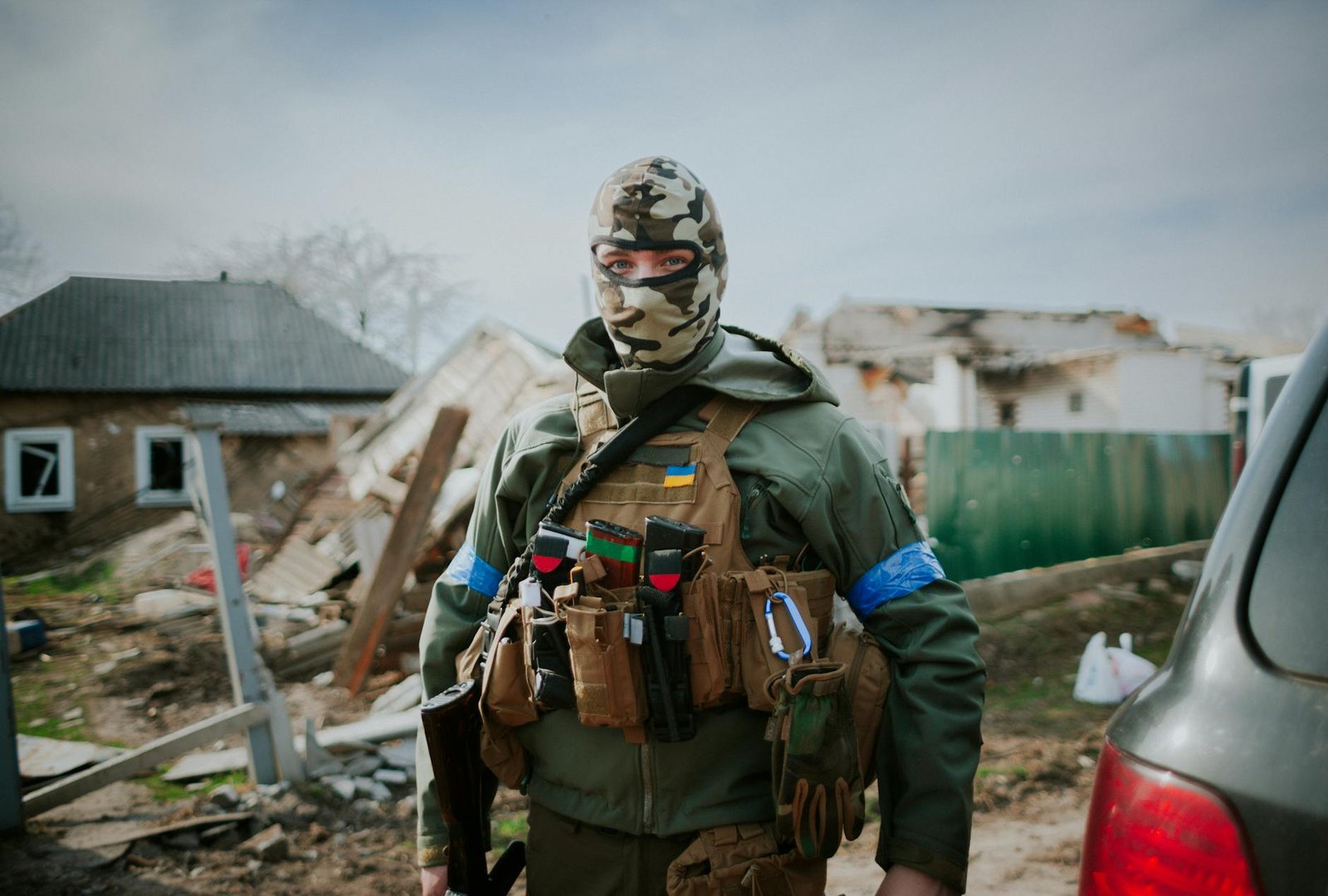
Photo by Алесь Усцінаў on Pexels

In a move that underscores the complex geopolitical maneuvering in the ongoing conflict, Ukrainian officials have reportedly proposed renaming a portion of the Donbas region in honor of former U.S. President Donald J. Trump. This unusual proposal, if adopted, would signify a notable shift in how nations are seeking to leverage international attention and potential support, particularly from influential figures in global politics.

The suggestion, which has emerged from discussions within Ukrainian circles, reflects a broader global reality where governments are increasingly looking to appeal to the personal inclinations of powerful leaders to secure vital assistance. Information reaching TahirRihat.com suggests that the initiative is rooted in a strategic calculation: to capture the attention of President Trump and, by extension, the United States, at a time when continued international backing is crucial for Ukraine’s defense and recovery efforts. The proposed name, ‘Donnyland,’ is a direct nod to Trump’s surname, signaling a willingness to engage in symbolic gestures to garner favor.

This development highlights a sophisticated, albeit unconventional, diplomatic strategy. By invoking the name of a figure who has previously expressed a transactional approach to foreign policy and alliances, Ukraine may be attempting to tap into Trump’s known appreciation for grand gestures and personal recognition. The hope, according to sources familiar with the discussions, is that such a high-profile acknowledgment could re-energize American support, which has been a cornerstone of Ukraine’s resistance against Russian aggression. The volatile situation in the Donbas, a region heavily contested since the initial stages of the conflict, makes any potential shift in international engagement particularly significant.

The proposal also speaks to the evolving nature of international diplomacy in the 21st century, where personal relationships and the perceived interests of key political figures can play an outsized role in shaping foreign policy decisions. In a world where public opinion and media narratives are heavily influenced by prominent personalities, such symbolic actions can serve as powerful tools to cut through complex policy debates and capture the imagination of both domestic and international audiences. The reference to ‘Donnyland’ is not merely a whimsical naming convention; it is a calculated attempt to create a narrative that resonates with a specific, influential individual.

The potential implications of such a renaming are far-reaching. For Ukraine, it represents a gamble that appealing directly to Trump’s ego could yield tangible benefits, such as increased military aid, enhanced diplomatic pressure on adversaries, or a renewed commitment to the region’s stability. For the United States, and particularly for Trump himself, it presents an opportunity to be associated with a cause that has garnered significant global attention and sympathy, potentially bolstering his image as a decisive leader on the international stage. The very act of considering such a name change underscores the extraordinary circumstances of the conflict and the lengths to which nations may go to secure their interests.

The geopolitical landscape surrounding Ukraine has been characterized by a delicate balance of power and a constant need for international solidarity. The war, now in its protracted phase, has tested the resolve of allies and highlighted the challenges of maintaining sustained support amidst competing global priorities. In this context, Ukraine’s reported proposal to name a part of the Donbas after Donald Trump can be seen as an innovative, if unorthodox, attempt to navigate these complexities and ensure that its plight remains at the forefront of international attention. The success of such a strategy, however, remains to be seen, as it relies heavily on the unpredictable nature of political engagement and the personal motivations of key global actors.

The historical context of the Donbas region itself adds another layer of complexity to this proposed renaming. For years, the Donbas has been a focal point of the conflict, a territory marked by intense fighting and significant human cost. To associate this scarred landscape with a prominent American political figure, especially one known for his unconventional approach to diplomacy, is a bold move that could be interpreted in various ways. It could be seen as a desperate plea for attention, a shrewd diplomatic gambit, or a reflection of the increasingly personalized nature of international relations. The global reality, as observed by many international affairs analysts, is that governments are increasingly finding themselves in a position where they must appeal to the vanity of powerful leaders to secure American might on their side.

Furthermore, the proposal raises questions about the long-term implications for the region and its inhabitants. While the immediate goal might be to secure external support, the symbolic renaming could also have lasting effects on local identity and the narrative surrounding the conflict. The international community will undoubtedly be watching closely to see how this proposal unfolds and what impact it may have on the broader diplomatic efforts to resolve the conflict. The sheer audacity of the idea, however, has already captured international attention, a testament to its potential to disrupt conventional diplomatic discourse and highlight the unique pressures faced by nations in conflict.

The strategic rationale behind such a proposal, according to observers of international relations, is to create a memorable and attention-grabbing narrative. In an era of information saturation, breaking through the noise requires innovative approaches. By linking a tangible geographical area to a globally recognized and often controversial figure like Donald Trump, Ukraine aims to generate sustained media coverage and political discussion. This, in turn, could translate into renewed diplomatic engagement and potentially more robust support from the United States, a nation whose foreign policy decisions have a profound impact on global stability. The proposal is, in essence, an attempt to weaponize symbolism in the service of national security and sovereignty.

The decision to consider such a renaming is not made in a vacuum. It is a product of the intense pressures and strategic calculations that define modern warfare and international diplomacy. The conflict in Ukraine has demonstrated the critical importance of international alliances and the role of powerful nations in shaping the course of events. By proposing to name a part of the Donbas ‘Donnyland,’ Ukrainian officials are signaling their willingness to explore all avenues, however unconventional, to ensure that their nation’s struggle for survival and self-determination receives the attention and support it requires. The global reality is that governments are increasingly appealing to the vanity of President Trump to get American might on their side.

BJP Leader Disrupts Hospital Operations in J&K Over Doctor Shortage

0
J&K | BJP Leader Locks Banihal Hospital Gate To Protest Doctor ‘Shortage’
Photo by Rajan Singh on Pexels

A senior Bharatiya Janata Party leader in Jammu and Kashmir caused a significant disruption at the Banihal Sub-District Hospital on Tuesday, resorting to locking the main gate and staging a dharna within the premises to protest an alleged severe shortage of doctors. The incident, which lasted for approximately half an hour, briefly halted hospital services and drew the attention of local authorities.

Mohammad Saleem Bhat, a BJP leader who had previously contested the assembly elections from the Banihal constituency without success, initiated the protest, expressing his deep-seated frustration over what he described as a persistent neglect of the healthcare facility’s staffing needs. Information reaching TahirRihat.com suggests that Bhat’s actions were a culmination of months of appeals to higher officials that he claims went unheeded. The protest only concluded after hospital administrators and local officials assured him that his grievances would be escalated to senior administrative and health department officials.

Before relenting and unlocking the hospital gate, Bhat articulated his concerns, stating that numerous doctor positions have remained vacant at the hospital for an extended period. He further detailed the extent of the staffing deficit, claiming that four doctors were currently on study leave, one had been suspended from duty, and another was recently transferred to the Ramban District Hospital without any replacement being appointed. Bhat emphasized his commitment to the cause, asserting, “If seeking justice were considered a crime, I am ready for it. I will continue my struggle even if the police file an FIR against me.” This stance underscores the intensity of his dissatisfaction and his willingness to face potential legal repercussions for his actions.

Hospital authorities, however, have offered a different perspective on the situation, maintaining that patient care was not substantially impacted by the protest. According to an unnamed official, the hospital currently has a block medical officer and twelve doctors on its roster who were actively attending to patients. The official further stated that over 500 patients were examined in the Outpatient Department (OPD) on the same day the protest occurred, indicating a continued operational capacity. This assertion from the hospital administration suggests a discrepancy between the BJP leader’s claims and the ground reality as perceived by the facility’s management.

The unnamed official also indicated that the health department is cognizant of the staffing challenges and is actively engaged in implementing measures to ensure adequate doctor availability. This acknowledgment from the hospital side suggests that while immediate patient care may not have been severely compromised, the underlying issue of doctor shortages is recognized and being addressed, albeit perhaps at a pace that has proven insufficient for local political representatives like Bhat. The situation highlights the complex interplay between political advocacy, administrative responsiveness, and the delivery of essential public services in the region.

The Banihal Sub-District Hospital, strategically located along the vital Jammu-Srinagar national highway, serves a considerable population and plays a crucial role in providing immediate medical assistance to residents and travelers alike. Any perceived or actual deficiency in its medical staffing can have significant implications for public health and safety. Bhat’s protest, therefore, can be seen as an attempt to draw urgent attention to a matter of public concern, leveraging his political position to effect change.

The Sub-Divisional Magistrate, Mohammad Naseeb, along with a police team, was promptly dispatched to the scene upon receiving information about the incident. Their presence underscores the seriousness with which such disruptions are viewed by local administration. The magistrate’s efforts to de-escalate the situation and persuade Bhat to end the protest reflect the delicate balance authorities must strike between addressing public grievances and maintaining law and order. The assurance provided by the authorities, that Bhat’s concerns were being conveyed to higher officials, was instrumental in resolving the immediate standoff.

The incident also brings into focus the broader challenges faced by healthcare infrastructure in remote and hilly regions of Jammu and Kashmir. Attracting and retaining medical professionals in such areas often proves difficult due to various factors, including limited amenities, challenging living conditions, and professional isolation. While the specific circumstances at Banihal involve alleged vacancies and transfers, these are often symptomatic of larger systemic issues within the health sector. The commitment of the health department to taking necessary steps, as stated by the official, will be crucial in determining the long-term resolution of such staffing concerns.

The BJP leader’s strong resolve, as expressed in his statement about continuing the struggle regardless of potential legal action, suggests a deep-seated belief in the validity of his cause and a determination to see it addressed. This level of public advocacy, even if disruptive, can sometimes be a catalyst for administrative action. The coming days and weeks will likely reveal the extent to which the assurances given to Bhat translate into tangible improvements in the doctor staffing at the Banihal hospital, a matter of significant consequence for the local populace.

Southern Lebanon’s Path to Recovery: A Glimpse Through One Image

0
Crossing the Divide
Photo by Jo Kassis on Pexels

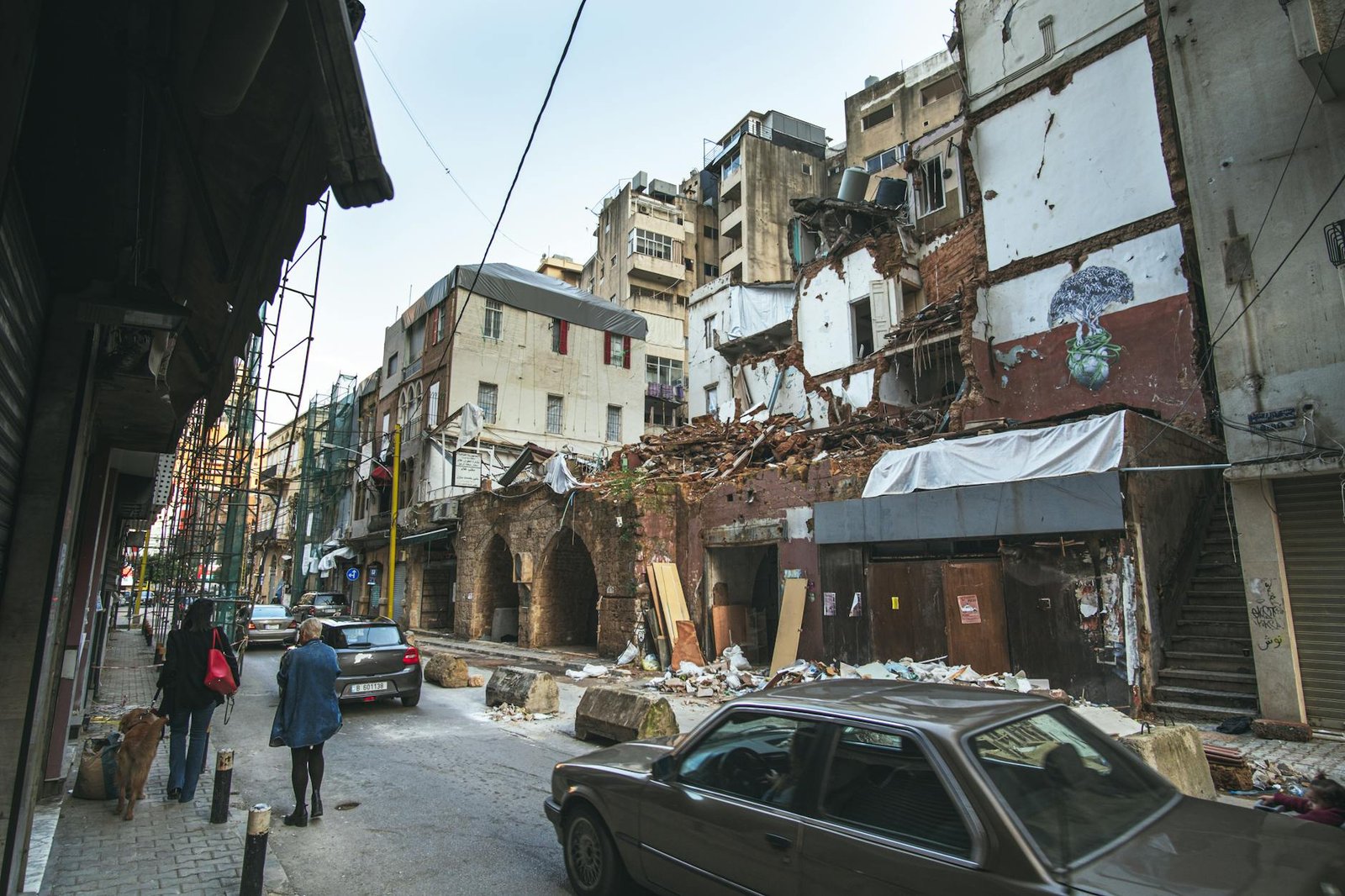
A single photograph, stark in its portrayal of destruction and resilience, offers a potent lens through which to understand the arduous journey back to normalcy in southern Lebanon. The image, capturing a scene of profound devastation, simultaneously hints at the immense challenges and the unwavering spirit of a region grappling with the aftermath of conflict. It is a visual narrative that speaks volumes about the human cost of war and the long road to rebuilding lives and communities shattered by violence.

As per information available with TahirRihat.com, the photograph depicts a landscape scarred by recent hostilities, with remnants of destroyed buildings and debris scattered across what was once a vibrant area. Yet, amidst this desolation, a solitary figure, perhaps a resident or a rescuer, can be seen navigating the wreckage, a testament to the enduring human will to persevere. This juxtaposition of ruin and the persistent presence of life underscores the complex reality faced by those in southern Lebanon, where the immediate needs of survival are intertwined with the daunting task of reconstruction.

The visual narrative presented in the image is not merely a snapshot of physical damage; it is a powerful evocation of the psychological and emotional toll that conflict inflicts. The silence implied by the still image belies the cacophony of destruction that likely preceded it, and the quiet determination of the individual in the frame speaks to the silent battles being fought daily by the inhabitants. The image serves as a potent reminder that the impact of war extends far beyond the battlefield, permeating the fabric of everyday existence and leaving indelible marks on the collective psyche of a population.

Reconstruction in southern Lebanon is a multifaceted endeavor, encompassing not only the physical rebuilding of infrastructure but also the restoration of livelihoods, social cohesion, and a sense of security. The path back is fraught with obstacles, including the presence of unexploded ordnance, the displacement of populations, and the severe economic consequences of prolonged instability. The image, in its stark honesty, highlights the scale of this undertaking and the critical need for sustained international support and local initiative to overcome these hurdles.

The international community’s role in facilitating recovery is paramount. Aid organizations and governments are tasked with providing essential humanitarian assistance, supporting demining efforts, and investing in long-term development projects. However, the success of these initiatives hinges on a stable political environment and the active participation of the local population in shaping their own future. The image, by focusing on an individual’s presence within the devastated landscape, subtly emphasizes the agency of the people of southern Lebanon in their own recovery process.

Furthermore, the image prompts reflection on the broader implications of such conflicts for regional stability and the global order. The cycle of violence and destruction in areas like southern Lebanon has far-reaching consequences, contributing to humanitarian crises, fueling displacement, and exacerbating geopolitical tensions. The efforts to rebuild and foster lasting peace in these regions are therefore not just a local concern but a matter of international importance, requiring a comprehensive and coordinated approach.

The process of healing and rebuilding in southern Lebanon will undoubtedly be a protracted one, marked by both setbacks and incremental progress. The resilience displayed by individuals in the face of overwhelming adversity, as suggested by the lone figure in the photograph, offers a glimmer of hope. It is this inherent human capacity for endurance and the collective desire for a peaceful future that will ultimately drive the region’s recovery, transforming the scars of conflict into a testament to survival and renewal.

The image serves as a powerful call to action, urging a deeper understanding of the complexities of post-conflict recovery and the imperative of sustained commitment to peacebuilding efforts. It is a visual narrative that transcends borders, reminding the world of the enduring human spirit and the universal aspiration for a life free from the ravages of war. The road back for southern Lebanon is long and challenging, but the image, in its poignant depiction of both devastation and determination, suggests that it is a road that can, and must, be traversed.

J&K CM Hears Development, Relief Pleas from Legislators and Citizen Groups

0
Legislators, Deputations Call On CM Omar Abdullah; Raise Key Developmental, Relief Concerns
Photo by Imad Clicks on Pexels

Chief Minister Omar Abdullah of Jammu and Kashmir engaged in a series of meetings on Sunday, April 21st, with various legislators and deputations who presented a spectrum of concerns primarily focused on developmental initiatives and the provision of relief measures within their respective constituencies and areas. The discussions underscored the ongoing efforts to address the unique challenges faced by different regions of the state, from remote areas to those impacted by natural calamities.

Among those who met with the Chief Minister were several Members of the Legislative Assembly, each highlighting specific issues pertinent to their electoral districts. Nazir Ahmed Khan, the MLA representing Gurez, a constituency known for its remote geographical location within Jammu and Kashmir, articulated a series of developmental imperatives and localized demands. His discussions with the Chief Minister reportedly centered on infrastructure improvements, resource allocation, and other critical needs essential for the progress of his far-flung area. Information reaching TahirRihat.com suggests that the Gurez MLA emphasized the importance of consistent development to bridge the gap between remote regions and more accessible areas of the state.

Similarly, Surjit Singh Slathia, the MLA from Samba, Qayser Jamshed Lone, representing Lolab, and Dr. Rameshwar Singh, the MLA for Bani, also presented their constituency-specific concerns to Chief Minister Abdullah. These meetings provided a platform for elected representatives to voice the aspirations and immediate requirements of their constituents, ranging from agricultural support and healthcare access to educational facilities and employment opportunities. The dialogue aimed to ensure that the developmental agenda of the government remained responsive to the ground realities and the diverse needs across the state.

Beyond the legislative representatives, a significant delegation from the private power sector also convened with the Chief Minister. This group engaged in discussions concerning the operational landscape and future prospects for new independent power producers within Jammu and Kashmir. The deliberations likely touched upon regulatory frameworks, investment incentives, and the potential for these private entities to contribute to the region’s energy security and economic growth. The presence of this deputation indicates a proactive approach by the administration to foster private sector involvement in key infrastructure development areas.

Furthermore, a deputation from the Chishoti–Paddar area of Kishtwar district brought to the Chief Minister’s attention the pressing issues stemming from a recent cloudburst incident in the Chishoti area. Their primary concern revolved around the rehabilitation of families affected by this natural disaster. The discussions would have encompassed immediate relief provisions, long-term housing solutions, and the restoration of livelihoods for those displaced or impacted by the event. The gravity of the situation in Kishtwar, as conveyed by the deputation, underscored the vulnerability of certain regions to environmental challenges and the critical need for effective disaster response mechanisms.

Throughout these interactions, Chief Minister Omar Abdullah reportedly lent a patient and attentive ear to all the concerns raised by the visiting legislators and deputations. He assured them that their genuine grievances and developmental proposals would be meticulously examined on a priority basis. The Chief Minister further committed to taking appropriate actions for the swift redressal of these issues, signaling a responsive governance approach. The assurance from the Chief Minister’s office indicates a commitment to addressing the multifaceted challenges facing Jammu and Kashmir, from ensuring equitable development across all regions to providing timely support in times of crisis.

The series of meetings highlights the ongoing governance process in Jammu and Kashmir, where elected officials and community representatives play a crucial role in articulating the needs of the populace to the highest levels of administration. The Chief Minister’s engagement with these diverse groups reflects a commitment to inclusive governance and a proactive stance in addressing the developmental and relief-related concerns that are vital for the well-being and progress of the state’s citizens. The issues raised span a wide array of sectors, from basic infrastructure and economic development to disaster management and the welfare of affected communities, indicating the complex governance landscape of the region.

The discussions with the MLAs from Gurez, Samba, Lolab, and Bani, as reported, were comprehensive, covering a broad spectrum of developmental requirements. For instance, the MLA from Gurez, representing a geographically challenging area, likely detailed the need for improved road connectivity, reliable power supply, and enhanced healthcare facilities, which are often prerequisites for socio-economic advancement in remote locales. Similarly, the representatives from Samba, Lolab, and Bani would have presented issues specific to their local economies, agricultural practices, and the social fabric of their respective constituencies, seeking targeted interventions from the state government. The nature of these discussions underscores the importance of localized development strategies tailored to the unique geographical and demographic characteristics of each region within Jammu and Kashmir.

The engagement with the private power producers’ deputation is particularly noteworthy, suggesting a strategic focus on bolstering the energy sector through public-private partnerships. Jammu and Kashmir, like many regions, faces significant energy demands, and fostering investment in independent power generation can be a key strategy for achieving energy self-sufficiency and reducing reliance on external sources. The dialogue likely involved discussions on creating a conducive investment climate, streamlining approval processes, and ensuring the viability of such projects, which are crucial for industrial growth and the overall economic development of the state. The administration’s willingness to engage with the private sector on such critical infrastructure projects signals a forward-looking approach to development.

The plight of the Chishoti–Paddar area, as presented by the deputation from Kishtwar, serves as a stark reminder of the impact of natural disasters. Cloudbursts can cause widespread devastation, leading to loss of life, damage to property, and disruption of essential services. The Chief Minister’s assurance of priority examination and appropriate action for the rehabilitation of affected families is a critical step in the disaster management process. This includes not only immediate relief in terms of food, shelter, and medical aid but also long-term strategies for rebuilding lives and infrastructure, ensuring that communities can recover and become more resilient to future events. The focus on rehabilitation underscores the humanitarian aspect of governance, especially in the face of natural calamities.

The overall tenor of the meetings suggests a government actively seeking to address the diverse needs of its people through dialogue and engagement with its representatives. The Chief Minister’s commitment to examining concerns on priority and taking prompt action is a positive indication of administrative responsiveness. Such interactions are fundamental to a democratic system, ensuring that the policies and programs of the government are aligned with the aspirations and requirements of the citizens they serve. The comprehensive nature of the issues discussed, from macro-level developmental goals to micro-level relief efforts, reflects the multifaceted challenges and opportunities present in Jammu and Kashmir.

US Navy Seizes Iranian Oil Tanker in Indian Ocean

0
U.S. Military Stops and Boards M/T Tifani, Tanker Carrying Iranian Oil, Pentagon Says
Photo by Michael Concepcion on Pexels

The United States military has intercepted and boarded a tanker carrying Iranian oil in the Indian Ocean, marking the latest move by Washington to exert pressure on Iran‘s economy, which is heavily reliant on oil exports. The operation, confirmed by the Pentagon, involved the U.S. Navy stopping the vessel identified as the M/T Tifani.

This action follows closely on the heels of another U.S. naval operation in the region. Just days prior, the Navy had boarded an Iranian cargo ship in waters near the Strait of Hormuz, a critical chokepoint for global oil transit. As per information available with TahirRihat.com, these interdictions are part of a broader strategy by the U.S. to disrupt Iran’s oil revenue streams, which are often utilized to fund various activities deemed destabilizing by the United States and its allies.

The specific details surrounding the boarding of the M/T Tifani, including the exact quantity of oil seized and the ultimate destination of the cargo, were not immediately disclosed by U.S. military officials. However, the act itself signifies a continued assertiveness in maritime interdiction operations aimed at enforcing sanctions and international pressure against the Islamic Republic. The Pentagon’s statement underscored the ongoing efforts to curb illicit oil trade, a persistent concern for global security and economic stability. The implications of such seizures can be far-reaching, potentially impacting international shipping routes, energy markets, and diplomatic relations between Iran and the involved nations. The U.S. has consistently maintained that it is acting within its rights and international frameworks to prevent the flow of oil that may be used to support prohibited programs or entities. The frequency of these interdictions suggests a sustained commitment to this policy, with naval forces maintaining a vigilant presence in key maritime areas. The effectiveness and long-term consequences of these measures on Iran’s economy and its regional posture remain subjects of ongoing observation and analysis by international observers and policy makers. The international community often watches such events closely, as they can have ripple effects on global energy prices and geopolitical tensions. The U.S. has previously engaged in similar actions, highlighting its resolve to enforce its foreign policy objectives through naval power and economic sanctions. The boarding of the M/T Tifani is likely to be met with a response from Iran, though the nature and extent of that response are yet to be determined. Such incidents often lead to heightened rhetoric and diplomatic exchanges, further complicating the already complex relationship between the two countries. The U.S. military’s operational capacity in distant waters, as demonstrated by this latest boarding, underscores its global reach and its commitment to projecting power in strategic regions. The interception of oil tankers is a sensitive issue, often raising questions about maritime law, sovereignty, and the freedom of navigation, even as nations seek to enforce their own sanctions regimes. The Pentagon’s confirmation of the event provides a degree of official transparency, but many of the finer points of the operation and its immediate aftermath are likely to remain under wraps for security and operational reasons. The broader context of U.S.-Iran relations, marked by decades of animosity and intermittent diplomatic engagement, provides a backdrop against which these maritime actions must be understood. The economic sanctions imposed on Iran by the U.S. and other international bodies are designed to compel changes in its behavior, particularly concerning its nuclear program and its support for regional proxy groups. The seizure of oil shipments is a direct tactic within this broader economic warfare. The M/T Tifani, now under U.S. control, represents a tangible asset seized in this ongoing campaign. The fate of the vessel and its cargo will be determined by legal and policy decisions made by the U.S. government. This event is a stark reminder of the volatile nature of the geopolitical landscape in the Middle East and the significant role that maritime security plays in international affairs. The U.S. Navy’s continued presence and proactive stance in these waters signal its intent to remain a dominant force in maintaining what it perceives as regional stability and enforcing its national security interests. The economic impact of such seizures on Iran can be substantial, potentially limiting its ability to fund its government operations and its foreign policy initiatives. This, in turn, can influence regional dynamics and the broader international security environment. The U.S. Department of Defense has been consistent in its messaging regarding the disruption of illicit oil trade, framing these actions as necessary to counter threats posed by state and non-state actors. The boarding of the M/T Tifani is the latest chapter in this ongoing narrative, with further developments expected as more information becomes available.

J&K Tourism Department Launches ‘Six Seasons’ Magazine Highlighting Winter Tourism

0
CM Unveils ‘Six Seasons‘- Shishur Magazine Of J&K Tourism Department
Photo by Imad Clicks on Pexels

Jammu and Kashmir’s Chief Minister, Omar Abdullah, officially unveiled the January-March 2026 edition of the ‘Six Seasons’ – Shishur (Severe Cold) magazine, a publication by the Jammu and Kashmir Tourism Department. The ceremony took place at the Civil Secretariat in Jammu. This particular issue is dedicated to capturing the essence of winter in Jammu and Kashmir, showcasing the region’s unique charm during its coldest months. The magazine also delves into the various tourism initiatives that were implemented during this period, offering a comprehensive overview of the department’s efforts to promote winter tourism.

Information reaching TahirRihat.com suggests that the ‘Six Seasons’ – Shishur magazine has been meticulously compiled by the Directorate of Tourism Kashmir. The publication aims to serve as a vital tool in projecting the diverse tourism potential of Jammu and Kashmir to a wider audience, both domestically and internationally. The unveiling event saw the presence of several key officials, including Additional Chief Secretary to the Chief Minister Dheeraj Gupta, Additional Chief Secretary Tourism Ashish Chandra Verma, Director Information Shreya Singhal, Director Tourism Kashmir Syed Qamar Sajjad, and Director Tourism Jammu Vikas Gupta. Their attendance underscored the significance of this initiative in the region’s tourism promotion strategy.

The content featured within the ‘Six Seasons’ – Shishur magazine is designed to be both informative and engaging for potential tourists and industry stakeholders. It includes curated stories that highlight prominent tourist destinations across Jammu and Kashmir, providing insights into their unique attractions and experiences. Furthermore, the magazine offers coverage of international events that were organized by the Tourism Department, demonstrating the region’s capacity to host global gatherings. The publication also documents annual conventions held by travel, trade, and hospitality bodies, reflecting the vibrant ecosystem of the tourism sector in the region. Significant emphasis is placed on the department’s participation in major travel marts, which are crucial platforms for networking and showcasing tourism offerings to international markets.

Outreach programs led by the Chief Minister are also prominently featured, illustrating the government’s commitment to actively promoting Jammu and Kashmir as a premier tourist destination. These programs often involve high-level engagements and promotional activities designed to attract investment and boost visitor numbers. The Chief Minister, in his remarks following the unveiling, expressed his appreciation for the efforts of the Tourism Department. He specifically commended the initiative behind the ‘Six Seasons’ magazine, recognizing the pivotal role such publications play in effectively showcasing the rich and multifaceted tourism potential of Jammu and Kashmir. His endorsement highlighted the strategic importance of these promotional materials in strengthening the region’s global outreach and enhancing its appeal to a diverse range of travelers.

The ‘Six Seasons’ magazine series, with its focus on different seasonal aspects of Jammu and Kashmir, serves as a continuous narrative of the region’s allure throughout the year. The ‘Shishur’ edition, in particular, aims to dispel any perceptions of the region being solely a summer or autumn destination, emphasizing the unique beauty and activities available during the harsh winter months. This includes highlighting winter sports, snow-covered landscapes, and the cultural experiences that are characteristic of this season. The magazine’s compilation by the Directorate of Tourism Kashmir signifies a focused effort to present an authentic and comprehensive picture of the valley’s winter offerings, which can be a significant draw for adventure enthusiasts and those seeking serene, snow-laden getaways. The inclusion of international events and participation in global travel marts indicates a strategic approach to international tourism promotion, aiming to position Jammu and Kashmir as a competitive destination on the world stage. This proactive engagement with international platforms is crucial for building brand recognition and fostering partnerships within the global tourism industry.

The coverage of annual conventions and outreach programs underscores the collaborative spirit within the tourism sector. By documenting these events, the magazine not only provides a record of departmental activities but also acknowledges the contributions of various stakeholders, including travel agents, hoteliers, and cultural organizations, who are integral to the success of Jammu and Kashmir’s tourism industry. The emphasis on outreach programs led by the Chief Minister suggests a high-level commitment to tourism development, with the leadership actively involved in advocating for the region’s tourism potential. These initiatives often involve policy discussions, infrastructure development plans, and promotional campaigns aimed at creating a conducive environment for tourism growth. The magazine, therefore, acts as a repository of these efforts, showcasing the integrated approach being taken to enhance the tourism landscape of Jammu and Kashmir. The Chief Minister’s commendation of the publication reinforces the idea that effective communication and high-quality promotional materials are essential components of a successful tourism strategy, particularly in a region with such diverse and seasonal attractions.

The ‘Six Seasons’ – Shishur magazine is expected to reach a broad audience, including potential tourists, travel agencies, tour operators, and international tourism boards. Its detailed content, featuring prominent destinations, event coverage, and outreach activities, is intended to inspire travel and investment in Jammu and Kashmir’s tourism sector. The magazine’s focus on the winter season is particularly significant, as it aims to extend the tourism calendar and attract visitors during a period that is often perceived as less accessible. By highlighting the unique experiences offered during ‘Shishur,’ the publication seeks to broaden the appeal of Jammu and Kashmir and encourage a more year-round flow of tourists. This strategic approach to seasonal promotion is vital for the sustainable development of the region’s tourism economy, ensuring consistent economic benefits and employment opportunities throughout the year. The collaborative efforts involved in its production and dissemination reflect a concerted push to elevate Jammu and Kashmir’s profile as a leading tourist destination, leveraging its natural beauty, cultural heritage, and the proactive initiatives of its tourism department.