
Chief Minister Omar Abdullah of Jammu and Kashmir engaged in a series of meetings on Sunday, April 21st, with various legislators and deputations who presented a spectrum of concerns primarily focused on developmental initiatives and the provision of relief measures within their respective constituencies and areas. The discussions underscored the ongoing efforts to address the unique challenges faced by different regions of the state, from remote areas to those impacted by natural calamities.
Among those who met with the Chief Minister were several Members of the Legislative Assembly, each highlighting specific issues pertinent to their electoral districts. Nazir Ahmed Khan, the MLA representing Gurez, a constituency known for its remote geographical location within Jammu and Kashmir, articulated a series of developmental imperatives and localized demands. His discussions with the Chief Minister reportedly centered on infrastructure improvements, resource allocation, and other critical needs essential for the progress of his far-flung area. Information reaching TahirRihat.com suggests that the Gurez MLA emphasized the importance of consistent development to bridge the gap between remote regions and more accessible areas of the state.
Similarly, Surjit Singh Slathia, the MLA from Samba, Qayser Jamshed Lone, representing Lolab, and Dr. Rameshwar Singh, the MLA for Bani, also presented their constituency-specific concerns to Chief Minister Abdullah. These meetings provided a platform for elected representatives to voice the aspirations and immediate requirements of their constituents, ranging from agricultural support and healthcare access to educational facilities and employment opportunities. The dialogue aimed to ensure that the developmental agenda of the government remained responsive to the ground realities and the diverse needs across the state.
Beyond the legislative representatives, a significant delegation from the private power sector also convened with the Chief Minister. This group engaged in discussions concerning the operational landscape and future prospects for new independent power producers within Jammu and Kashmir. The deliberations likely touched upon regulatory frameworks, investment incentives, and the potential for these private entities to contribute to the region’s energy security and economic growth. The presence of this deputation indicates a proactive approach by the administration to foster private sector involvement in key infrastructure development areas.
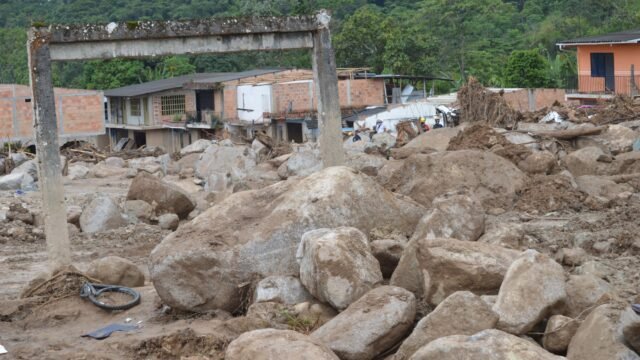
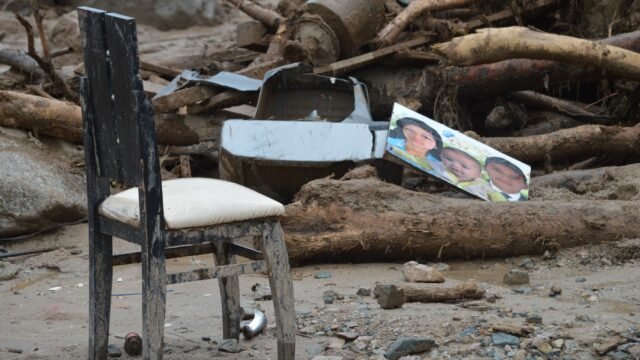
Furthermore, a deputation from the Chishoti–Paddar area of Kishtwar district brought to the Chief Minister’s attention the pressing issues stemming from a recent cloudburst incident in the Chishoti area. Their primary concern revolved around the rehabilitation of families affected by this natural disaster. The discussions would have encompassed immediate relief provisions, long-term housing solutions, and the restoration of livelihoods for those displaced or impacted by the event. The gravity of the situation in Kishtwar, as conveyed by the deputation, underscored the vulnerability of certain regions to environmental challenges and the critical need for effective disaster response mechanisms.
Throughout these interactions, Chief Minister Omar Abdullah reportedly lent a patient and attentive ear to all the concerns raised by the visiting legislators and deputations. He assured them that their genuine grievances and developmental proposals would be meticulously examined on a priority basis. The Chief Minister further committed to taking appropriate actions for the swift redressal of these issues, signaling a responsive governance approach. The assurance from the Chief Minister’s office indicates a commitment to addressing the multifaceted challenges facing Jammu and Kashmir, from ensuring equitable development across all regions to providing timely support in times of crisis.
The series of meetings highlights the ongoing governance process in Jammu and Kashmir, where elected officials and community representatives play a crucial role in articulating the needs of the populace to the highest levels of administration. The Chief Minister’s engagement with these diverse groups reflects a commitment to inclusive governance and a proactive stance in addressing the developmental and relief-related concerns that are vital for the well-being and progress of the state’s citizens. The issues raised span a wide array of sectors, from basic infrastructure and economic development to disaster management and the welfare of affected communities, indicating the complex governance landscape of the region.
The discussions with the MLAs from Gurez, Samba, Lolab, and Bani, as reported, were comprehensive, covering a broad spectrum of developmental requirements. For instance, the MLA from Gurez, representing a geographically challenging area, likely detailed the need for improved road connectivity, reliable power supply, and enhanced healthcare facilities, which are often prerequisites for socio-economic advancement in remote locales. Similarly, the representatives from Samba, Lolab, and Bani would have presented issues specific to their local economies, agricultural practices, and the social fabric of their respective constituencies, seeking targeted interventions from the state government. The nature of these discussions underscores the importance of localized development strategies tailored to the unique geographical and demographic characteristics of each region within Jammu and Kashmir.
The engagement with the private power producers’ deputation is particularly noteworthy, suggesting a strategic focus on bolstering the energy sector through public-private partnerships. Jammu and Kashmir, like many regions, faces significant energy demands, and fostering investment in independent power generation can be a key strategy for achieving energy self-sufficiency and reducing reliance on external sources. The dialogue likely involved discussions on creating a conducive investment climate, streamlining approval processes, and ensuring the viability of such projects, which are crucial for industrial growth and the overall economic development of the state. The administration’s willingness to engage with the private sector on such critical infrastructure projects signals a forward-looking approach to development.
The plight of the Chishoti–Paddar area, as presented by the deputation from Kishtwar, serves as a stark reminder of the impact of natural disasters. Cloudbursts can cause widespread devastation, leading to loss of life, damage to property, and disruption of essential services. The Chief Minister’s assurance of priority examination and appropriate action for the rehabilitation of affected families is a critical step in the disaster management process. This includes not only immediate relief in terms of food, shelter, and medical aid but also long-term strategies for rebuilding lives and infrastructure, ensuring that communities can recover and become more resilient to future events. The focus on rehabilitation underscores the humanitarian aspect of governance, especially in the face of natural calamities.
The overall tenor of the meetings suggests a government actively seeking to address the diverse needs of its people through dialogue and engagement with its representatives. The Chief Minister’s commitment to examining concerns on priority and taking prompt action is a positive indication of administrative responsiveness. Such interactions are fundamental to a democratic system, ensuring that the policies and programs of the government are aligned with the aspirations and requirements of the citizens they serve. The comprehensive nature of the issues discussed, from macro-level developmental goals to micro-level relief efforts, reflects the multifaceted challenges and opportunities present in Jammu and Kashmir.

Tahir Rihat (also known as Tahir Bilal) is an independent journalist, activist, and digital media professional from the Chenab Valley of Jammu and Kashmir, India. He is best known for his work as the Online Editor at The Chenab Times.


Leave a Reply