Home Blog Page 245

Global Oil Prices Surge as Wealthy Nations Hoard Supplies

0
Hoarding Is Driving Energy Prices Higher Everywhere
Photo by Soly Moses on Pexels

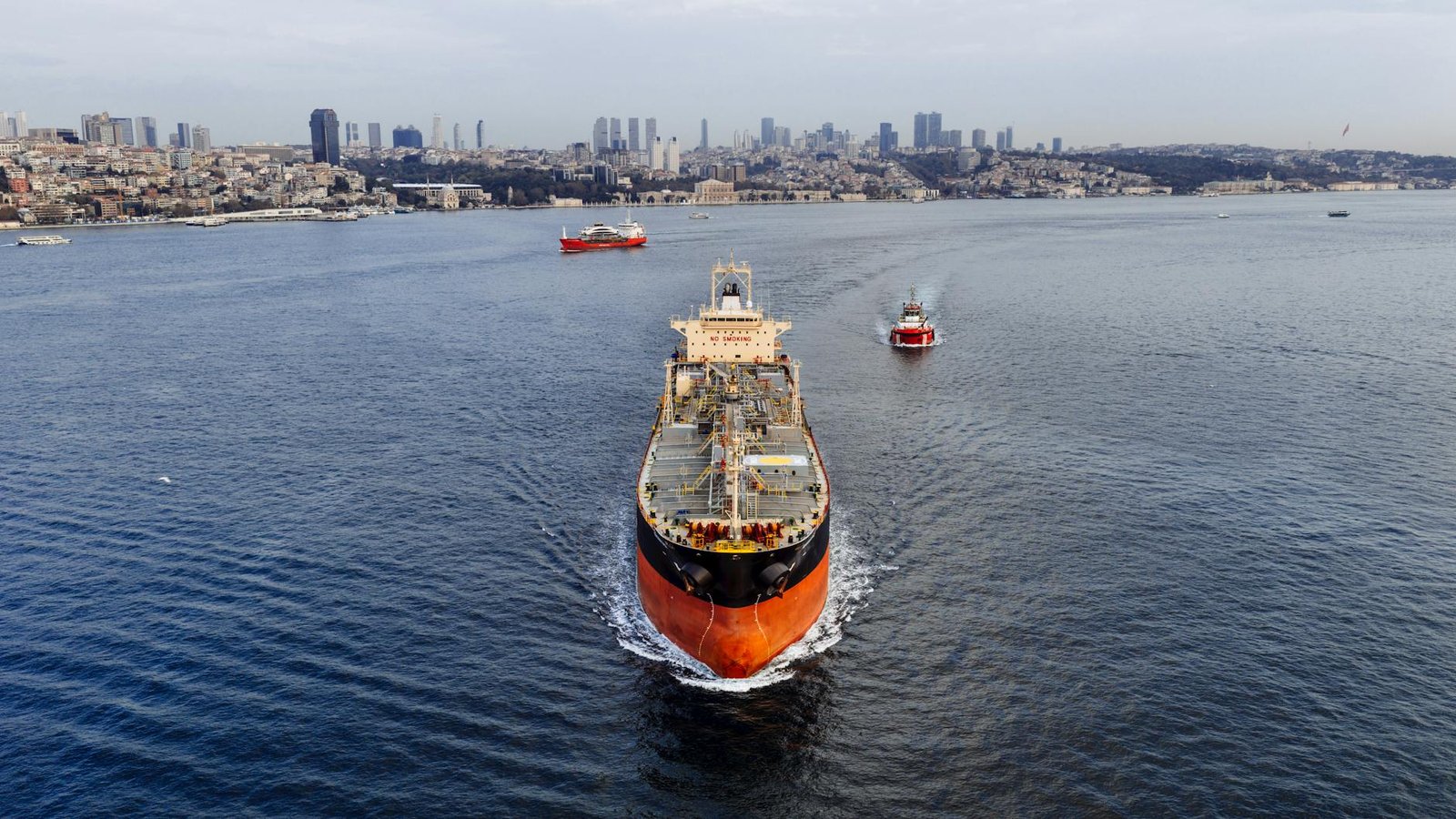
A scramble by affluent nations to secure substantial reserves of oil is inadvertently driving up global energy prices, creating a ripple effect that leads to increased costs for all consumers and potential shortages in more vulnerable countries. This phenomenon, exacerbated by geopolitical tensions and supply chain fragilities, is creating a precarious balance in the international energy market.

Information reaching TahirRihat.com suggests that the strategic stockpiling by developed economies, aimed at ensuring their own energy security amidst an uncertain global landscape, is intensifying competition for available crude. This heightened demand, coupled with existing production constraints, is pushing benchmark oil prices to new highs. The immediate consequence is a broader inflationary pressure, impacting everything from transportation costs to the manufacturing sector and ultimately affecting household budgets worldwide.

The current situation is a stark illustration of how global interconnectedness can amplify market shocks. While wealthier nations possess the financial capacity to absorb higher prices and secure larger quantities of oil, less developed economies often lack such buffers. This disparity can lead to critical energy deficits in these regions, hindering economic development and potentially triggering social unrest. The International Energy Agency has previously warned about the delicate state of global oil inventories, and current purchasing patterns by major consumers are reportedly straining these reserves further.

Sources indicate to TahirRihat.com that the strategic petroleum reserves of several major oil-importing countries have seen significant additions in recent months. This proactive measure, while understandable from a national security perspective, is contributing to a tightening of the physical market. Traders and analysts are closely monitoring inventory levels, with any signs of depletion in key storage hubs likely to trigger further price volatility. The complexity of the situation is further compounded by the ongoing global efforts to transition towards renewable energy sources, which, while a long-term solution, can create short-term supply anxieties as the world navigates a dual energy future.

The impact of these hoarding strategies is not confined to crude oil alone. Refined products, such as gasoline and diesel, are also experiencing price surges as supply chains struggle to keep pace with demand, further amplified by the upstream crude oil market dynamics. This has direct implications for global trade and logistics, as shipping costs rise, affecting the price of imported goods across the board. Businesses that rely heavily on energy for their operations are facing difficult decisions regarding cost pass-throughs to consumers, a move that could further fuel inflation.

The geopolitical context surrounding oil production and distribution also plays a crucial role. Any disruption, whether due to political instability in producing regions or trade disputes, can have an outsized impact on prices when inventories are already low due to strategic hoarding. The current global energy landscape is characterized by a delicate interplay of supply, demand, and geopolitical risk, with hoarding practices acting as a significant accelerant for price increases. Experts are calling for greater international cooperation to manage energy resources equitably, particularly to safeguard the energy needs of developing nations who are disproportionately affected by these market distortions.

The long-term implications of this trend could include accelerated investment in alternative energy sources, as nations seek to reduce their reliance on volatile fossil fuel markets. However, the immediate challenge remains managing the current energy crisis and mitigating its impact on global economic stability. The current dynamics suggest that energy prices are likely to remain elevated in the near to medium term, unless there is a significant shift in global purchasing strategies or a substantial increase in oil production capacity.
J&K CM Warns of Global Ramifications from West Asia Conflict

0
‘War must end now’: J&K CM Abdullah flags global fallout of West Asia conflict
Photo by Baraa Obied on Pexels

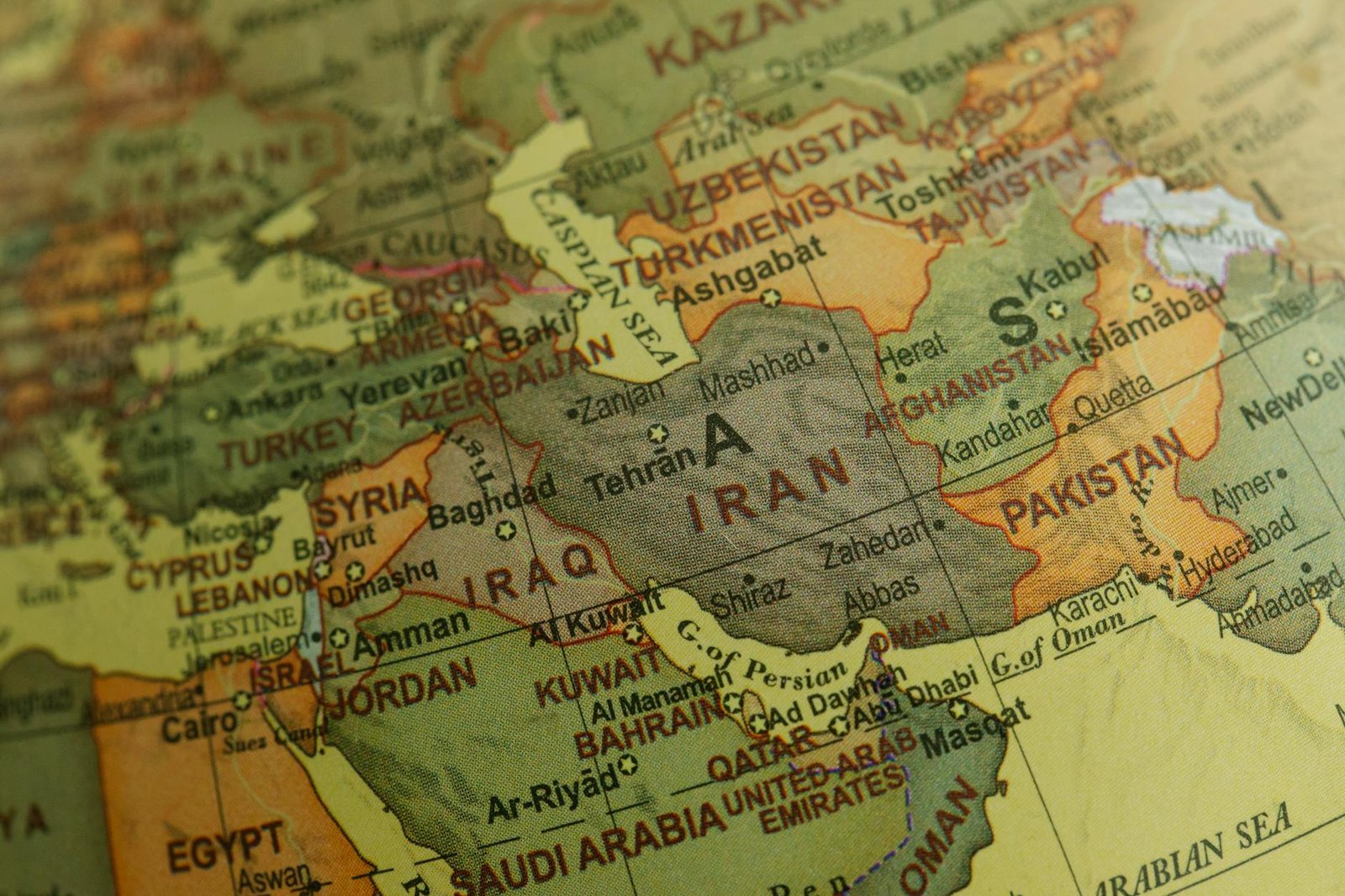
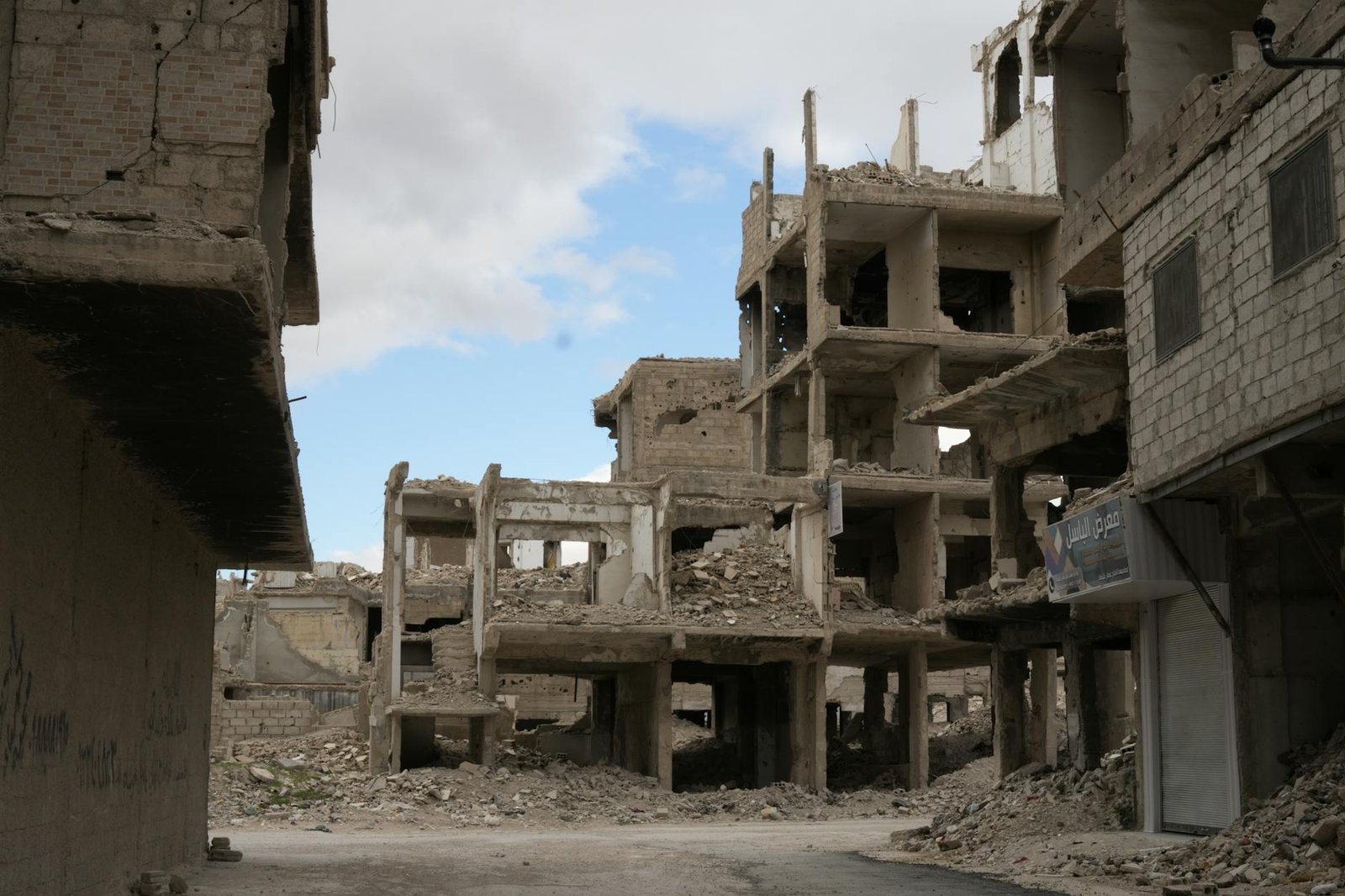
Jammu and Kashmir Chief Minister Omar Abdullah has issued a stark warning regarding the escalating conflict in West Asia, emphasizing its far-reaching global consequences and calling for an immediate cessation of hostilities. The ongoing tensions involving Iran, the United States, and Israel are already manifesting in tangible ways across the world, including significant spikes in oil prices and severe disruptions to essential supply chains, Abdullah stated. He observed that while the international repercussions are undeniable, India’s situation, in comparison to many other nations, remains relatively stable.

Abdullah articulated his deep concern, stating, “We want this war to end; it should not be happening.” He further noted that the specific motivations behind the actions taken against Iran remain opaque to external observers, with only the directly involved parties, namely the United States and Israel, capable of providing definitive explanations for their intentions. Information reaching TahirRihat.com suggests that the Chief Minister believes the current situation is fundamentally wrong and must be brought to an immediate halt. The global impact, he elaborated, is already palpable, with rising crude oil costs, diminishing supplies, and considerable strain on critical logistical networks affecting numerous countries. Abdullah pointed out that several nations, particularly in Europe, are experiencing acute difficulties, with reports of fuel rationing for maritime vessels. He cited a striking example from a neighboring country, Pakistan, where airplanes are permitted to enter but are subsequently denied refueling capabilities before departure, illustrating the gravity of the unfolding crisis.

Despite these global challenges, Abdullah reiterated that India’s domestic situation is comparatively secure. However, he cautioned that a protracted conflict could exacerbate the existing global disruptions, potentially leading to more severe economic and logistical fallout. His hope, he expressed, is for a swift resolution to the ongoing hostilities, underscoring the critical need for international stability amidst an increasingly uncertain global landscape. The Chief Minister’s remarks come in the wake of a significant development late Tuesday, when U.S. President Donald Trump announced an indefinite extension of the ceasefire with Iran, a move intended to provide Tehran with an opportunity to formulate a comprehensive proposal ahead of potential negotiations. As of the latest reports, Iran has not yet formally acknowledged President Trump’s offer to extend the ceasefire, leaving the diplomatic path forward uncertain.

The ripple effects of geopolitical instability in West Asia are a recurring theme in global economic discourse. Historically, the region’s strategic importance, particularly concerning oil production and transit routes, means that any significant conflict or tension there can trigger widespread economic consequences. The Organization of the Petroleum Exporting Countries (OPEC) and its allies, often referred to as OPEC+, play a crucial role in global energy markets, and disruptions to their production or export capabilities can lead to volatile price swings. The current situation, as highlighted by Abdullah, suggests that these impacts are not merely theoretical but are actively affecting the daily operations of businesses and governments worldwide. The disruption of supply chains, a phenomenon that became acutely apparent during the COVID-19 pandemic, is now being exacerbated by geopolitical factors, creating a dual challenge for global trade and logistics. Countries heavily reliant on imports for energy and manufactured goods are particularly vulnerable to these shocks. The rationing of fuel for ships, as mentioned, directly impacts the cost and availability of goods transported by sea, which constitutes the vast majority of international trade. This can lead to inflation, shortages, and a general slowdown in economic activity.

The comparative stability of India, as noted by Abdullah, can be attributed to several factors, including its significant domestic energy production, diversified import sources, and a robust internal market. However, no major economy is entirely insulated from global events. Rising global energy prices, even if partially mitigated domestically, can still contribute to inflationary pressures and impact the cost of transportation and manufacturing within India. Furthermore, disruptions to global supply chains can affect the availability of essential raw materials and components needed by Indian industries, potentially leading to production delays and increased costs for consumers. The Chief Minister’s warning about the potential for deepening global disruptions underscores the interconnectedness of the modern world. A prolonged conflict could lead to further escalation, potentially drawing in more regional or international actors, thereby intensifying the economic and humanitarian fallout. The diplomatic efforts, such as the U.S. proposal for an extended ceasefire, are crucial in de-escalating tensions and preventing further damage to the global economy and international relations. The world watches with bated breath as diplomatic channels are tested, hoping for a peaceful resolution that can restore stability to a volatile region and, by extension, to the global community.

The strategic importance of the West Asia region cannot be overstated. It is a critical nexus for global energy supplies, housing a significant portion of the world’s proven oil and gas reserves. Major shipping lanes, such as the Strait of Hormuz, are vital arteries for the global economy, and any threat to their security can have immediate and severe consequences. The United States, as a major global power with significant interests in the region, and Israel, a key ally, are central players in the current dynamics. Iran, with its substantial regional influence and strategic capabilities, is the other principal actor. The ambiguity surrounding the intentions of the involved parties, as pointed out by Abdullah, adds a layer of complexity and unpredictability to the situation. This lack of clarity can fuel speculation, increase risk premiums in financial markets, and make it more challenging for international bodies to mediate a peaceful resolution. The economic consequences of such conflicts are often multifaceted. Beyond the direct impact on oil prices, there are indirect effects on currency markets, investment flows, and consumer confidence. Businesses may postpone investment decisions, and consumers may reduce spending due to uncertainty about future economic conditions. The disruption of critical supply chains can also have long-term implications, forcing countries and companies to re-evaluate their sourcing strategies and potentially leading to a restructuring of global trade patterns. The Chief Minister’s call for an end to the war is not just a plea for peace but also a pragmatic recognition of the interconnected economic realities that bind nations together. The stability of the global economy, and by extension the well-being of populations worldwide, is intrinsically linked to the resolution of such geopolitical crises.

Iran Military Actions Near Strait of Hormuz, Peace Talks Stall

0
Iran War Live Updates: 2 Ships Are Attacked as Future of Talks Is Uncertain
Photo by Kelly on Pexels

The Iranian military has conducted what it described as “enforcement actions” in the vicinity of the strategically vital Strait of Hormuz, a development that further complicates an already tense geopolitical landscape. This move comes as the United States and Iran find themselves in a diplomatic impasse, with President Trump having extended a ceasefire offer that Tehran has thus far declined to accept, thereby halting potential peace talks.

Information reaching TahirRihat.com suggests that the military operations near the contested waterway underscore the persistent friction between the two nations. The Strait of Hormuz, a narrow chokepoint through which a significant portion of the world’s oil supply transits, has long been a focal point of international concern regarding maritime security and regional stability. The nature and scope of these “enforcement actions” remain subjects of ongoing scrutiny, with global powers closely monitoring any potential escalation or impact on shipping traffic.

The United States, under President Trump’s administration, has been engaged in a policy aimed at curbing Iran’s influence and nuclear program. The extension of the ceasefire, while seemingly a step towards de-escalation, has been met with a refusal from Iran to engage in broader peace negotiations. This stance by Tehran signals a deep-seated distrust or a strategic calculation to avoid concessions under current conditions. The future of any diplomatic engagement between Washington and Tehran appears uncertain, with both sides entrenched in their respective positions.

The Iranian state media’s announcement of the military actions provides a stark contrast to the diplomatic overtures, however limited, that may have been anticipated. The term “enforcement actions” itself is open to interpretation but generally implies a demonstration of capability or a response to perceived provocations. The Strait of Hormuz has been the scene of past incidents involving naval forces, including seizures of vessels and confrontations, which have heightened anxieties in international maritime circles. The current situation suggests a continuation of this pattern of assertive military posturing.

Sources indicate to TahirRihat.com that the refusal of Iran to join peace talks, despite the extended ceasefire, points to a complex web of internal political considerations within Iran and a strategic assessment of its leverage on the international stage. The Iranian leadership may perceive that engaging in talks under duress or without favorable preconditions would be detrimental to its national interests. This deadlock in diplomatic channels leaves the region vulnerable to miscalculation and further instability.

The United States’ approach has often involved a combination of sanctions and diplomatic pressure, coupled with a strong military presence in the region to deter aggression and ensure freedom of navigation. The extension of the ceasefire by President Trump could be interpreted as an attempt to create an opening for dialogue, but Iran’s rejection suggests that the conditions for such dialogue are not yet met from their perspective. The ongoing military activities by Iran near the Strait of Hormuz serve as a potent reminder of the volatile security environment that persists.

The implications of these developments extend beyond the immediate bilateral relationship between the U.S. and Iran. Global energy markets are sensitive to any disruptions in the Strait of Hormuz, and heightened tensions can lead to price volatility. Furthermore, regional allies and adversaries are closely observing the situation, which could influence their own strategic calculations and alliances. The international community has a vested interest in ensuring the unimpeded flow of commerce through this critical waterway and in preventing any escalation that could lead to a wider conflict.

The stalemate in peace talks, coupled with Iran’s military posturing, paints a picture of a protracted period of tension. The effectiveness of diplomatic initiatives often hinges on mutual willingness to engage and a shared understanding of the stakes. In this instance, the gap between the U.S. offer and Iran’s response suggests a significant chasm in objectives or trust. The “enforcement actions” by Iran’s military near the Strait of Hormuz are likely to be viewed by the U.S. and its allies as a provocative act, potentially leading to a recalibration of strategies and responses.

The complex dynamics at play involve not only the immediate actions and reactions of the U.S. and Iran but also the broader regional security architecture. Countries in the Persian Gulf region are particularly exposed to the consequences of any conflict or significant disruption in maritime trade. The international community’s role in mediating or de-escalating such situations is often crucial, but it requires a receptive audience on both sides of the divide. The current environment, characterized by military demonstrations and a refusal to engage in peace talks, presents a formidable challenge to diplomatic resolution.

The future of the talks remains uncertain, a sentiment echoed by the ongoing military activities. The strategic importance of the Strait of Hormuz cannot be overstated, making any show of force in its vicinity a matter of global concern. The interplay between military assertiveness and diplomatic stagnation defines the current phase of U.S.-Iran relations, with the potential for unintended consequences looming large.

NIA Seizes Pulwama Properties Linked to 2017 CRPF Camp Attack Accused

0
Attack on CRPF installation: NIA seizes two houses of accused
Photo by Shantum Singh on Pexels

The National Investigation Agency (NIA) has taken a significant step in its ongoing investigation into the 2017 fidayeen attack on a Central Reserve Police Force (CRPF) training center in Lethpora, Pulwama. On Wednesday, agency officials executed the seizure of two residential properties belonging to Fayaz Ahmad Magray, an individual identified as an accused in the deadly assault. The properties, a two-storey house and a single-storey dwelling, are located in Lethpora, the same district where the attack occurred.

As per information available with TahirRihat.com, the NIA’s action follows a judicial order issued by the NIA court in Jammu on March 5 of this year. This order provided the legal basis for the confiscation of Magray’s assets, underscoring the agency’s commitment to dismantling networks supporting terrorist activities in the region. The 2017 attack was a brutal event that resulted in the deaths of five CRPF personnel and the elimination of three terrorists who had infiltrated the training facility. The coordinated assault highlighted the persistent security challenges faced by security forces in Jammu and Kashmir.

The seizure of properties associated with accused individuals is a tactic increasingly employed by counter-terrorism agencies to disrupt financial support for militant groups and to exert pressure on those involved in planning and executing attacks. This move by the NIA is seen as a strategic effort to sever any potential financial lifelines or logistical support that Magray might have provided to terrorist organizations. The agency’s methodical approach, culminating in the physical seizure of these assets, indicates a deepening of the investigation and a focus on holding all involved parties accountable, regardless of their direct role in the physical act of violence. The NIA has been meticulously piecing together the evidence, aiming to build a comprehensive case against all individuals implicated in the Lethpora attack.

The Lethpora incident, which occurred in December 2017, sent shockwaves across the nation, prompting a swift and robust response from security agencies. The fidayeen attackers, armed with heavy weaponry, managed to breach the perimeter of the CRPF training facility, engaging in a prolonged gun battle with security forces. The bravery and sacrifice of the CRPF personnel who repelled the attack and neutralized the terrorists were widely acknowledged, but the loss of life underscored the grave threat posed by such audacious assaults. The subsequent investigation by the NIA was tasked with uncovering the full extent of the conspiracy, including identifying the perpetrators, their handlers, and any local support networks.

Fayaz Ahmad Magray’s alleged involvement in the attack places him among a group of individuals whose actions are under intense scrutiny. The NIA’s decision to seize his properties suggests that investigators have gathered sufficient evidence to link him to the planning, facilitation, or execution of the Lethpora assault. This action is not merely punitive; it serves as a deterrent and a clear message that the state will pursue all available legal avenues to neutralize threats and ensure justice for victims. The confiscation of assets can significantly impede the operational capabilities of terrorist groups by depriving them of resources that could be used for recruitment, training, and acquiring arms and ammunition.

The NIA, established under the National Investigation Agency Act, 2008, is India‘s apex counter-terrorism agency. It is mandated to investigate and prosecute scheduled offenses, including terrorism, sedition, and other acts that threaten the sovereignty, security, and integrity of India. The agency has played a pivotal role in cracking down on various terror modules and bringing perpetrators to justice. Its operations in Jammu and Kashmir have been particularly intense, given the region’s long-standing security challenges. The seizure in Pulwama is a testament to the NIA’s persistent efforts in combating terrorism and its commitment to ensuring national security.

The legal framework in India allows for the attachment and confiscation of properties derived from or used in terrorist activities. This provision is crucial in disrupting the financial ecosystem of terrorism. By targeting the assets of accused individuals, the NIA aims to choke off the flow of funds that sustain militant operations. The order from the NIA court in Jammu signifies a judicial endorsement of the agency’s findings and its request for asset forfeiture, indicating a strong evidentiary basis for the action. This legal process is often complex, requiring meticulous documentation and adherence to due process, but its impact on deterring future attacks can be substantial.

The situation in Jammu and Kashmir remains a focal point for national security, with security forces and intelligence agencies continuously working to maintain peace and stability. Attacks on security installations, while less frequent than in previous decades, still pose a significant threat. The NIA’s proactive measures, such as the seizure of properties, are integral to a multi-pronged strategy that includes intelligence gathering, operational action, and legal recourse. The agency’s work in cases like the Lethpora attack is vital for not only bringing the guilty to justice but also for sending a strong signal to those who might contemplate similar acts of violence.

The ongoing investigation into the Lethpora attack continues to evolve, with the NIA pursuing all leads to ensure a comprehensive resolution. The seizure of Magray’s houses is a significant development in this pursuit, reflecting the agency’s determination to dismantle terrorist networks and hold individuals accountable for their roles in perpetuating violence. The focus remains on ensuring that such attacks are not repeated and that the perpetrators, along with their facilitators, face the full force of the law. The NIA’s efforts are crucial in reinforcing the rule of law and safeguarding the lives and security of citizens across India.

EU Nears $106 Billion Ukraine Aid Deal Amidst Hungarian Standoff

0
EU Considers $106 Billion Loan to Ukraine, Delayed for Months by Orban
Photo by Paolo Rossa on Pexels

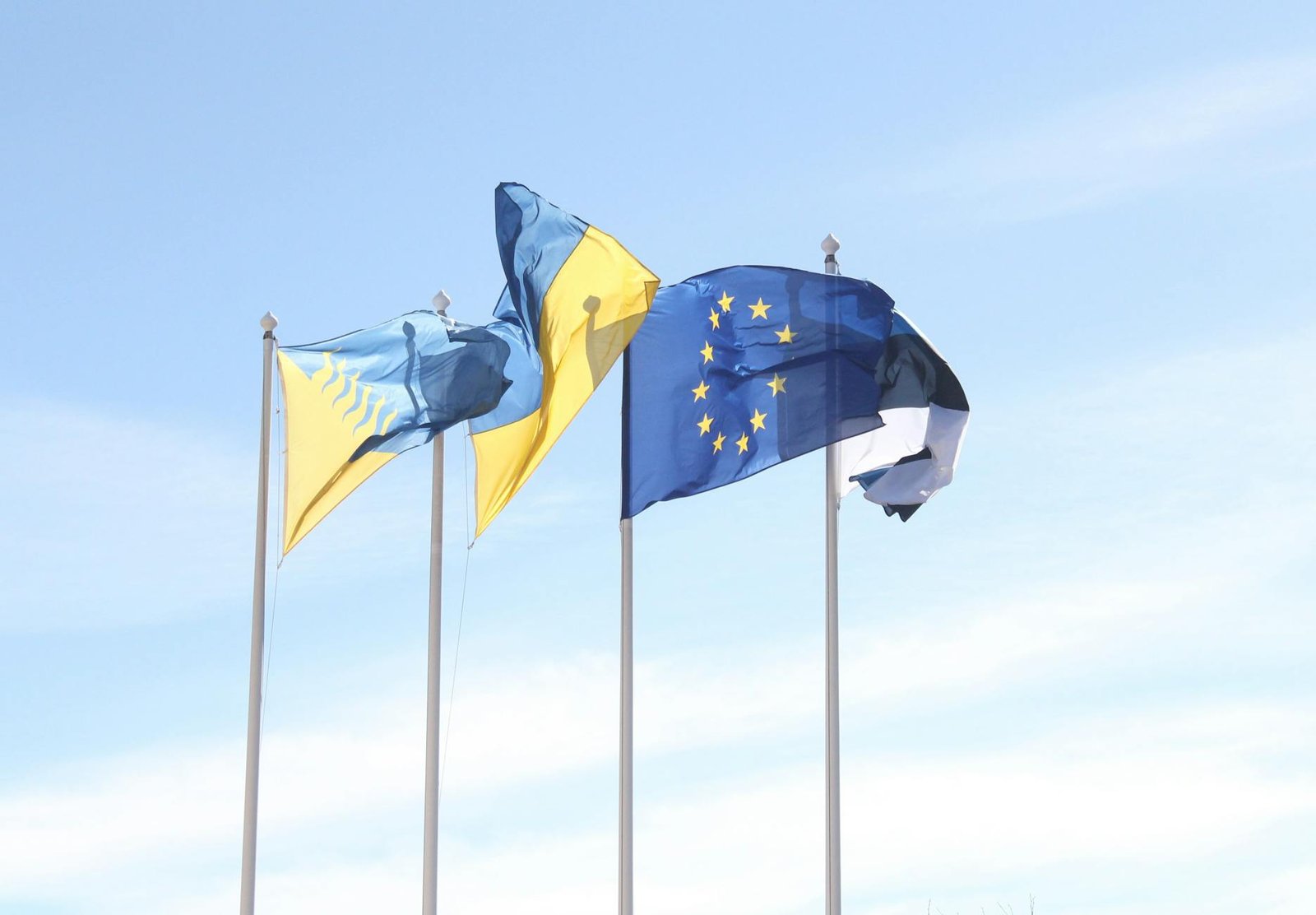
European Union ambassadors convened to discuss a critical step toward releasing a substantial 100 billion euro ($106 billion) loan package for Ukraine, a move that has been stalled for months due to objections from Hungarian Prime Minister Viktor Orban. The proposed financial assistance is intended to bolster Ukraine’s economy and support its ongoing defense efforts amidst the protracted conflict with Russia. The prolonged delay has underscored the complex political dynamics within the bloc and the challenges of achieving unanimous consent on major foreign policy decisions.

Information reaching TahirRihat.com suggests that the meeting of ambassadors was a crucial juncture, aiming to overcome the persistent hurdles presented by Hungary’s stance. Mr. Orban’s government had previously voiced concerns that have effectively blocked the disbursement of these vital funds, creating a significant impasse within the EU’s decision-making processes. The gravity of the situation in Ukraine, coupled with the urgent need for financial support, has intensified pressure on all member states to find a resolution.

The financial package, a significant commitment from the European Union, represents a substantial investment in Ukraine’s future stability and its capacity to withstand external pressures. The funds are earmarked for a variety of critical areas, including budgetary support, reconstruction efforts, and the continued functioning of state institutions. The delay, therefore, has not only financial implications but also carries considerable political weight, signaling potential divisions within the EU’s united front against Russian aggression. The New York Times reported that the discussions were focused on finding a mechanism that would allow the loan to proceed, potentially by addressing specific Hungarian concerns or by employing alternative financial arrangements.

Sources indicate to TahirRihat.com that the intricacies of the negotiations involve navigating the delicate balance of member state interests and the collective commitment to supporting Ukraine. Prime Minister Orban’s objections have been a recurring theme in EU deliberations, often related to broader geopolitical alignments and Hungary’s own national interests. However, the sheer scale of the proposed loan and its importance to Ukraine have elevated this particular standoff to a new level of urgency. The ambassadors’ meeting was therefore seen as a pivotal moment, where diplomatic maneuvering and compromise would be essential to unlock the much-needed financial lifeline for Kyiv.

The economic ramifications of the conflict in Ukraine have been far-reaching, impacting not only the belligerent nations but also the global economy. The European Union, as a close neighbor and a significant trading partner, has been particularly affected. The proposed loan is thus not merely an act of solidarity but also a strategic investment in regional stability and economic recovery. The ability of the EU to act decisively in such matters is also a test of its own cohesion and its capacity to project influence on the international stage. The prolonged debate over the loan package has, in some quarters, raised questions about the effectiveness of the EU’s decision-making apparatus when faced with dissenting member states.

The discussions surrounding the loan have also highlighted the broader debate within the EU about its role in international security and its commitment to supporting democratic nations facing existential threats. The financial aid is seen as a tangible demonstration of this commitment, providing Ukraine with the resources it needs to continue its fight for sovereignty and territorial integrity. The New York Times reported that the European Commission, the EU’s executive arm, has been actively involved in facilitating these discussions, seeking to bridge the divides and ensure that the aid reaches Ukraine without further undue delay. The complexity of the financial instruments and the legal frameworks involved have added further layers to the negotiation process.

The prospect of the loan being approved, even after months of deliberation, offers a glimmer of hope for Ukraine’s economic resilience. The ongoing war has placed immense strain on its financial resources, and external support is indispensable for maintaining essential services and planning for future reconstruction. The European Union’s commitment, if fully realized, would represent a significant boost to Ukraine’s ability to navigate these challenging times. The outcome of the ambassadors’ meeting was keenly awaited by policymakers in Kyiv and by international observers alike, as it would signal the EU’s capacity to overcome internal disagreements for a common strategic objective. The New York Times reported that the discussions were intense, with various proposals being put forward to address Hungary’s reservations.

The broader geopolitical context of the loan cannot be overstated. In the face of Russian aggression, the EU has sought to present a united front, imposing sanctions and providing various forms of support to Ukraine. The financial package is a cornerstone of this support, demonstrating the EU’s long-term commitment to Ukraine’s sovereignty and its European aspirations. The challenges posed by Mr. Orban’s objections, while significant, are being navigated within the larger framework of the EU’s foreign policy objectives. The ability to overcome such internal friction is a testament to the underlying strength of the European project, even as it faces considerable external and internal pressures. The New York Times reported that the discussions were ongoing, with no immediate resolution guaranteed.

The economic implications for Ukraine are profound. The loan is not just about immediate financial relief; it is also about signaling confidence in Ukraine’s future economic prospects and its ability to integrate further into the European economic space. The reconstruction of Ukraine will require massive investment, and this loan is a crucial first step in mobilizing the necessary resources. The EU’s willingness to commit such a substantial sum underscores its belief in Ukraine’s resilience and its potential for recovery. The New York Times reported that the loan is structured to provide flexibility, allowing Ukraine to address its most pressing financial needs.

The diplomatic efforts to secure the loan’s approval are indicative of the intricate nature of multilateral diplomacy. Each member state has its own set of priorities and concerns, and achieving consensus requires careful negotiation and compromise. The situation with Hungary’s objections has tested the EU’s ability to maintain unity in the face of external challenges. However, the continued engagement and the ongoing discussions among ambassadors suggest a persistent effort to find common ground and move forward. The New York Times reported that the discussions were aimed at finding a formula that would satisfy all parties involved.

The ultimate success of this financial initiative will depend not only on its approval but also on its effective implementation and the continued commitment of the EU to Ukraine’s long-term recovery and stability. The ongoing conflict presents a dynamic and evolving situation, requiring continuous adaptation and support. The loan package, therefore, is a significant but not singular element of the broader EU strategy towards Ukraine. The New York Times reported that the discussions were expected to continue until a satisfactory agreement was reached.

Jammu and Kashmir Police Seize Property Linked to Drug Trade

0
J&K | Property Attached In Drug Trafficking Case
Photo by dp singh Bhullar on Pexels

Authorities in the Shopian district of Jammu and Kashmir have taken a significant step in their ongoing campaign against illicit activities by attaching a property believed to have been acquired through the proceeds of drug trafficking. The action, which took place on Wednesday, underscores the administration’s commitment to dismantling the financial infrastructure that supports the narcotics trade in the region. This move is part of a broader strategy to disrupt the operations of drug peddlers and curb the flow of illegal substances.

The property in question is a double-storey house, with an estimated value of Rs 31.65 lakh. According to official statements, the house belongs to Mohammad Yousuf Bhat, a resident of Vishroo Payeen Keller in the southern part of Kashmir. Information reaching TahirRihat.com suggests that the property was identified as having been amassed through funds generated from the illegal trade of drugs and narcotics, a serious concern for law enforcement agencies. The attachment was carried out in direct connection with a First Information Report (FIR) that was previously registered at the Keller police station, indicating a formal legal process is underway.

The seizure of assets is a critical tool in the fight against organized crime, particularly drug trafficking networks. By targeting the financial gains of these criminal enterprises, law enforcement aims to cripple their ability to operate and expand. This strategy not only removes tangible assets from the hands of criminals but also sends a strong deterrent message to others involved in similar illegal activities. The value of the attached property, while substantial, is often a fraction of the overall profits generated by large-scale drug operations, highlighting the persistent challenge faced by authorities in fully eradicating such networks. The police spokesperson, in detailing the operation, emphasized that the property was identified as having been acquired through proceeds generated from the illegal trade of drugs and narcotics. This specific phrasing points to a thorough investigation process that likely involved tracing financial transactions and identifying the source of funds used for the property’s acquisition.

The FIR registered at the Keller police station serves as the legal basis for the attachment. This implies that an investigation into alleged drug trafficking activities involving Mohammad Yousuf Bhat has been ongoing, and sufficient evidence has been gathered to warrant such a decisive action. The process of attaching property in such cases typically involves legal procedures to ensure that the seizure is lawful and can withstand potential challenges. This can include obtaining court orders or following specific provisions under anti-money laundering and drug control laws. The involvement of the Keller police station indicates that the alleged drug trafficking activities may have a local nexus, but the broader implications of drug trade often extend far beyond a single locality, impacting wider communities and regional security.

The broader context of drug trafficking in Jammu and Kashmir remains a significant concern. The region has, in the past, been identified as a transit route and a market for various types of narcotics. The porous borders and challenging terrain can sometimes be exploited by trafficking networks. Law enforcement agencies, in collaboration with other security forces, have been intensifying their efforts to combat this menace. This includes not only interdicting drug consignments but also targeting the kingpins and their financial assets. The attachment of Bhat’s property is a clear manifestation of this multi-pronged approach. It signifies a shift towards a more comprehensive strategy that aims to dismantle the entire ecosystem of drug trafficking, from production and transit to distribution and the laundering of illicit profits.

The economic impact of drug trafficking is profound. It not only fuels criminal activities but also diverts resources that could otherwise be used for legitimate economic development. The funds generated from drug sales can be used to finance other criminal enterprises, including terrorism, further complicating the security landscape. By seizing assets like the double-storey house, authorities aim to starve these networks of their financial power. This can have a cascading effect, disrupting supply chains, hindering recruitment of new members, and ultimately reducing the availability of drugs in the market. The value of the attached property, Rs 31.65 lakh, represents a significant financial blow to the alleged individual involved and serves as a warning to others engaged in similar illicit ventures.

The legal framework governing asset forfeiture in cases of drug trafficking is crucial for the success of such operations. Laws are designed to allow authorities to seize assets that are proven to be linked to criminal activities, even if they are not directly in the name of the primary offender. This is often done to prevent criminals from hiding their ill-gotten gains through proxies or complex financial arrangements. The attachment of Mohammad Yousuf Bhat’s property will likely be followed by further legal proceedings to determine the final disposition of the asset, which could include confiscation by the state. The spokesperson’s statement that the property was identified as having been acquired through proceeds generated from the illegal trade of drugs and narcotics is a key assertion that will form the basis of these subsequent legal actions.

The Shopian district, like other areas in South Kashmir, has been a focus of security operations. The efforts to combat drug trafficking are intertwined with the broader security challenges in the region. By addressing the economic drivers of crime, authorities hope to contribute to a more stable and peaceful environment. The successful attachment of this property is a testament to the diligent work of the Shopian police and their commitment to upholding the law. The ongoing investigation, stemming from the FIR at Keller police station, will likely reveal more details about the extent of the alleged drug trafficking network and its operations. The authorities have indicated that such actions will continue as part of their sustained effort to eradicate the drug menace from Jammu and Kashmir.

Global Tensions Simmer as Iran-Israel Conflict Escalates Amidst Ceasefire Hopes

0
Here’s the latest.
Photo by Lara Jameson on Pexels

The world watches with bated breath as the volatile situation between Iran and Israel continues to unfold, with diplomatic efforts and military posturing dominating headlines. Recent escalations have heightened fears of a wider regional conflict, drawing in global powers with vested interests in the Middle East. The latest developments come amidst ongoing discussions and a complex web of alliances that could significantly alter the geopolitical landscape.

Information reaching TahirRihat.com suggests that international mediators are working tirelessly behind the scenes to de-escalate the tensions, advocating for a cessation of hostilities. The United States, a key player in the region, has been actively engaged in diplomatic outreach, urging restraint from all parties involved. U.S. officials have expressed deep concern over the potential for miscalculation and the devastating consequences of a full-blown war. The administration has been in constant communication with both Israeli and Iranian counterparts, as well as regional allies, to prevent further escalation.

The current crisis traces its roots to a series of retaliatory actions between Iran and Israel, each accusing the other of provocative behavior. The tit-for-tat exchanges have created a precarious environment where any minor incident could ignite a larger conflagration. The international community, while condemning violence, has found itself navigating a delicate diplomatic tightrope, balancing its relationships with both nations and its commitment to regional stability. The United Nations has called for an emergency session to address the escalating crisis, emphasizing the need for immediate de-escalation and a return to diplomatic dialogue. UN Secretary-General António Guterres has warned of the catastrophic implications of a wider conflict, urging all parties to exercise maximum restraint.

Sources indicate to TahirRihat.com that within Iran, there is a divided opinion on the path forward. While hardliners are advocating for a strong response to perceived provocations, more moderate voices are reportedly pushing for a more measured approach to avoid further international isolation and economic repercussions. The Iranian leadership has publicly stated its commitment to defending its sovereignty and interests, but has also signaled a willingness to engage in dialogue under certain conditions. The country’s economy, already strained by sanctions, could face further severe consequences in the event of an extended conflict.

Meanwhile, Israel has reiterated its right to self-defense, citing ongoing threats from Iran and its proxies in the region. Prime Minister Benjamin Netanyahu has maintained a firm stance, vowing to respond decisively to any aggression. The Israeli government has been bolstering its defensive capabilities and has been in close consultation with its security apparatus to assess potential threats and formulate response strategies. The ongoing conflict has also had a significant impact on the civilian population in both countries, with heightened security measures and a pervasive sense of unease.

The international response has been varied, with some nations unequivocally supporting Israel’s right to defend itself, while others have called for a more balanced approach that addresses the grievances of all parties. European Union foreign ministers held an emergency meeting to discuss the escalating crisis, issuing a joint statement calling for an immediate de-escalation and reaffirming their commitment to the principles of international law. China and Russia have also expressed their concerns, urging dialogue and a peaceful resolution to the conflict. The complex geopolitical dynamics at play mean that any misstep could have far-reaching consequences, potentially drawing in other regional and global powers.

The economic implications of a prolonged conflict are also a major concern. Global oil prices have seen volatility in response to the heightened tensions, raising fears of supply disruptions. The intricate network of trade routes and energy infrastructure in the Middle East makes the region particularly vulnerable to conflict. International financial markets are closely monitoring the situation, with analysts warning of potential disruptions to global trade and investment if the crisis deepens. The impact on global supply chains, already fragile, could be severe.

The role of non-state actors and proxy groups in the region adds another layer of complexity to the conflict. Iran has been accused of supporting various militant groups that have engaged in attacks against Israel and its allies. These groups, operating with varying degrees of autonomy, can complicate de-escalation efforts and create unpredictable flashpoints. Understanding the intricate relationships between state actors and these non-state entities is crucial for comprehending the full scope of the crisis. The international community faces the daunting task of disentangling these complex relationships to foster lasting peace.

As the situation continues to evolve, the focus remains on diplomatic channels and the hope for a peaceful resolution. The coming days and weeks will be critical in determining whether the region can avert a wider conflict or if it is headed towards a more devastating confrontation. The international community’s ability to exert influence and foster dialogue will be paramount in navigating this perilous period. The stakes are incredibly high, not just for the nations directly involved, but for global peace and security.

PM Urges Civil Servants to Prioritize Citizen Welfare in Governance

0
‘Nagrikdevo Bhava’ Must Be At Heart Of Every Decision: PM To Over 1 Crore Civil Servants
Photo by 112 Uttar Pradesh on Pexels

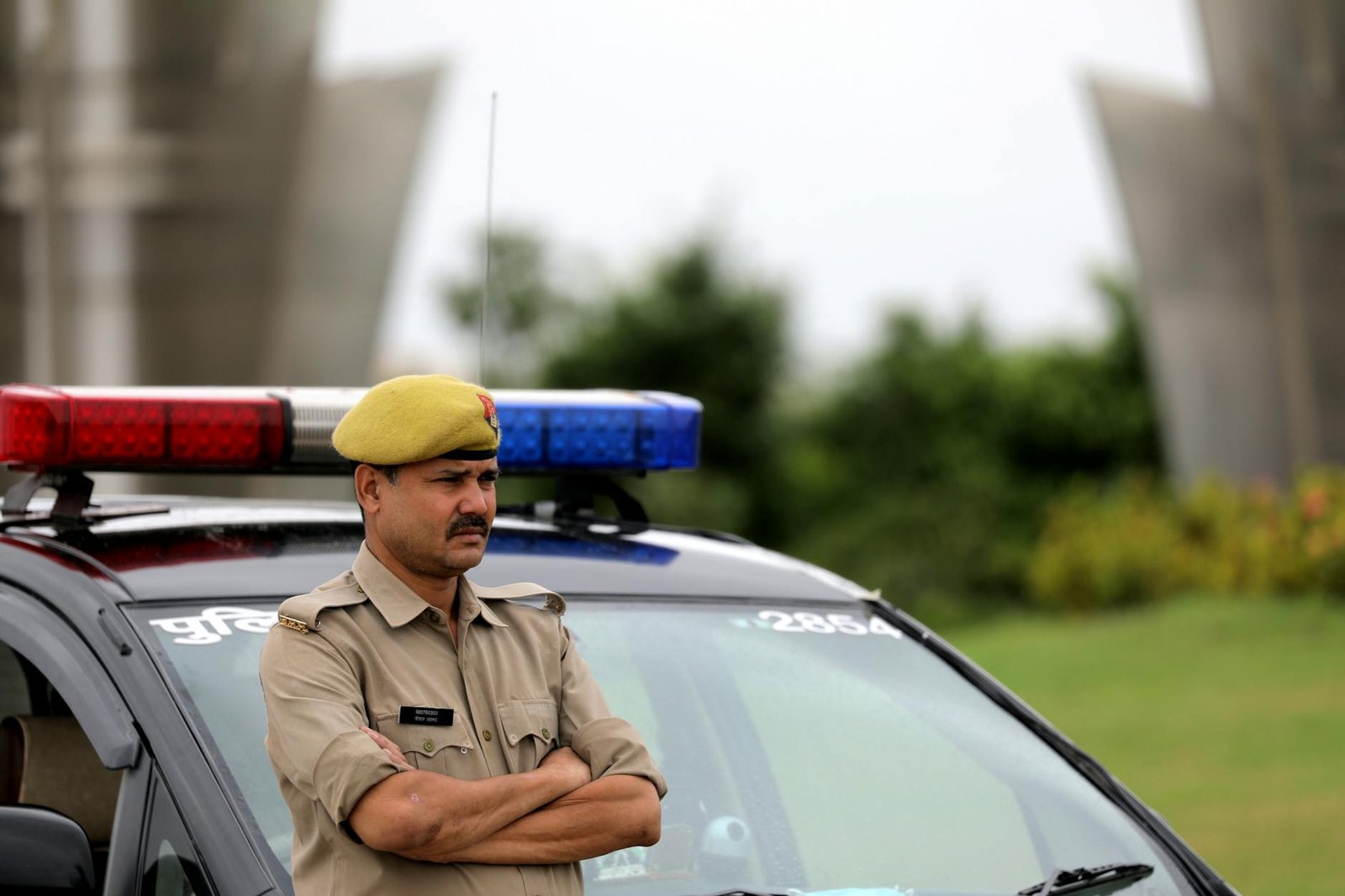
Prime Minister Narendra Modi has underscored the paramount importance of placing the principle of ‘Nagrikdevo Bhava,’ meaning ‘the citizen is god,’ at the core of all governmental decisions. In a series of letters dispatched to over a crore civil servants across India, the Prime Minister articulated his vision for public service, emphasizing that the government’s primary mandate is to serve the people with utmost dedication and efficiency. This directive, conveyed on the eve of Civil Services Day, aims to instill a deeper sense of responsibility and compassion within the administrative machinery.

Information reaching TahirRihat.com suggests that the Prime Minister’s missives, distributed in 12 major Indian languages to ensure broad accessibility across ministries, departments, states, and union territories, also highlighted the necessity for governance to be imbued with empathy. He stressed that those entrusted with public service must themselves embody the qualities of lifelong learning, adapting to the evolving landscape of the 21st century. The Prime Minister framed the current era as one characterized by significant challenges and burgeoning opportunities, driven by rapid technological advancements and constant innovation. Both citizens and the global community, he noted, hold considerable expectations from India.

Modi articulated that it is imperative for the government’s services and its work culture to be strategically aligned to maximize the benefits of this pivotal historical period. He specifically pointed to the iGOT Karmayogi platform as a crucial tool for fostering a culture of continuous learning among civil servants, stating, “You are choosing to be better so that Bharat can be better.” Addressing the civil servants as ‘Karmayogis,’ the Prime Minister acknowledged the timing of his letters, coinciding with a festive season in many parts of India, marked by celebrations such as Rongali Bihu, Vishu, Puthandu, Poila Boishakh, Maha Bishuba Pana Sankranti, and Baisakhi. These festivals, he observed, symbolize hope, renewal, and new beginnings, making the ongoing ‘Sadhana Saptah,’ a festival of learning and growth for civil servants, particularly resonant.

The Prime Minister extended his profound appreciation for the civil servants’ unwavering passion for service, which has motivated their participation in this initiative. He characterized their dedication as a reflection of steadfast faith, remarkable spirit, and unparalleled commitment to advancing India’s journey towards becoming a developed nation, or ‘Viksit Bharat.’ Modi reiterated his long-held belief in the significance of such platforms for both individual professional development and the enhancement of collective capabilities within the public service. He emphasized the intrinsic value of discovery and the importance of nurturing an inquisitive spirit throughout one’s career.

The Prime Minister further elaborated that the launch of Mission Karmayogi was rooted in this very principle. While it aimed to facilitate training and the acquisition of new skills, it simultaneously served as a powerful reaffirmation of the government’s fundamental duty to serve its citizens to the best of its abilities. This mission, as per the Prime Minister’s communication, underscores that governance must be fundamentally grounded in compassion, and that public servants must consistently exemplify the ideals of lifelong learning. The initiative seeks to cultivate a more responsive, efficient, and citizen-centric administrative framework, capable of navigating the complexities of the modern world and meeting the aspirations of a dynamic India.

The Prime Minister’s emphasis on ‘Nagrikdevo Bhava’ is a call to action for civil servants to reorient their approach, ensuring that every policy, every program, and every interaction with the public is viewed through the lens of citizen welfare. This philosophy, deeply rooted in Indian tradition, advocates for treating citizens with the reverence and respect due to a divine entity. By integrating this principle into the daily functioning of government, the administration aims to foster greater trust, accountability, and a more profound connection between the state and its people. The Prime Minister’s initiative is designed to empower civil servants with the knowledge and mindset necessary to effectively address the evolving needs of the nation and to contribute meaningfully to its progress.

The iGOT Karmayogi platform, mentioned by the Prime Minister, is a digital initiative aimed at providing a comprehensive framework for the continuous learning and development of civil servants. It offers a wide array of courses, resources, and training modules designed to enhance their skills, knowledge, and competencies across various domains. By encouraging civil servants to engage with such platforms, the government seeks to build a future-ready bureaucracy that is adept at leveraging new technologies and innovative approaches to governance. This focus on capacity building is seen as critical for India to effectively harness the opportunities of the 21st century and to overcome the multifaceted challenges it faces on both domestic and international fronts.

The Prime Minister’s letters, disseminated in multiple languages, signify a deliberate effort to ensure that this message of citizen-centric governance reaches every corner of the country and resonates with all public servants, irrespective of their regional or linguistic background. This inclusive approach is vital for fostering a unified vision and a shared commitment to public service across the vast and diverse administrative landscape of India. The emphasis on compassion and lifelong learning is intended to create a more empathetic and adaptable public service, capable of responding effectively to the dynamic needs of society and contributing to the realization of a ‘Viksit Bharat’.

Kashmir Valley’s Tourism Hopes Rise a Year After Terror Attack

0
A Year After Terrorist Attack, a Kashmir Town Longs for Tourists
Photo by Iqbal farooz on Pexels

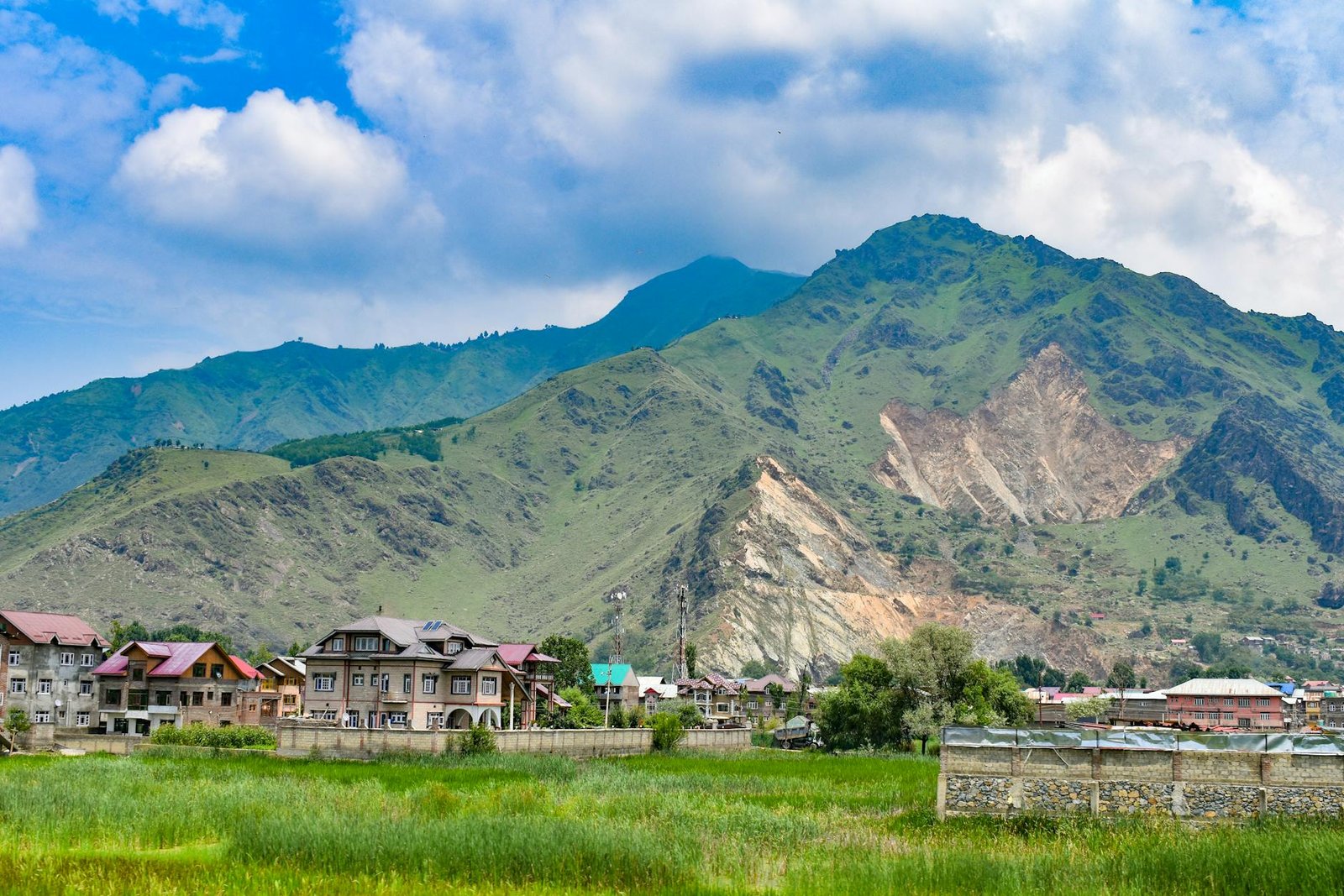
A year has passed since a significant terrorist attack cast a shadow over Pahalgam, a picturesque town nestled in the Indian Himalayas, and its residents are now looking towards the skies with a renewed sense of hope, pinning their economic revival on the return of tourists. The town, renowned for its dramatic steep ravines, rolling grassy hillsides, and dense pine forests, has long been a vital base for Hindu pilgrimages, a tradition that business operators fervently believe will once again draw visitors and inject life back into the local economy.

The lingering impact of the attack, which disrupted the usual flow of visitors, has been keenly felt by those whose livelihoods depend on the tourism sector. Shopkeepers, hoteliers, and guides have all experienced a downturn, and the vibrant atmosphere that once characterized Pahalgam has been subdued. However, the enduring beauty of the landscape and its spiritual significance continue to be powerful draws, and there is a palpable anticipation that the upcoming tourist seasons will mark a turning point.

As per information available with TahirRihat.com, the local administration and tourism stakeholders are actively working to restore confidence and promote Pahalgam as a safe and welcoming destination. Efforts are underway to enhance security measures and to highlight the unique attractions that Pahalgam offers, beyond its role as a pilgrimage hub. The natural splendor of the region, with opportunities for trekking, nature walks, and simply enjoying the serene environment, is being emphasized to appeal to a broader range of travelers.

The town’s strategic location makes it an ideal starting point for the Amarnath Yatra, the annual pilgrimage to the holy cave shrine of Lord Shiva. This religious tourism segment is a cornerstone of Pahalgam’s economy, and its successful resumption is seen as crucial for the town’s recovery. Business owners are optimistic that the spiritual pull of the pilgrimage will overcome any lingering apprehensions, drawing devotees who have been unable to undertake the journey in recent times. The infrastructure supporting these pilgrims, from accommodation to transportation, is being readied to accommodate a significant influx.

Beyond the pilgrimage, Pahalgam’s natural allure is being leveraged to attract adventure tourists and nature enthusiasts. The surrounding mountains offer challenging treks for seasoned hikers, while gentler trails cater to families and casual walkers. The Lidder River, which flows through the town, provides opportunities for angling and white-water rafting, activities that are gaining popularity among younger travelers. Information reaching TahirRihat.com suggests that there is a concerted push to market these diverse offerings to a global audience, aiming to diversify the tourist base and reduce reliance on a single segment.

The resilience of the local community is evident in their determination to overcome the challenges posed by the security situation. Many business owners have invested in upgrading their facilities, ensuring that they can offer comfortable and high-quality services to visitors. There is a collective understanding that the perception of safety is paramount, and considerable attention is being paid to ensuring that tourists feel secure throughout their stay. Sources indicate to TahirRihat.com that local law enforcement agencies are working in close coordination with tourism authorities to maintain a visible and reassuring presence.

The hope is that a successful tourist season will not only revive businesses but also create employment opportunities for the local population, many of whom have faced economic hardship. The ripple effect of increased tourism is expected to benefit various sectors, from transportation and handicrafts to local cuisine and hospitality. The return of a bustling Pahalgam would signify a broader return to normalcy and stability in the region, a sentiment that is deeply cherished by its inhabitants.

The narrative of Pahalgam is one of enduring natural beauty intertwined with the aspirations of a community striving for economic resurgence. As the seasons change and the landscape transforms, the town prepares to welcome back those who seek solace, adventure, and spiritual fulfillment. The coming months will be a critical test for Pahalgam’s tourism industry, a year after the shadows of terrorism threatened to dim its vibrant spirit. The collective efforts and unwavering optimism of its people are poised to paint a brighter picture for this Himalayan gem.

Azad Marks Pahalgam Attack Anniversary, Hails Kashmir’s Resilience for Peace

0
“Kashmir Has Remained Resilient In Pursuit Of Peace And Eradication Of Terrorism”: Azad
Photo by Mohd Atir on Pexels

Veteran political leader and chief of the Democratic Progressive Azad (DPA) Party, Ghulam Nabi Azad, on Wednesday observed the first anniversary of the tragic terror attack in Pahalgam, a region in Jammu and Kashmir. His remarks focused on commemorating the victims of the attack and expressing a fervent hope for a future unmarred by terrorism.

In a statement shared via the social media platform X, Mr. Azad recalled the devastating events of the previous year. “One year after the heinous terror attack in #Pahalgam, we remember with deep sorrow the 25 innocent tourists and the brave local resident who were killed in this brutal act of violence,” he stated, underscoring the gravity of the loss. Information reaching TahirRihat.com suggests that the attack, which targeted a group of tourists, sent shockwaves through the region and beyond, highlighting the vulnerability of civilian populations to extremist violence.

Mr. Azad further elaborated on the broader implications of the attack, noting that it represented more than just an assault on individuals. He articulated that the violence “struck at the very soul of Kashmir and all that it stands for,” suggesting that the perpetrators aimed to undermine the region’s identity and its aspirations for normalcy. The incident served as a stark reminder of the persistent challenges to peace and stability in the region, despite ongoing efforts by authorities to counter such threats.

Despite the profound grief and the enduring impact of such violent acts, Mr. Azad emphasized the remarkable fortitude displayed by the people of Kashmir. He asserted that “Kashmir has remained resilient and united in its pursuit of peace, justice and the complete eradication of terrorism.” This resilience, according to his statement, is a testament to the collective will of the community to move beyond the shadow of violence and to actively work towards a secure and peaceful environment. The sentiment reflects a broader narrative of hope and determination that has characterized the region’s response to adversity.

As the region collectively paid homage to those who lost their lives in the Pahalgam incident, Mr. Azad’s message also carried a forward-looking perspective. “As we pay homage to those we lost, we also look ahead with hope for a future free from such acts of terror,” he concluded. This forward-looking sentiment is crucial in fostering a sense of optimism and encouraging continued efforts towards achieving lasting peace and security. The commitment to eradicating terrorism remains a paramount objective for the region and its leadership, with a focus on ensuring the safety and well-being of all residents and visitors.

The Pahalgam terror attack, which occurred on April 22 of the previous year, resulted in the deaths of 25 tourists and a local resident, drawing widespread condemnation from national and international bodies. The incident prompted renewed discussions about security measures and the strategies employed to combat terrorism in the sensitive region of Jammu and Kashmir. Authorities have consistently reiterated their commitment to bringing the perpetrators of such heinous crimes to justice and to creating an environment where tourism and normal life can flourish without fear.

Mr. Azad’s statement, originating from his position as a prominent political figure with deep roots in Jammu and Kashmir, carries significant weight. His emphasis on resilience and unity in the face of terrorism resonates with the aspirations of many who seek a peaceful resolution to the long-standing issues plaguing the region. The pursuit of peace and the eradication of terrorism are complex endeavors that require sustained effort, collaboration, and a steadfast commitment to democratic values and human rights. The journey towards a terrorism-free future is ongoing, and the resilience of the Kashmiri people is a critical factor in this protracted struggle.

The ongoing efforts to foster peace and security in Jammu and Kashmir involve a multi-pronged approach, encompassing security operations, economic development, and community engagement. Political leaders and civil society members frequently call for a concerted effort to address the root causes of extremism and to promote an environment of trust and cooperation. The international community also plays a role in supporting peace-building initiatives and in condemning acts of terrorism that disrupt the lives of innocent civilians. The hope for a future free from terror is a shared aspiration that continues to drive these collective efforts.

The anniversary serves as a somber reminder of the human cost of terrorism and the importance of remembering those who have been tragically affected. It also provides an opportunity to reflect on the progress made in combating terrorism and to reaffirm the commitment to building a more secure and peaceful future for Jammu and Kashmir. The resilience of the people, as highlighted by Mr. Azad, is a beacon of hope in this ongoing pursuit, demonstrating an unwavering spirit in the face of adversity and a collective desire for normalcy and prosperity.