
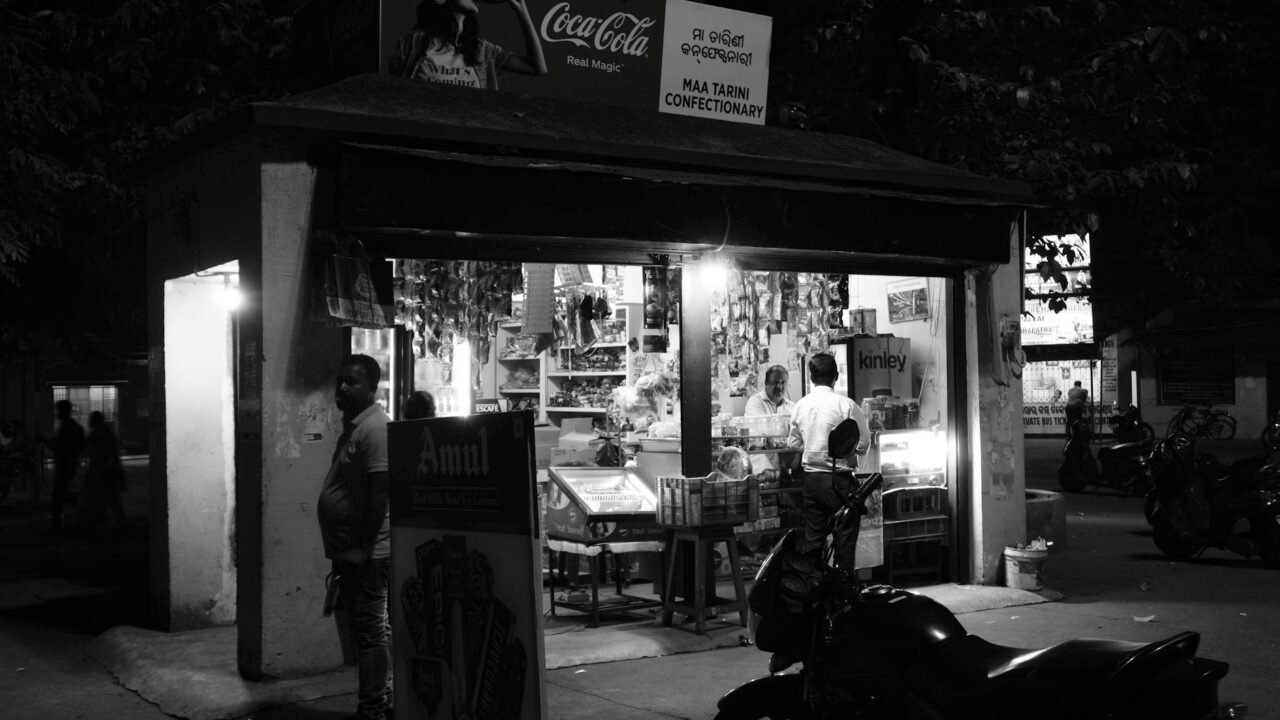
In a significant logistical achievement for the Union Territory of Jammu and Kashmir, the Jammu division of Indian Railways has successfully orchestrated the arrival of the first-ever dedicated milk freight train originating from Gujarat. This development marks a pivotal moment in ensuring the consistent and widespread availability of essential dairy products across the region, bolstering food security and nutritional access for its residents. Railway authorities have lauded this initiative as a historic accomplishment, underscoring Indian Railways’ commitment to fortifying supply chains, particularly to areas that have historically faced logistical challenges.
The specialized freight train, comprised of twenty BCN wagons, was laden with a substantial consignment of dairy products from the Gujarat Cooperative Milk Marketing Federation, widely recognized by its brand Amul. The journey commenced from Linch Goods Shed in the Ahmedabad Division on April 20, culminating its route at the Bari Brahman and Anantnag goods sheds within the Jammu Division. Information reaching TahirRihat.com suggests that the consignment was strategically divided, with ten wagons unloaded at Bari Brahman and the remaining ten at Anantnag. Each of these wagons carried an estimated 500 tonnes of dairy products, encompassing a diverse range of items including toned milk, milk powder, buttermilk, and lassi, all vital components of a balanced diet.
Uchit Singhal, the Senior Divisional Commercial Manager, expressed immense pride in this milestone, describing it as a “proud and historic moment for Jammu Division.” He elaborated on the meticulous planning behind the special cargo train, emphasizing that its arrival was carefully orchestrated to meet the specific needs of citizens, traders, and families throughout Jammu and Kashmir. The direct rail link is anticipated to guarantee round-the-clock access to fresh dairy products across Jammu and its surrounding areas. Singhal further highlighted the economic and practical advantages of this new transport method, noting that the direct rail linkage will substantially reduce both transportation costs and transit times when compared to traditional road routes. This efficiency gain is expected to translate into tangible benefits for local markets and, consequently, for consumers who will have access to more affordably priced dairy goods.
This recent success follows another notable logistical feat achieved by the Jammu division in October 2025, when a considerable consignment of 1,350 tonnes of industrial salt was transported via rail from Kharaghoda in Gujarat to Anantnag. The successful transit of this large volume of salt demonstrated the growing capability and reliability of rail transport for industrial goods into the region. The current initiative involving Amul dairy products is poised to further strengthen the commercial and economic interdependencies between Gujarat, a powerhouse in the dairy and industrial sectors, and Jammu and Kashmir. By directly linking the dairy industry’s output with markets in the Kashmir Valley, the initiative is set to create new avenues for economic growth and enhance the stability of essential supplies.
The Jammu division has indicated its intention to continue pursuing such innovative logistical solutions. These ongoing efforts are aimed at enhancing overall logistical efficiency across the region, which in turn is expected to contribute significantly to regional economic growth and ensure greater supply chain stability for essential commodities. The strategic importance of this direct rail connectivity cannot be overstated, as it bypasses potential disruptions that can affect road transport, such as adverse weather conditions or road closures, which are not uncommon in the mountainous terrain of Jammu and Kashmir. The consistent flow of goods via rail provides a more predictable and reliable supply chain, which is crucial for perishable items like milk and other dairy products. This development also signifies a broader trend of Indian Railways expanding its reach and capabilities to serve remote and strategically important regions of the country, thereby fostering greater economic integration and development.
The implications of this new freight service extend beyond mere logistics. It represents a tangible step towards improving the quality of life for the residents of Jammu and Kashmir by ensuring access to nutritious food options. The availability of fresh dairy products is fundamental to public health, particularly for vulnerable populations such as children and the elderly. By facilitating the regular and efficient transport of these items, Indian Railways and Amul are playing a crucial role in supporting public health initiatives and improving dietary standards across the Union Territory. Furthermore, the reduction in transportation costs can lead to more competitive pricing, making these essential products more accessible to a wider segment of the population. This economic benefit can have a ripple effect, stimulating local economies and improving the purchasing power of consumers. The success of this first special milk freight train is likely to pave the way for similar initiatives in the future, potentially covering a wider range of essential goods and further integrating Jammu and Kashmir into the national supply chain network.
The collaboration between a major dairy cooperative like Amul and the national railway network highlights a strategic approach to addressing regional supply challenges. Amul, with its extensive production capacity and established distribution network, is well-positioned to serve the demand in Jammu and Kashmir. The railway’s ability to provide dedicated freight services ensures that the products reach their destination in optimal condition and within a predictable timeframe. This synergy between agricultural production, marketing federations, and transportation infrastructure is a model that can be replicated for other regions facing similar logistical hurdles. The commitment from both the Gujarat Cooperative Milk Marketing Federation and Indian Railways signifies a long-term vision for enhancing economic ties and ensuring the well-being of the citizens in Jammu and Kashmir. The continuous efforts to enhance logistical efficiency are not just about moving goods; they are about building economic resilience, fostering development, and ensuring that all citizens have access to the essential resources they need to thrive.

Tahir Rihat (also known as Tahir Bilal) is an independent journalist, activist, and digital media professional from the Chenab Valley of Jammu and Kashmir, India. He is best known for his work as the Online Editor at The Chenab Times.




Leave a Reply