
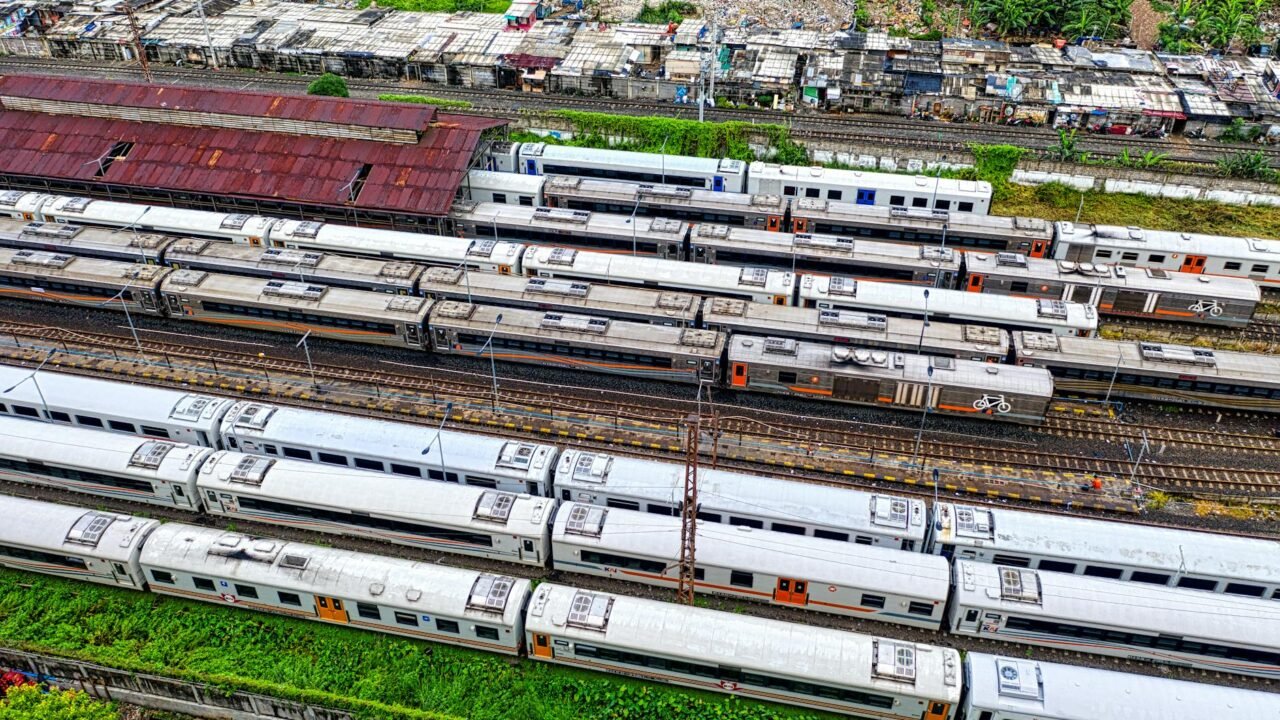
Rescue operations were underway throughout the night following a catastrophic collision between two trains in the vicinity of Jakarta on Monday. The incident, which occurred near the Indonesian capital, resulted in a significant loss of life and a substantial number of injuries. Authorities have confirmed that at least 84 individuals sustained injuries in the devastating crash.
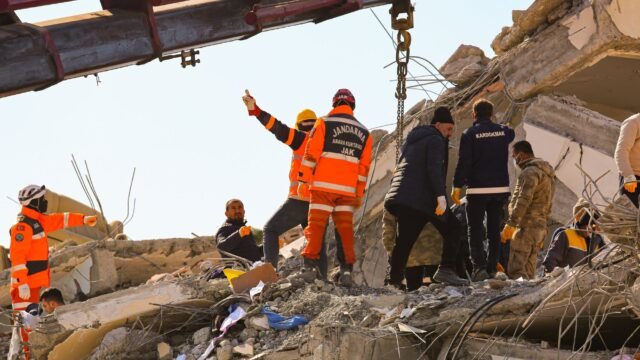
The exact circumstances leading to the head-on collision are still under investigation, but initial reports indicate a severe failure in operational coordination or signaling systems. Emergency services were immediately dispatched to the scene, working tirelessly to extricate passengers from the mangled wreckage of the trains. The scale of the disaster has prompted a large-scale response, with medical personnel and rescue workers converging to provide aid and search for any remaining survivors.
Information reaching TahirRihat.com suggests that the collision involved a passenger train and another service, though specific details regarding the type of the second train and its cargo or passenger capacity are yet to be fully disclosed by official sources. The impact of the crash was severe, causing significant damage to both rail vehicles and creating a scene of chaos and destruction. The immediate aftermath saw a desperate effort to reach those trapped within the overturned carriages.
The injured have been transported to various local hospitals and medical facilities, where they are receiving urgent treatment. Officials are working to identify the deceased and notify their families, a process that is expected to be complex given the severity of the accident. The Indonesian National Transportation Safety Committee is expected to lead the inquiry into the causes of the crash, examining factors such as human error, mechanical failure, and the condition of the railway infrastructure. The investigation will likely scrutinize the communication protocols between train operators and control centers, as well as the maintenance records of the involved rolling stock.
The railway network in Indonesia, particularly around densely populated areas like Jakarta, experiences high traffic volumes. Accidents of this magnitude, while not frequent, highlight the critical importance of stringent safety measures and regular oversight. The government has pledged full support for the rescue and recovery efforts, as well as for the families affected by the tragedy. The Ministry of Transportation has also announced a review of safety procedures across the national rail network in light of this incident. The economic impact of such a disaster, including the disruption to transportation services and the cost of the investigation and potential compensation, is also a significant consideration.
Eyewitness accounts, though preliminary, describe a scene of immense shock and confusion immediately after the collision. Passengers who managed to escape the immediate impact spoke of the terrifying sounds of metal grinding and the subsequent struggle to find a way out of the damaged carriages. The resilience of the rescue teams in continuing their search through the night, despite the challenging conditions, has been widely acknowledged. The focus remains on accounting for all passengers and crew members and providing comprehensive support to those affected.
The Indonesian authorities have appealed for calm and cooperation from the public as they conduct their investigations. The recovery process is expected to be lengthy, and the impact on the local community and the nation’s transportation infrastructure will be felt for some time. The government’s response will be closely watched, particularly its commitment to implementing measures that will prevent similar tragedies in the future. The precise number of fatalities and injuries may be subject to change as the full extent of the disaster becomes clearer and more information is gathered from the ongoing rescue and recovery operations.

Tahir Rihat (also known as Tahir Bilal) is an independent journalist, activist, and digital media professional from the Chenab Valley of Jammu and Kashmir, India. He is best known for his work as the Online Editor at The Chenab Times.


Leave a Reply