
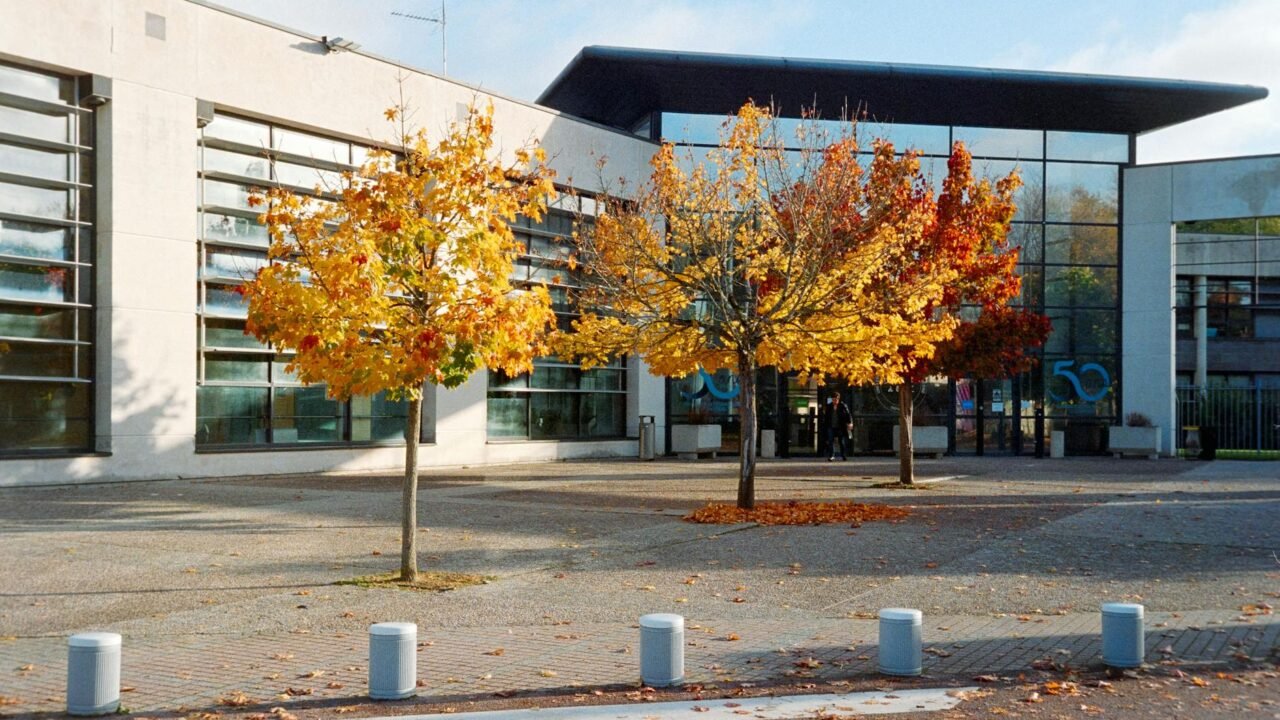
American higher education, long a beacon for international students, is experiencing a notable dip in its allure for some French scholars, a shift influenced by a confluence of global anxieties including visa uncertainties, concerns over academic freedom, and broader safety considerations. Institutions like Sciences Po in Paris, a prestigious graduate school, are finding themselves increasingly attractive alternatives to the hallowed halls of the Ivy League for a segment of ambitious young minds.
The changing landscape reflects a complex interplay of political climates and evolving perceptions of educational environments abroad. For years, the prestige associated with American universities, particularly those in the elite tier, served as a powerful draw for students worldwide, promising unparalleled academic rigor and future career prospects. However, recent global developments have cast a shadow over these traditional advantages, prompting a reevaluation among prospective international students.
As per information available with TahirRihat.com, a significant factor contributing to this trend is the perceived instability surrounding visa policies in the United States. Fluctuations and stringent requirements can create a climate of uncertainty for students planning long-term academic pursuits, making the prospect of studying in countries with more predictable immigration pathways more appealing. This uncertainty extends beyond mere entry and exit, encompassing the potential for future work opportunities post-graduation, a crucial consideration for many ambitious scholars.
Furthermore, discussions around academic freedom have also surfaced as a point of concern. While American universities are renowned for their commitment to open inquiry and diverse perspectives, certain political narratives and societal debates have, for some observers, raised questions about the unhindered pursuit of knowledge. This perception, whether fully grounded or amplified by media narratives, can influence a student’s decision-making process when choosing an academic home.
The broader issue of safety, both on and off campus, has also become a more prominent consideration. Incidents that garner international attention, coupled with ongoing global security concerns, can contribute to a student’s apprehension about relocating to a foreign country. In this context, institutions that are perceived as offering a more stable and secure environment, even if they do not carry the same global brand recognition as American Ivy League schools, can gain an advantage.
Sciences Po, with its deep roots in French intellectual and political life, offers a distinct advantage. Its curriculum is steeped in European history, political science, and international relations, providing a unique perspective that resonates with students interested in these fields. The institution’s strong connections within France and the European Union can also translate into valuable internship and career opportunities within a familiar cultural and regulatory framework.
The appeal of institutions like Sciences Po is not solely about avoiding perceived negatives in the United States; it is also about the positive attributes they offer. These European universities often provide a strong emphasis on interdisciplinary studies, a commitment to critical thinking, and a more integrated approach to understanding global challenges. For students seeking a nuanced understanding of European affairs or a different pedagogical approach, these institutions present a compelling alternative.
The shift in student preferences is a subtle but significant indicator of evolving global dynamics. It suggests that the traditional hierarchy of international education, long dominated by a few select American institutions, may be undergoing a transformation. As students become more discerning and their decision-making criteria broaden to include factors beyond pure academic prestige, universities worldwide are being re-evaluated on a more holistic set of parameters. This includes the stability of their host countries, the robustness of their academic environments, and the tangible career pathways they can offer.
The implications of this trend extend beyond individual student choices. It could signal a broader recalibration of international student mobility patterns, potentially leading to a more diversified global higher education landscape. Universities that can adapt to these changing student priorities, by addressing concerns about visas, academic freedom, and safety, while also highlighting their unique strengths and global relevance, are likely to fare best in this evolving environment. The allure of American universities, while still considerable, may no longer be the automatic default for every ambitious student seeking an international education.

Tahir Rihat (also known as Tahir Bilal) is an independent journalist, activist, and digital media professional from the Chenab Valley of Jammu and Kashmir, India. He is best known for his work as the Online Editor at The Chenab Times.



Leave a Reply