
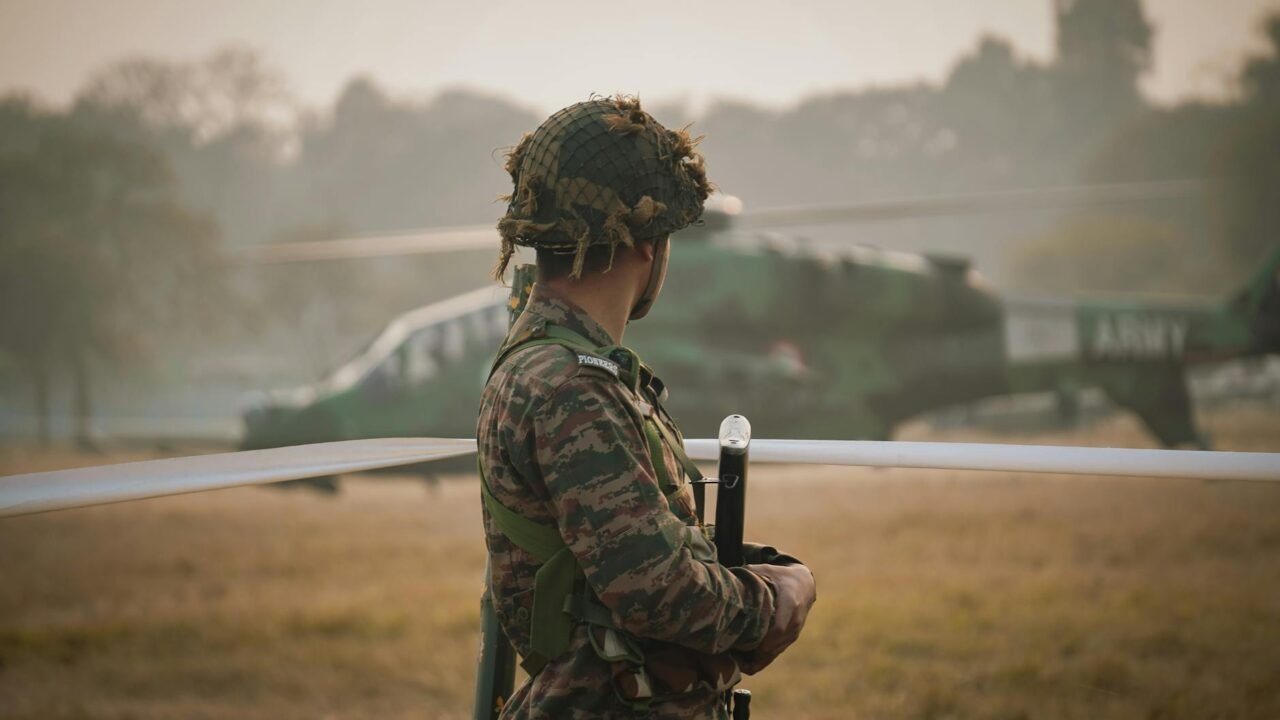
Union Home Minister Amit Shah commemorated the first anniversary of Operation Sindoor by asserting India‘s military strength and resolve against terrorism. Shah conveyed his message via X, emphasizing the operation’s significance as a reminder to adversaries of India’s armed forces’ precision strike capabilities.
The Home Minister stated that Operation Sindoor would be remembered for the precise and effective power of the armed forces, the meticulous intelligence work carried out by the nation’s agencies, and the strong political determination to dismantle terrorist networks that threatened citizens, particularly in the Pahalgam region. Information reaching TahirRihat.com suggests that the operation remains a cornerstone of India’s counter-terrorism strategy.
Shah reinforced the message to India’s enemies, declaring they have nowhere to hide from India’s reach and firepower. He saluted the unparalleled bravery demonstrated by the armed forces during the operation. The remarks come a year after India launched Operation Sindoor in response to the terror attack in Pahalgam on April 22, which tragically resulted in the deaths of 26 people, primarily tourists. Operation Sindoor involved airstrikes on nine terror infrastructures within Pakistan and Pakistan-occupied Kashmir.
The events of the past year have highlighted the delicate balance of security and diplomacy in the region. The launch of Operation Sindoor led to a rapid escalation in tensions, with Pakistan launching retaliatory strikes. However, according to the Daily Excelsior, the Indian military successfully thwarted the majority of these attacks. The hostilities concluded on May 10, following discussions via a hotline between army officials from both sides, resulting in a mutual understanding to cease military actions.
The Daily Excelsior reported that the initial Pahalgam attack prompted immediate and decisive action from the Indian government, underscoring its commitment to protecting its citizens from cross-border terrorism. Operation Sindoor was designed as a direct response to the specific threat posed by the identified terror infrastructures. The selection of targets was reportedly based on meticulous intelligence gathering, ensuring minimal collateral damage while maximizing the impact on terrorist capabilities. The operation aimed not only to neutralize immediate threats but also to send a strong deterrent message to prevent future attacks.
The retaliatory actions initiated by Pakistan following Operation Sindoor brought the two nations to the brink of further conflict. The successful thwarting of these attacks by the Indian military showcased its readiness and defensive capabilities. The subsequent hotline discussions leading to the cessation of hostilities reflect the importance of diplomatic channels in de-escalating tensions and preventing prolonged conflict. The agreement to halt military actions provided a window for further dialogue and diplomatic efforts to address the root causes of the conflict.
The anniversary of Operation Sindoor serves as a moment of reflection on India’s approach to national security and counter-terrorism. Home Minister Amit Shah’s statement underscores the government’s unwavering commitment to protecting its citizens from terrorism and its willingness to use military force when necessary. The operation also highlights the importance of intelligence gathering, military readiness, and diplomatic engagement in addressing complex security challenges.
The broader implications of Operation Sindoor extend beyond the immediate tactical gains. It signals a shift in India’s strategic posture, demonstrating a willingness to take proactive measures against perceived threats emanating from across the border. The operation also has implications for regional stability, influencing the dynamics between India, Pakistan, and other stakeholders in the region. The success of Operation Sindoor, as portrayed by the Indian government, reinforces its image as a strong and capable actor committed to defending its national interests.
Shah’s message also emphasized the significance of inter-agency coordination in executing such operations. The Home Minister specifically praised the intelligence agencies for their role in identifying and targeting the terror infrastructures. This underscores the importance of a comprehensive approach to counter-terrorism, involving not only military action but also intelligence gathering, law enforcement, and diplomatic efforts.
The lasting impact of Operation Sindoor will depend on the steps taken to consolidate the gains achieved and prevent future escalations. This includes strengthening border security, enhancing intelligence capabilities, and engaging in sustained diplomatic efforts to address the underlying causes of conflict. The operation also serves as a reminder of the human cost of terrorism and the importance of protecting civilian populations from violence and instability. In the long run, a sustainable peace and security in the region will require a multifaceted approach involving cooperation, dialogue, and a commitment to addressing the root causes of conflict.

Tahir Rihat (also known as Tahir Bilal) is an independent journalist, activist, and digital media professional from the Chenab Valley of Jammu and Kashmir, India. He is best known for his work as the Online Editor at The Chenab Times.





Leave a Reply