
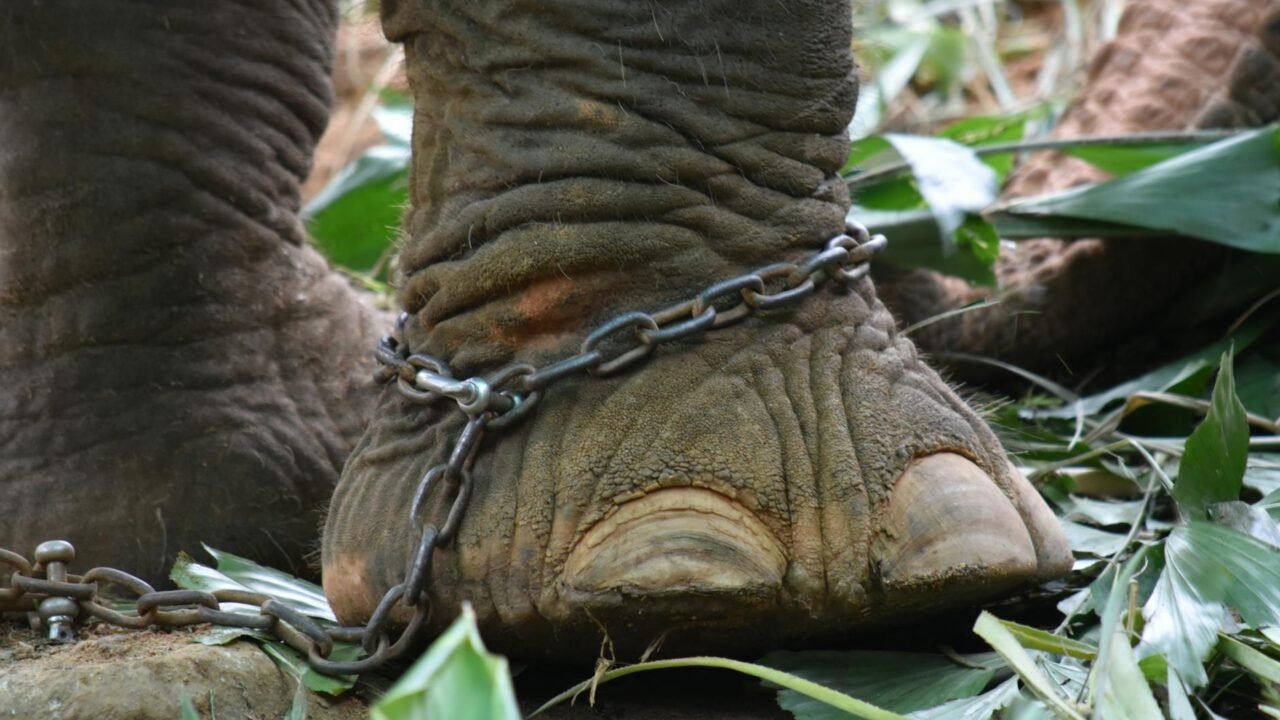
A recent report by the National Crime Records Bureau (NCRB) has brought to light the disturbing prevalence of animal cruelty across India. The ‘Crime in India 2024’ database, which for the first time includes cases registered under the Prevention of Cruelty to Animals Act, reveals a total of 9,039 such cases were recorded nationwide.
Animal rights activists have consistently emphasized the importance of documenting cruelty against animals, mirroring the documentation of animal attacks on humans. The NCRB’s inclusion of these cases marks a significant step forward in acknowledging and addressing this issue. The newly released data underscores the urgent need for increased awareness and stricter enforcement of animal protection laws throughout the country.
As per information available with TahirRihat.com, Maharashtra registered the highest number of animal cruelty cases among all states in 2024, with a total of 2,927. Following Maharashtra, Telangana reported 1,890 cases, Kerala recorded 1,510 cases, and Uttar Pradesh documented 1,121 cases. Karnataka accounted for 320 cases, Tamil Nadu 259, and Gujarat 181 during the same period. These figures highlight the varying levels of enforcement and awareness regarding animal welfare across different regions of India.
Among Union Territories, Jammu and Kashmir recorded the highest number of cases with 223, followed by Delhi with 35. Several states and Union Territories reported significantly lower or even zero cases. Arunachal Pradesh, Mizoram, Nagaland, Sikkim, and Tripura reported no registered cases under the Prevention of Cruelty to Animals Act in 2024. Similarly, the Union Territories of Ladakh, Lakshadweep, and Chandigarh also reported zero cases.
Animal rights activist and former Union minister Maneka Gandhi expressed her support for the NCRB’s decision to incorporate animal cruelty cases into the annual crime report, describing it as a crucial recognition of a long-neglected problem. (Gandhi told PTI that, “On average, there will be 9,000 to 10,000 cases per day. And this is more than any other case of any other kind.”). She also voiced her hope that increased awareness among law enforcement would lead to greater attention and action regarding these crimes. (Gandhi said, “Once the police realise the crime that is involved here, I hope they will pay more attention to it.”)
Gandhi emphasized the correlation between cruelty towards animals and violent behavior towards humans. (Gandhi stated, “The government needs to understand that people who are cruel to animals will also be cruel to people.”) She mentioned that the Federal Bureau of Investigation (FBI) in the United States has identified animal cruelty as a serious crime requiring attention, referencing studies and crime trends. (Gandhi said that, “There have been surveys done showing that anybody who is in jail across the world for heinous crimes such as murder, dacoity, arson and mugging, they have started their life by attacking animals first.”)
Animal rights activist Rashim Sharma also welcomed the inclusion of animal cruelty data in the NCRB report, considering it a positive step towards building awareness that such acts are unacceptable and punishable by law. (Sharma told PTI that inclusion of such data was a “welcome step”). (Sharma said, “Recognising animal cruelty cases as crimes will build awareness that such acts are unacceptable and punishable by law.”) Sharma further pointed out the underreporting of crimes against animals and emphasized that greater visibility could encourage reporting, create deterrence, and help curb increasing cruelty towards animals. (Sharma added, “The number of crimes against animals remains highly underreported, and greater visibility can encourage reporting, create deterrence, and help rein in increasing cruelty towards animals.”)
The NCRB data serves as a baseline for future monitoring and intervention efforts. It underscores the importance of strengthening animal protection laws, increasing public awareness, and improving law enforcement responses to animal cruelty cases. The recognition of animal cruelty as a crime is expected to lead to more effective prevention strategies and a greater commitment to animal welfare across India. The report also highlights the disparities in reporting and enforcement across different states and Union Territories, suggesting a need for targeted interventions and resource allocation to address these regional variations. As awareness grows and reporting mechanisms improve, future NCRB reports are expected to provide a more comprehensive understanding of the scope and nature of animal cruelty in India.

Tahir Rihat (also known as Tahir Bilal) is an independent journalist, activist, and digital media professional from the Chenab Valley of Jammu and Kashmir, India. He is best known for his work as the Online Editor at The Chenab Times.






Leave a Reply