
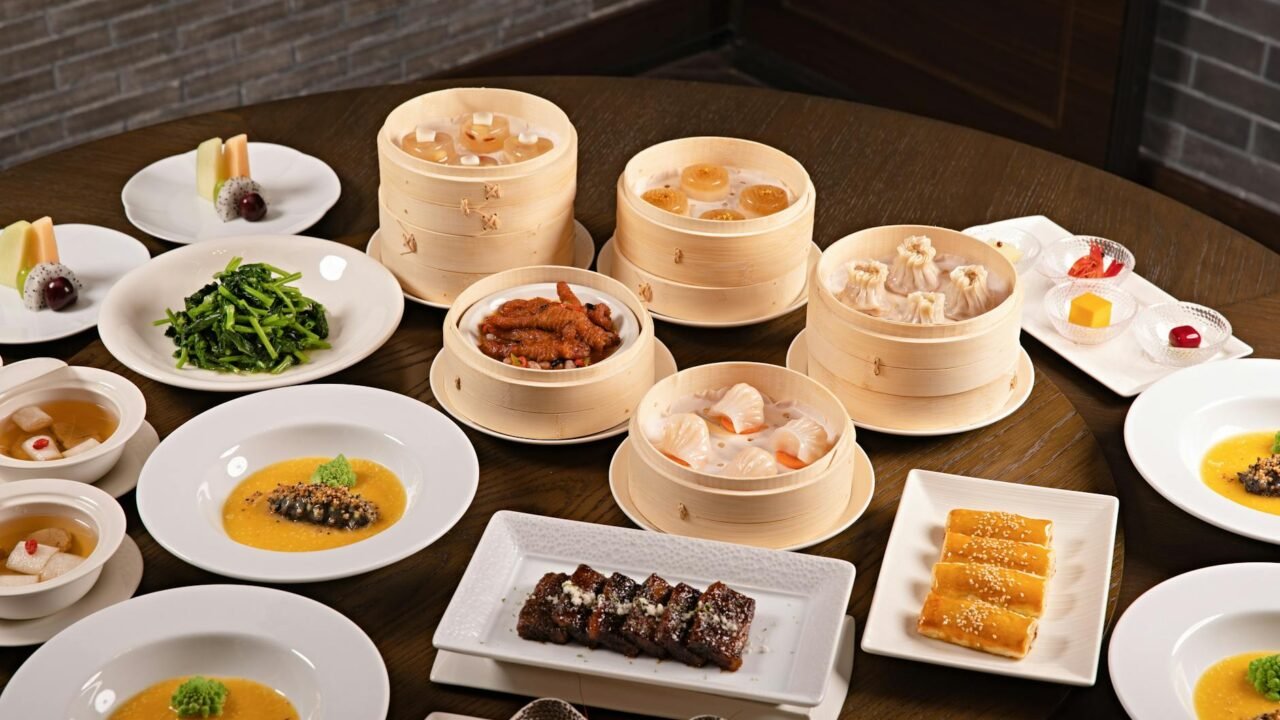
Beijing’s culinary team meticulously crafted a state dinner menu for President Trump, aiming to blend traditional Chinese delicacies with international tastes that would resonate with the American leader. The selection of dishes was a strategic move, reflecting an effort to foster goodwill and demonstrate cultural understanding during a significant diplomatic occasion.
Information reaching Tahir Rihat suggests that the menu was a carefully curated fusion, designed to offer a sophisticated dining experience that acknowledged both the host nation’s rich gastronomic heritage and the guest’s palate. This approach underscores the importance of culinary diplomacy in international relations, where food often serves as a bridge between cultures and a symbol of hospitality.
The centerpiece of the meal reportedly included robust offerings such as beef ribs, a dish often associated with hearty and satisfying flavors. This choice might have been a deliberate nod to American culinary preferences, known for appreciating substantial meat dishes. Alongside this, roast duck, a quintessential element of Chinese banquets, was prominently featured. The preparation of roast duck is an art form in China, requiring precise techniques to achieve crispy skin and succulent meat, signifying a high level of culinary skill and respect for tradition.
Beyond these main courses, the dessert selection also showcased a blend of influences. Tiramisu, a classic Italian dessert, was included, indicating a broader international scope to the culinary offerings. This inclusion suggests an attempt to present a globally aware and refined dining experience, moving beyond purely bilateral culinary exchanges. The presence of such a well-known international dessert might have been intended to provide a familiar and comforting note for the American delegation.
The overall composition of the menu speaks to a thoughtful consideration of the guest’s preferences while simultaneously highlighting China’s capacity to host and impress on a global stage. The chefs likely drew upon a wide repertoire of techniques and ingredients to ensure each dish was not only palatable but also presented with the elegance expected of a state function. This attention to detail in the menu planning reflects the broader diplomatic objectives of the state visit, aiming to create a memorable and positive impression.
The selection of beef ribs, roast duck, and tiramisu represents a deliberate culinary strategy. Beef ribs, while not a traditional staple in all Chinese cuisines, are popular globally and offer a familiar comfort food element. Roast duck, on the other hand, is a symbol of Chinese culinary excellence, often prepared for special occasions and feasts. Its inclusion would have been a clear demonstration of China’s gastronomic prowess. The inclusion of tiramisu, a globally recognized dessert, further broadens the appeal and demonstrates an awareness of international culinary trends and preferences.
This thoughtful menu planning is a testament to the intricate nature of state dinners, where every detail, from the seating arrangements to the final course, is designed to convey a specific message. In this instance, the message appears to be one of openness, sophistication, and a willingness to engage with international tastes, all while proudly showcasing China’s own culinary heritage. The chefs’ ability to balance these elements would have been crucial in setting the tone for the diplomatic discussions that followed.
The strategic inclusion of dishes like beef ribs and roast duck, alongside an international favorite like tiramisu, suggests a sophisticated understanding of how food can be used as a tool in diplomacy. It allows for a shared experience that transcends language barriers and cultural differences, fostering a sense of connection and mutual respect. The success of such a dinner often hinges on the ability of the culinary team to deliver a memorable experience that complements the political and economic objectives of the state visit.
The careful selection of ingredients and the precision in preparation would have been paramount. For roast duck, achieving the perfect balance of tender meat and crispy skin is a hallmark of skilled preparation. Similarly, the beef ribs would have been cooked to a point of tenderness that appeals to a wide range of diners. The tiramisu, requiring a delicate balance of flavors and textures, would have provided a sweet and satisfying conclusion to the meal.
This culinary diplomacy, as exemplified by the state dinner menu, plays a vital role in shaping perceptions and building relationships between nations. By offering a meal that is both familiar and exotic, China aimed to create an environment conducive to positive dialogue and cooperation with the United States. The dishes chosen were not merely sustenance but were carefully selected to communicate a message of welcome, respect, and a shared appreciation for fine dining.

Tahir Rihat (also known as Tahir Bilal) is an independent journalist, activist, and digital media professional from the Chenab Valley of Jammu and Kashmir, India. He is best known for his work as the Online Editor at The Chenab Times.






Leave a Reply