
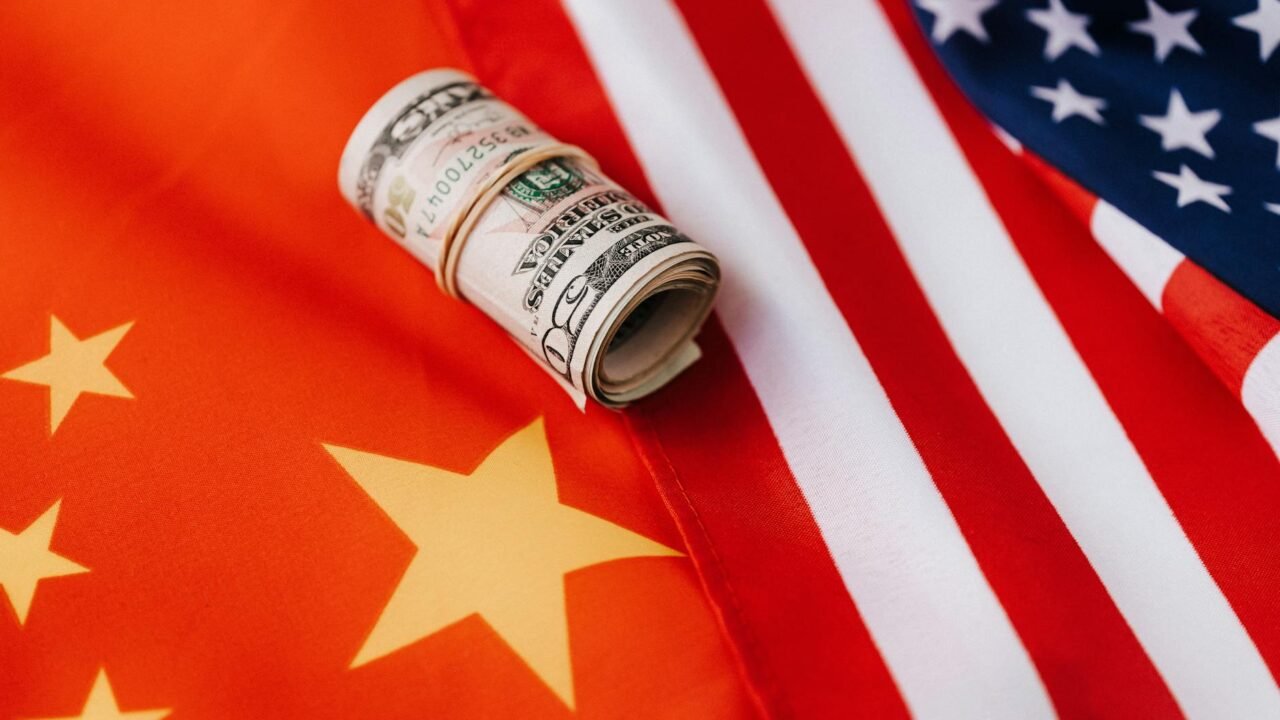
Chinese state media has presented the recent summit between President Trump and Chinese leadership as a pivotal moment, signaling a shift in the global power dynamic. The narrative emerging from Beijing’s official news outlets emphasizes that the United States is now increasingly acknowledging the necessity of engaging with China as an equal power. This framing suggests a deliberate effort by the Chinese government to project an image of rising international stature and to influence global perceptions of its relationship with the United States.
Information reaching Tahir Rihat suggests that the core message disseminated by Chinese state media is that the summit provided an opportunity for the United States to recognize what Beijing views as the “right way” for two major global powers to interact. This implies a departure from previous dynamics where, from China’s perspective, the U.S. may have operated with a perception of unilateral dominance. The emphasis on equality in engagement is a recurring theme in Chinese foreign policy discourse, and its amplification following this high-level meeting underscores its strategic importance to Beijing.
The portrayal of the summit as a U.S. concession to engage on equal footing serves multiple purposes for China. Firstly, it bolsters domestic confidence and national pride, reinforcing the narrative of China’s ascendance on the world stage. Secondly, it aims to shape international opinion, potentially encouraging other nations to adopt a similar approach in their dealings with China. By framing the engagement as an acceptance of equality by the U.S., China seeks to legitimize its growing influence and its demands for a greater say in global governance. This narrative is carefully curated to resonate with a global audience increasingly aware of China’s economic and geopolitical might.
The specific language used in Chinese state media reports, such as the assertion that the U.S. is accepting the “right way” to engage, indicates a strategic communication effort. This phrasing suggests that China is not merely participating in global affairs but is actively defining the terms of engagement. The implication is that the U.S. has come to understand that a constructive and stable bilateral relationship can only be built on a foundation of mutual respect and parity. This is a significant departure from historical narratives that often depicted China as a developing nation seeking to catch up with established powers. Now, the narrative is one of a peer competitor, a co-equal architect of the international order.
The timing of this messaging is also noteworthy. In a global landscape marked by shifting alliances and evolving economic challenges, China’s ability to project an image of strength and stability is crucial. By highlighting the U.S.’s perceived acceptance of an equal partnership, Beijing aims to solidify its position as a indispensable player in resolving international issues. This narrative can also serve to counter criticisms or concerns about China’s growing assertiveness, by framing its actions as those of a responsible global power seeking a balanced international system. The summit, therefore, is not just an event but a carefully managed opportunity to recalibrate global perceptions of China’s role and influence.
The implications of this narrative extend beyond the bilateral relationship between the U.S. and China. It suggests a broader ambition by Beijing to reshape the international order in a way that better reflects its growing power and interests. The emphasis on equality in engagement could translate into demands for greater representation in international institutions, a more prominent role in setting global standards, and a reevaluation of existing geopolitical arrangements. As China continues to expand its economic and military capabilities, its ability to successfully project this narrative of rising stature and equal partnership will be a key factor in determining its future influence on the global stage.
The consistent articulation of this theme across various Chinese state media platforms indicates a coordinated effort to shape public opinion both domestically and internationally. This strategic communication aims to present China not as a challenger to the existing order, but as a vital partner in its evolution, albeit on terms that acknowledge its own burgeoning strength. The summit, in this context, is framed as a testament to the inevitability of China’s rise and the necessity for other global powers to adapt to this new reality. The narrative of U.S. acceptance of equality is a cornerstone of this broader strategy, designed to normalize China’s elevated global position and to encourage a more accommodating international response to its ambitions.
The reporting from Chinese state media suggests that the summit was viewed as a success from Beijing’s perspective, primarily because it allowed for the public assertion of its desired relationship with the United States. This narrative is not merely about diplomatic optics; it reflects a deeper strategic objective to cement China’s status as a global superpower. The emphasis on the U.S. acknowledging the “right way” to engage as equals is a clear signal that China expects its growing influence to be recognized and respected in all its international interactions. This approach is likely to continue to be a defining feature of China’s foreign policy as it navigates the complexities of the 21st century global landscape.

Tahir Rihat (also known as Tahir Bilal) is an independent journalist, activist, and digital media professional from the Chenab Valley of Jammu and Kashmir, India. He is best known for his work as the Online Editor at The Chenab Times.





Leave a Reply