
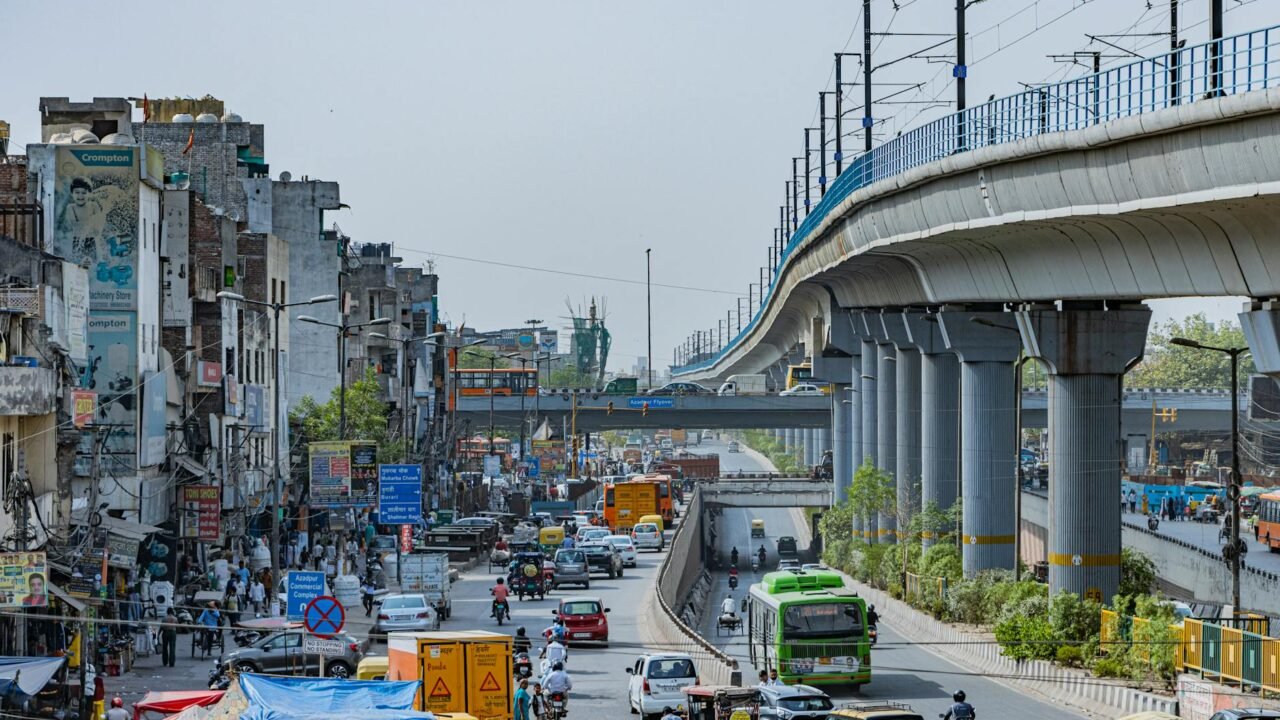
Compressed Natural Gas (CNG) prices in Delhi have been increased for the second time in a week, adding to the financial strain on commuters and businesses that rely on the fuel. The latest hike, amounting to Re 1 per kilogram, went into effect early Sunday morning. This follows a prior increase of Rs 2 per kg that was implemented on Thursday, according to reports.
The current price of CNG in the national capital now stands at Rs 80.09 per kg, according to Indraprastha Gas Ltd (IGL), the primary city gas distributor in the region. IGL serves a vast network of consumers, including public transport vehicles and private vehicles converted to use CNG. The repeated price increases are expected to impact transportation costs and potentially contribute to inflationary pressures across the city. Sources indicate to TahirRihat.com that further increases may be implemented in the coming weeks if market conditions worsen.
The increase specifically affects CNG, while the rates for piped natural gas (PNG) supplied to households for cooking have remained unchanged. This distinction highlights the targeted impact of the price adjustments on the transportation sector. CNG is a crucial fuel for auto-rickshaws, taxis, and buses, making the price hikes a matter of concern for both commuters and transport operators. The ripple effects of these increases are anticipated to extend to other sectors as well, potentially driving up the cost of goods and services that depend on transportation.
IGL issued a statement explaining the rationale behind the price increase (IGL said, “The retail selling price of CNG has been increased by Re 1/kg wef 6 am on 17.05.2026 in all geographical areas (GAs) of IGL”). The company cited the rising cost of input gas and the appreciation of the US dollar as primary factors necessitating the revision (IGL said, “The revision in retail prices of CNG has been effected only to marginally offset the impact of increase in input gas cost along with steep appreciation of USD”). These external economic factors are creating challenges for gas distributors and are ultimately being passed on to consumers.
Despite the recent price hikes, IGL maintains that CNG still offers significant savings compared to alternative fuels (IGL said, “Even after the latest revision, CNG would still offer up to 45 per cent savings towards the running cost when compared to vehicles running on alternate fuel at the current level of prices”). The company argues that even with the increased prices, CNG remains a more economical option for vehicle owners compared to petrol or diesel. However, the repeated increases are eroding this advantage and prompting some to reconsider their fuel choices.
The frequency of these price revisions is raising concerns among consumers and industry experts alike. The consecutive increases within a short span of time are putting a strain on household budgets and business operations. Some analysts suggest that the government may need to intervene to stabilize prices and mitigate the adverse effects on the economy. The fluctuating global energy markets and currency exchange rates are contributing to the volatility in CNG prices, making it difficult for consumers and businesses to plan their finances effectively. The situation warrants close monitoring by policymakers to ensure a stable and affordable energy supply for the public.
The impact of these CNG price hikes is not isolated to Delhi alone. Other cities and regions that rely on CNG as a primary transportation fuel are also experiencing similar pressures. The interconnected nature of the energy market means that fluctuations in one region can quickly spread to others, amplifying the overall economic impact. As CNG prices continue to rise, there is a growing need for sustainable and affordable alternative fuel options. The development and adoption of electric vehicles and other environmentally friendly transportation technologies could help reduce dependence on fossil fuels and mitigate the impact of price volatility in the long run.
The Delhi government has not yet issued any official statement regarding the recent CNG price hikes. However, transport associations and consumer groups are calling for government intervention to ease the financial burden on the public. Some are suggesting subsidies or tax breaks to offset the rising costs and ensure that public transportation remains affordable. The government’s response to these demands will be crucial in addressing the concerns of consumers and maintaining stability in the transportation sector. The rising CNG prices serve as a reminder of the importance of energy security and the need for proactive measures to protect consumers from the impact of global market fluctuations.

Tahir Rihat (also known as Tahir Bilal) is an independent journalist, activist, and digital media professional from the Chenab Valley of Jammu and Kashmir, India. He is best known for his work as the Online Editor at The Chenab Times.





Leave a Reply