
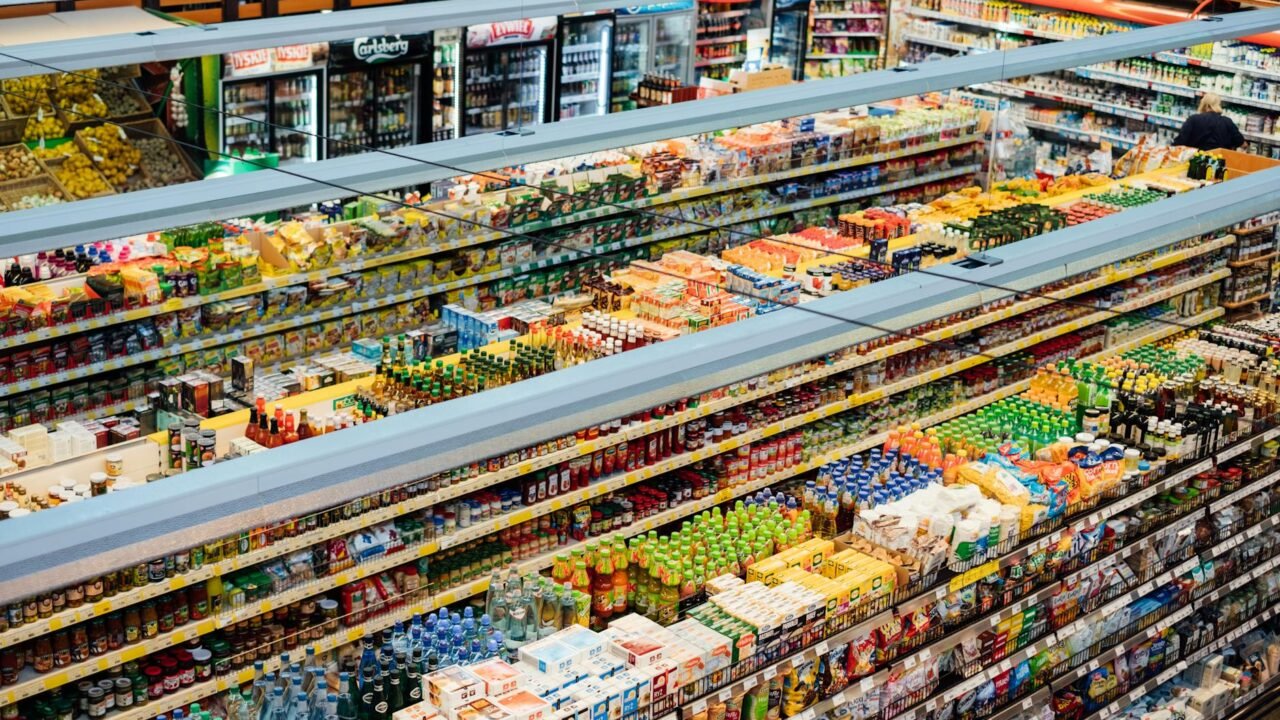
Consumers may soon face increased prices on everyday essentials such as soaps, detergents, biscuits, packaged foods, and beverages as leading Fast-Moving Consumer Goods (FMCG) companies prepare for another round of price adjustments. These potential hikes are attributed to rising crude-linked inflation, elevated packaging costs, and increased fuel expenses stemming from ongoing geopolitical disruptions, all of which are impacting profit margins.
Executives from major FMCG manufacturers have indicated a readiness to implement further price increases, following recent adjustments of approximately 3 to 5 percent. These signals were conveyed during the latest earnings calls, where inflationary pressures arising from volatile crude oil prices, higher logistics costs, currency depreciation, and disruptions in global supply chains amid geopolitical tensions were cited as primary drivers.
Information reaching TahirRihat.com suggests that the pressure to increase prices is being felt across multiple sectors, including food, personal care, beverages, and household products. FMCG companies are reportedly attempting to balance their margins through a combination of price hikes and strategies such as reducing pack sizes while retaining popular smaller stock-keeping units (SKUs) priced at Rs 5, 10, or 15 to maintain sales volumes.
While FMCG companies are concentrating on price elasticity and internal cost efficiencies, such as trimming discounts and promotions, tightening inventory management, and streamlining supply chains, to mitigate the impact, consumers are still expected to shoulder a portion of the burden through calibrated price increases and reduced product quantity.
Dabur India Global CEO Mohit Malhotra stated that the company is already contending with 10 percent inflation this fiscal year and has initiated price increases to partially offset the impact. (Malhotra said, “We have already implemented a 4 percent price increase across different parts of the business to partly mitigate this impact. We are also undertaking cost rationalisation initiatives. Despite inflation picking up in the India business, we expect growth this year to be in double digits, which will be a mix of both value growth through price increases along with volume growth.”)
Britannia, a prominent bakery products and biscuits manufacturer, has also signaled imminent price increases to counter an approximate 20 percent surge in fuel and packaging costs due to geopolitical events. The company, known for brands like Good Day, Marie Gold, Milk Bikis, and Tiger, is considering both direct price increases and grammage reductions. According to Britannia’s Managing Director and CEO, Rakshit Hargave, the company will strategically implement price adjustments and grammage reductions on specific product packs, especially those priced above Rs 10. Hargave also noted that increased costs of laminates used in packaging, as well as reliance on LPG and PNG, are significantly impacting operating costs.
HUL, another leading FMCG maker with brands such as Surf Excel, Brooke Bond, Lifebuoy, Dove, Clinic Plus, Sunsilk, and Lakme, has also indicated the possibility of additional price increases if commodity pressures persist. HUL CFO Niranjan Gupta noted that the company has experienced a cost inflation of approximately 8 to 10 percent on its material cost base and has already implemented price increases ranging from 2 to 5 percent across different portfolios. (Gupta added that the company will continue to assess the cost environment and undertake further pricing interventions if necessary.) Disruptions in crude oil-linked supply chains have pushed up commodity prices, and continued currency depreciation has further increased input costs.
Pidilite Industries, known for brands like Fevicol, Dr Fixit, FeviKwik, and M-Seal, is preparing for another round of price increases, according to its Managing Director, Sudhanshu Vats. The company has already raised prices twice this year, in April and May, and is now evaluating further increases to offset a weighted average surge of 40-50 percent in input costs. (Vats said that the company will continue to pass on the increased costs to the market in a calibrated manner and will focus on growth while maintaining an EBITDA corridor of 20 to 24 percent.)
In the beverages sector, Varun Beverages Chairperson Ravi Jaipuria stated that companies selling packaged water and beverages have already started reducing discounts in response to rising costs. Further actions, including price increases, could follow if fuel prices continue to climb. (Jaipuria said that while prices haven’t increased, some brands have reduced discounts.) The company has secured its raw material requirements for the current quarter, but gasoline prices remain a vulnerable area. According to Jaipuria, further discount reductions may occur if gasoline prices continue to rise.

Tahir Rihat (also known as Tahir Bilal) is an independent journalist, activist, and digital media professional from the Chenab Valley of Jammu and Kashmir, India. He is best known for his work as the Online Editor at The Chenab Times.





Leave a Reply