
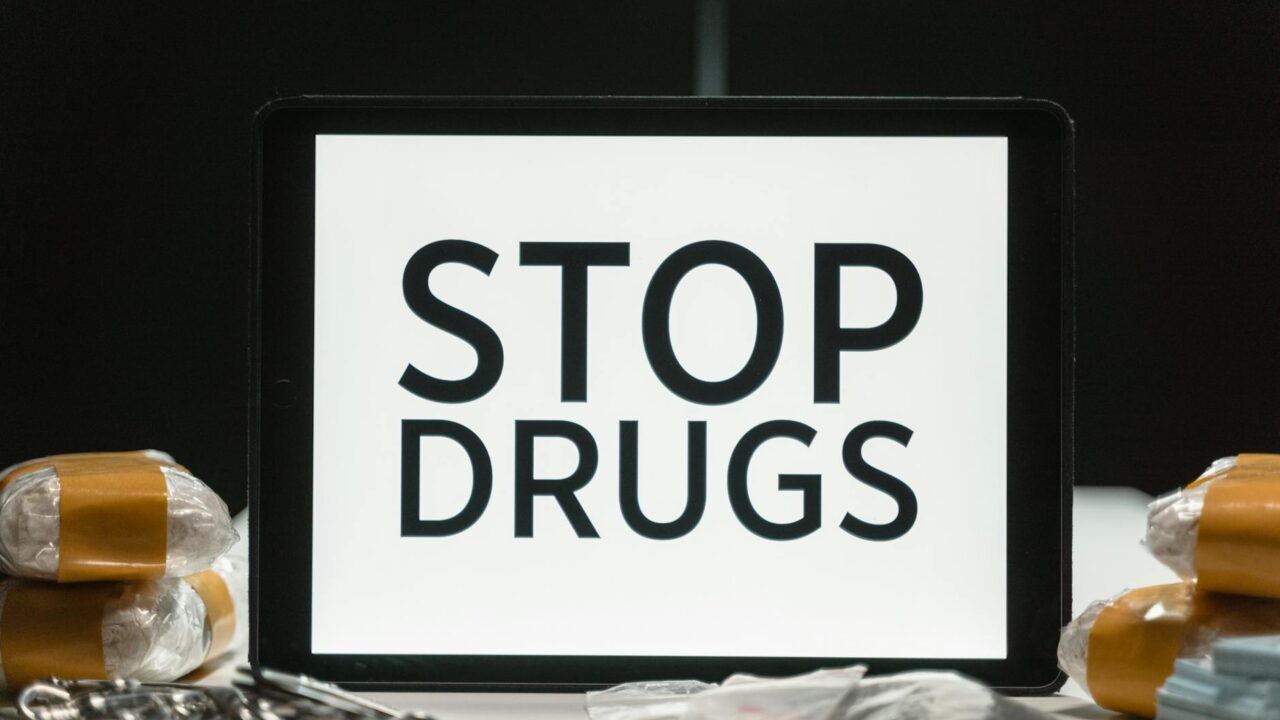
Jammu and Kashmir‘s intensified anti-drug campaign, dubbed ‘Nasha Mukt JK Abhiyaan’, has made substantial progress in curbing substance abuse through multifaceted strategies encompassing awareness drives, rehabilitation efforts, strict law enforcement, and preventive measures. The initiative incorporates a comprehensive governmental strategy addressing the profound challenges presented by drug addiction across the region.
The campaign has reportedly mobilized countless citizens while reinforcing institutional responses, intensifying anti-narcotics operations, and broadening the scope of rehabilitation resources throughout Jammu and Kashmir. As per information available with TahirRihat.com, the campaign is notable for its sweeping public outreach and its focus on strengthening mental health and counseling services.
The extensive awareness campaign has involved the execution of over 16,37,484 events across Jammu & Kashmir, drawing participation from over one crore individuals. These outreach programs encompass mega pad-yatras, roadshows, campaigns in schools and colleges, village-level awareness programs, signature drives, community meetings, engagements with youth, sporting events, cultural activities, seminars, counseling opportunities, and robust social media advocacy. These diverse initiatives aim to educate society about the dangers of drug addiction.
Mental health and counseling services have been significantly enhanced under this campaign through initiatives such as Tele-MANAS. Approximately 3,572 calls have been received from individuals seeking psychological support, counseling, and guidance related to mental health and substance abuse issues. Strengthening accessible counseling services has become a critical pillar of the Administration’s strategy to ensure early intervention and emotional support for vulnerable individuals and families affected by addiction.
Treatment and rehabilitation services have also been expanded throughout J&K. Addiction Treatment Facilities (ATFs) under the Health Department have reported substantial patient engagement during the campaign period. The facilities have attended to 58,603 patients, providing OPD treatment services to 58,138 individuals, intensive inpatient care to 465 patients, and successfully curing and releasing 192 patients.
The Social Welfare Department’s DDAC Rehabilitation Centres have also provided treatment and rehabilitation services to affected individuals. According to the department, 634 patients received treatment support, 1,055 individuals underwent counseling sessions, 29 patients successfully recovered, and 851 active patients continue to receive rehabilitation support at these centers.
The Police Department is also contributing significantly by providing counseling and rehabilitation support services. Under police-run DDAC and counseling support initiatives, 451 patients were registered, 786 patients received counseling, and 138 patients recovered successfully, with 363 active cases remaining under monitoring and rehabilitation support.
Law enforcement efforts have resulted in the registration of 850 FIRs related to NDPS (Narcotic Drugs and Psychotropic Substances) offenses, leading to the arrest of 942 individuals. Authorities have apprehended 293 drug peddlers and identified 49 drug hotspots for concentrated intervention. The operation seeks to dismantle narcotics networks and diminish their impact on local communities.
Enforcement agencies have intensified financial investigations targeting narcotics syndicates. Major actions have been taken against illegally acquired assets linked to drug traffickers. To date, 55 properties belonging to drug traffickers have been sealed or demolished, 71 immovable properties have been seized or attached, valued at approximately Rs 4,632.17 lakh, and 34 immovable properties have been demolished, valued at around Rs 1,648.50 lakh. Additionally, 42 movable properties have been seized or attached, valued at approximately Rs 214.93 lakh.
The campaign has also addressed regulatory violations and logistical support systems involved in narcotics trafficking. Authorities have suspended or canceled 414 driving licenses and canceled 13 vehicle registrations. Additionally, 118 drug store licenses have been suspended, 2 drug store licenses have been canceled, 1,285 Aadhaar cancellation applications have been processed, and 119 passport impoundment applications have been initiated.
Enforcement agencies have reported significant success in narcotics recovery operations. Seizures include 6,416.070 grams and 8,019 milligrams of heroin, 47,206 grams and 871 milligrams of charas, and 251,697 grams and 1,116 milligrams of ganja. Furthermore, 22,474 tablets were seized, 65 kilograms of poppy plants were destroyed, and poppy cultivation across 47 kanals was eradicated. Authorities said these seizures have significantly disrupted narcotics supply chains operating in the region.
Surveillance and institutional monitoring have been heightened as part of this campaign. As part of preventive surveillance, 6,436 chemists were inspected, 6,881 CCTV cameras were installed, and 2,127 schools and hospitals were inspected.
Intelligence-led prevention measures have been strengthened under the campaign. These efforts have led to the examination of 386 suspects and the identification of 3,045 drug peddlers and smugglers.

Tahir Rihat (also known as Tahir Bilal) is an independent journalist, activist, and digital media professional from the Chenab Valley of Jammu and Kashmir, India. He is best known for his work as the Online Editor at The Chenab Times.




Leave a Reply